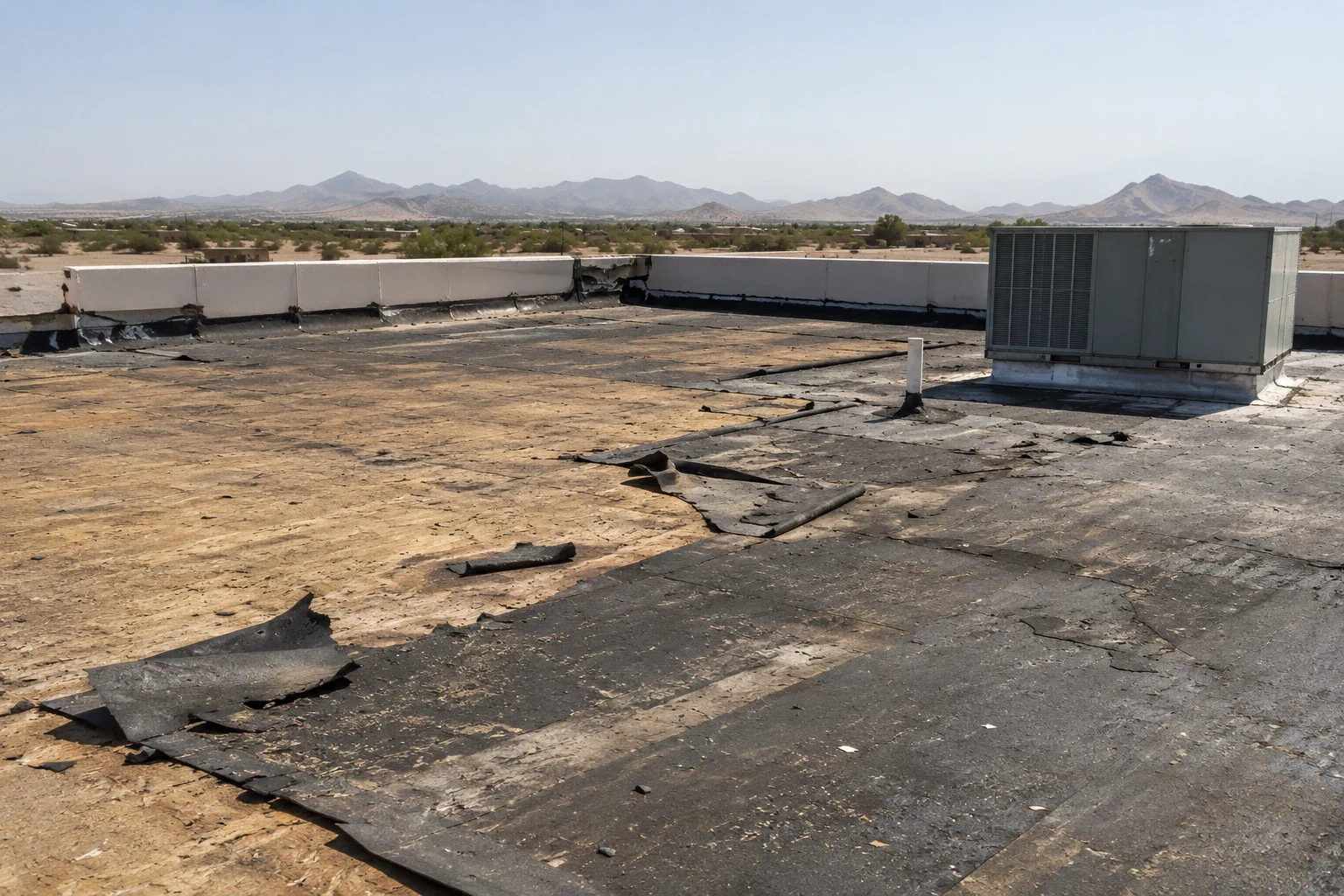
A commercial roof service request starts with a building, an affected area, and a useful access window. We inspect reported leaks and roof wear, then separate immediate protection from investigation and permanent work. The owner receives a task tied to an observed condition and a clear note about what still needs review.
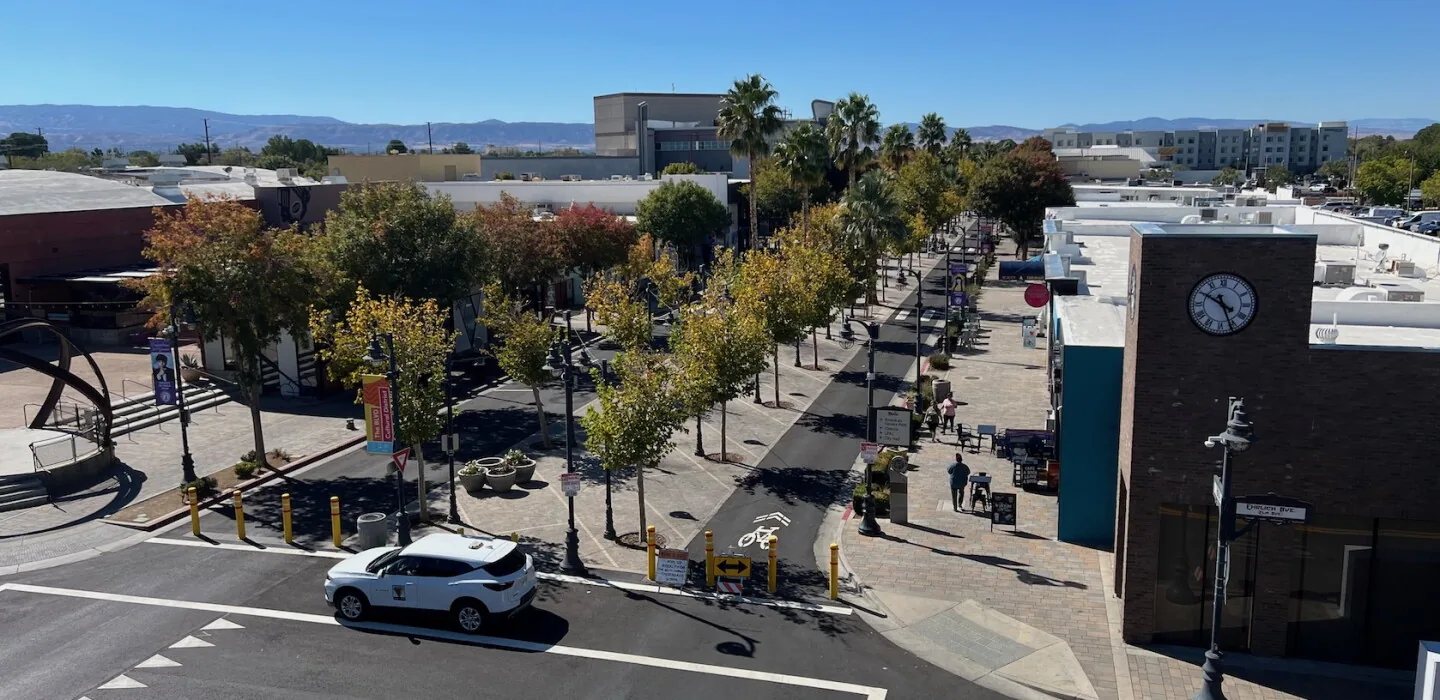
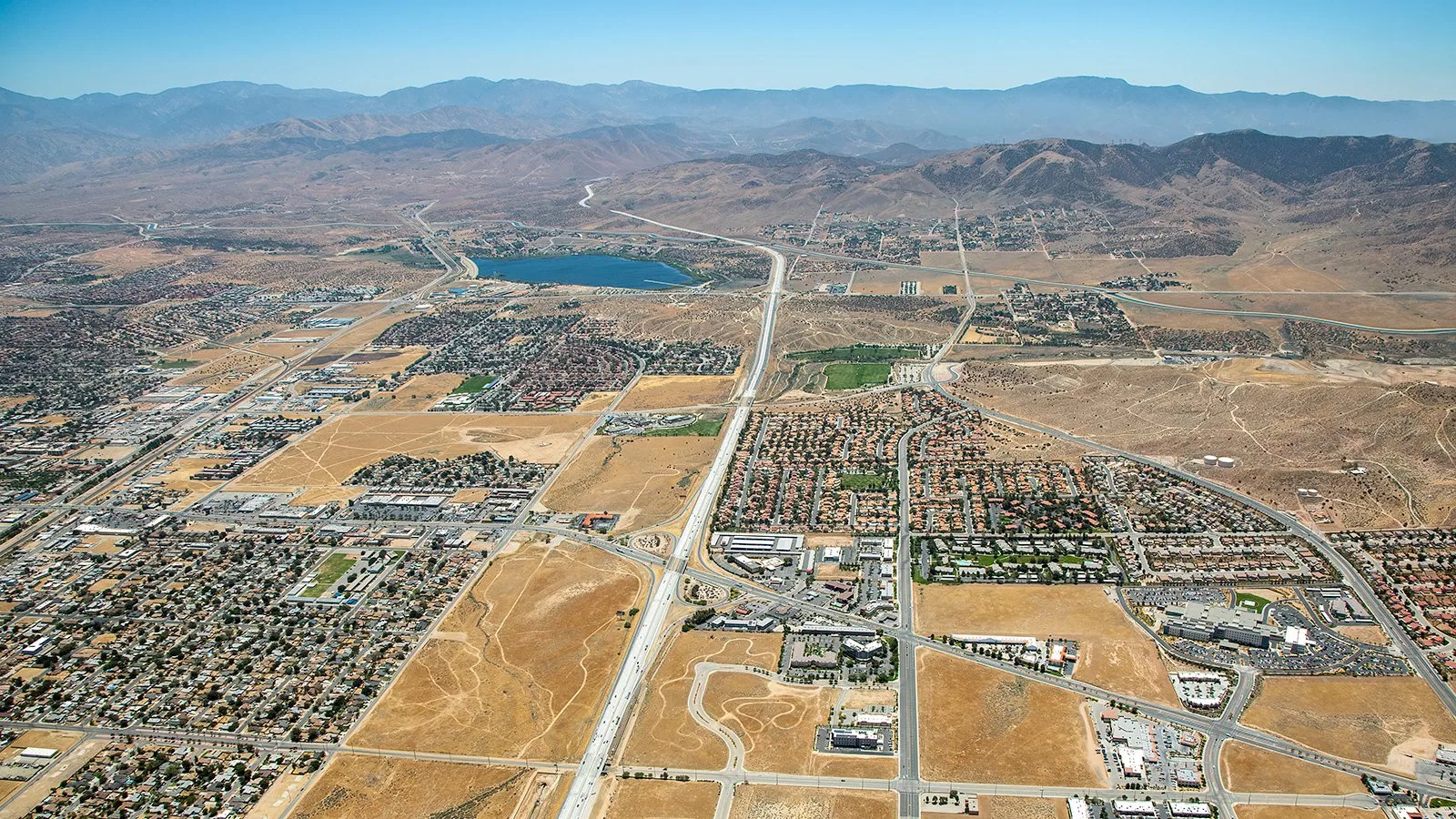
Lancaster's business parks, medical districts, and industrial areas create different access and operating needs. The station's normal August afternoon high sits near 98 degrees Fahrenheit; most annual rain arrives from November into March. Those local conditions inform timing, but the roof assembly and findings determine the work.
Commercial Roofing Services
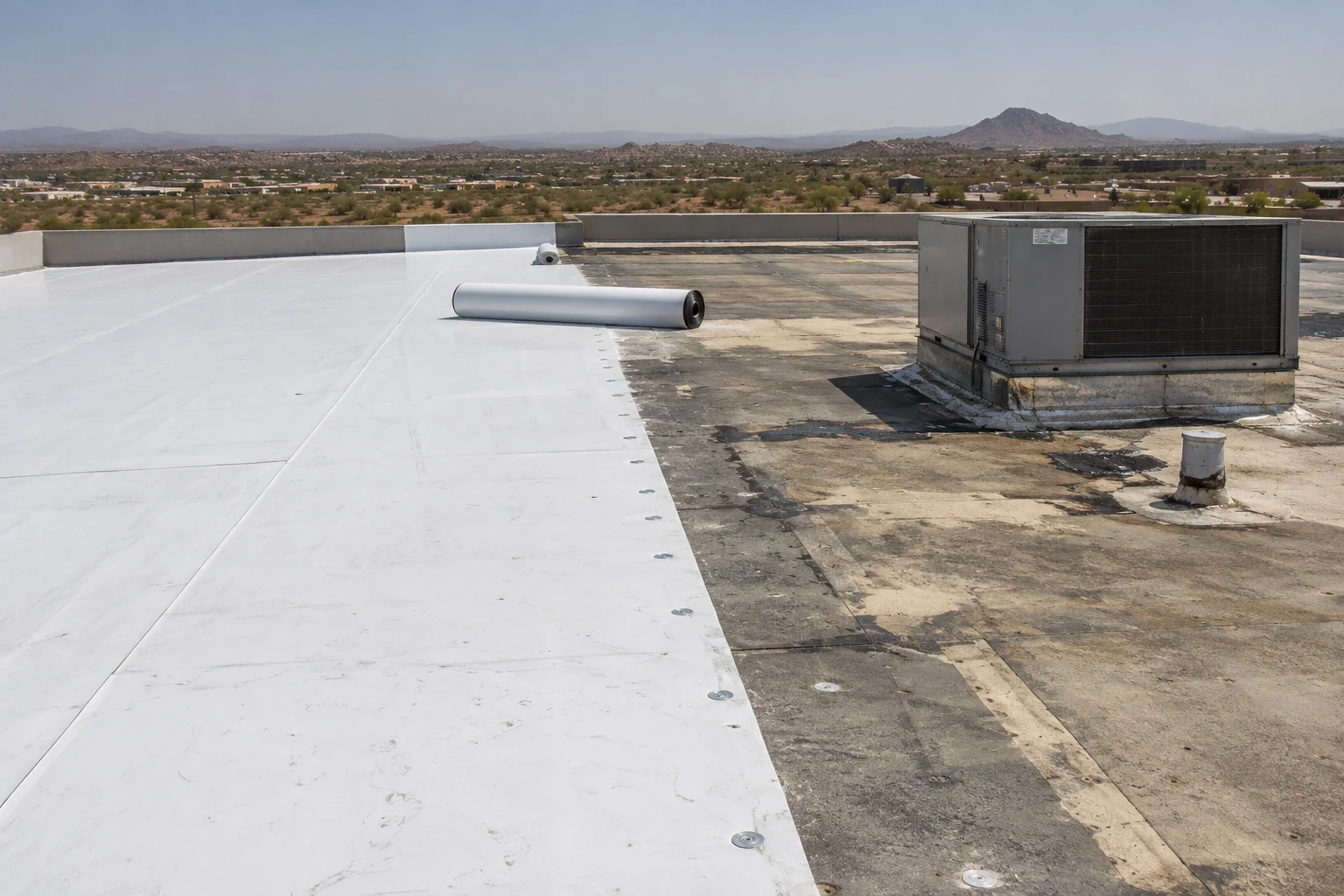
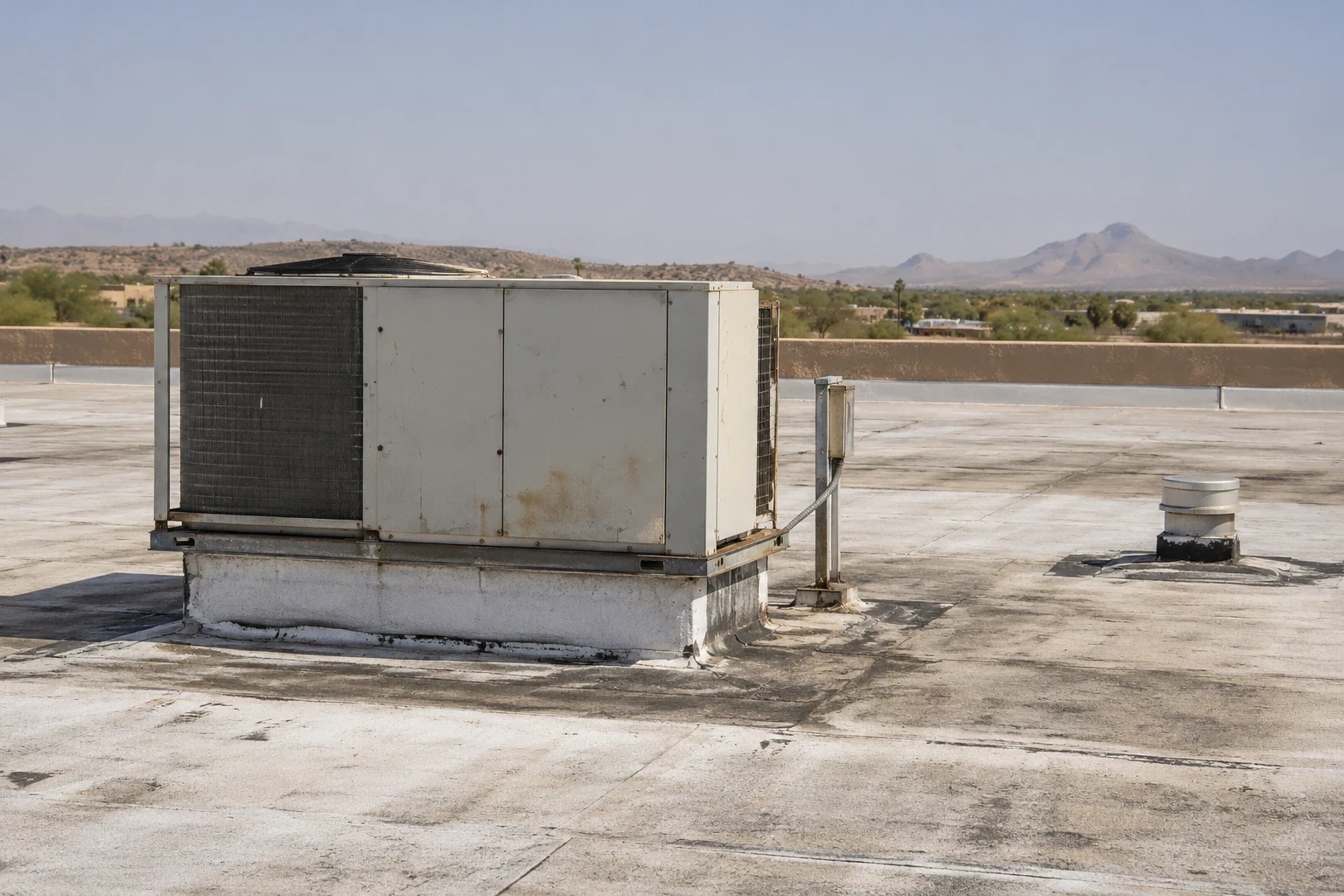
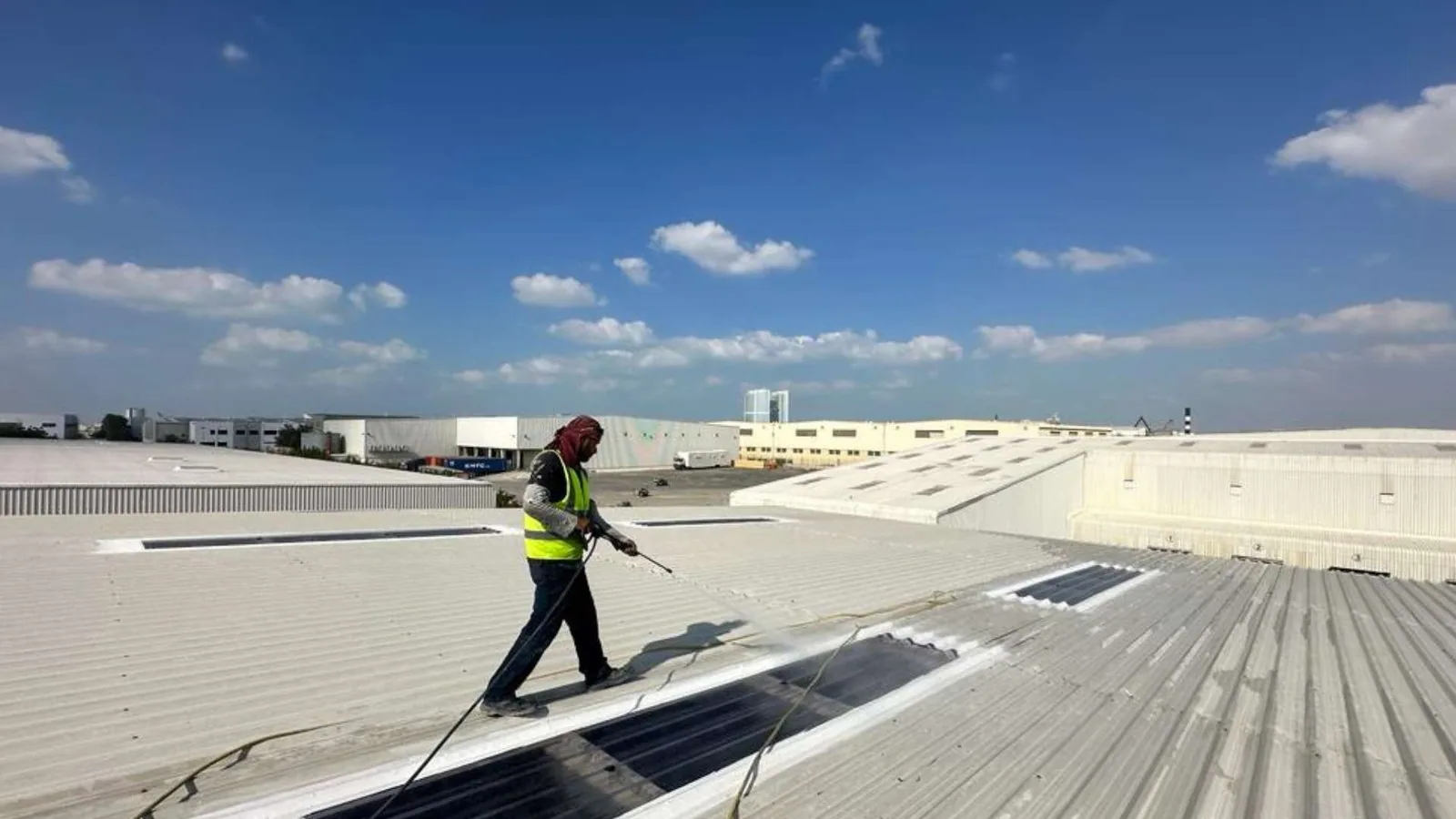
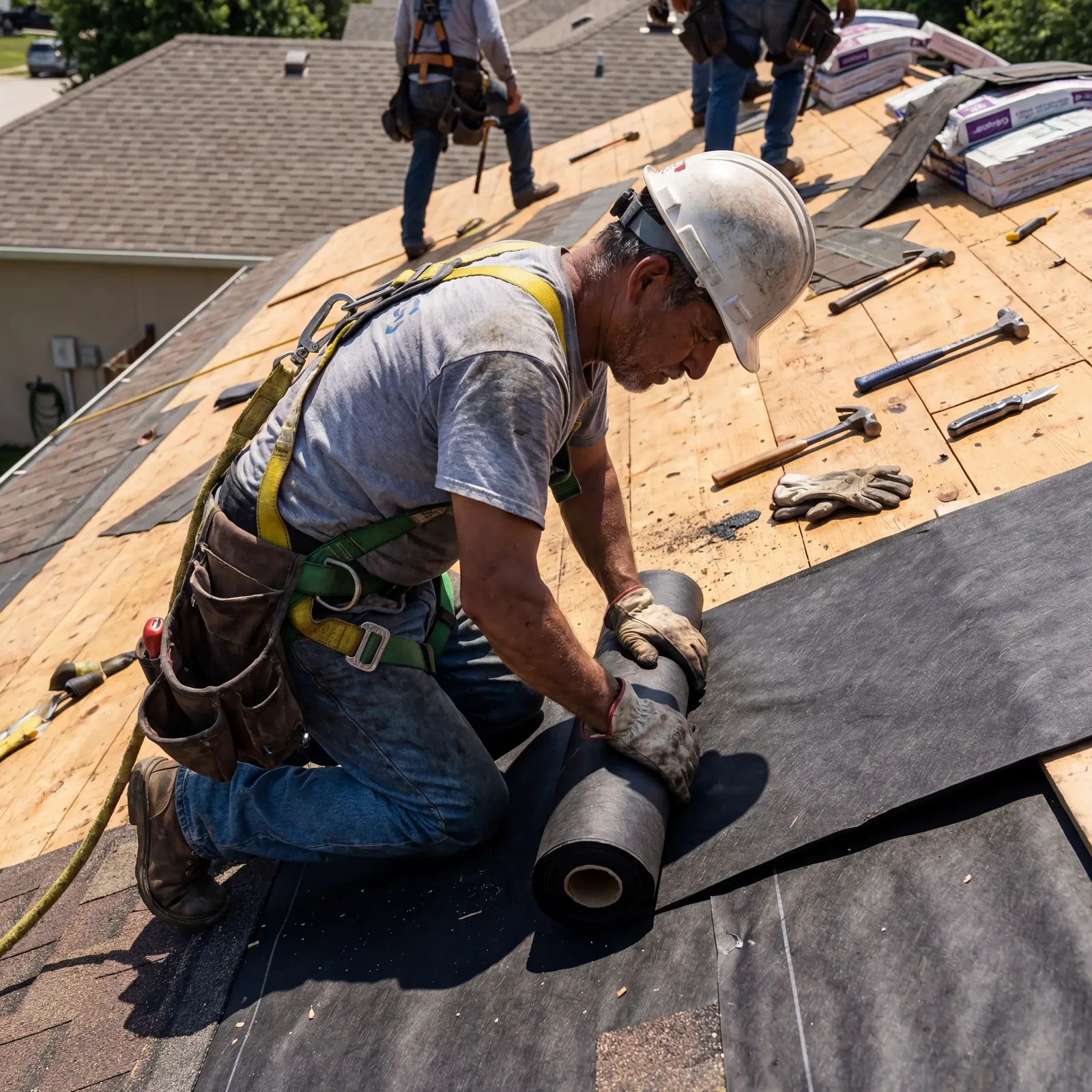
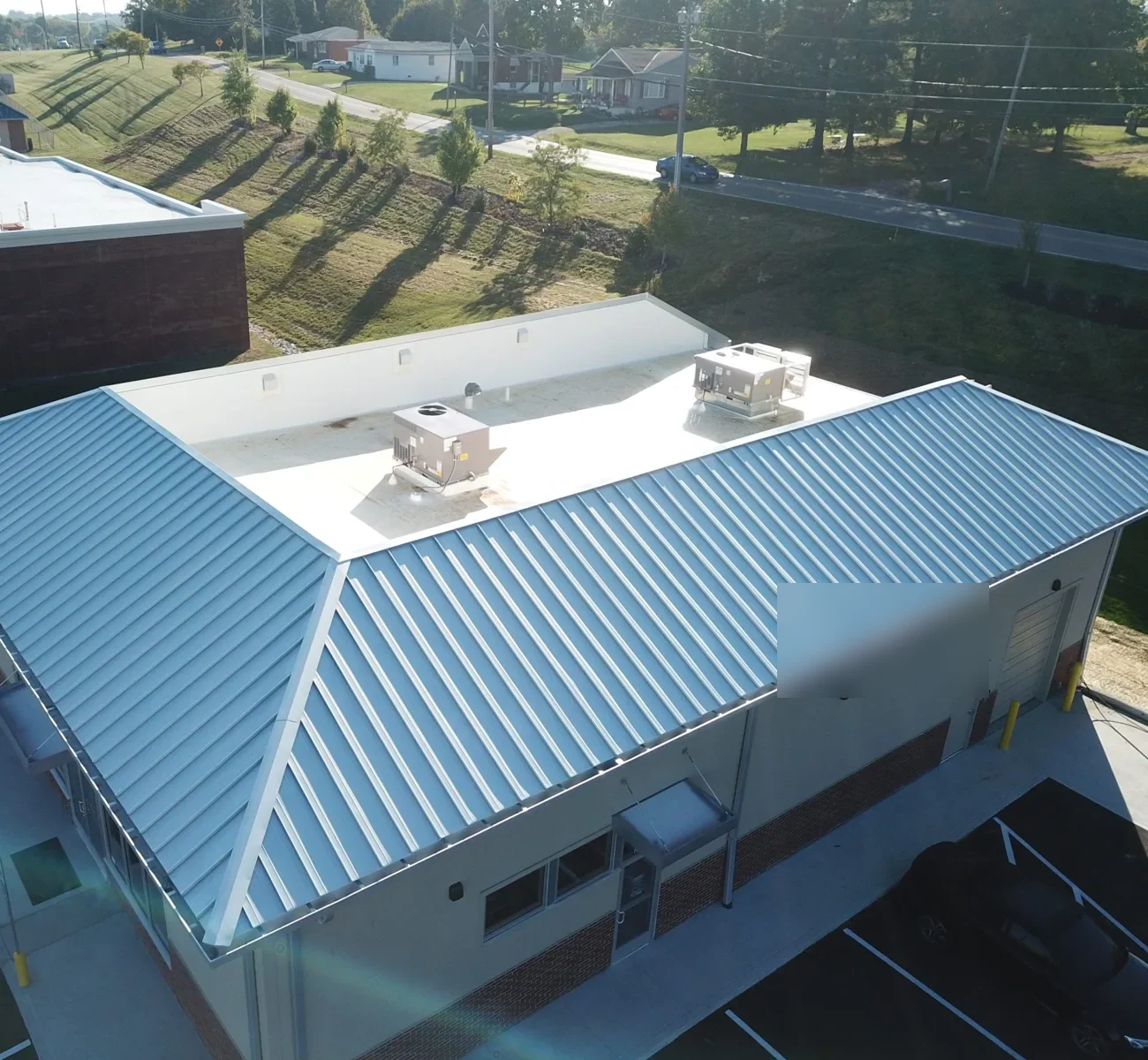
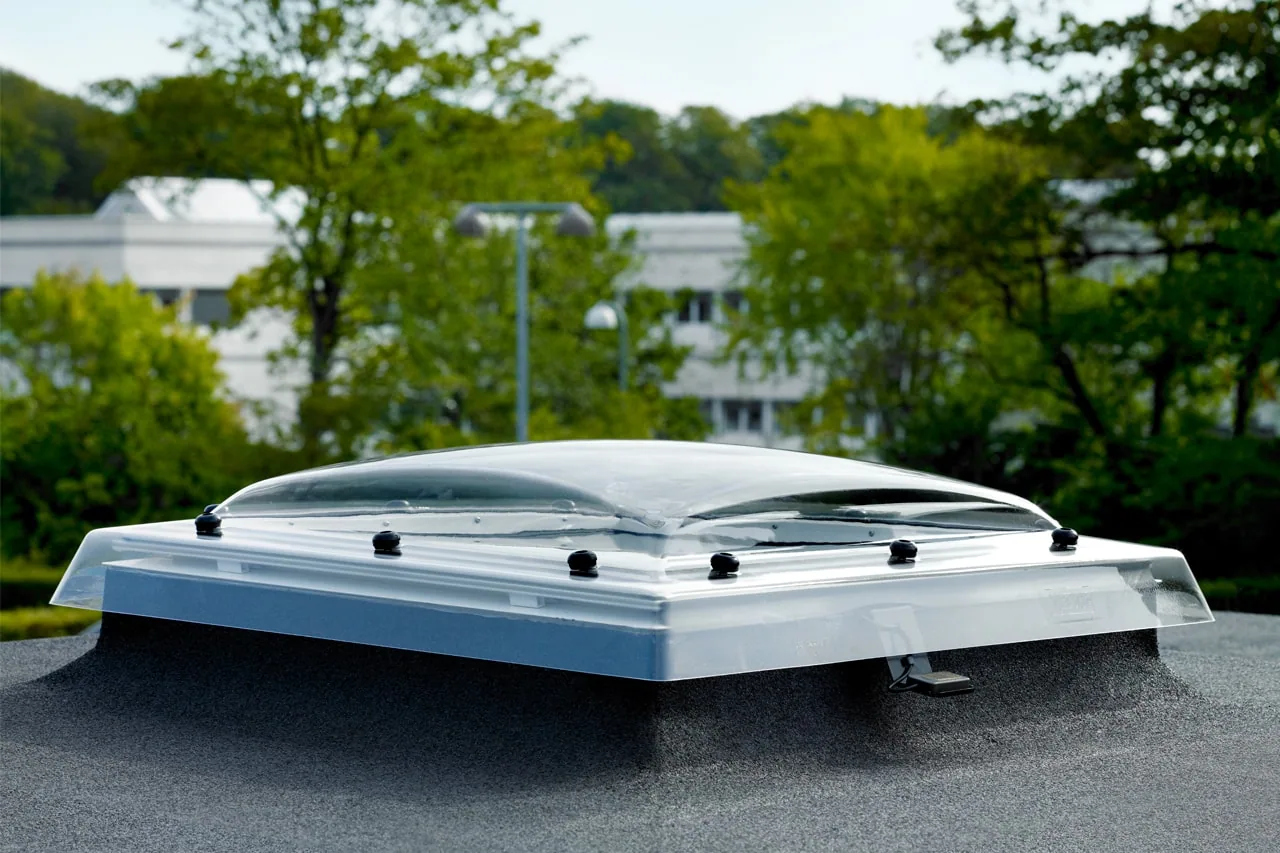

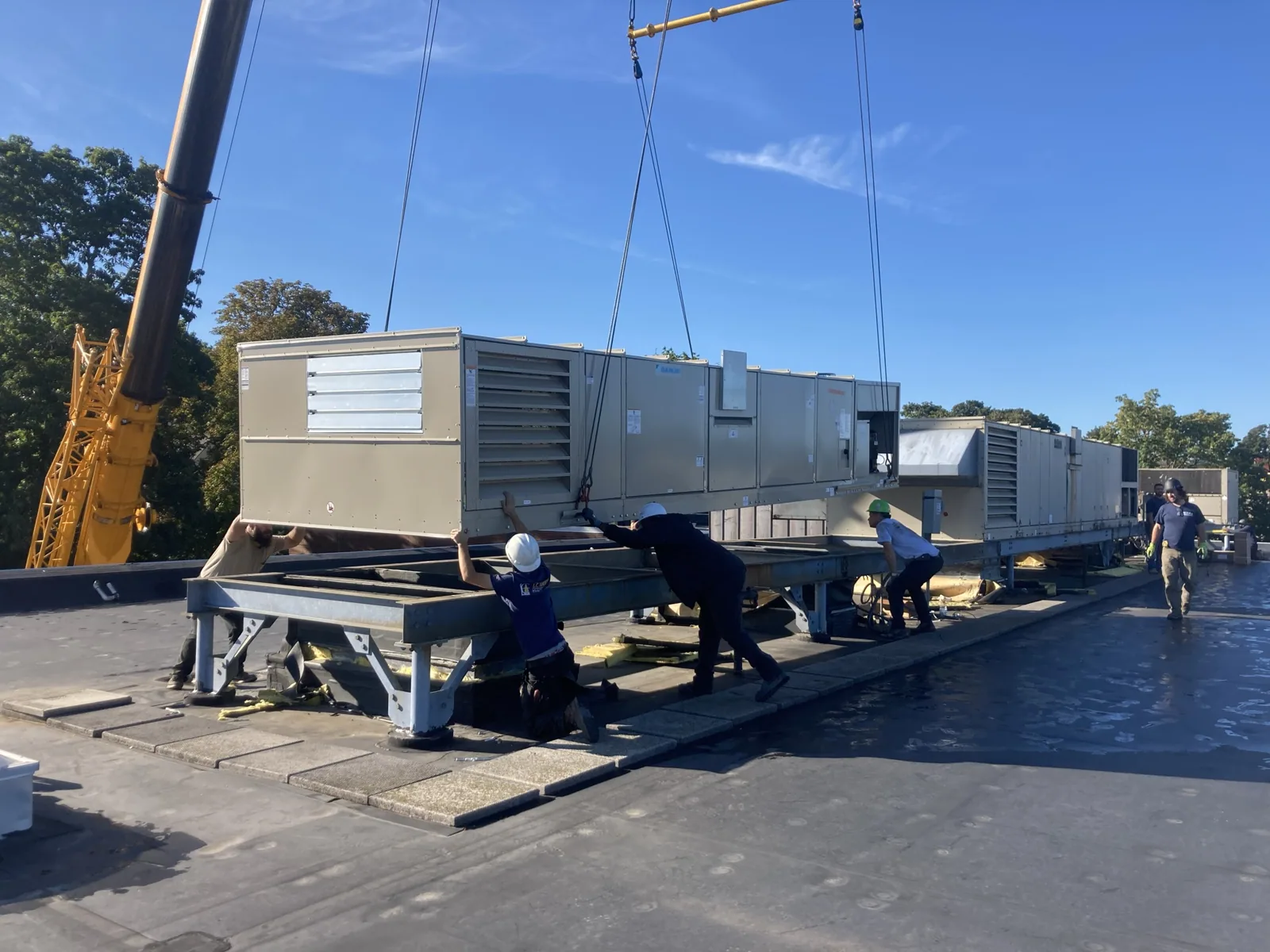
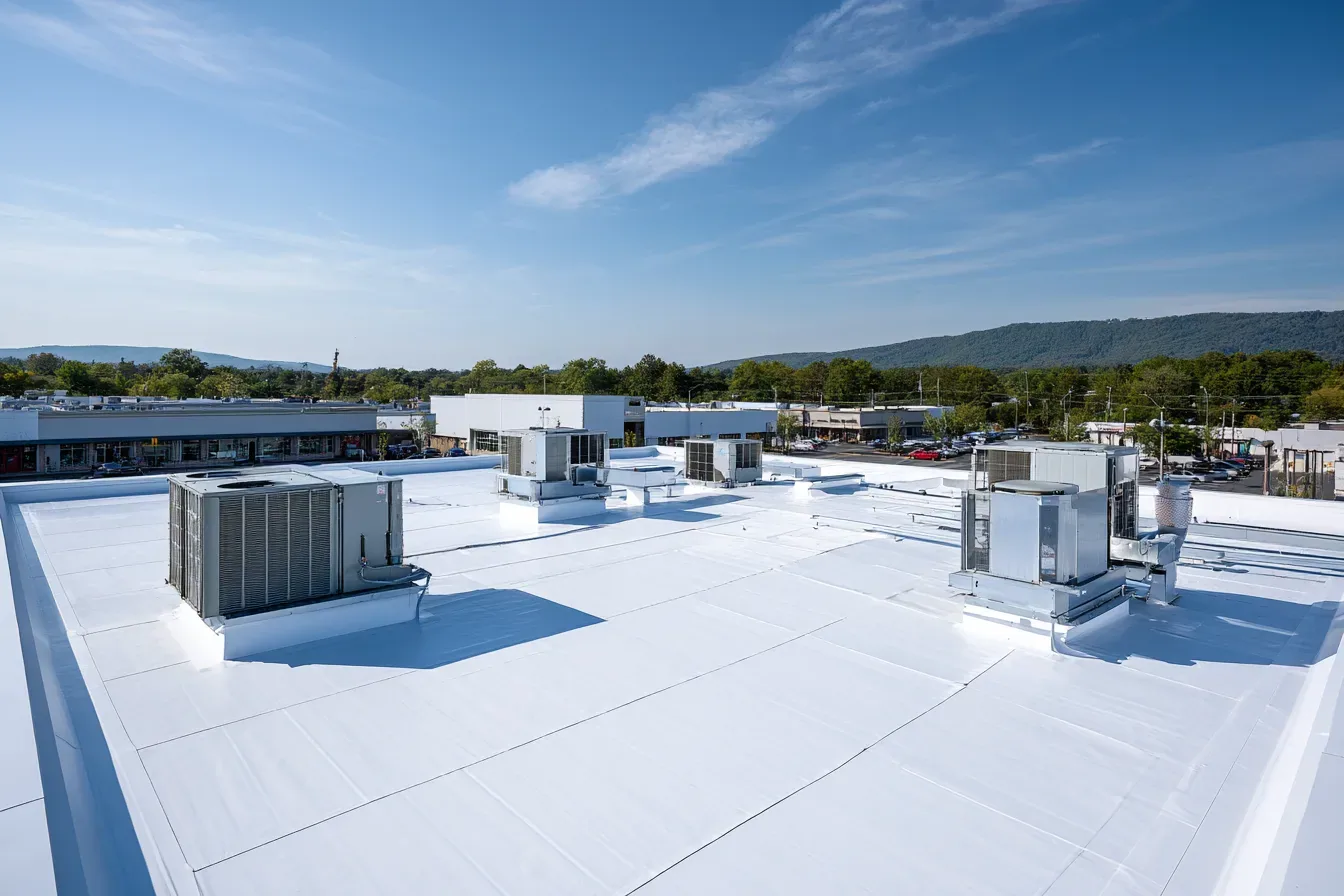
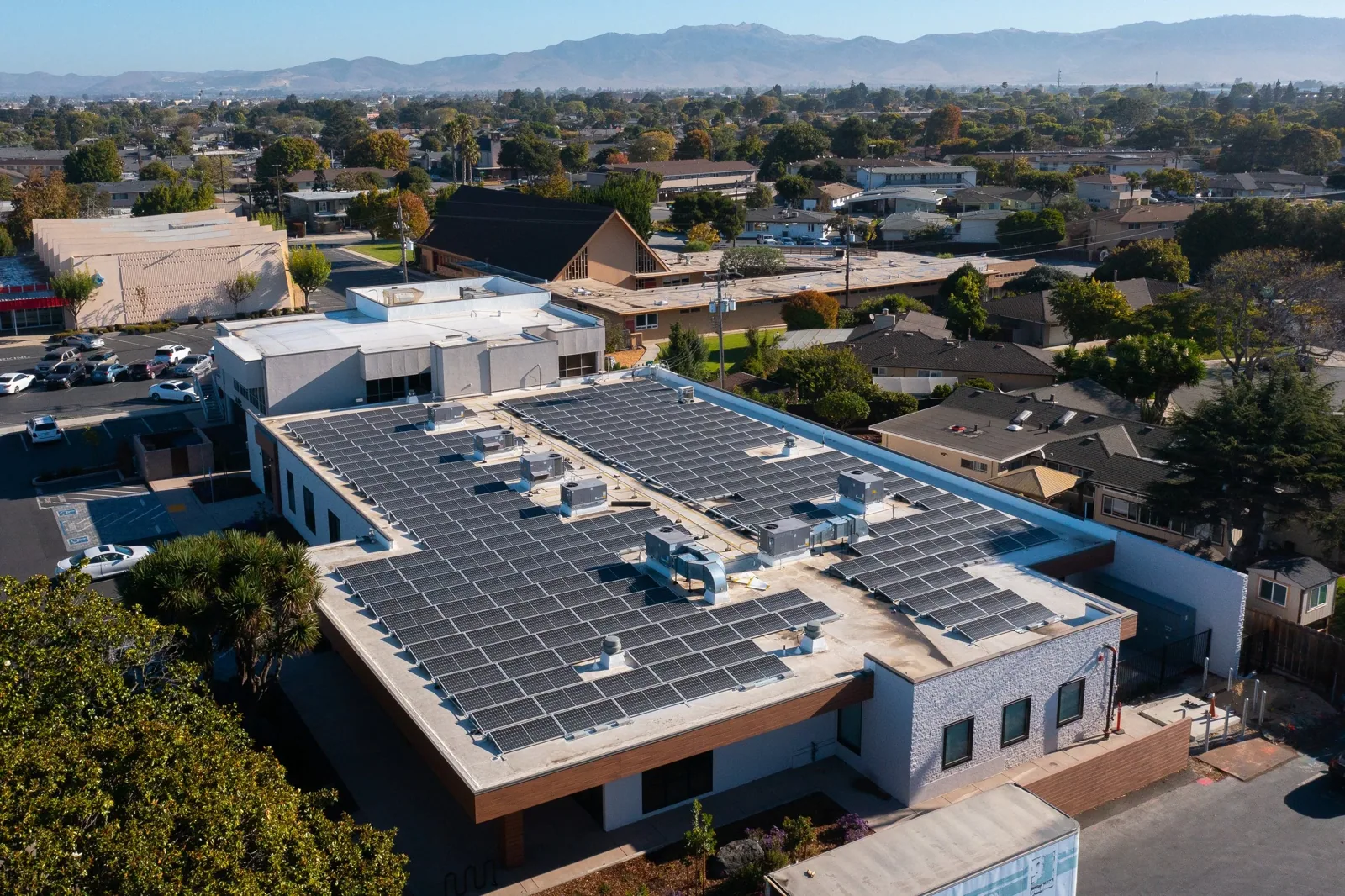
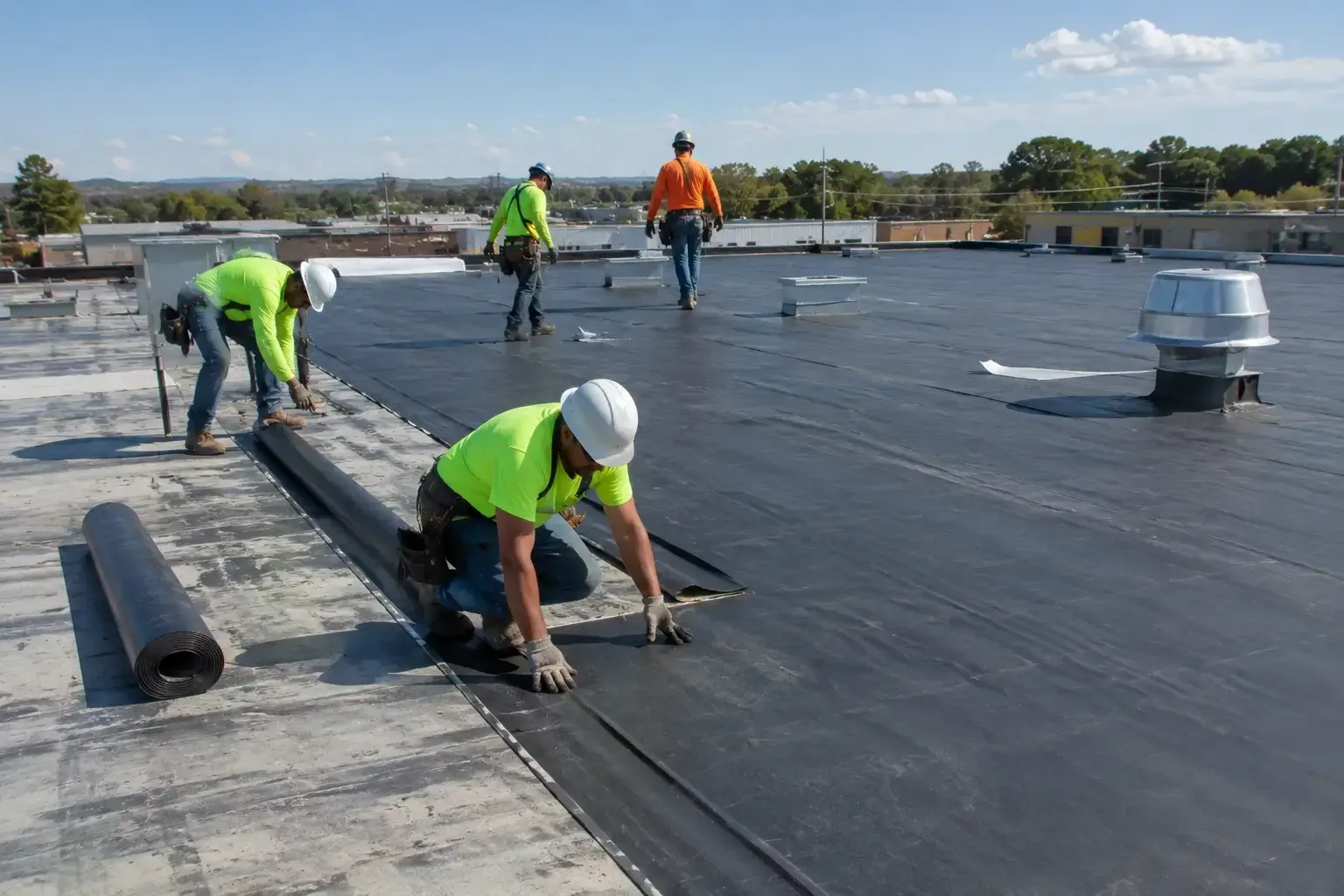
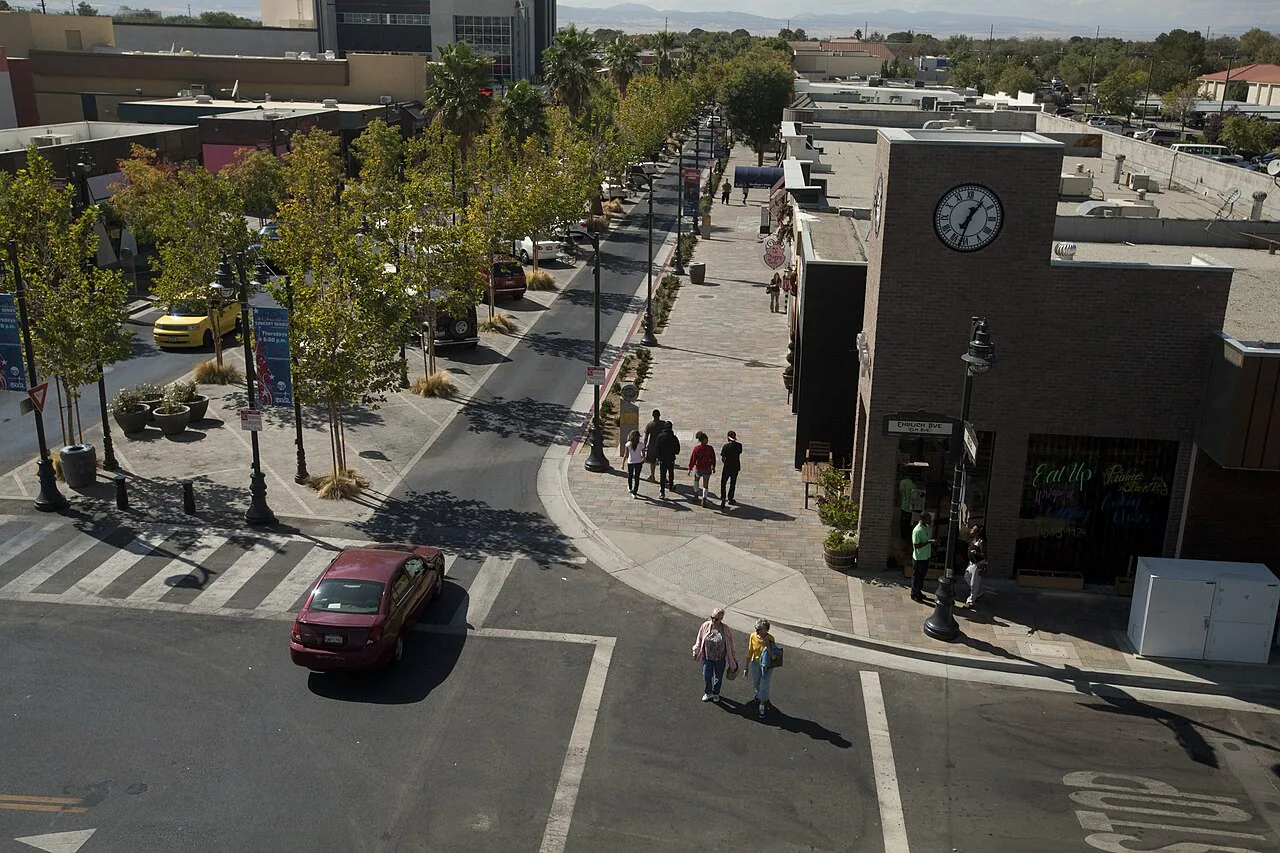
More About Our Commercial Roofing Services
Does the building need protection or investigation first?
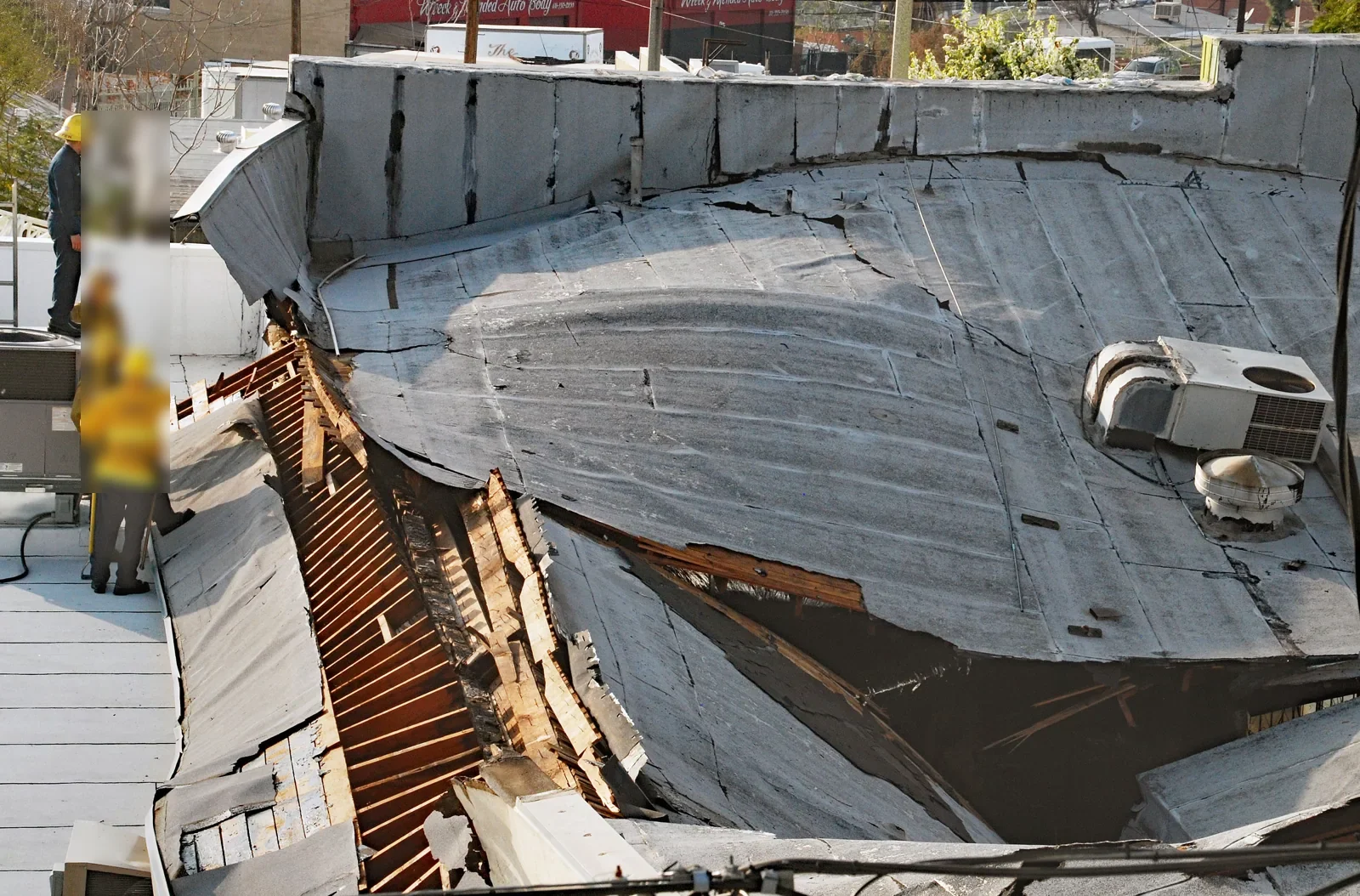
Active water entry may call for emergency roof protection while a permanent scope is arranged. Calls are accepted nights, weekends, and holidays. For a recurring symptom, leak tracing connects the interior report with seams, curbs, walls, and drains. We record temporary work and the correction still needed so interim protection is not mistaken for a completed repair.
Which checks would change the repair extent?
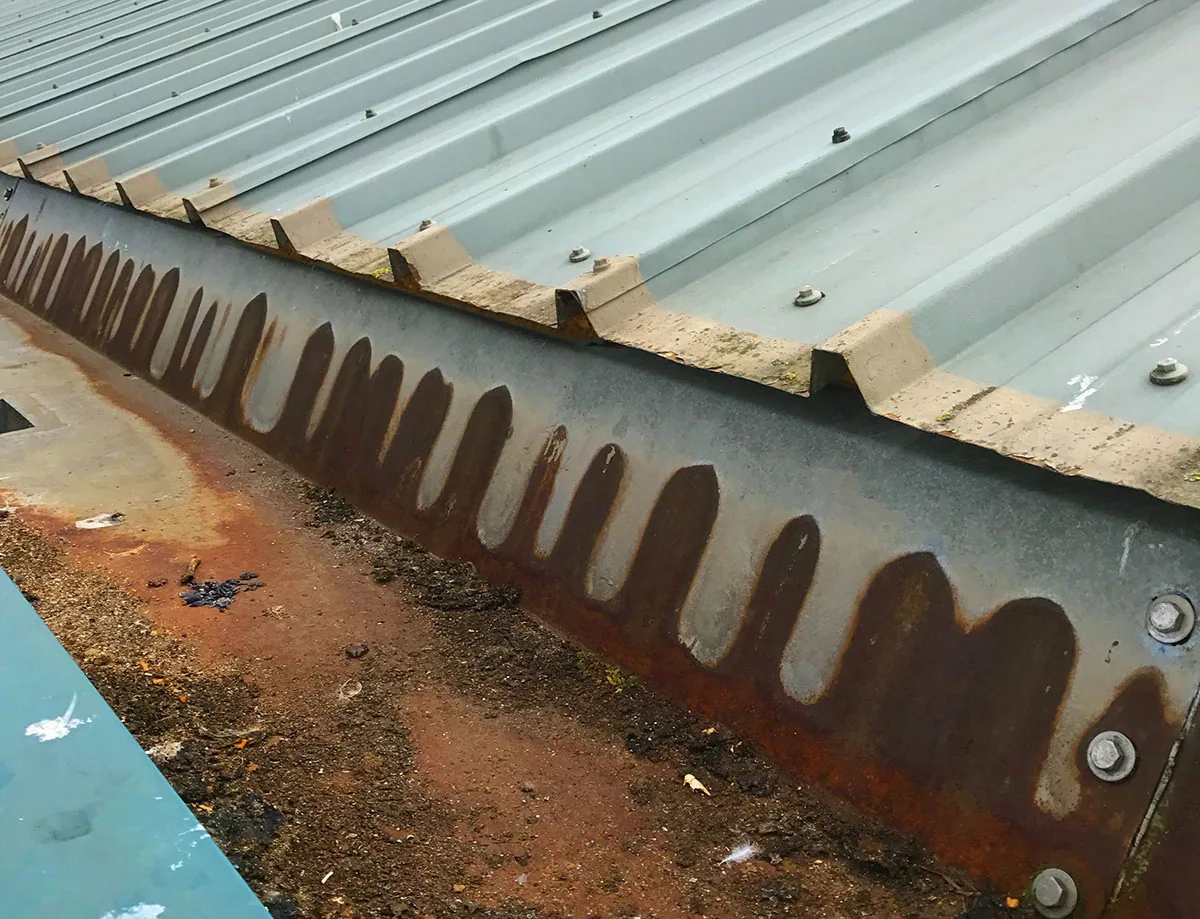
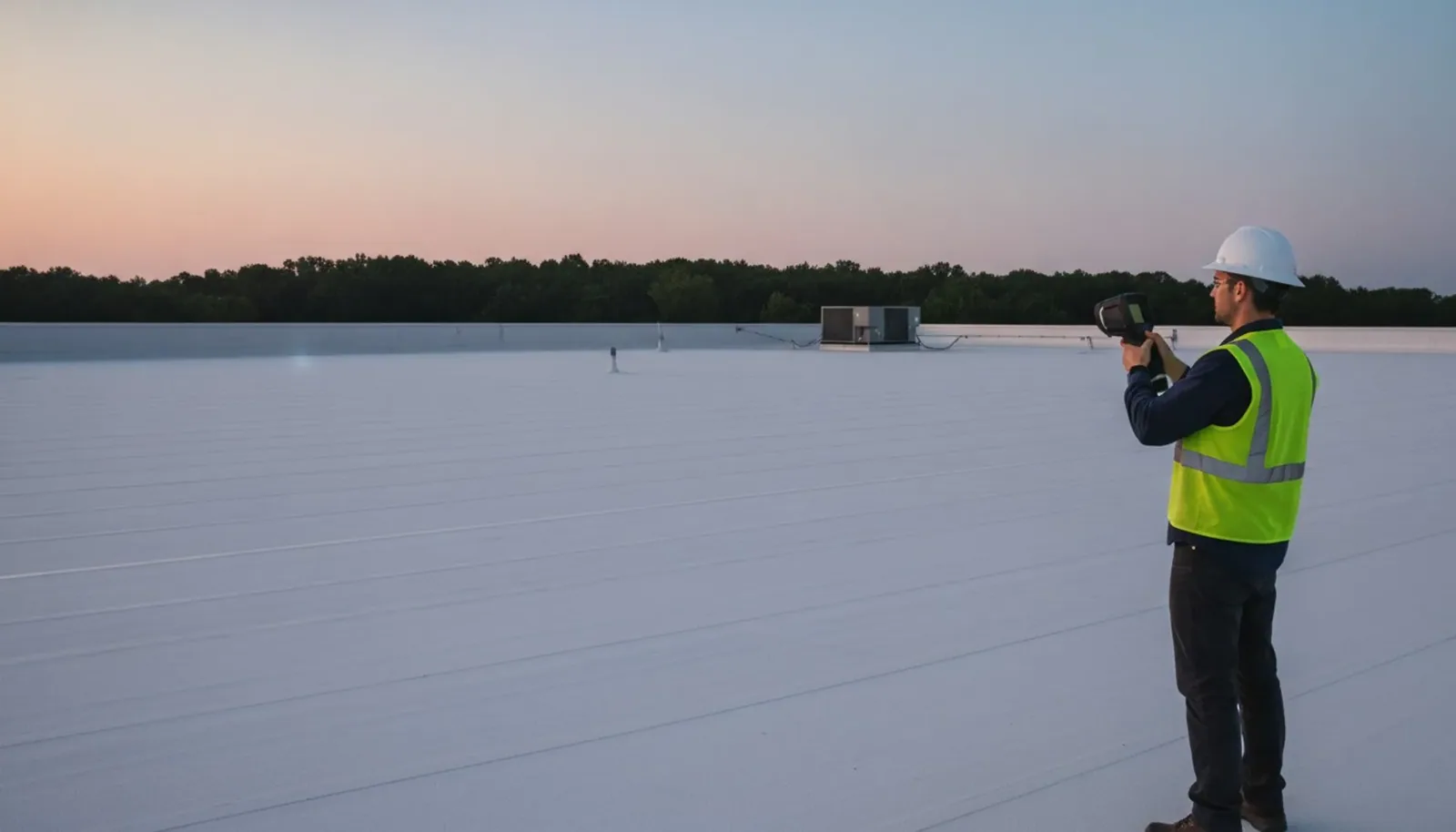
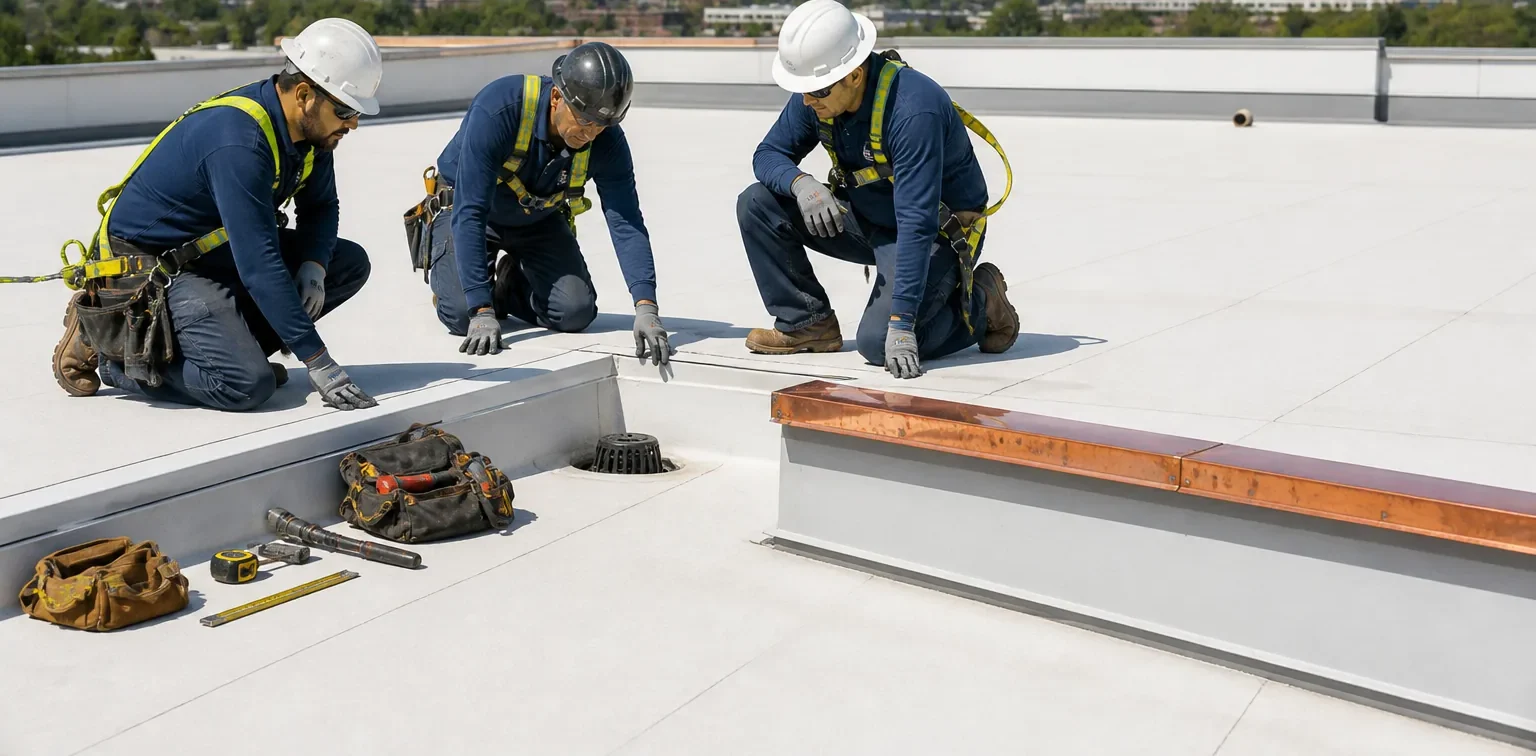
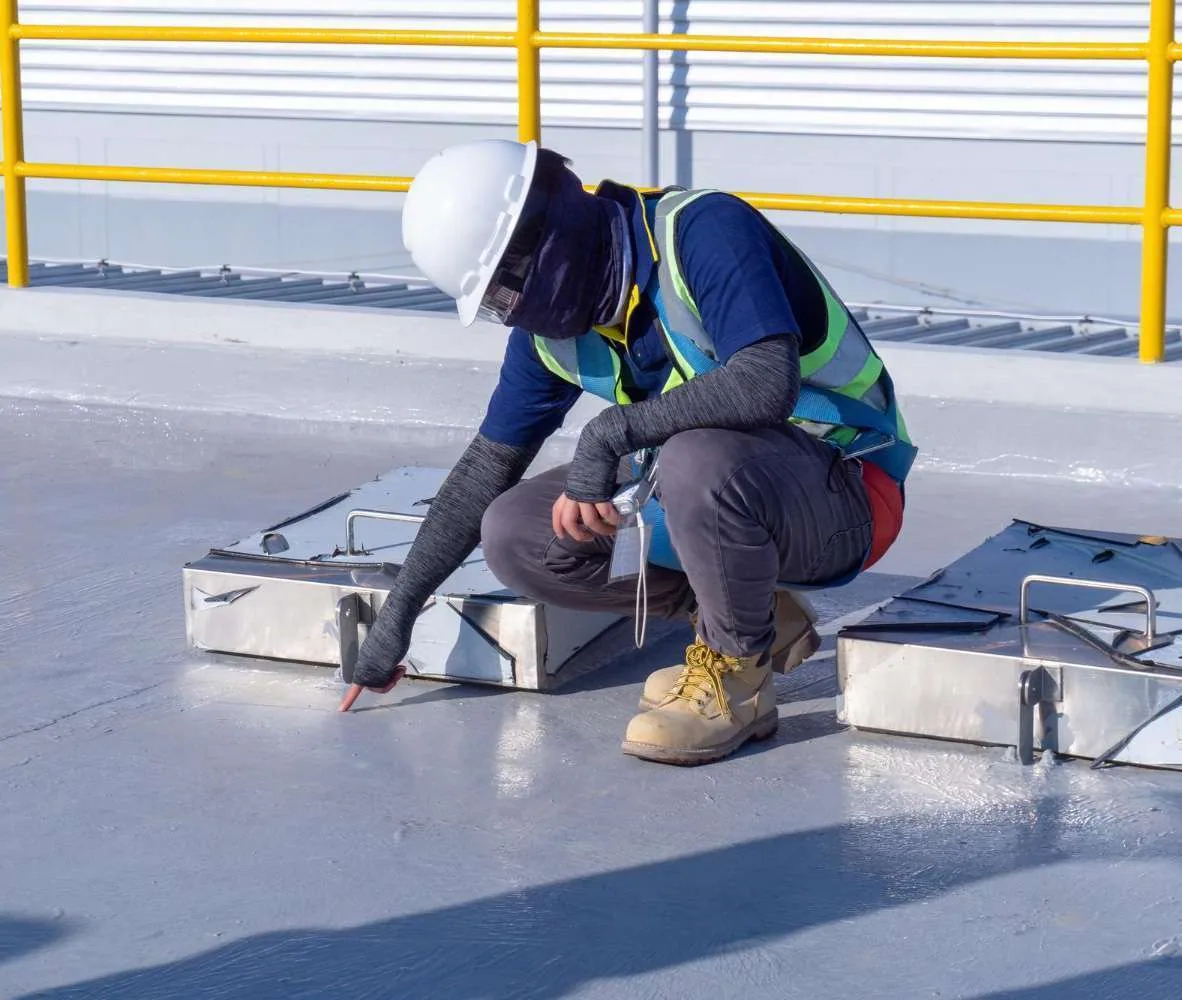
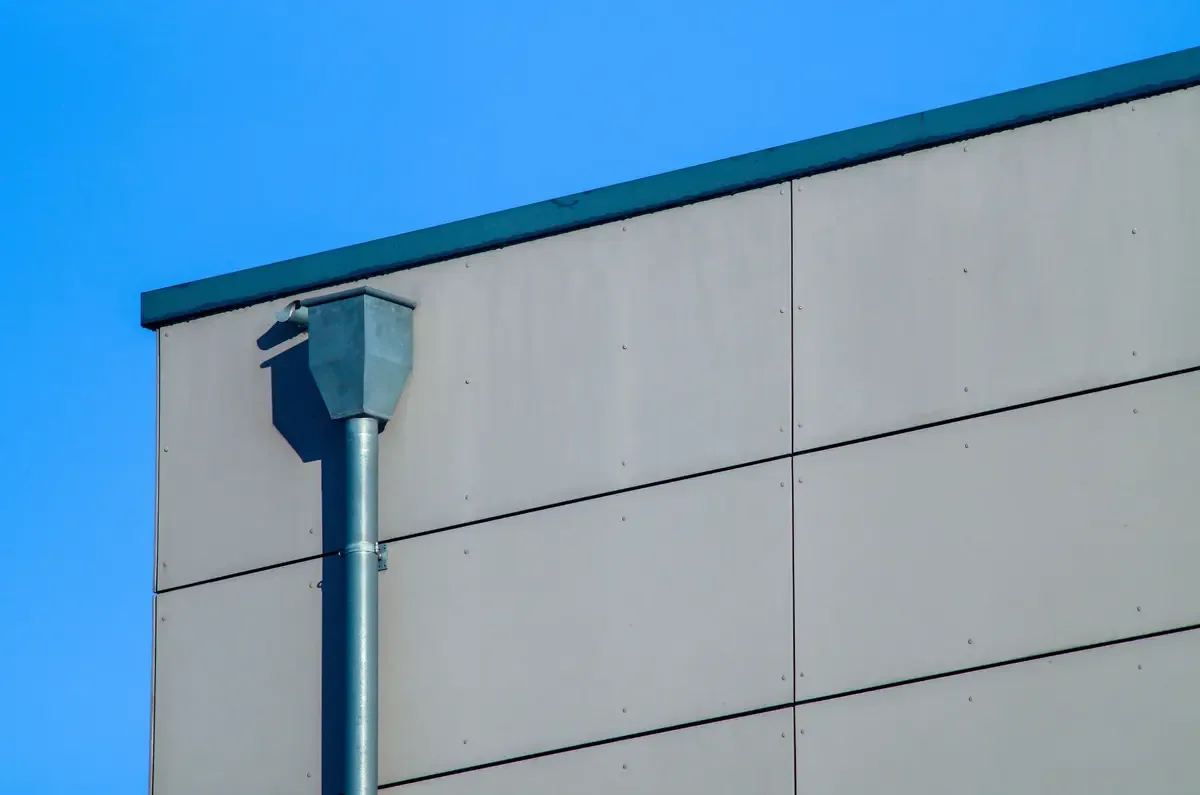
A hands-on roof inspection locates accessible defects and adjoining materials. Where concealed moisture affects retention, an infrared moisture survey can support the decision when conditions suit that method. We define the question being tested before setting removal limits. Drain and scupper work addresses outlet connections separately from membrane corrections.
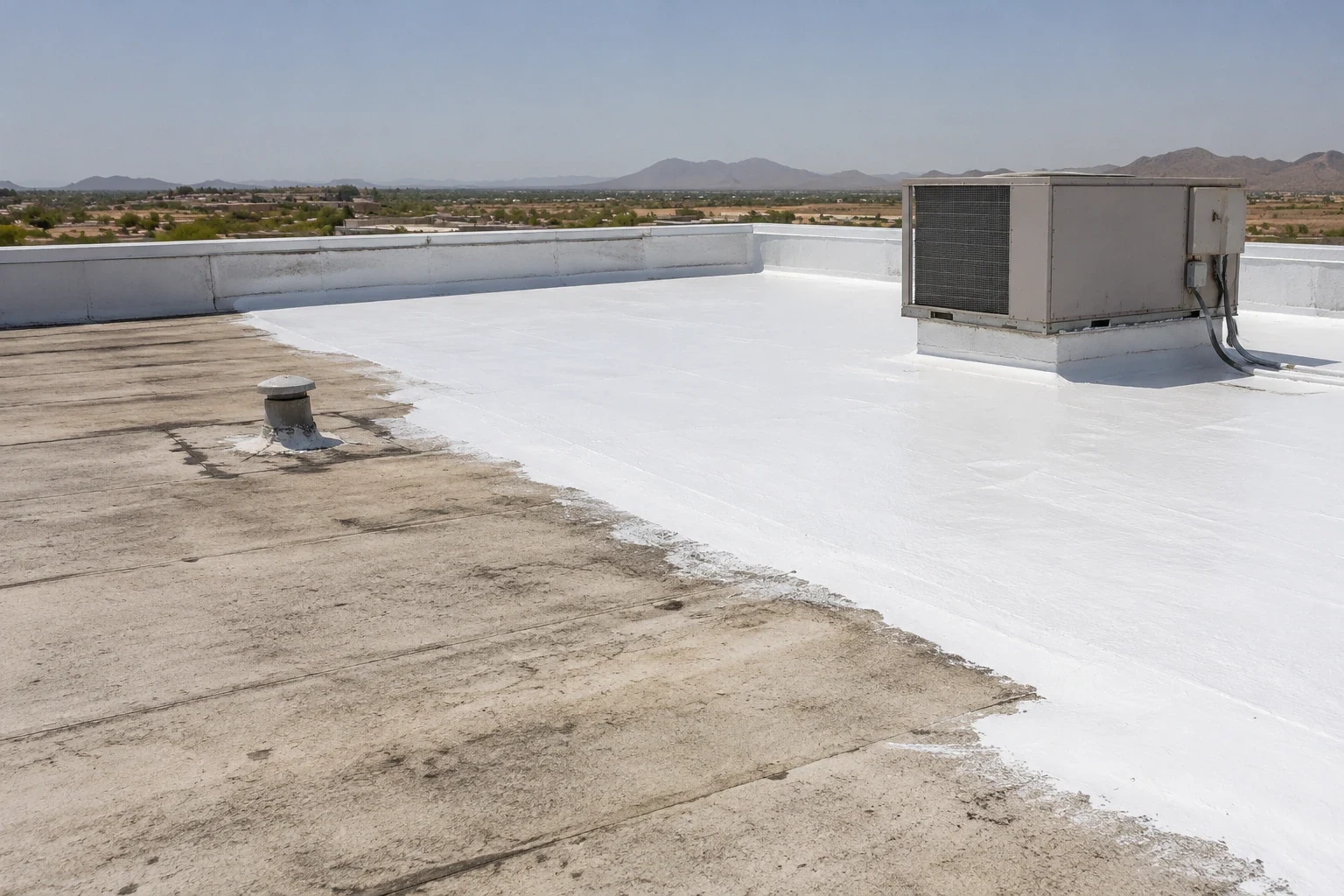
The findings can support a contained repair, a coating restoration evaluation, or a replacement scope. Each option depends on roof type, attachment, moisture, and substrate. Photos keep the recommendation tied to locations that can be checked after work.
How does the work fit the operating property?
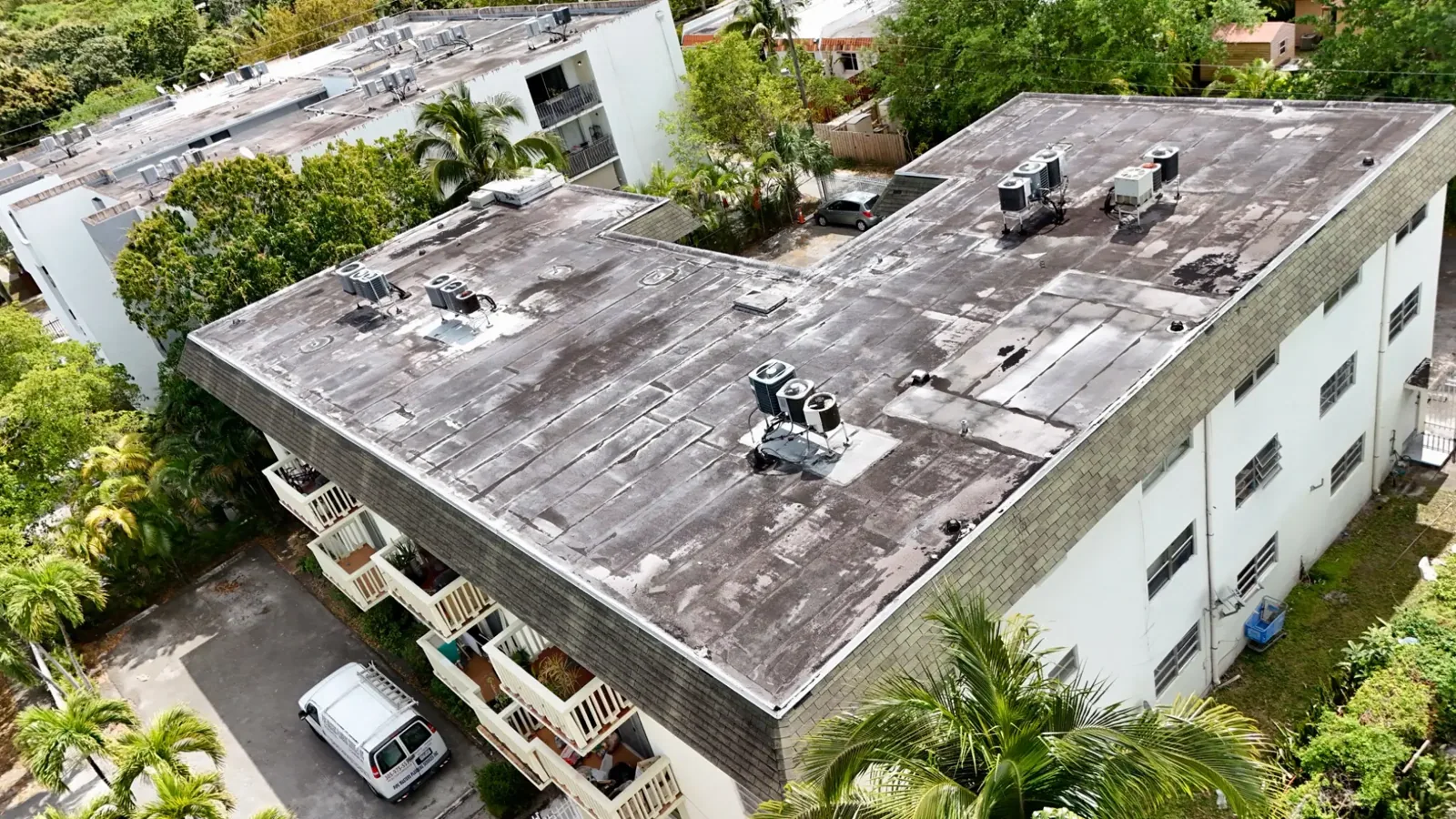
Before mobilization, identify roof access, equipment routes, staging, and any occupied area that needs protection. A maintenance visit can track known drains and repairs between larger projects. For equipment additions, define who restores each roof-plane penetration. On multi-building properties, the site record should identify its own assembly, access restrictions, and completed work.
Share the roof plan, leak history, access requirements, and any work already performed. The resulting scope identifies what will be opened, repaired, tested, and left for follow-up. That helps facilities staff coordinate roof work with tenants, equipment vendors, and planned building operations.
What happens after the inspection?
We connect the proposed task with roof photos, testing, access limits, and the affected roof zone. If opening the assembly reveals a different condition, document the evidence and agree on a revised boundary before the work expands. Closeout records identify materials, completed repairs, and any follow-up. The facilities contact can use that record to coordinate later equipment visits and maintenance.
Commercial Roofing Questions
Can the crew respond outside normal business hours?
Emergency calls are accepted around the clock, including weekends and holidays. Safe access and weather conditions determine when a crew can reach the roof.
How do you choose between repair and replacement?
The decision follows inspected area, moisture, substrate, assembly, and repair history. A contained defect may support repair; broader deterioration may call for a larger evaluation.
Can a leak be repaired without knowing the whole roof condition?
An immediate measure can limit active exposure, but the permanent scope should inspect the affected details and test where the moisture boundary is unclear.
What should we send before scheduling?
A roof plan, leak locations, prior repair records, access notes, and photos help define the visit and identify building areas that need coordination.
Request a Lancaster roof service assessment
Share the roof plan, reported condition, access window, and repair history. We will document the affected area and outline the next work step.