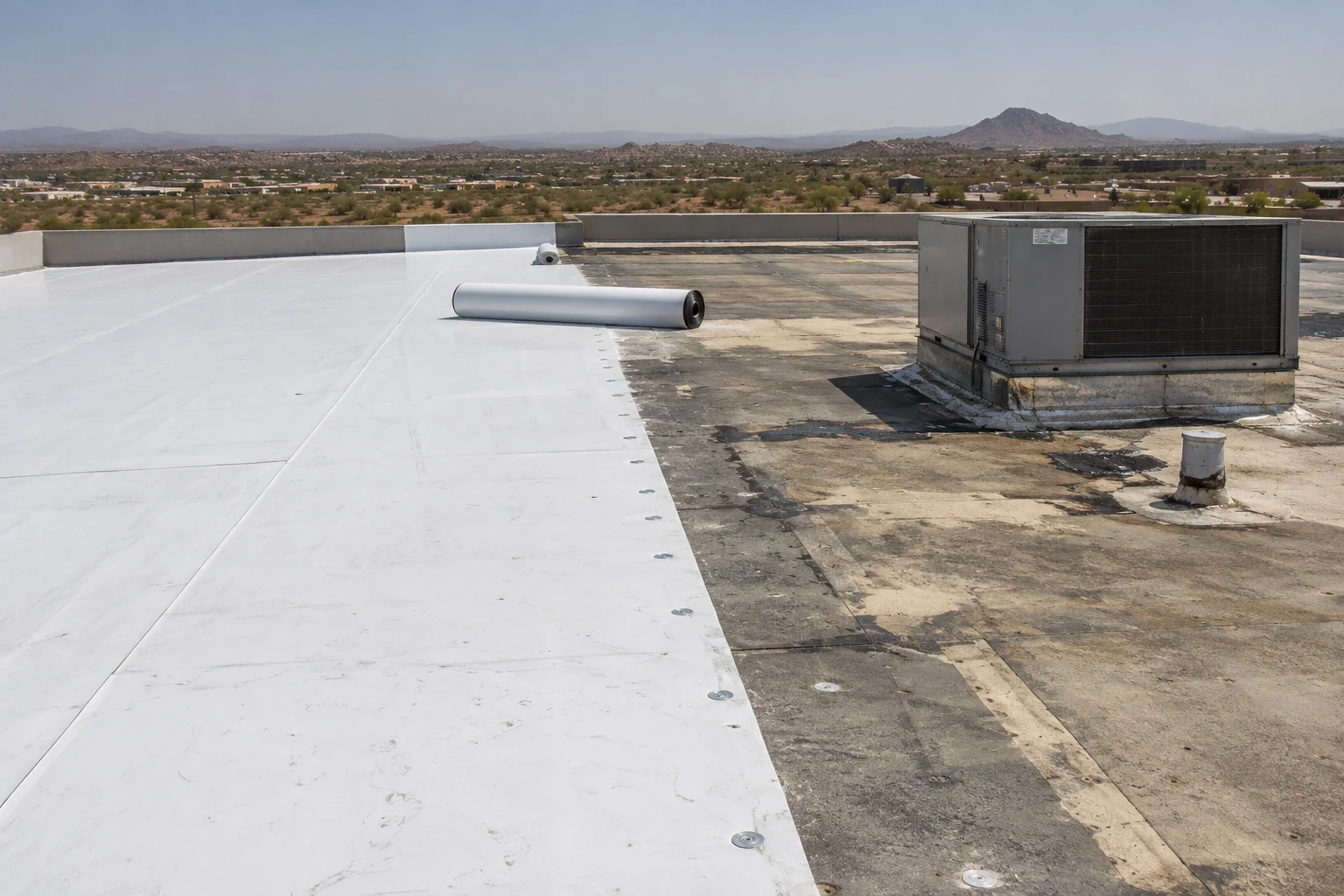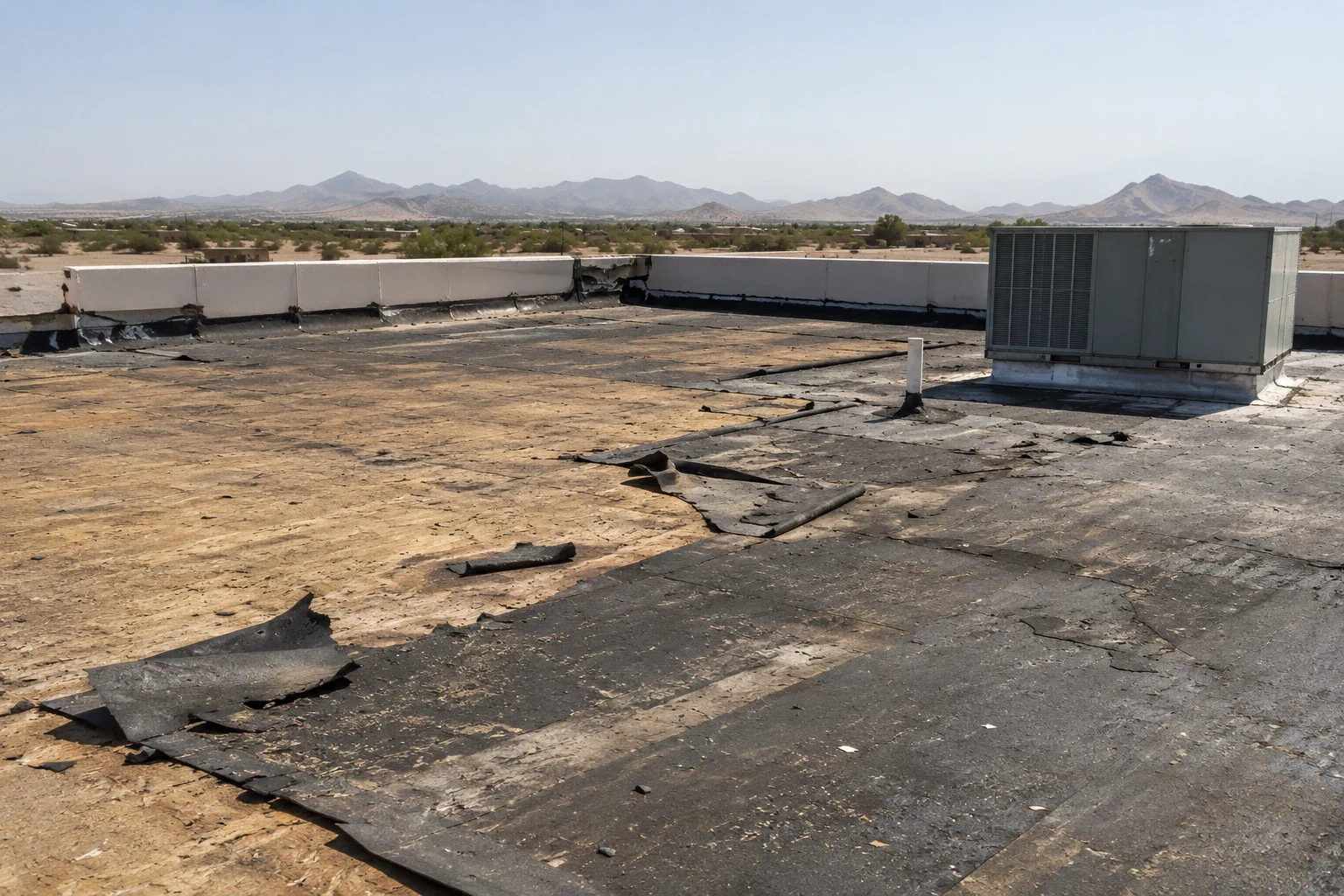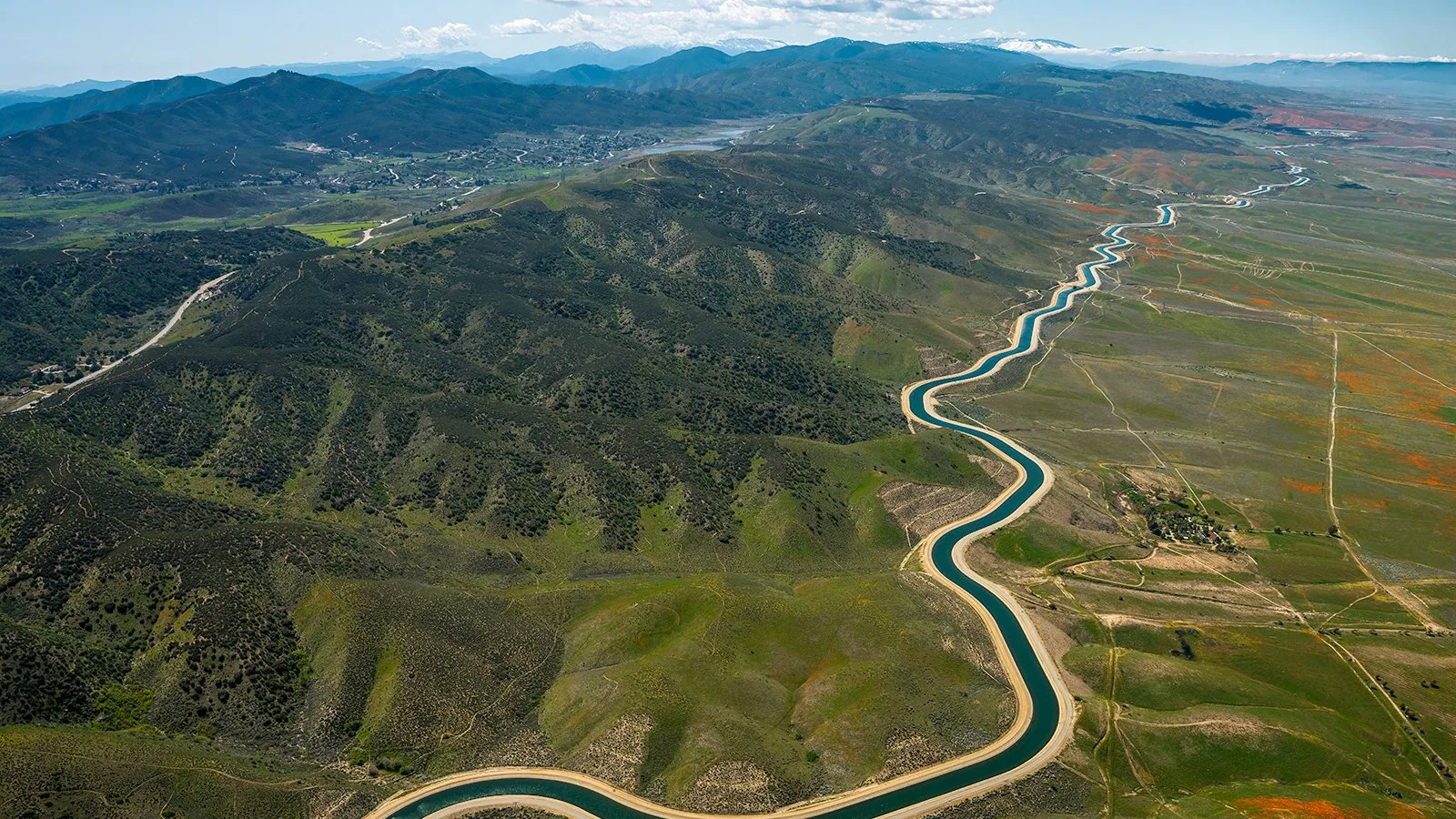
A roof can look intact while water sits below the membrane. Infrared imaging helps locate temperature patterns that may point to trapped moisture, but the image is a map for investigation, not a diagnosis by itself. We compare the scan with roof layout, recent weather, interior reports, and visible assembly details, then use targeted test cuts or other checks to confirm which areas need repair or removal.
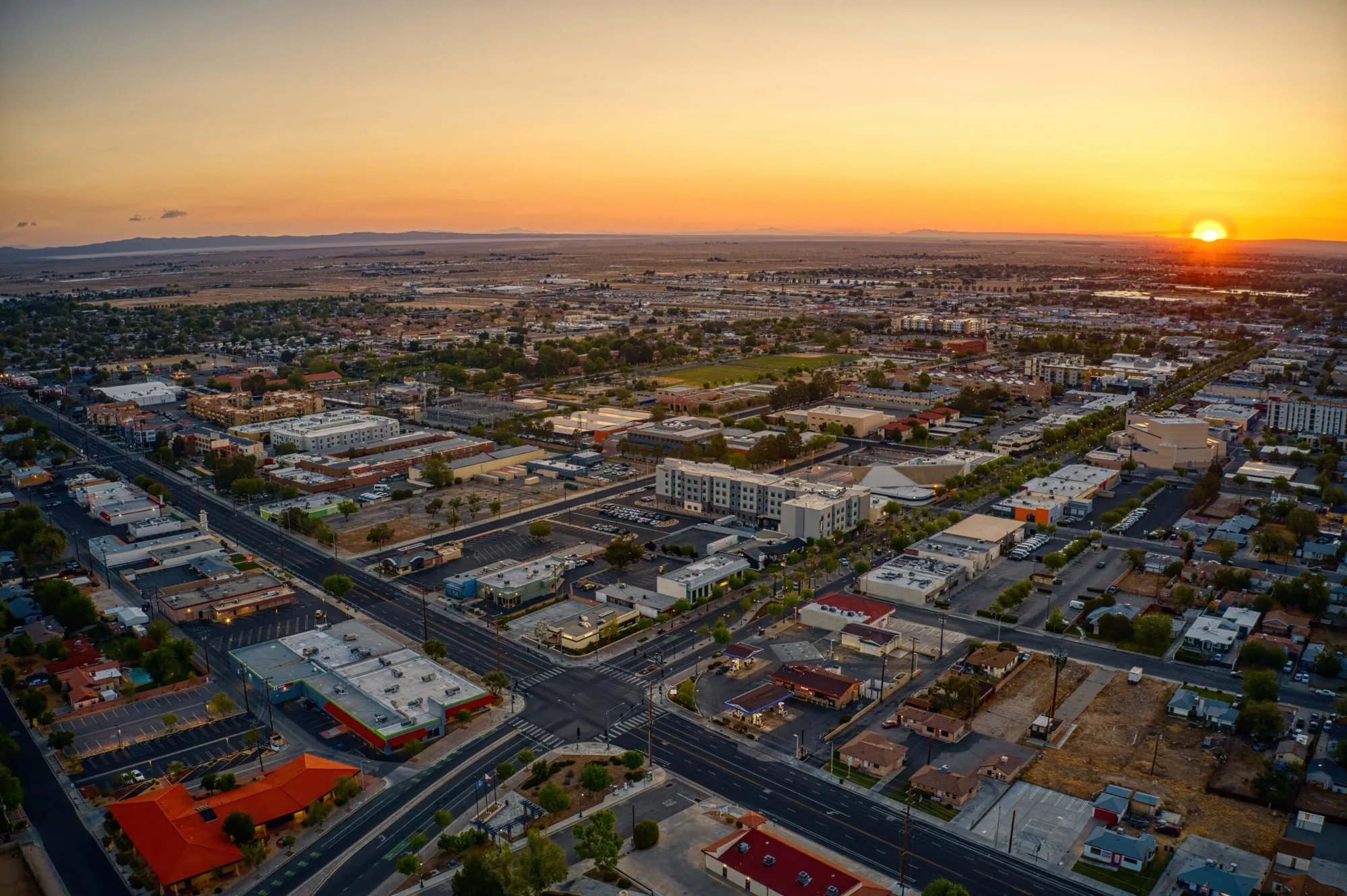
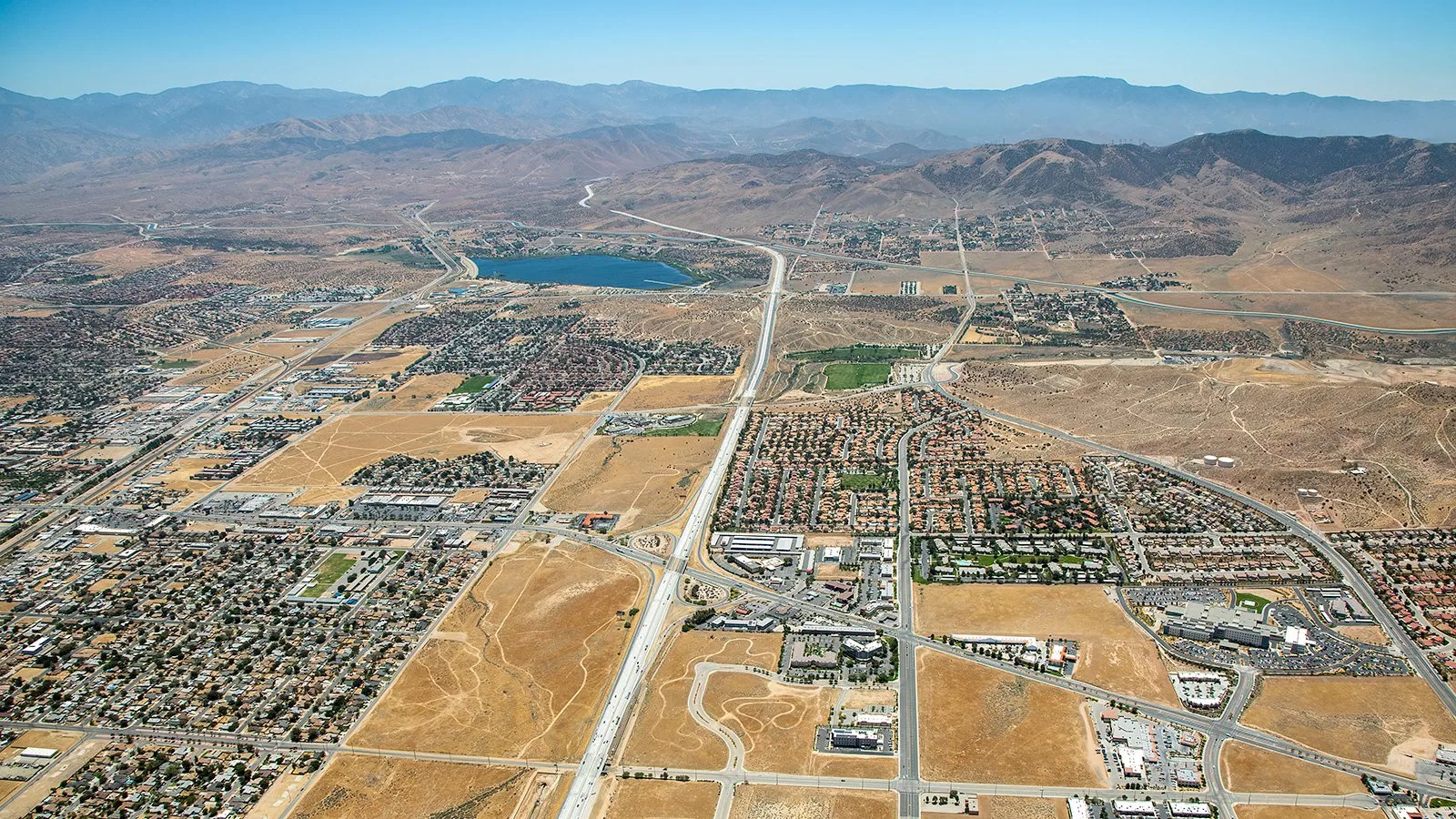
Lancaster’s weather includes a wide shift between cool winter nights and hot summer days. At William J. Fox Field, 1991 to 2020 normal daily minimums range from about 31 degrees in January to 67 degrees in July, while normal annual precipitation is 6.81 inches and falls mainly from November through March. Survey timing and recent sun or rain matter when interpreting a surface. We plan the scan around the roof and the owner’s question, then report what is confirmed and what remains uncertain.
Set Up a Scan That Can Be Interpreted
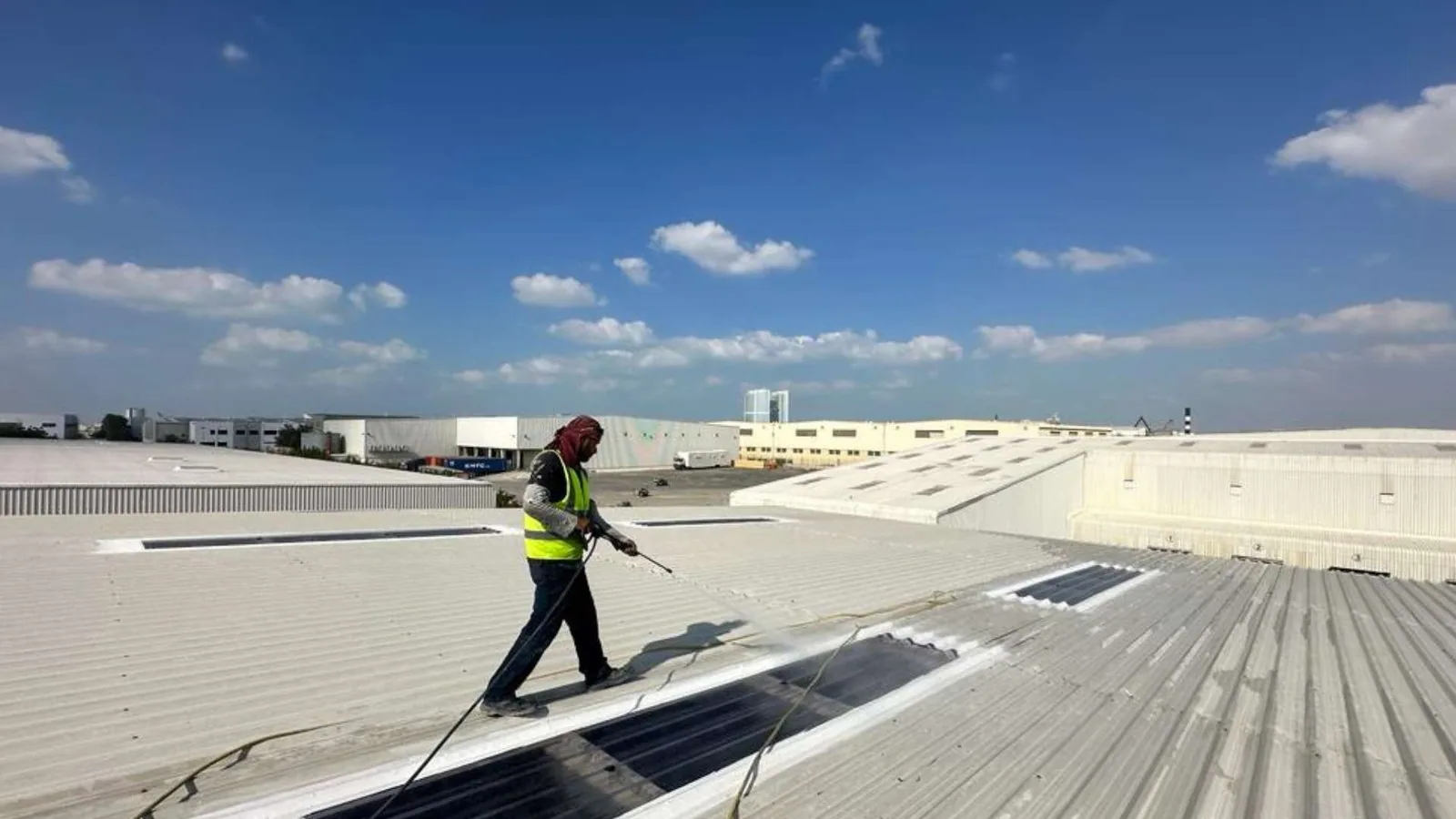
Before the survey, we review roof plans, assembly records, prior repairs, leak calls, and any known areas of ponding. We mark drains, equipment, roof sections, additions, and changes in membrane so the scan can be read against the actual layout. The property contact identifies access, equipment that must stay in service, and sensitive areas below. The work plan also accounts for surface condition and recent weather, which can affect the contrast captured by the camera.
Infrared is most useful when the roof surface and assembly can produce a meaningful temperature difference between dry and suspect areas. Recent rainfall, cloud cover, wind, shading, roof color, and insulation type can change that pattern. We record the conditions and timing rather than treating one scan as interchangeable with another. If the weather or surface does not support a reliable reading, we explain the limitation and reschedule or use a different inspection method.
On a wide roof, the route is divided into labeled sections. We keep scan points tied to roof landmarks such as drains, curbs, parapets, and hatches so the verification crew can return to the same locations. That organization matters on industrial properties, where rooftop units, service platforms, and additions can interrupt a continuous image. A scan without a usable map is difficult to turn into a controlled repair scope.
Read the Pattern Before Marking a Cut
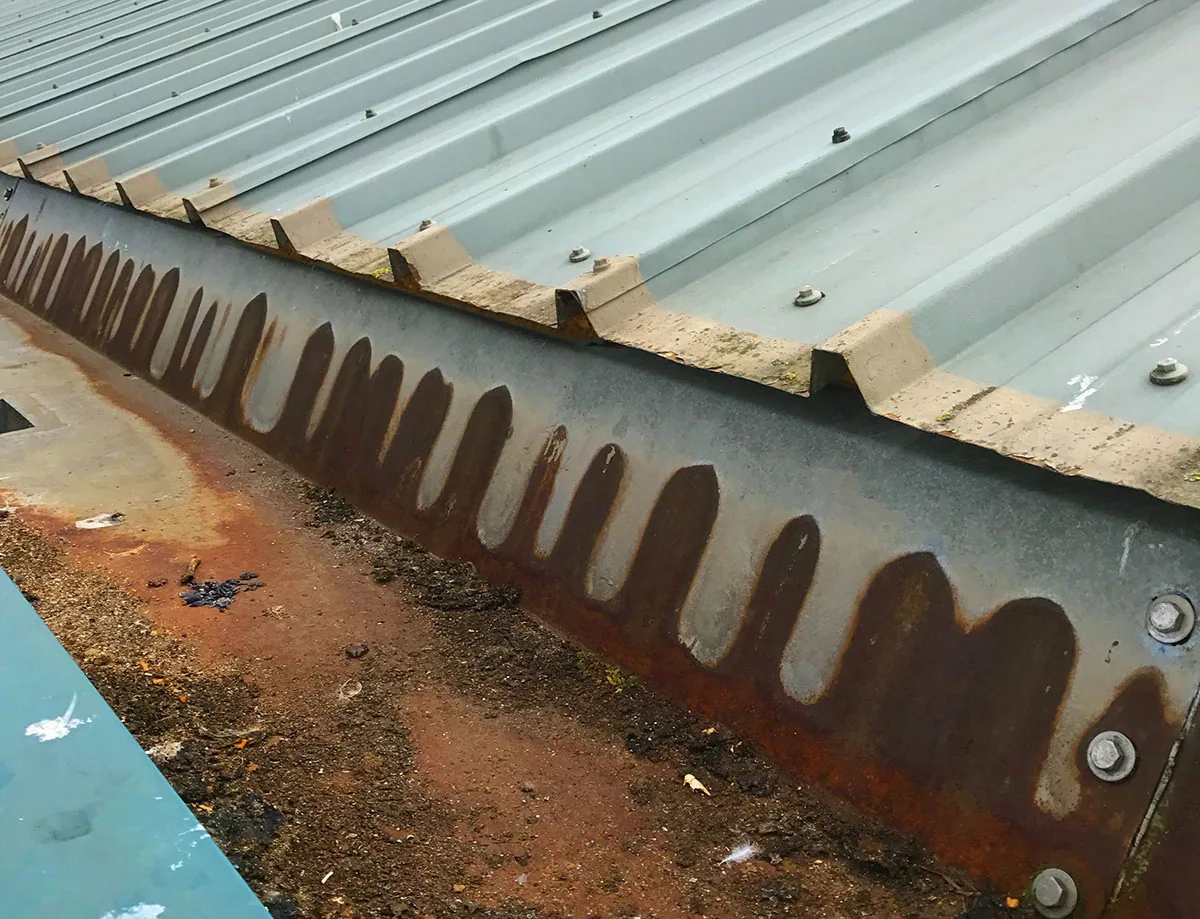
The camera records surface temperatures. It does not see water directly. A thermal pattern may be consistent with moisture, but shading, insulation changes, metal components, equipment exhaust, reflective surfaces, or recently applied repairs can create a similar contrast. We compare the image with visible roof conditions and review whether the pattern follows a seam, low point, drain path, or known leak area.
We mark suspect areas for confirmation rather than sending a removal crew from the scan alone. A targeted core cut can show the actual membrane, cover board, insulation, and deck condition at a selected point. We document the layers and whether material is damp, degraded, or sound, then close the test opening with a compatible permanent repair. When the assembly or test location carries extra risk, we review the method with the owner before cutting.
Several small confirmation points can be more useful than one large test area. A point near the center of a thermal pattern and another near its edge help establish how far a concern extends. A dry sample may narrow the boundary but does not automatically clear every nearby zone. We use the combined evidence to define where removal is justified and where monitoring or another test is the more measured step.
Connect the Scan to Lancaster Roof Conditions
Lancaster’s normal rainfall is concentrated in cooler months, while summer roof surfaces face prolonged heat. A survey after rain can help investigate a reported leak, but the owner should share when water last reached the roof and whether temporary repairs changed the surface. On heat-exposed areas, different membrane colors or coatings may also affect image contrast. We separate those surface differences from patterns that warrant a core cut.
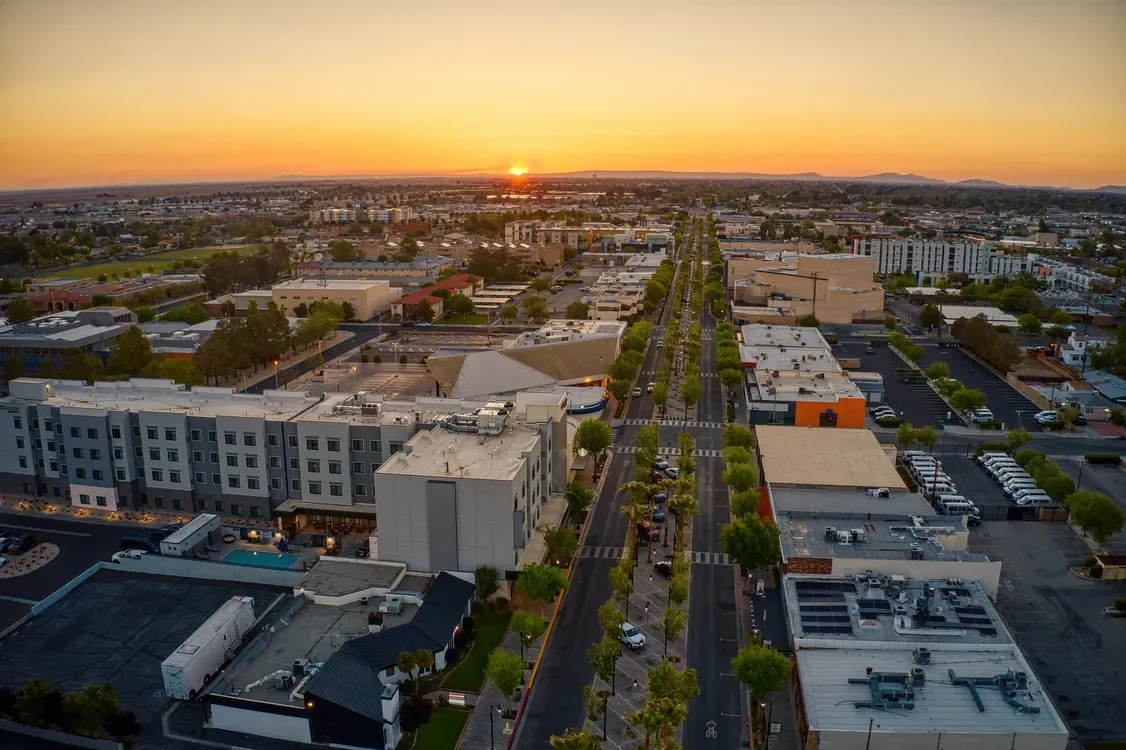
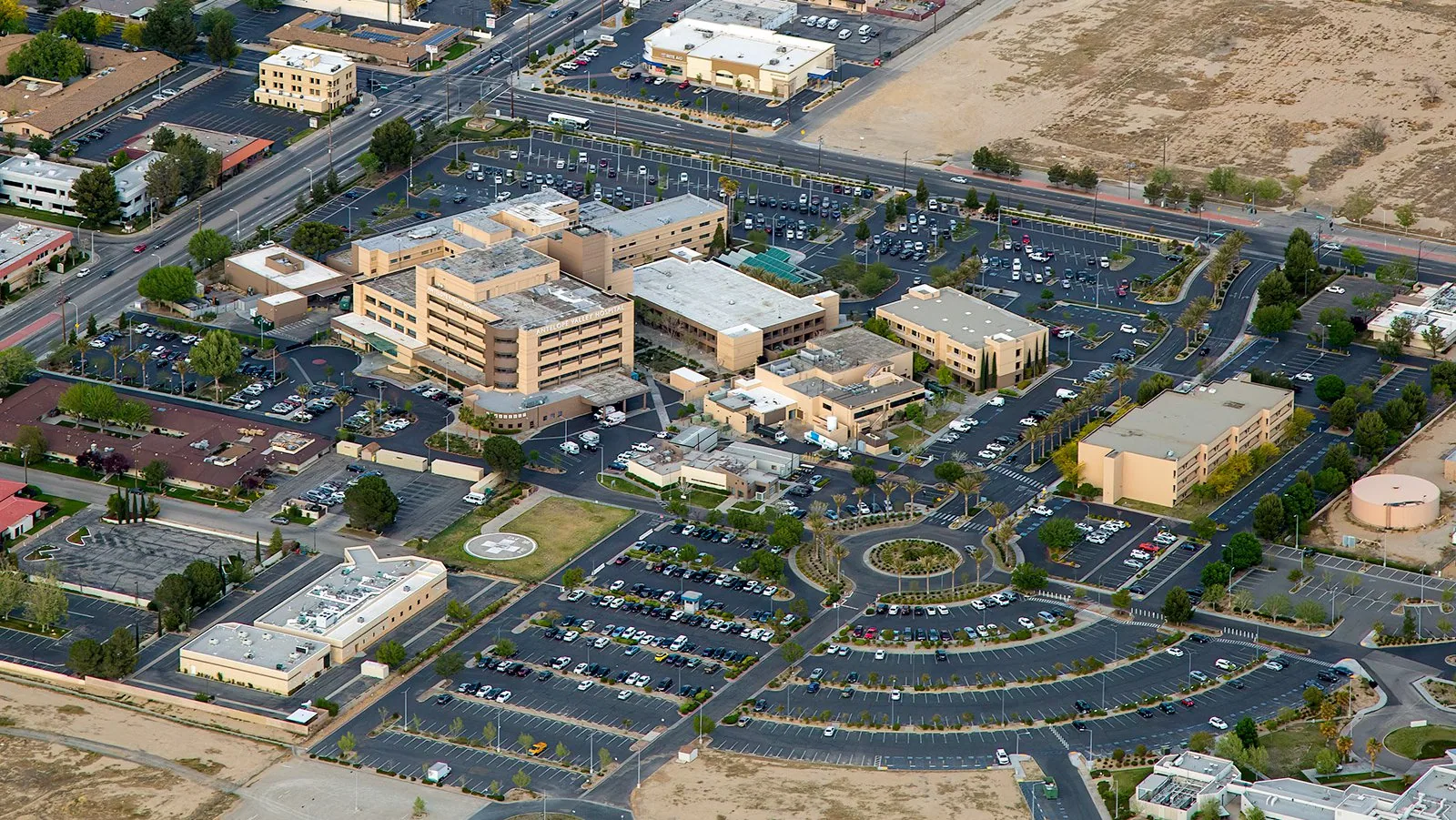
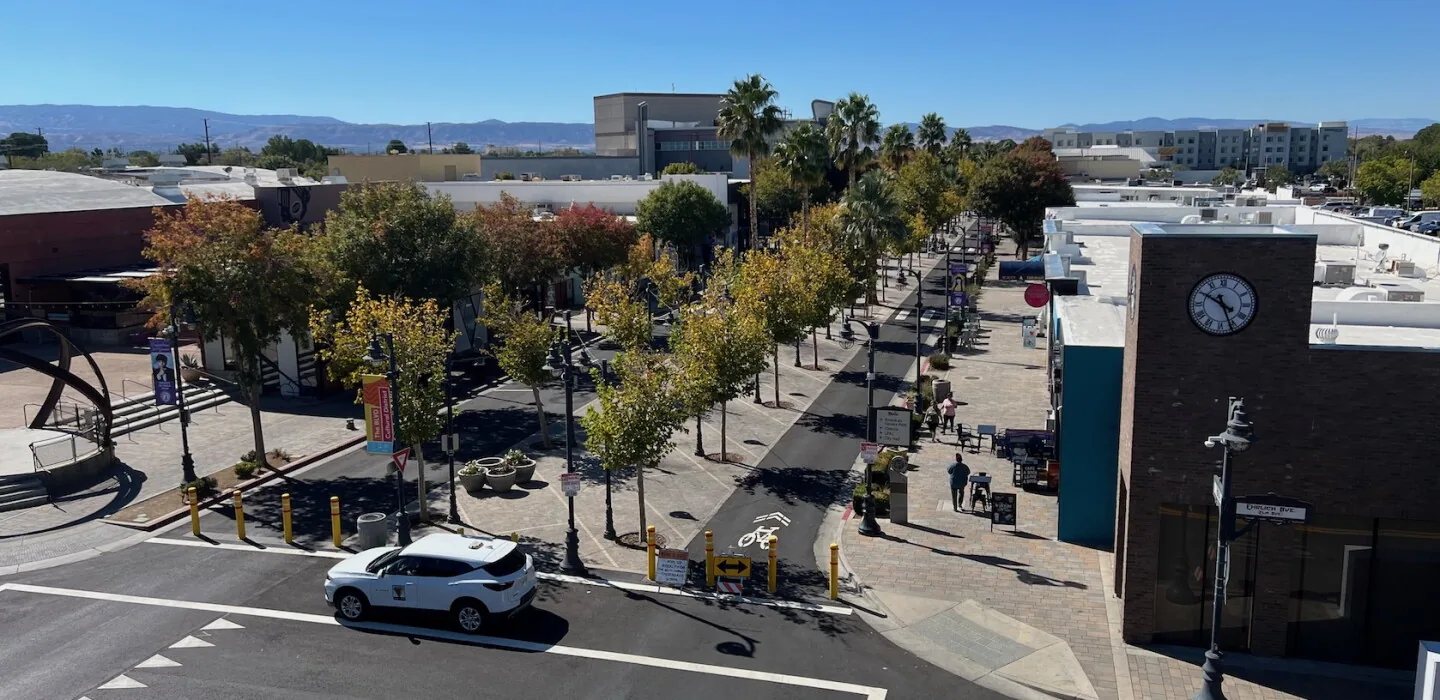
At Enterprise Business Park, office, light-industrial, and retail uses can place different equipment and access needs on nearby roofs. An image map helps the facility contact identify which section sits above a leak report or service area. In the Lancaster Health District, medical offices and services sit alongside supporting commercial uses; survey timing and any test opening should be coordinated with facility operations and interior access.
When the scan relates to a broader portfolio, we label each roof section consistently and separate confirmed moisture from untested thermal anomalies. That lets the owner compare buildings without assuming that every dark or warm region carries the same meaning. A focused hands-on roof inspection can check details that infrared cannot resolve, while a leak investigation can connect the roof evidence to an interior water path.
Draw a Removal Boundary That Can Be Defended
Once test points are complete, we combine the thermal map with the physical samples and roof observations. The report identifies confirmed wet areas, dry checks, and zones where the evidence remains mixed. We mark the proposed boundary on the roof plan and explain why it follows a seam, drain, curb, or test result. That gives the owner a basis for reviewing insulation replacement and helps the project team avoid removing sound areas without a reason.
If moisture is confined to one section, localized repair may be appropriate. If multiple areas show wet insulation, failing membrane, or compromised deck, a larger scope may provide a better result than repeated openings. We compare repair, recover, and replacement only after the findings show what layers can remain and what must be removed. The estimate can separate base work from conditions that will be confirmed after the roof is opened.
New submittals in Lancaster are subject to the 2025 California Building Codes effective January 1, 2026, including state energy-code provisions and local construction-code amendments. A moisture survey does not determine code compliance or permit scope. It gives the owner and design team a better picture of existing conditions before they prepare a construction plan.
Keep the Test Results with the Roof Record
The report includes the survey map, images, test locations, observed layers, and the reasoning behind the proposed boundary. We distinguish measurements from conclusions and note weather or surface conditions that may have affected the scan. The owner can use that record to compare bids, coordinate access, and identify what should be checked again if concealed conditions differ during removal.
Every core opening must be closed with a repair appropriate to the assembly. We document the patch materials and photograph the finished detail. If the survey shows the need for broader work, recover planning or commercial replacement can account for moisture removal, insulation, drainage height, and tie-ins. A roof condition report keeps the scan and repair history together for future inspections.
Schedule a survey when leak history, surface conditions, or a proposed reroof leave a question about hidden moisture. We will plan the scan, confirm selected areas, and return a boundary the property team can review before authorizing removal.
Commercial Roofing Questions
Does an infrared scan prove that a roof area is wet?
No. It identifies temperature patterns that may be consistent with moisture. We compare them with roof conditions and confirm selected locations through test cuts or another suitable check before defining removal.
Why might two scans show different patterns?
Recent rain, sun, wind, shade, roof color, equipment heat, and insulation type affect the surface reading. We document timing and conditions so the image is interpreted in context.
Will a core cut damage the roof?
A test opening is deliberately made at a selected point and then permanently repaired with compatible materials. We agree on locations, document the layers, and photograph the closed detail.
Can the survey tell us how much insulation to replace?
The scan helps target confirmation points. Test results and the roof layout establish which areas are wet and where the proposed removal boundary should go. Conditions may need adjustment after the assembly is opened.
Should we scan before planning a roof recover?
A survey can help identify moisture that affects whether existing layers can remain. The decision also depends on assembly condition, drainage details, code review, and the results of physical confirmation.