A leak over a cold room can create a problem beyond a ceiling stain. Warm, moist air can condense against colder surfaces, and water entering a roof assembly may affect insulation performance or interior temperature control. We inspect the roof layers, penetrations, and drainage path, then separate a surface repair from conditions that require testing or removal. The owner receives a scope that connects the roof finding with the building's operational risk.
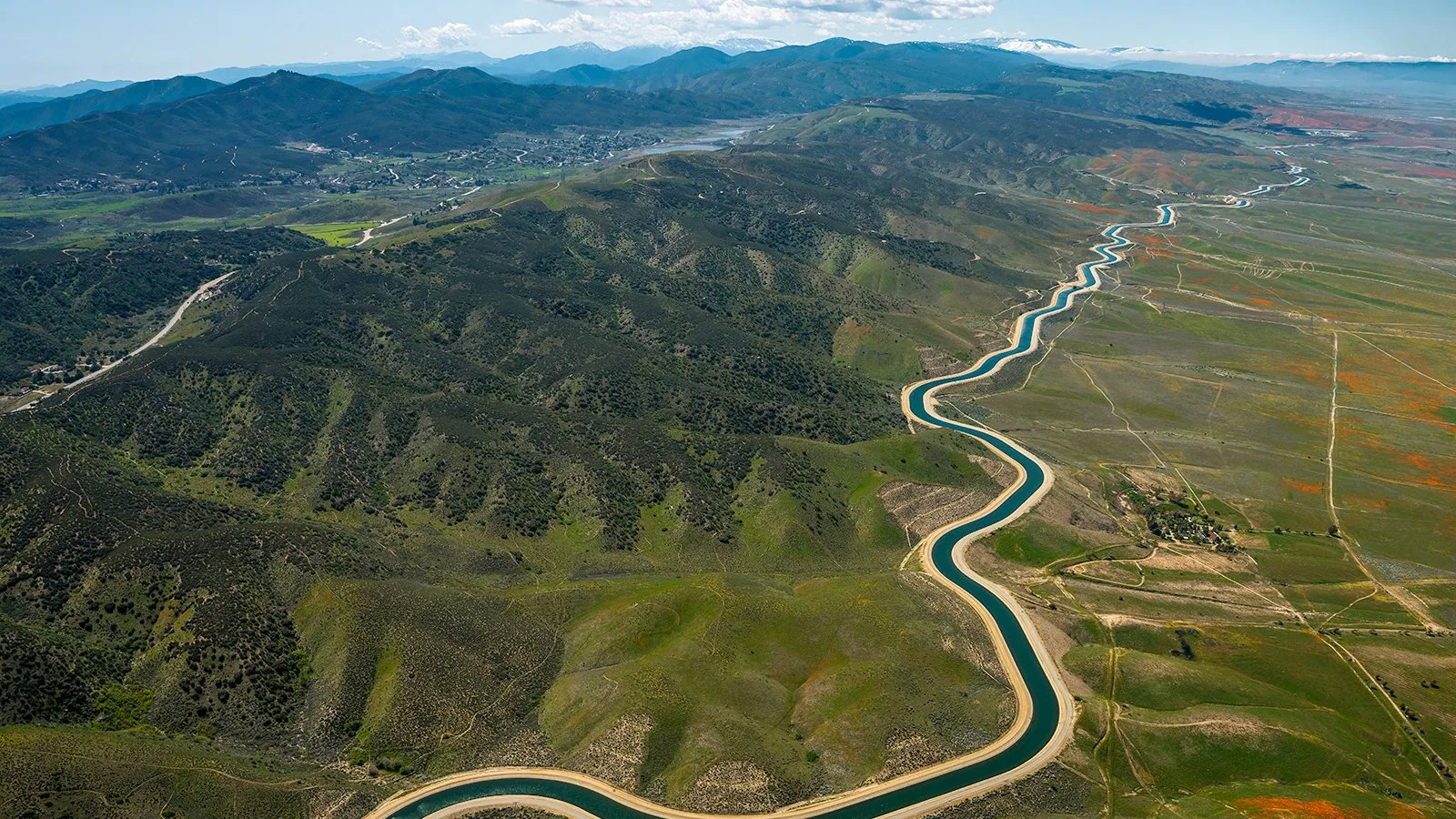
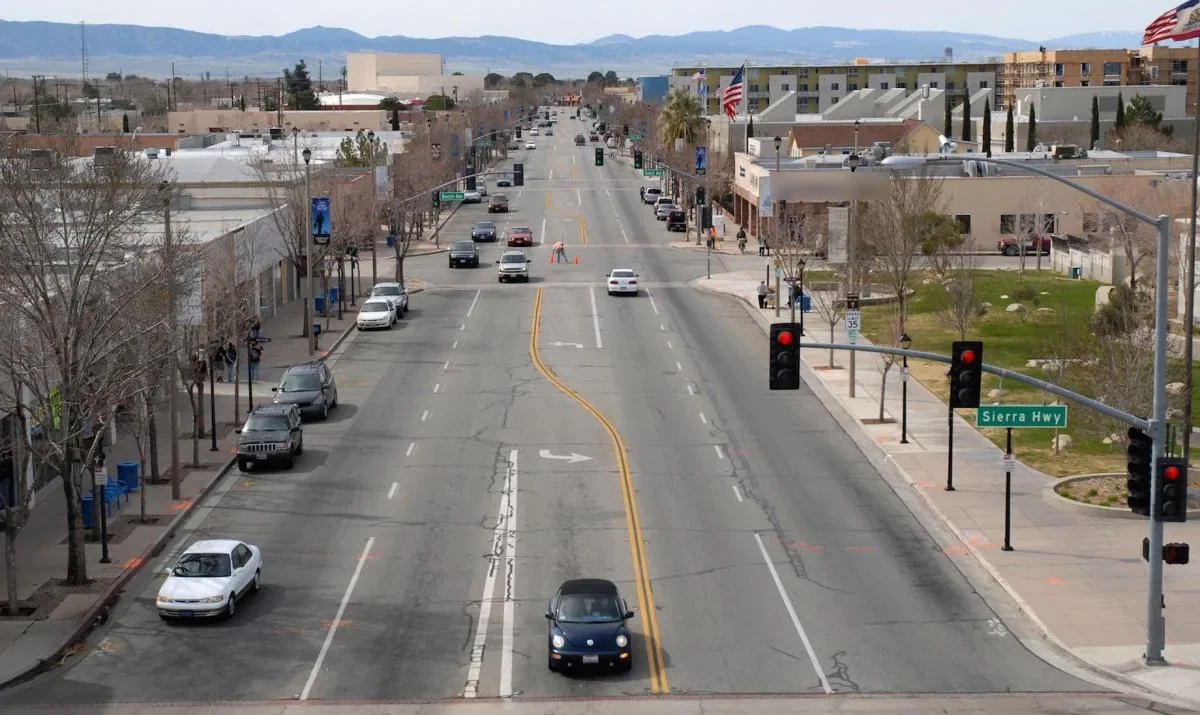
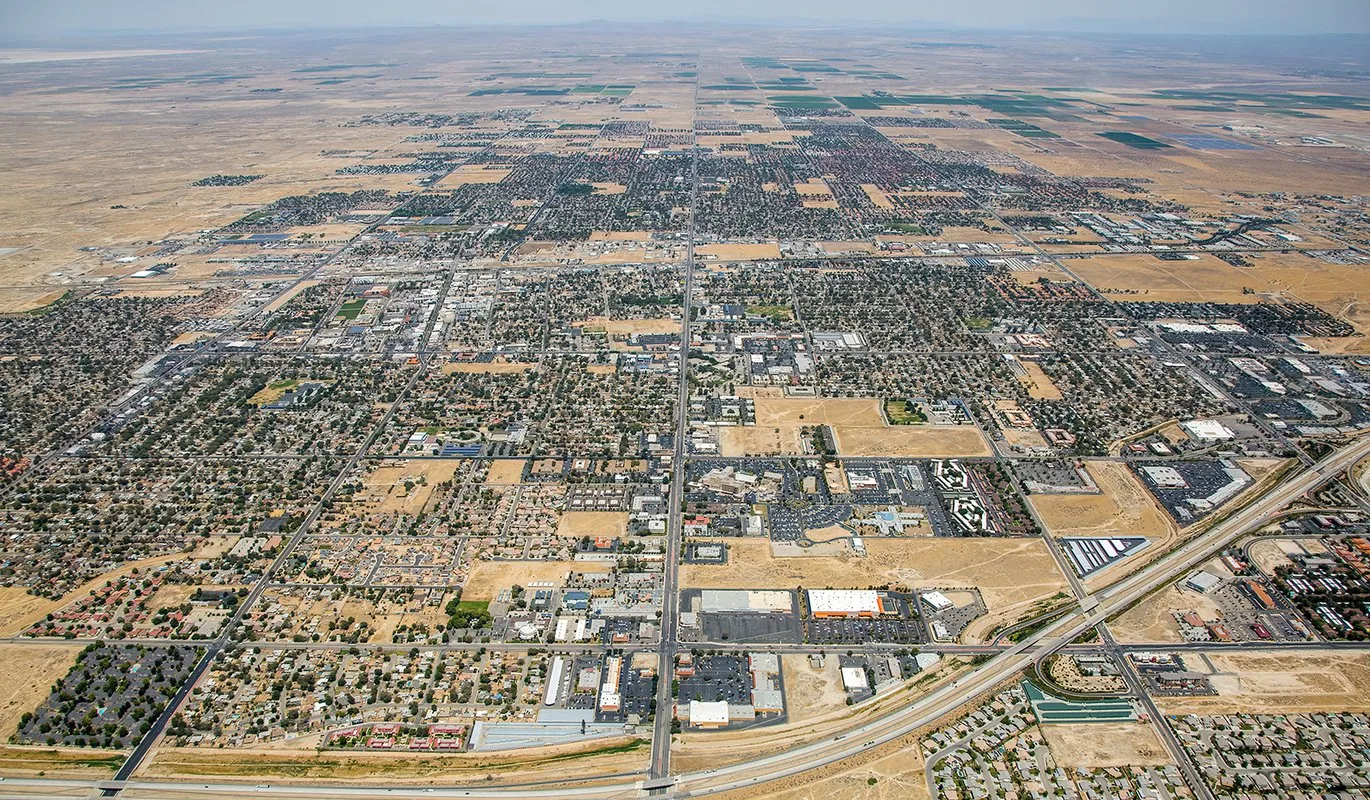
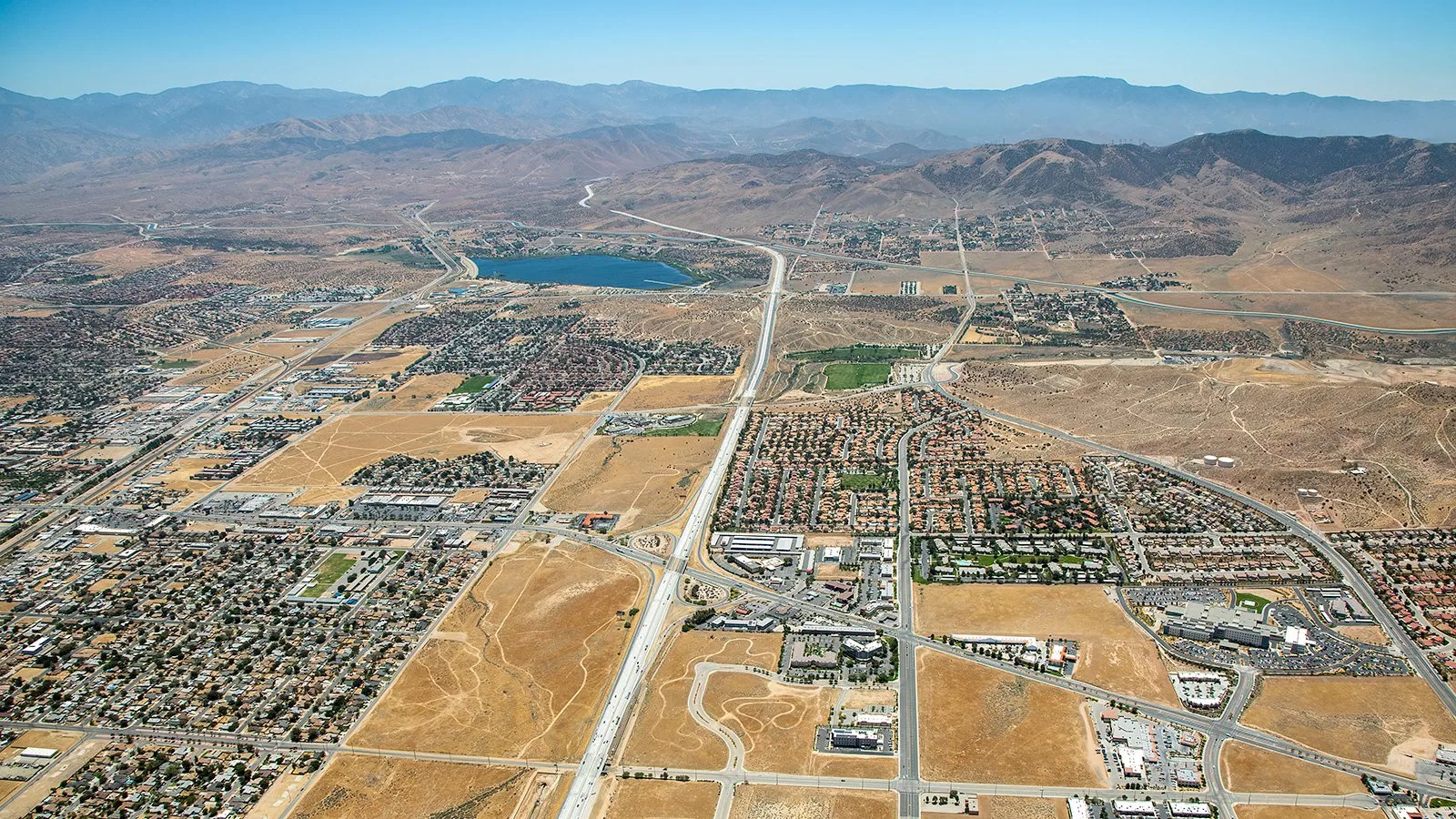
Lancaster's normal August high at William J. Fox Field reaches 97.8 degrees, and the station records 31 July days with highs of at least 90 degrees. That exterior heat places a substantial temperature difference across a cold-storage roof. The Lancaster Business Park and Fox Field industrial corridor provide relevant commercial and industrial planning context, while a specific facility's refrigeration and roof assembly must be evaluated in place.
Review the Full Roof Assembly Around Cold Rooms
Cold-storage buildings may have roof layers selected to limit heat flow and manage moisture, but a leak can compromise more than the outer membrane. We identify membrane type, insulation, vapor-control layers, deck, and interior ceiling conditions where access allows. A roof opening, repair history, and mechanical plan can help establish how the assembly was built. If drawings are incomplete, we mark what is visible and test representative areas before setting a broad removal boundary.
The temperature difference across the roof makes penetrations and transitions especially important. Curbs, exhausts, wall edges, and expansion joints interrupt continuous layers. We inspect these points for air movement, failed flashing, condensation clues, and water entry. A roof insulation and cover-board assessment can identify how wet or displaced material changes the assembly and whether the substrate remains suitable for a recover.
Separate Condensation From Water Entry
Condensation and a roof leak can appear in the same area, but they have different causes. We compare the timing of moisture, weather, refrigeration cycles, interior air movement, and roof-side conditions. A wet ceiling below a cold room does not by itself identify a failed membrane. We inspect seams, drain routes, penetrations, and wall transitions, then use test cuts where necessary to see whether moisture is above or below the vapor-control layer.
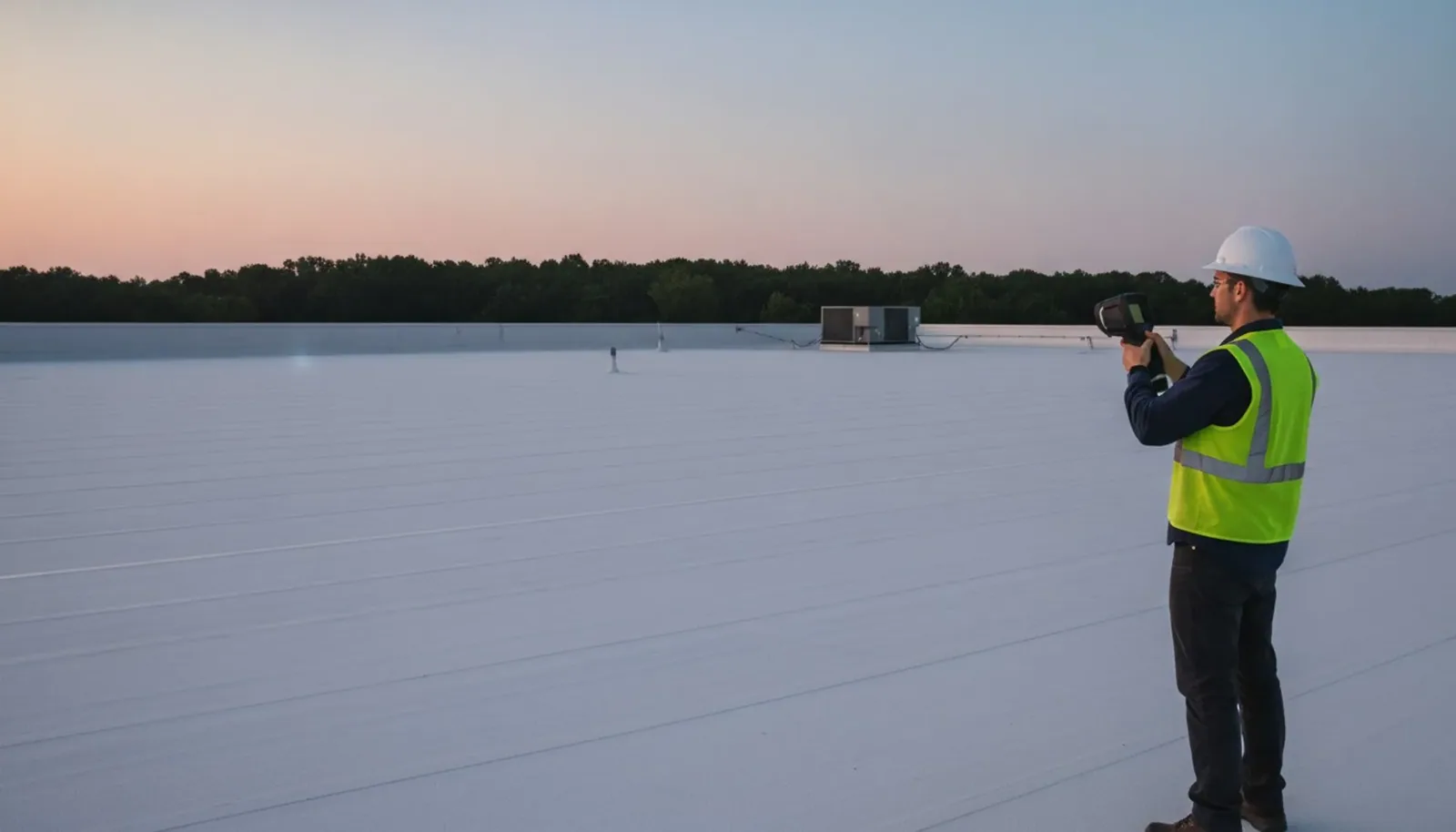
Where the roof has been patched more than once, we check whether a prior repair blocked drainage or trapped moisture beneath the surface. A leak repair assessment can trace the entry point, while infrared readings may help select test locations if conditions support reliable interpretation. Physical openings confirm the layers at the sample point. We record which sections were tested and which remain uncertain so an owner can make an informed repair decision.
Keep Roof Drainage Clear Through Winter Storms
Most normal Lancaster precipitation falls from November through March, even though the city's annual normal is 6.81 inches. Drains, scuppers, and overflows still need to move concentrated stormwater away from the roof. We check strainers, bowls, low points, crickets, and the route from the field to each outlet. If condensate or washdown water discharges onto the roof, we follow that line separately and check whether it is wetting a seam or penetration.
Standing water can load flashing and expose repairs to longer contact than intended. We distinguish a plugged drain from a broken bowl or slope problem before proposing work. A roof-drain correction addresses the outlet, while routine maintenance can check debris and document the same locations before storm season. The closeout record should note whether drainage changes altered the roof plane and where water still collects after repair.
Coordinate Roofing With Refrigeration Equipment
Refrigeration lines, condensers, exhaust fans, and electrical connections can require roof openings that must remain sealed after servicing. We inspect curb height, flashing corners, pipe boots, support pads, and any patch around removed equipment. Where a unit is being replaced, the roofing scope should identify who removes the old curb, who closes the opening, and how the new flashing ties to the membrane. Clear trade responsibility avoids an unfinished transition during a tight equipment changeout.
Maintenance traffic also concentrates around refrigeration equipment. We review walk paths, vibration, supports, and areas where service tools may puncture or abrade the roof. A distribution building roof plan can address similar dock and equipment sequencing, and manufacturing roof work can require coordination around exhaust and process equipment. These routes are useful comparisons, but the cold-room boundary and interior risk define the actual scope for this facility.
Choose a Repair Scope That Protects the Layers
A localized repair fits when the defect is contained and the insulation, vapor-control layer, and deck remain sound around it. If wet insulation extends beyond the visible leak, the removal area should follow verified conditions, not an arbitrary patch size. A recover may be suitable when existing layers are dry, secure, and compatible with the proposed attachment. Replacement becomes more relevant when repeated moisture or deterioration affects several roof zones or the assembly no longer supports dependable temperature control.
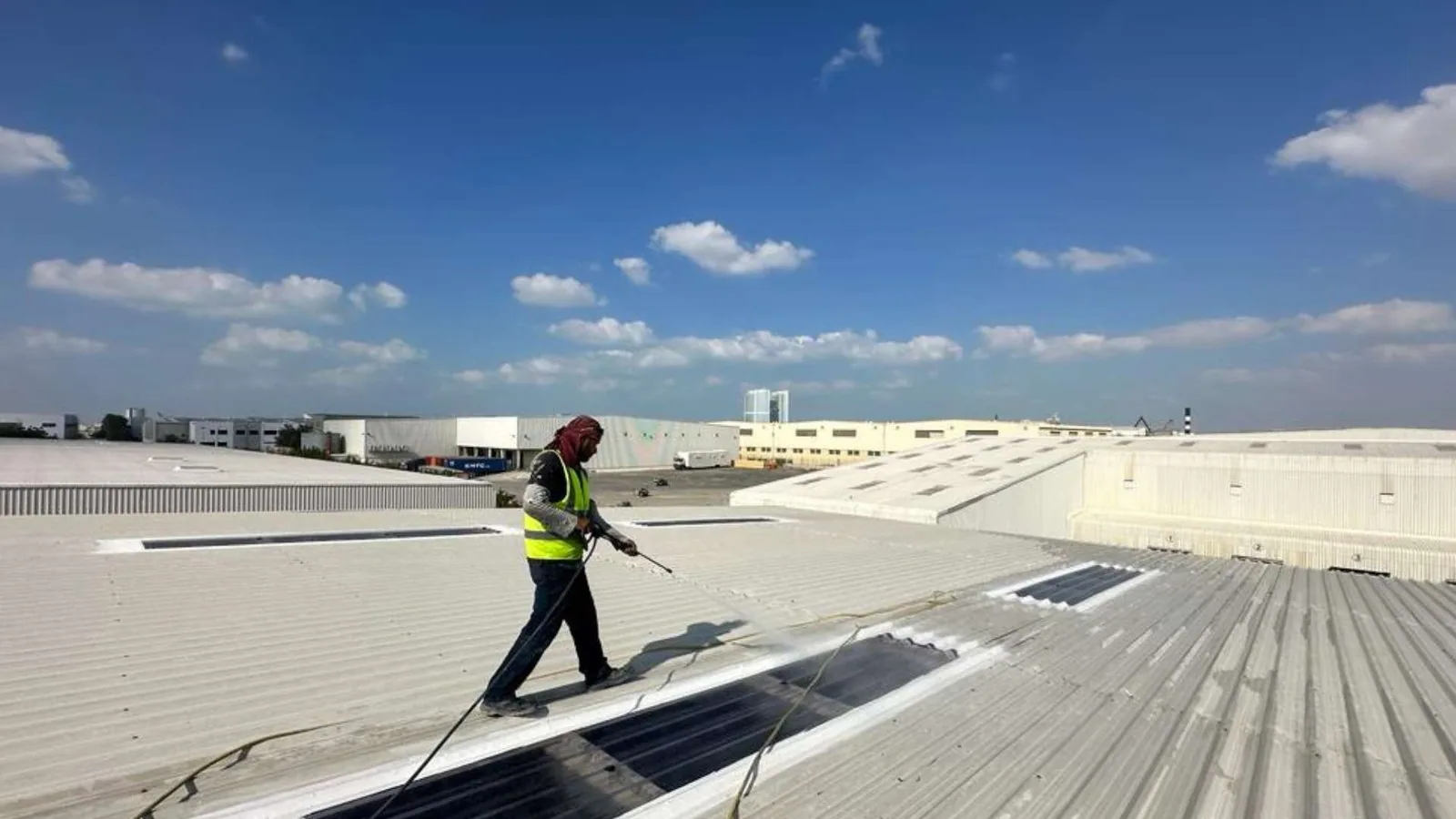
We compare these options by assembly section and include membrane, insulation, flashing, drainage, access, and protection requirements. Where coating is considered, silicone coating compatibility depends on the existing surface and product requirements; it does not repair wet layers below. A replacement evaluation can map what needs removal and how work can be phased around active storage areas.
Protect Temperature-Controlled Operations During Work
Cold-storage repairs may require notice to operations staff, protection below the opening, and a sequence that limits exposure of temperature-controlled inventory. We coordinate roof access, equipment shutdowns, and weather windows with the facility contact. Emergency response is available at any hour, including holidays, when water threatens the roof assembly or operations. For planned repairs, the proposal states which room or roof zone is affected and what temporary measures are part of the work.
Closeout records should show the test locations, materials removed, completed flashing, repaired drains, and any area that needs monitoring. A follow-up roof inspection can compare the repaired section with its prior condition after the next weather cycle. Keep refrigeration service records with the roof file; a future condensate change or equipment replacement may explain a new moisture pattern and help distinguish it from membrane failure.
Commercial Roofing Questions
How can a roof leak affect a cold-storage building?
Water can wet insulation, reach the deck, or increase the chance of interior moisture where warm air meets cold surfaces. We identify the entry point and test the layers so the repair addresses the roof condition instead of only the visible ceiling mark.
Can condensation look like a roof leak?
Yes. Condensation may follow interior humidity and refrigeration conditions, while a roof leak tracks a breach or failed transition. We compare the timing and pattern with roof-side evidence and test the assembly before choosing the repair.
Do cold-storage roofs need special insulation checks?
The existing assembly should be evaluated for insulation continuity, moisture, vapor control, and deck condition. We review the layers through records and test openings where needed, then identify what can remain and what needs removal.
Can refrigeration equipment be replaced without a full reroof?
A unit changeout may be localized if its curb and surrounding membrane can be restored with compatible details. We coordinate the opening, flashing, and trade sequence, then inspect the completed transition before closing out the work.
What should be done after water reaches the roof insulation?
We locate the affected boundary and confirm moisture with physical testing. The scope can then distinguish dry material that remains serviceable from wet insulation or damaged deck that must be removed before the roof is closed.