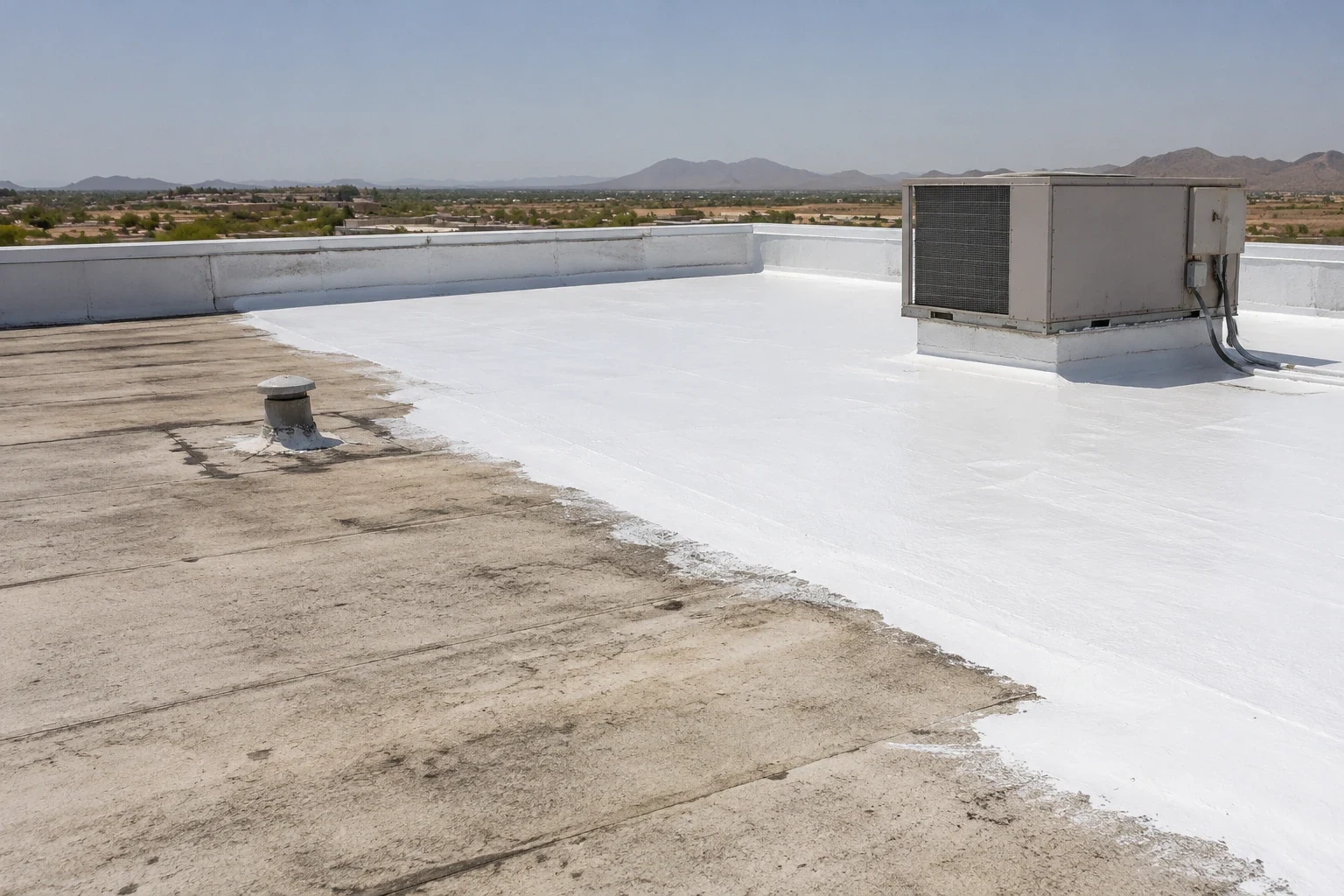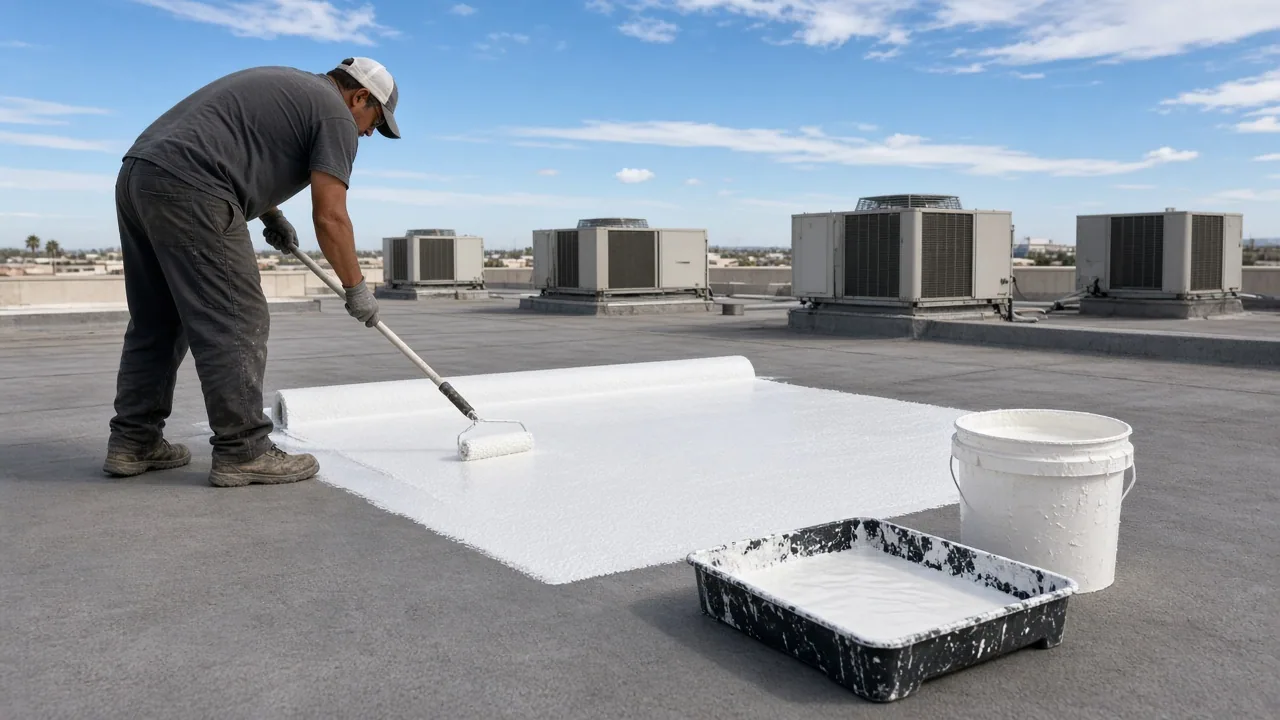
Silicone coating is a restoration layer, not a way to erase every roof defect. Its fit depends on the membrane, prior patches, moisture below the surface, and the water path across the roof. We inspect those conditions, test adhesion where needed, and identify which details must be repaired before a coating is specified. The result may be a restored surface, a partial application, or a finding that the assembly needs removal.
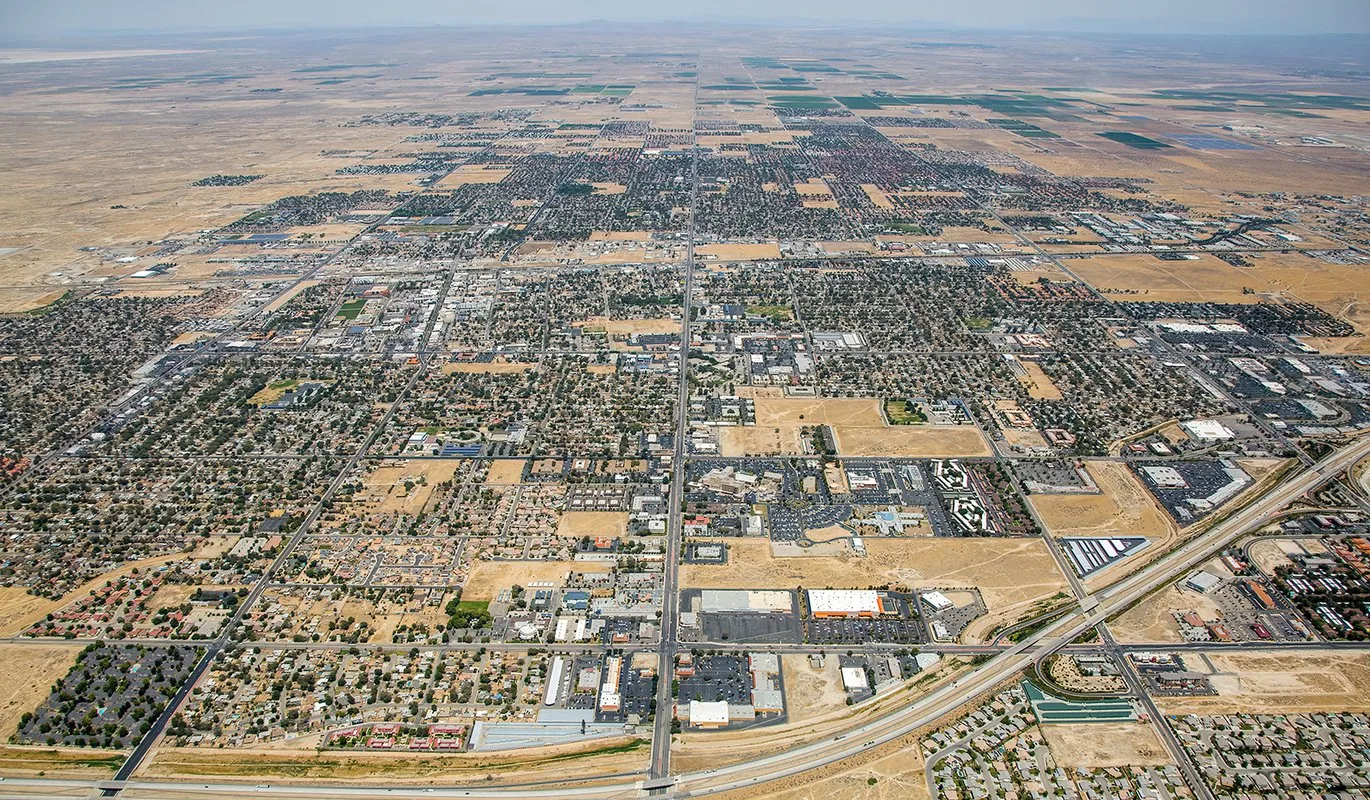
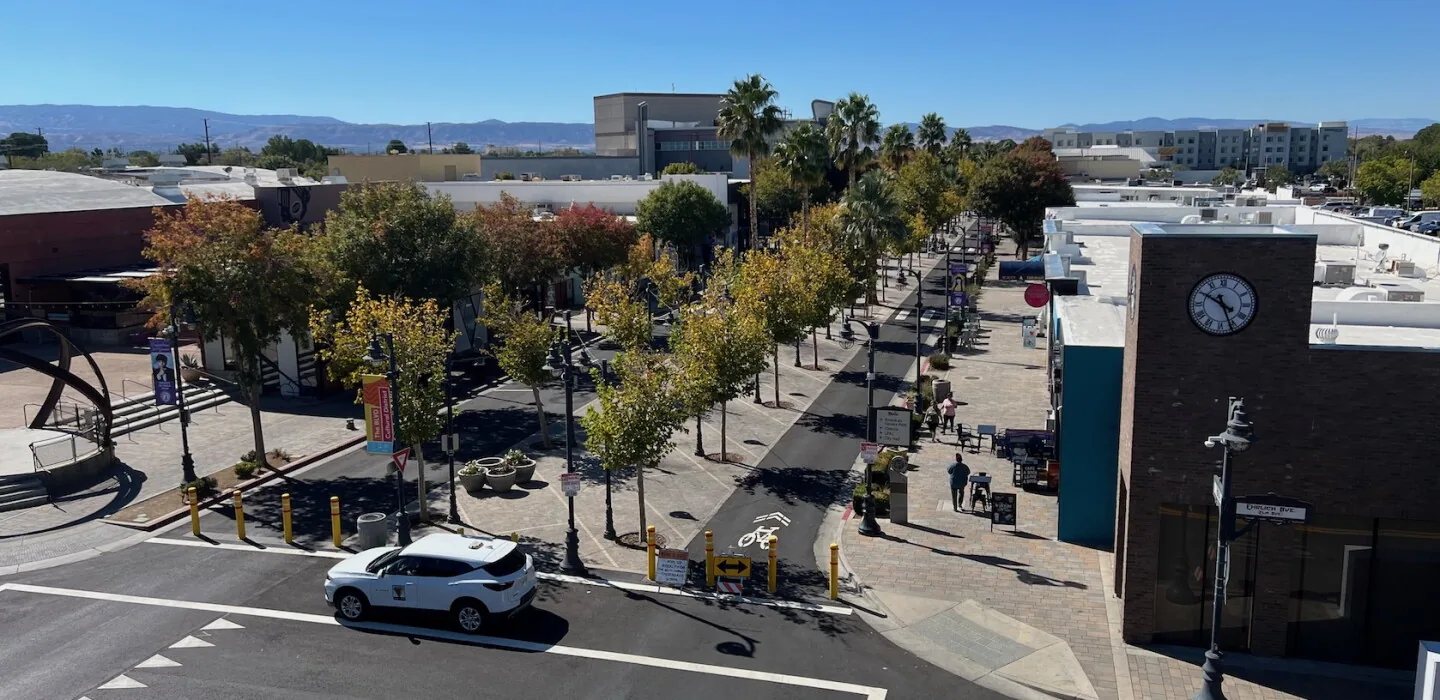
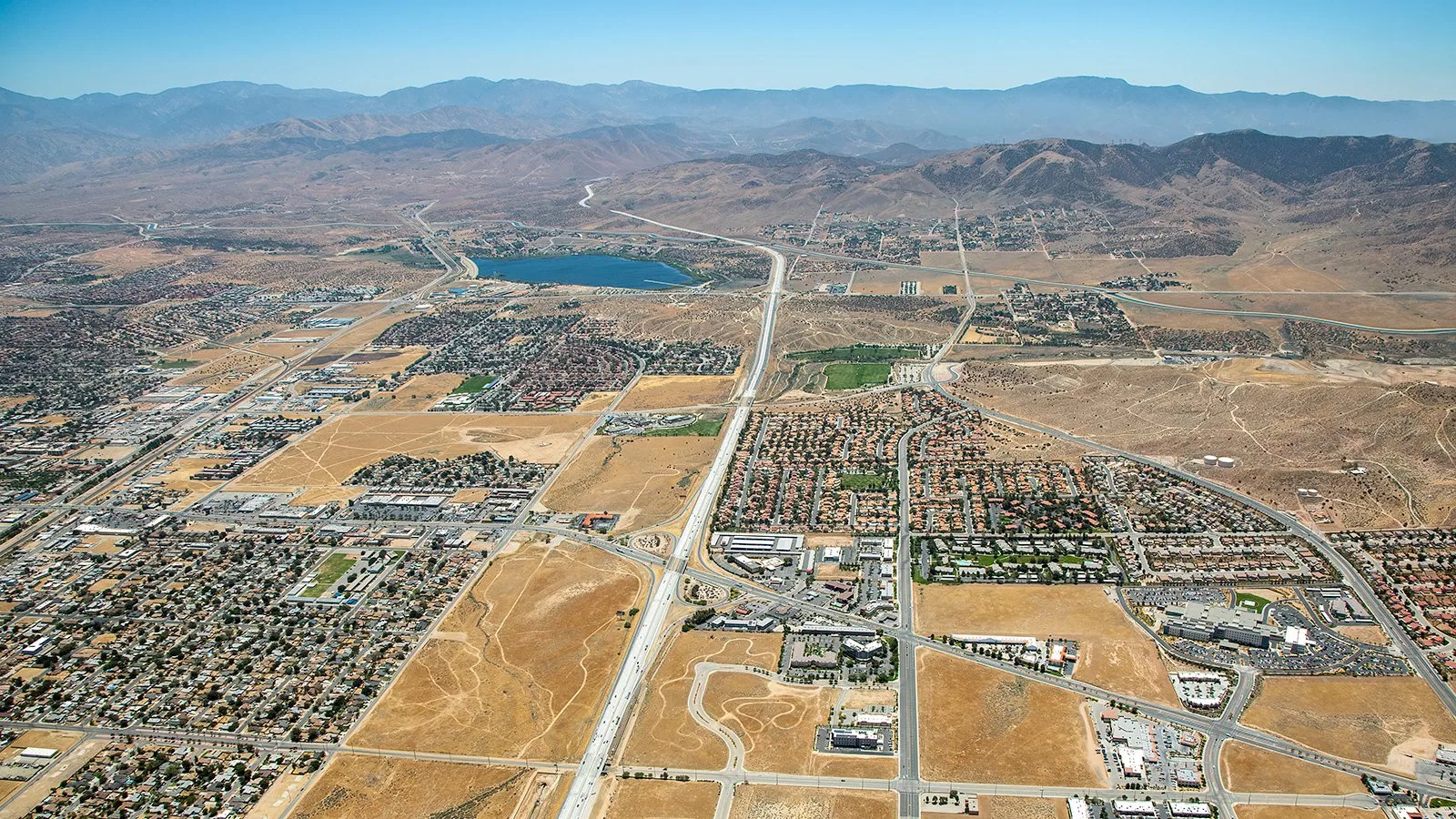
In Lancaster, the William J. Fox Field normals place a January normal low at 31.3 degrees and a July normal low at 67.2 degrees. That seasonal temperature change affects how an exposed roof and its transitions move. The Amargosa Creek Planning Area includes office, retail, and medical uses; access to rooftop equipment and building operations can shape how coating work is staged.
Confirm the Existing Surface Can Accept Silicone
We identify the roof membrane, previous coatings, repairs, and contaminants before selecting a primer or application method. A coating that appears intact may still be poorly bonded at a seam or over a patch. We inspect for peeling, chalking, cracks, blisters, rust, and soft areas, then check representative locations to see whether the surface can support another layer.
Adhesion testing can show whether the proposed coating bonds to a prepared sample. It does not establish that insulation beneath the roof is dry. If water has entered below the membrane, we test the assembly and define the removal boundary before recoating. The scope should distinguish confirmed wet material from areas that have not been opened, so the owner can see what the test supports.
Surface preparation follows the product requirements and the condition found. We remove loose material and residue, repair seams and penetrations, and prepare metal or membrane transitions as specified. Where an old coating is incompatible, it may need removal rather than a new layer. The written plan identifies preparation by roof zone, because one building may have more than one surface condition.
Review Ponding and Water Flow Before Application
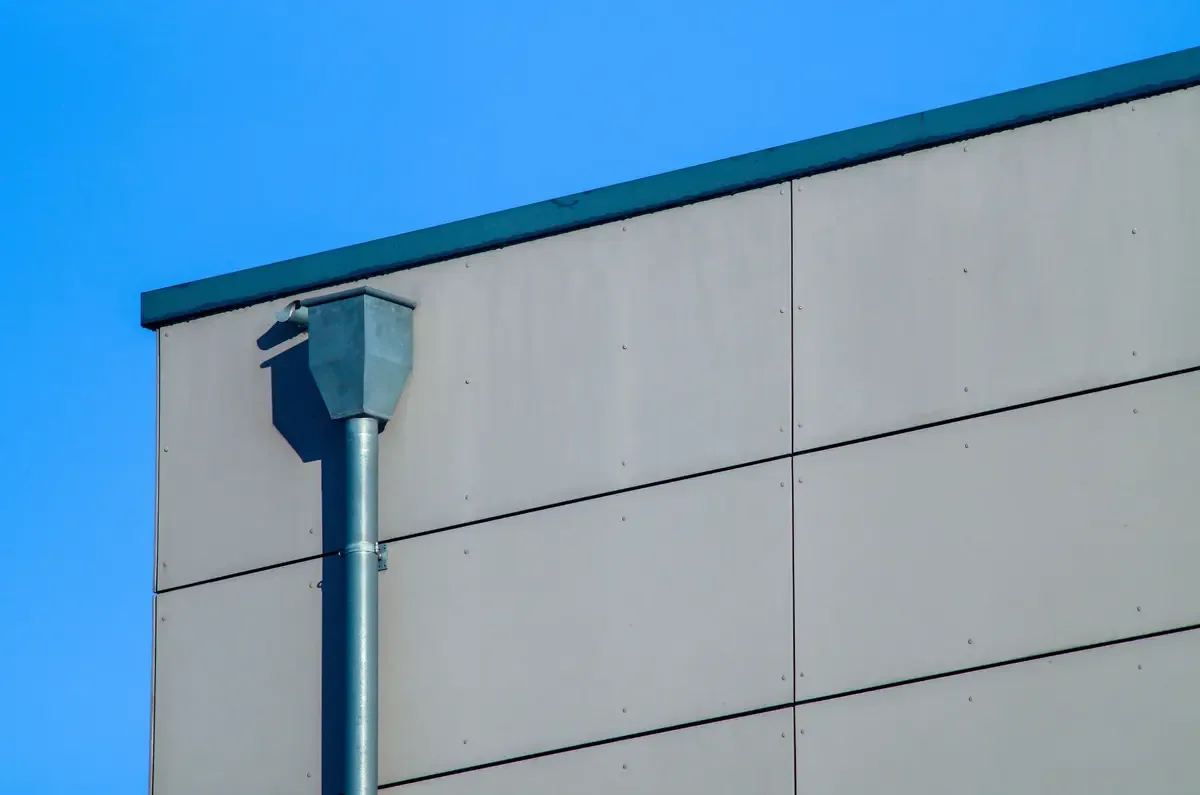
Silicone systems are often considered where water exposure is a concern, but the selected product’s instructions and the roof geometry still control. We map low areas, drain bowls, scuppers, overflow points, and crickets. If an outlet is blocked or sits too high, applying a coating over the same geometry does not correct the discharge route. We identify drainage work separately and verify that the finished surface can reach an outlet.
Lancaster's typical rainfall is weighted toward the winter season; most normal precipitation arrives from November through March. That seasonal pattern makes drainage and repair preparation relevant before winter storms. We remove debris, check outlets, and inspect seams where water may sit longer than the rest of the roof. A drainage repair can be coordinated before the coating closes the surface.
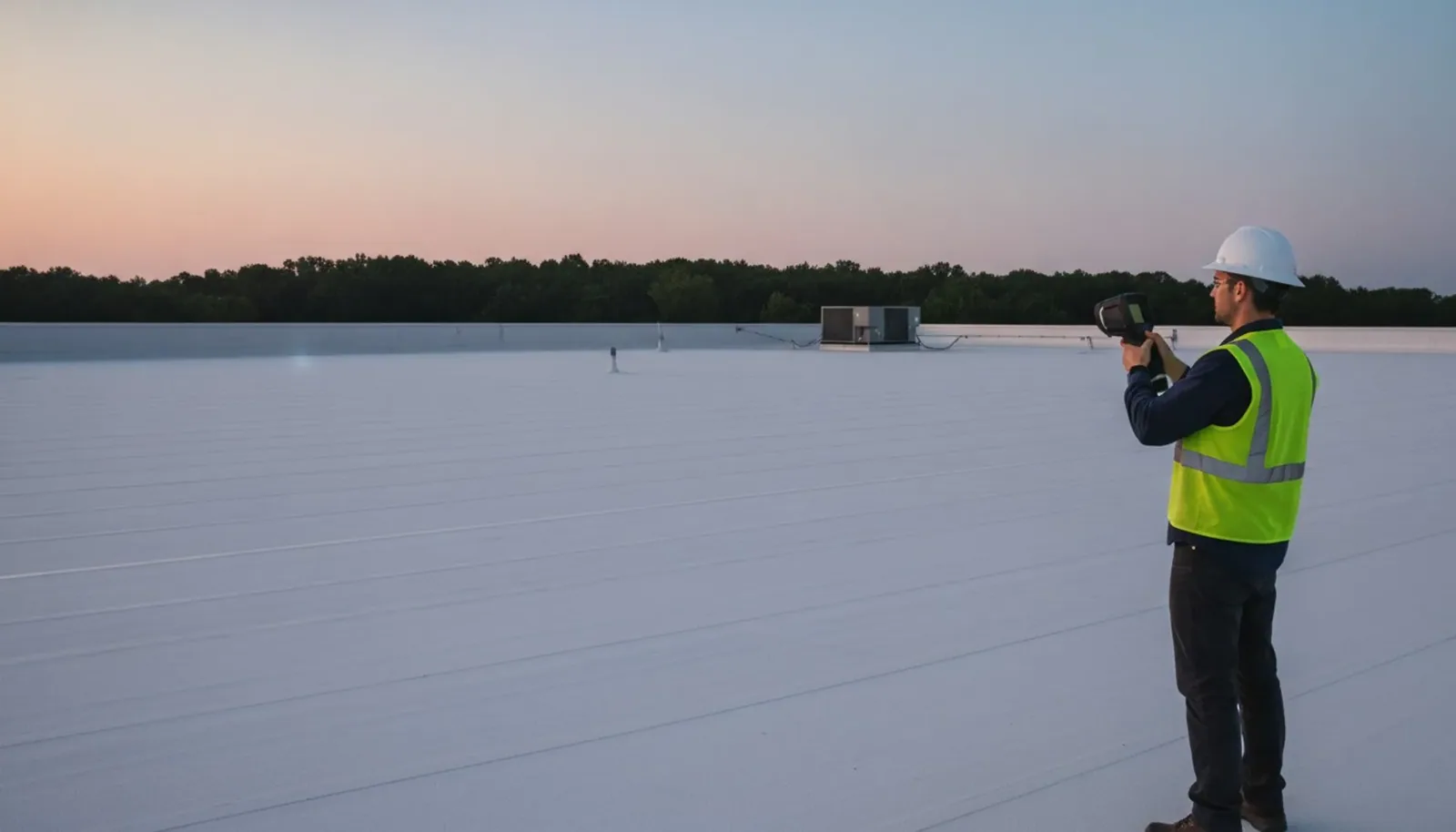
At a broad commercial roof, water can move from an apparent ponding mark toward a low seam or curb. We compare the surface with the roof plan and interior reports. If moisture below the membrane is suspected, an infrared survey may help target test locations when conditions support useful readings. Physical sampling then shows the insulation and deck condition at the chosen points.
Restore Defects Before Coating the Field
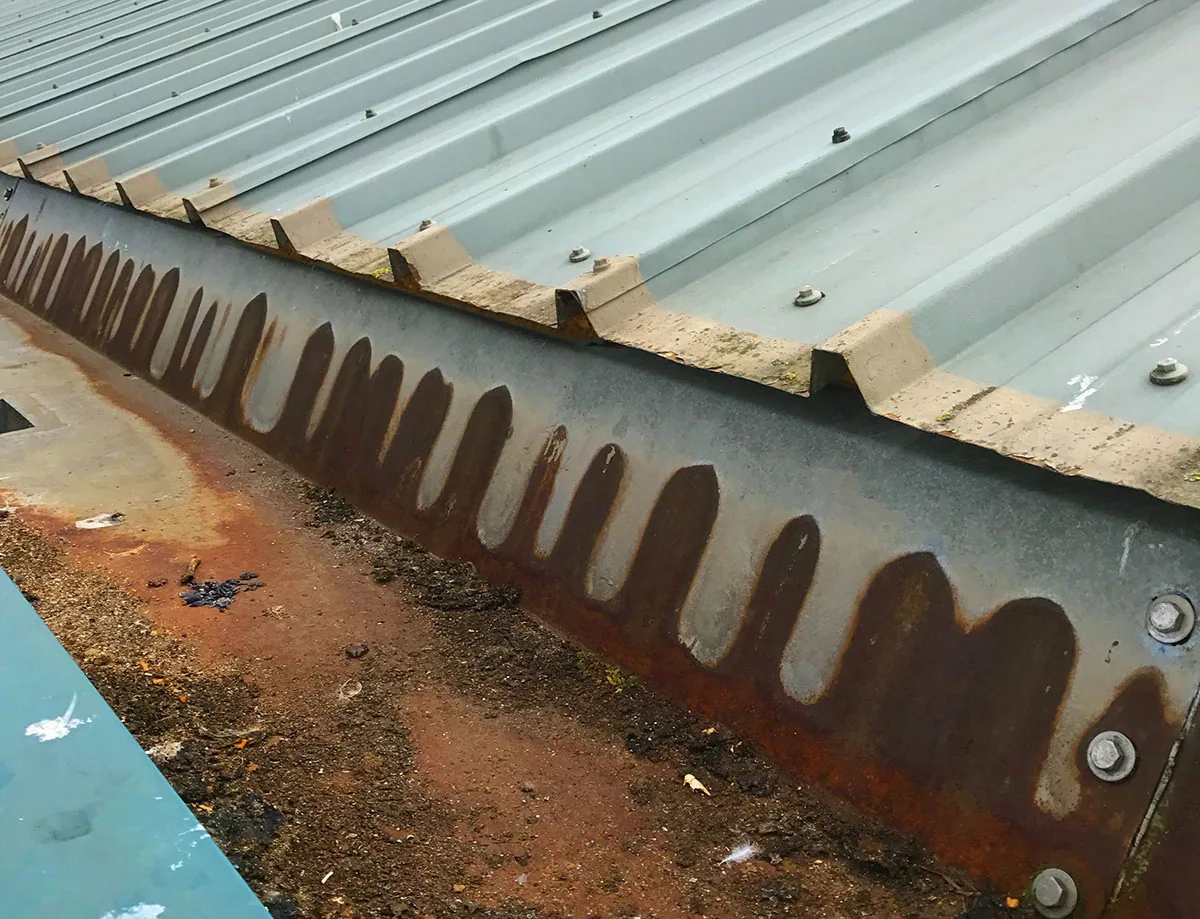
Coating should not bridge a loose seam, open curb corner, or unstable metal edge. We repair those details with compatible materials, reinforce transitions where the product calls for it, and allow repairs to cure before field application. At a penetration, the coating should terminate at the flange, boot, or curb with the specified flashing detail, not feather across a moving joint.
At the Lancaster Health District, medical offices and services sit among other commercial uses. If an occupied building needs coating work, the property contact can set access and ventilation constraints before a crew starts. We protect intakes and adjacent finishes as the product specification and site conditions require. A coating restoration scope identifies the preparation, repair, and application steps, while a roof inspection can document defects that need separate correction.
Walk paths and rooftop equipment areas require additional wear review. Silicone is not a substitute for a traffic surface where maintenance crews repeatedly cross the roof. We mark service routes and install any specified walkway protection so later access does not abrade the coating or block drainage.
Control Coverage and Cure Conditions
Application depends on clean, dry conditions, the product’s temperature range, and its required cure time. We check surface temperature and moisture rather than rely on the air forecast. Lancaster’s exposed roof conditions can heat the substrate quickly, which changes how a coating handles and cures. The crew follows the specified coverage rate and checks the finished film so thin or missed areas can be corrected before closeout.
Wind, overspray, dust, and access can affect adjacent equipment and occupied areas. We confirm lift placement, protection, and where containers can be staged. If rain or a temperature shift enters the forecast, the work sequence may need to pause before an area is coated.
On a property with multiple roof sections, we label the application area and note where older repairs remain. The product data sets any recoat window or maintenance limits. The facility manager should receive those instructions with closeout records, especially where future HVAC or electrical work could puncture the new layer.
Compare Silicone With Other Roof Paths
Silicone may be a candidate when the membrane is stable, the surface accepts preparation, and the roof’s water exposure matches the specified product. Localized re-application may be enough for a limited defect after the source is corrected. If the insulation is saturated, seams keep moving, or multiple layers have separated, removal or a new assembly may be more appropriate than another coating pass.
We compare coating, recover, and replacement using the same roof zones and include preparation, repairs, reinforcement, coverage, and drainage work. A acrylic coating may fit a different project condition, while spray foam or membrane replacement creates a distinct assembly. The estimate identifies concealed conditions that could change the work after opening, rather than bundle unknowns into the surface price.
For a roof that is not suitable for restoration, a replacement assessment can account for insulation, cover board, drainage, and perimeter details. Capital work should be based on what remains usable, not on the assumption that a coating extends the roof’s service life by a fixed number of years.
Keep the Surface Record Current
Closeout documents preparation, repaired transitions, application areas, coating product, and checks required by the specification. Photos show drains, curbs, edges, and representative field coverage.
Later inspection checks wear, adhesion, ponding, seam repairs, and service routes. A trade visit can affect the coating with foot traffic or a new curb, so the facility team should keep work orders with the roof record. Preventive maintenance can revisit the same areas and identify damage before water reaches the lower assembly.
Share roof plans, coating history, and leak reports when requesting an assessment. We will inspect the surface and layers, confirm product compatibility, and show which restoration or replacement option fits the conditions we can verify.
Commercial Roofing Questions
Can silicone coating go over an existing roof coating?
It may be possible if the old layer is stable, clean, and compatible with the proposed product. We inspect the surface and test adhesion in representative areas before including that preparation and coating in the scope.
Does silicone coating fix ponding water?
A coating changes the surface layer but does not create slope. We review drains, low points, and overflow routes, then identify drainage changes separately if water cannot reach an outlet.
Can silicone be applied when insulation is wet?
Wet material needs to be located and addressed before the surface is closed. We test suspected areas and define what should be removed instead of relying on a new coating to cover a concealed moisture condition.
What preparation is needed before silicone application?
Preparation follows the product specification and the existing surface. We remove loose material and residue, repair roof details, and verify that the clean substrate can accept the selected coating.
How do you compare silicone with acrylic coating?
The product’s water exposure limits, slope, surface compatibility, and maintenance requirements shape the choice. We inspect the roof and compare the exact product data with the condition of the existing assembly.