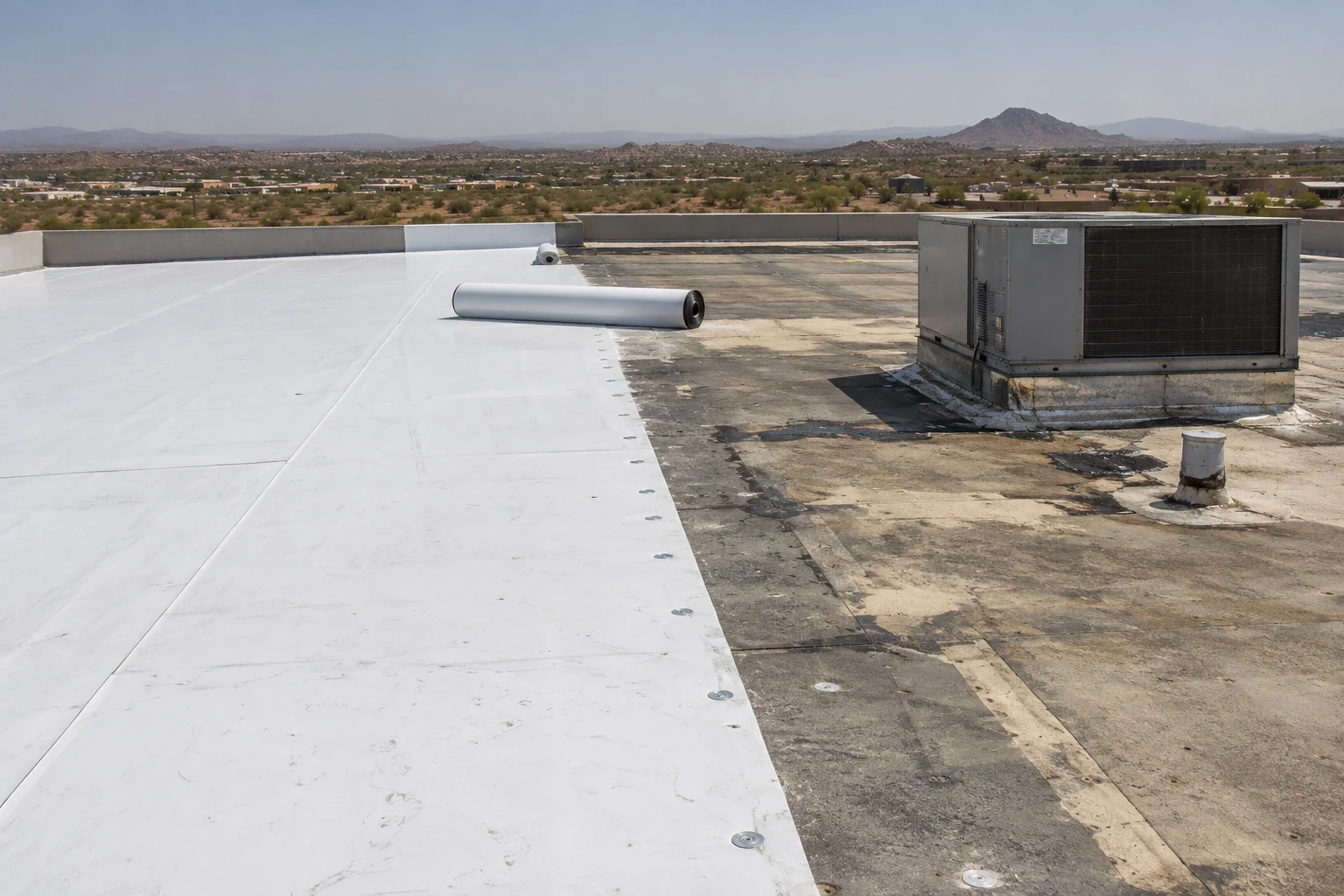
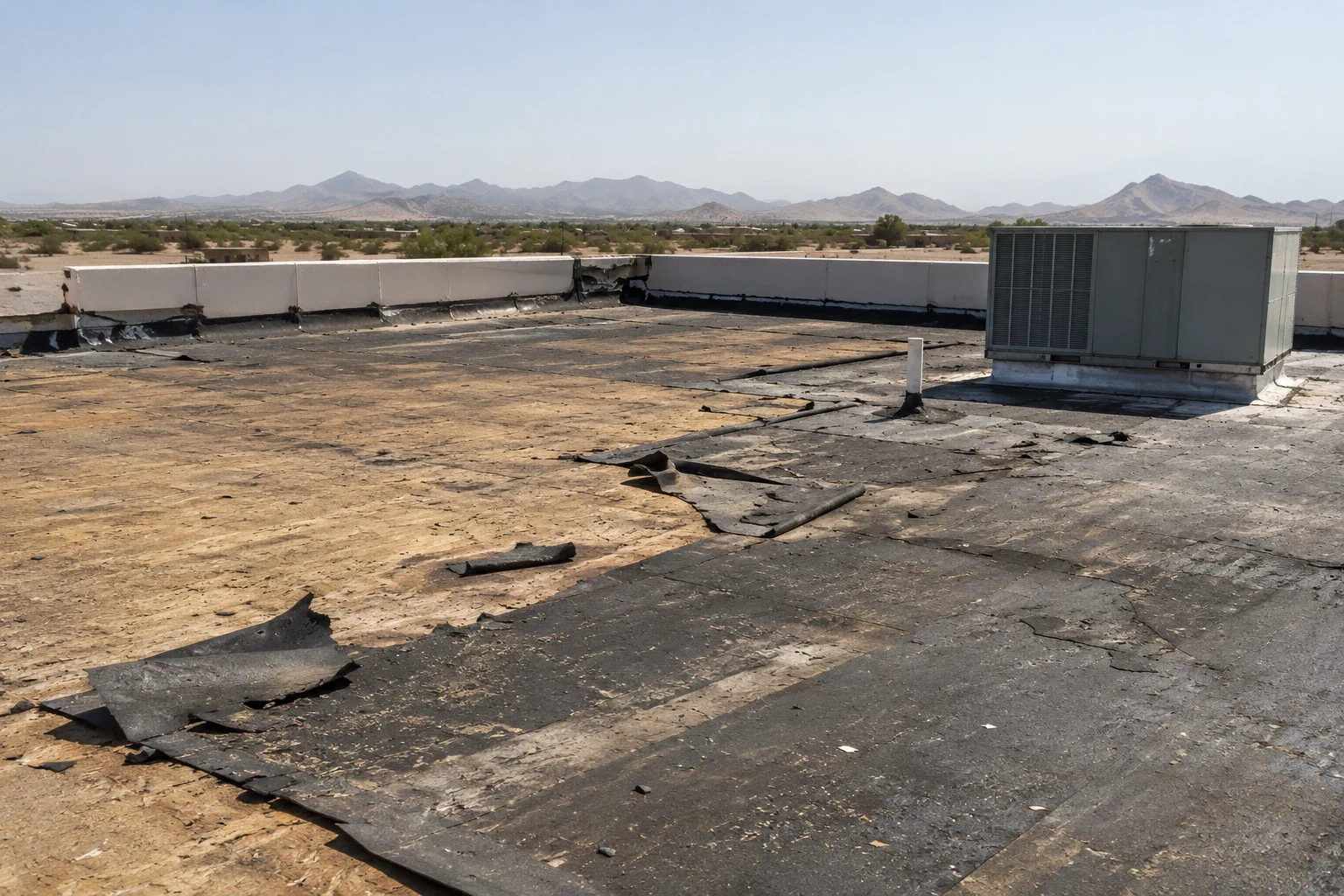
A coating can restore a roof that is still sound underneath. It cannot turn wet insulation, a loose membrane, or failing flashings into a stable assembly. We inspect the roof, identify repairs, and confirm that the surface and substrate can accept the selected coating before proposing a restoration scope. The decision starts with what remains serviceable, not with the appearance of a fresh finish.
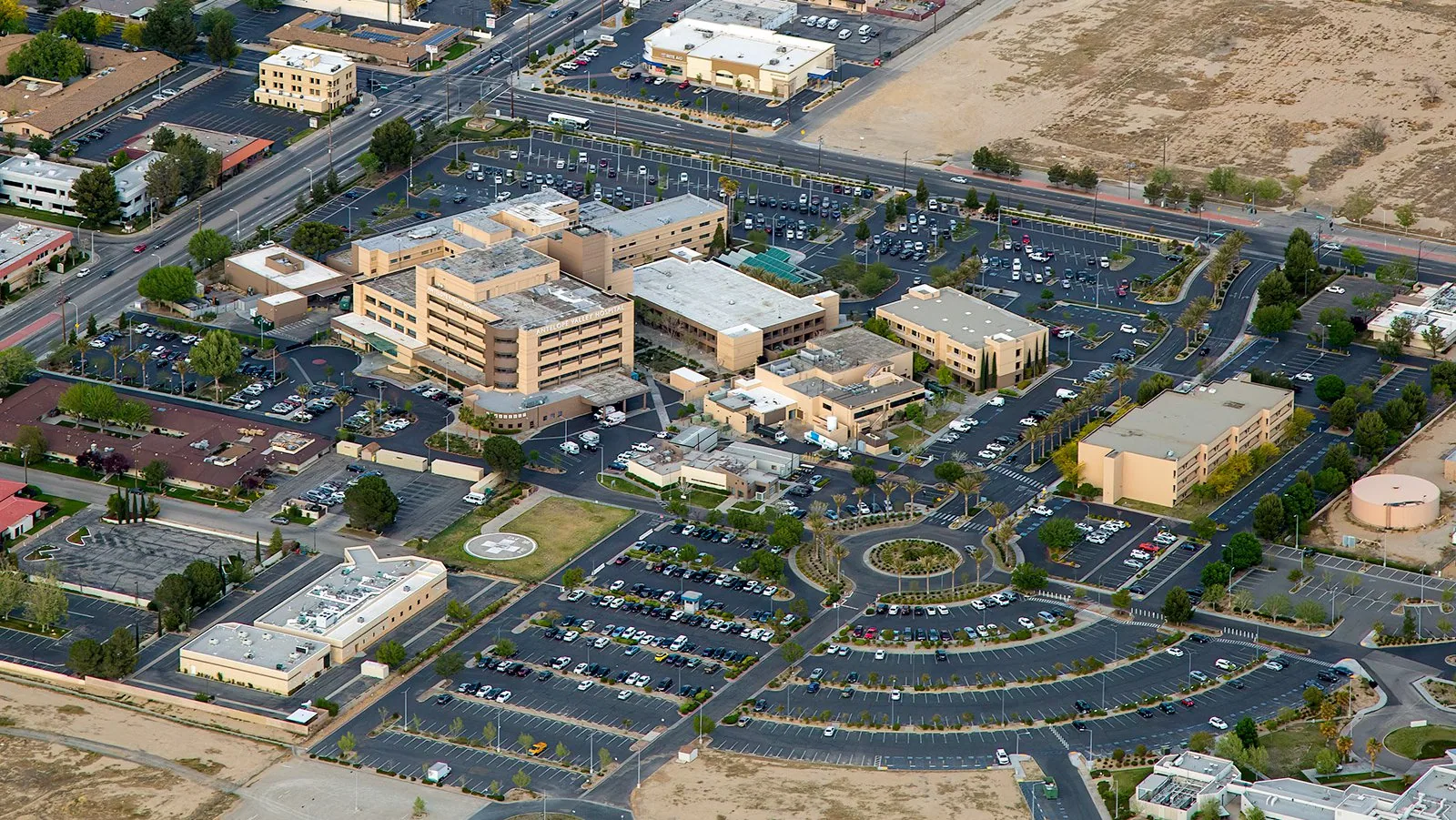
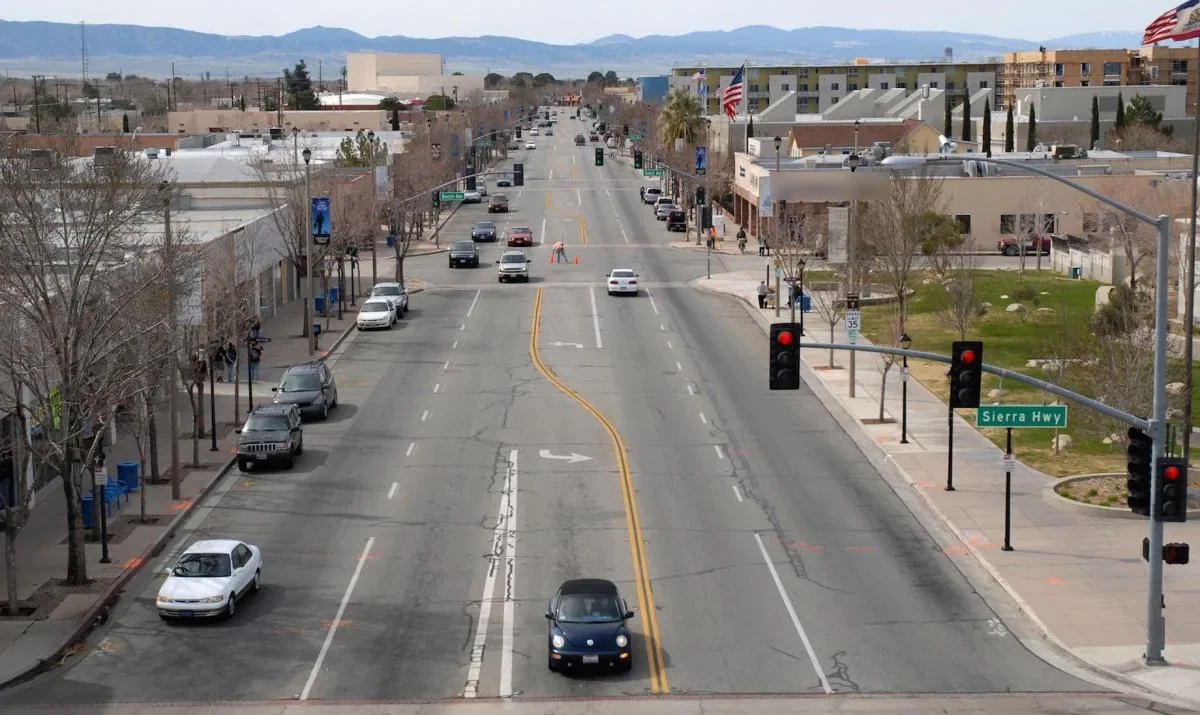
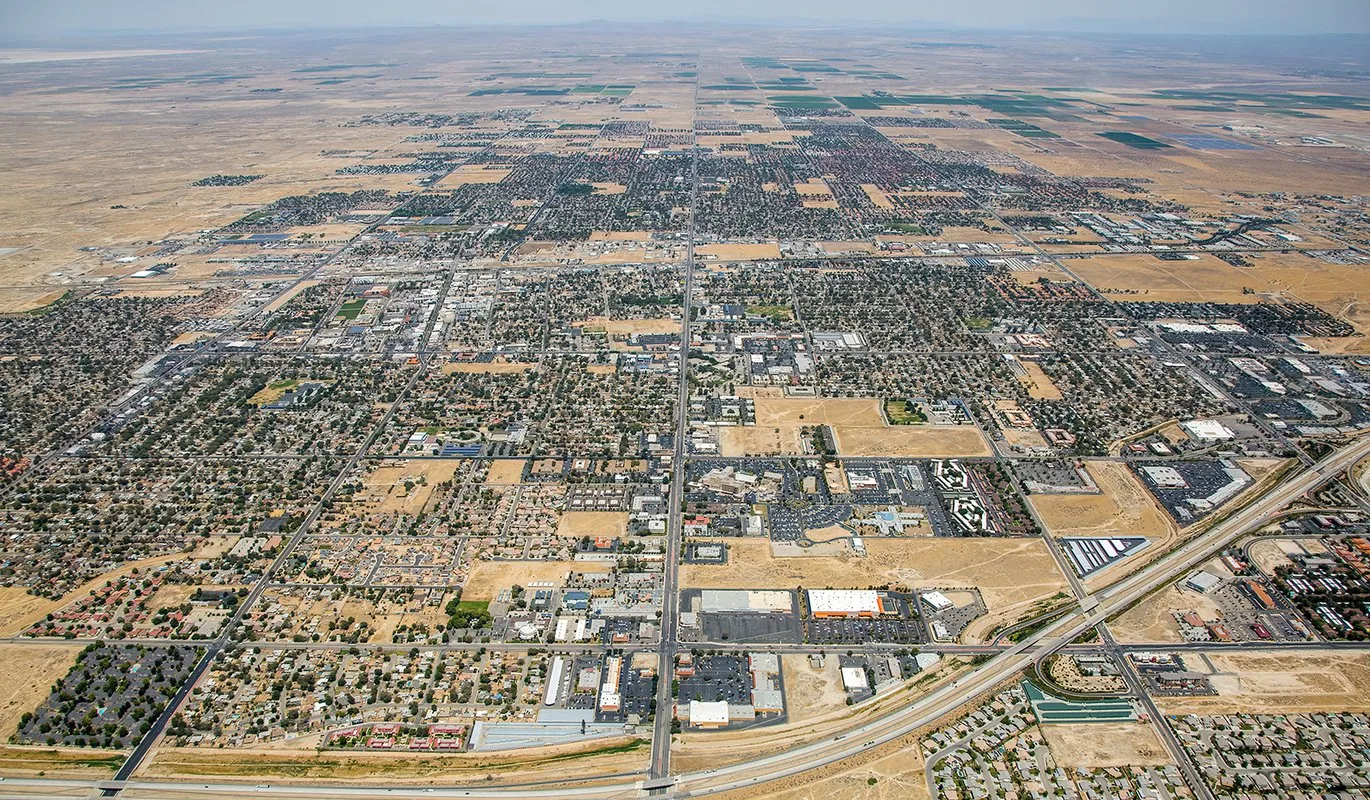
Lancaster’s summer heat puts exposed roofs through long periods of high surface temperature. At William J. Fox Field, the 1991 to 2020 normal daily high reaches about 98 degrees in August, and July averages 31 days with highs of at least 90 degrees. That exposure makes surface condition, adhesion, and detail transitions important to a coating plan. We evaluate roofs in Lancaster and nearby areas, including Lancaster Business Park and Freeway Business Center in Palmdale. The finished system must suit the substrate and the weather window available for installation.
Confirm the Existing Roof Can Be Restored
We identify the roof system and inspect attachment, seams, flashings, penetrations, edges, drainage, and signs of trapped moisture. A coating is a surface layer; it cannot repair a saturated assembly or stabilize loose components. Wet insulation, widespread deterioration, or an unstable substrate must be addressed before coating remains an option.
Repair history and prior products can affect adhesion. TPO, PVC, EPDM, modified bitumen, built-up roofing, and metal need different preparation. We document representative conditions and recommend adhesion testing when the surface history is uncertain. A poor bond rules out that system.
Enterprise Business Park includes office, light-industrial, and retail uses. We protect entrances and tenant areas during washing and preparation, identify air intakes, and coordinate shutdowns with the facility contact.
Prepare the Surface Before Applying Material
Preparation determines whether the coating bonds. We remove dirt, loose coating, and incompatible residue with a method suited to the roof. The surface must be dry and stable. We protect drains and openings, capture debris, and manage wash water. Where the roof has several substrate types, we treat representative areas separately and confirm the preparation method before extending it across the full surface.
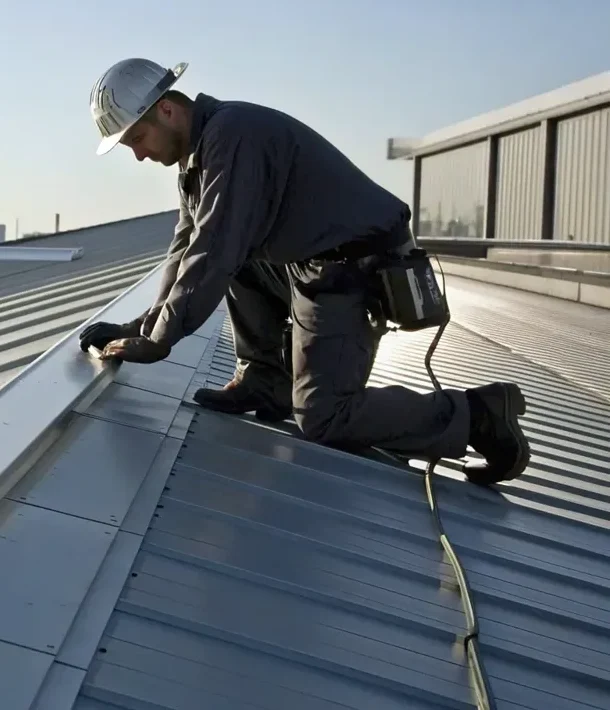
Before coating the field, we repair seams, punctures, fasteners, flashing corners, and penetrations. The coating should not hide a failed detail. We reinforce transitions as required and confirm the substrate is sound. If testing shows poor adhesion or hidden moisture, we revise the scope rather than extending a weak condition. The repair list should identify which work is complete before the coating crew arrives and what inspection will release the next phase.
We also clear outlets and review low spots. Lancaster’s normal rainfall is concentrated from November through March, so drains need to remain open for short storms. A coating cannot correct a blocked drain or a depression holding water against a seam. If the drainage plane needs reconstruction, that work belongs ahead of the coating application and should be shown as its own scope item.
Match the Coating to the Roof and Exposure
Silicone and acrylic coatings have different strengths. We select based on substrate, exposure, drainage, compatibility, and maintenance. We explain cure conditions and where primer or reinforcement is needed. If the roof has an existing coating, we identify its condition and test the proposed system against the prepared surface rather than assuming that similar colors or labels mean compatible chemistry.
The crew checks surface temperature, moisture, forecast, and application window. We apply material at the specified rate and inspect seams and transitions. The scope lists preparation and application steps so owners can compare proposals on the same basis. It also identifies how the crew will protect equipment, drains, and vertical transitions while material is being applied. We document coverage at the end of each work area before moving to the next one.
Freeway Business Center near State Route 14 and Avenue N is a commercial area in Palmdale. Access, equipment, and roof geometry vary by property, so we inspect each roof before recommending a system.
Keep the Scope Tied to the Roof Condition
A proposal identifies pre-coating repairs, areas needing replacement, the selected system, surface preparation, and how edges and penetrations will be finished. Concealed conditions that could change the work are listed as a verification step. The owner can compare coating, recover, and replacement on the same roof map. A clear boundary matters when one building has several additions or roof sections with different conditions.
Warranty terms depend on system, substrate, application, and inspection requirements. Retain product data, application records, photographs, and closeout findings. Roof warranty management keeps that information available for future repairs. The record should include the product and lot information, application dates, preparation steps, and any inspection documents required for the specific assembly.
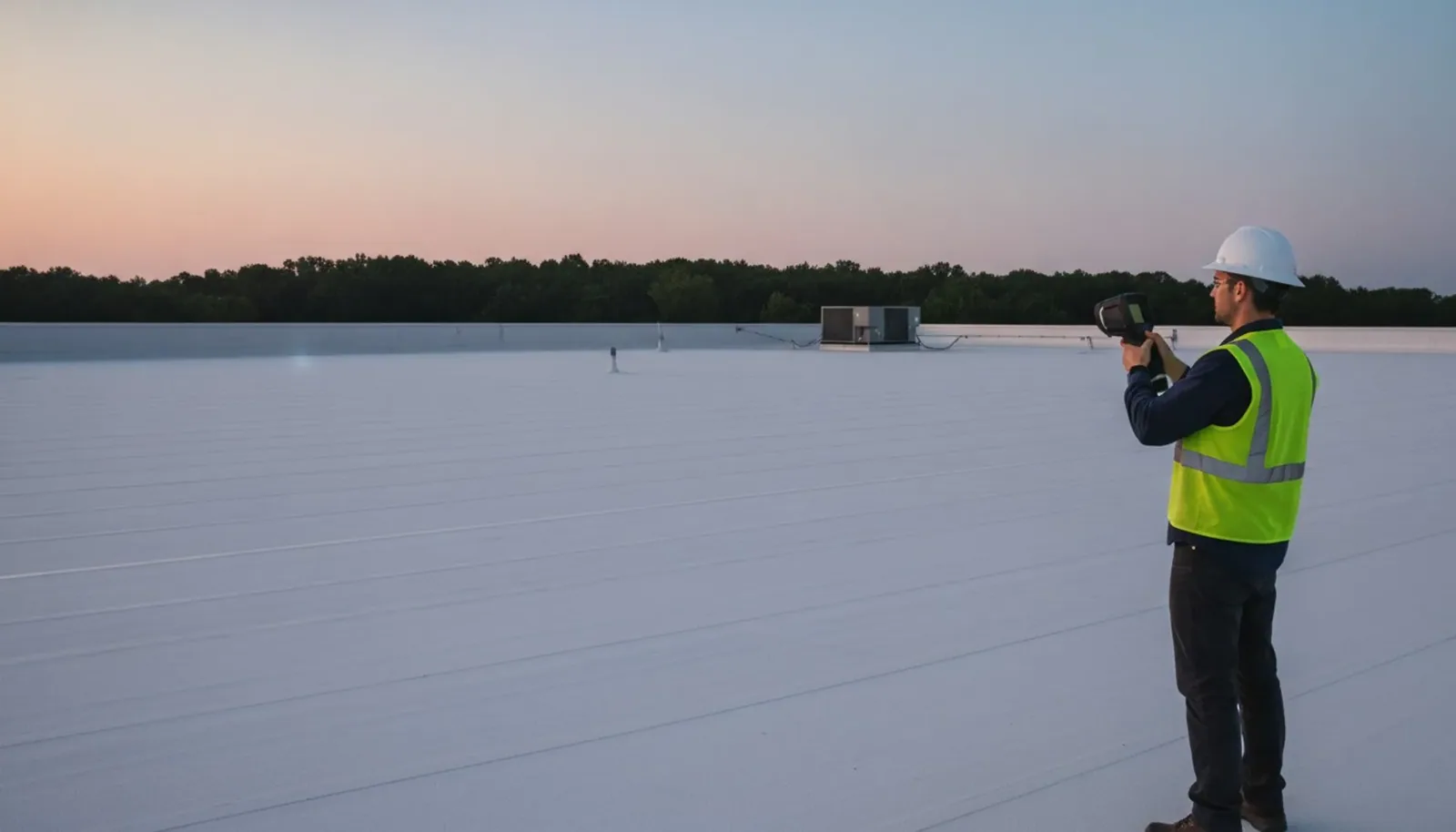
If infrared or core cuts identify moisture, a survey can define the boundary. Wet material must be removed and the substrate restored before coating. Broader deterioration may make a recover or replacement a better scope.
Plan Application Around Daily Operations
Coating work involves cleaning, equipment, and restricted roof access. We coordinate work areas, temporary protection, and interruptions before starting. An office or retail property may need protected entrances; an industrial site may need air-intake protection or a brief equipment shutdown.
After application, we record coated areas, repaired details, and drainage condition. Later checks can identify cuts, ponding, or damaged transitions. A coating remains part of a roof assembly that needs maintenance.
Preventive roof maintenance can schedule drain, seam, and perimeter checks. A condition report captures completed work and remaining concerns, helping future inspections follow the right access plan.
Choose Restoration Only When the Findings Support It
Coating restoration can reduce tear-off when the existing assembly is dry, stable, compatible, and suitable for the selected system. It may be the wrong choice when wet insulation, loose attachment, widespread membrane failure, or drainage problems remain. We document those conditions before recommending a coating and explain what must be repaired first. The owner can then compare restoration, recover, and replacement with the roof’s actual condition in view.
Request an assessment if you are considering a coating for a Lancaster commercial building. We will inspect the existing system, test uncertain surfaces, and outline preparation, repairs, and limits before work is priced. The recommendation should fit the roof, not simply the desire to cover a worn surface.
Commercial Roofing Questions
Can you coat over a roof with wet insulation?
No. Wet material must be located and addressed before restoration is considered. We use inspection findings and confirmation tests to define the affected area and determine whether the remaining assembly is suitable.
Will a coating stop every leak on an older roof?
A coating does not correct failed flashings, open seams, or unstable substrates by itself. We repair roof details and confirm compatibility before applying a system over the field.
How do you know which coating will adhere?
We identify the roof material, review prior products, prepare the surface, and perform an adhesion test when the history is uncertain. The result helps select a compatible system or rule it out.
Can coating work be done above an operating business?
We coordinate work zones, roof access, air intakes, entrances, and any required equipment shutdown with the facility contact. The schedule depends on the property and the system’s application conditions.
Does a coating remove the need for future inspections?
No. The restored roof still needs checks for drainage, surface damage, and transitions. We can keep those items in a maintenance record so later repairs follow the installed system. The record also helps identify when a later patch requires a compatible product or a closer adhesion check.