A roof warranty is a set of documents and obligations, not a substitute for inspecting the roof. Owners need to know which building and system a document covers, what maintenance or notice requirements apply, and how later repairs may affect the record. We help organize roof conditions and completed work so a facility team can compare observed defects with the documents it holds and identify questions for the manufacturer or warranty administrator.

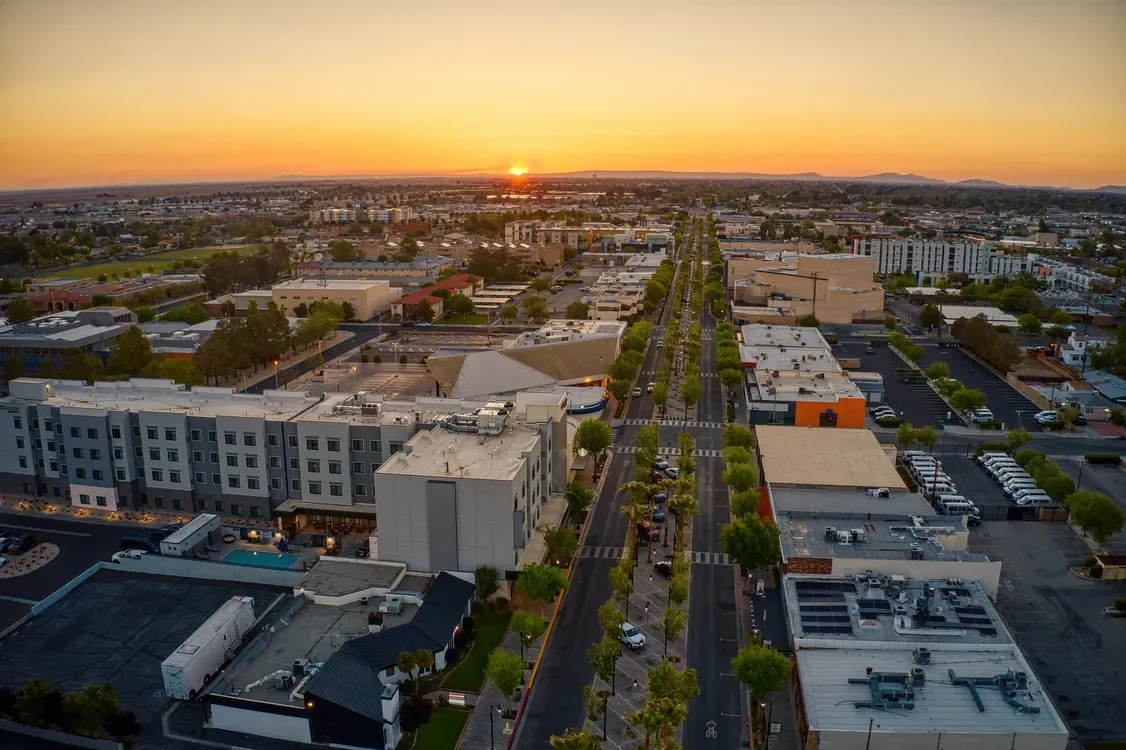
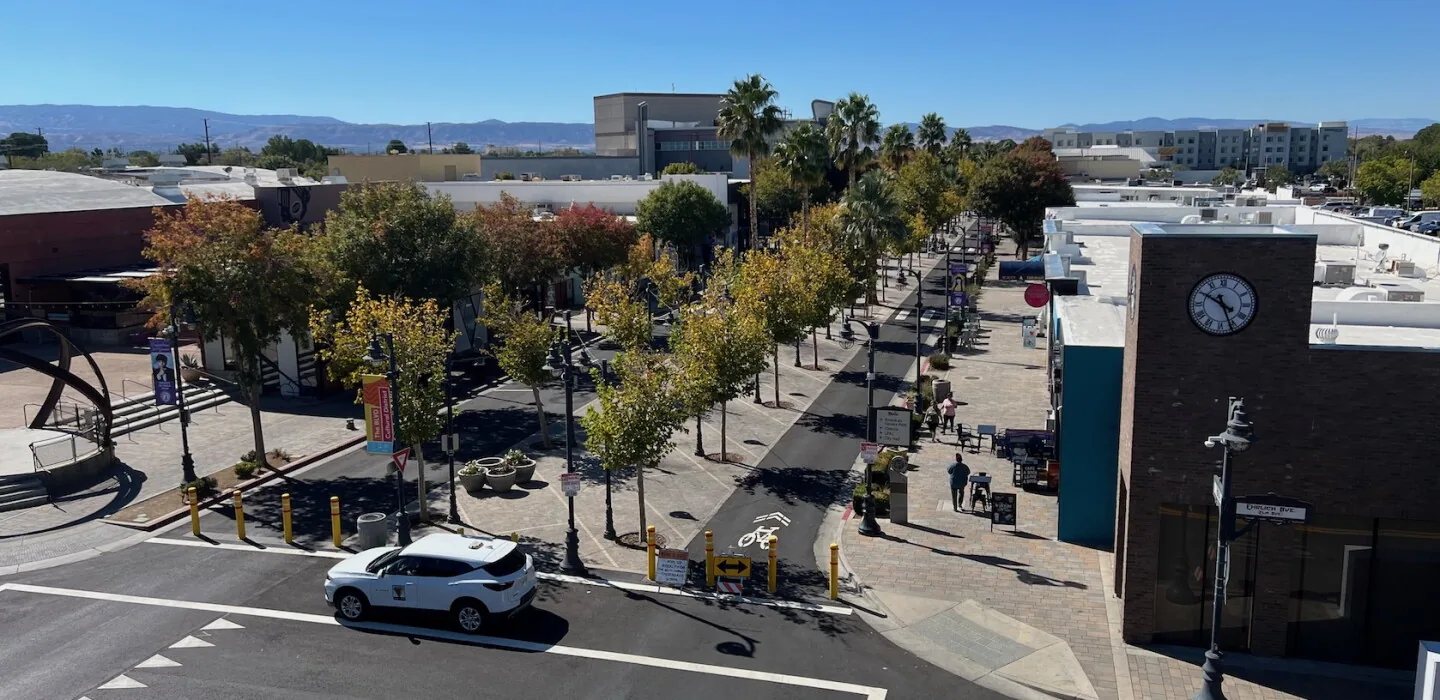
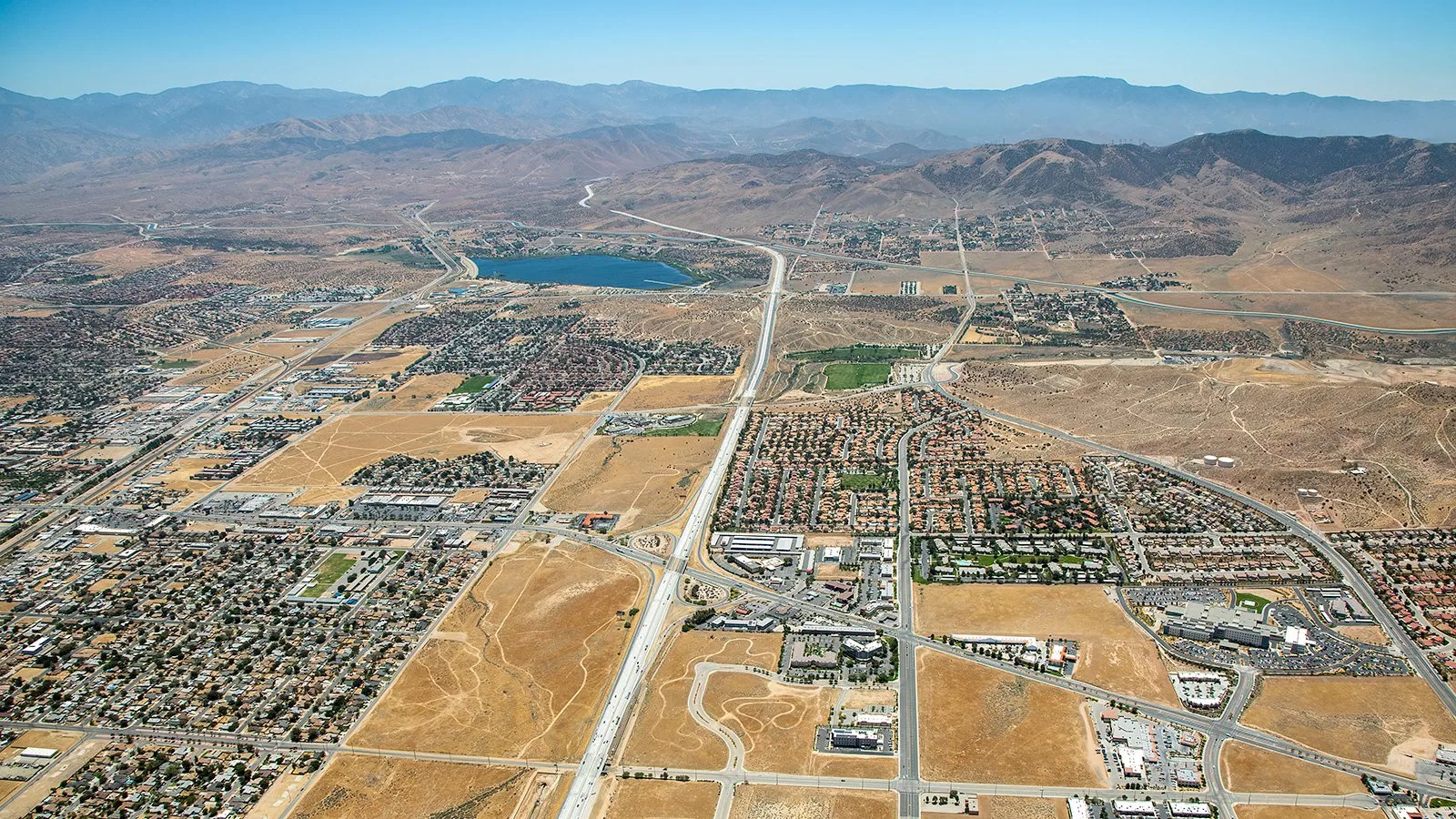
Lancaster's property base includes business parks and industrial areas such as Enterprise Business Park and North Lancaster Industrial Center. A business park roof file may cover mixed office and light industrial sections; a North Lancaster facility record may include several roof levels and equipment changes. Identify each assembly and roof zone before relying on a document label.
Collect the Documents Held by the Owner
Start with the original warranty document, roof plan, project closeout, repair invoices, product data, inspection notes, and any correspondence about prior conditions. Record the named building, system, covered area, issue date, and parties listed in the document. Keep an index of files that are missing or incomplete. Do not infer coverage terms from a product label or assume that one document applies to every roof level.
Separate manufacturer documents from contractor proposals, maintenance records, and owner observations. A roof asset register can retain those items by building and zone; a condition report can connect current findings to the physical roof. The owner should preserve original files and note where an authorized contact can confirm current status. A searchable index does not replace the underlying document.
Inspect the Roof Before Interpreting a Claim
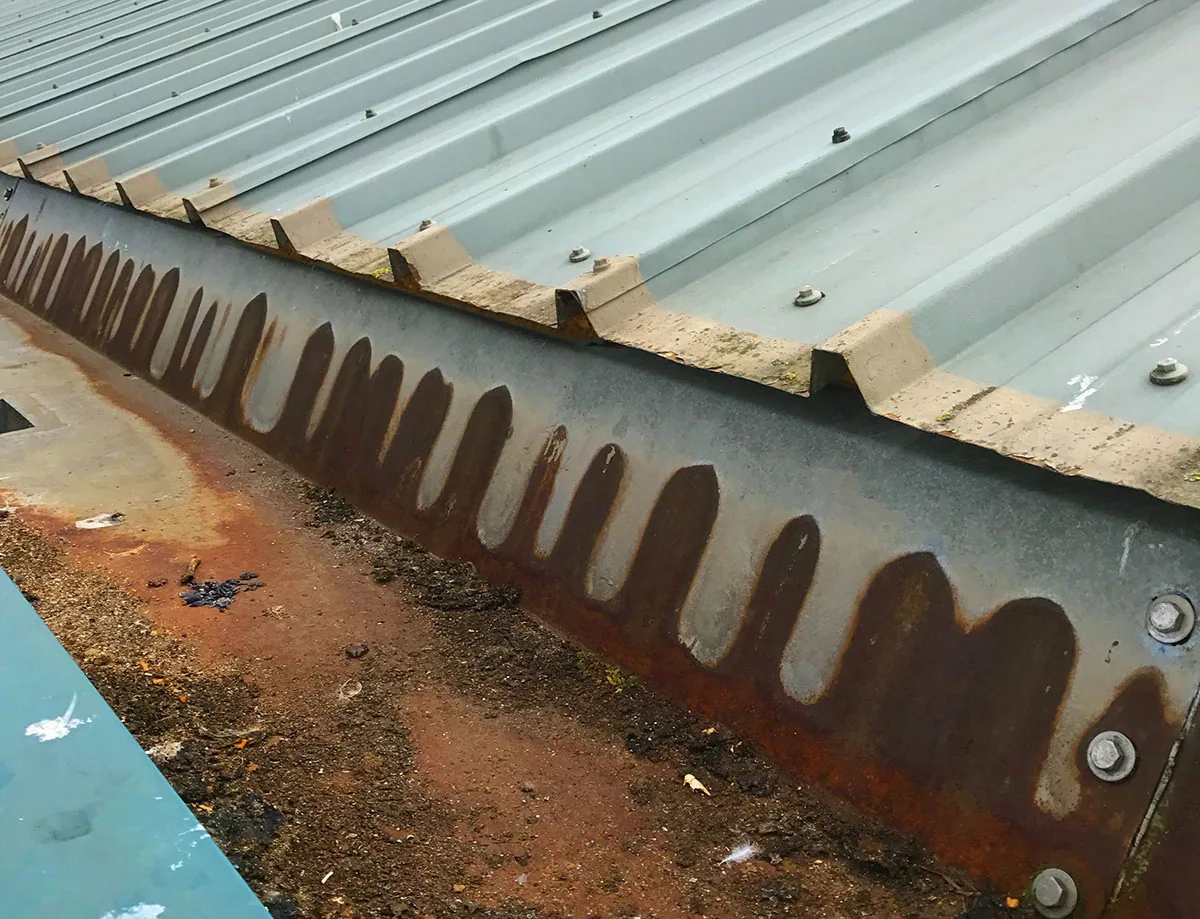
When a leak or defect appears, document the date, roof area, reported symptom, visible conditions, and temporary work. Compare it with the roof system and the section identified in the warranty record. The physical defect may be outside a documented area or may involve a component that another trade installed. An inspection should distinguish what is observed from what the warranty language may mean.
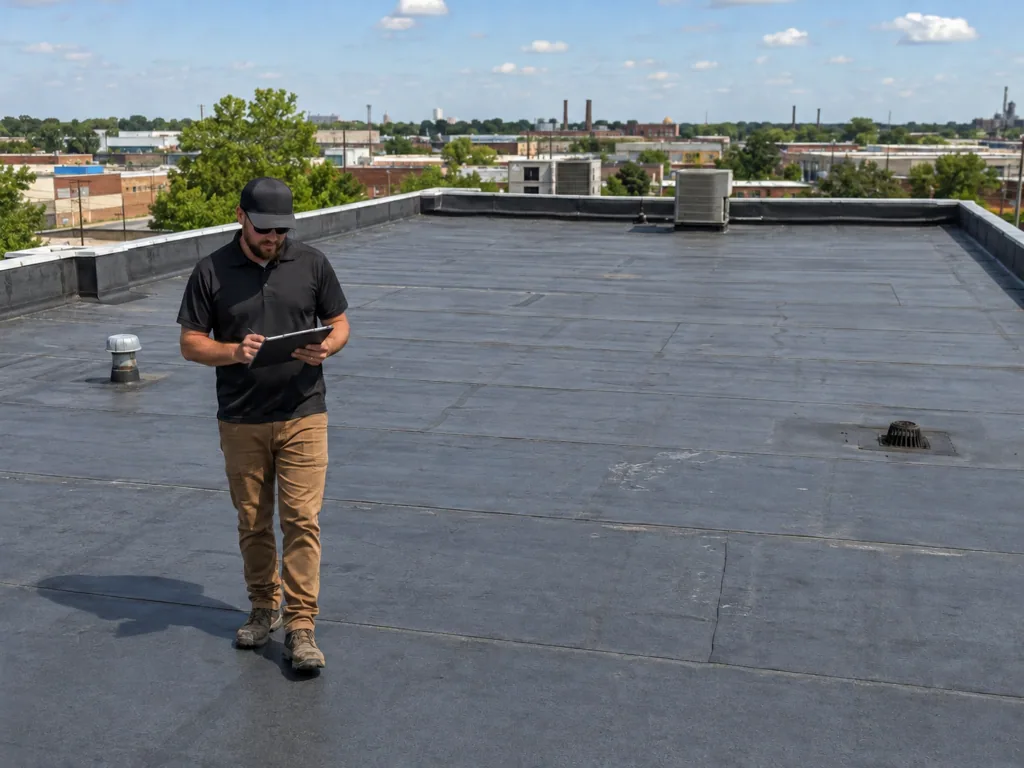
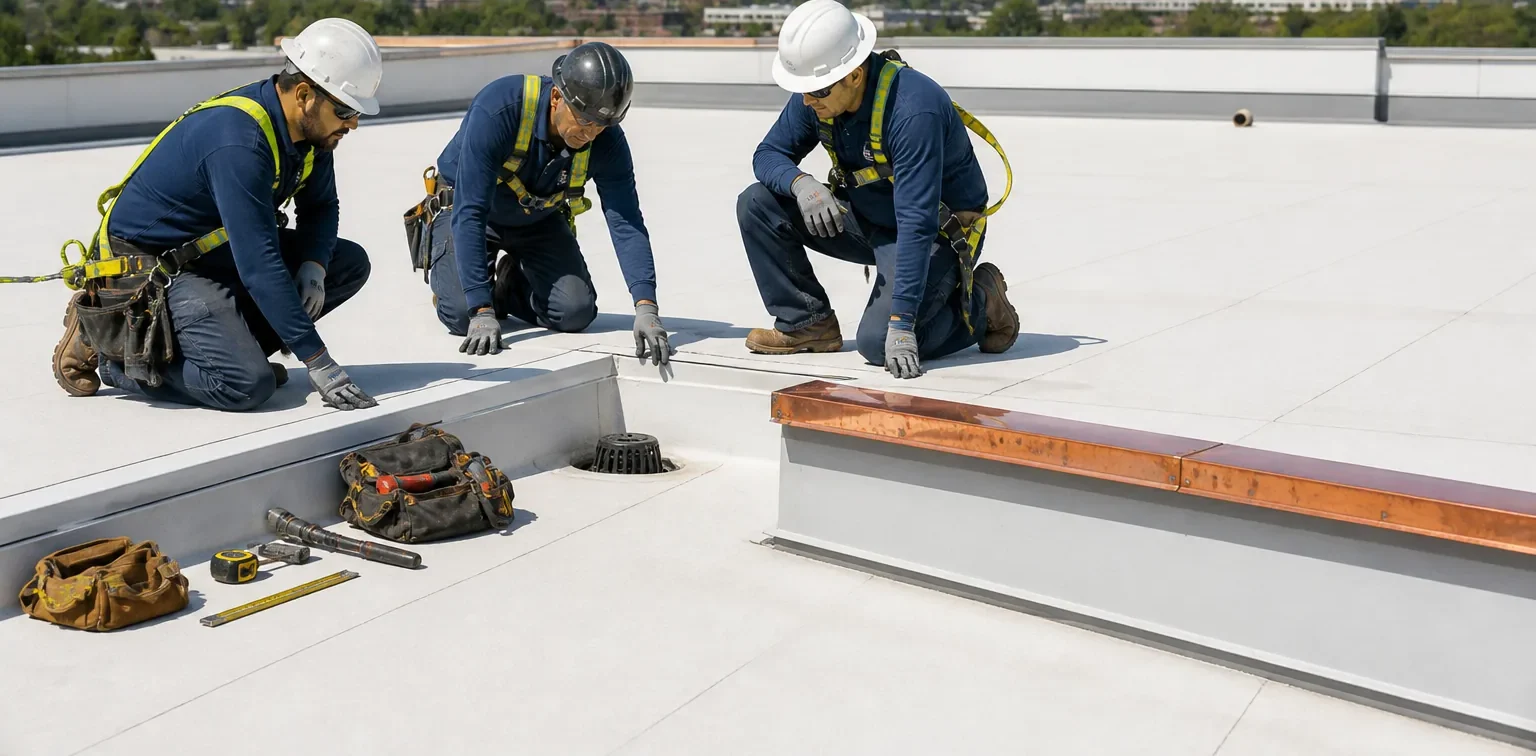
A commercial roof inspection can document seams, penetrations, drains, and prior repairs. If a moisture survey or test opening is needed, record its method, coverage, and limitations. Do not change or remove material before checking the applicable notice and inspection process held by the owner. When the document requires contact with a manufacturer or administrator, the owner should follow that procedure and keep the response with the roof file.
Track Requirements and Completed Work
Some roof documents include inspection, maintenance, or notice conditions. Build reminders from the actual terms and identify who performs each task, where evidence will be stored, and how completion is verified. A generic calendar entry is not enough if the document requires photos, a particular inspection type, or written notice. The owner should preserve dated records of drain cleaning, repairs, equipment changes, and access limitations.
Lancaster's summer heat and cool-season rain create different inspection considerations. The William J. Fox Field station's annual precipitation normal is 6.81 inches, mostly between November and March; drain checks before that window may help document maintenance. A maintenance visit can record known details and open conditions, while condition reporting retains dated findings. Tie each visit to the roof section and the obligation it addresses.
Review Repairs Against the Roof Record
Before work, identify the covered roof area, installed system, previous repairs, and the documents that govern review or notice. The proposal should state the physical repair, material, limits, and any conditions that could change after opening the roof. Ask the document holder or manufacturer contact whether the planned work requires an inspection or other step. Keep that answer in writing rather than assuming every repair follows the same process.
A localized repair may address an isolated defect, but later repairs should be added to the file with photos, materials, and a roof-zone reference. If the assembly has broader deterioration, a replacement assessment should include the owner's document review and questions about existing coverage. Workmanship and manufacturer coverage are distinct issues; describe the work performed accurately and let the appropriate document holder interpret the terms.
Record Equipment and Building Changes
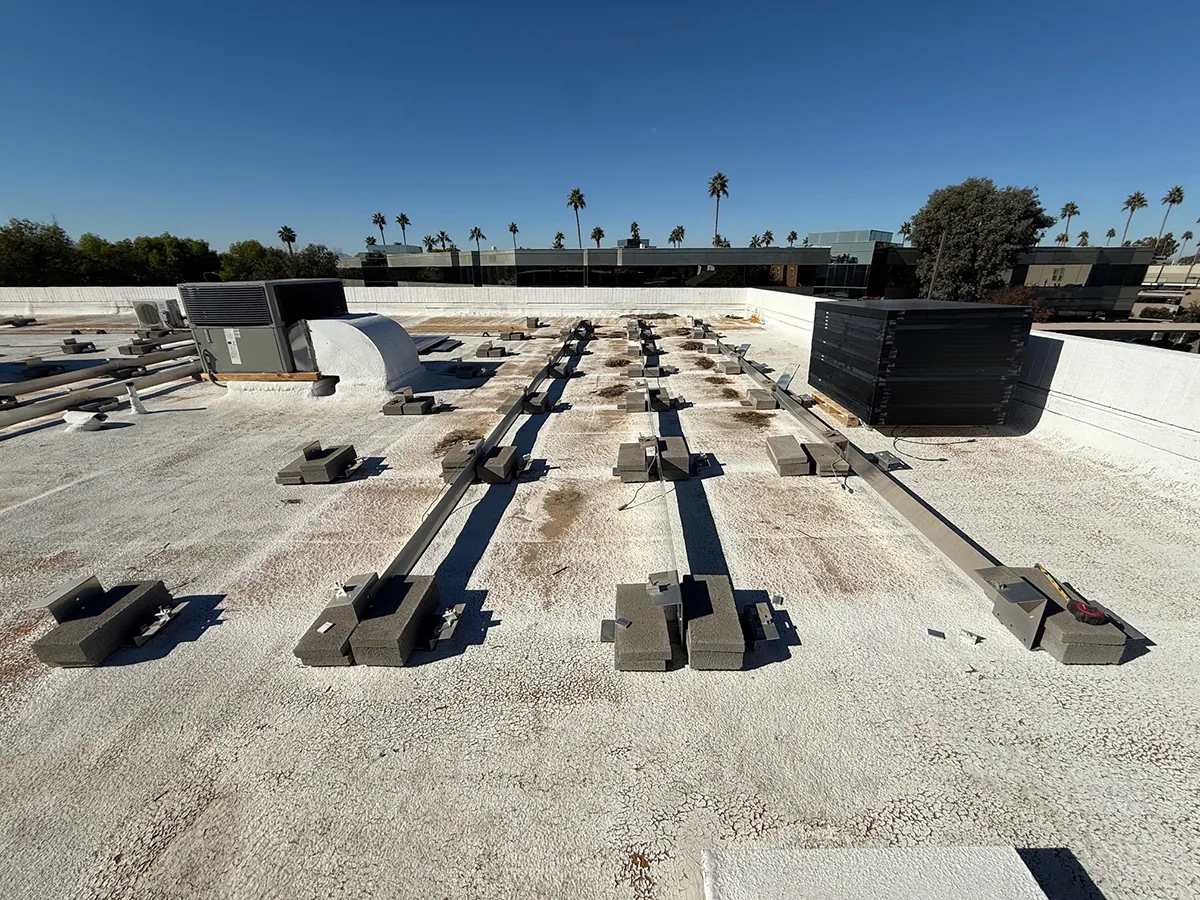
New HVAC units, solar supports, skylights, tenant buildouts, or service penetrations can affect the roof system and its file. Update the plan when equipment is added or moved. Record who restored the flashing and whether the owner received closeout photos or product details. When another trade enters the roof, note the date and affected zone so future inspection can distinguish the prior system from later modifications.
At a business park, a landlord and tenant may divide access and maintenance responsibilities. At an industrial site, equipment changes can involve process contractors and production schedules. a property management record can assign notice and approval contacts; a manufacturing facilities file can capture process equipment changes. Keep the warranty index connected to the building record without treating every modification as an automatic coverage outcome. Preserve the installer details and date for each change so the document holder can review what happened and where.
Make the Record Useful at Transfer
When a building is refinanced or sold, transfer the roof documents, condition reports, repair history, open items, and contact details for the party responsible for records. Confirm that each file identifies the correct system and covered area. List unknown or missing documents explicitly so the receiving manager can request them. Avoid replacing an incomplete record with an assumption that the roof has no coverage.
For a portfolio, multi-site tracking can standardize file fields while retaining each property's documents and responsibilities. A due diligence roof survey can note documents reviewed and gaps that remain before a transaction. A manager should be able to trace a new leak to its roof section and locate the relevant files without searching unrelated property folders. Keep a short index of questions sent to the warranty contact and the response date, especially when an inspection or repair window is approaching.
Questions About Roof Warranty Records
Warranty administration depends on the documents held for the specific roof. These answers focus on organizing records and deciding what to check before work begins.
Commercial Roofing Questions
Does a roof warranty prove the roof is in good condition?
No. A warranty document describes terms for a defined system or area. Current condition still requires inspection, and the document holder should confirm whether a reported issue falls within its terms.
What should we find before calling about a roof leak?
Locate the applicable document, roof plan, repair history, leak date, photos, and any temporary work record. Note the building and roof zone so the contact can identify the relevant coverage area.
Can any contractor repair a roof under warranty?
Check the document for requirements about notice, inspection, or repair responsibility. Ask the manufacturer or administrator listed in the document before proceeding when the terms are unclear.
Does a new rooftop unit affect warranty records?
Equipment changes may affect flashing, penetrations, and maintenance records. Document the work and check the applicable terms or contact before installation so the owner understands any required review.
How should missing warranty documents be handled?
List the gap, search project closeout and prior owner files, and contact the party identified in available records. Do not assume a warranty exists or that the roof has none until the document history is checked.
What belongs in a warranty file at property transfer?
Transfer the original documents, roof plans, inspection and repair history, open conditions, maintenance records, and contact information. Identify missing items so the new manager knows what remains to be confirmed.