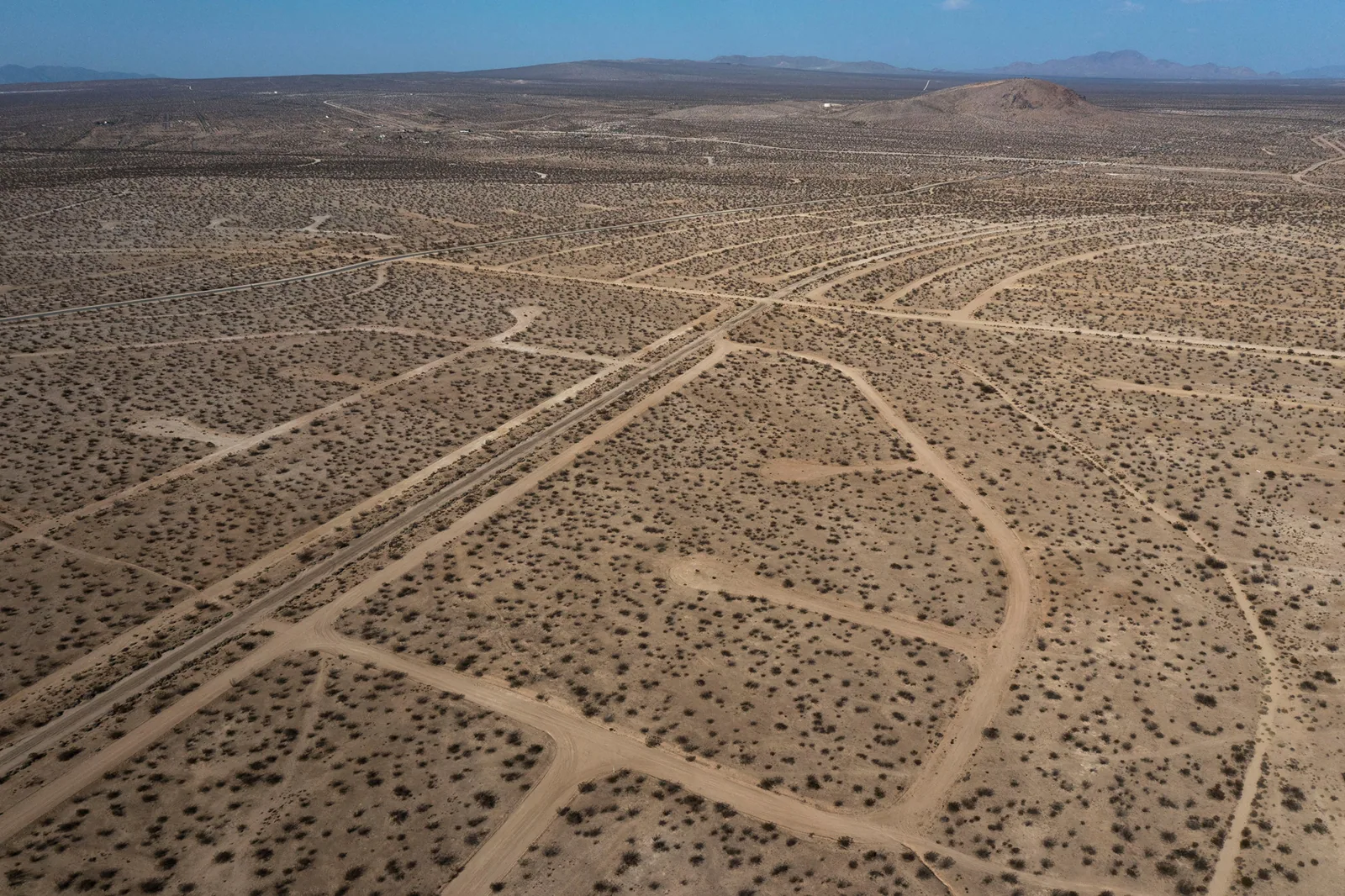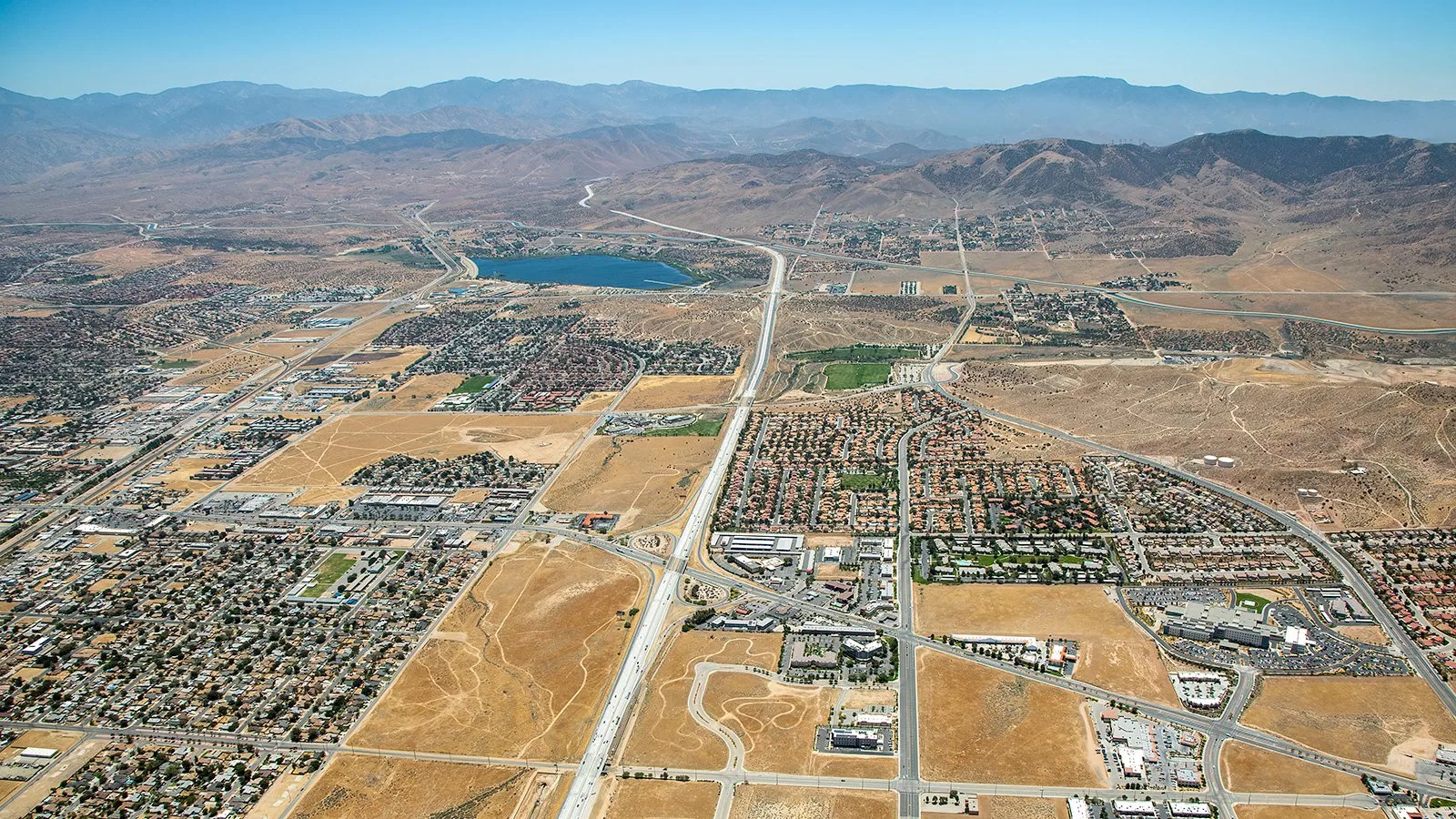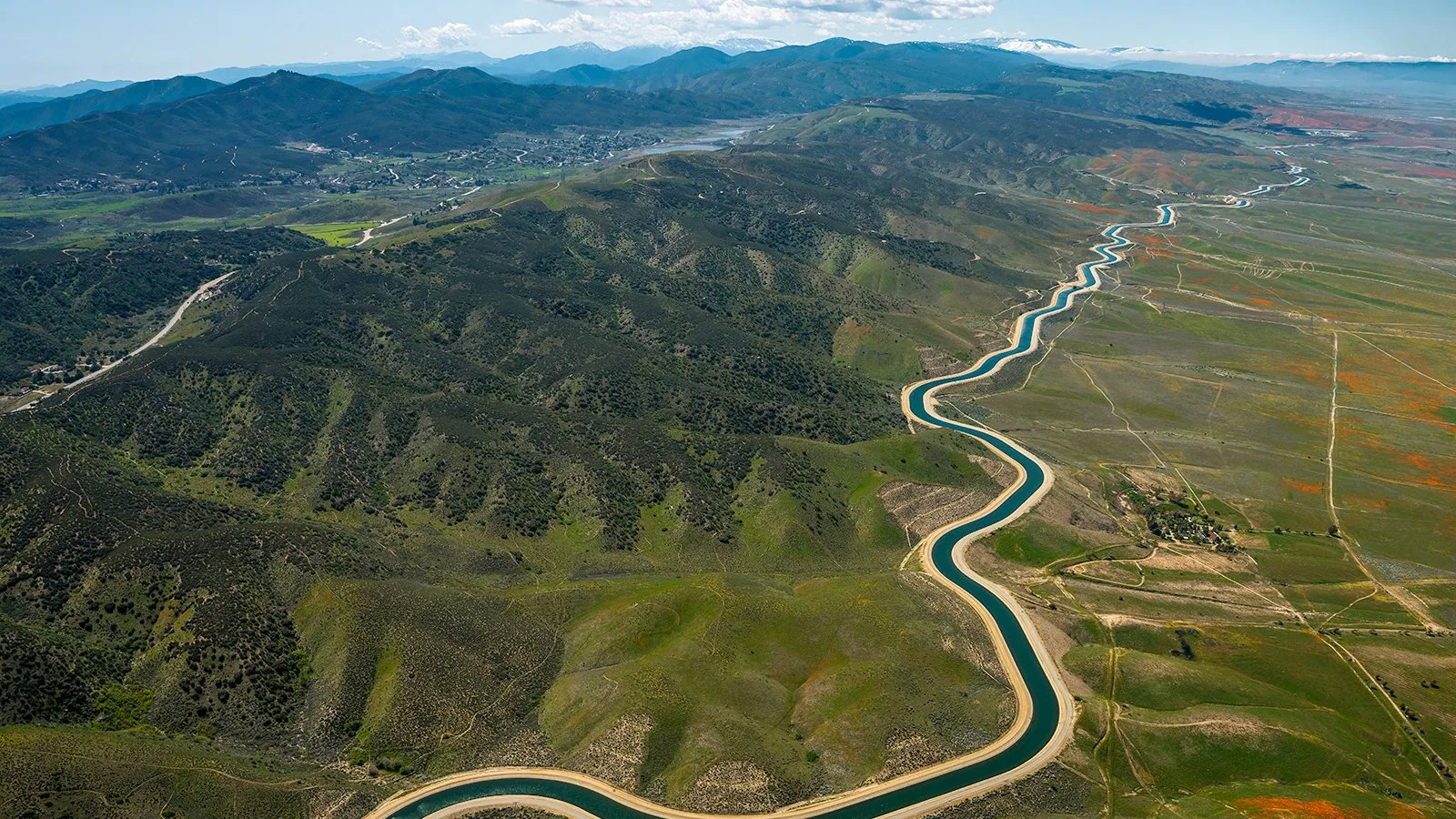
A commercial roof in a community with a rural character still has to perform as a complete assembly: field membrane, seams, wall transitions, penetrations, and drainage must work together. Lake Los Angeles is an eastern Antelope Valley community with its own land-use concept in the County Area Plan. That broad planning context does not identify a particular building's roof, so our first step is to inspect the property, identify the system where possible, and record the condition before proposing a repair or capital scope.
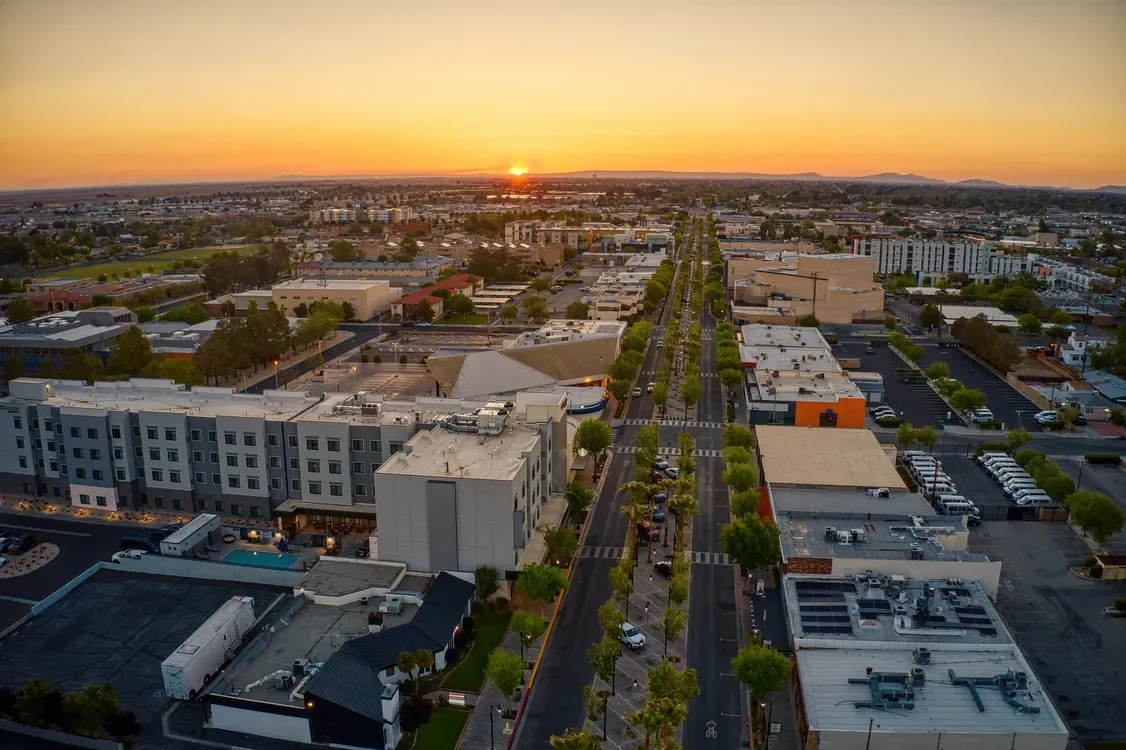
Long dry intervals can leave drains and scuppers out of view until a short storm tests them. The Lancaster station's normal annual precipitation is 6.81 inches, most of it from November through March; that is a Lancaster climate measure, not a separate Lake Los Angeles observation. It is still a useful regional prompt to check the full drainage path before winter weather. For a manager covering more than one Antelope Valley location, we can keep a separate Antelope Acres roof assessment in its own property record.
Map the assembly before pricing a correction
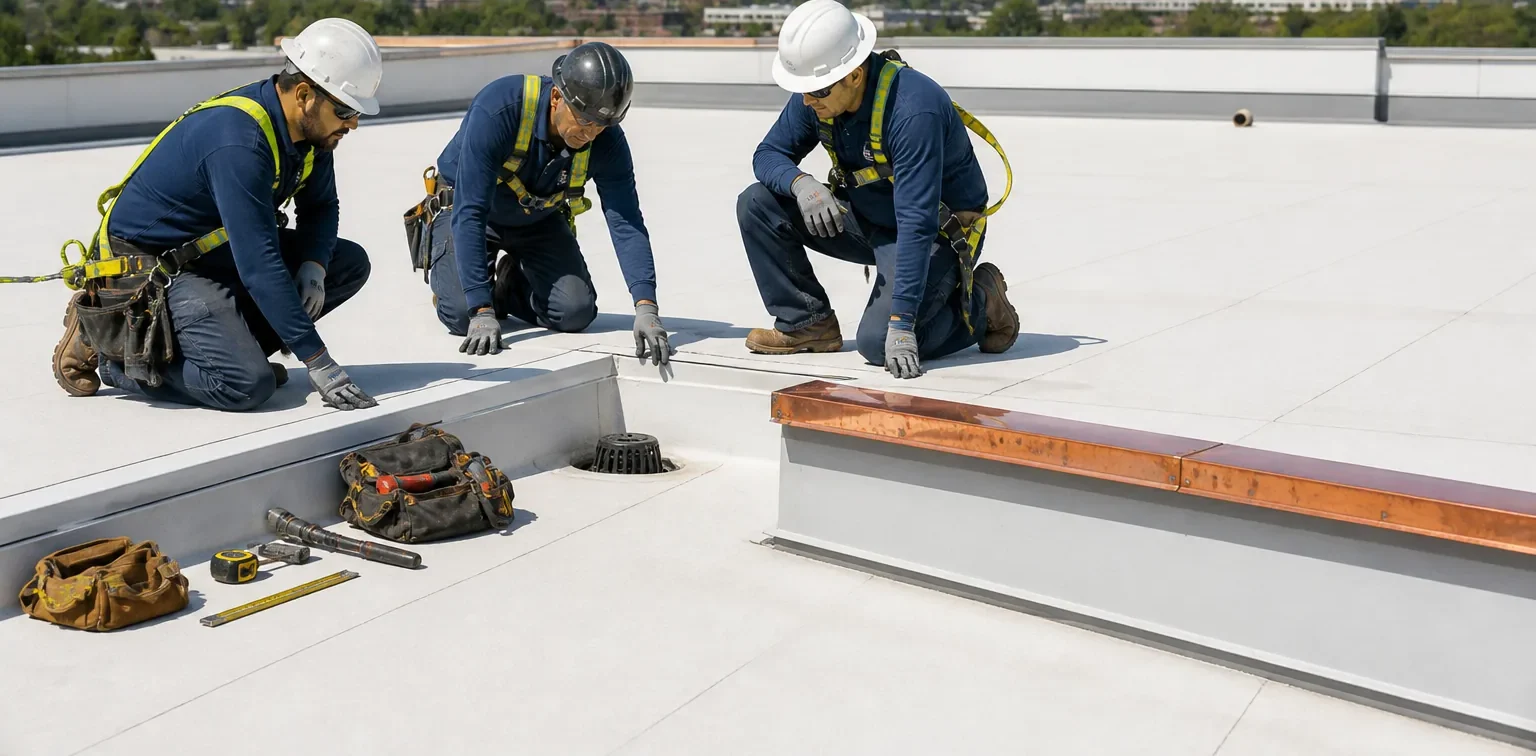
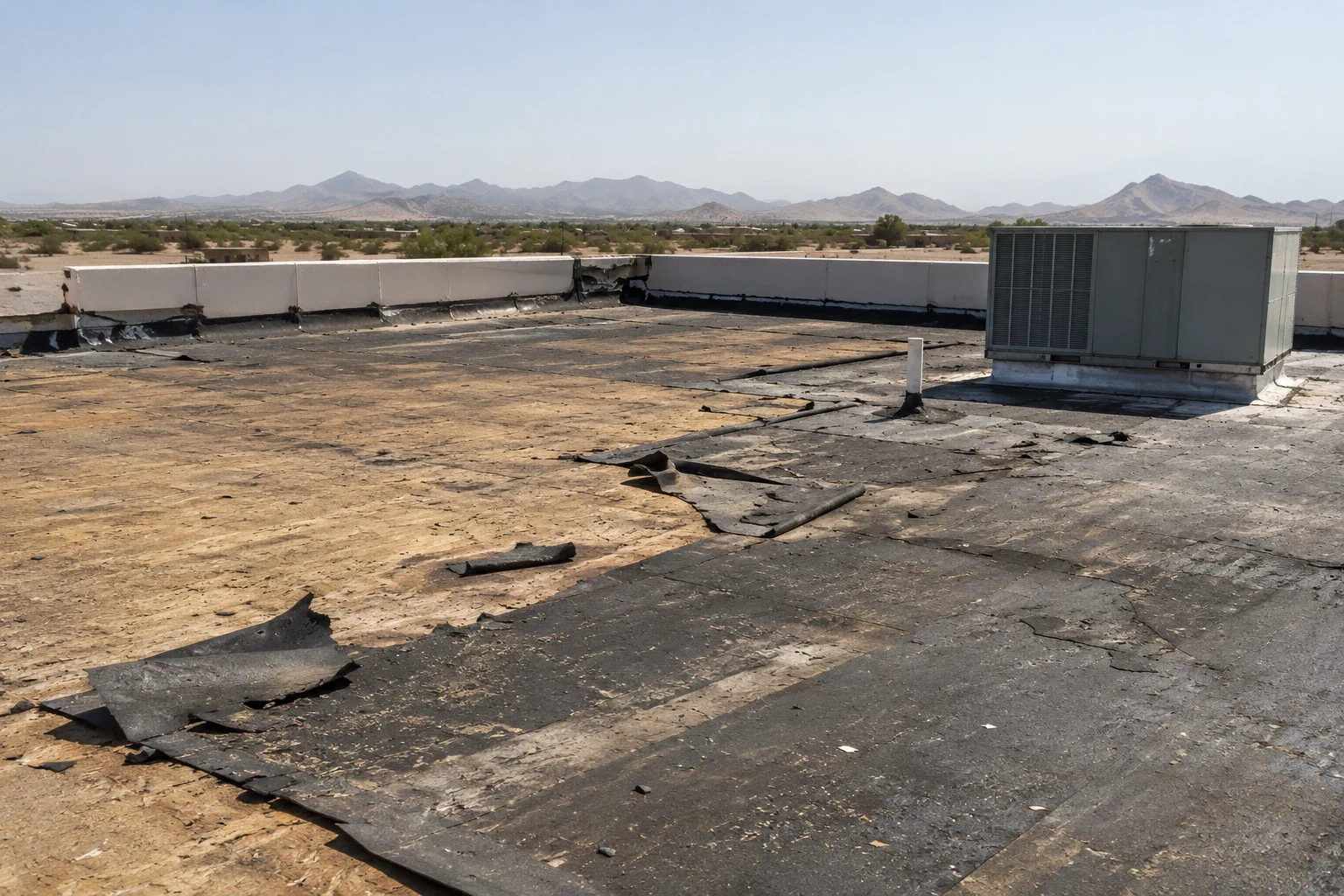
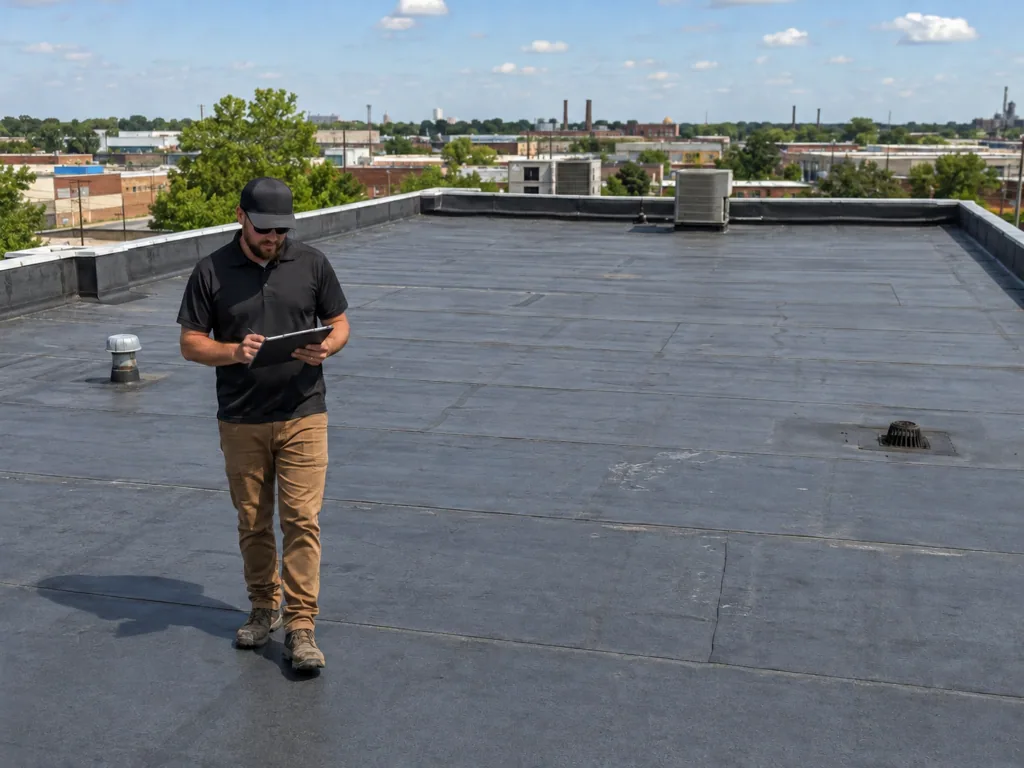
We begin by confirming how the crew can reach the roof, where the building contact wants findings delivered, and what operations must continue below. On the roof, the inspection records visible membrane type, seams, edge conditions, wall flashings, penetrations, rooftop supports, drains, and prior patches. A roof plan or annotated photo set helps connect each observation to a place a repair crew can find. If the assembly is concealed or inaccessible, the report says what remains unknown instead of treating an old label as proof of current conditions.
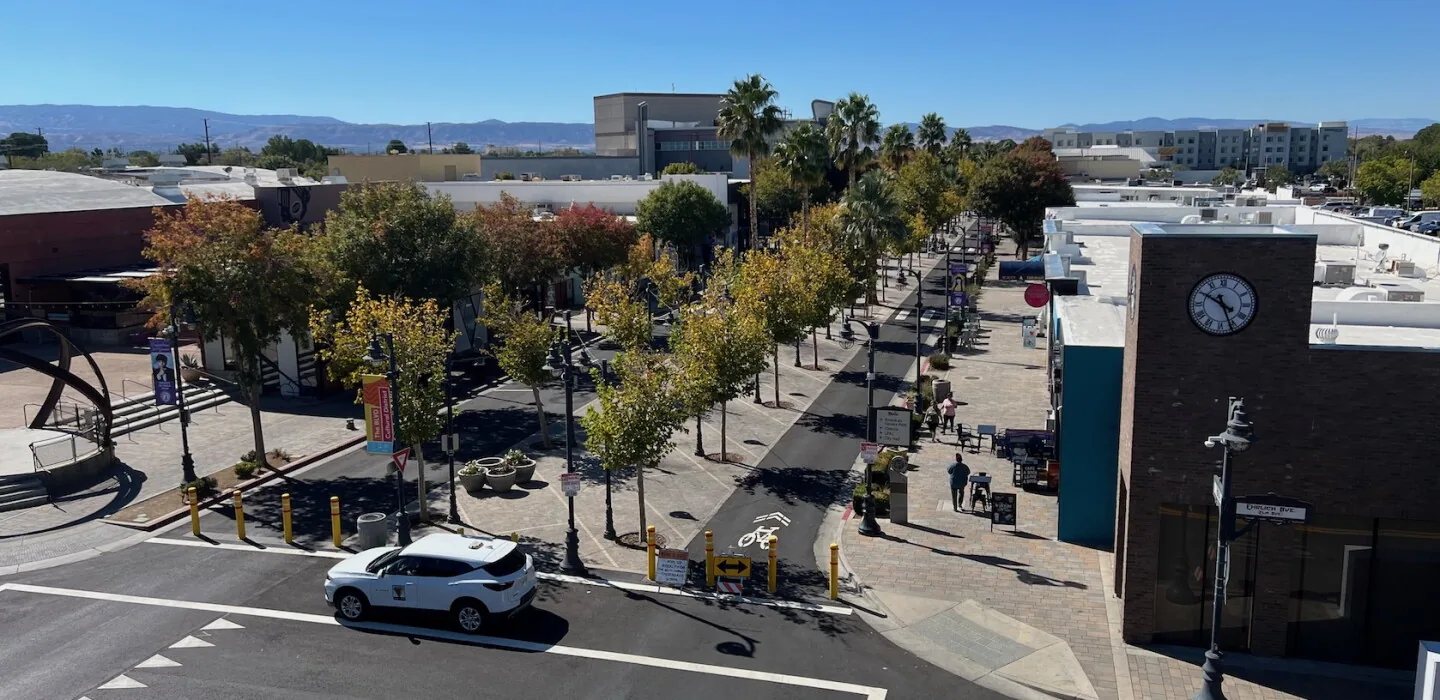
County planning describes developed portions of Lake Los Angeles as having a rural character and a range of uses. That statement does not establish a roof type or condition. It does make property-specific records useful when a site includes more than one use or a manager has inherited incomplete maintenance files. We identify which areas were inspected, list access limits, and distinguish immediate water entry from routine care. The same discipline supports commercial roof inspections and keeps observations from one property separate from another.
Read interior symptoms against roof conditions
Water can travel beneath a membrane or along a deck before reaching a ceiling, so the wet interior area may sit away from the roof opening. We compare the reported date and location with seams, penetrations, parapets, drains, and earlier repairs. If a moisture survey is appropriate, its readings are tied to roof zones and interpreted alongside visual evidence. A test cut may answer a different question about the layers below. The written finding names the method used and the decision it supports, rather than presenting a measurement without context.
A repair boundary should stop where the affected condition stops, provided the substrate and surrounding materials can support a lasting tie-in. If water has moved into insulation or the deck is compromised, the proposal should identify the additional area and pause for owner approval before expanding. We can separate temporary protection from permanent correction when weather or access changes the sequence. For active entry, commercial roof leak repair begins with the suspected path and a documented limit, not with a patch placed only where the ceiling stain appears.
Keep outlets ready through the dry months
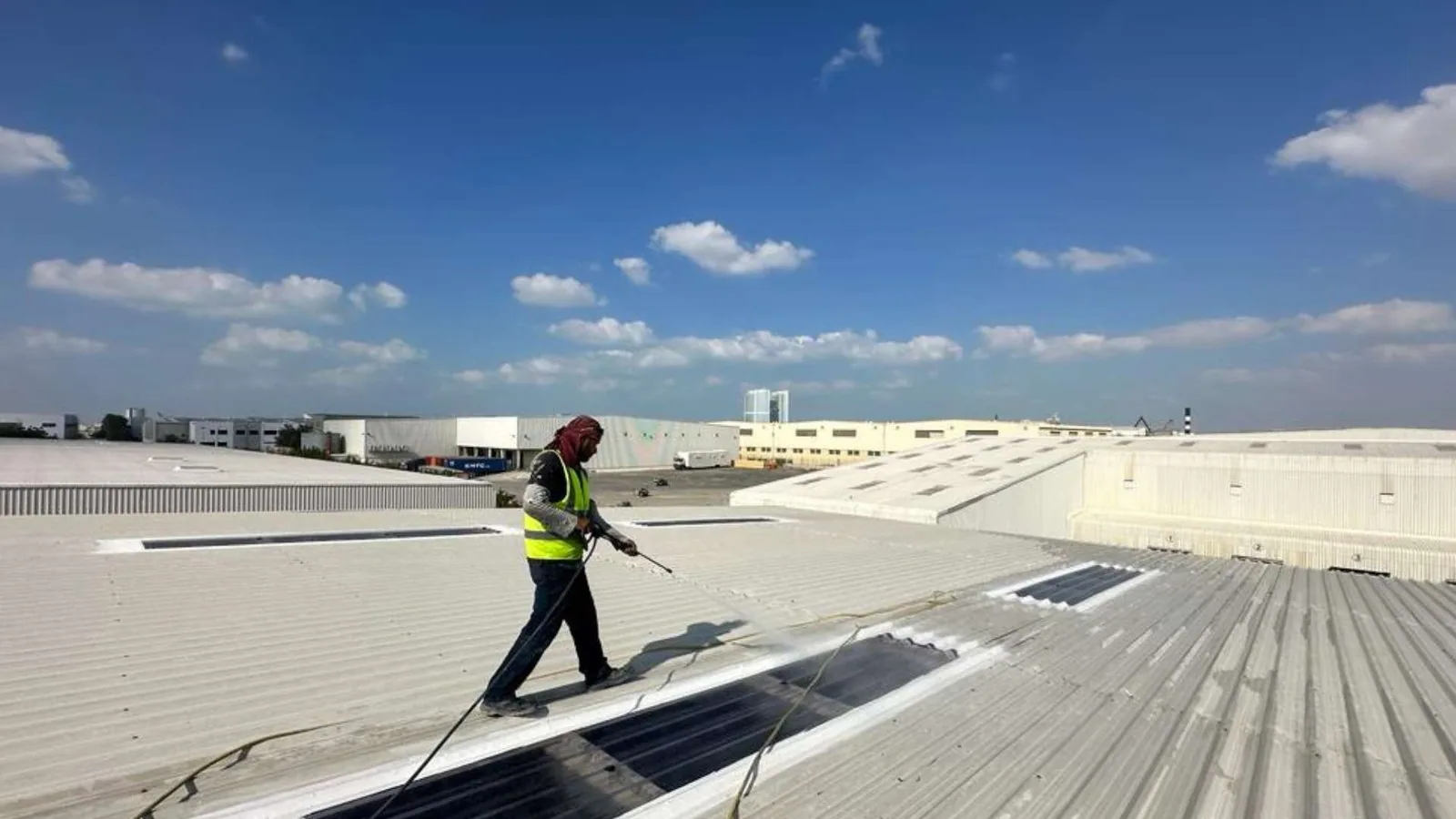
Leaves, dust, packaging, and maintenance debris can collect at a drain even when rainfall is infrequent. During a maintenance visit, we inspect the inlet, strainer, sump, nearby membrane, overflow route, and the surface leading toward the outlet. A drain that is clear at the opening may still be separated from the low area by debris or an old patch. We photograph what is present, remove only material within the approved scope, and note any condition that needs a plumbing or structural review.
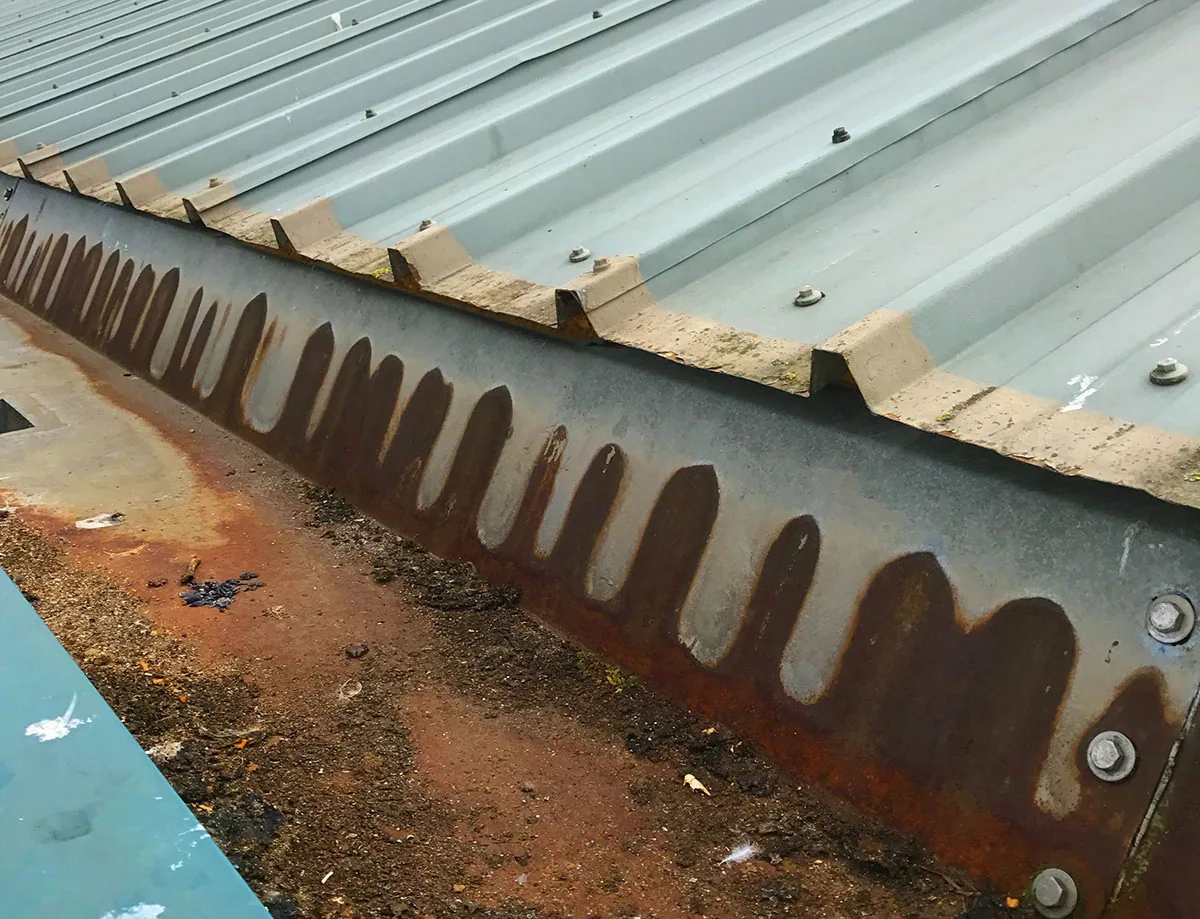
Seasonal service should also revisit flashings and sealant at rooftop equipment, wall lines, and metal edges. Heat and cooler nights move different parts of a roof assembly at different rates; an older patch can crack where it bridges a moving joint. We mark loose laps, open terminations, corrosion, exposed fasteners, and changes since the last record. A simple history of those details can show whether a recurring problem is stable or progressing. Preventive roof maintenance can pair that observation with a task list suited to the roof's actual condition.
Compare repair with broader renewal
A repair is a strong candidate when damage is localized, the surrounding membrane remains attached, and the underlying materials are dry and sound. The estimate should describe surface preparation, compatible materials, tie-in dimensions, and how the completed area will be inspected. If the roof has several unrelated failures, widespread moisture, or repeated problems at the same transitions, continued patching may not resolve the larger condition. We show the affected areas and explain what a broader replacement or recover would require.
A recover is considered only after checking existing roof layers, drainage capacity, deck condition, attachment, and code requirements. Where replacement is appropriate, owners can compare assembly options against the building's use, equipment, insulation needs, and expected maintenance. Our commercial roof replacement planning documents those decision points and coordinates roof openings with the property's schedule.
Sequence work around access and weather
Before mobilization, identify a roof access contact, approved ladder or hatch, material staging area, protected interior spaces, and routes that must remain open. For occupied properties, the work plan should state when loud work will occur, whether a temporary closure is needed, and how the building contact will receive a same-day update if the sequence changes. If another trade must disconnect equipment or protect a service line, name that dependency before roofing materials arrive. This avoids leaving an opening exposed while the team waits for an unassigned task.
Closeout should capture the finished repair, the boundary of the work, product descriptions, photographs, and any observation that remains open. Retain those items with roof plans, leak reports, and maintenance notes so a future manager can compare like conditions. To schedule a commercial roof visit in Lake Los Angeles, share the property location, visible symptoms, and any available history. A roof condition report can help ownership distinguish a maintenance item from a budget request, while a nearby Littlerock property receives a separate inspection record and scope.
Commercial Roofing Questions
Can a rural-use description determine the right roof repair?
No. The Area Plan describes community land use, while the repair depends on the assembly, substrate, moisture, and failed detail at the property. We inspect those conditions before pricing a correction.
What should we do if a roof leaks after months without rain?
Record where water appeared and when, then protect interior contents if needed. We inspect the roof drainage path and nearby transitions because a short storm can reveal debris or a weak detail that stayed unnoticed during dry weather.
Can you evaluate a roof when the original system records are missing?
Yes. We document visible layers and details, note what cannot be confirmed without testing, and identify whether a small opening or other investigation would change the repair decision.
How do you decide whether a coating or recover is suitable?
The existing surface, attachment, moisture, drainage, and deck condition all matter. We review those items first and explain when the current assembly can support another layer or needs removal and replacement.
Can the inspection cover several Lake Los Angeles properties?
A visit can be coordinated across multiple buildings, but findings stay tied to each roof. Separate photos, system notes, and repair limits help ownership compare priorities without blending different assemblies.