A roof system is more than its visible membrane. Insulation, attachment, seams, flashings, edges, drainage, and penetrations all affect whether a repair can succeed. We identify the installed assembly where possible, inspect its transitions, and connect recommendations to observed conditions. The owner can compare system options without assuming that a familiar material is appropriate for every building.
Lancaster's business parks include office, light industrial, and retail uses; the city's industrial planning areas contain different equipment and access needs. High summer temperatures and cooler-season rain inform inspection timing, while the condition of the actual roof determines whether repair, restoration, or replacement is practical.
Roof Systems

More About Our Roof Systems
What does the existing assembly allow?
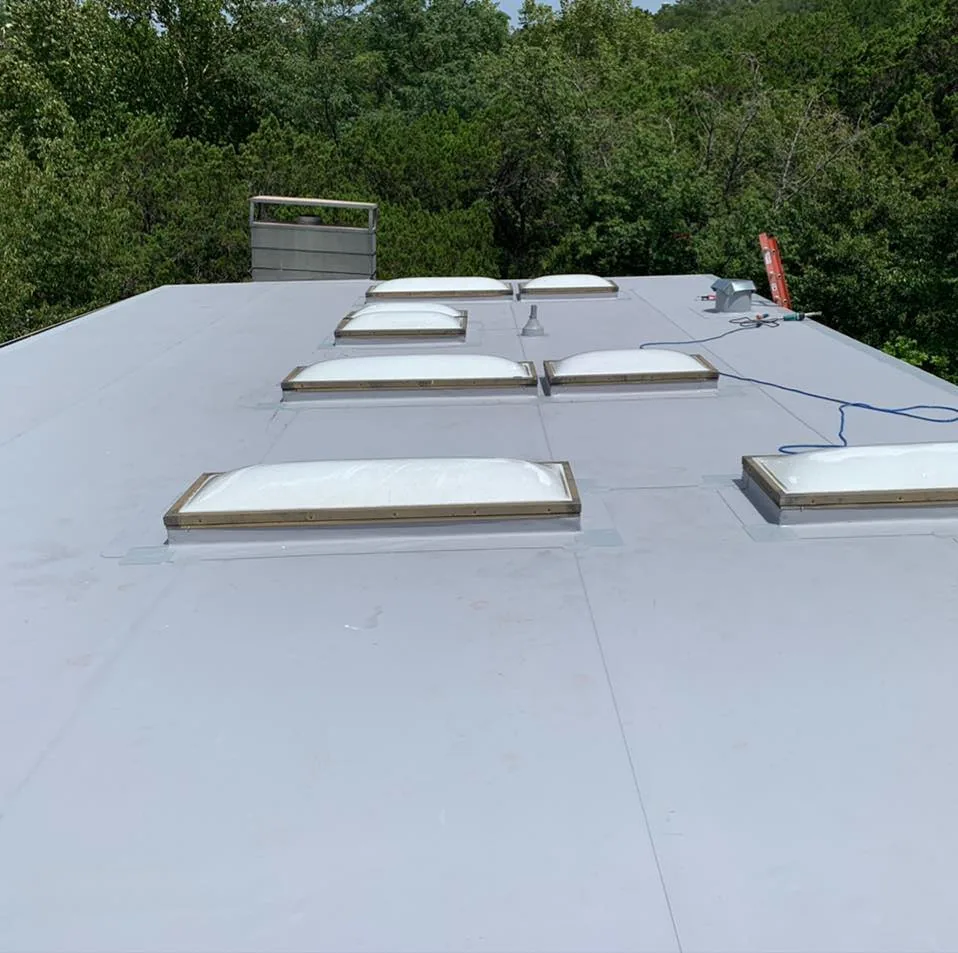
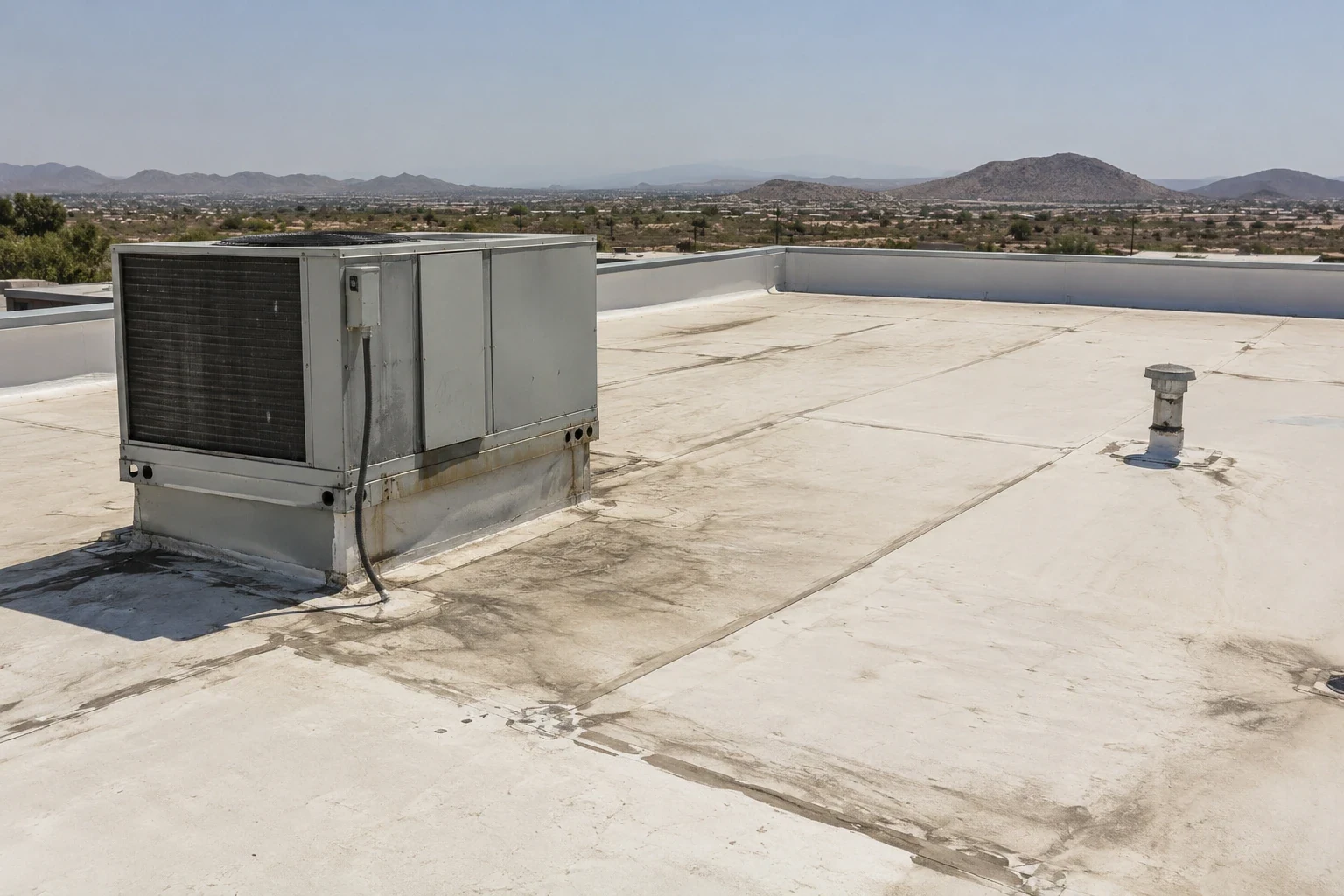
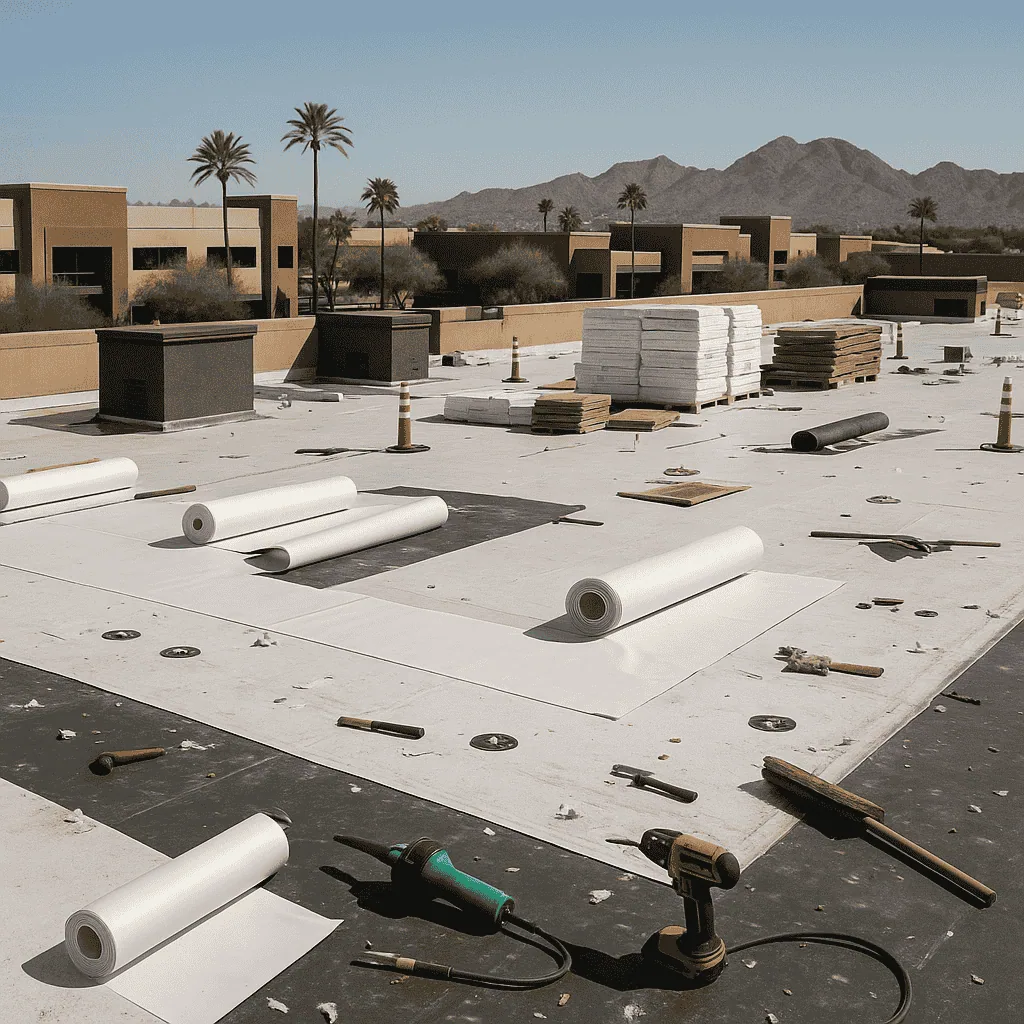
Single-ply roofs require attention to membrane type, attachment, lap integrity, and curb details. TPO, PVC, EPDM, and KEE each have system-specific repair methods. Identify the material before choosing a patch or coating. When the roof has multiple layers or prior repairs, record those conditions before deciding whether to retain the assembly.
How do built-up and metal roofs differ?
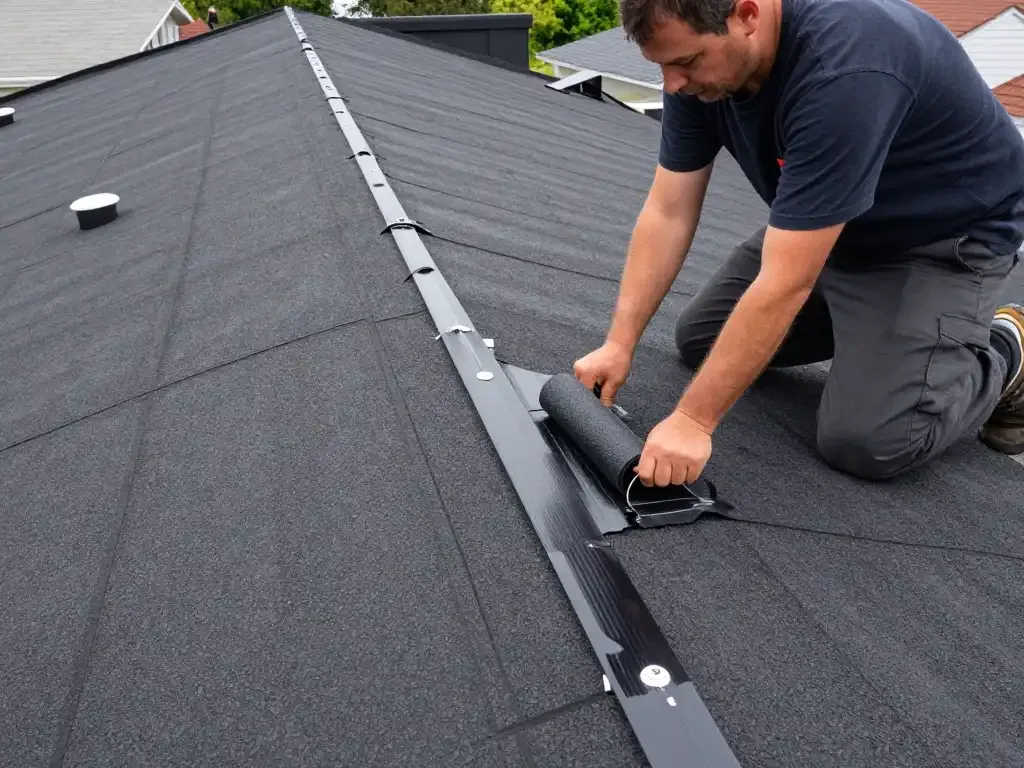
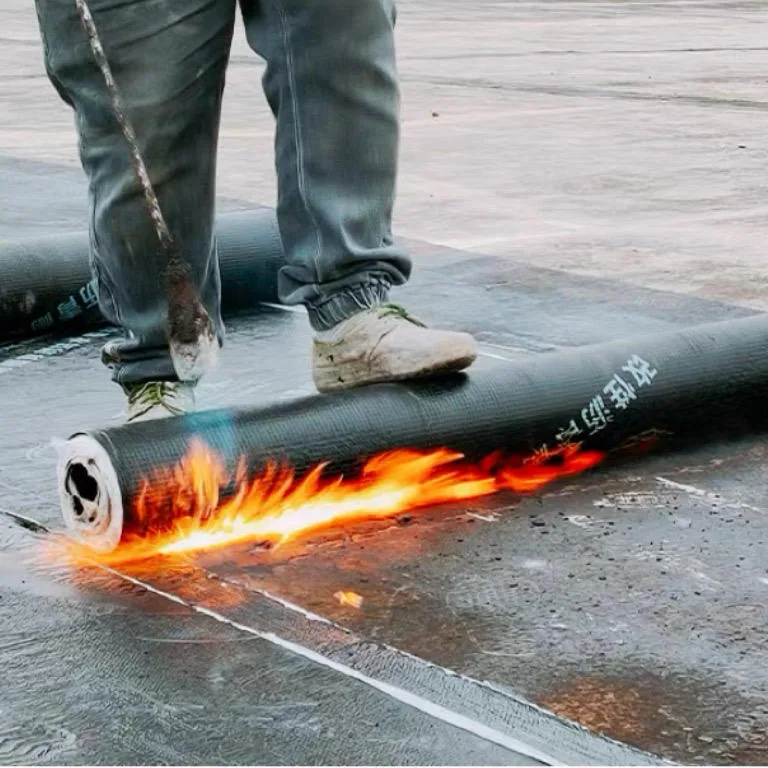
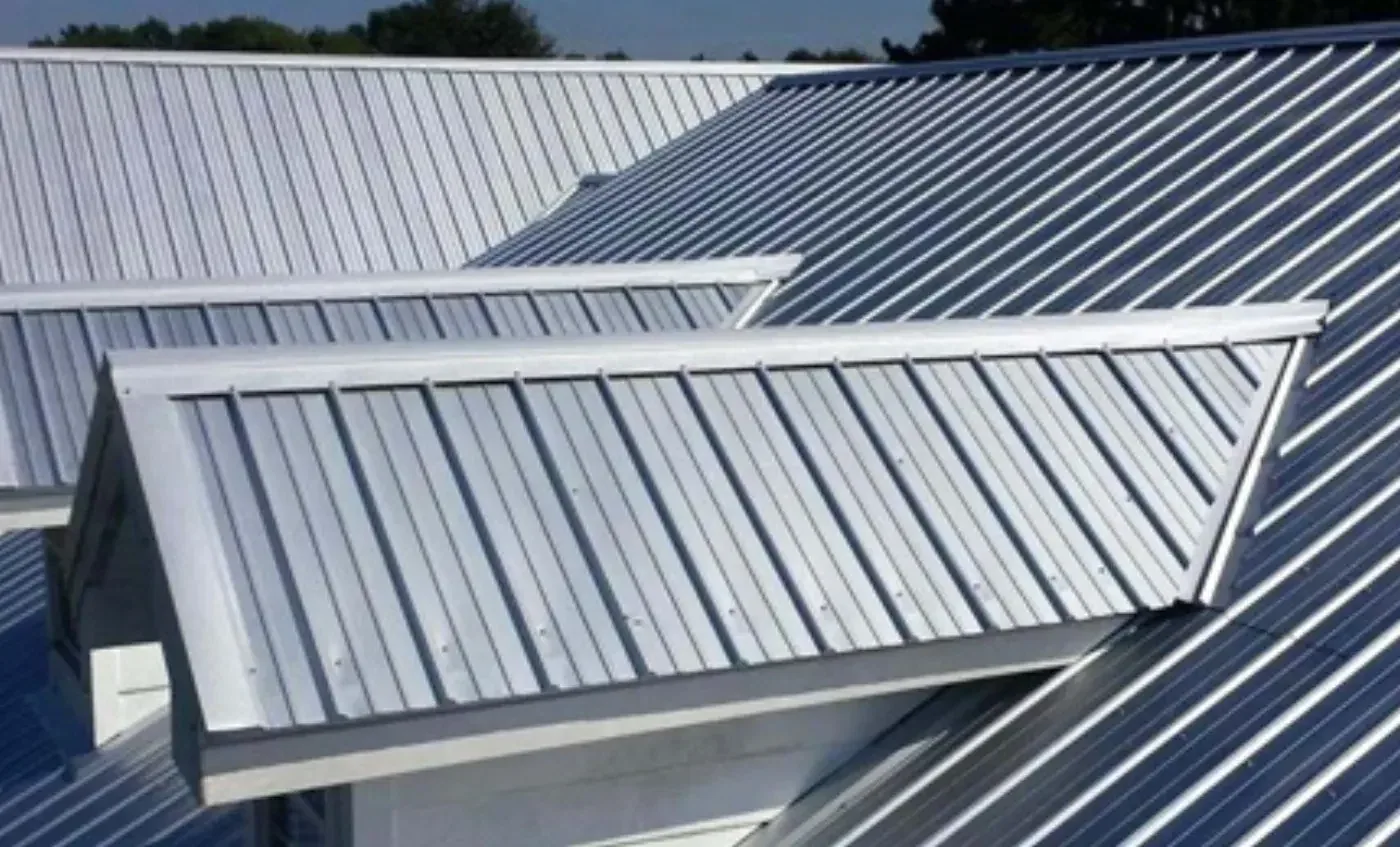
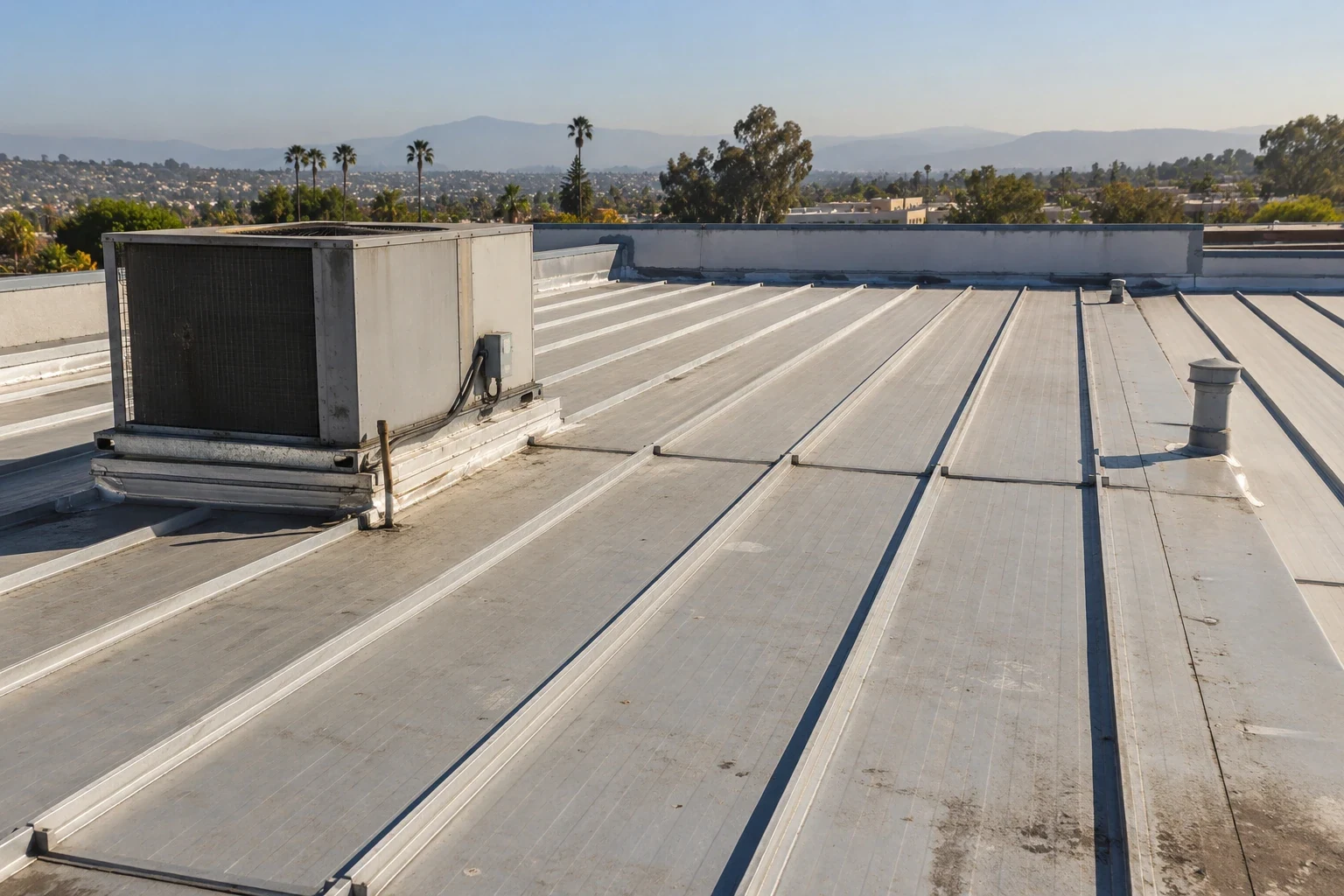
Modified bitumen and built-up roofing use layered construction with details that differ from single-ply seams. Metal roofs need review of panels, fasteners, coatings, and transitions. A standing seam system behaves differently from a metal retrofit. Roof shape and attachment help determine which correction is appropriate.
When can a surface be restored?
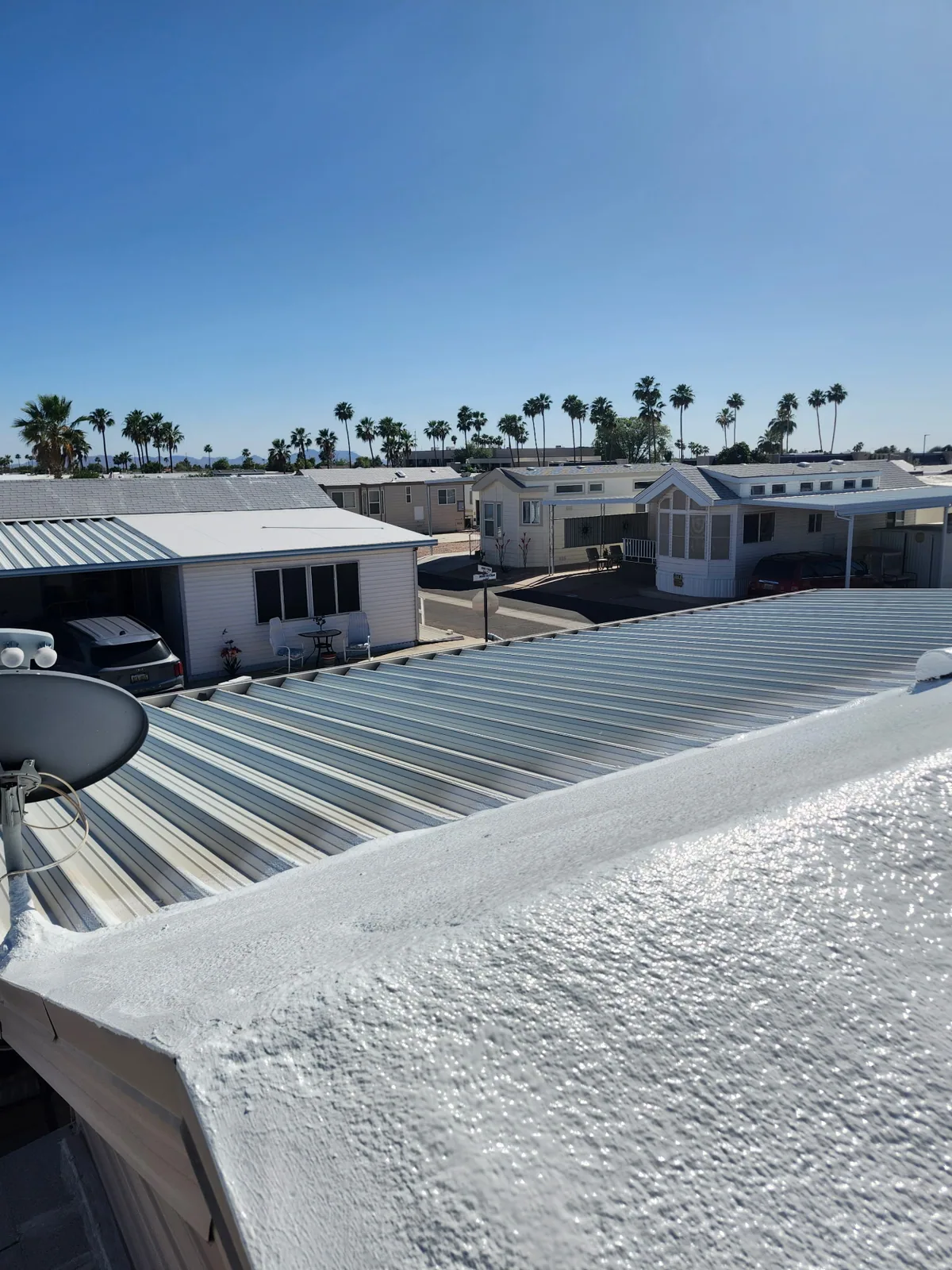
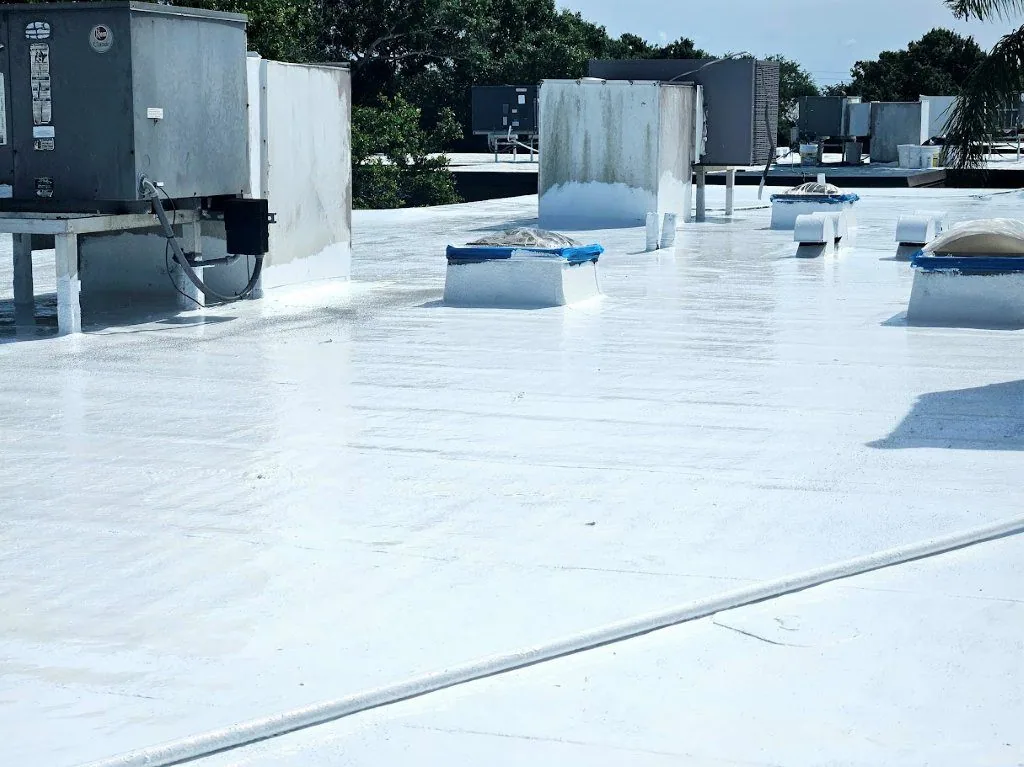
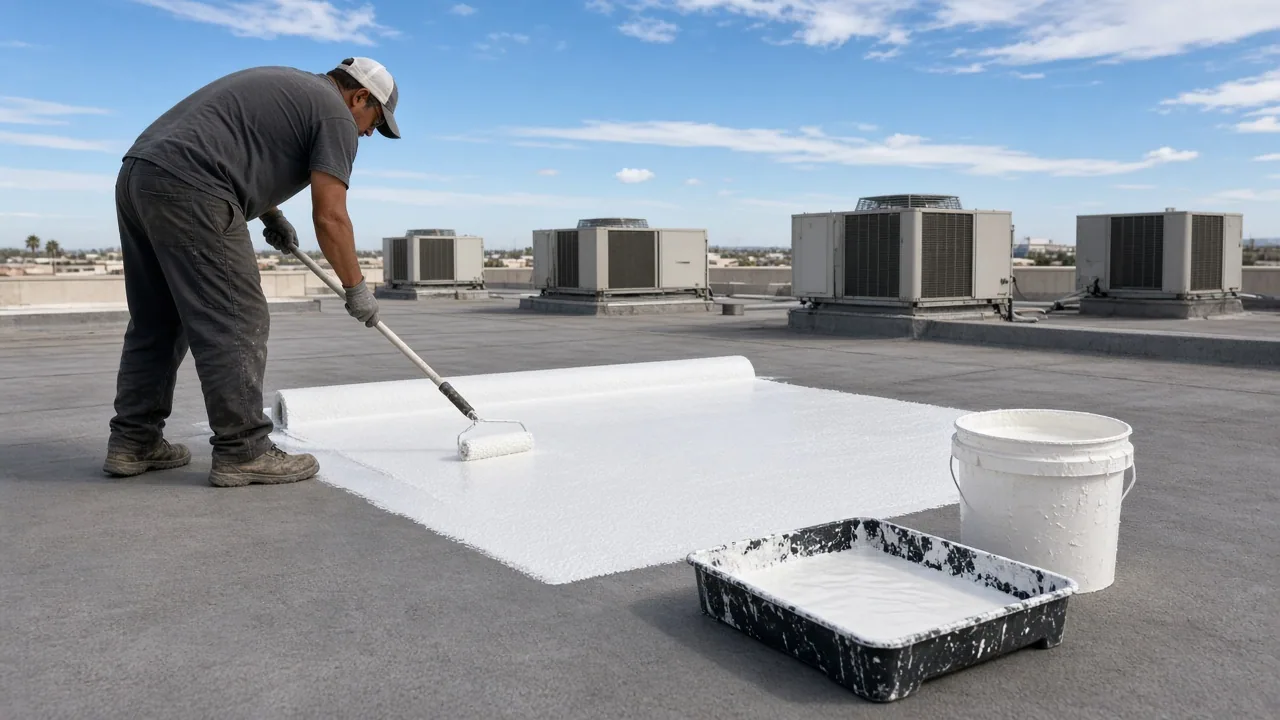
Spray foam roofing, silicone, and acrylic coatings each require a compatible substrate and sound preparation. Before adding a layer, check moisture, attachment, drainage, and existing details. A coating cannot correct a wet assembly or a failed drain by itself. Testing and inspection should answer whether restoration is supported.
What belongs in a system review?
At the Lancaster station, the normal daily low is 31.3 degrees Fahrenheit in January and 67.2 degrees in July. That seasonal range can affect movement at seams and penetrations; a close inspection records actual separation, cracking, or water entry before assigning a repair. We document assembly, roof zones, test limits, and repair history, then explain which material or detail changes would affect the owner's next decision.
Share roof plans, prior repair records, and any equipment changes before an assessment. The scope should identify the proposed system, its substrate assumptions, and the conditions that could alter work after opening the roof.
Commercial Roofing Questions
Can a new roof system go over the existing assembly?
That depends on existing layers, attachment, moisture, deck capacity, drainage, and applicable design requirements. Inspect and test before deciding whether the roof can be retained.
Can different roof systems exist on one building?
Yes. Additions and repairs can create different assemblies across roof levels. Map each section before choosing a repair or replacement specification.
Does a coating solve a leak?
A coating can be considered only when the assembly and details support restoration. Identify the entry point and correct underlying defects before using a surface treatment.
What information helps identify the roof system?
Roof plans, closeout documents, product labels, repair invoices, and photos can help. Field inspection may still be needed to confirm the installed materials.
Request a Lancaster roof system assessment
Share roof plans, leak reports, repair records, and any product information held for the building. We will inspect the assembly and document compatible options.