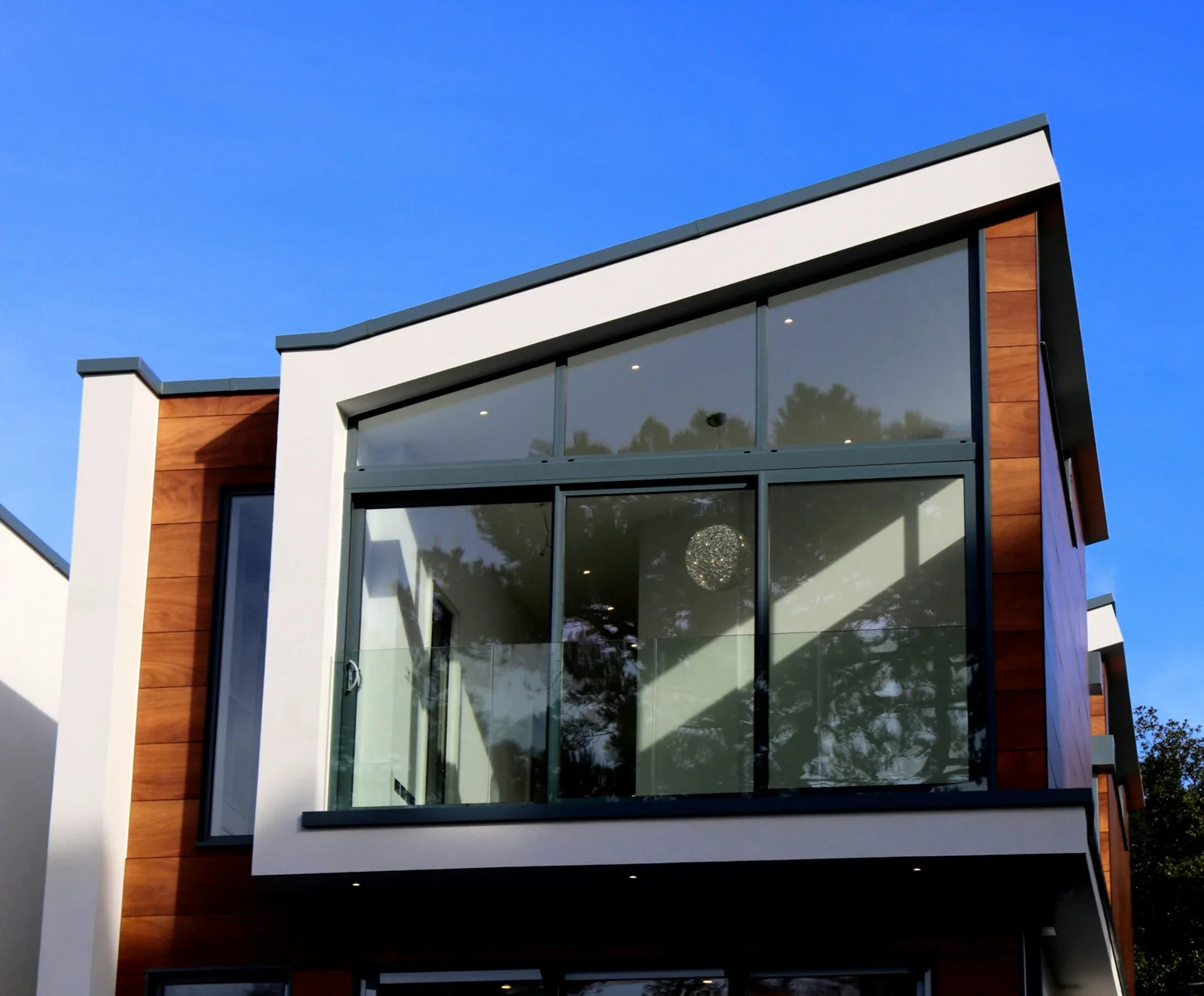
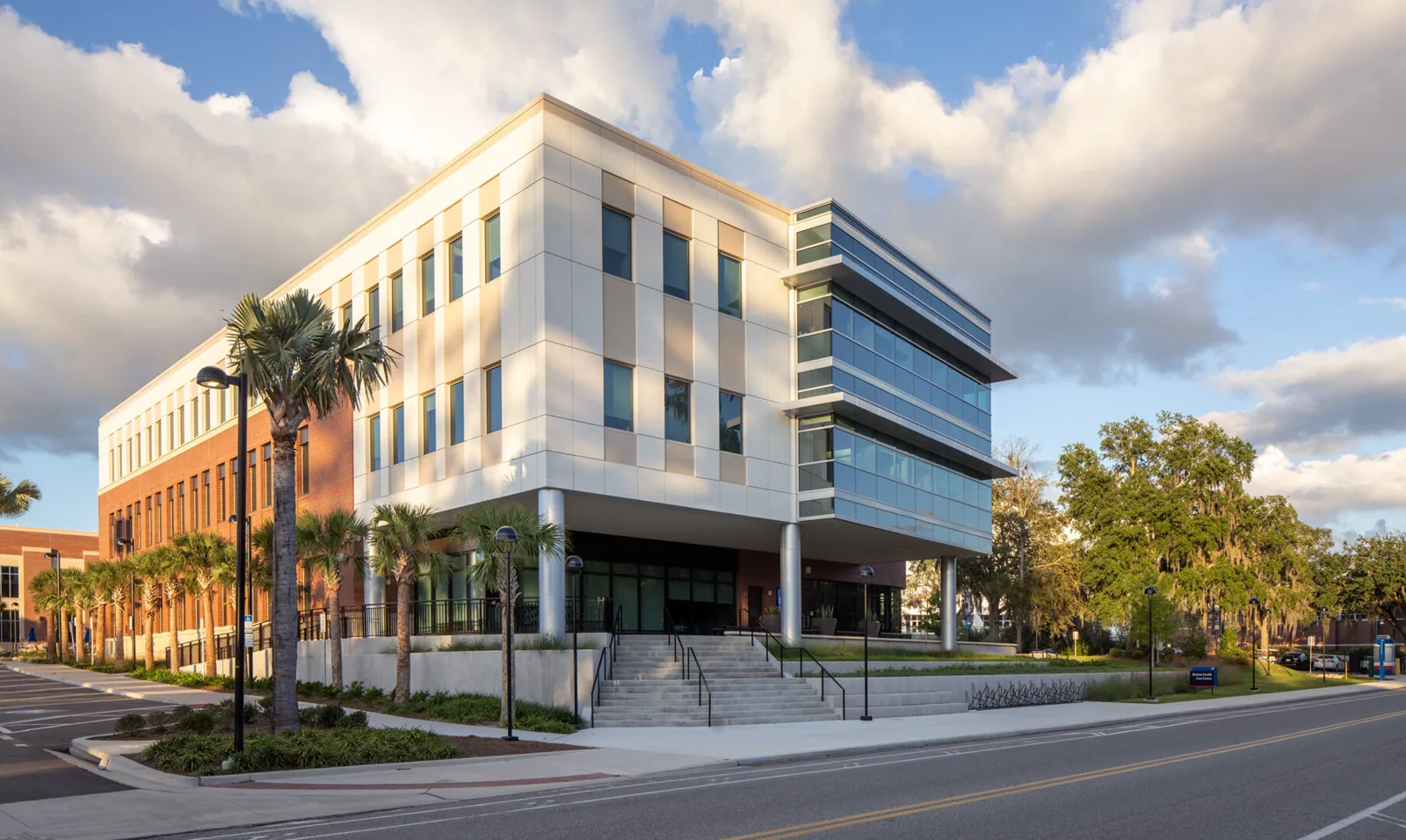
A roof reserve can look adequate until a leak, open seam, or failed drain changes the expected scope. Investors and REITs need condition information tied to the property, not a broad statement about age. We inspect the roof, record what is observed and tested, and separate current repair needs from longer-term capital questions. That gives ownership and asset-management teams a defined basis for review before an acquisition, refinance, or annual budget decision.
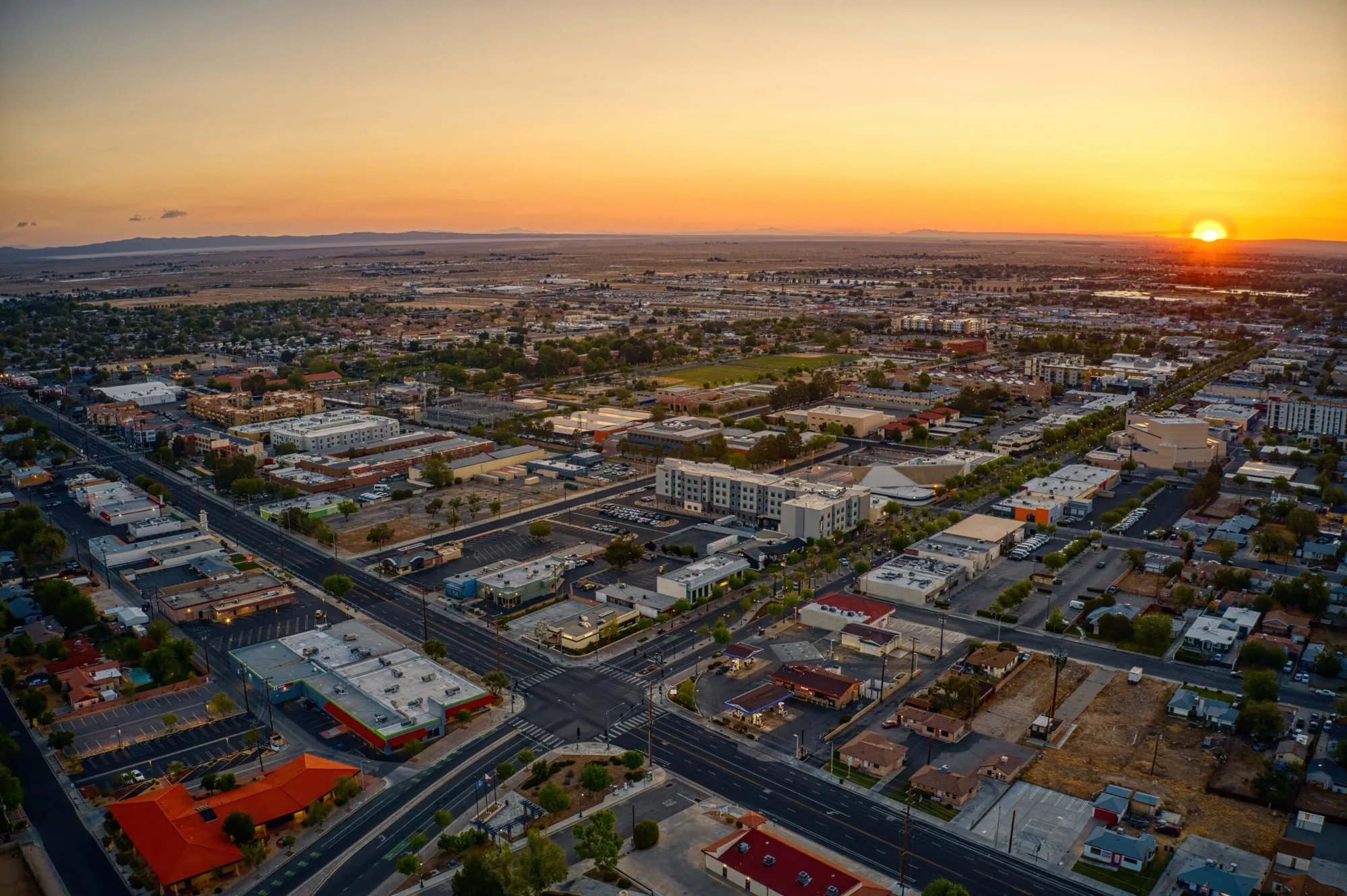
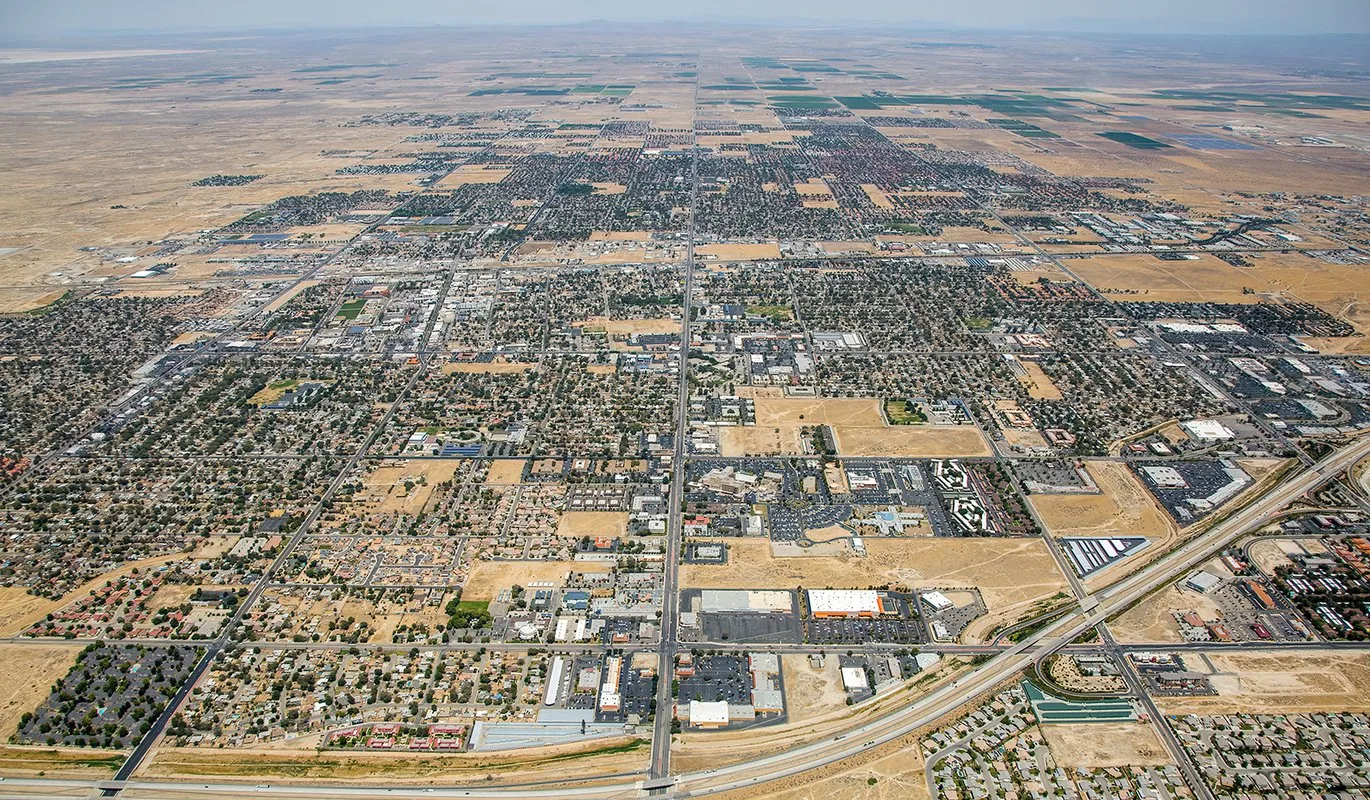
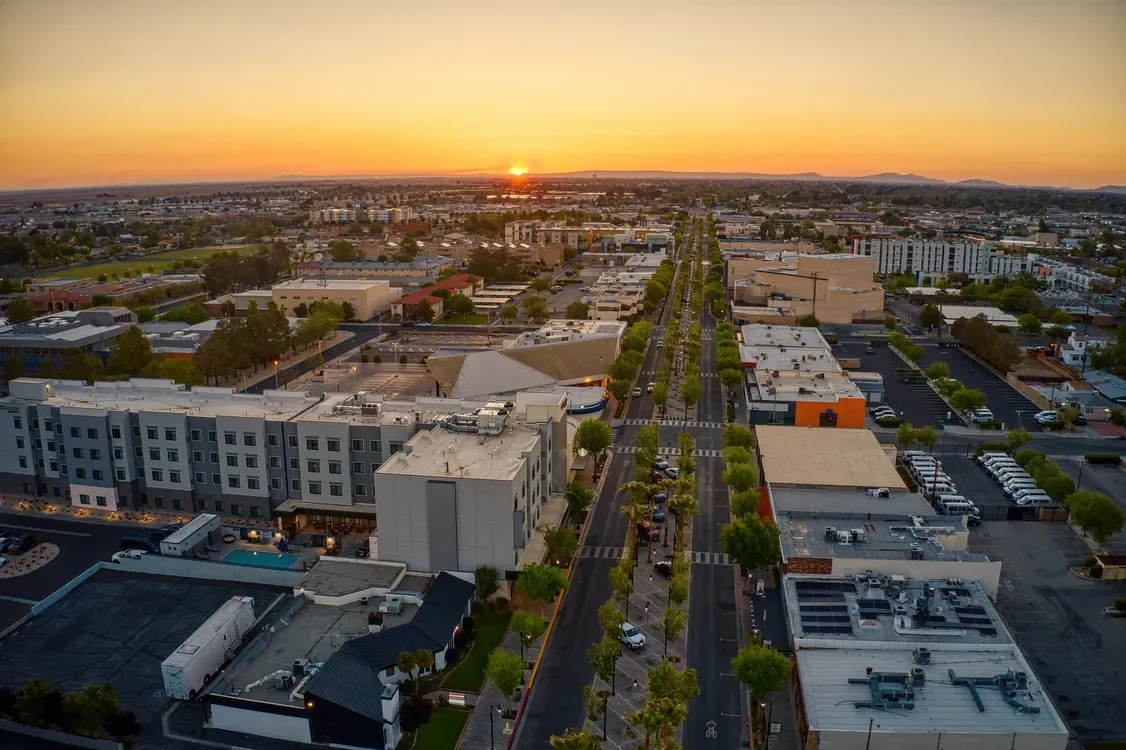
Lancaster’s Amargosa Creek Planning Area includes office, retail, and major medical uses, while Enterprise Business Park includes office, light-industrial, and retail properties. Those mixed assets require a roof record that reflects the individual building's use and assembly.
Establish a Building-Level Baseline
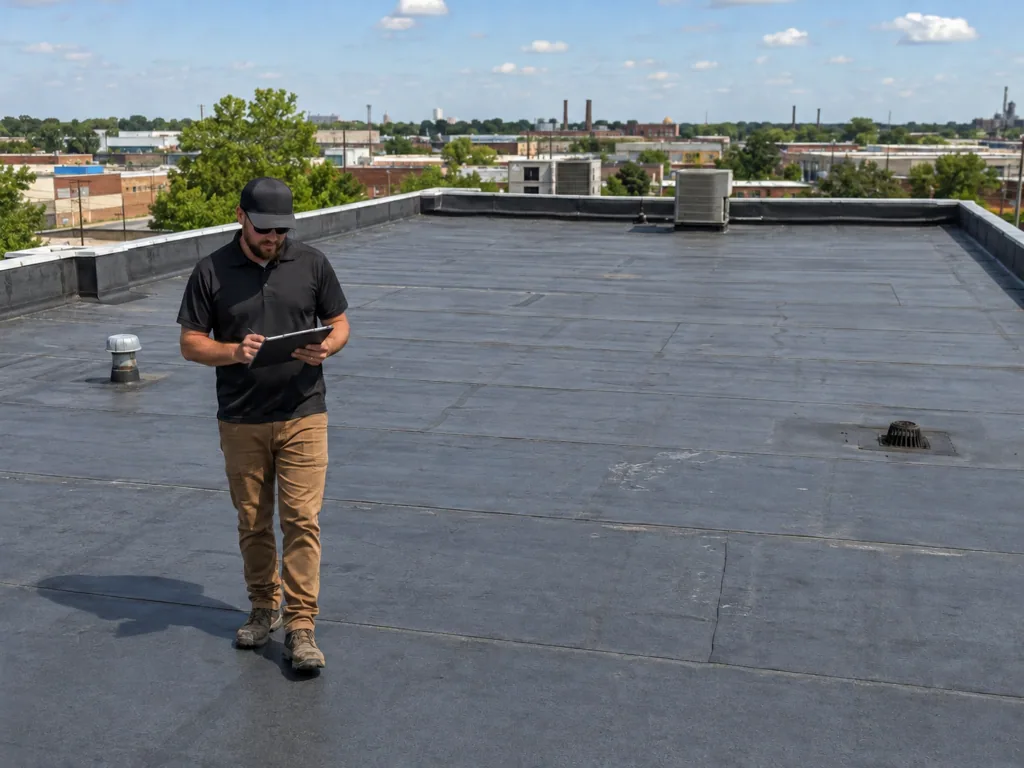
For acquisition or portfolio review, the roof assessment should identify system type where visible, apparent repair history, drainage, equipment details, and areas with moisture indicators. We compare leaks and maintenance notes with the roof plan, then identify which locations were opened or tested. The report states where access limited the review and what would need confirmation before a construction scope is finalized.
A commercial roof inspection can establish that baseline. A roof condition report organizes photos, roof zones, test results, and repair recommendations; it does not replace legal or financial due diligence. Investors can review the physical findings alongside lease obligations and transaction documents with their own advisors. A roof schedule can list system type, visible repairs, outlet locations, roof area tested, and the date of observation. If the seller has no current plan, the inspector can map accessible sections during the visit and identify where building records need confirmation. That establishes a usable baseline even when the property's maintenance file is incomplete. For a portfolio transaction, schedule each distinct roof assembly for review rather than extrapolating from a nearby building with a different system. Confirm which roofs have safe access, which areas can be tested, and whether tenant notice is required. If a portion cannot be inspected before closing, list that scope gap so the buyer can decide how to address it.
Separate Deferred Maintenance from Unverified Risk
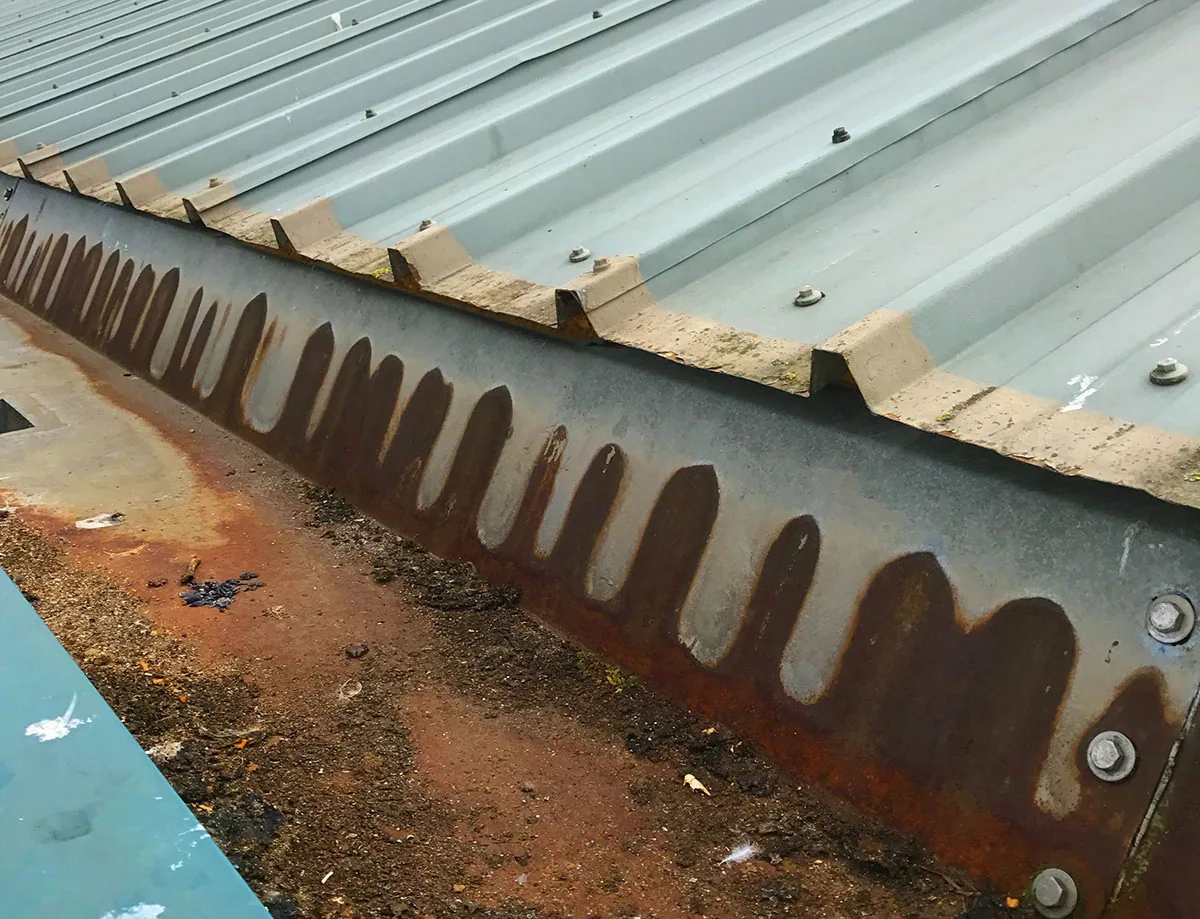
Visible wear does not always require immediate replacement, and a clean-looking membrane does not confirm that insulation is dry. We distinguish surface condition, active leaks, prior patches, and test results so the owner can see which concerns are confirmed. If a stain is reported but the path remains uncertain, targeted testing can help define the moisture boundary. If no testing is authorized, the report calls out the unresolved area rather than assigning it a guessed condition.
Lancaster's normal August high at William J. Fox Field is 97.8°F, and the local precipitation pattern concentrates most typical rain between November and March. That seasonal pattern can inform inspection timing, but it does not substitute for site evidence. The property's history, assembly, and present condition should determine the repair priority and any reserve assumption.
Connect Roof Findings to Property Operations
Asset teams may oversee office, retail, industrial, or medical properties with different occupancy and access needs. A roof opening above a customer area, equipment room, or tenant suite can require coordination before testing or repair. We identify staging, interior protection, and any access limits in the scope. If an equipment vendor will alter a curb or penetration, the work plan should assign responsibility for restoring the roof detail.
Investors often work through property managers who hold tenant, warranty, and maintenance records. The property-management workflow can provide a path for scheduling and work-order coordination. A portfolio that includes medical assets may also benefit from a separate healthcare roof review for occupied clinical areas. Each roof remains a distinct asset even when reporting rolls up to one owner. Lease terms may assign some maintenance duties to tenants, but the owner should confirm that allocation before directing work. We can document the observed roof condition and access requirements; responsibility for approval or reimbursement comes from the owner's agreements. That separation keeps the physical assessment useful across different ownership and management structures.
Compare Repair Alternatives Against the Same Evidence
Repair, recover, and replacement should be compared using the same map, testing record, and stated exclusions. A localized repair may fit where the substrate remains sound and the failure is contained. Recover depends on attachment and existing layers. Replacement deserves review when repeated failures, widespread moisture, or deck condition changes the assembly choice. We identify any item that could alter scope after opening so the investor can distinguish a known need from a contingent allowance.
Roof capital planning can organize near-term repairs and larger projects by property condition; a replacement assessment can show the work boundary and phasing options. The decision should also account for tenant access and the time required to coordinate work. The report supports planning with roof evidence; it does not promise a specific useful life or investment return. When options are compared, list the work area, preparation, flashing, drainage, disposal, temporary protection, and testing allowance for each. If one option requires tenant closure or an extended access window, record that operational factor separately from roof cost. The asset team can then review comparable scopes and identify which assumptions need a bid or design step.
Preserve Records Through Ownership Changes
Ownership and management can change while the roof condition persists. Keep current maps, test results, warranties, invoices, leak reports, and photos with the property file. A dated record helps a new manager understand what was repaired and which locations were not tested. It also lets the next inspector compare a reported leak with prior work instead of relying on an outdated summary.
Preventive maintenance can schedule checks of drains, flashings, and equipment transitions before a seasonal rain window. After each visit, the owner can update the portfolio record with findings, completed items, and work still under review. When a building changes tenants or use, the asset team should record equipment changes that affect the roof. This creates continuity across budgets and management handoffs. A portfolio calendar can group inspections by geography or lease cycle while preserving a separate work history for each roof. Before a disposition, refinance, or tenant change, the owner can refresh the record with completed repairs and unresolved items. That way the next manager receives condition evidence rather than an unsupported summary from an earlier budget cycle. For each asset, retain the roof-zone map, test boundaries, access limits, and the date of the last observation. Those fields make later budget comparisons easier without implying that similar buildings share the same remaining service life.
Commercial Roofing Questions
Can a roof review support a property acquisition?
It can document visible condition, access limitations, testing, and repair needs for the buyer's review. Transaction and legal conclusions should be handled with the buyer's own advisors.
Does roof age determine the reserve amount?
Age is one input, but assembly condition, moisture testing, repair history, and deck findings can change the expected scope. A property-level assessment gives more context than age alone.
Should an investor test every roof section?
Testing scope depends on reported conditions, roof access, budget, and the decision the owner needs to make. The report identifies sampled areas and any remaining uncertainty.
Can a portfolio report compare different building types?
A consistent reporting format can make findings easier to review, while each asset keeps its own roof map, construction details, and repair boundary. Mixed properties should not be treated as one assembly.
Can inspection findings predict a roof's exact remaining life?
A condition review can describe current materials and observed deterioration, but it cannot establish an exact future service life. The owner can use the findings to plan further testing, repair, or replacement review.