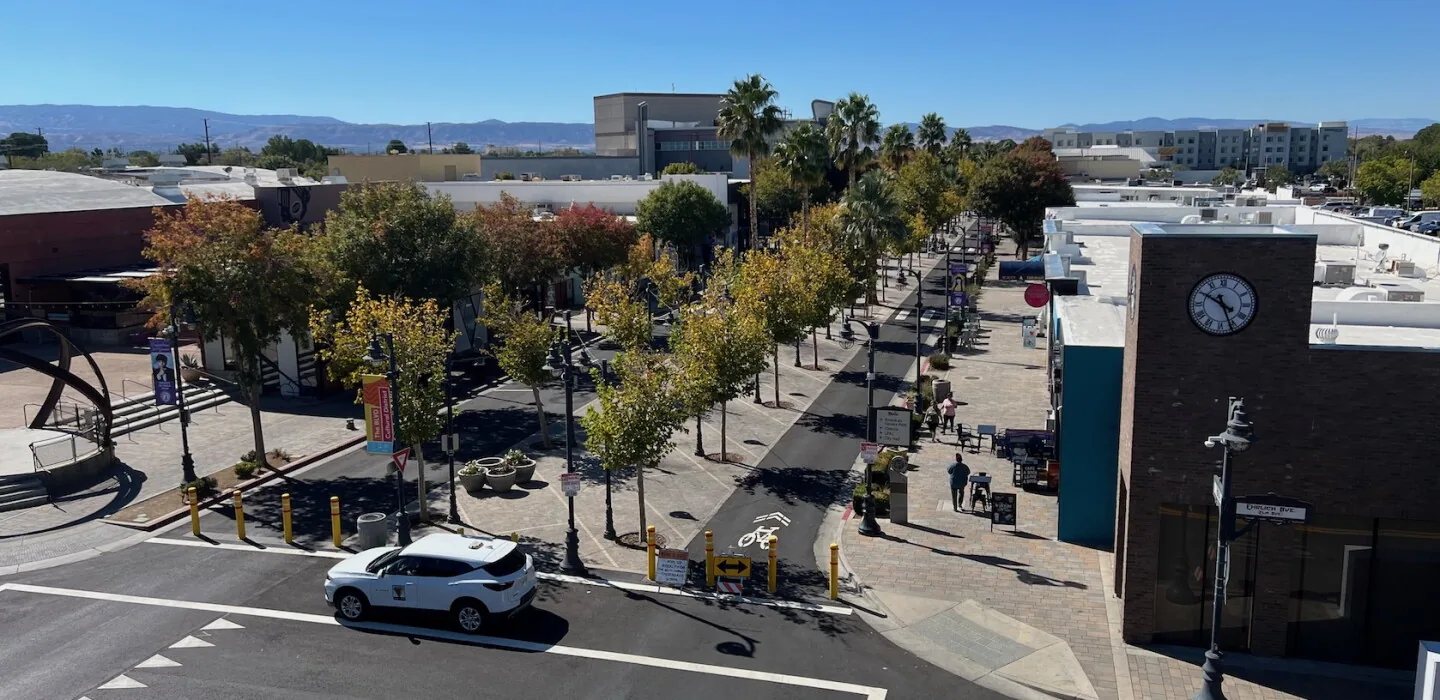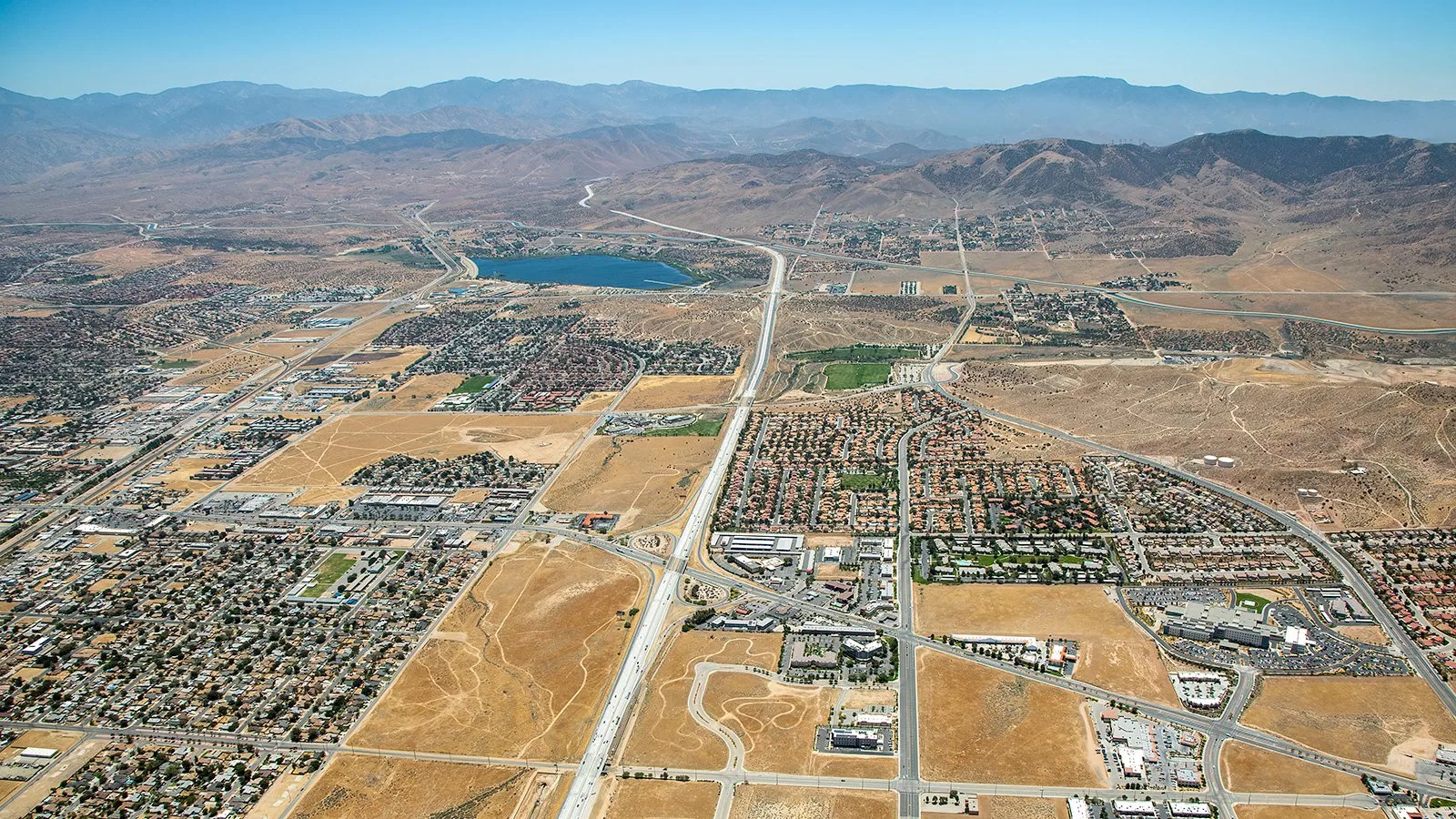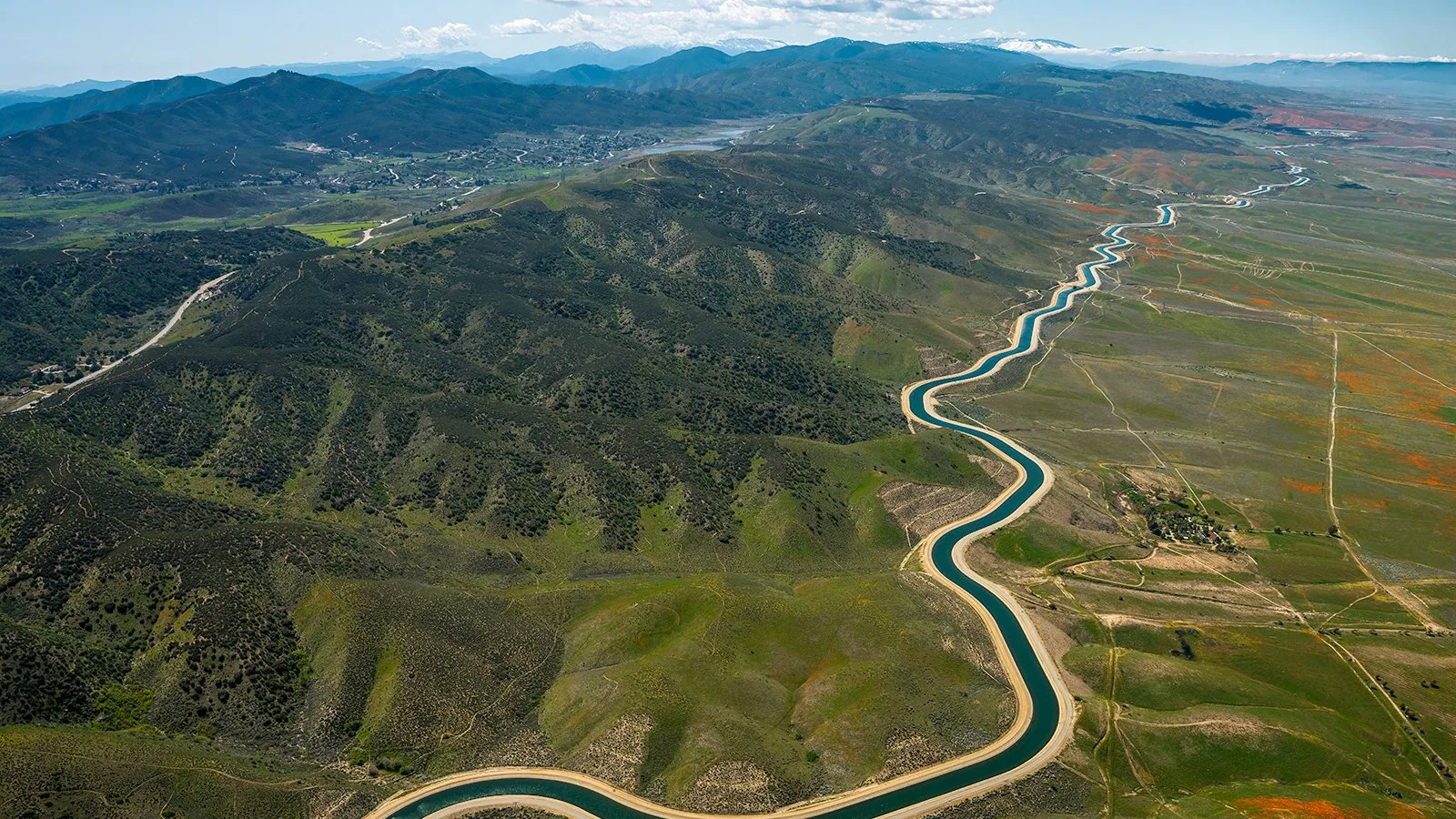
A blocked outlet can hold water against a seam or curb long before a leak shows inside. In Lancaster’s Amargosa Creek Planning Area, the 150-acre district extends between Avenue L and Avenue K-I along 10th Street West, and Amargosa Creek crosses it diagonally from southeast toward northwest. The area is planned for office, retail, and major medical uses. That combination makes a building-specific drainage and access review more useful than assuming a roof within the district has the same layout.
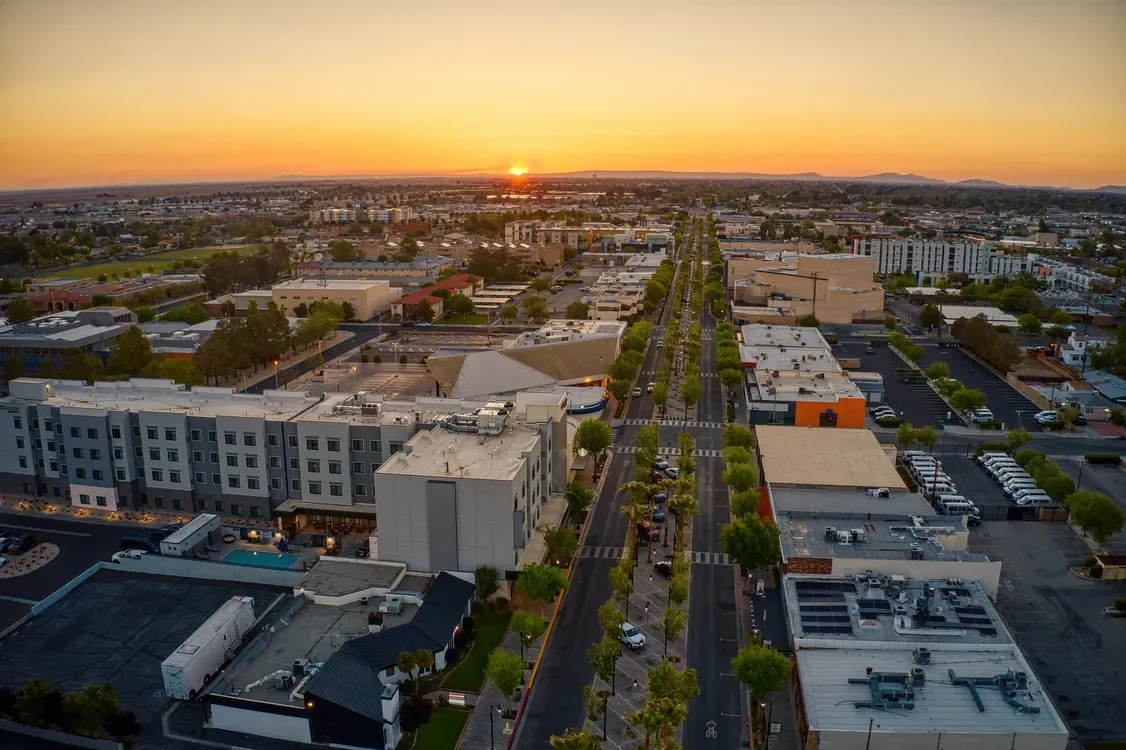
We start with the assembly, map the reported condition, and follow the water path across the roof zone. The assessment records what is visible, what needs a test, and where the repair should stop. An owner can use that detail to compare a targeted fix with a broader maintenance or capital decision.
Trace drainage before selecting a repair
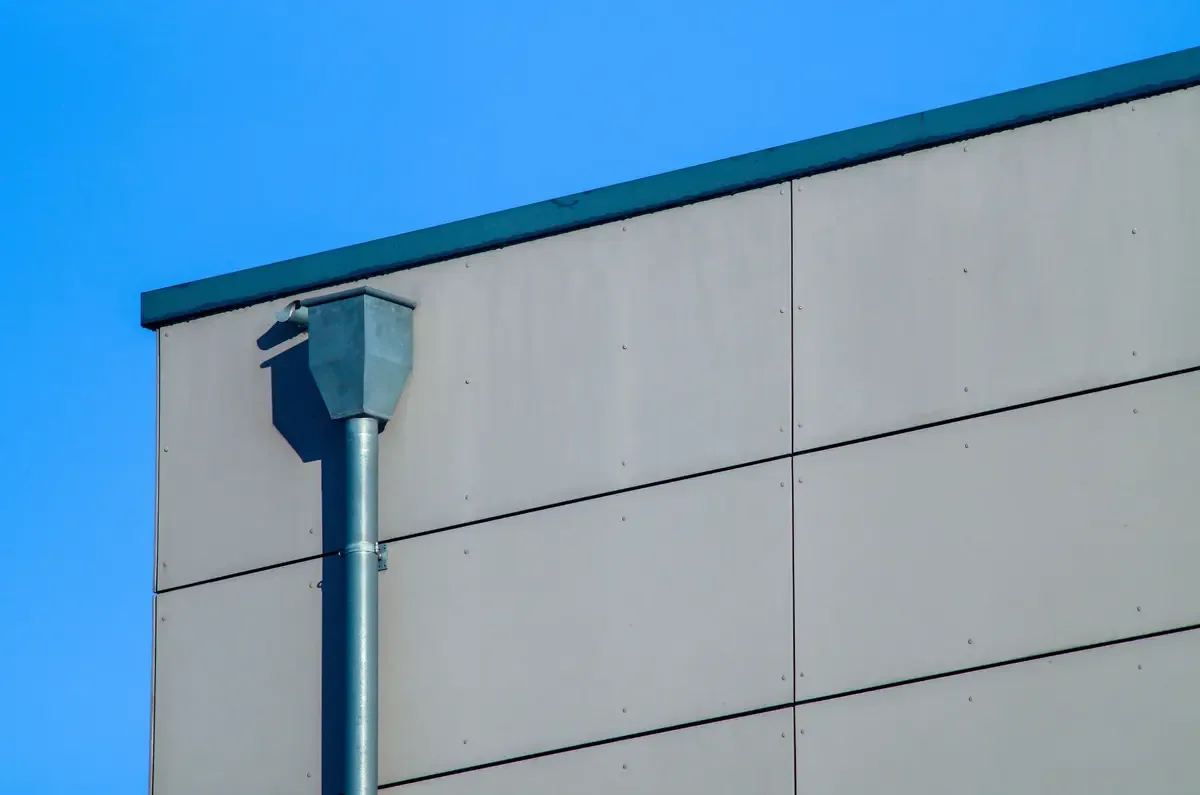
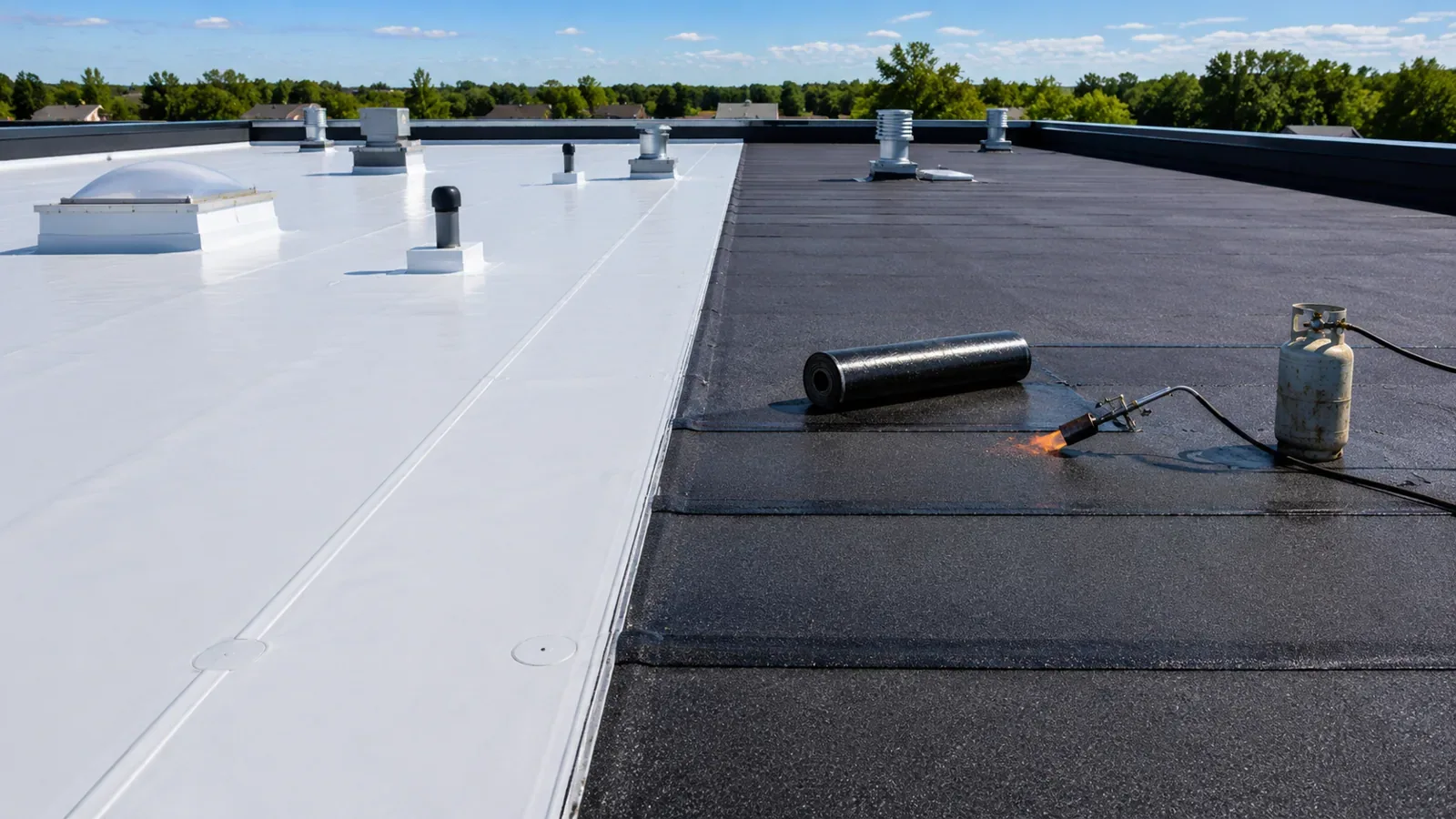
Mark the room or suite where water appeared, then inspect the roof area above it and uphill from it. A low point, restricted drain, open lap, or curb transition can redirect water before it reaches the ceiling. We check drain bowls, scuppers, overflow paths, membrane seams, wall flashing, and prior patches together, rather than pricing the first visible split as the entire problem. Photos should locate the defect in a roof zone and show enough of the surrounding field to guide a follow-up visit.
Because the creek crosses the planning area diagonally, drainage belongs on the property walk, but it does not tell us how an individual roof was built. We inspect the roof slope, outlet positions, and discharge route at the actual building. A commercial roof inspection can record those observations, while a drain and scupper check can focus on outlets and overflow details. If a property manager also oversees Downtown Lancaster, keep each building’s condition record separate. If the owner manages several properties in the planning area, use common fields for inspection date, roof zone, assembly, moisture testing, repair boundary, and open recommendation while retaining a separate record for each building. That lets an asset manager compare urgency without treating a drain issue at one address as a condition at another. Attach photos to the building and orientation shown on the roof sketch, and record who approved any added work.
Separate a surface defect from concealed moisture
A stain under a flat roof is a starting clue, not a repair boundary. Water can move under a membrane, follow a deck joint, or collect around an equipment curb before it becomes visible inside. We compare the reported timing with weather and service history, inspect the nearby transitions, and note where a controlled test opening would clarify the layers. The scope should identify the test location, what will be removed, how the opening will be protected, and how it will be closed that day.
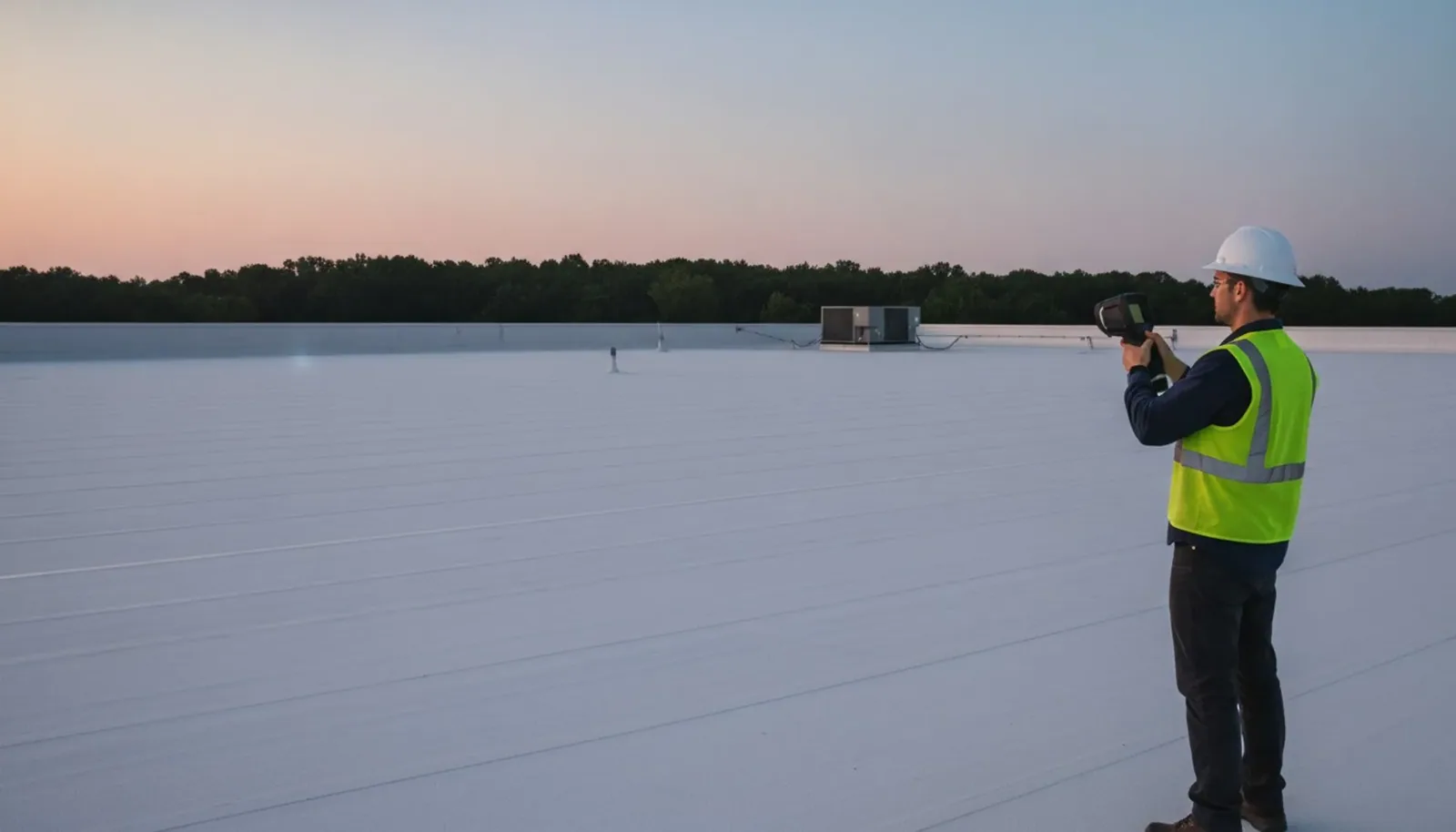
Office, retail, and major medical uses are part of the Amargosa Creek plan, so the interior protection plan may involve different operating hours and equipment constraints. Confirm which room remains occupied and who can authorize access before a test begins. If removal finds wet board or a weak deck, photograph the condition and pause for approval before expanding the work. A moisture survey can help prioritize test locations across a broader roof area, and a membrane repair should tie into material that can accept the chosen method.
Set the repair boundary around the real assembly
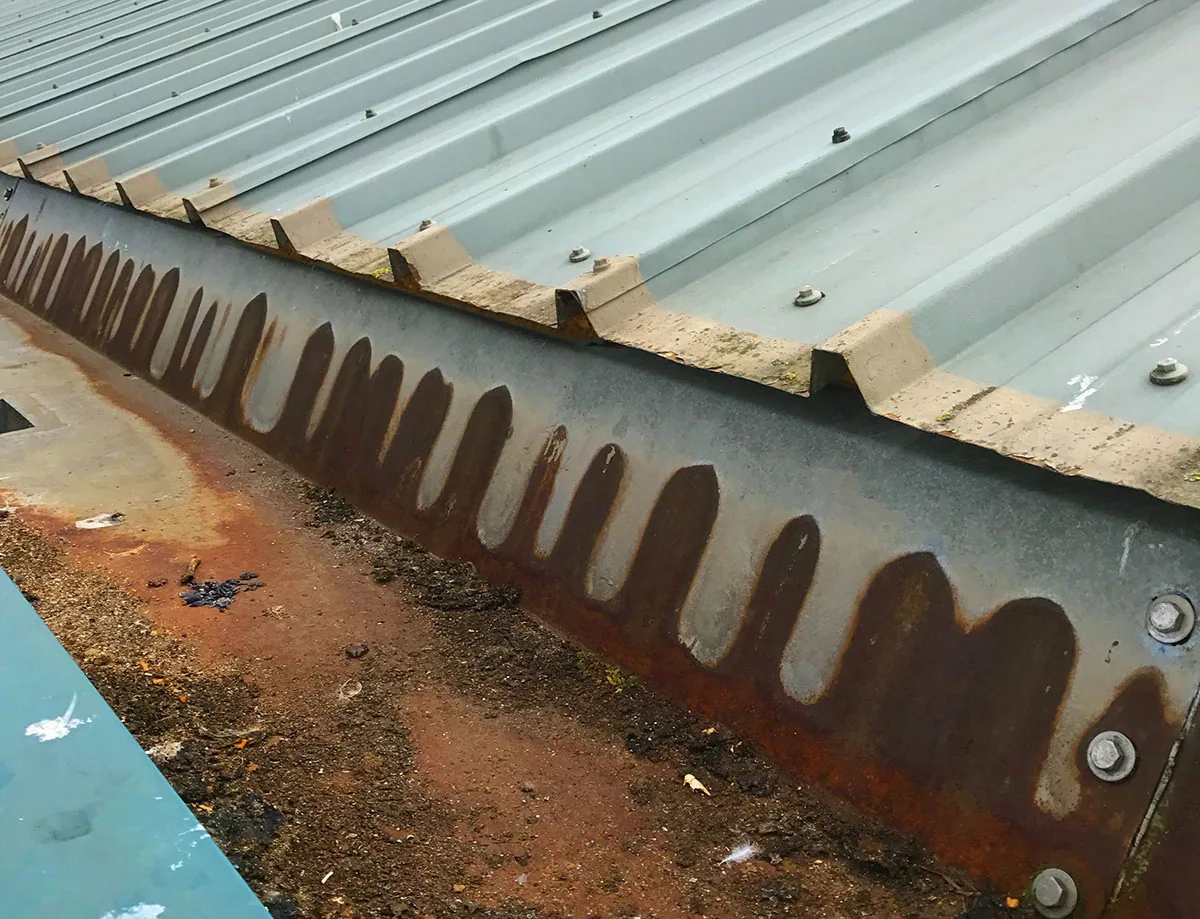
A compatible patch can address a defined puncture or open seam when the surrounding membrane remains attached and dry. At a curb or wall, inspect the corners, vertical flashing, termination, and field tie-in as one detail. Restoration may make sense when a larger surface remains stable and can be prepared, but coating will not dry wet insulation or strengthen a weak deck. Replacement deserves comparison when failures recur across roof zones, prior layers obscure the receiving surface, or the edge and drainage details cannot be rebuilt reliably.
Cost and timing turn on access, material compatibility, moisture extent, preparation, and the number of transitions that need repair. We state what is included and what finding would change the scope before work begins. The Enterprise Business Park is another Lancaster planning area; owners comparing multiple properties can use a common report format while preserving building-specific findings. A roof condition report can keep photos and next actions with the correct plan, room, and repair limit. Before work starts, define which crew access route, material staging point, interior protection, and end-of-shift dry-in are included. If a test cut is required, list the opening and its restoration separately from the surrounding repair so the owner can review the cost driver before approval.
Plan around heat and the short wet season
Use Lancaster’s heat profile to set the timing and method for exposed-surface work. The normal August high at William J. Fox Field is 97.8°F; the station averages 31 July days with highs at or above 90°F. January’s normal low is 31.3°F, versus 67.2°F for July. At seams, curb corners, and edge metal, log whether the field material and termination still move together after those seasonal swings. Before adhesive or coating work, confirm the substrate is sound and dry and that the surface temperature falls within the product instructions.
For precipitation, the Lancaster station’s yearly normal totals 6.81 inches, with the usual wet period concentrated between November and March. Even that pattern can expose a restricted drain or open scupper in a short storm. Make a pre-season walk that records each outlet and overflow route, and secure temporary covers before leaving any section open. A preventive roof maintenance visit can establish a dated record of cleaned outlets, repaired laps, and remaining work. For office properties, the office roof assessment can also capture access paths and rooftop equipment that affect later service.
After a concentrated storm, compare new interior reports with the drain and overflow notes from the last visit. A changed water path, a shifted patch, or debris at an outlet should lead to a roof-zone recheck before another repair is selected. Keep the follow-up date with the photographs so the next budget review shows whether the condition stayed stable or returned.
Commercial Roofing Questions
What should an owner inspect first after water appears inside?
Start with the room, date, and roof zone above it, then compare the report with nearby drains, seams, curbs, and wall details. The visible mark helps direct the walk, while the roof assembly determines where the repair belongs.
Does Amargosa Creek determine how a roof drains?
The creek crosses the planning area, but drainage is set by each roof’s slope, outlets, and discharge route. We inspect those features at the building and document any restriction or overflow condition.
Can a medical or office property stay open during repair?
The sequence can be planned around occupied areas when access, interior protection, equipment, and work hours are confirmed. We identify the active roof zone and coordinate any temporary restrictions with the property contact.
When is a moisture survey worth adding?
Use it when several roof zones show signs that may extend beyond a visible seam or patch. Survey findings help select test locations; an opening can still be needed to confirm concealed layers and define the repair boundary.
How should a repair estimate describe concealed conditions?
The estimate should state the visible repair limit, any test opening, and what requires owner approval if removal finds wet insulation or deck damage. That lets the owner evaluate added work against documented conditions.