A roofing capability should make a building decision easier to support. Inspection, testing, maintenance, and records each answer different questions. We document the roof area involved, the evidence available, and what remains unknown so the owner can choose a useful next step instead of relying on an unbounded recommendation.
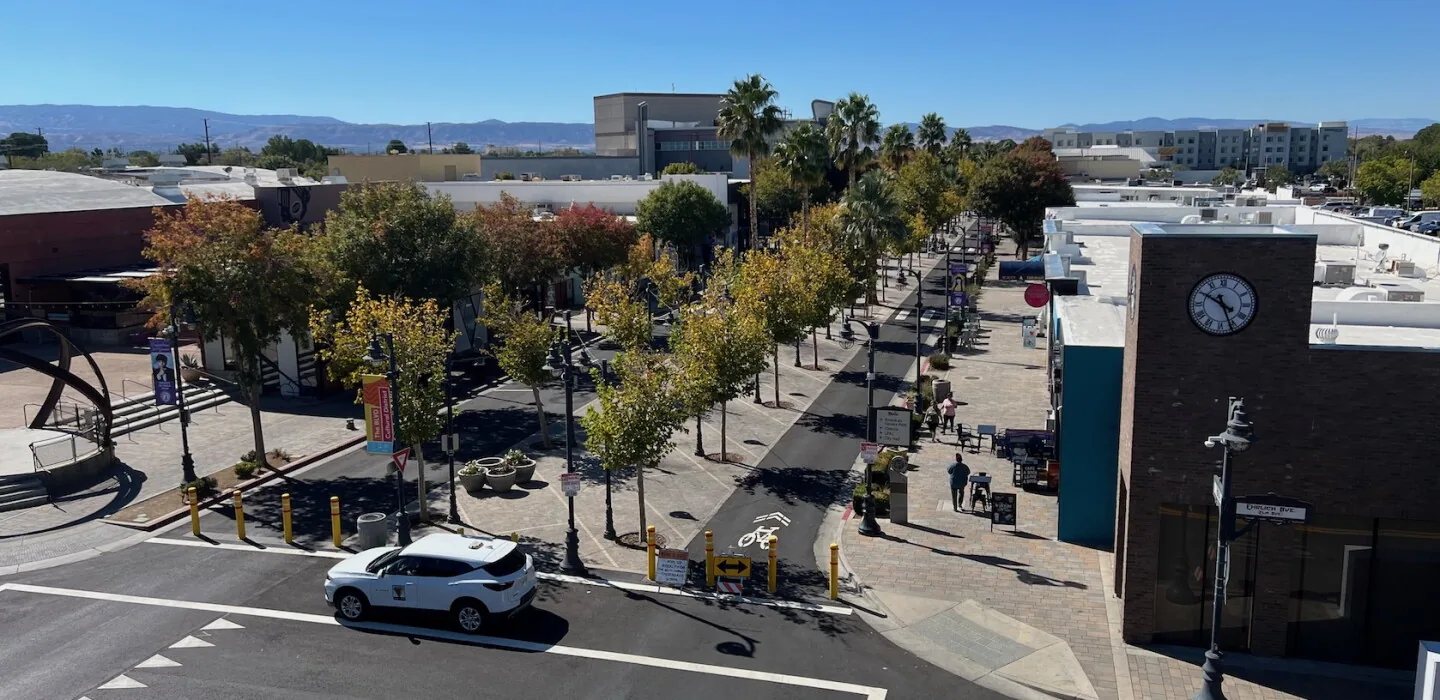
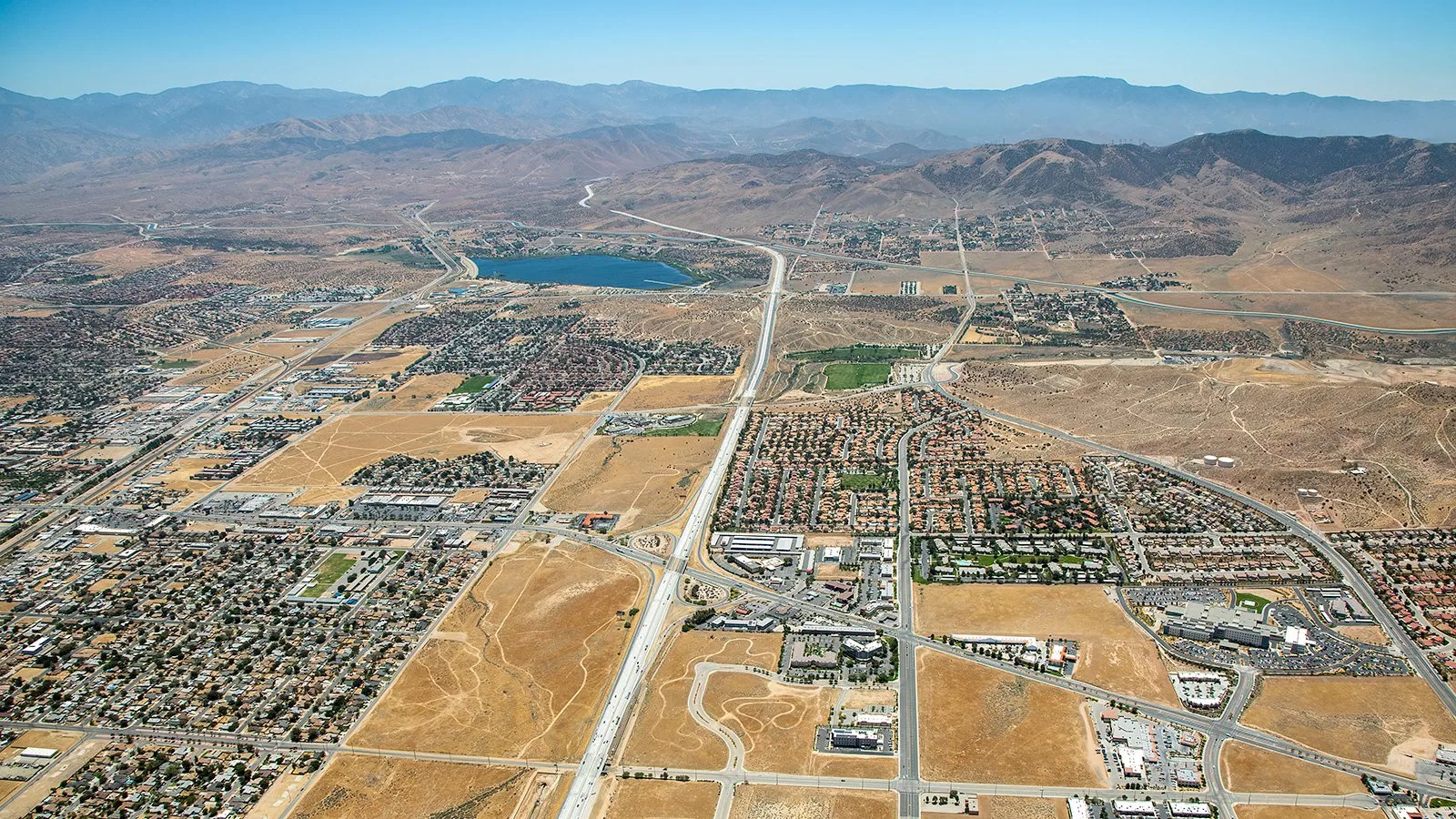
Lancaster's business parks and industrial districts include buildings with different assemblies, access routes, and operating needs. A program can standardize reports, but it should preserve each property's map and repair history.
Roofing Capabilities
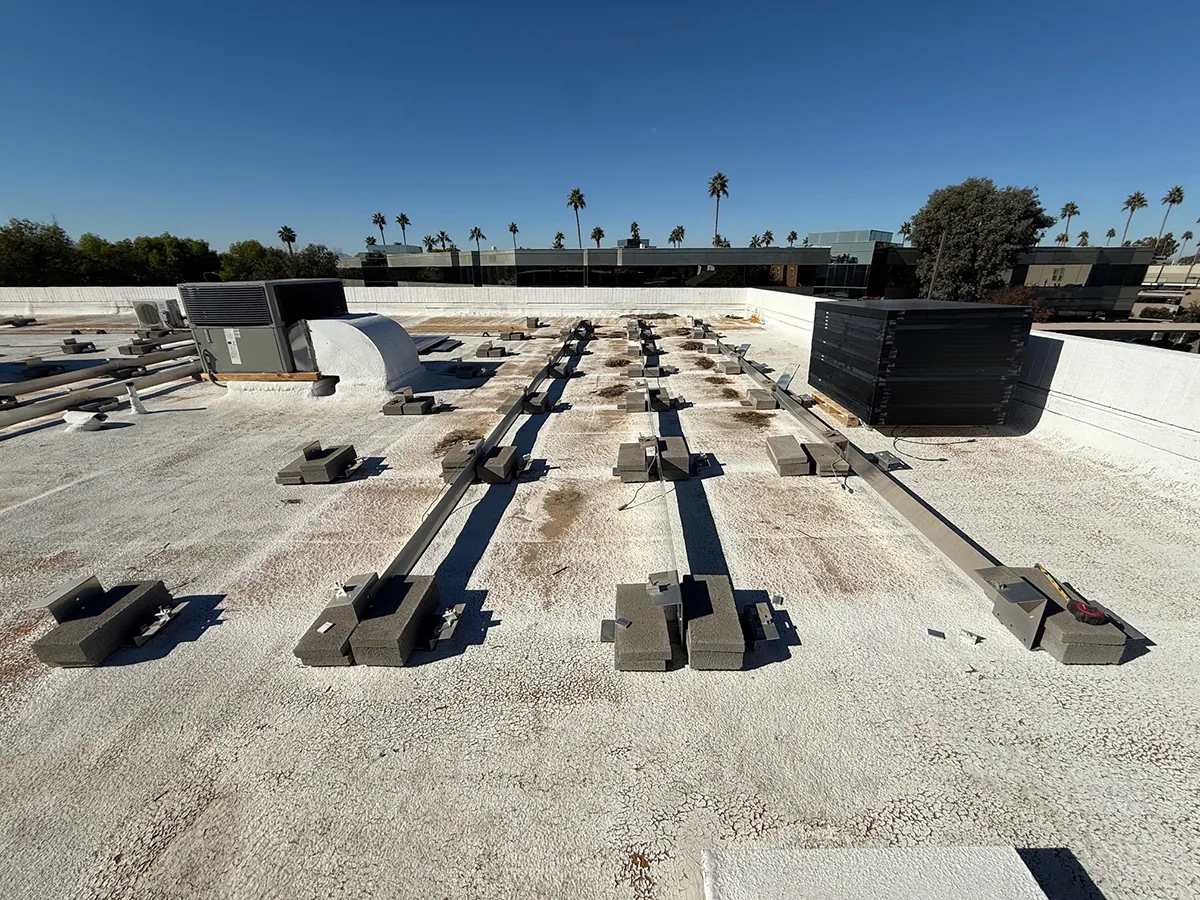
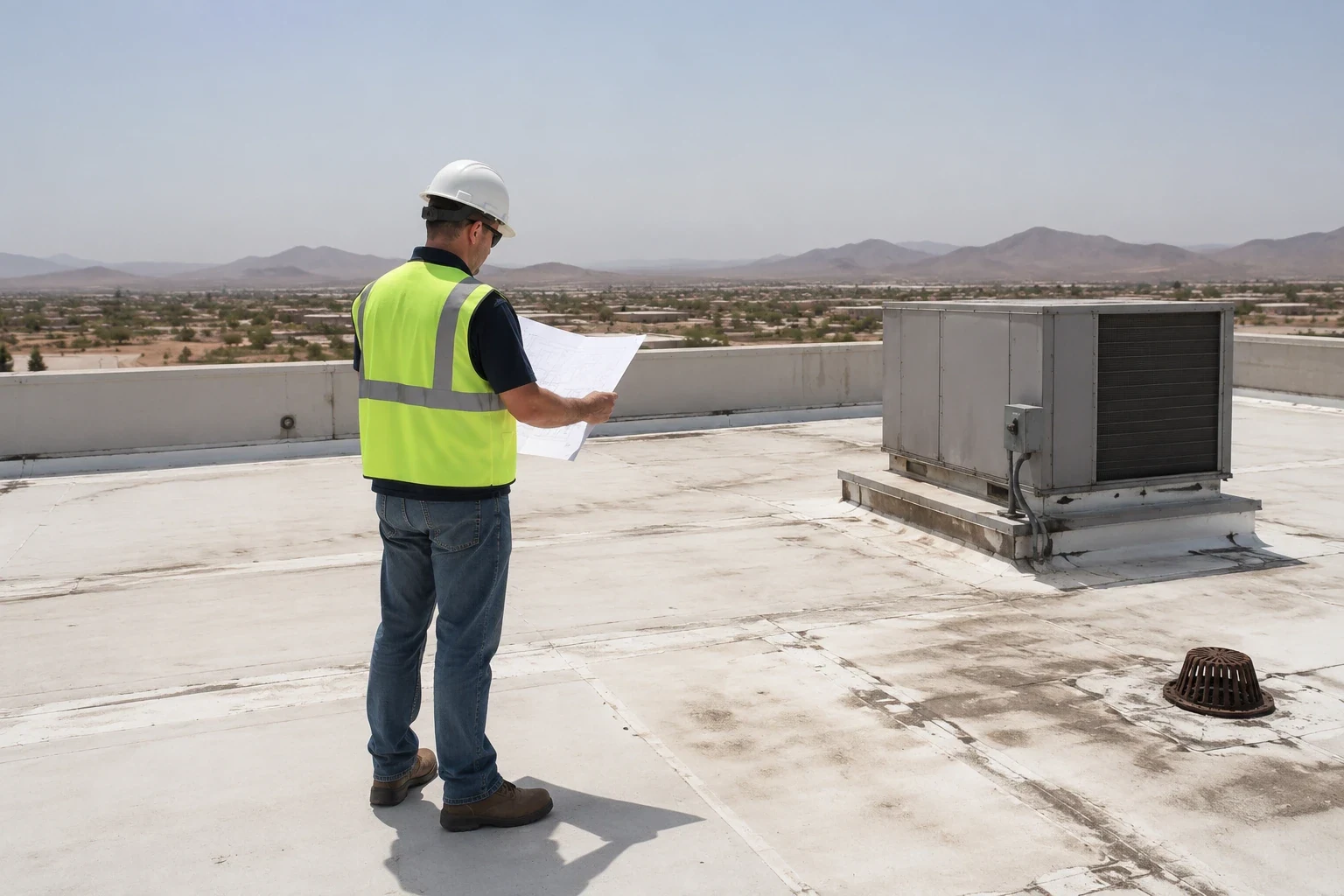
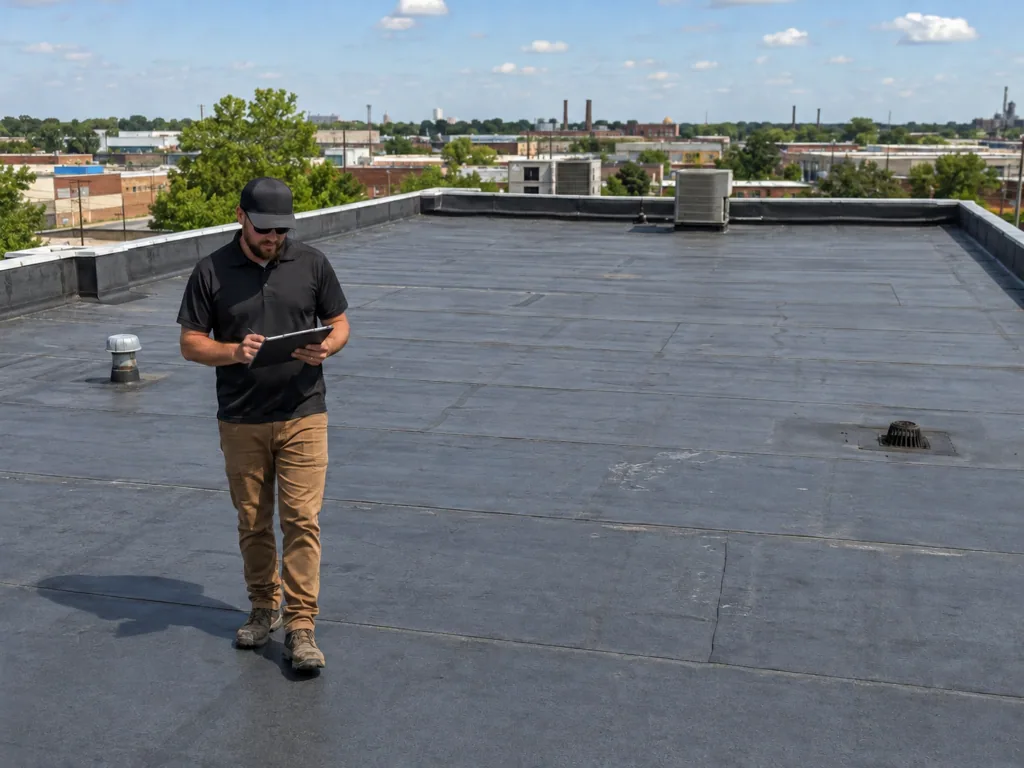
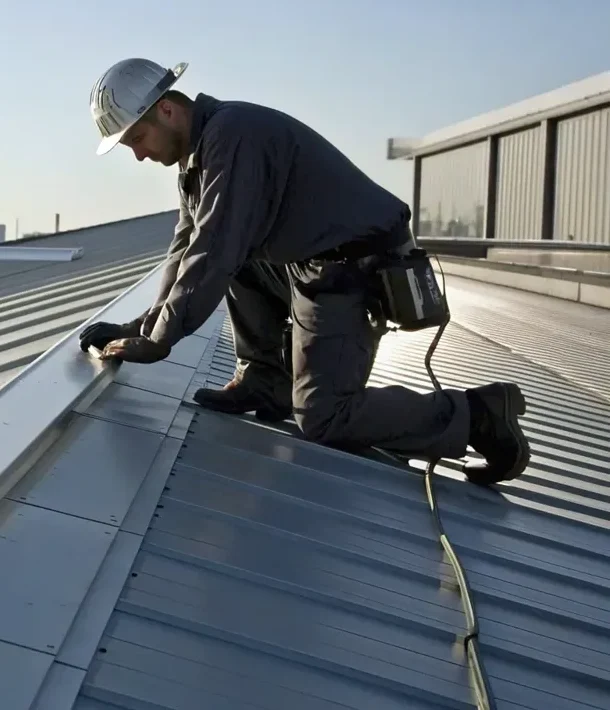
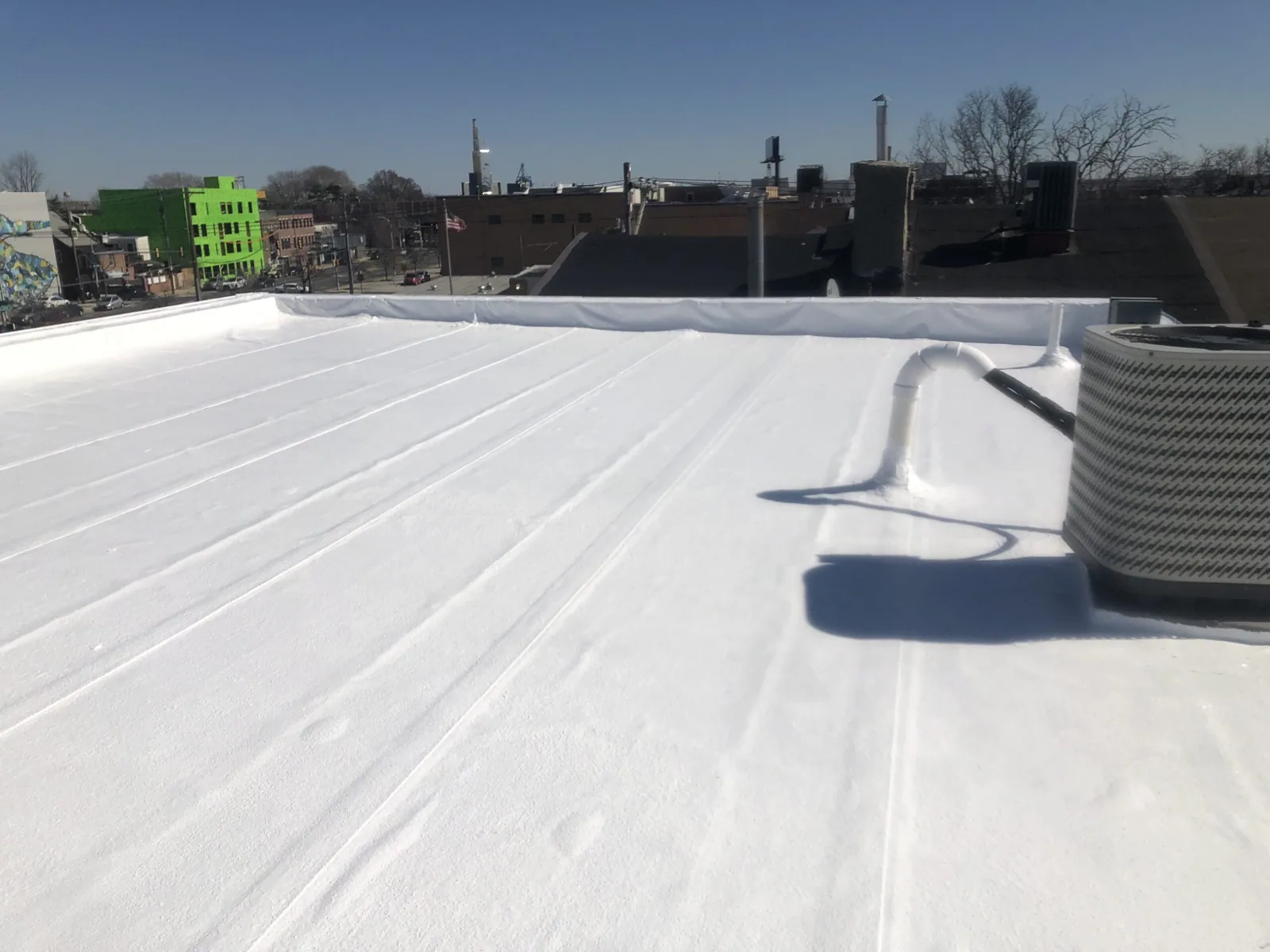
More About Our Roofing Capabilities
What should a condition record contain?
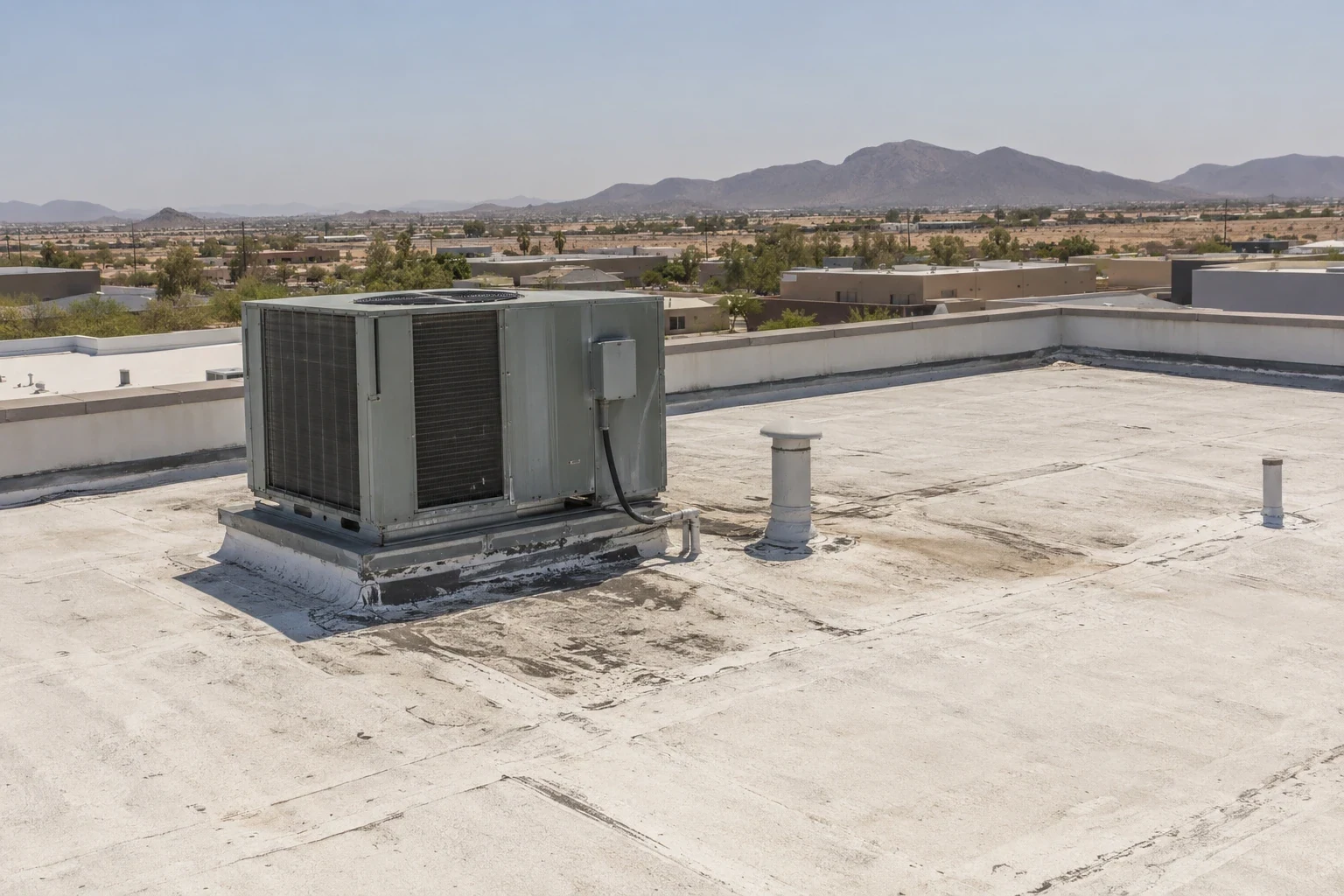
Condition reports map observed defects, testing limits, photos, and repair options. A roof asset register can carry those identifiers across inspections, while warranty record management keeps owner-held documents connected to the correct system and area.
How do owners set the next project?
Capital planning compares repair needs with timing, access, and building priorities. A due diligence survey documents accessible roof areas and open questions before a transaction. A multi-site program can coordinate inspections across properties while keeping each roof's evidence distinct.
When should Lancaster facilities schedule review?
Fox Field climate normals show summer highs near 98 degrees Fahrenheit and most annual rain arriving from November through March. Those conditions can inform surface preparation and seasonal drain checks. The site inspection remains grounded in the installed assembly and observed conditions, not the weather fact alone.
Share roof plans, repair records, access restrictions, and current leak reports. The deliverable should identify what was reviewed, what action follows, and who owns any unresolved area.
Keep the next action connected to evidence
After a repair or survey, update the building file with photos, materials, test locations, and work limits. If an area remains inaccessible, keep that limitation visible. A clear handoff lets the next manager compare the same roof zone and determine whether its condition changed.
For an active leak, separate emergency protection from permanent work. For a capital decision, compare options only after defining the tested boundary and assumptions. That keeps a capability useful to the person who has to authorize and schedule the work.
When the scope changes after a test opening, record the new finding before revising quantity or schedule. This preserves the connection between evidence, approval, and work completed for future reviews and building staff.
Commercial Roofing Questions
Can one capability replace a roof inspection?
No. Planning and records organize decisions, but current roof conditions require an inspection or appropriate testing.
How does asset management differ from a condition report?
A condition report documents a visit and findings. An asset register carries building and roof-zone information across visits and completed work.
Do all Lancaster properties need the same maintenance schedule?
Schedule work from each assembly, exposure, drainage, use, and repair history. Portfolio coordination can help, but site conditions still govern.
What should we provide to start?
Roof maps, known leaks, access details, repairs, equipment changes, and any owner-held product documents help define the assessment.
Request a Lancaster roofing capability review
Share the property list, roof records, active concerns, and upcoming projects. We will identify the information and field work needed for the next decision.