A buyer assessing a commercial property needs a clear picture of roof condition, immediate exposure, and information that remains unavailable before closing. A due diligence roof survey is a time-bounded review of accessible areas and records, not a promise about future performance. We document the roof assembly where identifiable, visible defects, repair history provided, test limits, and questions that could affect near-term work or a capital plan.
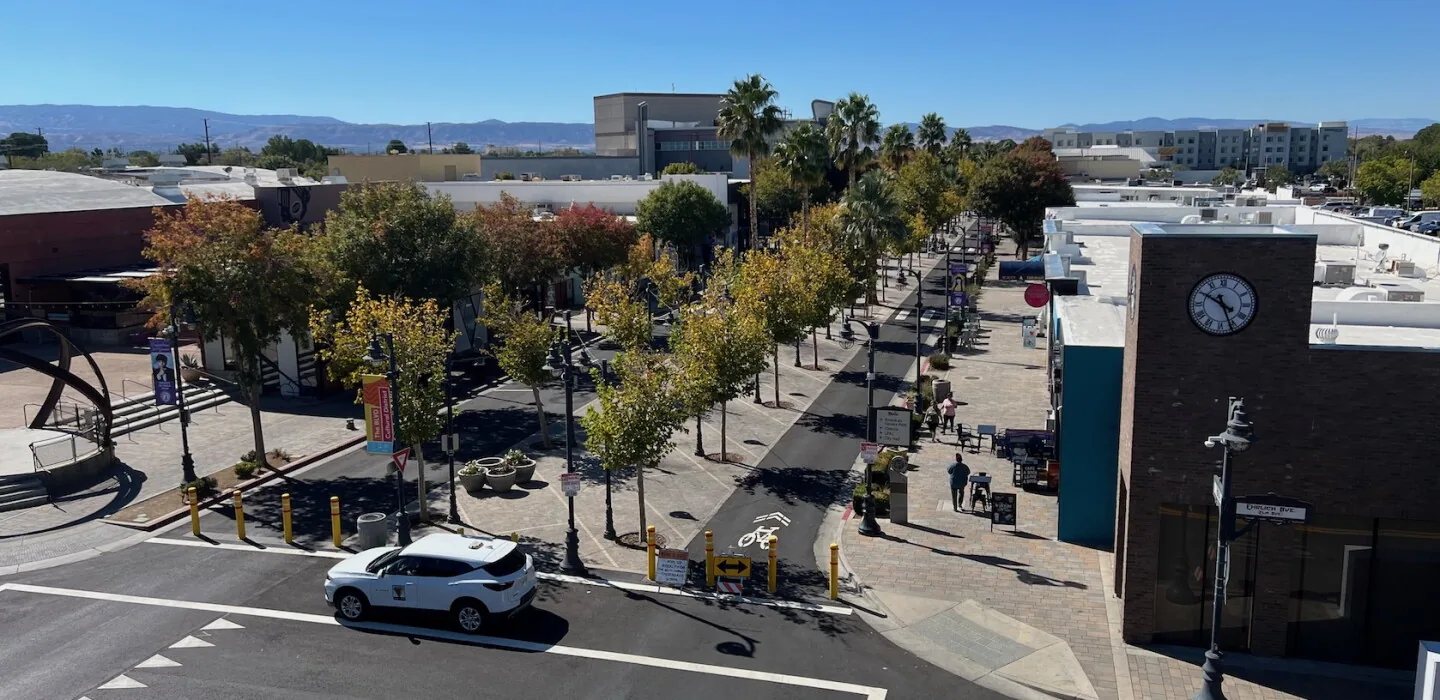
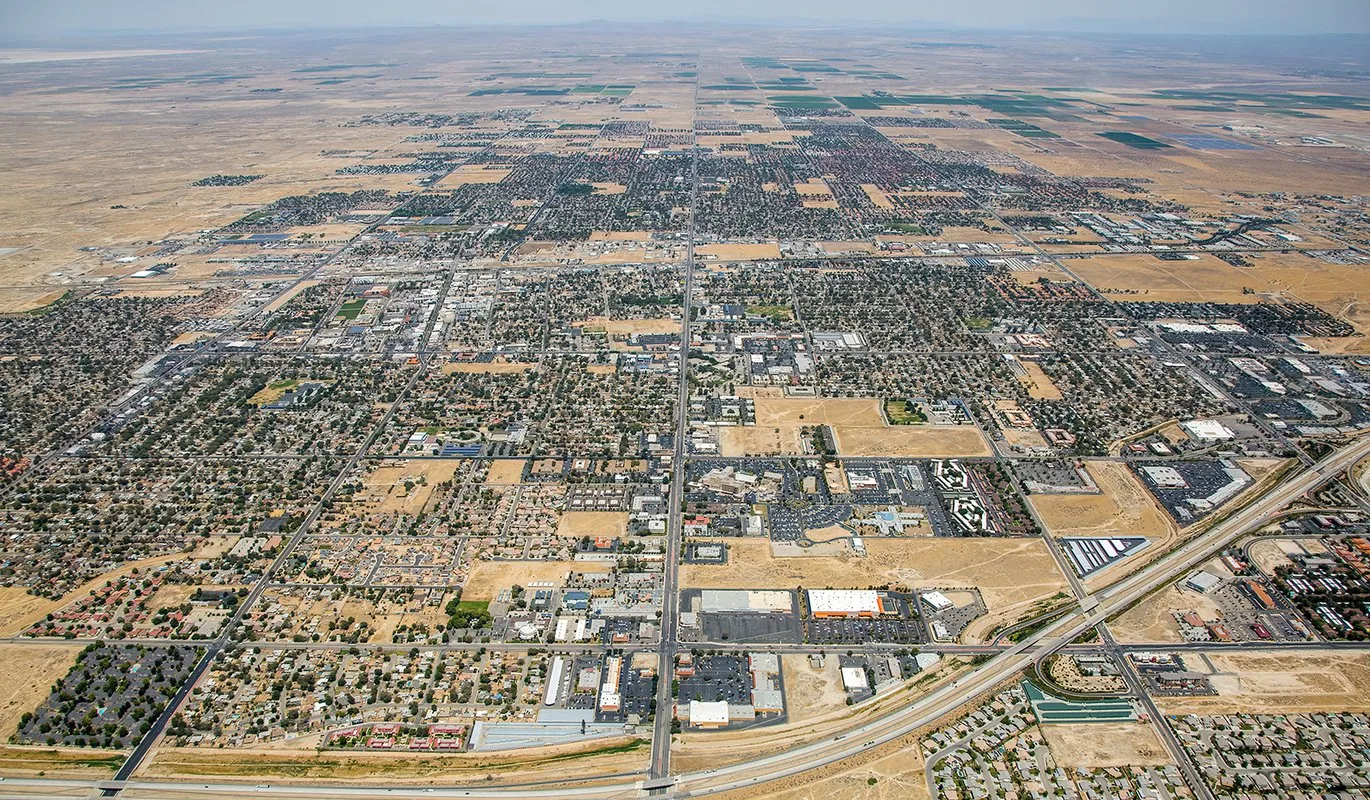
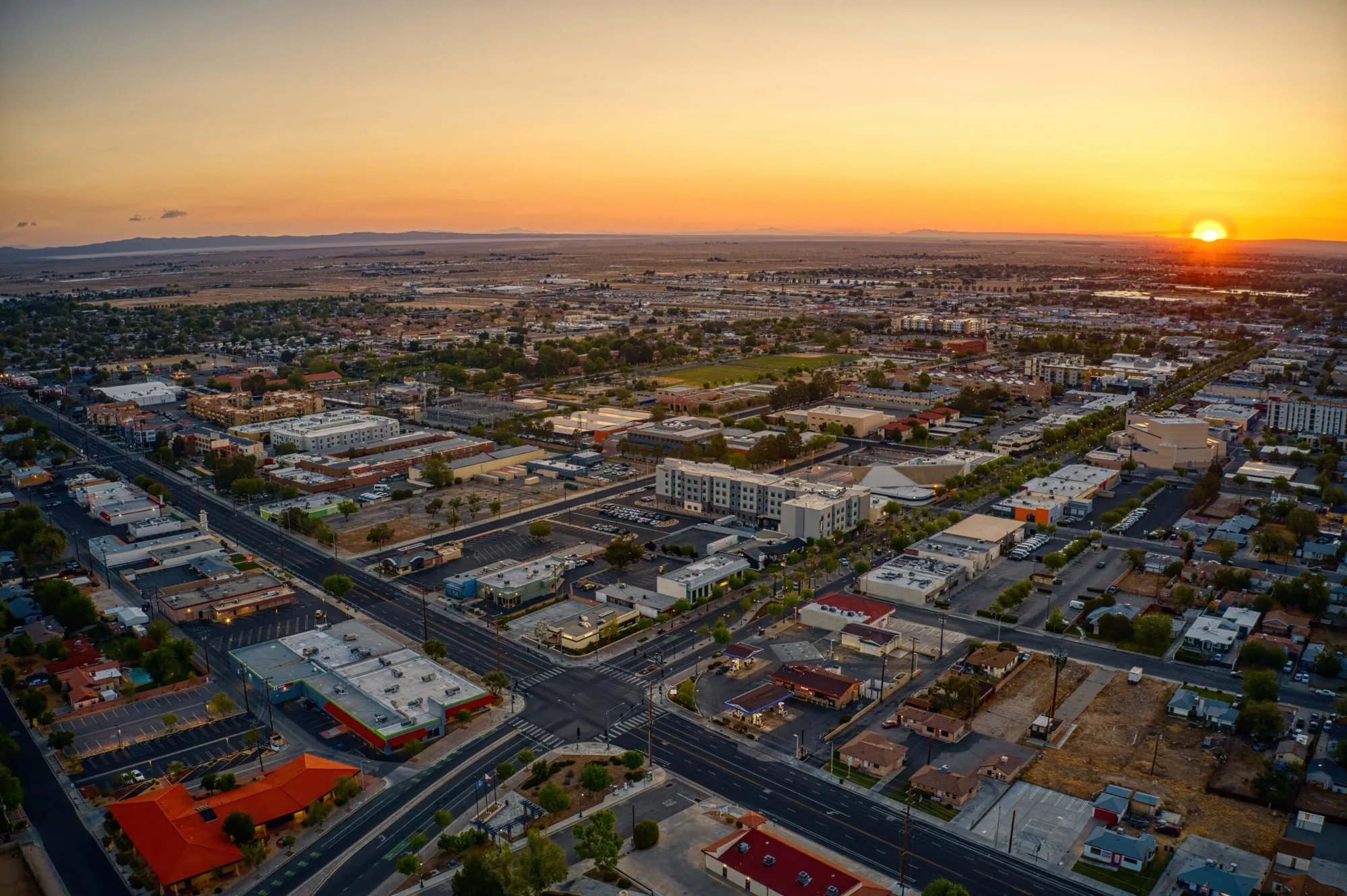
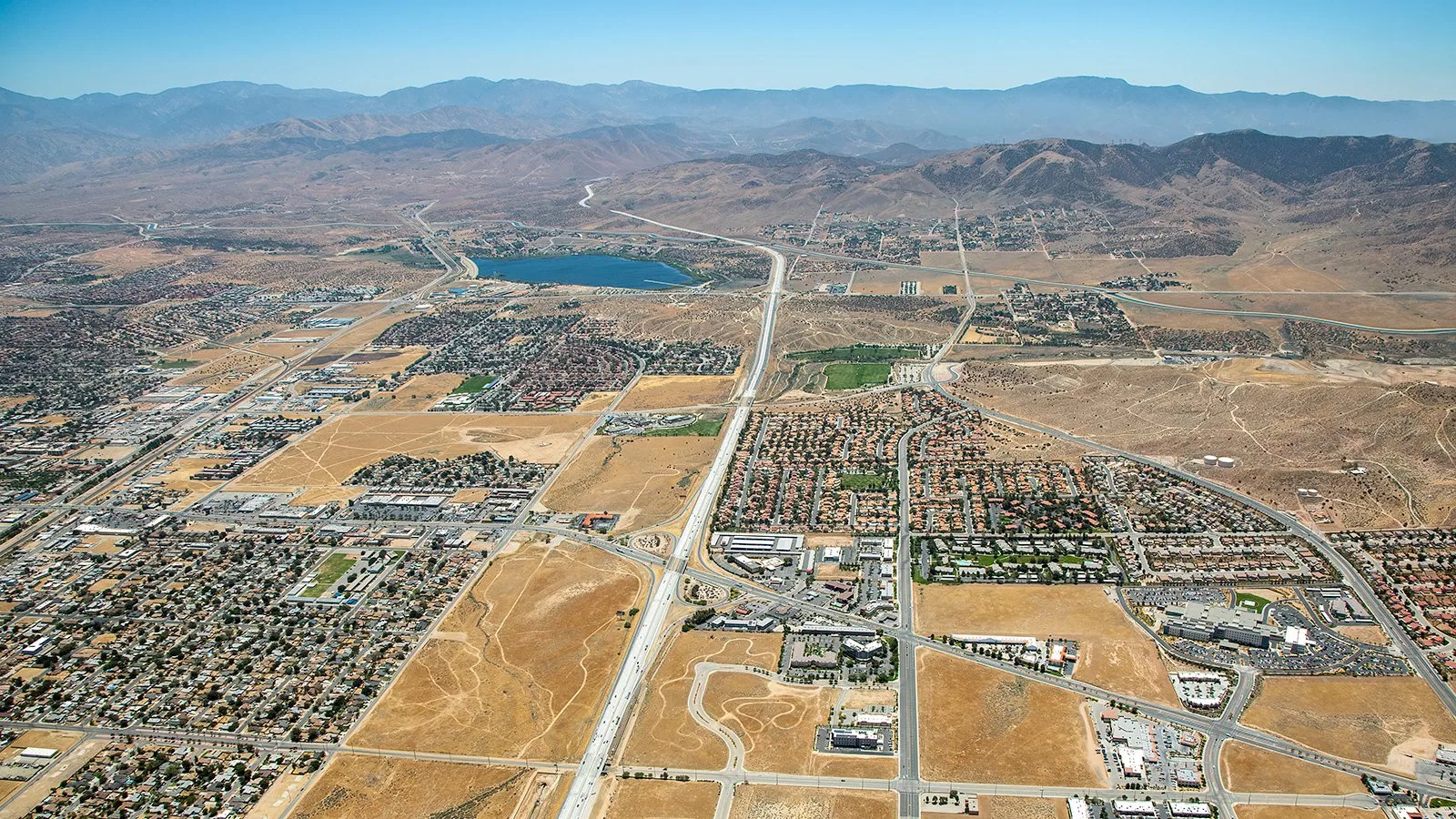
Lancaster has distinct property settings, from the Amargosa Creek planning area to Lancaster Business Park and North Lancaster Industrial Center. Their buildings may combine different additions and roof systems. A commercial property in Amargosa Creek can have medical, office, and retail uses nearby; an industrial facility in North Lancaster may have broader equipment fields and access controls. Survey findings belong to the individual property.
Collect the Records Available Before the Visit
Request roof plans, specifications, closeout files, prior inspections, repair invoices, leak logs, equipment changes, and documents held by the seller. Compare dates and building identifiers to confirm that each record refers to the same roof section. A maintenance invoice may describe a temporary patch rather than a full repair. Identify missing files and document how those gaps limit conclusions.
Keep seller-provided statements separate from conditions observed in the field. Note the document date, author when available, and any inconsistency with visible construction. A condition report can organize field findings, while a warranty file review can identify documents held for the roof and questions that require confirmation. The survey should not infer that a document is current or transferable unless the responsible party confirms its terms.
Inspect Accessible Roof Areas
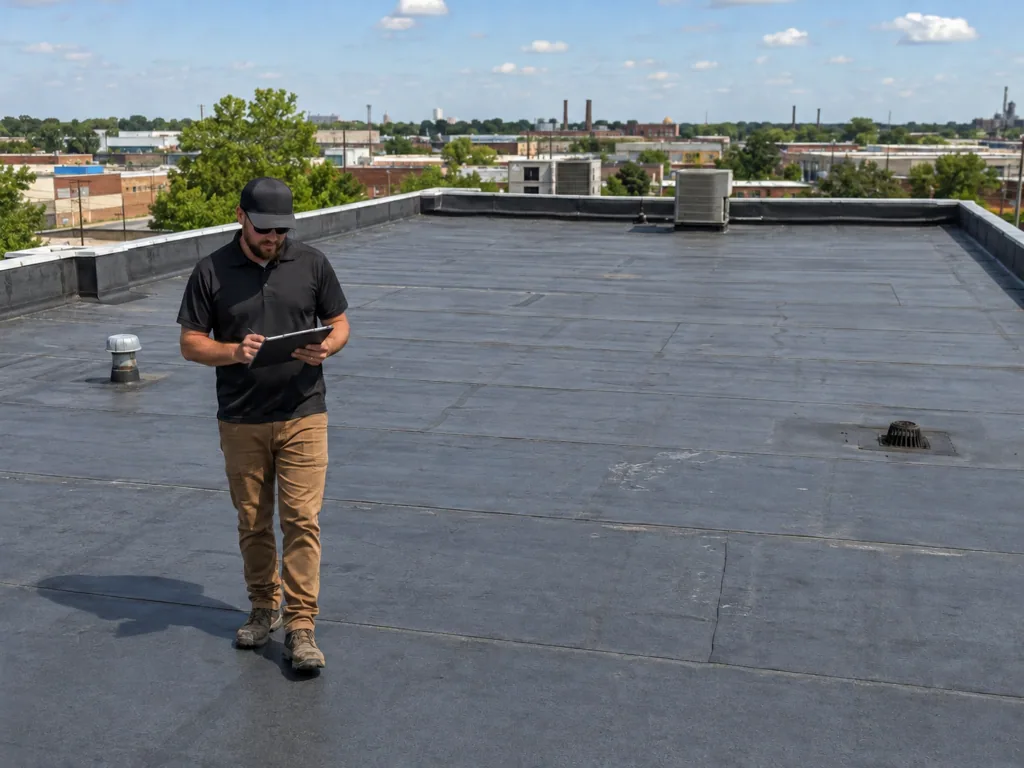
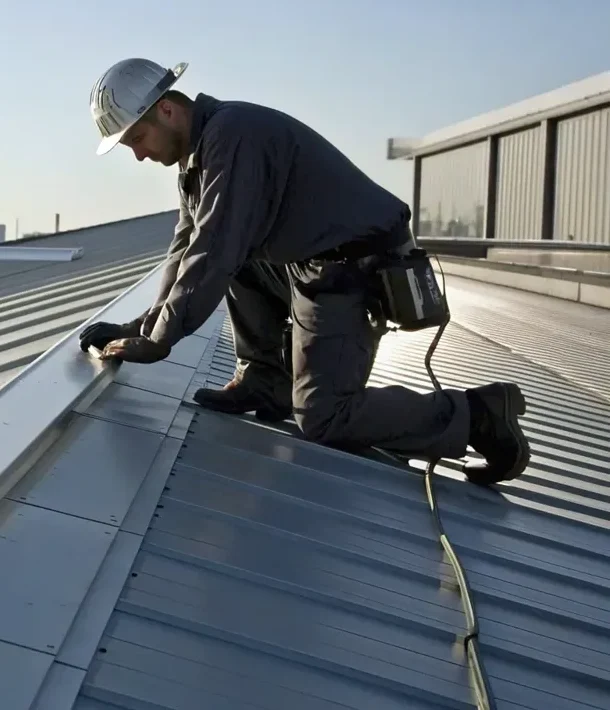
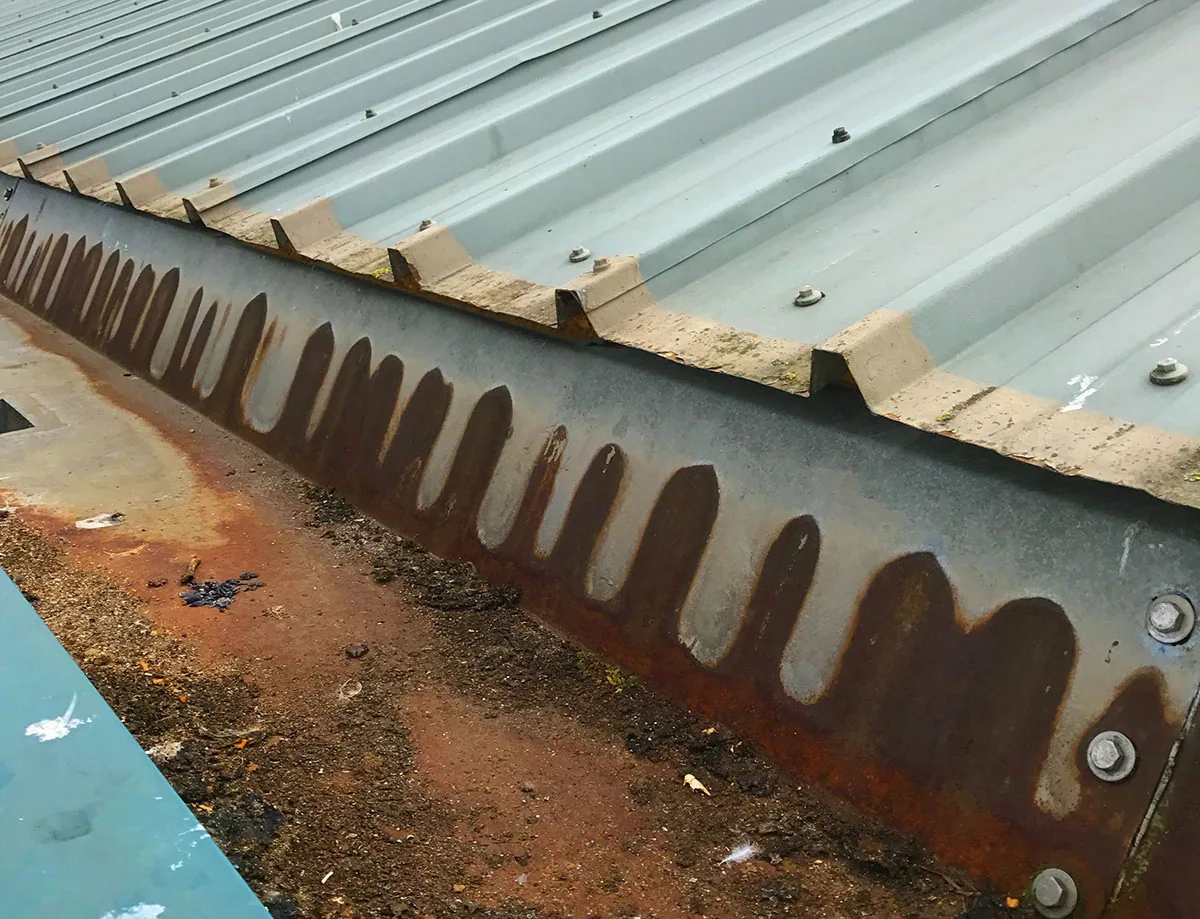
Review perimeter details, membrane field, seams, flashings, drains, overflows, curbs, penetrations, and visible repairs. Record assembly type where identifiable and whether roof levels differ. For each observed defect, state its location, condition, and whether testing was completed. Mark inaccessible areas such as locked hatches, unsafe surfaces, equipment-obstructed zones, or roof sections not included in the approved visit.
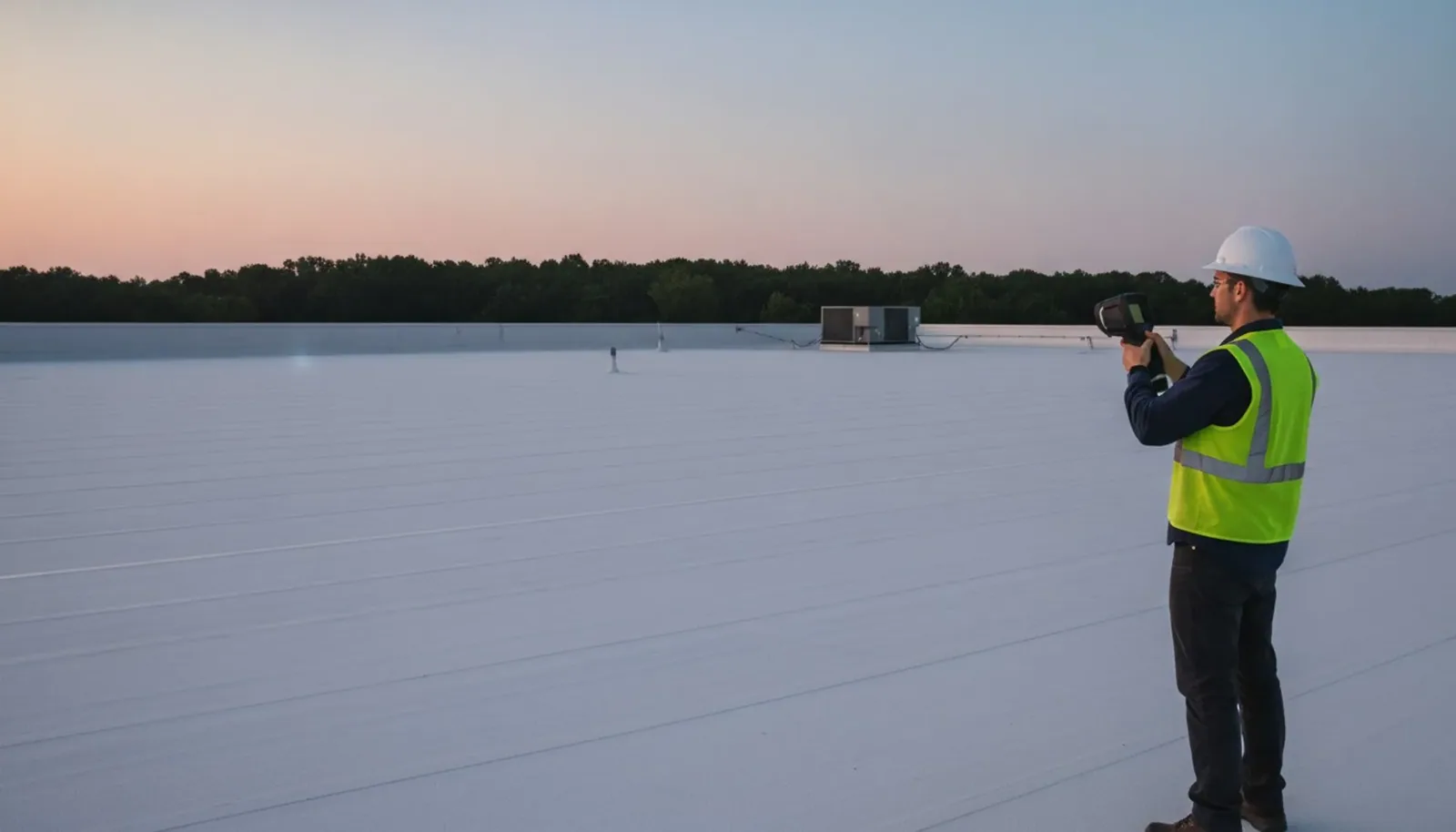
Water stains below the roof can help focus the inspection but do not prove an entry point. Compare them with roof details and use selective testing where appropriate. A commercial roof inspection can establish visible conditions; an infrared moisture survey may help identify suspect areas when the roof construction and conditions support that method. State coverage and limitations so the buyer understands whether further openings or testing are needed.
Account for Lancaster Conditions and Building Context
Fox Field normals put August daytime highs near 98 degrees Fahrenheit and January nighttime lows near 31. Annual precipitation totals about 6.81 inches, with the main wet period from late fall into early spring. Use the seasonal pattern to prioritize drainage, seams, and penetrations during the survey, then tie every recommendation to the inspected assembly.
Lancaster includes industrial areas, business parks, medical uses, and commercial districts. A property in an industrial zone may require different roof access than an office or retail building. The survey should note conditions that affect the inspection or near-term work, such as operating equipment, restricted routes, or multi-tenant access. For a buyer, that mix helps set access questions, while the roof map and observed conditions shape the next decision. Ask the seller to identify which roofs serve separate tenants, whether planned equipment work affects access, and who can authorize testing before closing. Record those answers beside the surveyed zones so the buyer can distinguish a verified condition from an area still awaiting entry.
Separate Defects, Deferred Work, and Unknowns
Organize observations by urgency and evidence. An active leak or open penetration needs attention before ordinary surface wear. A suspected moisture area may require testing; an inaccessible section remains unknown until another visit. A buyer should be able to see which conditions were confirmed, which are recommended for follow-up, and which rely on seller records that were not independently verified.
Estimate repair or replacement scope only to the level supported by the available information. Identify assumptions about insulation, deck, drainage, and removal quantities. A repair review may address one contained defect; a replacement assessment may be appropriate if widespread deterioration appears. A capital planning review can sequence needs after acquisition. Cost estimates should remain separate from physical findings and contingent on further access where needed. Record which assumptions rely on the seller's documents, which came from direct observation, and which require additional testing. That separation gives the buyer a clearer basis for budgeting without presenting an early survey as a final construction design.
Plan Follow-up Before the Transaction Closes
If the survey could not access a roof area, arrange a second visit or state that the condition remains unreviewed. If testing is required, identify the locations, permissions, and repair expectations for openings. A seller or property manager may control access, while the buyer's team may need an escort or equipment shutdown. Coordinate those steps early enough to avoid treating a transaction deadline as proof that the survey is complete.
For occupied buildings, note tenant schedules, loading, security, and rooftop equipment that can constrain work. Lancaster business parks include office and light industrial uses, while North Lancaster includes heavier industrial properties. Those settings may require different staging or operating contacts. A property manager record can help locate service history; a manufacturing facilities review may identify equipment interfaces that should be checked before the buyer finalizes a repair scope.
Deliver a Record the New Owner Can Use
Provide a roof map, condition summary, photos, tested areas, access limits, documents reviewed, and open questions. Label each recommendation by building and roof zone. Keep the survey date visible and note that conditions can change after the inspection, especially if other work occurs before transfer. Avoid stating that the roof is free of defects when portions were hidden or not included in the visit.
At transfer, pair the survey with the seller's repair and maintenance records and identify which work has been completed since the inspection. A roof asset register can carry forward the map and open items; a portfolio program can integrate the new property while preserving its distinct history. The new owner should be able to find the evidence behind each priority without relying on an oral handoff. Keep unresolved access and testing questions on the transfer list.
Questions About Due Diligence Roof Surveys
Transaction schedules can be tight, so buyers need a direct view of what a survey can establish and what remains open. These answers address scope and follow-up.
Commercial Roofing Questions
Does a due diligence survey certify the roof?
No. It records accessible conditions at a specific time and identifies limits. A survey cannot establish the condition of concealed areas that were not tested or opened.
Can a survey estimate the remaining life of the roof?
A reviewer may discuss observed condition and planning considerations, but any life estimate depends on assembly, maintenance, testing, and access. Keep assumptions visible and avoid treating an estimate as a warranty.
What if the seller has no repair records?
List the missing history and increase reliance on direct inspection where access permits. Note conditions that require testing or another visit before the buyer decides on work.
Should the survey include destructive testing?
Only when authorized and useful to a specific decision. Identify the location, method, repair of test openings, and how results will be interpreted before work begins.
Can all buildings on a campus be covered in one visit?
A single visit can include multiple buildings only if each roof is identified and accessible. Separate maps and condition records are needed for roofs with different assemblies or histories.
What should the buyer receive after the survey?
Provide maps, photos, observed findings, records reviewed, testing limits, open areas, repair priorities, and follow-up recommendations. Keep the survey date and its scope clear.