A ceiling stain has a location. The opening above it may be several feet away, along a curb, seam, drain, wall, or roof edge. We trace the water path from the interior symptom back through the assembly before choosing a repair. That means inspecting the roof surface and the layers below it, checking where water can travel, and protecting the occupied space while the cause is confirmed.
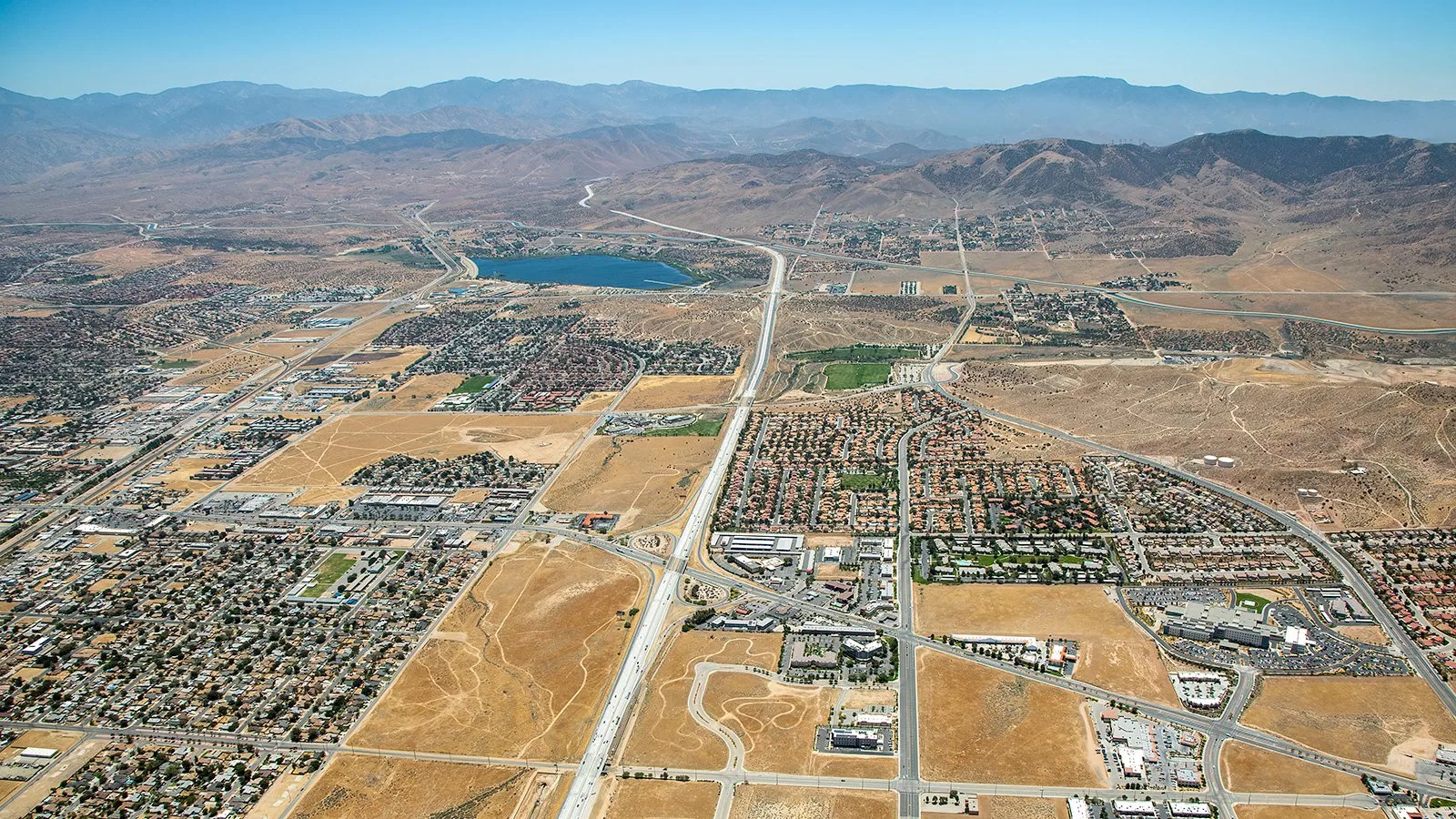
In Lancaster, a dry-looking roof can still hold moisture beneath a membrane after a winter storm. The local NOAA station records 6.81 inches of annual normal precipitation, with most falling between November and March. When water finds a weak transition, it may move under the surface before appearing inside. We can stabilize active water at any hour, then document the permanent repair once conditions are safe. A roof inspection helps when the leak is intermittent or has returned after earlier patching.
Protect the Space Below
First we locate active drips, damp materials, electrical equipment, inventory, and areas where people work. The property contact can help move movable items and isolate equipment if safe to do so. We set a temporary catch or cover where needed, then record the affected rooms and the time the water appeared. That interior map is useful because roof water can travel along a deck flute or structural member before it drops through a ceiling.
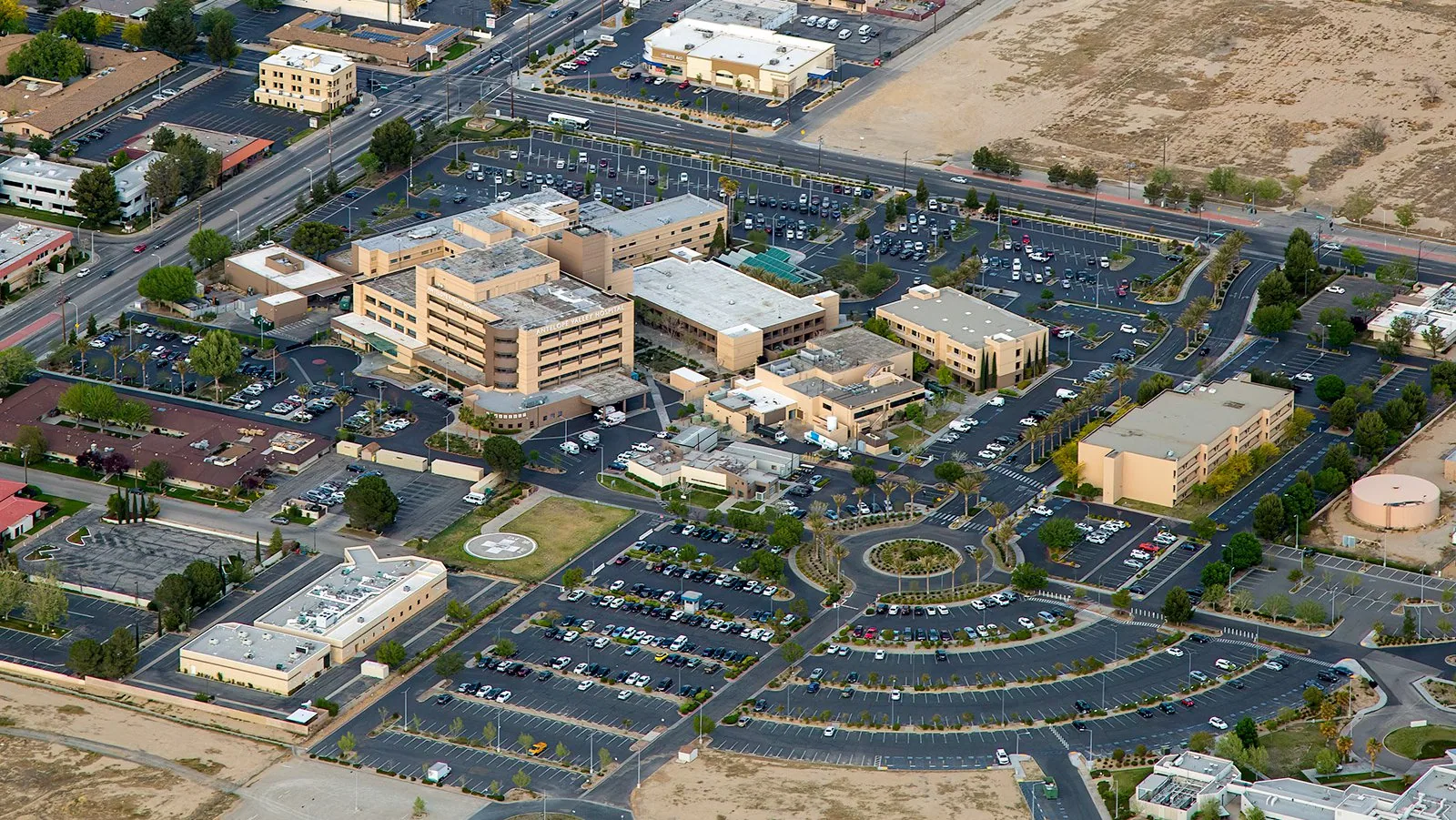
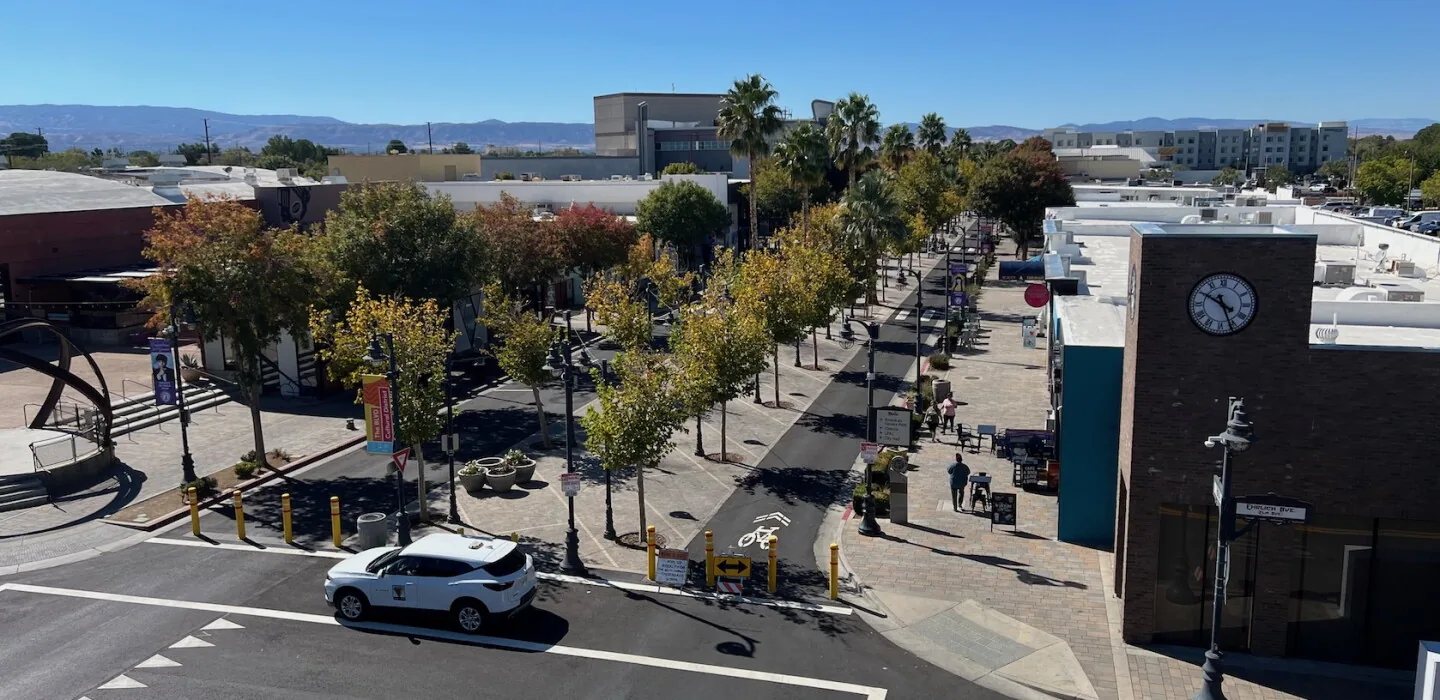
Medical, retail, and office spaces need different controls from an empty storage area. Lancaster’s Health District plan allows medical offices and services along with supporting commercial uses. A repair near a clinic may require clear patient routes, containment, and coordination around ventilation. We identify rooftop intakes and exhausts before applying temporary materials, then explain which areas need to remain clear until the permanent repair is complete. The temporary step limits damage; it is recorded separately from the final roof scope.
Follow the Route Through the Roof
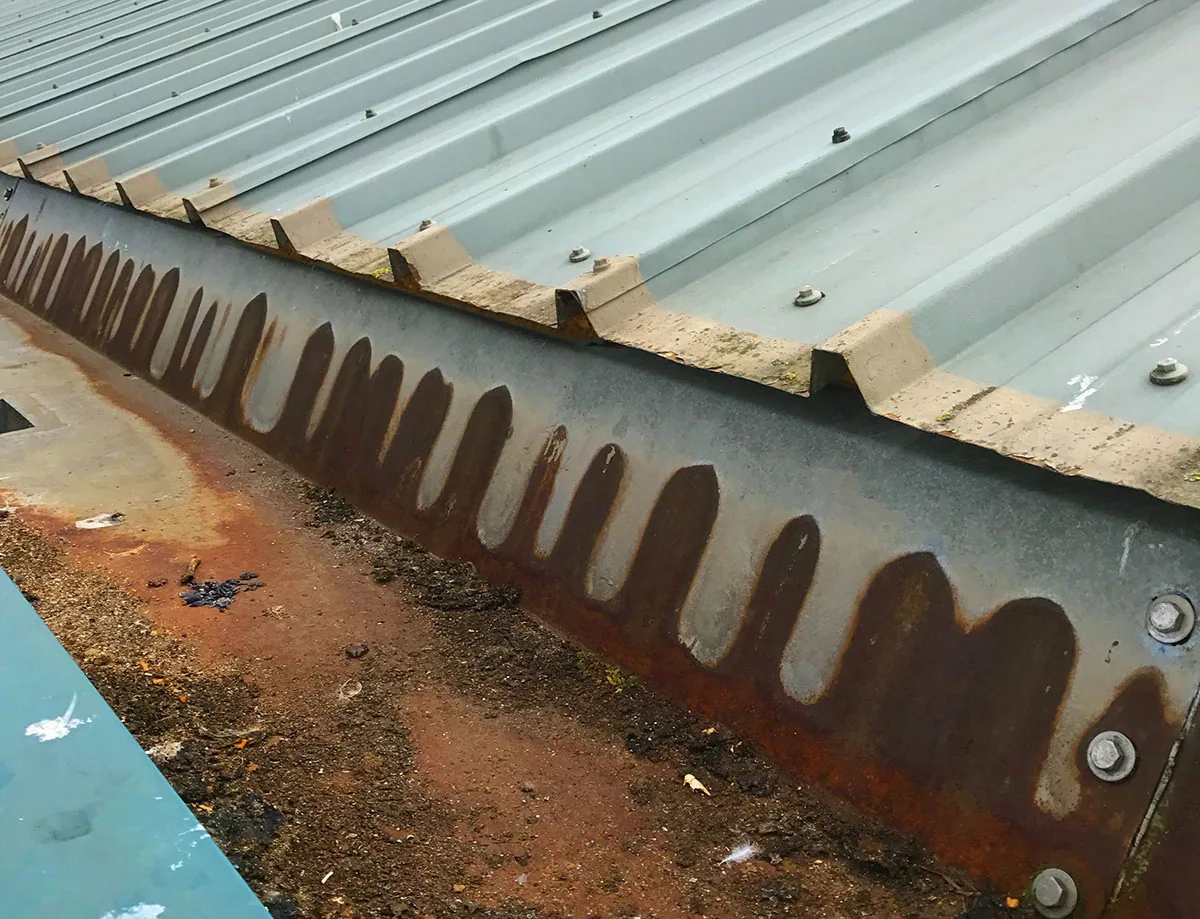
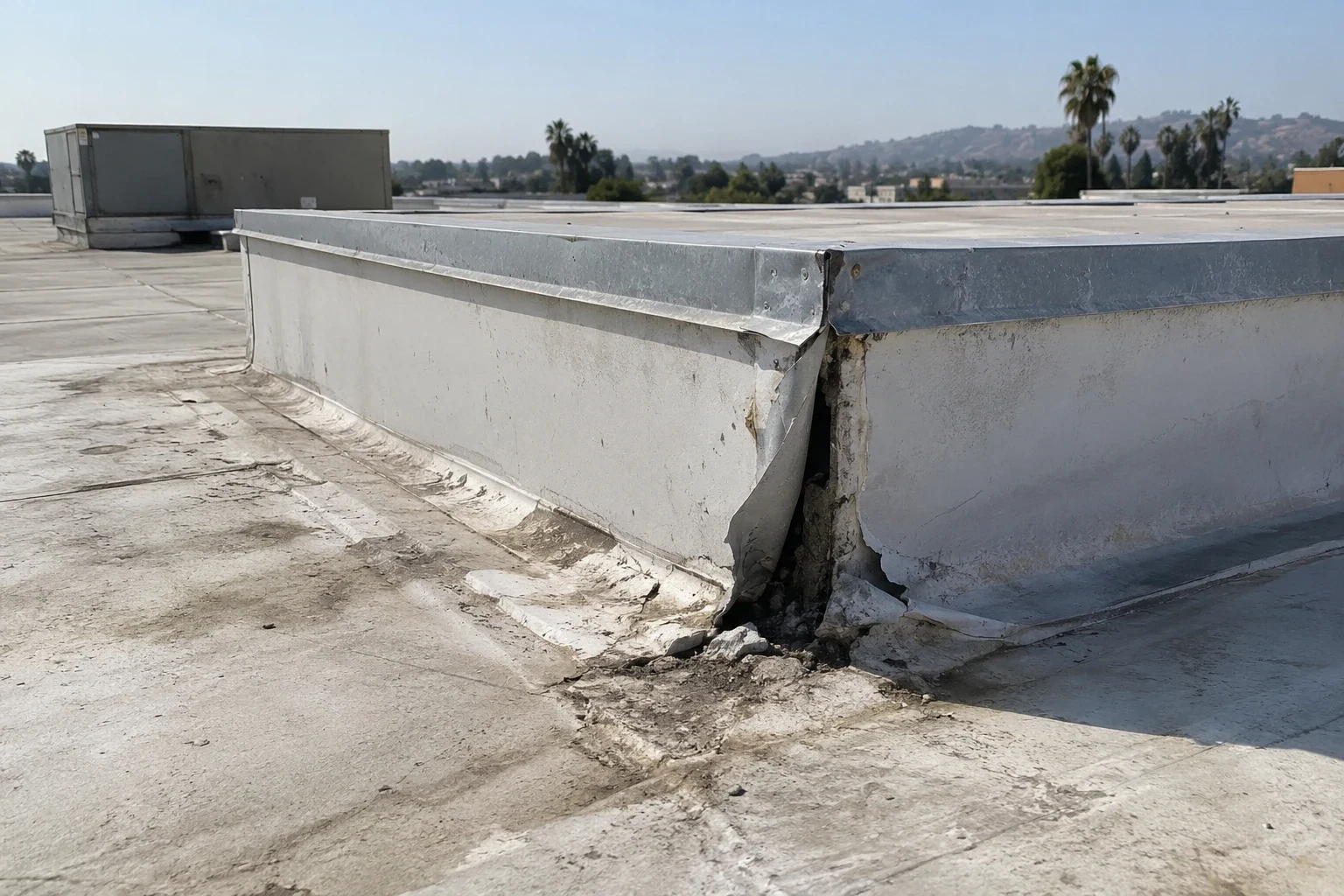
We inspect likely entry points above the interior mark, including open seams, fasteners, penetrations, skylights, parapets, drains, and transitions where one material meets another. We look for movement, failed sealant, punctures, loose flashing, clogged drainage, and repair layers that have pulled away. The surrounding membrane matters. A small opening in a sound field can be localized; a leak beside multiple brittle seams or wet insulation may require a wider repair boundary.
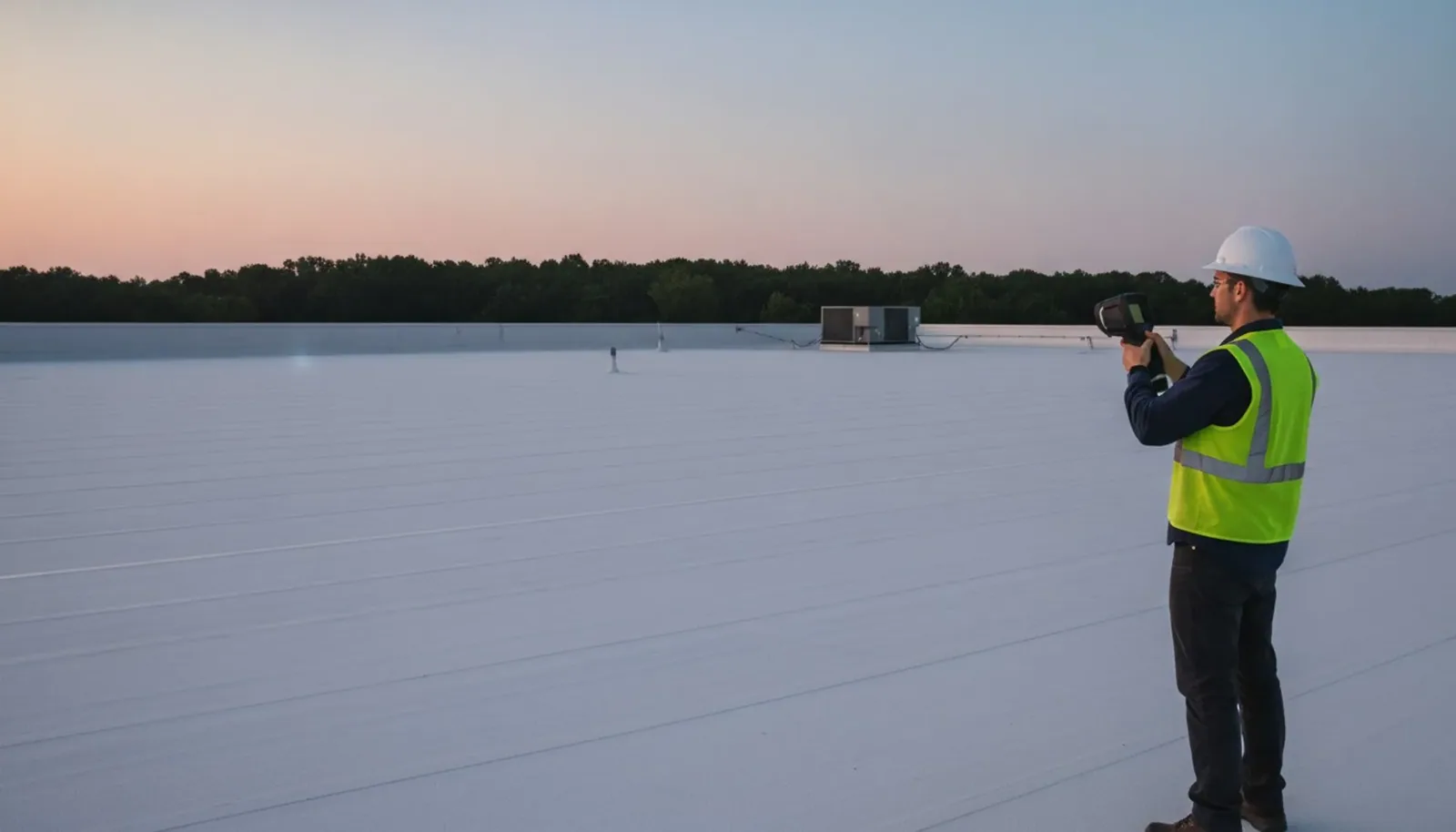
Water testing is used only when it can be controlled without creating a second problem. A section can be tested in stages so the response is tied to a known roof area. For broad or hard-to-access surfaces, an infrared moisture survey can identify patterns for confirmation. We do not infer a hidden condition from a single image. Readings, core samples where appropriate, and visual details are considered together before deciding whether the repair can stop at the surface or must reach the insulation or deck.
Drains and Low Points
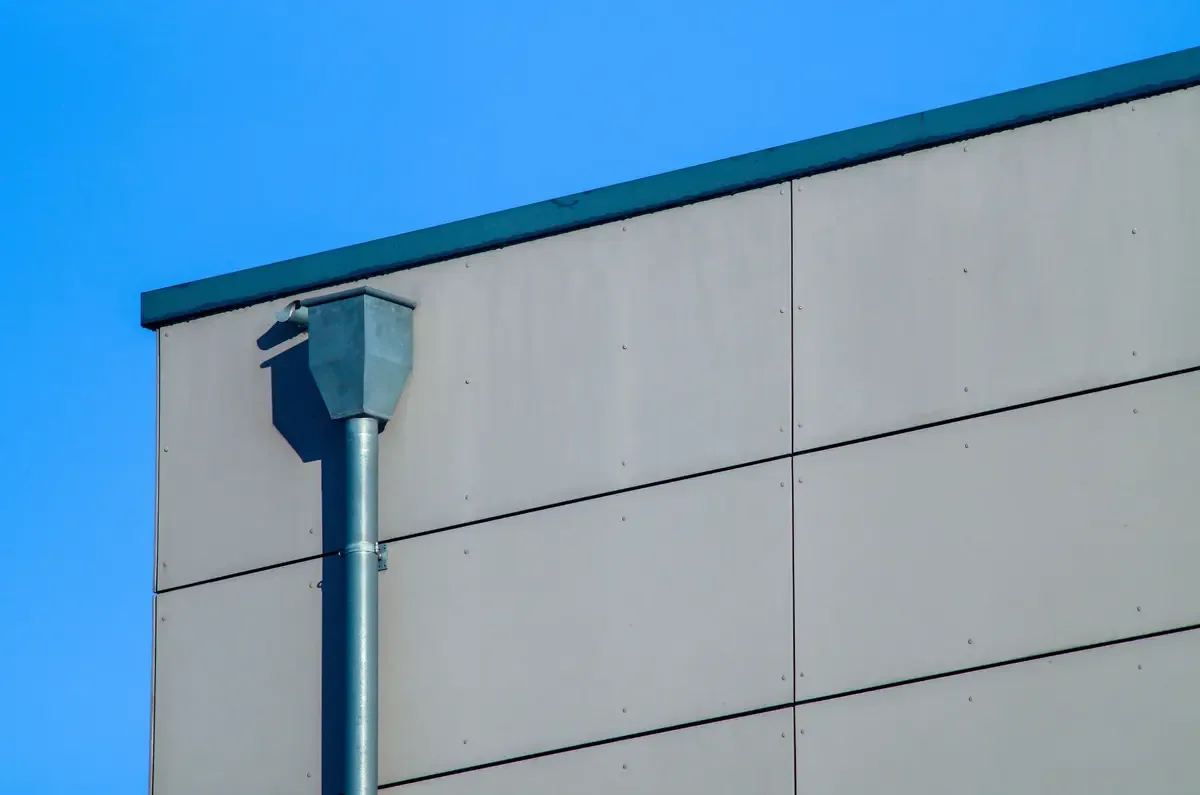
Water at an interior ceiling can begin where a roof drain is blocked or where the slope no longer carries runoff to the outlet. We check strainers, drain bowls, clamping rings, sumps, overflow drains, and scuppers. Debris may be obvious, but the important question is whether water can leave the roof through the intended path. A loose ring or cracked drain connection can leak below the membrane even when the visible surface seems intact.
The repair must preserve drainage after work is finished. If a patch is placed across a low point without correcting the obstruction, water may collect at its edge. We clear the outlet when appropriate, rebuild the detail with compatible flashing, and identify any slope or drain alteration that needs a separate scope. Our drain and scupper repairs can address the outlet while we close the membrane transition. After installation, we inspect the finished path for debris and confirm that the repair did not block the flow line.
Lancaster Roofs and Seasonal Movement
Hot afternoons and cooler nights make the roof assembly move. NOAA’s 1991 to 2020 normals show Lancaster’s January daily minimum near 31 degrees and July daily maximum above 97 degrees. That range matters at seams and flashings where materials meet, particularly when older repairs have hardened or pulled away. We look for a pattern rather than treating each leak as an isolated hole. A repeated failure at several penetrations may point to movement, installation, or substrate conditions that a surface dab will not correct.
Building use informs the access plan. Lancaster Business Park supports manufacturing, wholesaling, offices, research, and trade schools. A leak above a production floor may require interior containment and rapid protection for equipment; a leak above an office may call for quiet work and tenant notice. We coordinate entry, roof access, work timing, and any equipment shutdown with the site contact. The repair scope names those needs alongside material and labor so the property team can prepare the building.
Correct the Detail, Not Just the Stain
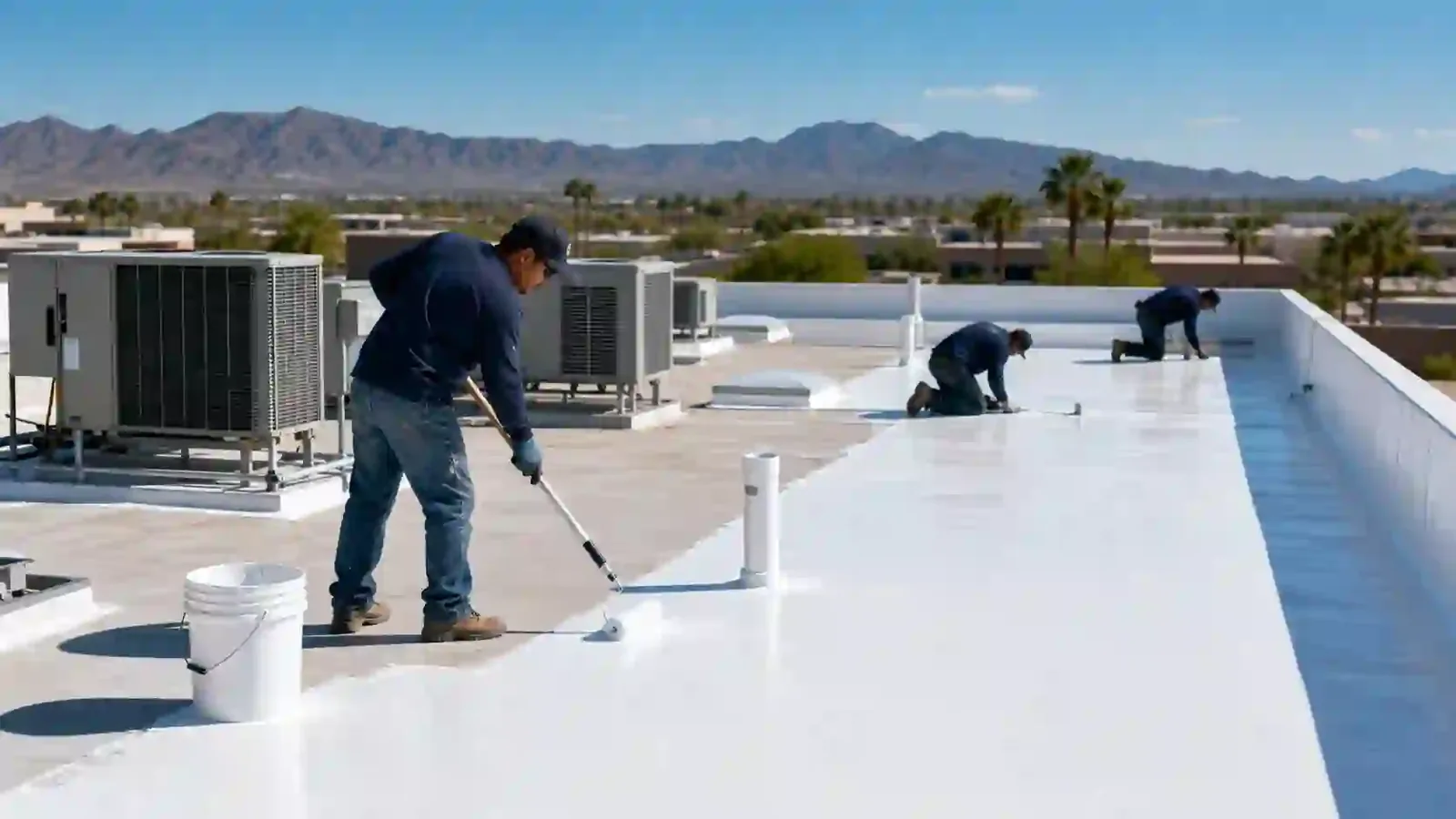
Once the entry path is supported by the evidence, we remove failed material to a sound boundary and install the repair method suited to the existing roof. A membrane patch may be heat-welded, adhered, or mechanically secured depending on the system. A wall or curb may need reinforced flashing and a secure termination. Metal roofs require attention to fasteners, panel laps, and movement details. Where the substrate is wet, we remove the affected material rather than trapping it beneath a new surface.
The completed work is checked at the seam, corners, and edges, with photographs showing the repair and nearby conditions. If the original failure came from a larger wet area, we document the removal and replacement extent. When a leak has damaged more than one roof component, the scope can combine flashing repair with a seam repair or skylight flashing work. That keeps each part of the water path visible in the record.
Track Recurring Leaks
A repair record should show the initial symptom, likely entry route, materials removed, new detail, and any condition left for follow-up. If water returns, those observations make the next visit more precise. We compare the new location and timing with the prior event, then inspect adjacent seams, penetrations, and roof sections before repeating a patch. If moisture has spread into the assembly, a broader survey may be more useful than another isolated repair.
For properties with multiple roof zones, we can organize conditions by section and priority. The owner can see which issue was stabilized, which received permanent repair, and what remains under observation. A recurring problem near Enterprise Business Park’s office, light-industrial, or retail buildings may also depend on equipment service and tenant activity, so we include access coordination in the record. Condition reports and a multi-site roof program keep repair history usable across a portfolio.
Commercial Roofing Questions
Can you stop a leak before you know the exact roof opening?
We can limit active water with temporary protection while the inspection continues. The permanent repair is defined after we can connect a roof condition with the interior symptom and confirm a workable repair boundary.
Why does water show up away from the roof opening?
Deck flutes, framing, insulation joints, and other layers can carry water laterally. We inspect the route and compare roof observations with the room where moisture appeared before selecting a repair point.
Do you need to remove insulation to repair a leak?
The assembly condition decides that. If testing shows dry, stable insulation, a surface repair may be sufficient. Wet or deteriorated material is removed to a sound edge before the roof is closed again.
What happens if the leak comes back?
We compare the repeat location and timing with the prior repair record, then inspect adjoining details and moisture conditions. A recurring pattern may call for a wider investigation or replacement evaluation rather than another surface patch.