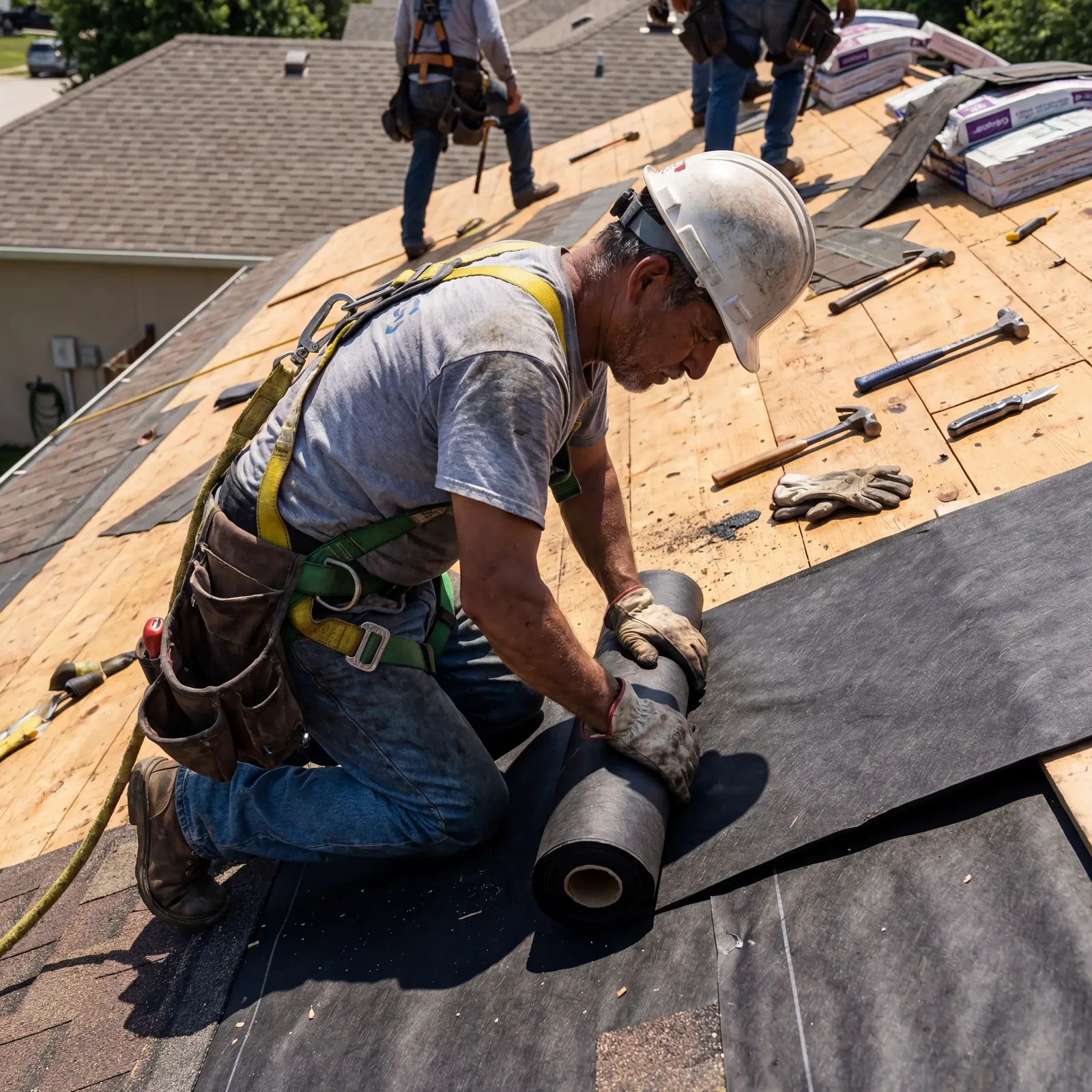
A roof opening interrupts the membrane, so its curb, flashing, and termination must work as one detail. A leak near a skylight or pipe can come from a split corner, loose counterflashing, failed sealant, or water traveling from another section. We inspect the opening and surrounding roof before selecting a repair, then connect the new flashing to sound material with a boundary the owner can see.

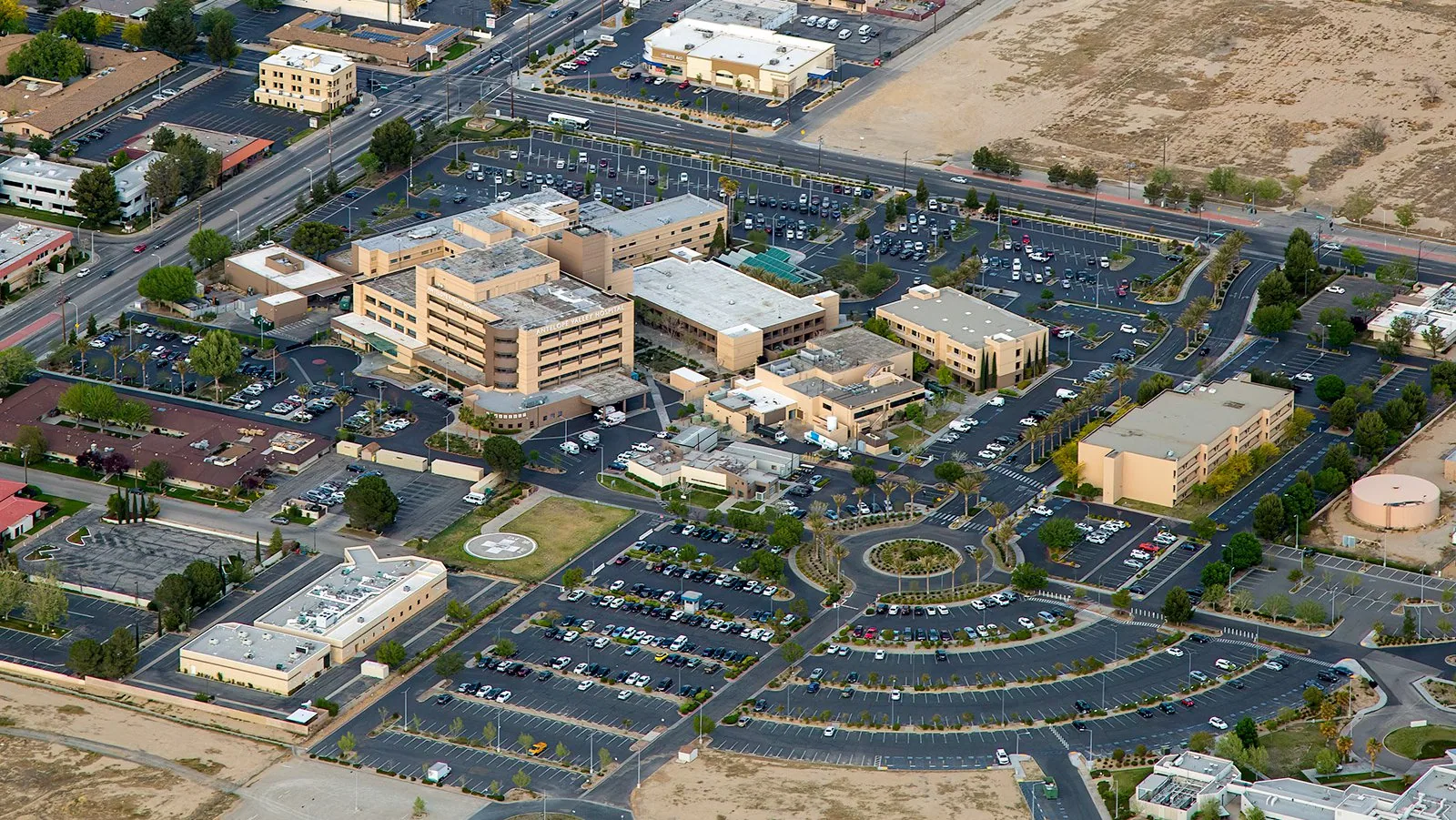
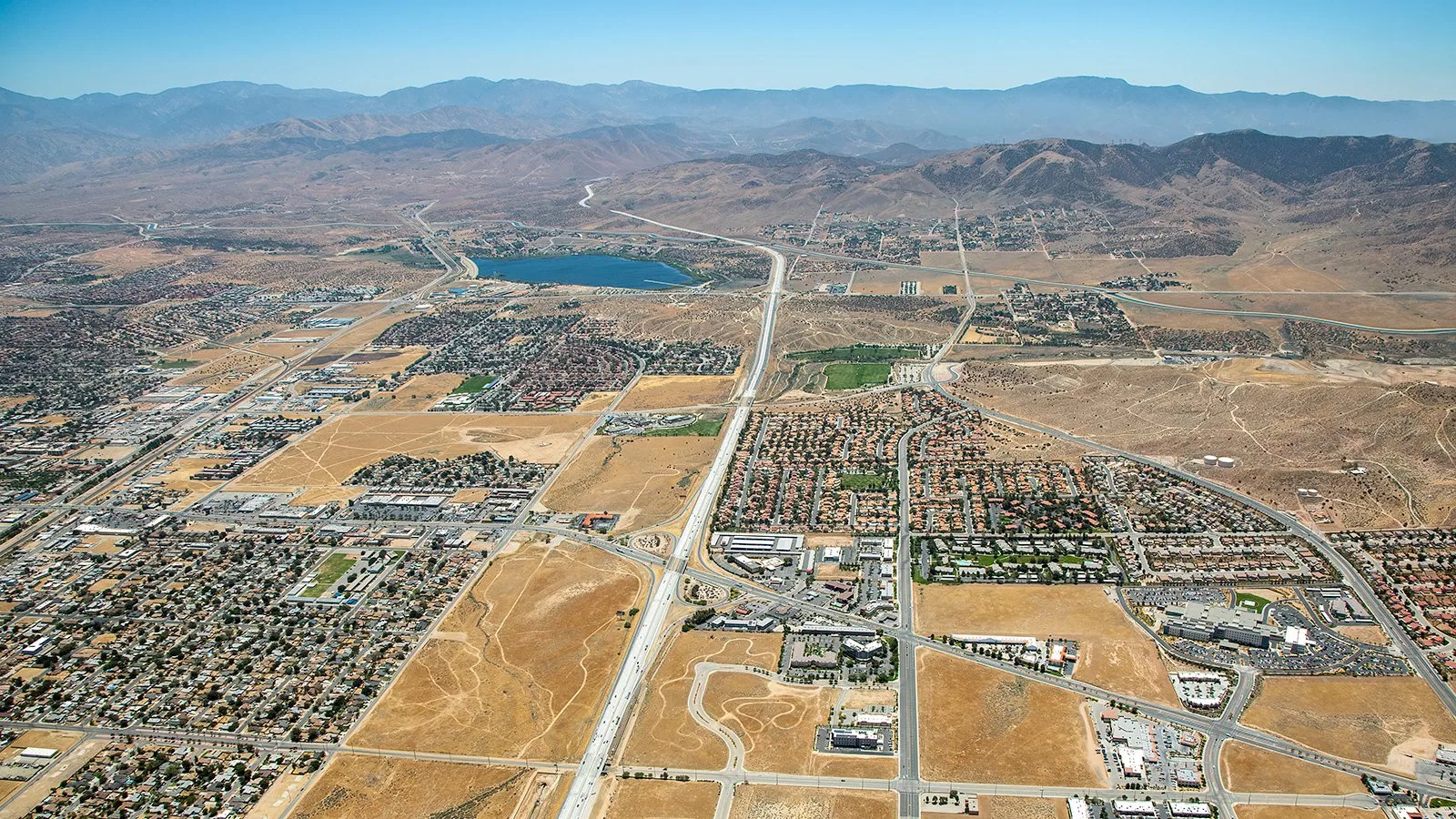
Lancaster has distinct office, retail, medical, and industrial settings. The Lancaster Health District includes medical offices and related services, so clinic operations can affect interior protection. At Lancaster Business Park, light manufacturing and trade-school uses can mean dense equipment layouts. We coordinate roof work around the building and document each penetration so the repair does not become a sealant-only patch over a larger issue.
Check the Curb Before Sealing the Joint
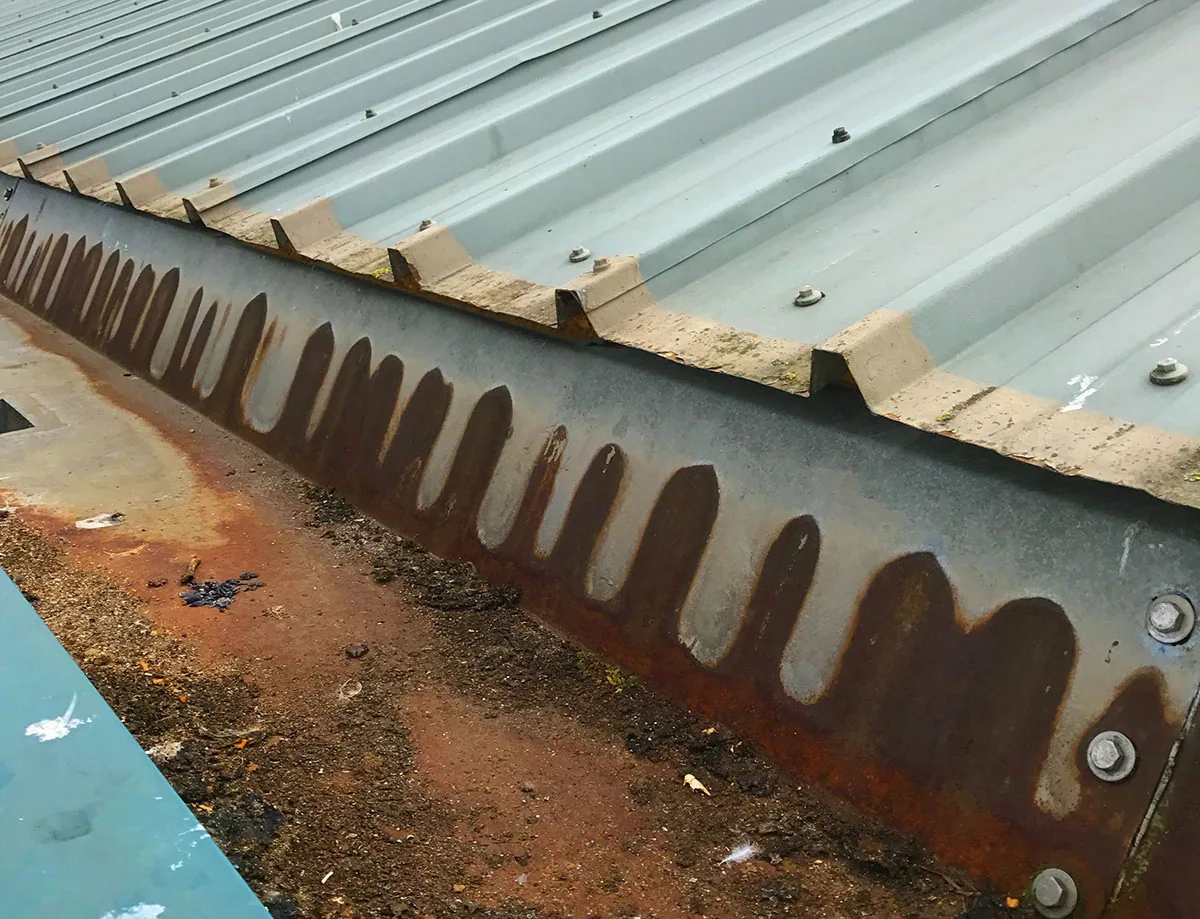
At a skylight or rooftop unit, we inspect curb height, corners, membrane turn-up, counterflashing, and roof-field transitions. We look for split sealant, open seams, loose metal, soft blocking, and membrane pulled from the curb. If the curb moves or has deteriorated, covering its joint will not restore a stable connection.
At a skylight frame, we check the curb connection, lifted flashing, and drainage around the unit. If glass or a dome has cracked, we coordinate with a glazing contractor while restoring the roof-to-curb detail. Water can travel along the curb before appearing inside, so we compare the leak location with each side of the opening.
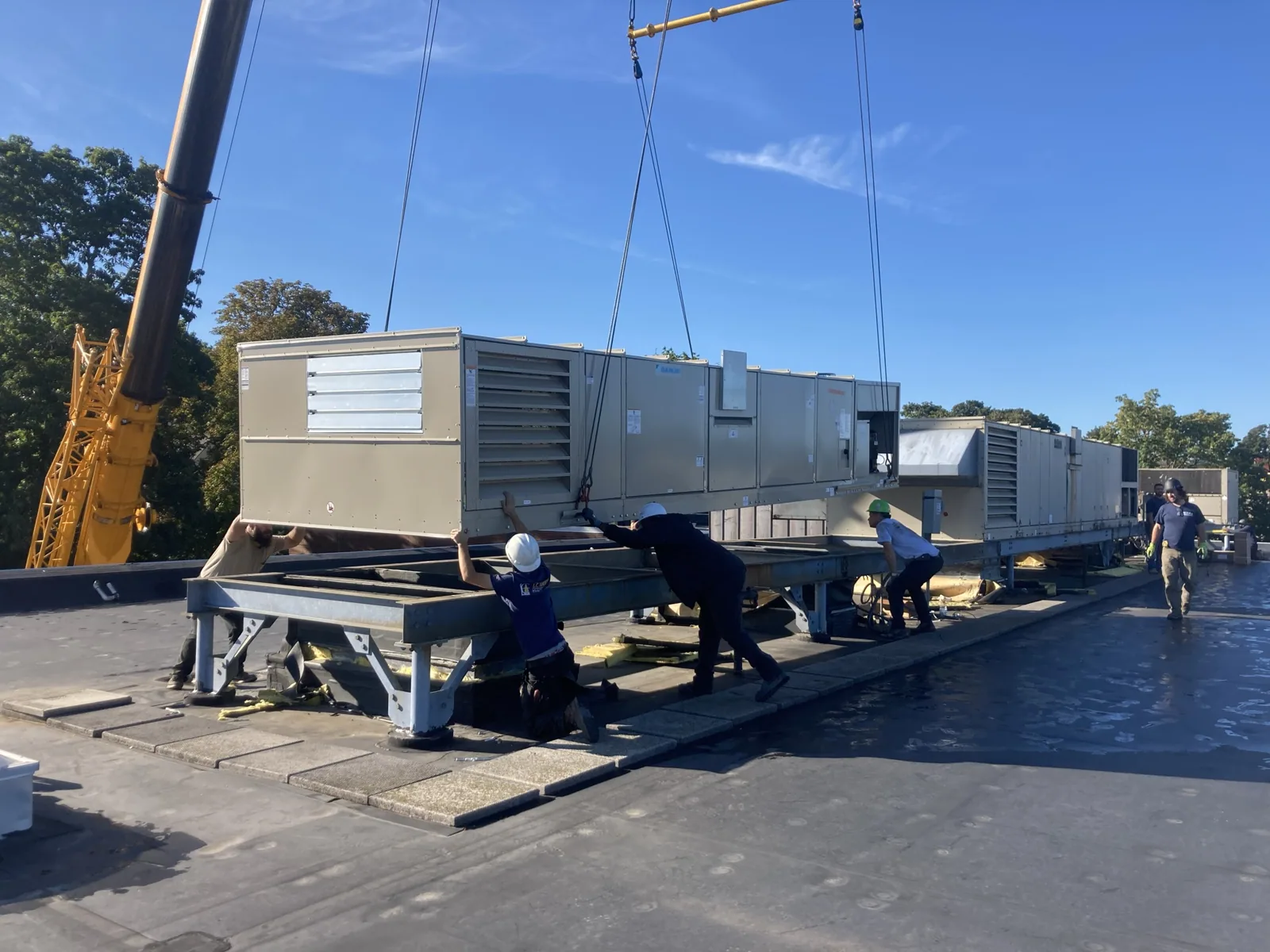
Vibration and service work can disturb equipment-curb fasteners or flashing. We inspect nearby piping and supports, asking whether a recent unit replacement changed the curb dimensions. Our equipment curb and support service can address a wider assembly.
Restore Pipe Boots and Tight Transitions
Pipes, conduits, vents, and supports need flashing that fits the opening and suits the roof. We check the boot, clamp, flange, weld, and surrounding membrane. A split boot may let water down the pipe; a patch at the base can fail if the membrane is wet or the opening moves. We prepare a sound surface and install a compatible detail.
Crowded penetrations make later inspection difficult. We map each one and note whether service access leaves room to check flashing. If a pipe is abandoned, the owner should decide whether to remove it and close the deck before the roof patch is installed. A cap alone does not seal the roof termination.
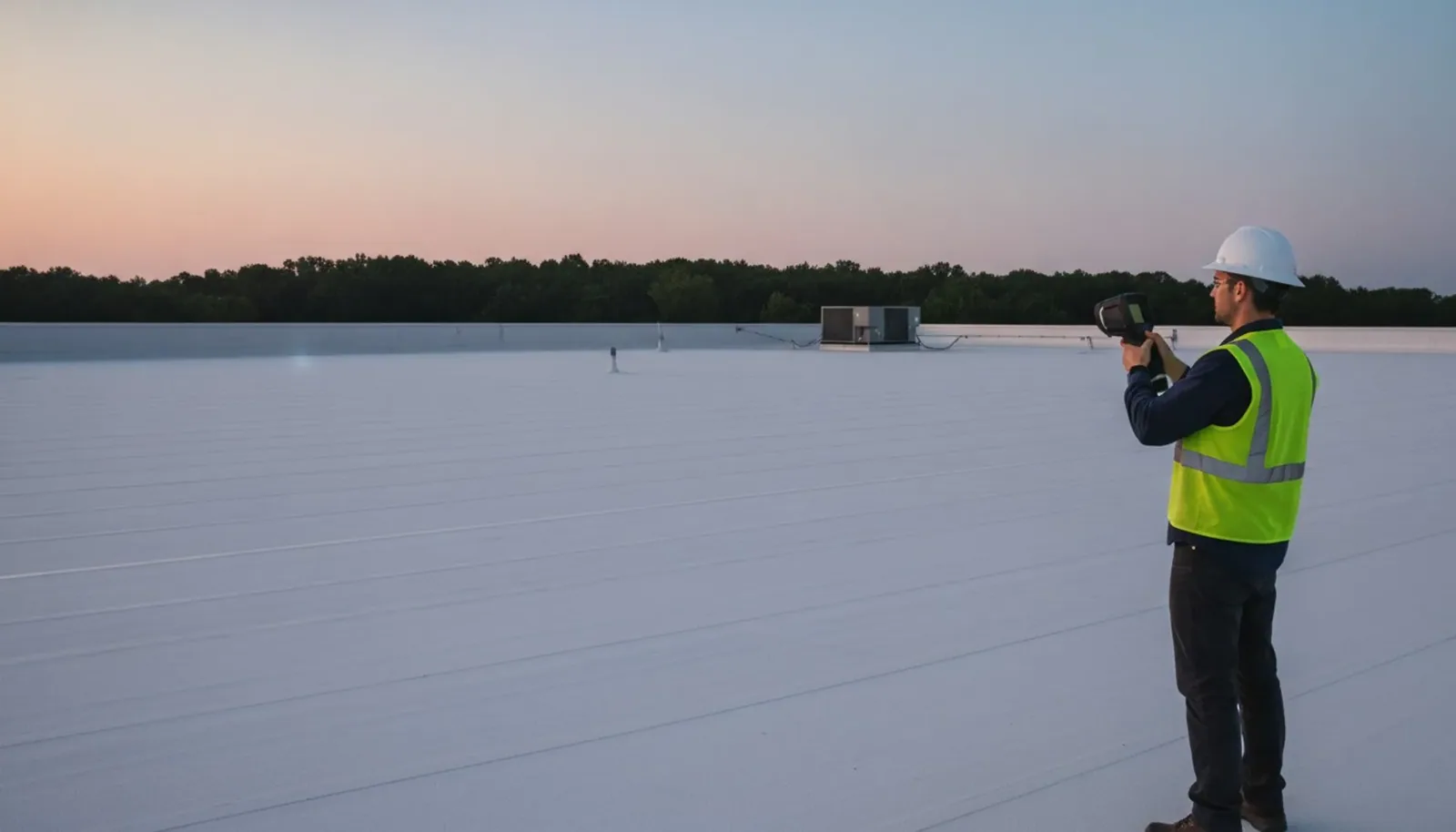
Where the path is unclear, an inspection compares roof and interior evidence. An infrared survey with targeted tests can check whether hidden moisture extends beyond the opening.
We also record the penetration type, approximate curb or pipe dimensions, membrane family, and nearby drainage direction. Those details help the estimator specify compatible materials and let the maintenance team revisit the same opening without confusing it with another unit. When the roof has several similar curbs, each receives a distinct label tied to a plan or photograph.
Match the Repair to the Membrane
The flashing method follows the roof. Thermoplastic membranes may use a welded curb detail; EPDM, modified bitumen, built-up, and metal require different preparation. We identify the assembly and review records before choosing primers, adhesives, reinforcement, or metal. If an old coating or patch makes adhesion uncertain, we test a small area first.
The new flashing must reach the required height, turn securely at each corner, and terminate without exposed cuts. We remove loose material to a sound substrate and tie into dry membrane. If water has reached insulation or cover board, that layer may need removal before restoring the opening.
NOAA climate normals for William J. Fox Field list January's average daily low at 31.3 degrees and July's at 67.2 degrees. That seasonal movement informs our review of exposed curb edges, but the selected transition still depends on the roof assembly and measured condition.
Trace Water Beyond the Opening
A wet ceiling below a skylight does not prove that the frame is the entry point. Water can travel across the membrane or reach the curb from a nearby drain. We inspect upslope transitions and compare the roof with the interior pattern first. If water is active, emergency protection can limit exposure during the investigation.
We note whether a leak appears during rain, after equipment runs, or when a building is washed. Condensation at a skylight or pipe can resemble roof leakage, so we compare timing with surface conditions. When evidence points to different causes, we keep the observations separate until testing clarifies the path.
For a medical-office roof, we agree on room access, ceiling protection, and any temporary interruption before opening a detail. We close the work area at each shift and record surfaces that remained inaccessible, so the owner can distinguish inspected conditions from assumptions.
Set a Repair Scope the Facility Can Schedule
The scope identifies each opening, visible failure, material removal, replacement flashing, and tie-in area. It states whether work includes a frame, curb, boot, counterflashing, or adjacent membrane. If concealed deterioration changes the work after opening, we photograph it and confirm added scope with the owner.
Access may require a shutdown, escort, interior protection, or coordination with a glazing or HVAC contractor. At Lancaster Business Park, light-manufacturing and office operations may have different work windows. We plan around hatches, equipment routes, tenant areas, and air intakes, then identify needed interior protection.
If several penetrations fail, we group them by system and location. A maintenance program can document other curbs for follow-up. A replacement evaluation may fit if the field membrane and multiple transitions deteriorated together.
Photograph the Finished Transition
After repair, we photograph curb corners, boots, clamps, membrane tie-ins, and the adjacent roof. The record shows which openings were addressed and whether a related detail remains. We check that temporary materials are removed, drains remain clear, and equipment access is practical.
For a recurring leak, the photographs give the next inspection a starting point. If water returns, the owner can compare the same opening and transitions with the prior record. Roof condition reports keep images and open items with maintenance history.
Schedule an assessment when a skylight, pipe, vent, or curb leaks or shows loose flashing. We will inspect the opening, trace the water path, and define a repair that fits the roof.
Commercial Roofing Questions
Can you stop a skylight leak with new sealant?
Sealant may close a compatible joint, but the leak could come from the curb, frame, membrane tie-in, or another roof detail. We inspect the whole opening and its surrounding flow path before recommending material.
Do you repair the skylight itself or the roof around it?
We restore the roof-to-curb and membrane transitions. If the glazing or frame is damaged, we coordinate that portion with the appropriate glazing contractor and make the roof connection part of the scope.
What if water appears below a pipe penetration?
We inspect the boot, clamp, flange, membrane, and nearby roof details, then compare them with the interior pattern. Water can travel before it reaches the ceiling, so the pipe may not be the entry point.
Can a new HVAC unit cause a roof leak?
Unit replacement can disturb a curb or flashing, but we verify the condition before assigning a cause. We inspect the curb dimensions, nearby piping, repair history, and the membrane transition.
Will the repair require shutting down equipment?
That depends on the access route and the penetration being repaired. We identify any necessary interruption before work and coordinate it with the facility contact or mechanical contractor.