A rooftop unit can run normally while its curb connection starts to move. Vibration, service access, and heat cycling load the curb, fasteners, flashing, and nearby membrane as one assembly. We inspect those parts together, looking for loose attachment, split corners, compressed supports, and water paths that extend beyond the equipment footprint. The repair scope follows the condition at the roof plane, not the appearance of the unit alone.
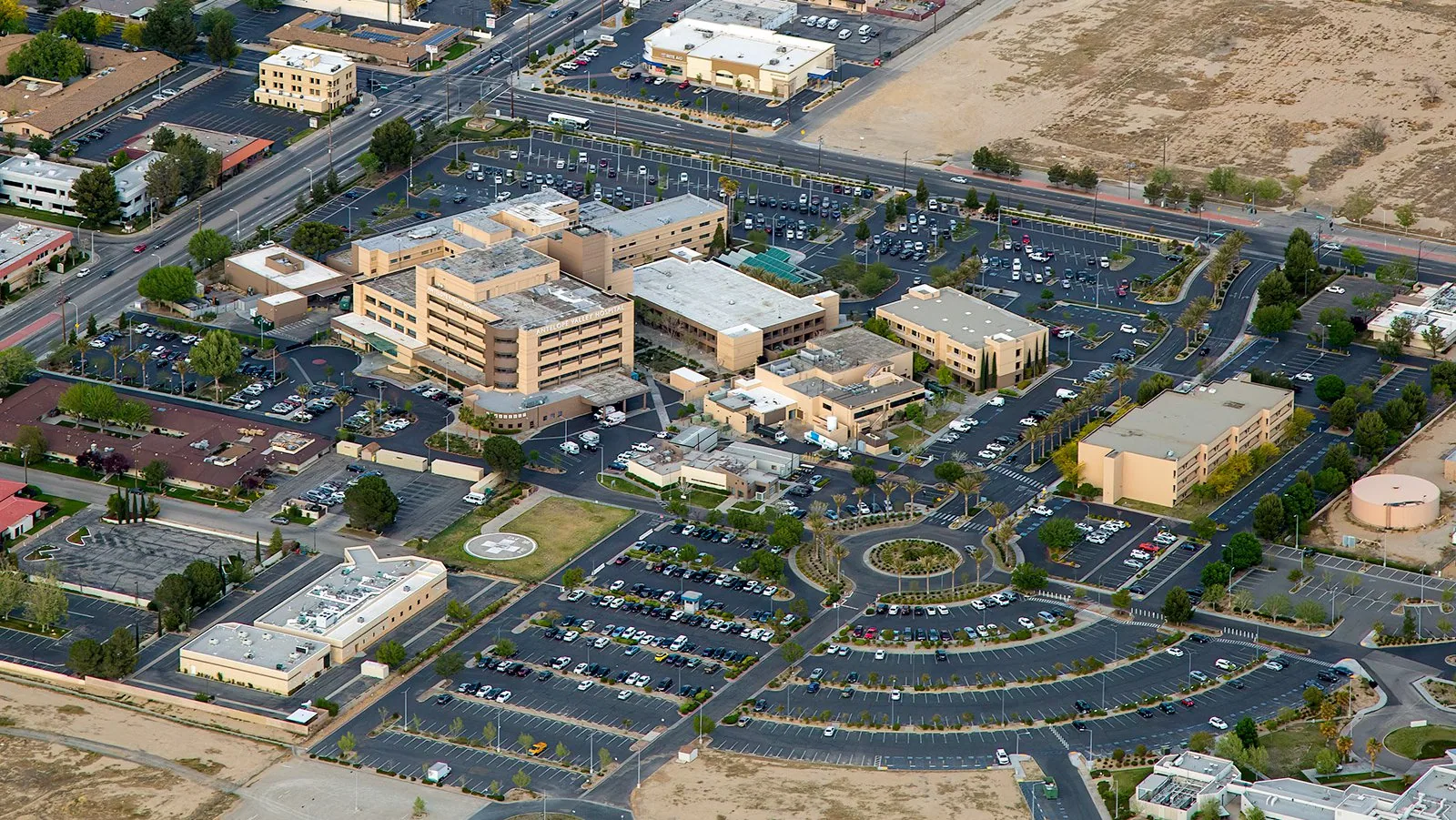
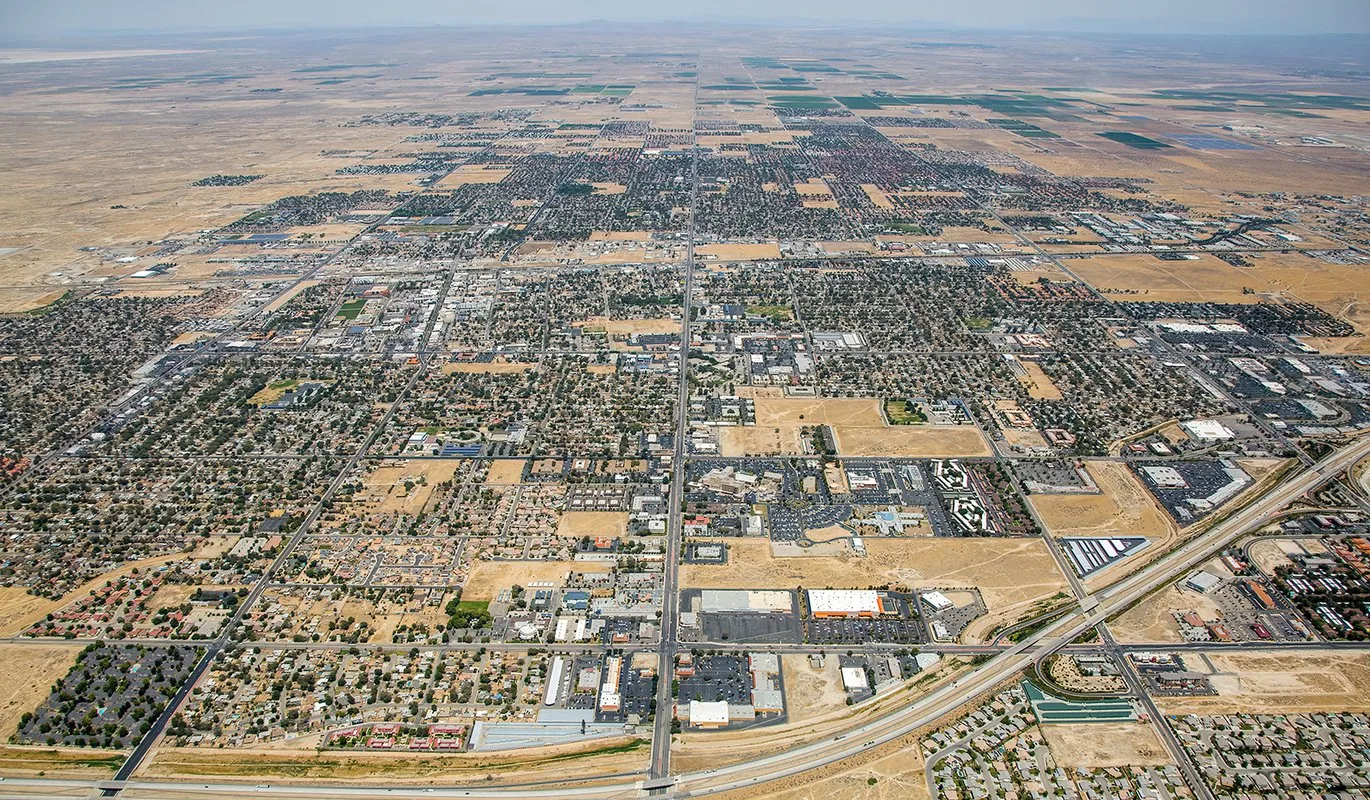
Lancaster’s commercial plans include medical uses in the Lancaster Health District and industrial uses near Fox Field. The city’s Lancaster Business Park inventory also includes office and light-industrial properties. Those buildings can have different unit layouts and service routes. Summer temperatures at the William J. Fox Field station average a 97.8-degree high in August, which puts exposed flashing and sealants through a demanding heat cycle. We note roof access and equipment operation before work, then document which curbs and supports were checked.
Inspect the Curb as a Roof Transition
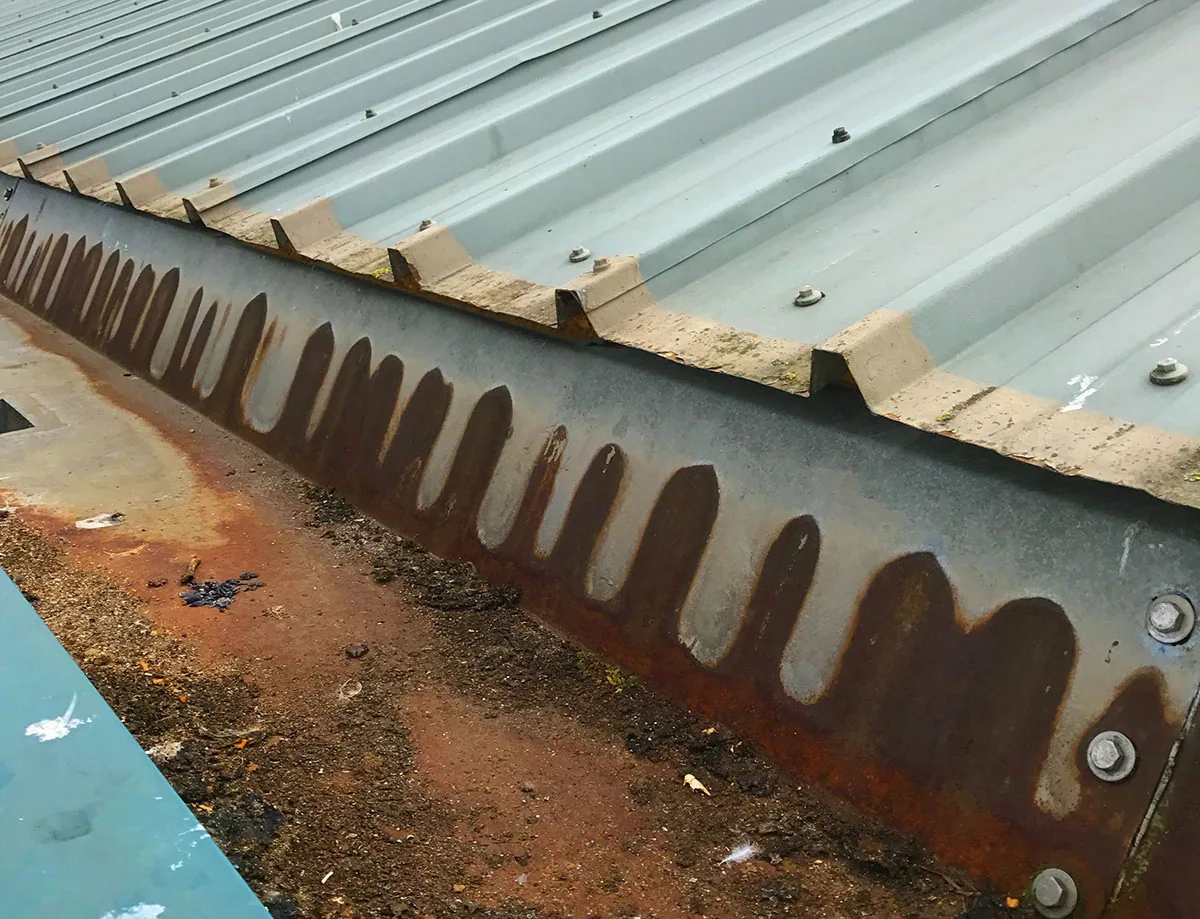
At each unit, we check curb dimensions, attachment, corner condition, membrane turn-up, counterflashing, and the roof field around the perimeter. A low curb, loose wood nailer, corroded metal, or fastener movement can leave the flashing carrying stress it was not meant to absorb. If a recent replacement changed the unit footprint, the old curb may no longer suit the equipment or the roof detail. We record what is visible before recommending a repair.
Water can travel below a curb edge before appearing inside, so we compare the leak pattern with upslope seams, drains, and nearby penetrations. A wet ceiling does not identify the entry point by itself. We look for staining, soft cover board, displaced membrane, and previous patches, then distinguish the confirmed failure from areas that need testing. When the path remains uncertain, a hands-on commercial roof inspection can connect roof observations with the interior report.
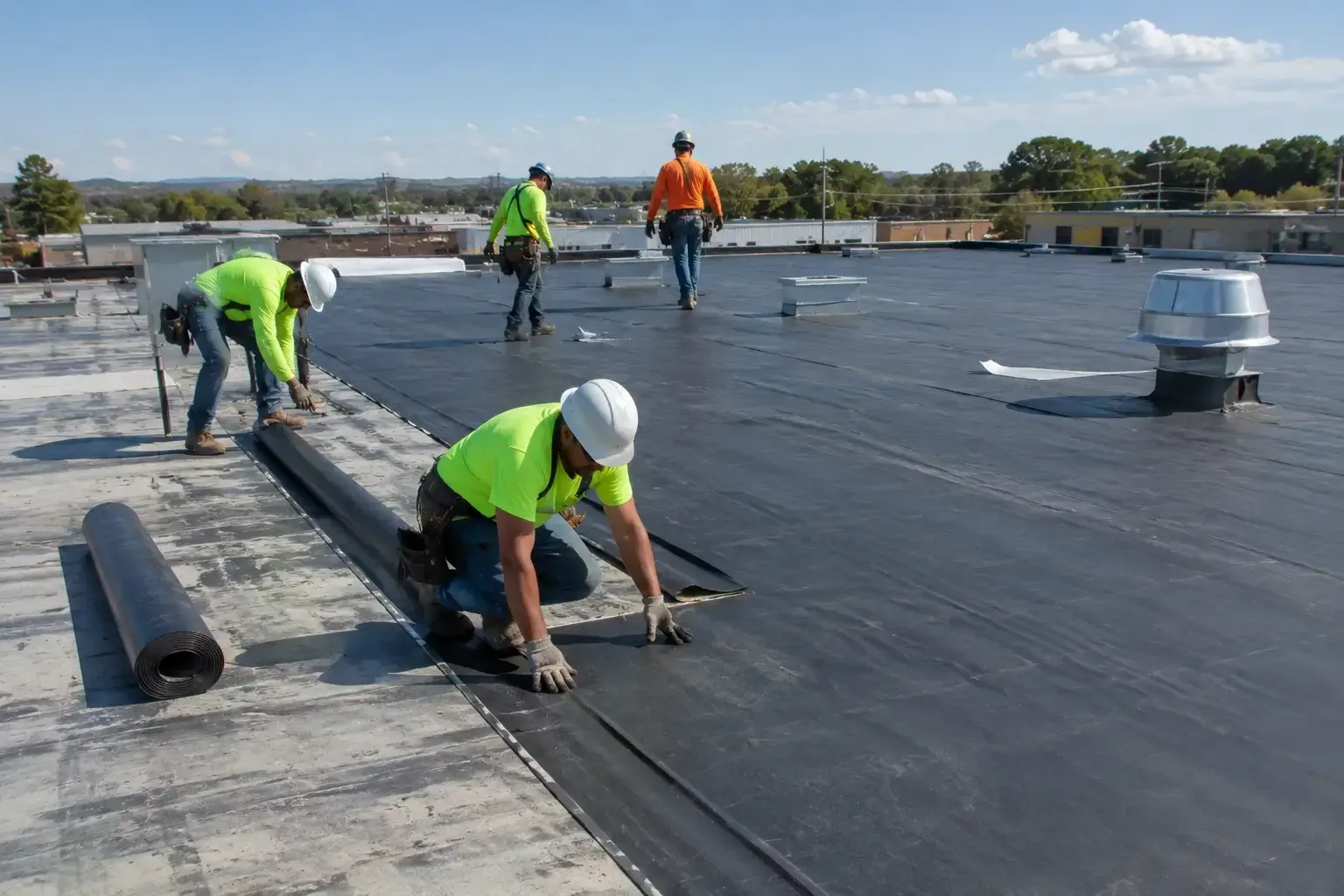
For a damaged flashing corner with sound curb and roof layers, we may remove the affected detail and tie new membrane into a prepared surface. When the curb or support itself moves, replacing only the top seal can leave the underlying cause in place. The scope identifies whether work includes metal, blocking, fasteners, membrane, or coordination with the mechanical contractor.
Check How Supports Meet the Deck
Pipe stands, conduit supports, and equipment rails need a stable load path that does not cut or abrade the roof. We inspect the support base, attachment, isolation pad, and surrounding membrane for movement, rust, cracking, or concentrated pressure. A support that rocks under normal service can fatigue its flashing. Adding a patch around the base will not correct a loose connection below it, so we identify whether the repair belongs to the roofer, mechanical contractor, or both.
Support spacing and location should leave room for drainage and future inspection. We note whether a pipe sags between stands, a clamp has shifted, or a service route forces repeated foot traffic across a seam. Where adjustment is needed, the trade responsible for the piping confirms that the line can be lifted or repositioned without strain. Our penetration flashing work addresses the roof connection after the support layout is resolved.
At industrial properties around the Fox Field industrial corridor, equipment can sit among multiple service lines and roof additions. We label the affected supports on photographs or a roof sketch so follow-up work returns to the same assemblies. The plan helps facilities distinguish an isolated base repair from a broader access or piping issue.
Coordinate Roofing With Mechanical Service
Before work, we confirm which units must remain on, who controls shutdowns, and whether a mechanical technician needs to disconnect lines or remove equipment. We protect intakes from dust and debris, keep temporary openings controlled, and agree on a safe access path. A replacement curb or unit transition can affect curb height, duct connection, electrical conduit, and roof drainage. The estimate states which trade performs each task so the sequence is clear.
The Health District’s plan permits medical offices and related uses. For a clinic or diagnostic office, we coordinate noisy work and interior protection with the building contact, accounting for occupied rooms and sensitive equipment. In a production building, a different schedule may be possible, but access still needs to respect loading and active operations. We define the work window before mobilizing rather than assume every roof can be treated the same way.
When equipment replacement and roof work happen together, we review the curb detail before the new unit arrives. That allows the roofer and mechanical contractor to check dimensions, support needs, flashing height, and the order of installation. If the existing roof condition points to a larger project, an occupied-building reroof plan can address access, phasing, and weather protection across the property.
Separate a Flashing Repair From a Curb Replacement
A curb can remain when it is firmly attached, dimensionally suitable, and free of deterioration at the connection. In that case, we can prepare its surface and restore the membrane and metal details around it. Replacement is more appropriate when the curb is distorted, too low for the assembly, damaged at the corners, or incompatible with the new equipment footprint. We compare both options with the surrounding membrane and insulation condition.
If moisture extends beyond the curb, the work may include removing saturated board or restoring a wider section of membrane. We mark the repair boundary and describe what would trigger added scope after opening. A targeted infrared survey can help locate possible wet areas on a large roof, followed by physical checks that confirm the layers. This helps avoid treating a thermal pattern as proof of concealed damage.
We write the scope in observable terms: which curb, which side, which support, what material is removed, and how the tie-in closes. The owner can compare the proposed repair with unit-replacement timing and maintenance needs. Photo-based condition records keep completed transitions and open items attached to the roof history.
Leave the Service Path Inspectable
After repair, we photograph curb corners, support bases, clamps, membrane laps, and nearby drainage. We check that fasteners are set, temporary protection is removed, and the mechanical contractor can reach the equipment without stepping on vulnerable seams. If a support remains scheduled for adjustment, the closeout record identifies it as an open item instead of implying the assembly is complete.
Preventive checks can find loose pads, displaced clamps, or fresh sealant splits before water reaches the interior. During a roof maintenance visit, we can compare current photos with prior work and identify movement at the same supports. Lancaster roofs experience hot summer exposure; inspecting the curb perimeter after that season can show whether joints or attachments shifted.
Schedule an assessment when a unit change, recurring leak, or loose pipe support affects the roof. Send equipment plans and prior repair notes if available. We will check the roof connection, identify the trades required, and provide a scope that reflects the curb, support, and surrounding membrane.
Commercial Roofing Questions
Can you flash a new rooftop unit onto the existing curb?
We first compare the new footprint with the curb dimensions and check curb height, attachment, and roof condition. If the curb remains suitable, the scope can focus on a compatible flashing tie-in. A mismatch may require curb modification or replacement coordinated with the mechanical contractor.
What causes a leak around equipment supports?
Movement, vibration, corrosion, or repeated service traffic can stress the base and its flashing. We inspect the support and roof layers together, then confirm whether the support needs adjustment before the membrane detail is restored.
Do rooftop units need to be shut down during flashing repairs?
Shutdown needs depend on the unit and the work area. We coordinate timing with facility staff and the mechanical contractor, and identify any interruption before work begins.
How do you keep roof work from disrupting a medical office?
We agree on access, noise windows, intake protection, and interior safeguards with the facility contact. The Health District includes medical-office uses, so the work plan should fit the building's operating needs and the specific unit being serviced.
When should the curb itself be replaced?
A replacement is considered when the curb is loose, distorted, deteriorated, too low, or no longer fits the unit. We document the condition and compare a curb repair with the wider membrane and insulation scope.