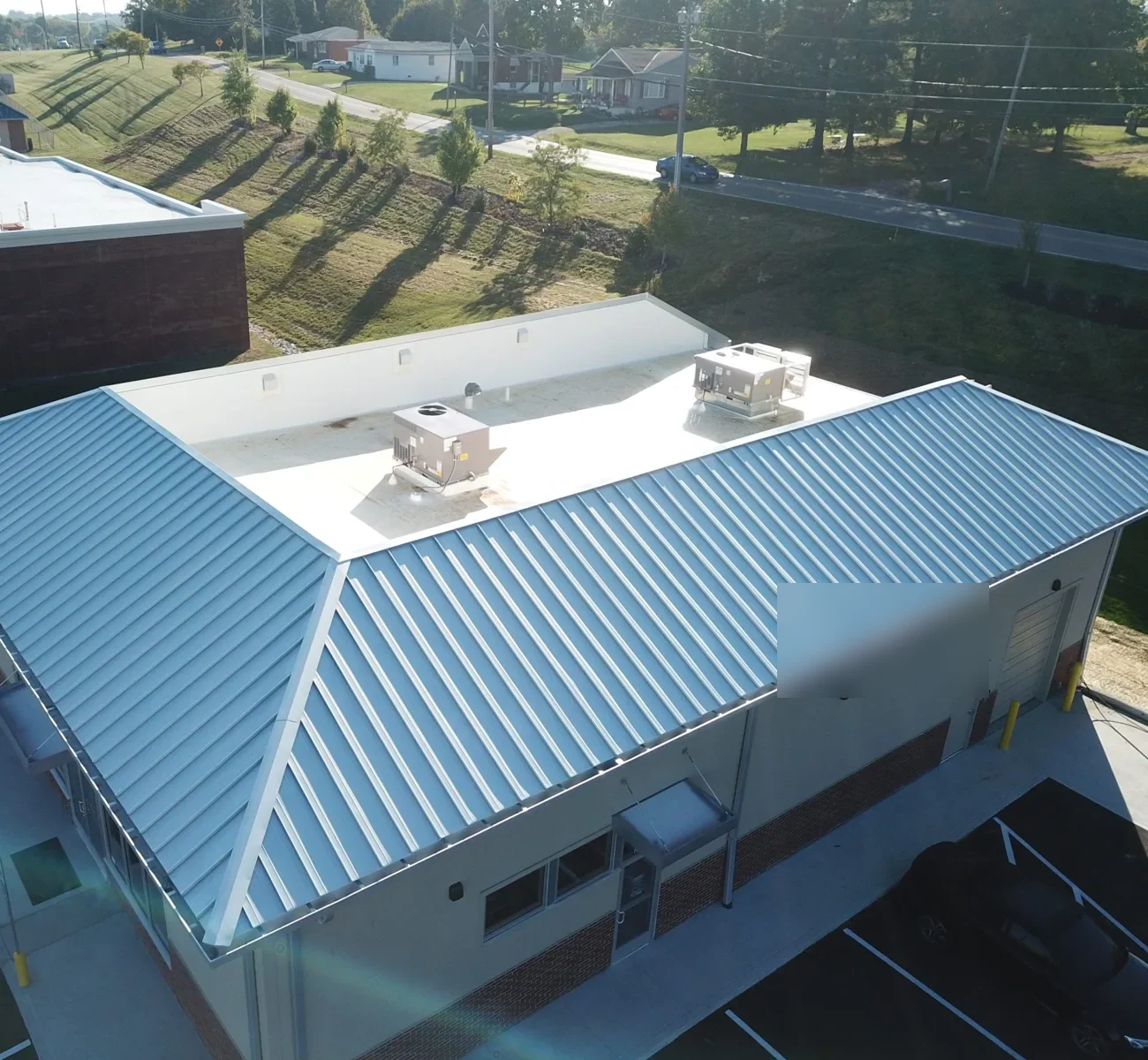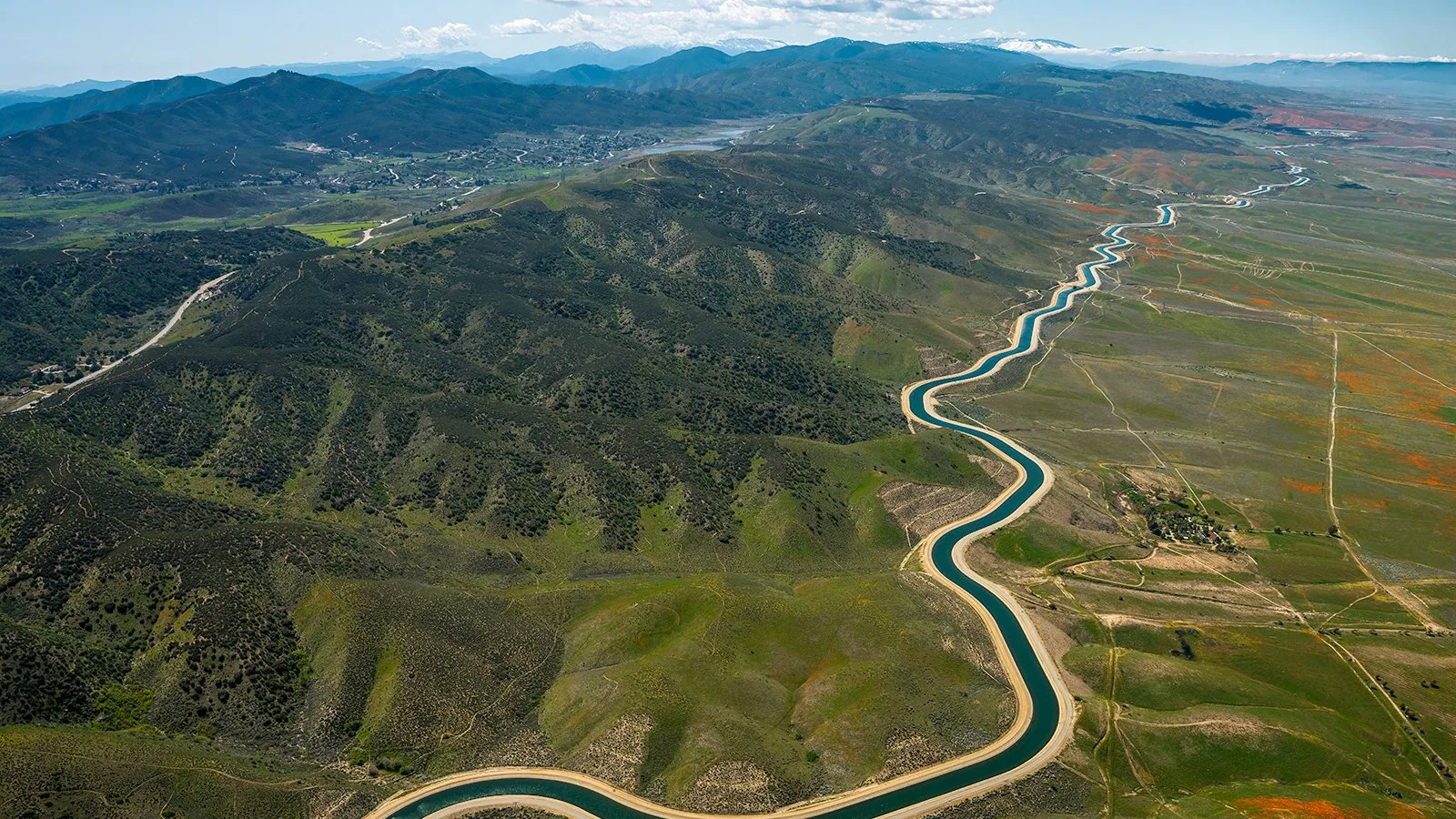
Maintenance keeps small roof conditions visible while they are still manageable. We inspect drainage, seams, flashings, edges, rooftop equipment, and prior repair areas, then clear debris and document work completed. A schedule gives the property team a current record instead of relying on the last leak call to reveal what changed. The right visit also follows the building’s operating calendar, roof access rules, and known trouble spots.
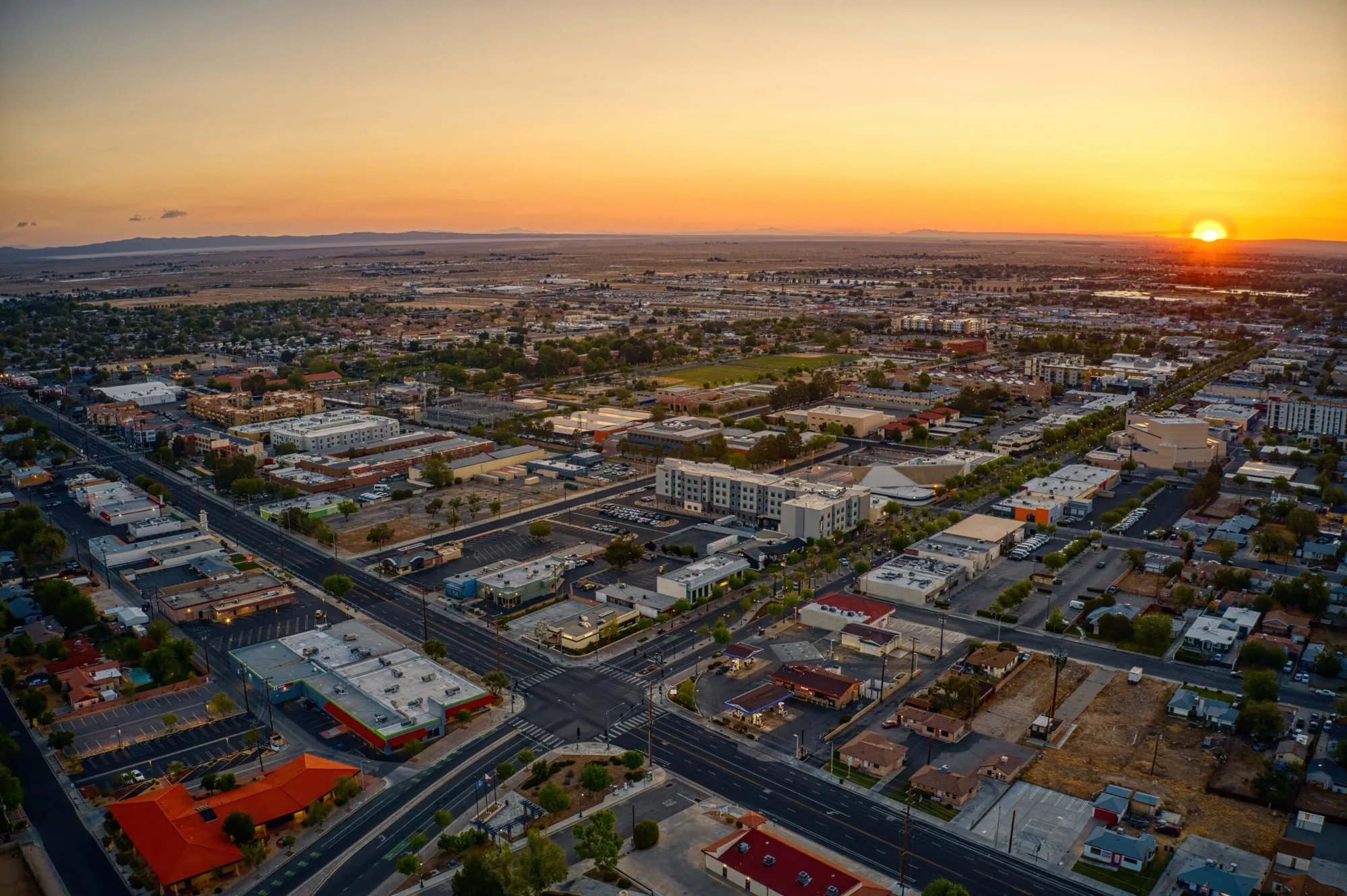
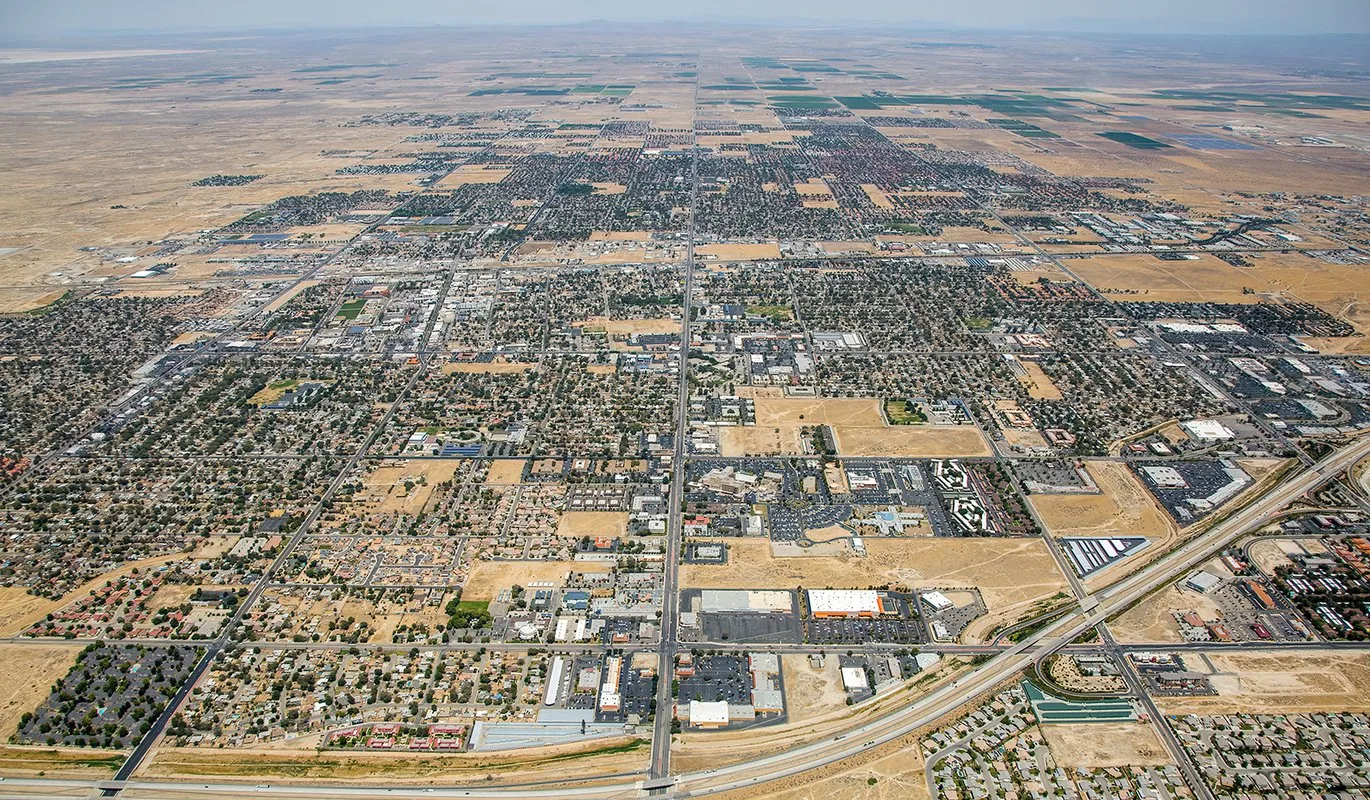
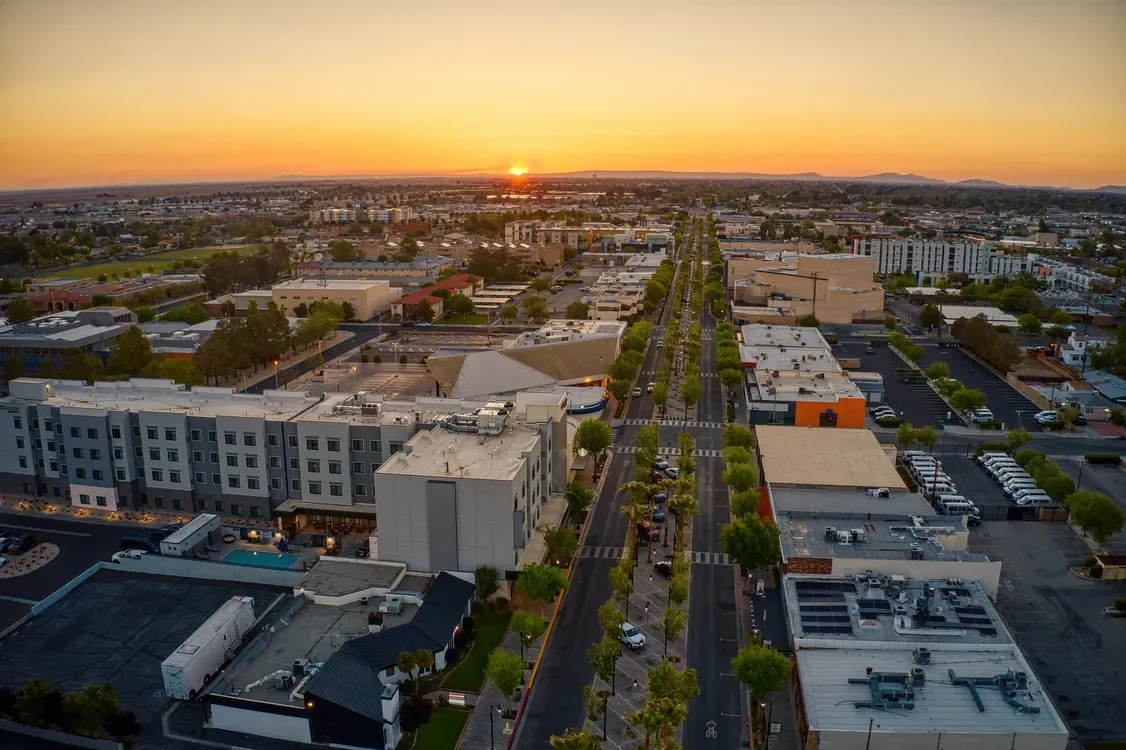
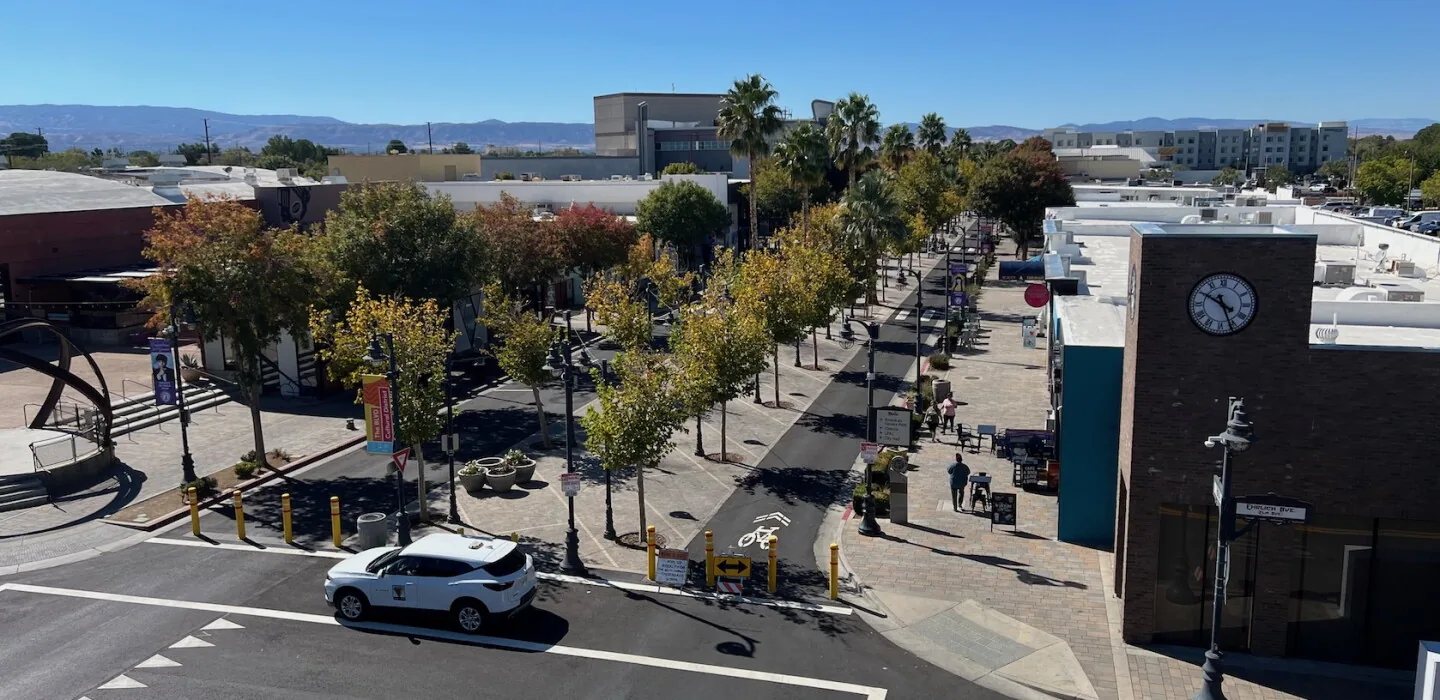
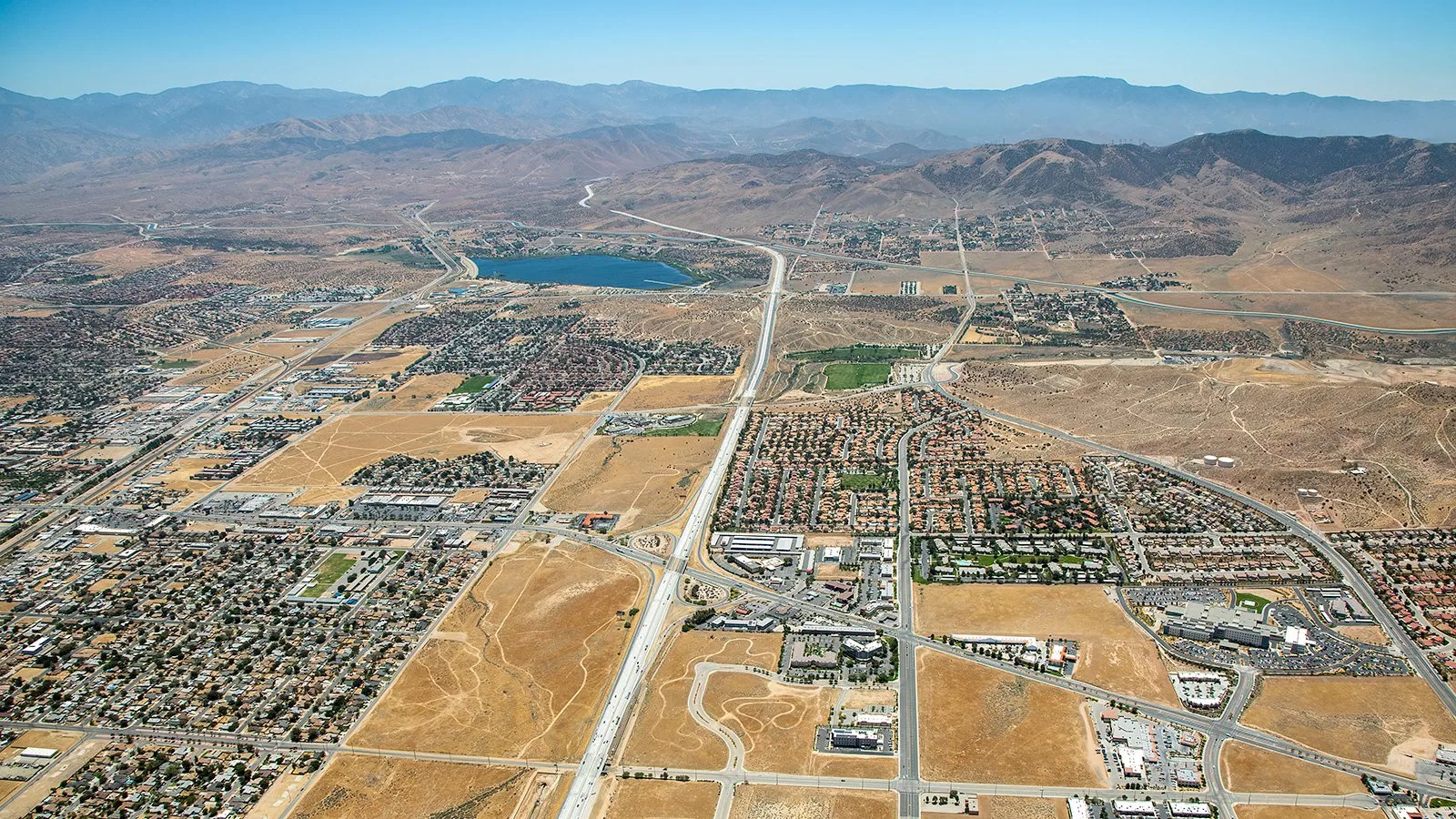
Lancaster’s normal rainfall is concentrated from November through March, while summer heat places repeated stress on exposed membranes and sealants. Before the wet season, we check that water has a clear route to drains and scuppers. During hotter months, we pay attention to exposed seams, penetrations, and coating transitions. We maintain commercial roofs across Lancaster, including the Fox Field industrial corridor and Enterprise Business Park, with the work plan matched to the property.
Make Each Visit Comparable
At the first visit, we identify roof sections, access points, drainage routes, equipment, and prior repairs. Baseline photographs and a section map let the manager compare seams, curbs, drains, and perimeter details later. If records identify the membrane or past recover, we include that information and note where field confirmation is needed.
The record separates prompt repairs, maintenance tasks, and watch items. Each finding gets a location, photograph, description, and action. If the cause is unclear, we state what test or access would answer the question rather than putting an uncertain diagnosis in the repair list.
Business Park properties include settings for trade instruction, fabrication, research, professional work, and wholesale operations. We coordinate access around deliveries, equipment, tenants, and spaces that need protection from debris, noting shutdowns or return visits with the facility contact.
Get the Drainage Path Ready for Rain
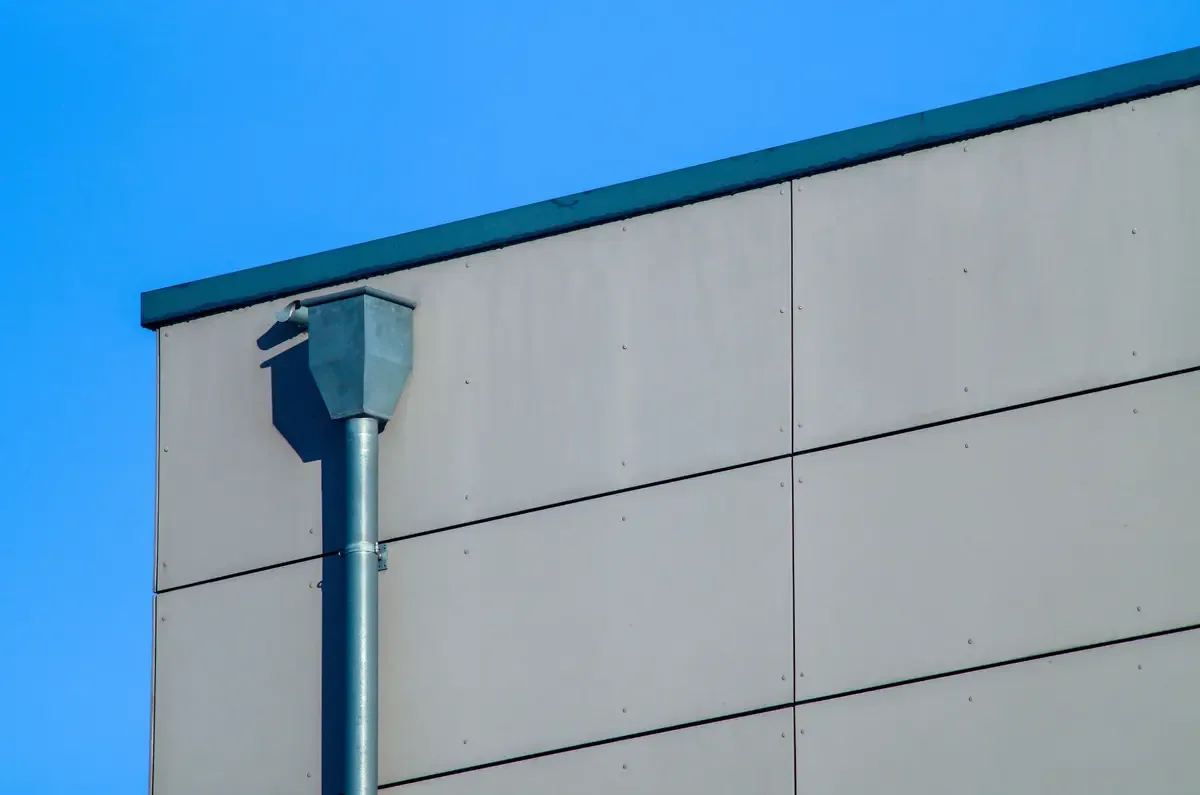
We follow slopes and crickets toward drains, scuppers, gutters, and overflow outlets. The crew clears debris, checks strainers and drain bowls, and looks for ponding or low areas that remain wet. At scuppers, we inspect the opening and flashing; at gutters, we check joints, obstructions, and discharge paths. Before cleaning, we photograph the opening so the owner can see the condition that was found.
Lancaster’s normal rainfall is about 6.81 inches, mostly between November and March. A dry climate still needs clear drainage when a short storm arrives. Debris can redirect water, while a low point leaves the roof exposed to standing water. We photograph recurring ponding and track whether it remains after cleaning.
If drain height or capacity is part of the problem, we document slope and overflow before recommending construction. Cleaning cannot correct a structural depression. Drain and scupper repair can address the detail; ponding-water repair evaluates low areas that keep retaining water. The maintenance record notes whether each outlet is clear, whether the surrounding flashing is intact, and what needs a separate estimate.
Watch the Details That Move
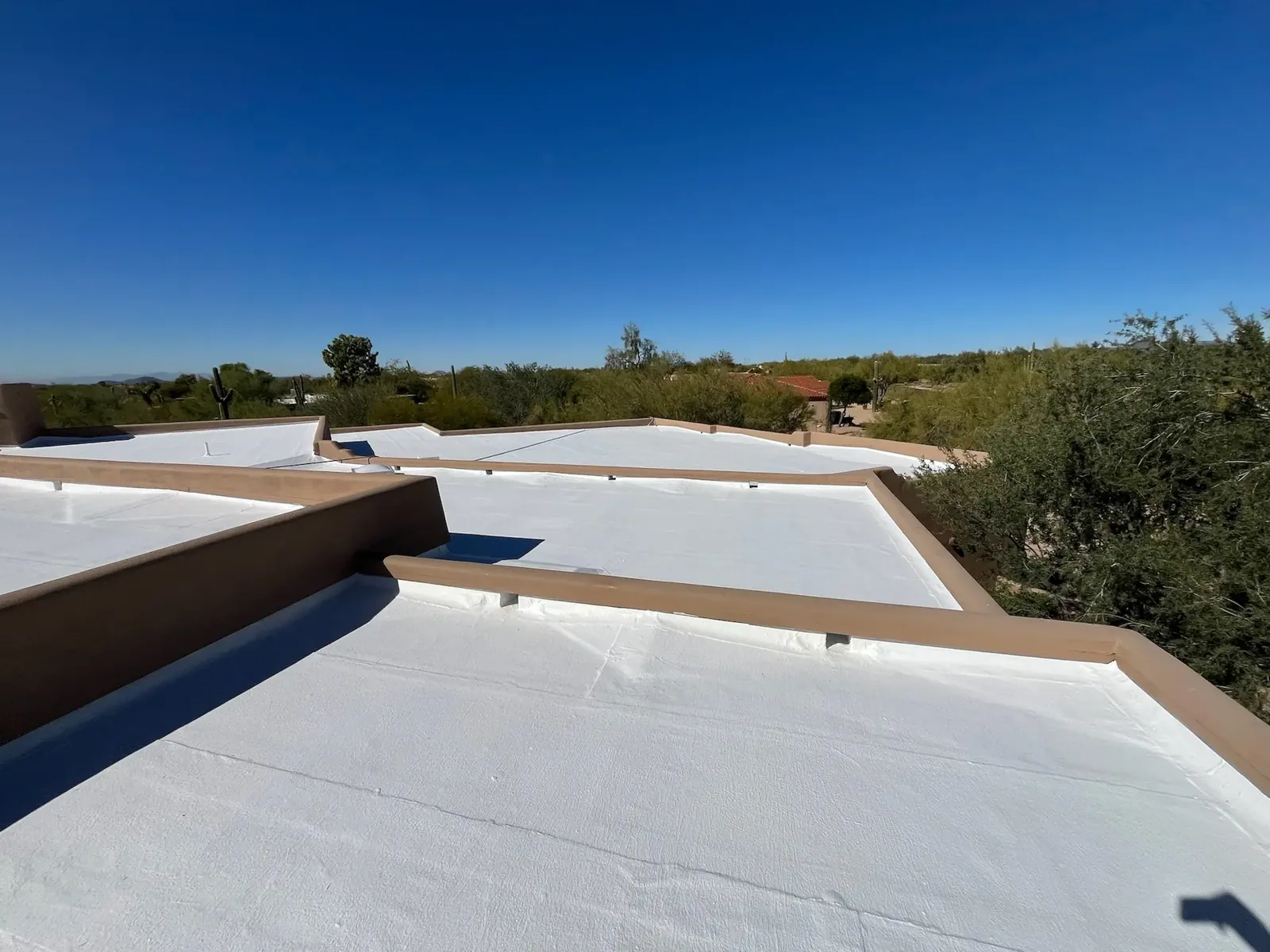
Movement concentrates at seams, walls, curbs, skylights, and penetrations. We check membrane laps, flashing corners, split sealant, and metal edges. On the Lancaster station’s 1991 to 2020 normals, January daily minimums are near 31 degrees and July minimums near 67 degrees, a seasonal spread worth monitoring at flexible details.
We inspect prior repairs and photograph their boundaries. A patch can remain sound while the adjacent membrane separates; if it has lifted, we note whether the failure is in the patch, substrate, or surrounding detail. Edge metal and coping maintenance checks perimeter joints and attachment.
New conduit, piping, curbs, or supports may create penetrations or block drains. We photograph additions, check flashing where accessible, and flag unfinished openings so the facility manager can arrange roof closeout. If another trade is scheduled, we can coordinate a follow-up walk after their equipment or piping work is finished.
Set the Visit Schedule from the Roof Record
Visit timing reflects roof condition, traffic, equipment work, recurring drainage issues, and the owner’s calendar. A roof with service traffic or prior leaks may need closer follow-up than a section with stable details. We set the next visit around findings rather than applying one frequency to every building.
A storm, leak, equipment replacement, or construction above the roof can justify an extra check. We verify that temporary work was removed, penetrations sealed, debris cleared, and adjacent membrane undamaged. For multi-tenant properties, notice helps coordinate access. A record after each visit keeps open items visible across staff changes.
Different roof areas may need different schedules. Separating a membrane over equipment from a metal office roof also helps the owner distinguish routine care, planned repair, and capital work in the budget. We can revise the next check when a repair, repeated ponding, or new rooftop equipment changes what needs attention. That adjustment keeps the program tied to observed conditions rather than an unchanging annual checklist.
Move from Maintenance to a Defined Repair
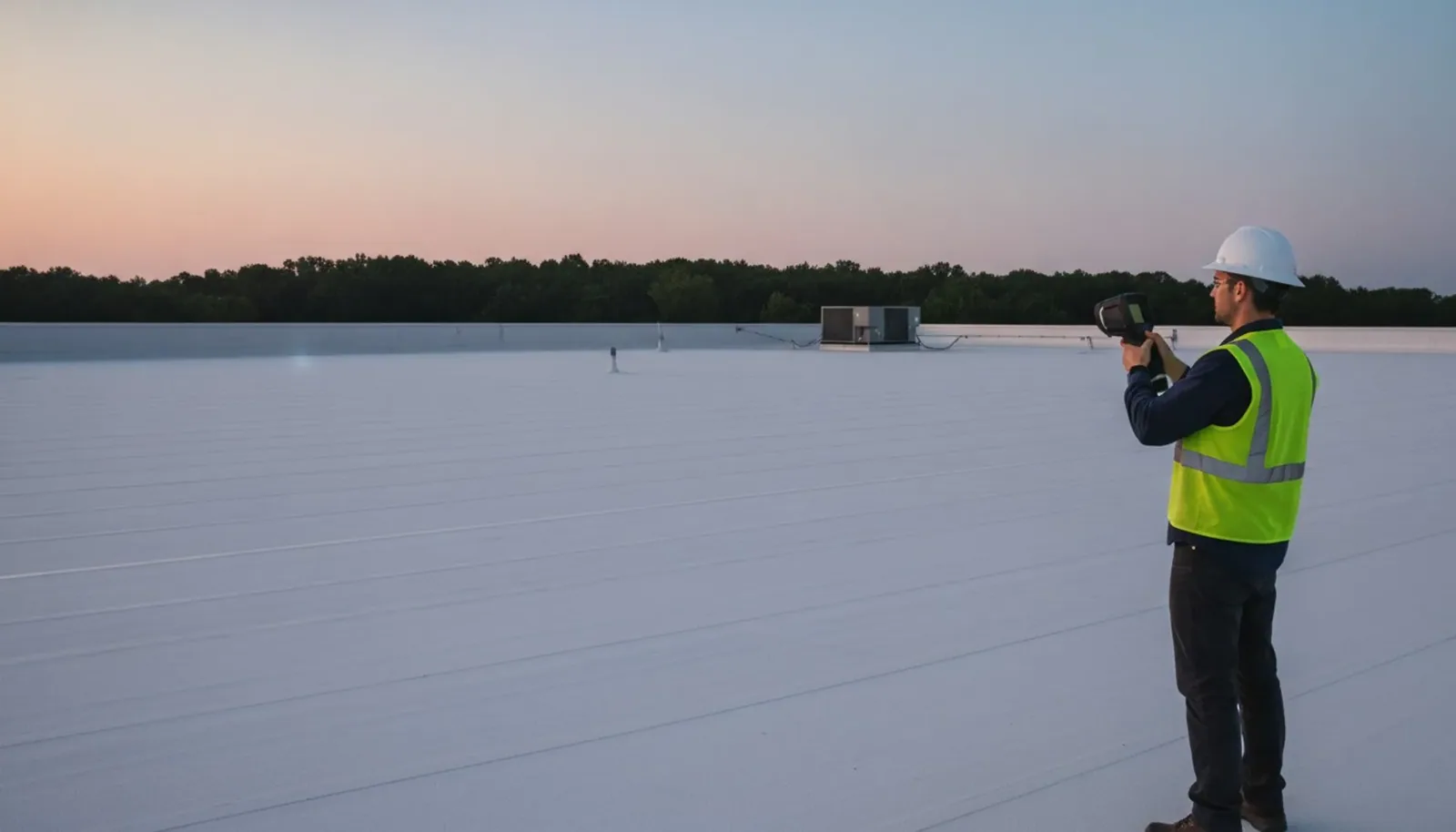
Maintenance does not replace a repair when a detail has failed or water is entering. A small seam opening may be fixed in place if the surrounding membrane remains sound. Wet insulation, repeated separation, or a compromised deck may require wider investigation. An infrared survey and confirmation tests can help when the visible roof does not establish the removal boundary.
For active water, emergency response can stabilize the building while permanent work is planned. If deterioration spans a section, the report can support a repair-versus-replacement review without turning one visit into a full reroof commitment.
The record shows what was cleaned, repaired, or left for follow-up. We photograph finished details and carry open items into the next visit, helping the team distinguish a recurring defect from a new issue.
Keep the Roof History in One Place
After each visit, the owner receives findings by roof section with photographs and completed tasks. We list restricted access, test recommendations, and repairs needing approval. Roof condition reports preserve updates; capital planning can group confirmed work across a portfolio.
With consistent maintenance, the next facility manager can see what changed. Matching before-and-after drain photographs show cleaning was completed; a repair image with its location helps a later inspector assess the detail.
Schedule a visit before seasonal rain, after equipment work, or when the last inspection is outdated. We will walk the agreed areas, complete routine tasks within scope, and identify repair needs.
Commercial Roofing Questions
What is included in a commercial roof maintenance visit?
We review the agreed roof areas, drainage, seams, flashings, edges, equipment details, and prior repair points. The report lists cleaning or minor tasks completed, photographs findings, and separates repair recommendations from watch items. Each item receives a location and disposition so the next visit can verify it.
Can maintenance prevent every roof leak?
No service visit can prevent every failure, especially when damage is concealed or new work affects the roof. Regular checks make visible conditions easier to address and create a record for investigating changes.
Should drains be checked before winter rain?
A pre-season check can confirm that drains, scuppers, and overflow routes are clear before the months when Lancaster receives most of its normal precipitation. We also note low areas and damaged details that cleaning alone will not correct.
What should we do after HVAC work on the roof?
Have the roof detail and work area checked after the equipment contractor finishes. We look for new penetrations, disturbed flashing, loose fasteners, debris, and open transitions that need a roof repair before the next weather event.
Can you maintain several buildings under one program?
Yes. We can keep separate roof maps and condition records for each property, then schedule visits according to their findings, access needs, and operating calendars.