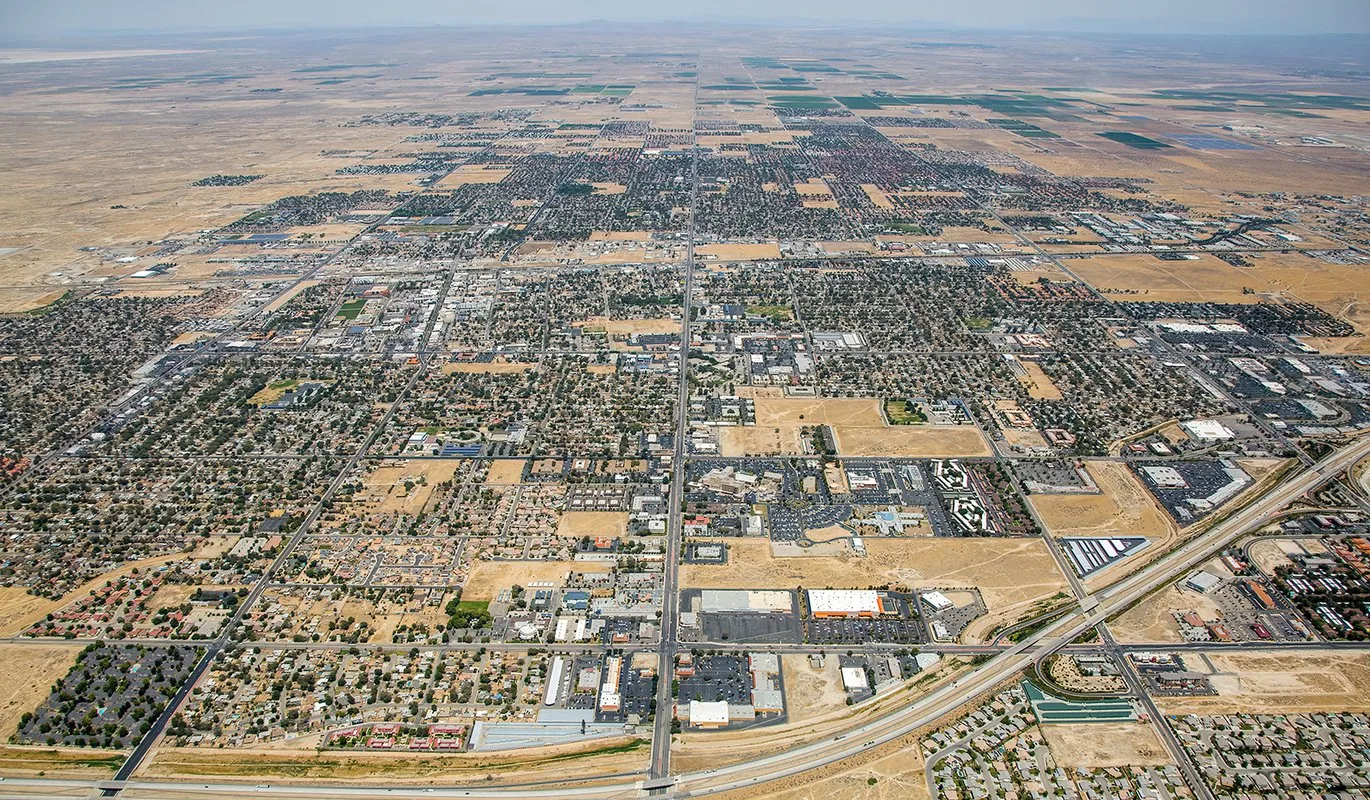
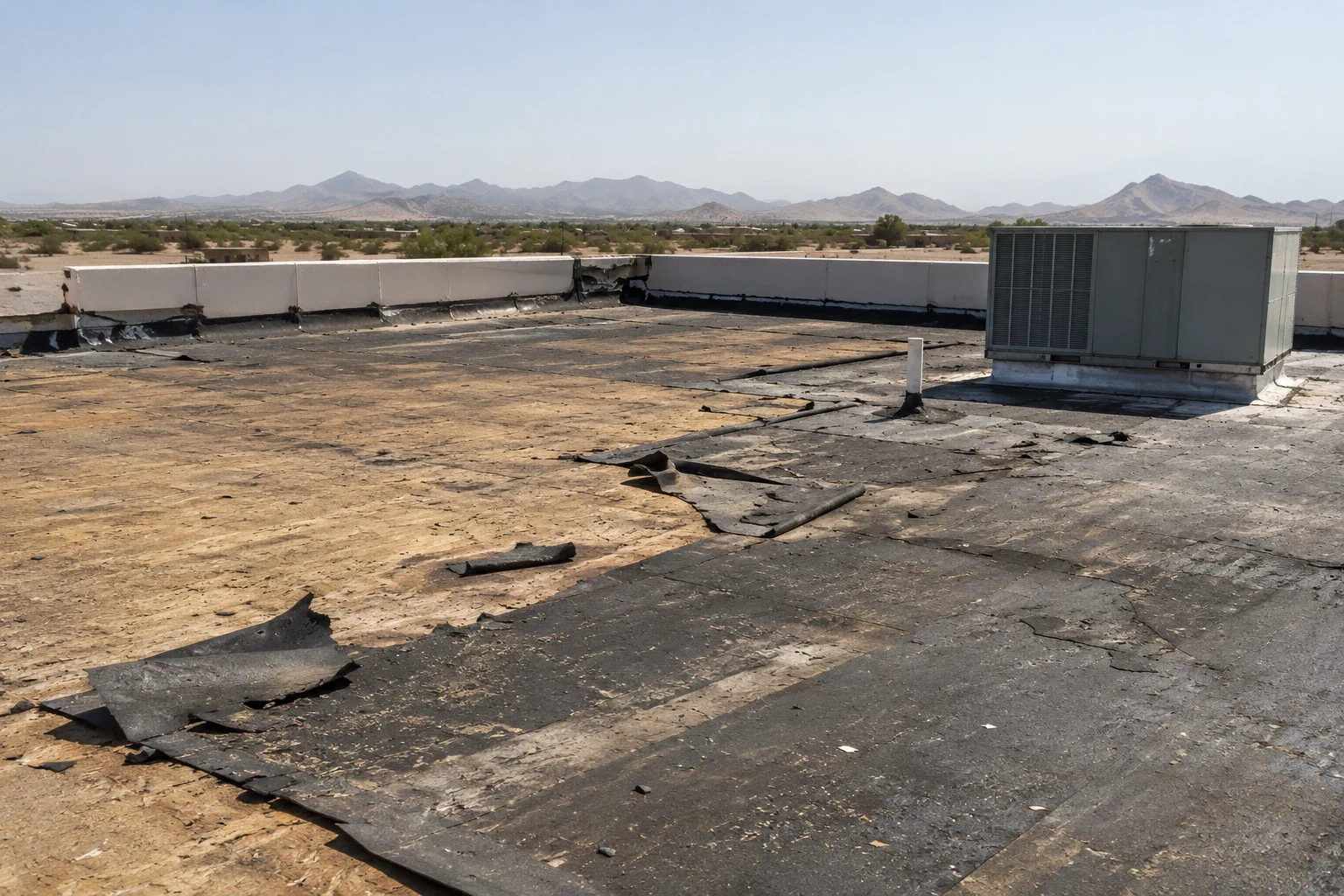
A low roof can hold water at a subtle depression even when the main field looks intact. For a commercial property in Quartz Hill, the assessment starts with drainage, membrane condition, edges, penetrations, and any interior leak reports. Quartz Hill is a community in the central Antelope Valley with its own community land-use concept. That context identifies a real service area, but it does not identify the roof system at a particular building. We inspect the property itself and document the basis for repair, maintenance, or replacement planning.
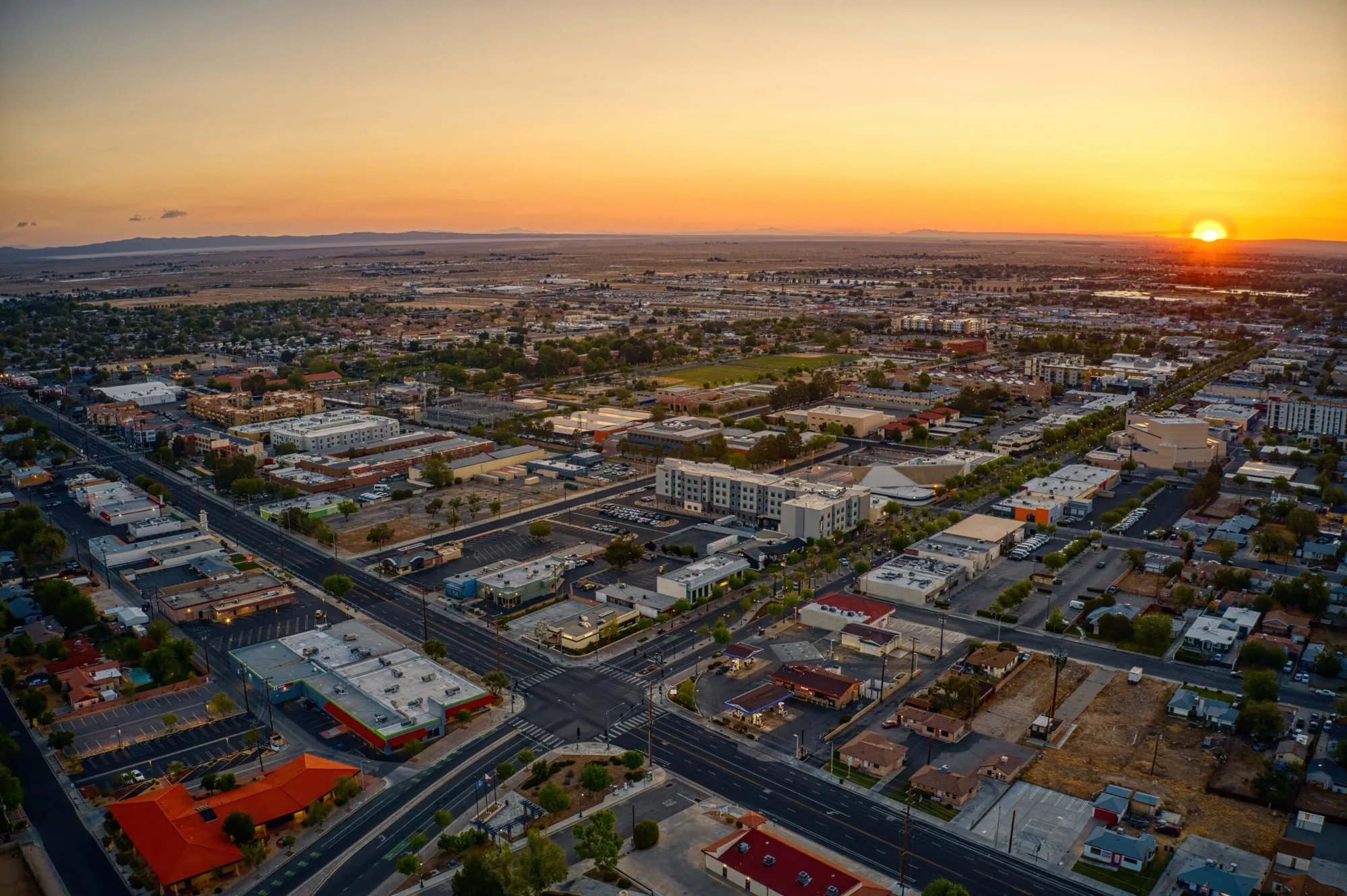
Land-use concepts for Quartz Hill distinguish rural town centers, town areas, rural preserves, and economic opportunity areas. A building owner can use that setting to frame a project, while the roof walk determines assembly condition and access. We ask for available plans, repair history, equipment changes, and the correct property contact. Then we map findings by roof zone so an asset manager can see which observations are confirmed, which require testing, and what decision should follow.
Trace water beyond the first visible mark
Water often follows the easiest route below the surface before appearing indoors. We compare the stain location and timing with roof seams, wall transitions, curb flashings, drains, and deck direction. A ceiling spot may sit below a different roof zone than the entry. The report should connect the interior symptom to the details inspected and avoid expanding a repair beyond the evidence. A roof inspection can document the suspected path and the limits of accessible testing. by roof zone.
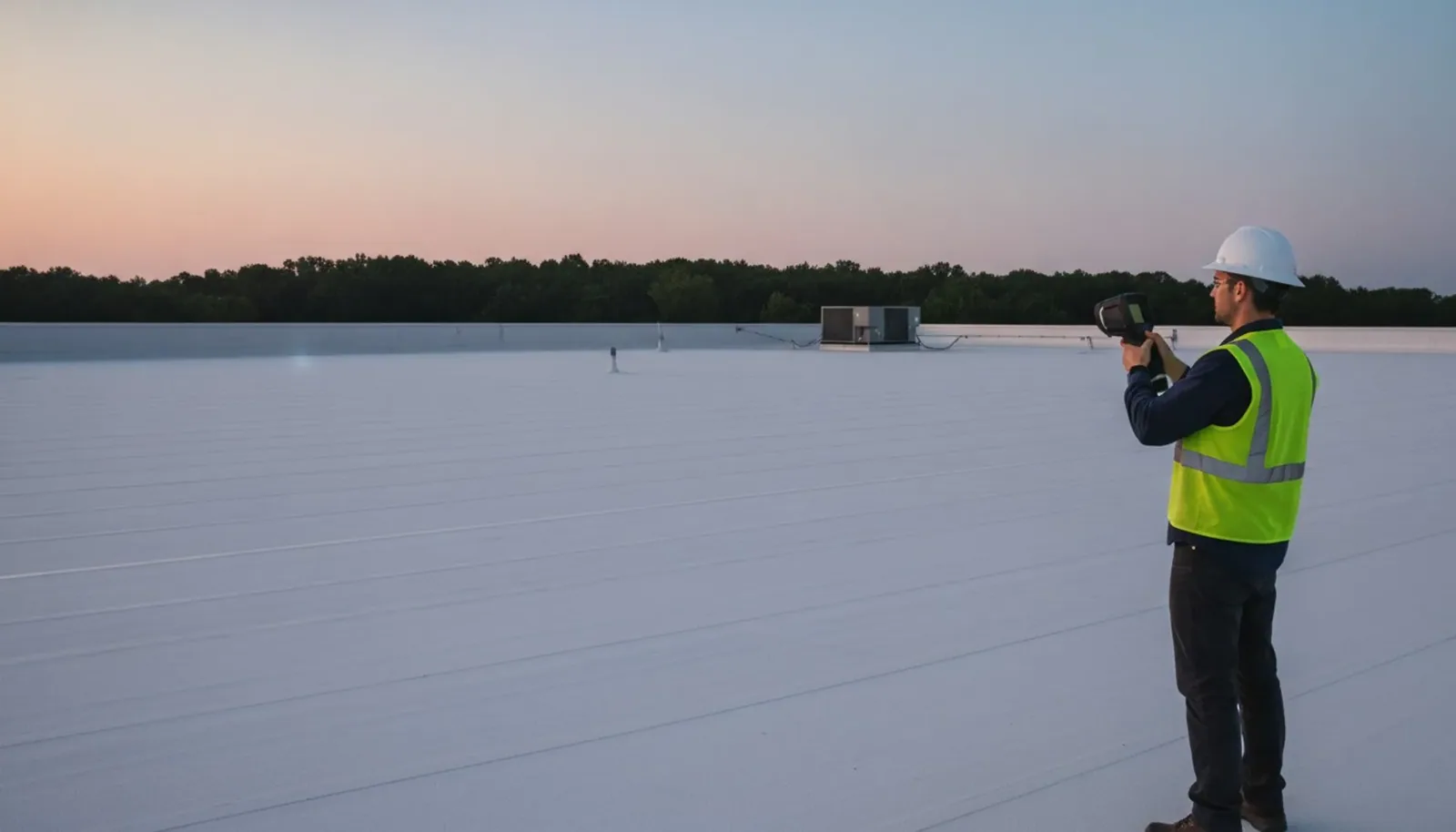
When moisture beneath the membrane is possible, we first examine surface condition, low areas, prior patches, and nearby penetrations. Infrared patterns can help identify where a closer check may be warranted, but they need confirmation. If a test opening could change the recommendation, we identify the proposed location, what layer question it will answer, and how the opening will be protected. A focused moisture survey can help direct that next step without turning an unconfirmed pattern into a repair conclusion.
Check the whole assembly at transitions
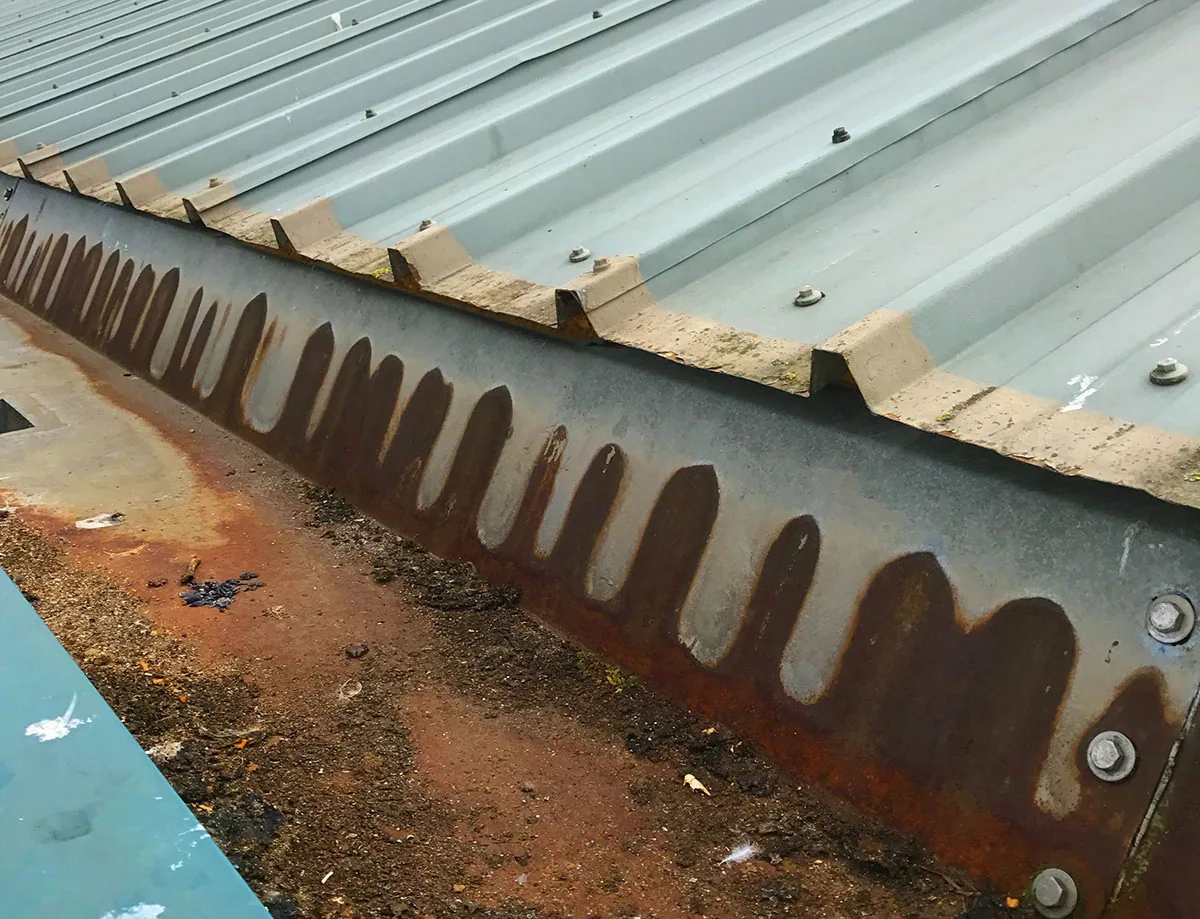
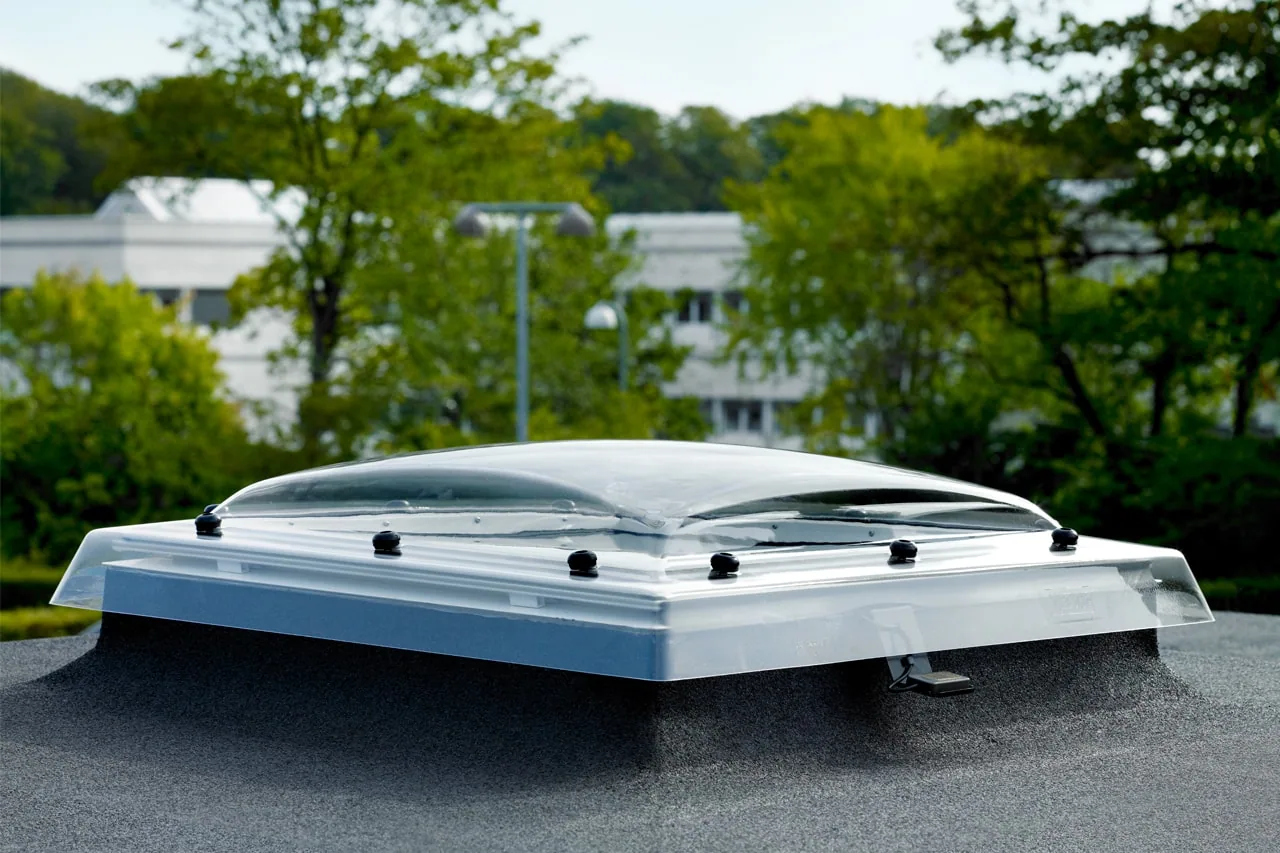
Seams, parapet caps, equipment curbs, skylight frames, and roof-to-wall flashing join materials that may move differently. We check for open laps, pulled fasteners, brittle sealant, patch edges lifting from the field, and flashing that has separated from its substrate. At each detail, we ask what material receives the repair and whether the surrounding area remains stable. A penetration flashing inspection or curb review can isolate a local failure from broader deterioration.
Lancaster’s William J. Fox Field station records a normal August daily high of 97.8 degrees for 1991-2020, while July averages 31 days with highs of 90 degrees or more. Those values describe Lancaster’s station, not the exact conditions on every Quartz Hill roof. They do illustrate the market’s summer heat load, which can intensify movement at seams, fasteners, sealants, and exposed metal. We document signs of movement and compare them across roof zones before deciding whether one repair or a broader system review is justified.
Use the community setting without guessing at the building
Quartz Hill’s community-specific land-use concept recognizes rural town centers, town areas, rural preserves, and economic opportunity areas. A property’s actual use and access should be confirmed with its owner or manager rather than assumed from a planning category. Before work, we ask whether deliveries, customers, mechanical vendors, or tenants need clear routes. We also confirm the roof access method, staging point, sensitive rooms below, and who can authorize a change if removal exposes a concealed condition.
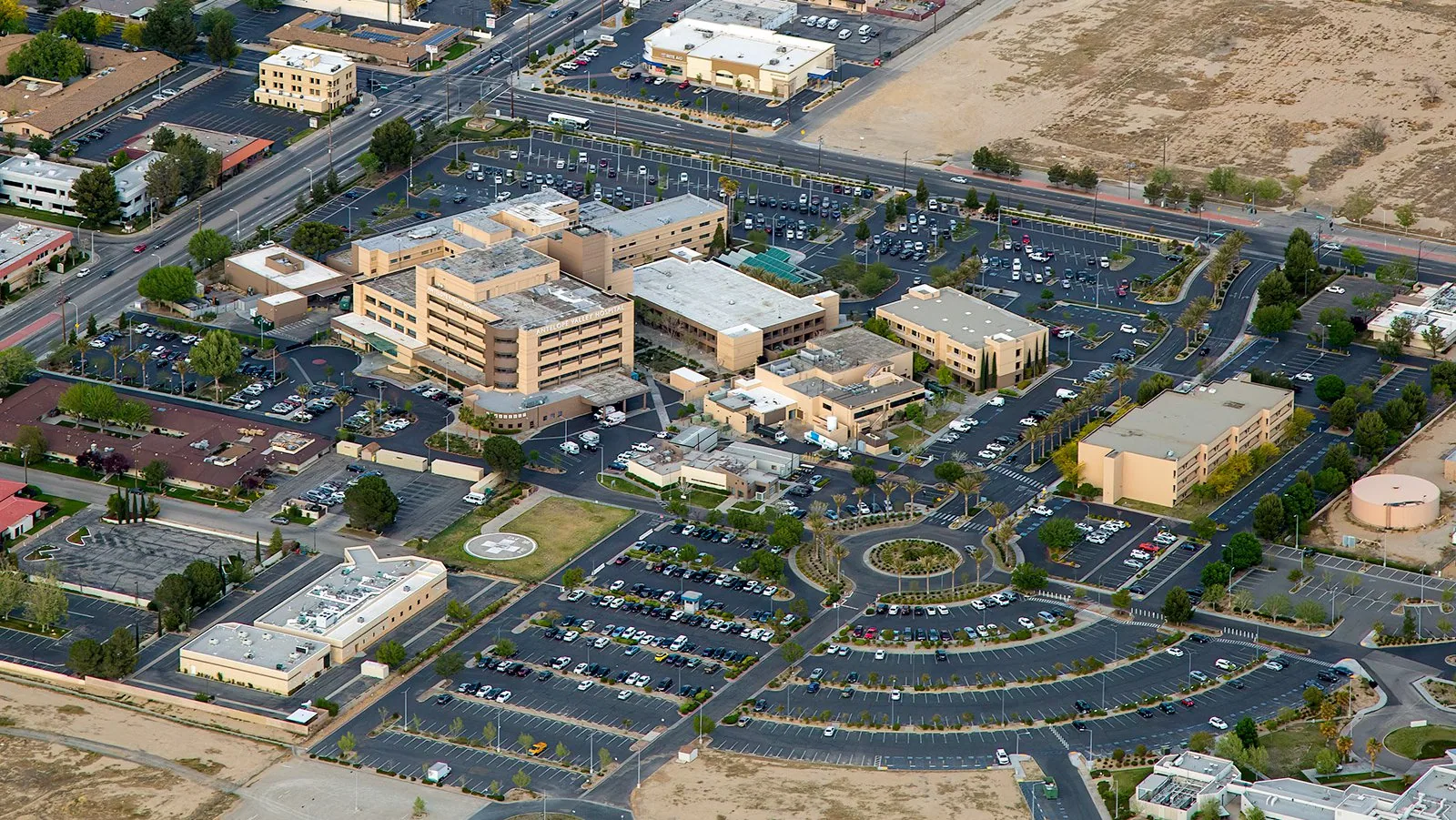
In the wider service area, Lancaster Health District and Amargosa Creek Planning Area are distinct locations with their own land-use settings. A multi-property owner may compare their maintenance needs with a Quartz Hill asset, but each roof remains a separate assembly and record. That distinction matters when reserves are ranked or a project changes hands. Shared climate context can guide inspection timing; it cannot substitute for evidence from each property.
Compare repair scope with longer-term options
A local repair can be appropriate when the defect is contained, the substrate is sound, and the new flashing or patch can tie into compatible material. The estimate should state the preparation, roof zone, materials, and completion check. If an opening reveals wet insulation, damaged cover board, or a weak deck, we show the condition and request approval before extending the work. When several areas fail or repairs keep returning, a replacement assessment can be compared with the next repair cycle.
A recover or coating is not a fit for every roof. Retained layers, attachment, moisture, drainage, surface adhesion, and edge terminations all affect whether the assembly can accept another treatment. Cost and timing also change with removal depth, roof access, protection of occupied space, and coordination with other trades. We explain which conditions support each option and what remains unknown. A capital planning review can place immediate work beside longer-term needs without presenting a forecast as a field finding. Before approving a recover, we inspect attachment, moisture, deck condition, and the number of retained layers. A wet or poorly attached system can carry a failure forward under a new membrane. A coating also needs a clean, compatible substrate and workable drainage. We document those prerequisites and any test needed so the owner compares an assembly that can support treatment with a repair or full removal.
Keep access and closeout in the same record
For a repair or reroof, we establish who grants access, where material can be staged, and how an exposed area will be secured at each shift end. If a property remains occupied, a phased work plan can define the order of roof zones and any temporary access changes. Calls for active leaks can reach emergency response at any hour, holidays included; our first assignment is to limit exposure safely. After conditions are controlled, we inspect and document the permanent correction.
At closeout, retain dated photos, repair limits, materials, access restrictions, and any follow-up item with the property roof file. Later maintenance can revisit the same drain, seam, or curb instead of relying on memory. For work in Quartz Hill, we can coordinate a maintenance visit that checks drainage, edges, penetrations, and prior repair areas. Owners comparing a separate asset in the Palmdale Transit Area or East Avenue S corridor can keep individual photo records and scope decisions aligned to each building.
Commercial Roofing Questions
Does the Quartz Hill land-use concept identify a building’s roof type?
No. It describes community land-use categories, not an individual roof assembly. We inspect the membrane or metal, drainage, penetrations, and accessible layers at the property.
Can you determine whether a roof needs repair or replacement?
We compare the defect boundary, surrounding material, moisture, attachment, drainage, and repair history. The report explains which findings support a local correction and when broader work should be priced.
What should be ready before the site visit?
Roof plans, leak timing, past work orders, and access instructions help us prepare. A site contact should also identify restricted areas, active operations, and rooms that may need protection.
Will an infrared survey prove that insulation is wet?
An infrared pattern can point to an area for closer review, but it should be compared with visible conditions and confirmed when needed. We note the method and any test results in the record.
Can you respond when a leak starts outside business hours?
After-hours support includes holidays. We stabilize active exposure where safe and record what further repair the assembly needs.