A repair holds when it reaches the failure point and reconnects with sound material. Water marks alone rarely show the full route. We inspect the membrane, seams, flashings, edges, rooftop equipment, and drainage around the affected area, then compare those details with what is visible inside. The written scope separates the entry point from the interior symptom so a patch does not simply cover the place where water appeared.
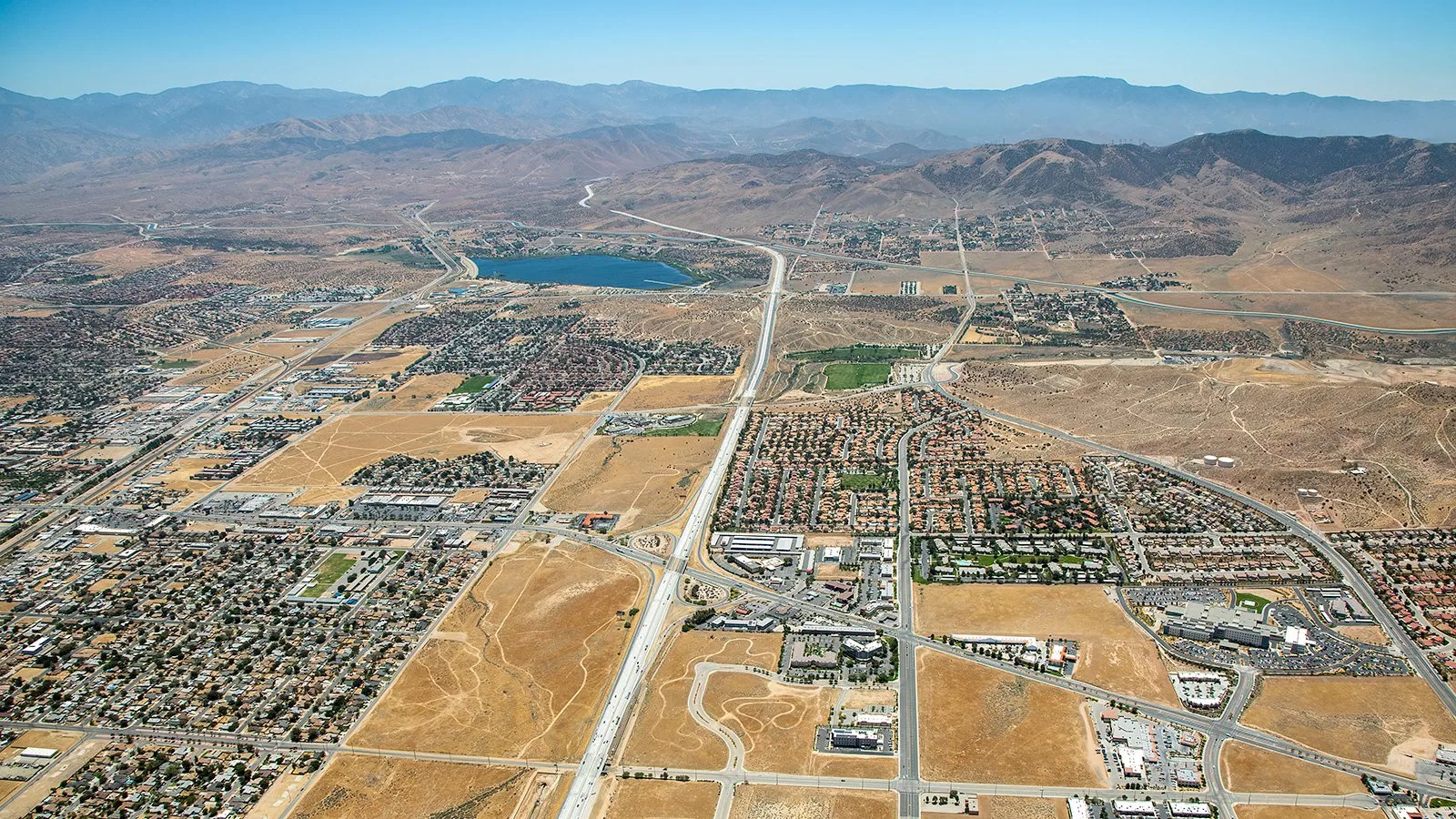
In Lancaster, roof materials cycle through hot summer afternoons and cooler winter nights. NOAA normals at William J. Fox Field record an August daily high near 98 degrees and January lows around 31 degrees. That temperature range puts repeated movement at seams, curb corners, and edge terminations. We can respond around the clock when water is active, then return to complete a permanent repair after the roof is dry enough to inspect. Start with a commercial roof inspection when the leak history is unclear.
Trace the Water Path
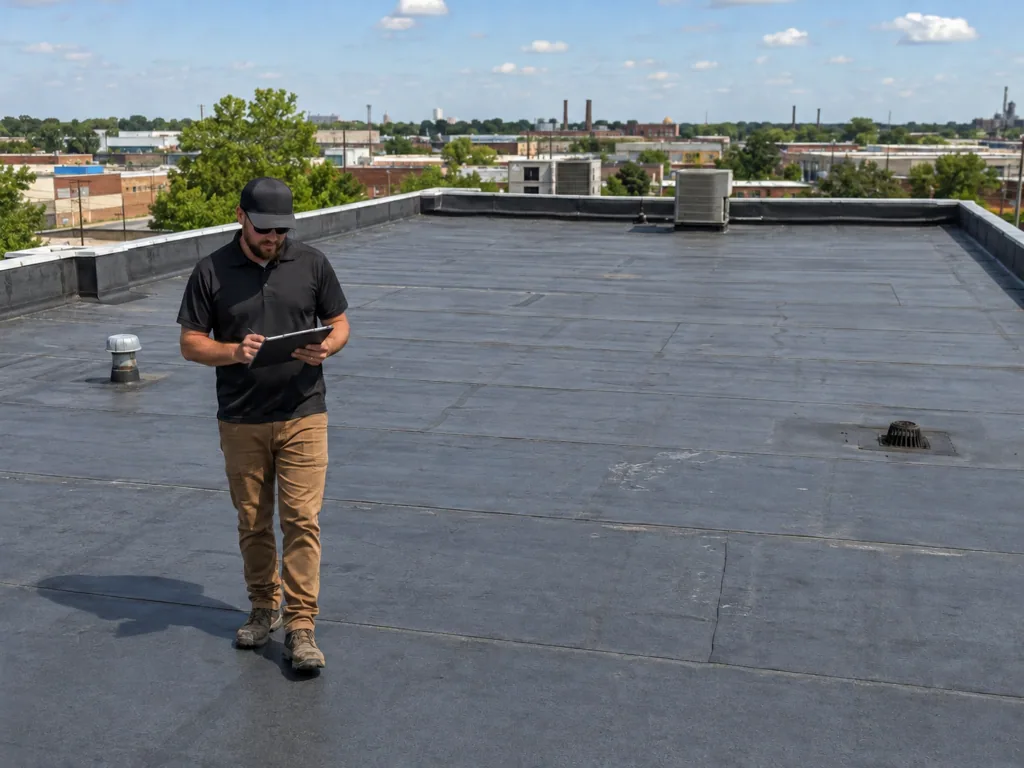
We work outward from the reported leak, checking roof penetrations, wall intersections, laps, drain sumps, and changes in slope. Water can move under a membrane, follow a deck flute, or travel along a pipe before it reaches a ceiling tile. The nearest roof opening is a lead, not a conclusion. We document the condition at each likely entry point and use interior clues, moisture readings, and controlled testing when those methods fit the assembly.
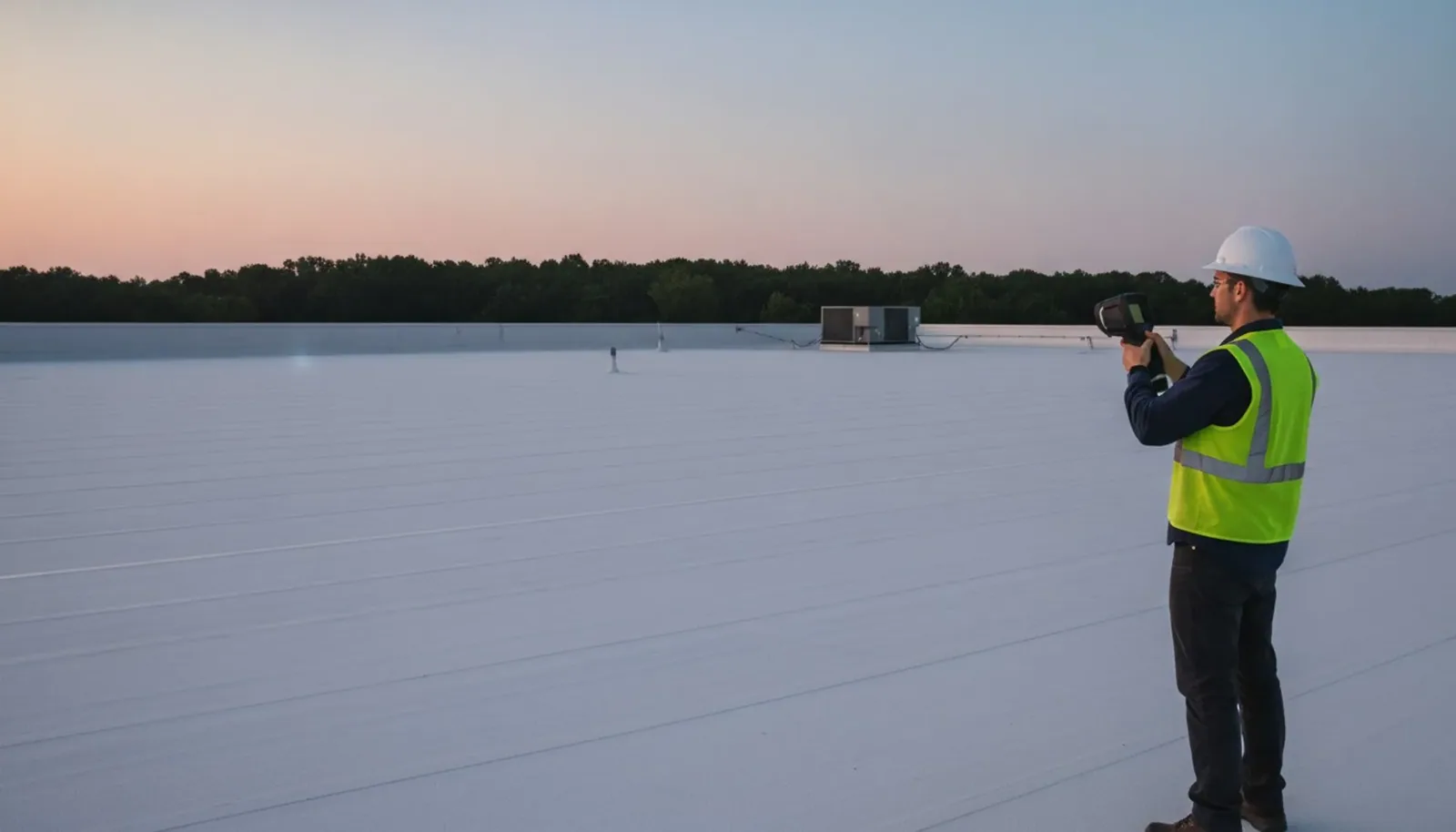
On an industrial property, the route may cross several roof sections before showing inside. Lancaster’s North Valley Industrial Center is classified for heavy industrial use, where production equipment and stored material can make an interior interruption costly. We mark the affected area, note equipment or wiring beneath it, and protect the space before disturbing the roof. If a larger area needs evaluation, an infrared moisture survey can help identify patterns for confirmation with targeted tests.
Define the Repair Boundary
A durable repair needs a clean boundary. We remove loose, cracked, or incompatible material until the surface can accept the selected repair system. Wet insulation, damaged cover board, and unstable membrane cannot become a dependable base simply because a patch covers them. The scope states whether work includes limited membrane removal, substrate replacement, new flashing, or a temporary water stop while a larger repair is designed.
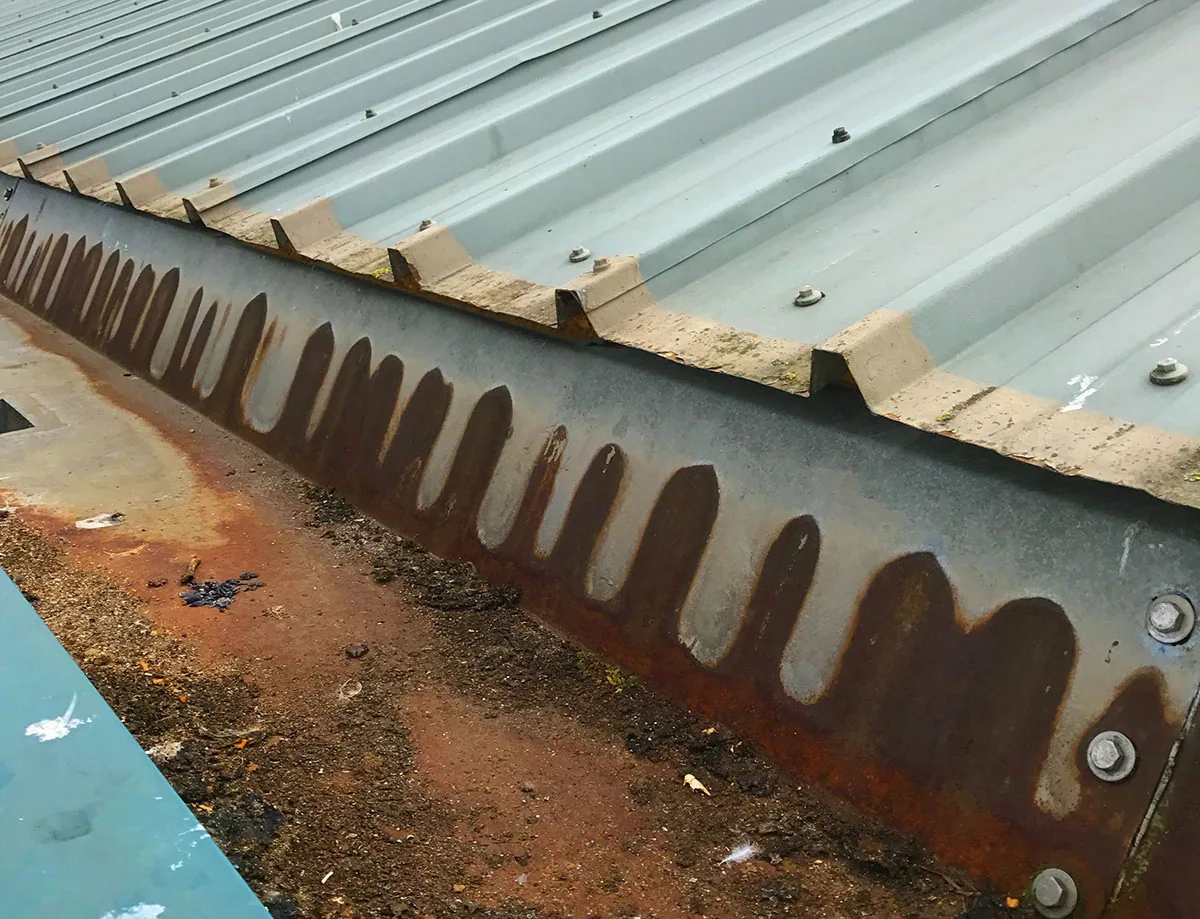
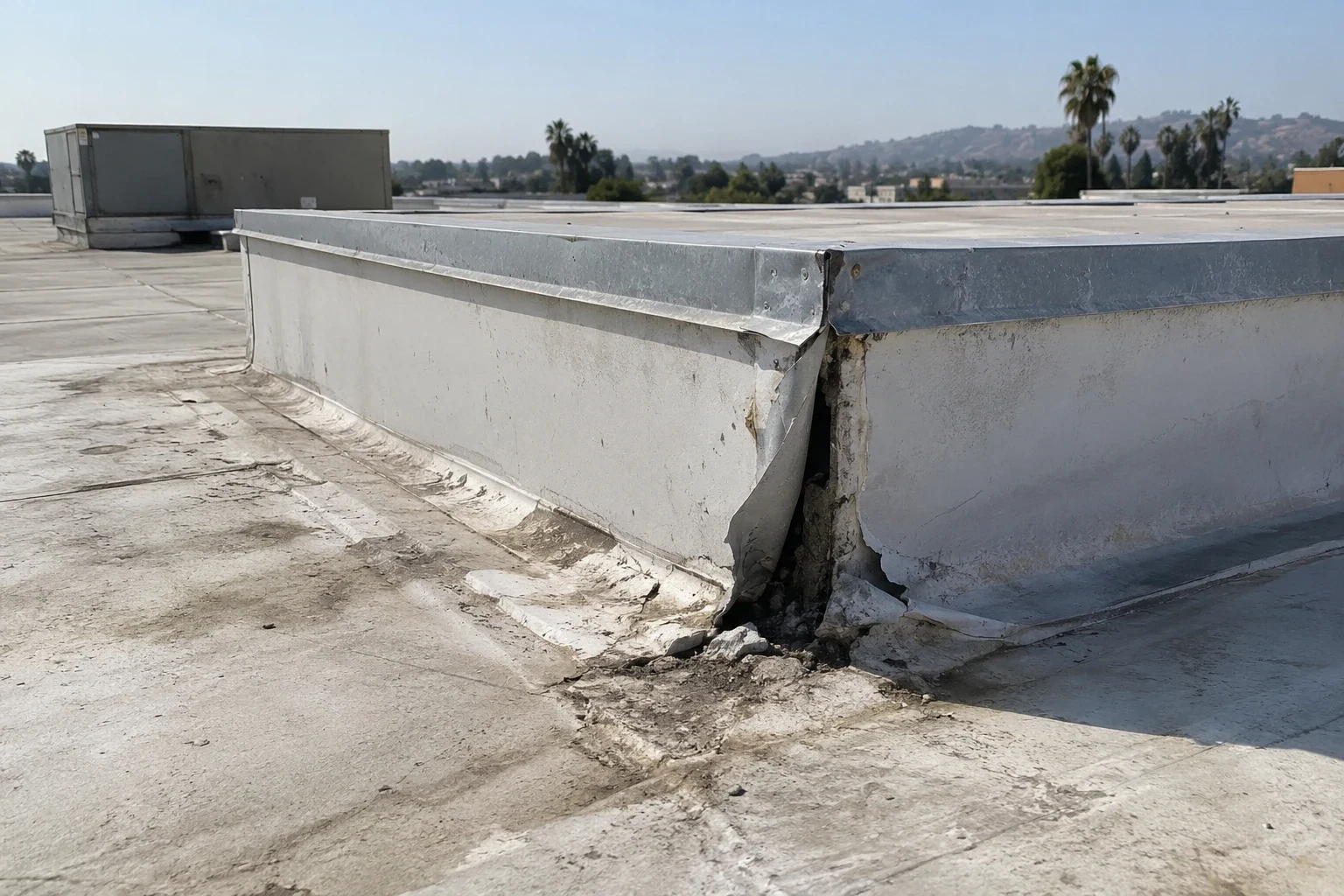
For a seam failure, we check how far the separation extends and whether the adjacent membrane remains secure. At a curb, we inspect the height and condition of the flashing, corner reinforcement, and termination. Around drains, we look for a loose clamping ring, debris, weak sump detail, or a drainage path that leaves water against the repair. The right fix may include more than one roof component. Our edge metal and coping repairs address perimeter details that can otherwise reopen beside a new field patch.
Use Materials That Belong Together
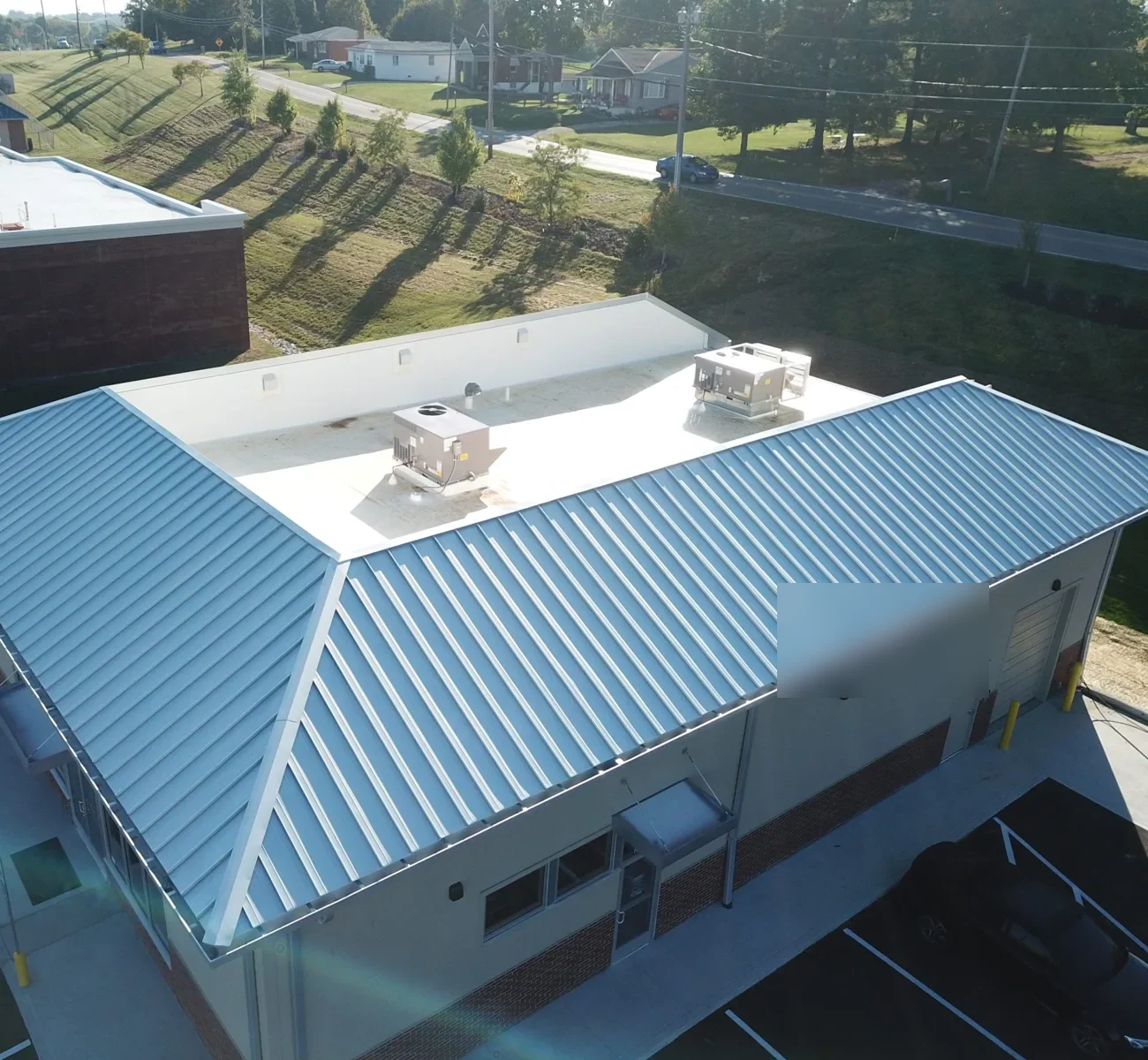
Roof systems differ in surface chemistry, flexibility, attachment, and seam method. A repair material must be compatible with the existing membrane or separated by a suitable transition. We identify whether the roof is TPO, PVC, EPDM, modified bitumen, built-up, metal, or a coating assembly before selecting adhesives, primers, reinforcement, or replacement membrane. If the existing system cannot be confirmed, we test the proposed repair method on a limited area before treating the larger detail.
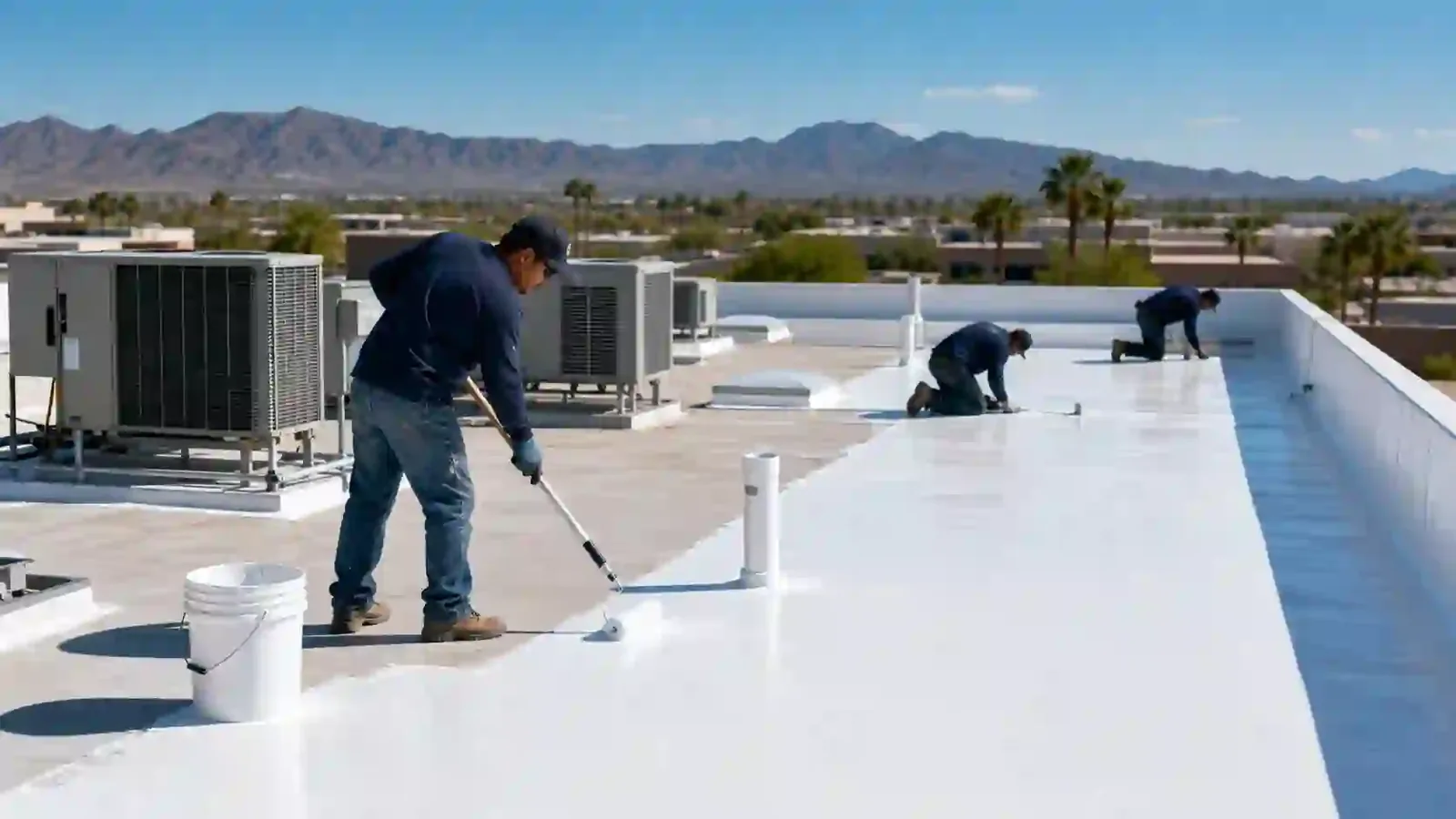
Temperature matters during installation. Heat can soften a membrane and affect how adhesive flashes; cool evenings can change cure times. We follow the product requirements for surface preparation and application conditions, then inspect the seam, edge, and termination after installation. A seam repair should restore the intended overlap or weld, while a flashing repair should reconnect the membrane to the wall or curb without leaving an exposed cut edge.
Repair Work Across Lancaster Properties
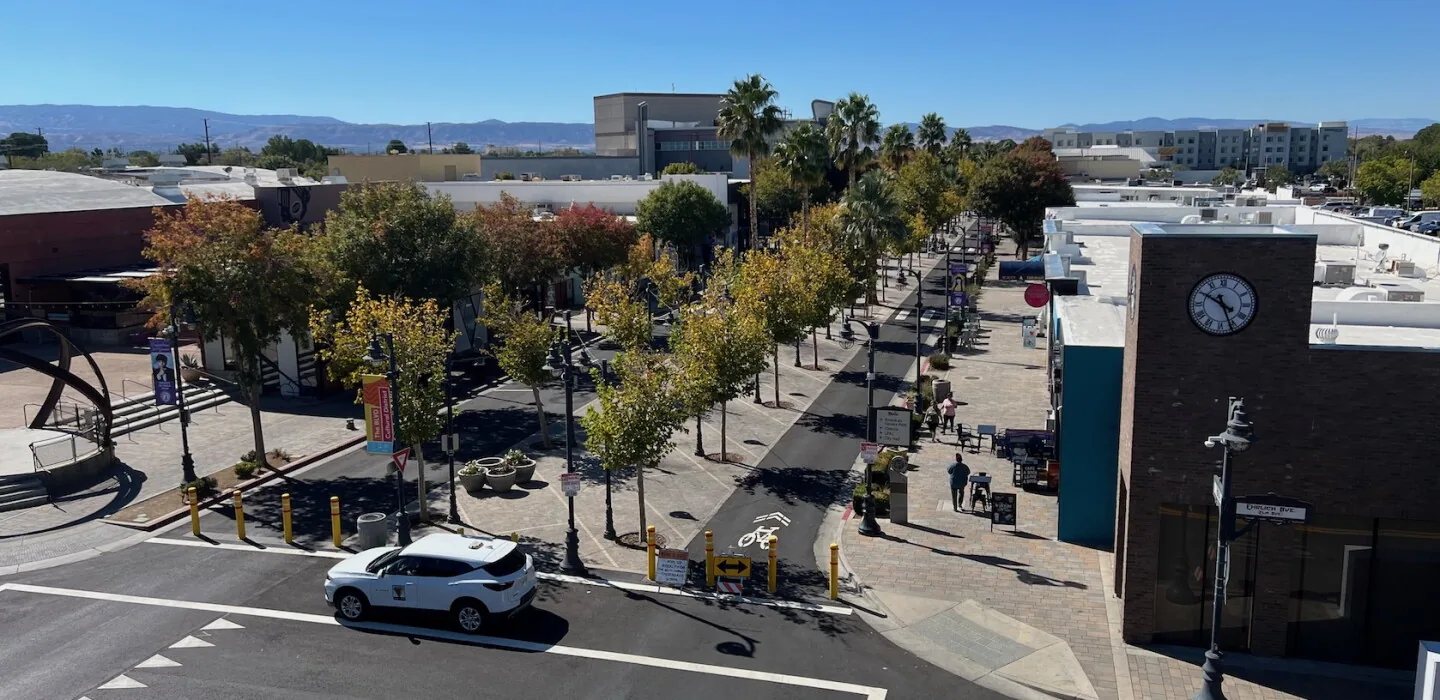
The repair plan needs to fit the building below the roof. Lancaster Business Park supports light manufacturing, wholesaling, professional offices, research and development, and trade schools. Those activities create different access windows, indoor protection needs, and rooftop equipment layouts. We coordinate around air intakes, exhausts, production hours, loading doors, and rooms where a temporary water stop matters. That planning helps the crew reach the roof detail without putting the facility’s daily work at unnecessary risk.
Enterprise Business Park includes office, light-industrial, and retail uses. A repair near a storefront may need pedestrian protection and clear tenant access; work above an operating industrial space may call for interior containment or a short equipment shutdown. We confirm those conditions with the property contact before starting. If the repair is part of a broader program, roof condition reports can keep recurring conditions, completed work, and open items in one record.
Stop Active Water, Then Correct the Detail
When water is entering a building, the first step is to control exposure. We identify the active route, move materials or equipment away from dripping areas where practical, and apply a temporary cover or seal that can hold until permanent work is safe. Emergency protection is documented separately from the final repair so the owner knows what was stabilized and what still needs correction. A wet deck, energized equipment, or unsafe access can change the sequence.
Once conditions allow, we remove temporary material and inspect the underlying roof. The permanent scope may require a new patch, flashing, drain repair, or replacement of wet layers. We keep photographs of the initial condition and the completed detail. For larger openings or damage after a storm, our emergency roof response can establish a dry-in plan, with wind-related roof repair used when the inspection confirms that the storm moved or lifted roof components.
Close the Loop with a Condition Record
After the repair, we document where work occurred, what material was installed, which transitions were rebuilt, and what surrounding conditions remain. That record helps the next inspection distinguish a new repair from an older patch. If water returns, the photos and exact repair boundary make it easier to test the next likely path instead of repeating the same surface treatment.
Recurring leaks can signal that the repair area is too small, the surrounding insulation is wet, or another component is allowing water into the assembly. We review that history with the property manager and explain whether the next step is another local repair, a focused moisture survey, or a replacement evaluation. Lancaster properties that need an asset-level view can use roof capital planning to group urgent repairs with longer-term work. The recommendation should reflect observed conditions and the building’s priorities.
Commercial Roofing Questions
Can you repair a roof before the source of a leak is certain?
We can stop active water with temporary protection while tracing continues. The permanent repair waits until we can connect the roof detail, moisture evidence, and interior symptom well enough to define a useful boundary.
What if the patch material does not match the existing membrane?
Compatibility decides the repair method. We identify the existing system, use a tested transition when needed, and avoid joining materials that can separate or interfere with one another.
How do you know a leak repair is holding?
We inspect the finished seam, flashing, termination, or drain detail and record its condition. If the roof allows a controlled water test, we can use it to check the repaired path without assuming that a dry ceiling alone proves the assembly is sound.
Should repeated repairs be replaced with a new roof?
Replacement becomes more compelling when deterioration crosses multiple sections, moisture reaches the substrate, and repeated repairs no longer leave a sound boundary. We compare those findings with the cost and disruption of another local repair.