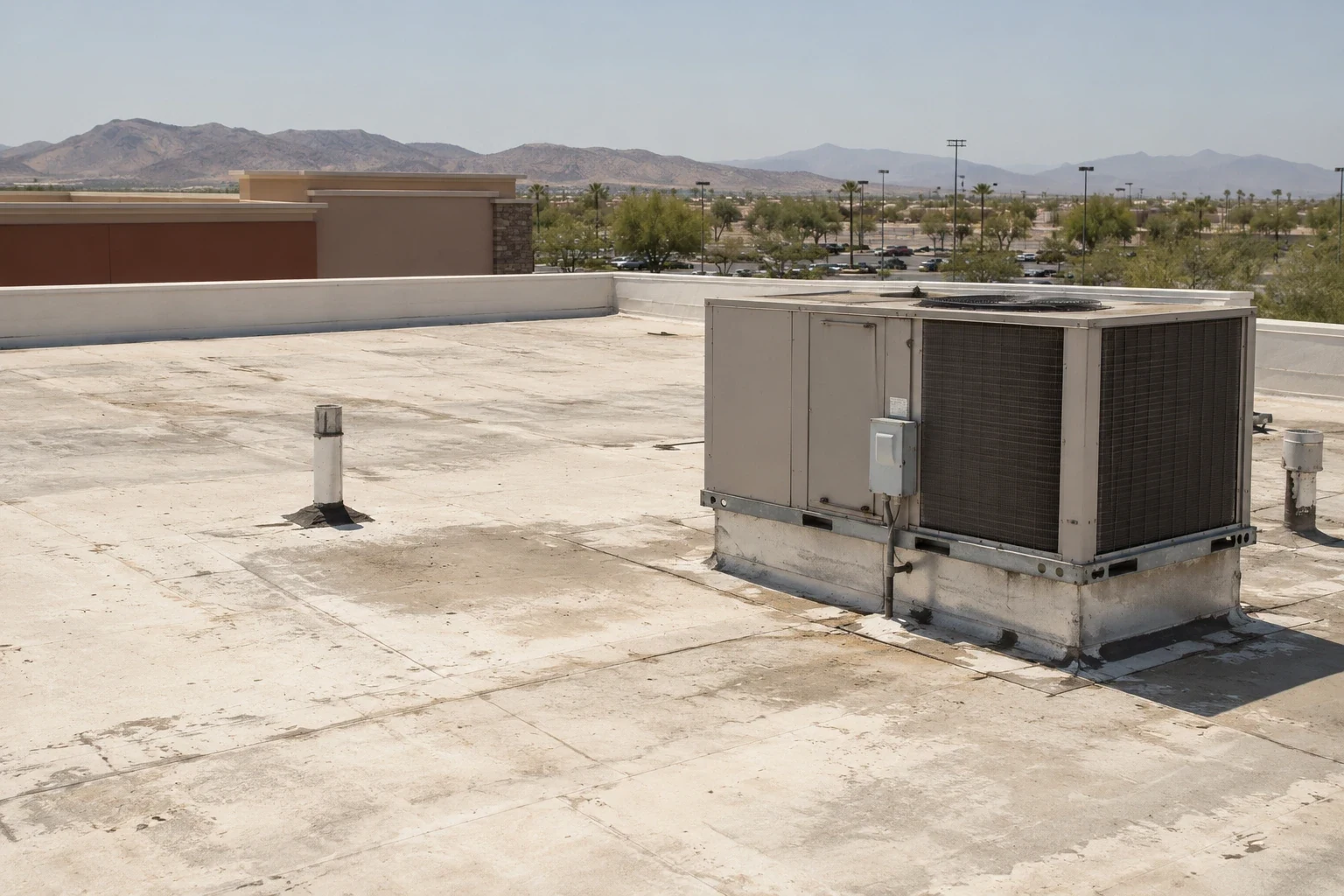
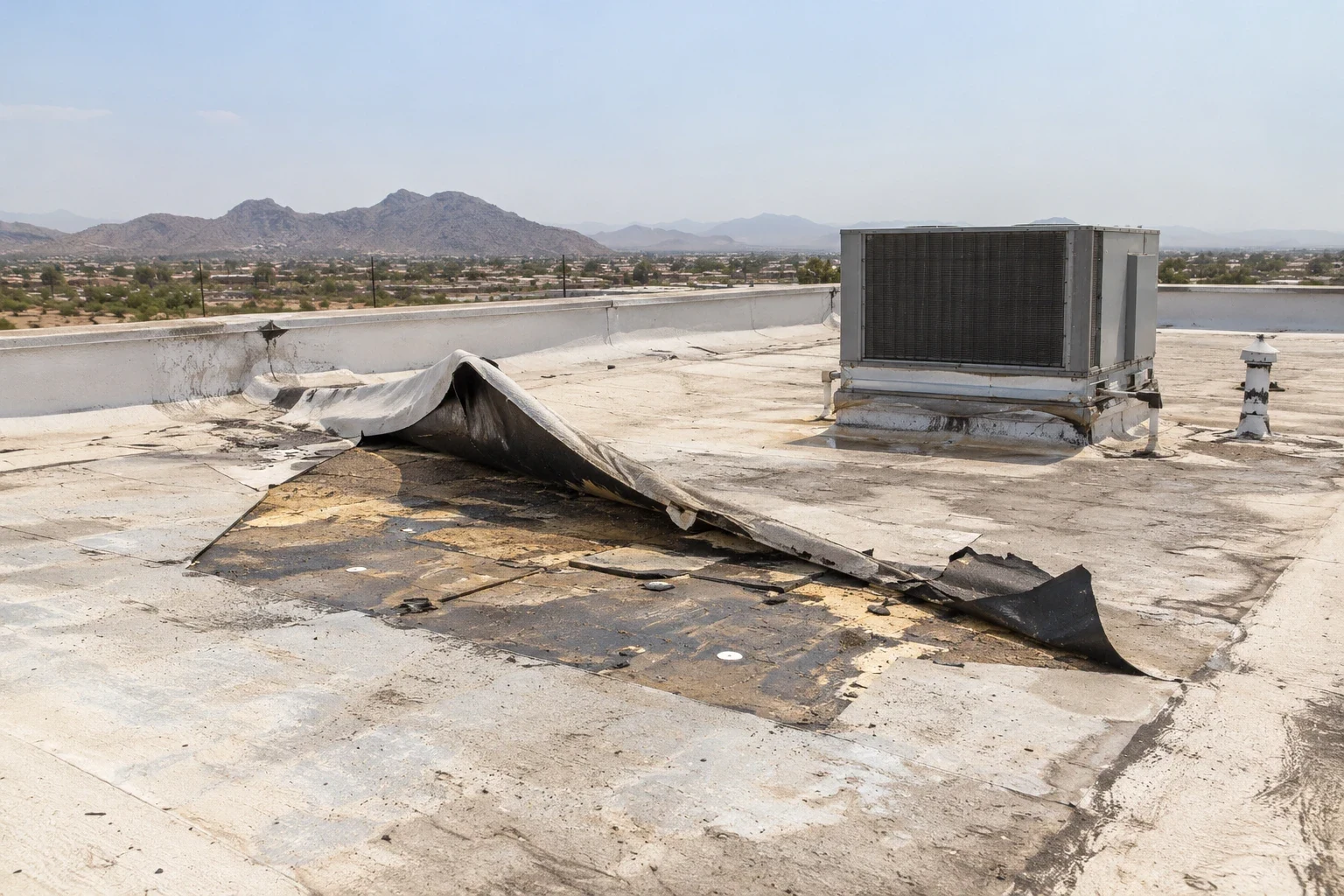
Roof work has to fit the building's use. A leak over production equipment, a guest room, or a public counter changes access, protection, and scheduling. We document roof conditions and define the repair boundary, then coordinate the plan around the operating needs the facility identifies.
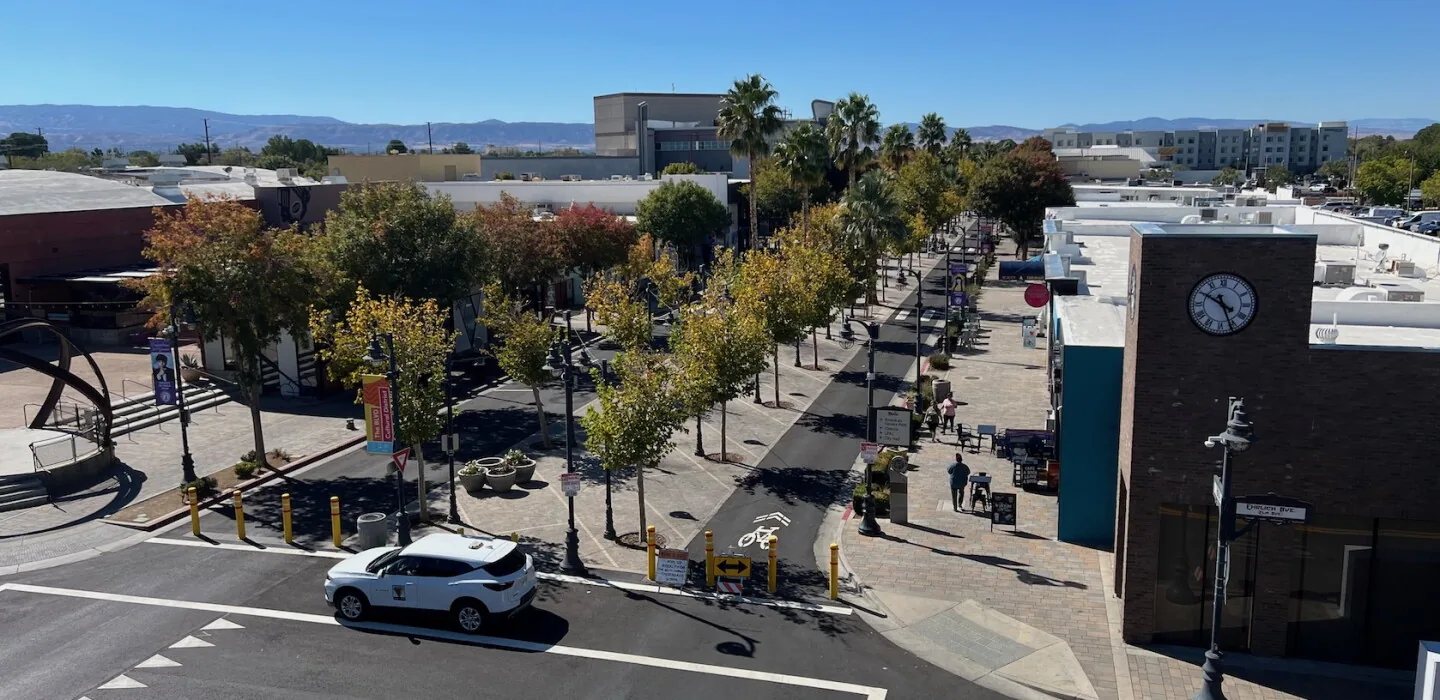
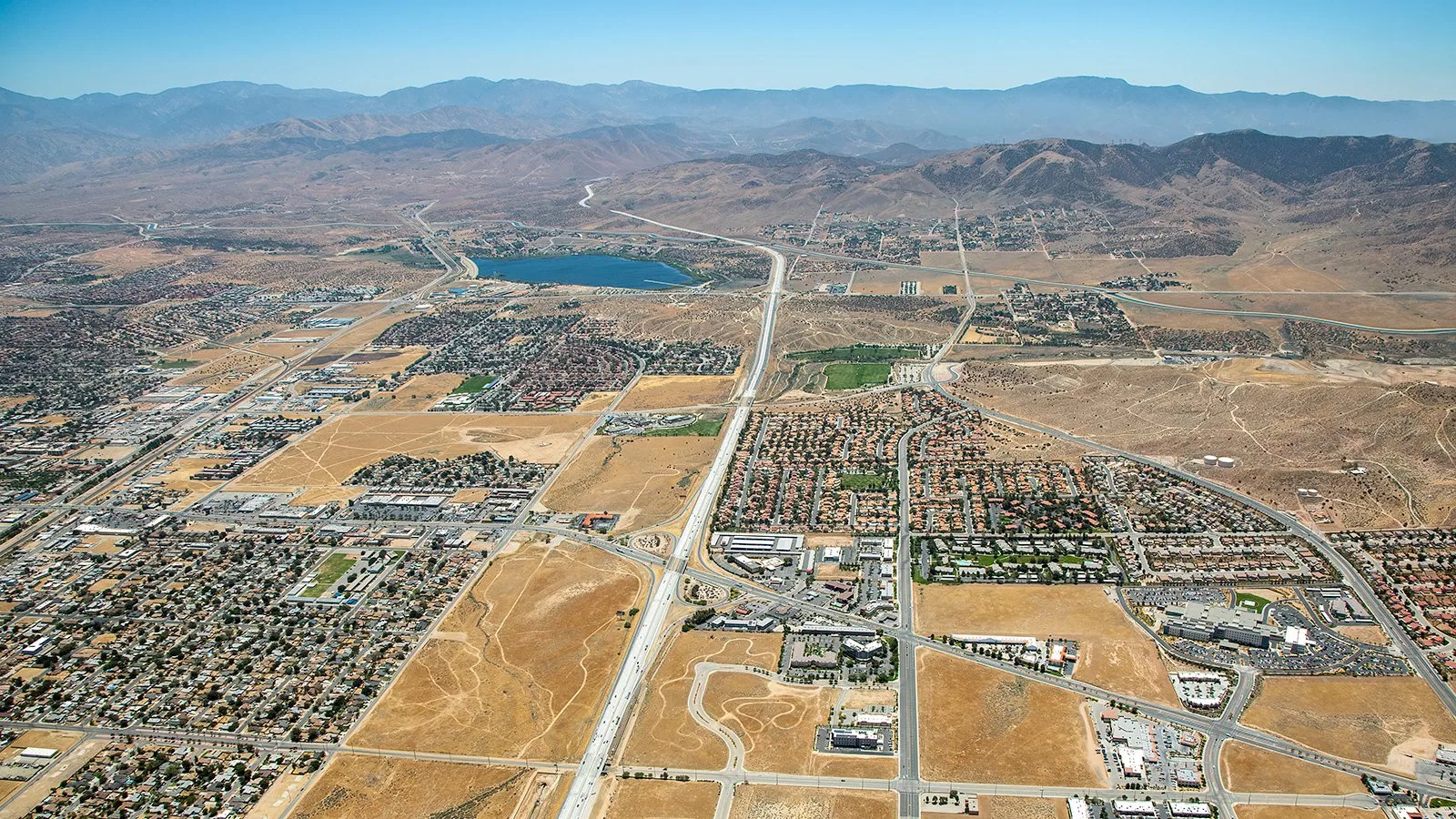
Lancaster planning includes industrial, medical, business park, and commercial districts. Nearby Palmdale identifies logistics, advanced manufacturing, medical, hospitality, and retail activity. The local mix helps frame access and building context, but each roof still needs its own inspection and repair history.
Industries We Serve
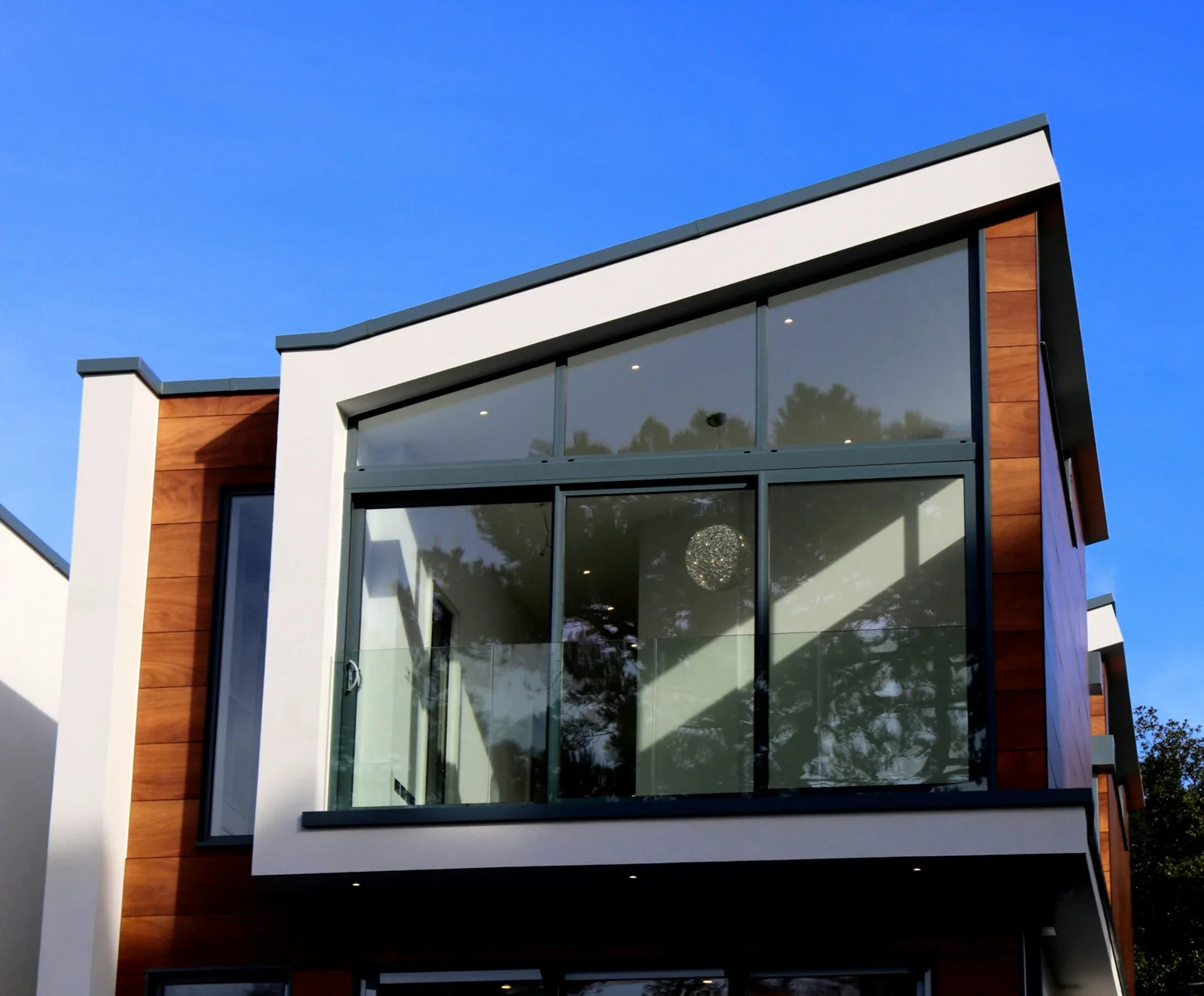
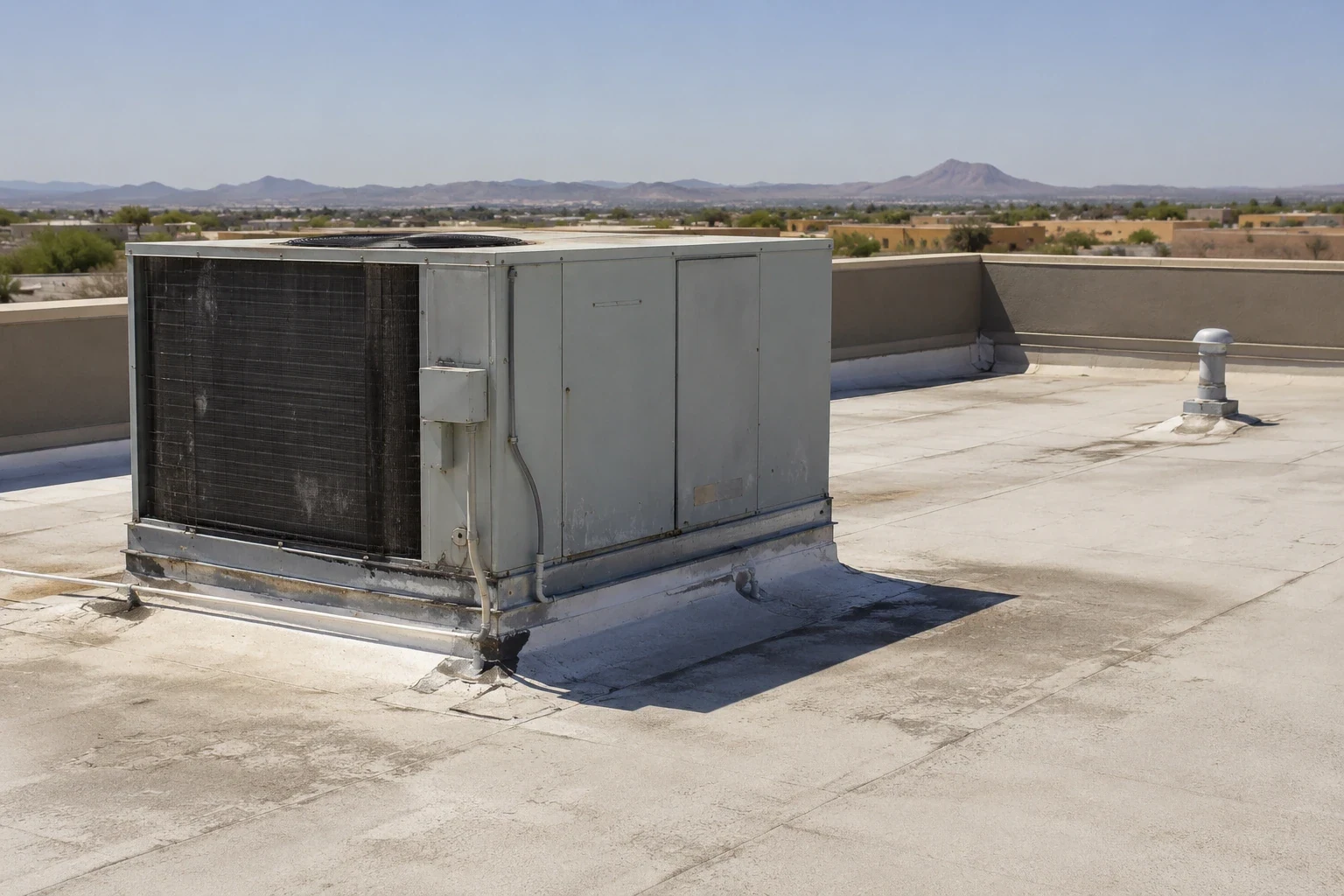
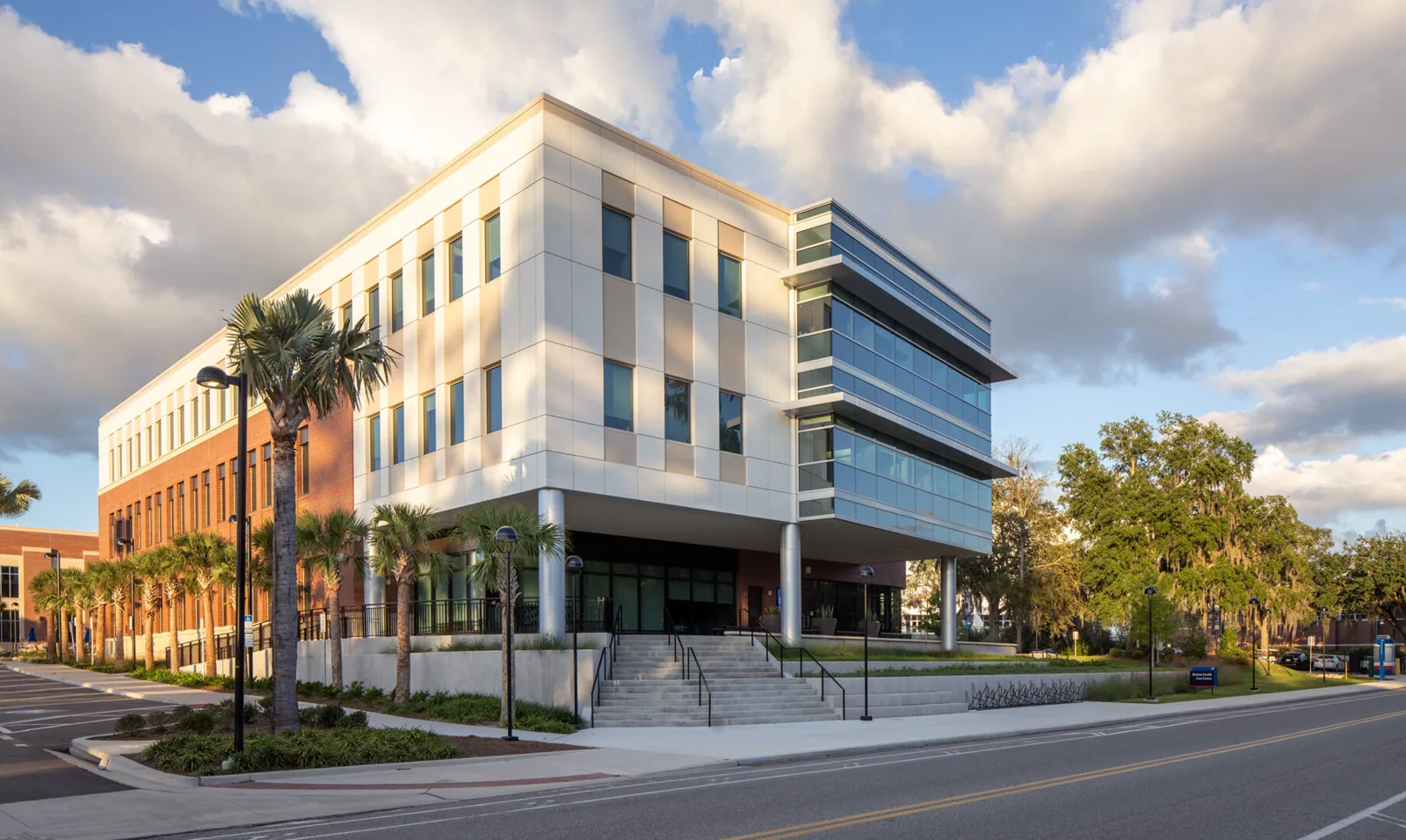
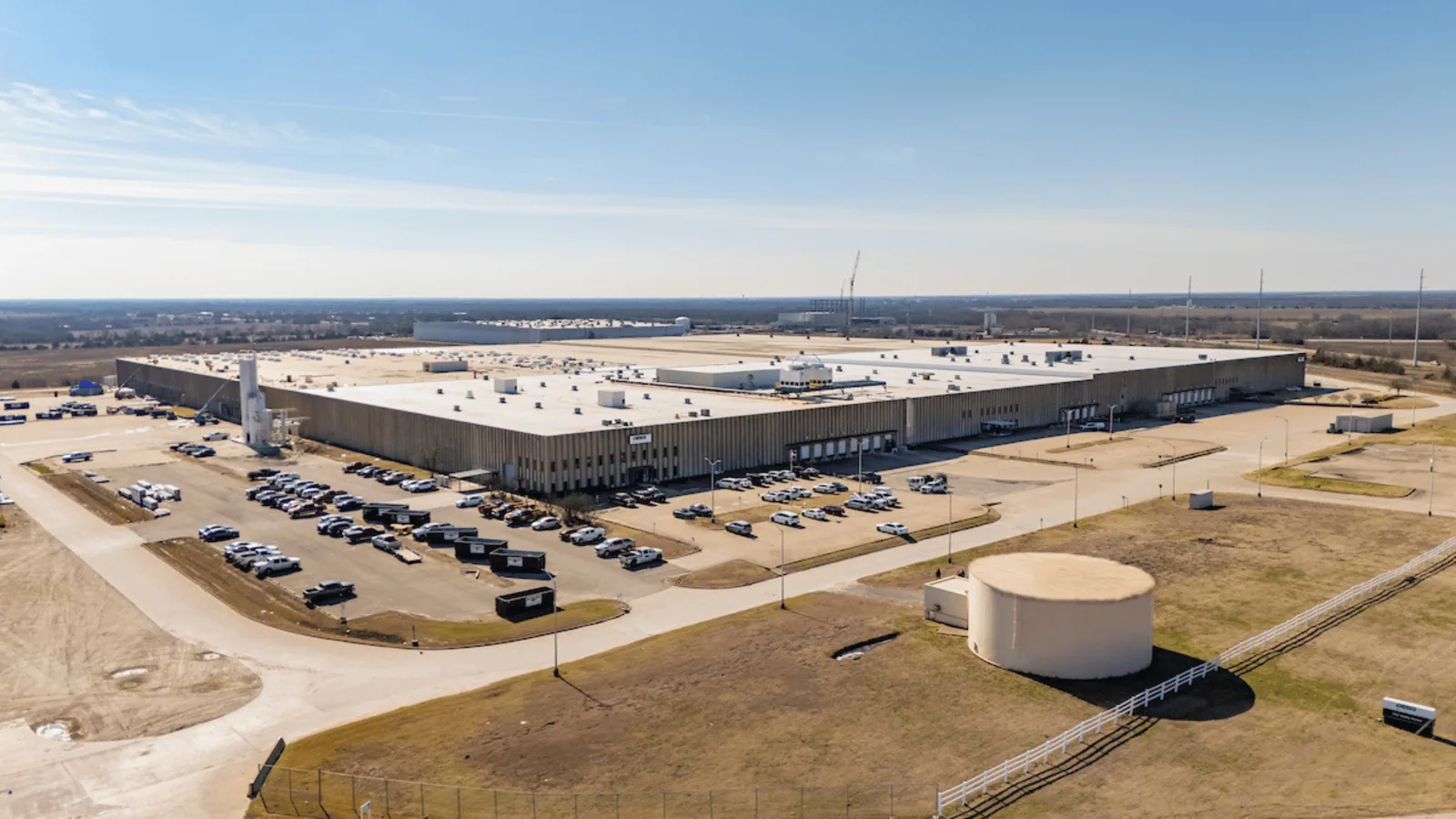
More About Our Industries We Serve
How does the work affect daily operations?
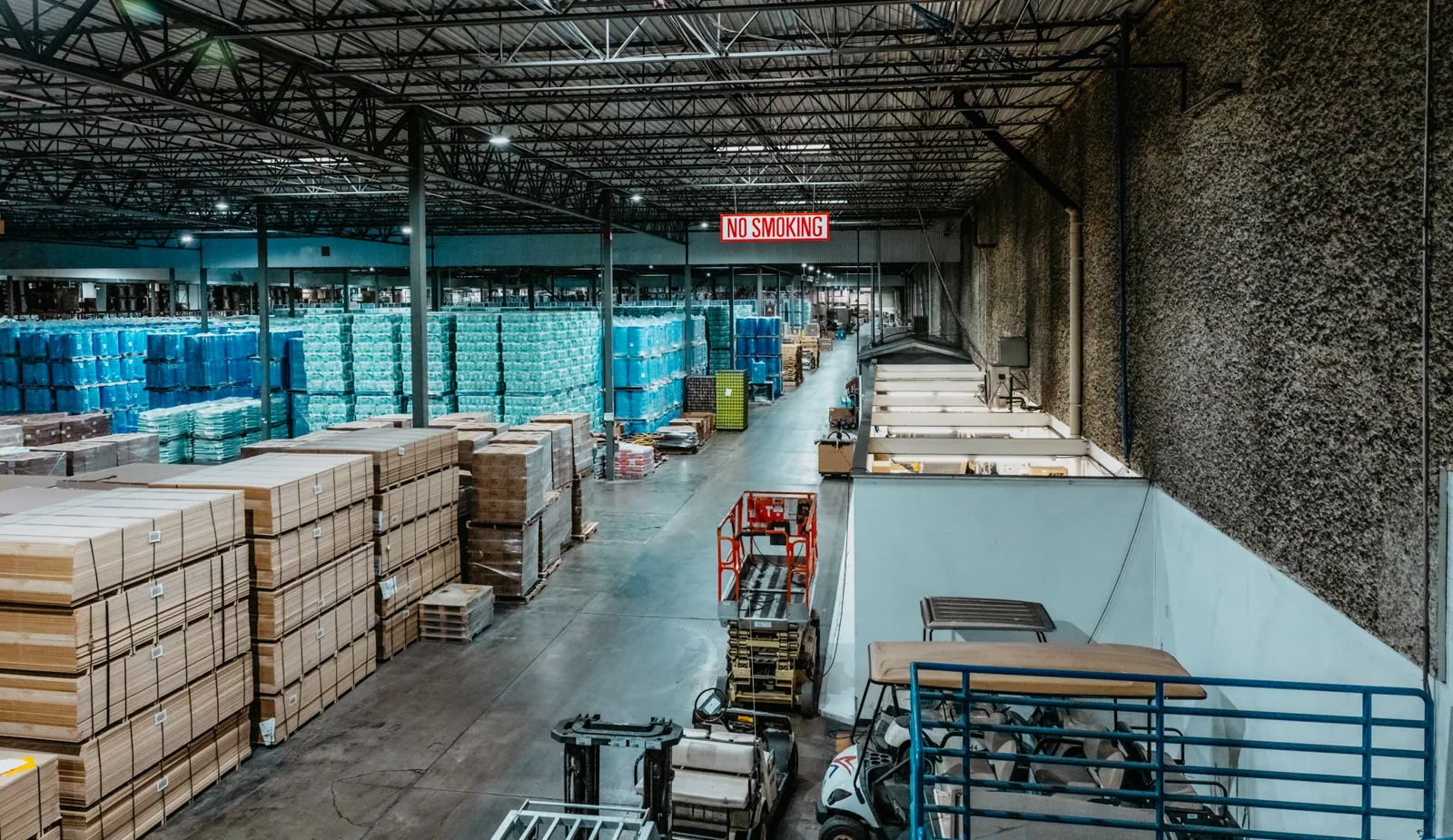
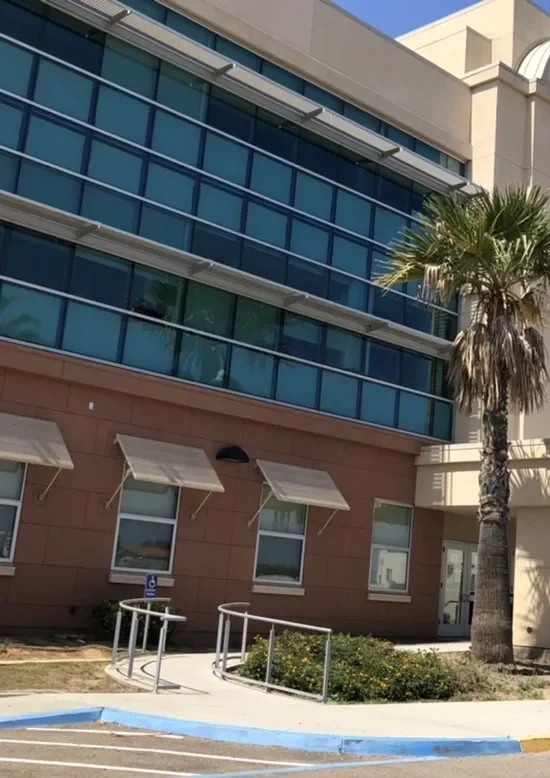
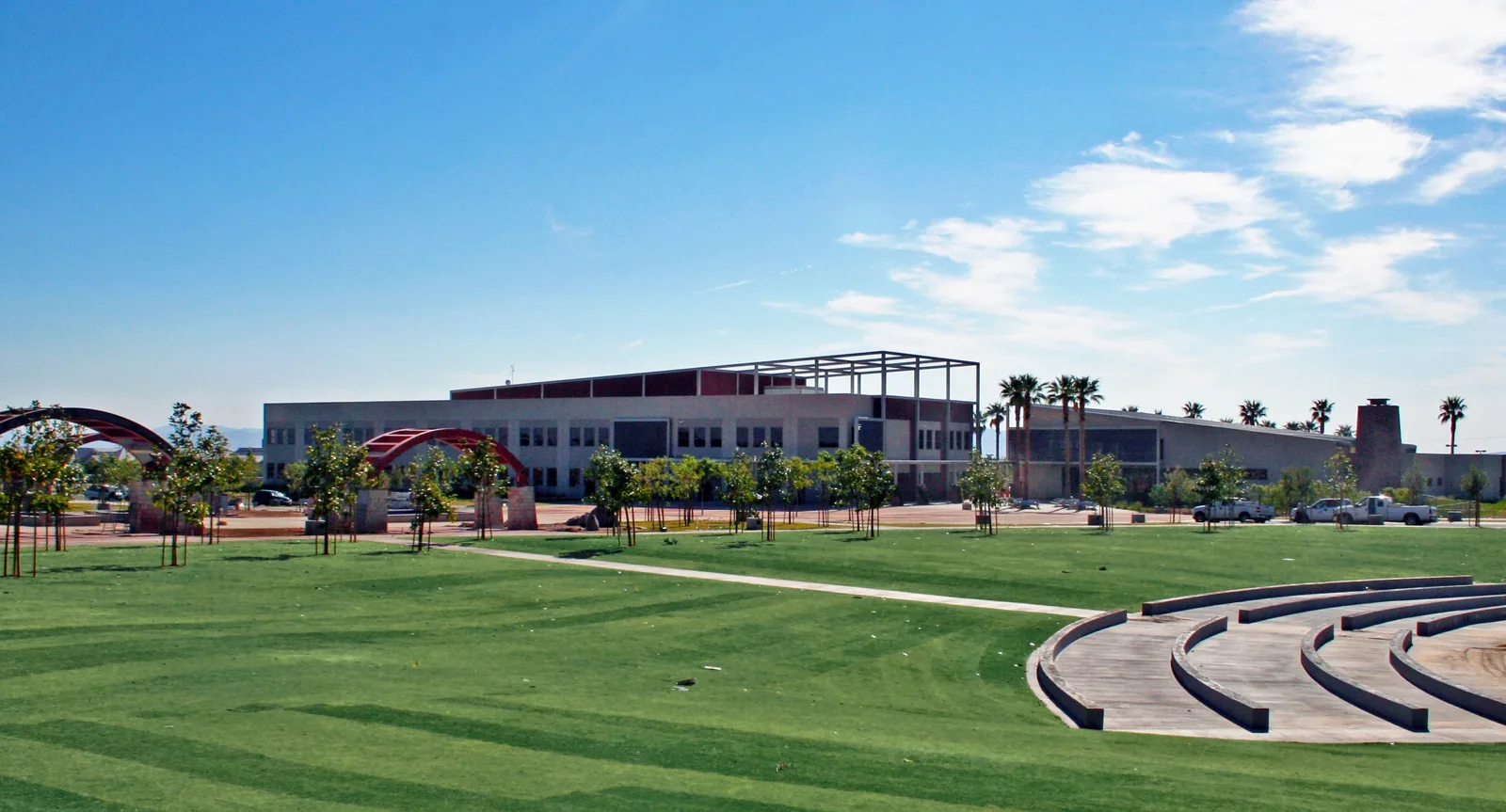
Manufacturers and logistics operators may coordinate roof access with equipment, receiving, and production. Healthcare systems and school districts need work planned around occupied spaces, access controls, and schedules. The scope should state the actual area affected and how crews enter the roof.
Who needs the findings?
Public agencies may need a defined review record and procurement scope. Property managers coordinate tenant access and building files; investors and REITs may compare roof needs across properties. General contractors need clear roof-plane and trade boundaries before project work begins.
How do customer-facing portfolios stay open?
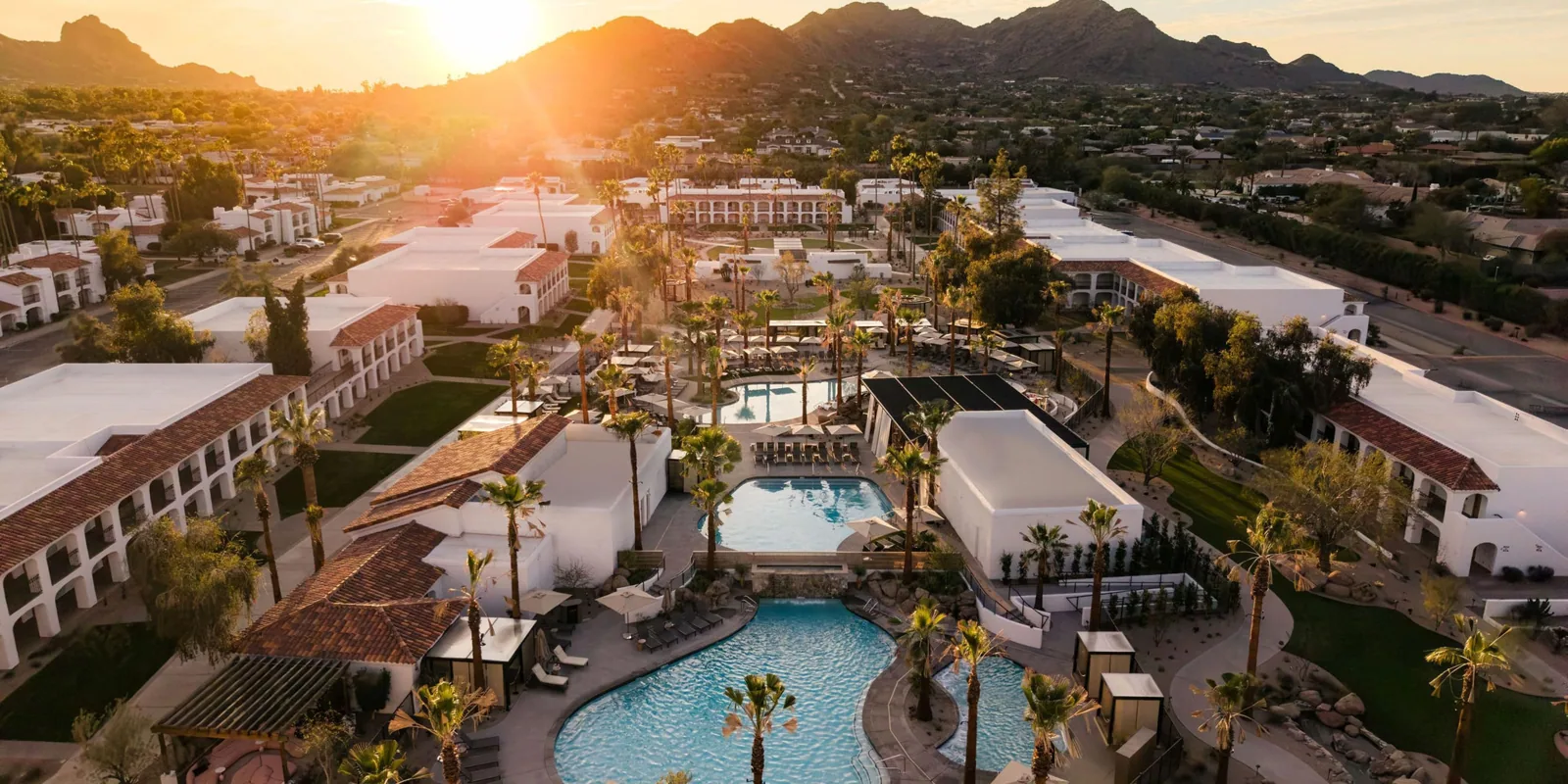
Retail and restaurant chains coordinate work around customers, deliveries, kitchen exhaust, and refrigeration. Hospitality groups may phase repairs around guest rooms and events. Insurance and restoration teams need a factual roof record that keeps temporary protection distinct from permanent repairs.
For a multi-property owner, use a common report format but keep each roof's assembly, equipment, and access conditions separate. A repair record should identify the affected building, photos, material, and work limits. That lets regional staff compare priorities without carrying one site's assumptions into another facility.
Tie the scope to the Lancaster property
At Lancaster's William J. Fox Field station, the normal August high is 97.8 degrees Fahrenheit, while most rain falls from November through March. Schedule inspections and drain reviews with those local conditions in mind. Work timing still depends on roof findings, access, and the building's operating calendar.
Share roof plans, leak history, equipment changes, and occupancy requirements before an assessment. We document the affected areas, identify what remains unknown, and outline options that suit the actual property.
Commercial Roofing Questions
Does each industry need a different roofing system?
Not automatically. System choice depends on the building, roof assembly, drainage, attachment, and project requirements. Industry use changes access and coordination more often than it dictates a membrane.
Can a roof assessment happen during operations?
Often, if access, staging, and any interior protection can be coordinated. The property contact should identify restricted areas and scheduling needs before the visit.
What should a facilities team share?
Roof plans, prior repairs, leak locations, equipment changes, and operating constraints help define a useful inspection and work boundary.
Can one report support a portfolio decision?
A portfolio summary can compare findings, but each building needs a separate roof map, test results, photos, and access limits.
Request an industry-specific Lancaster roof assessment
Share the property's use, operating schedule, roof plans, leak reports, and prior repairs. We will document conditions and prepare a clear work scope.