After a storm or sudden leak, a property owner may need to protect the building, document roof conditions, and decide which repairs can proceed while a claim is reviewed. Those are related tasks, but they are not the same decision. We inspect the roof, photograph relevant conditions, and describe the work needed to limit further damage. The owner can then share a factual record with its insurer or restoration team and make separate coverage decisions.
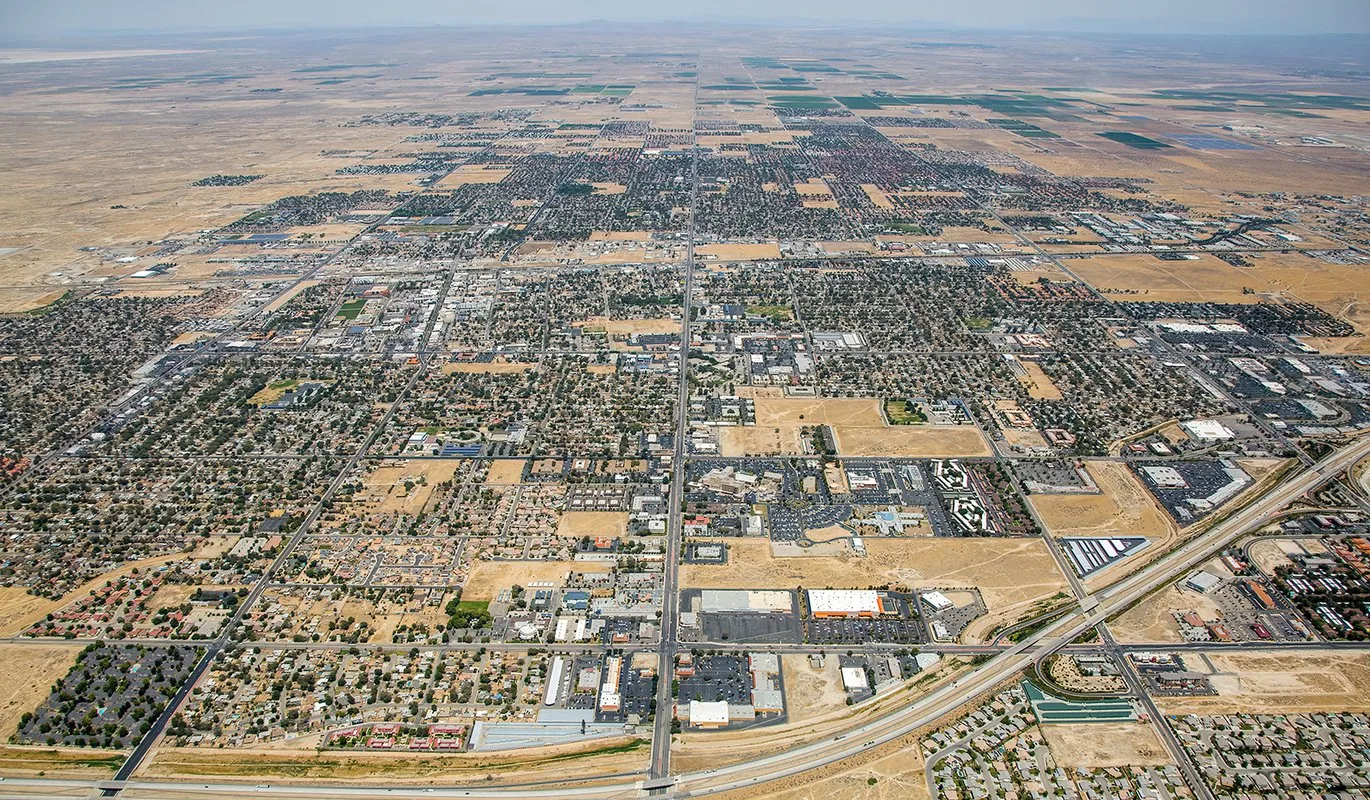
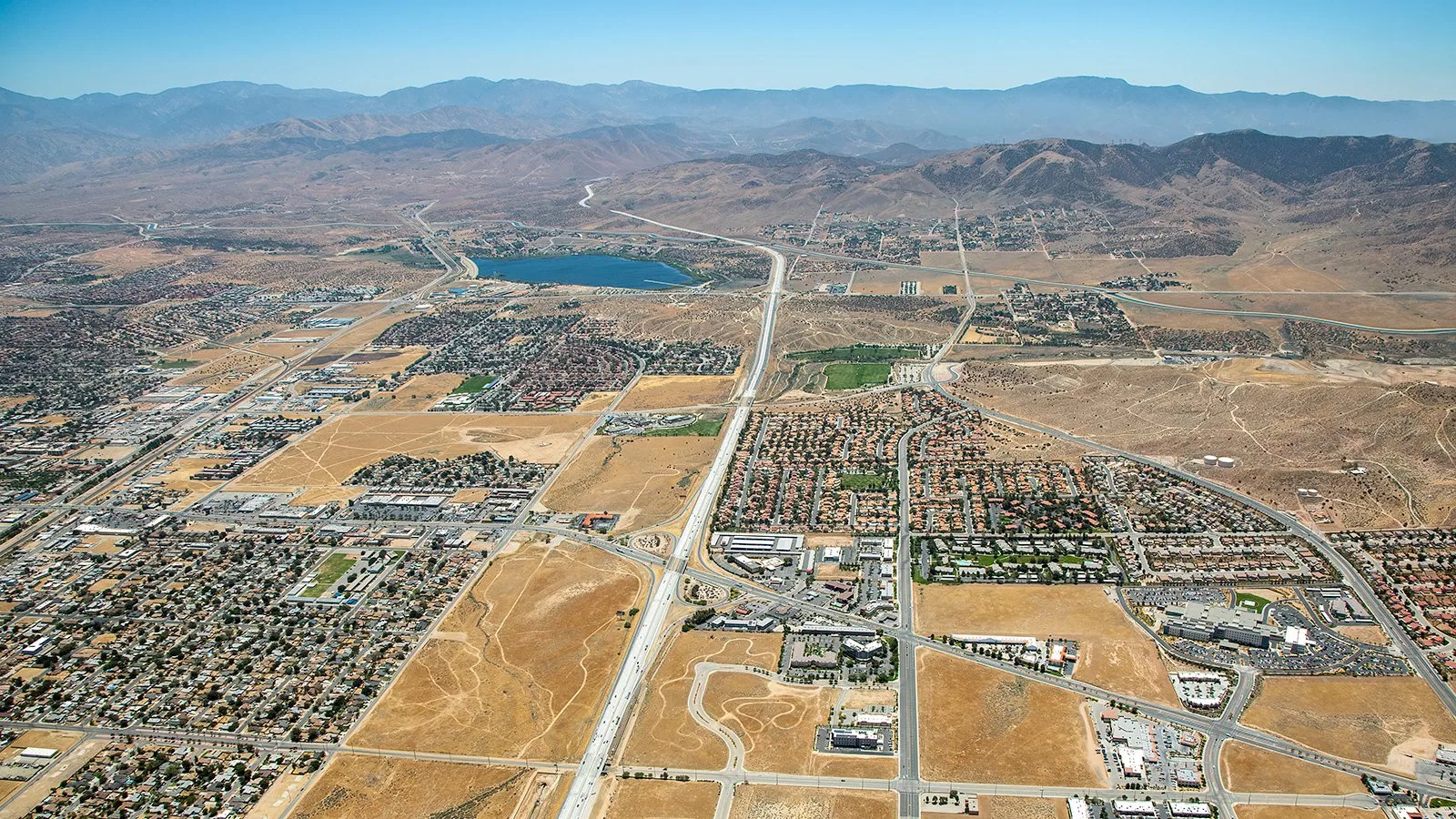
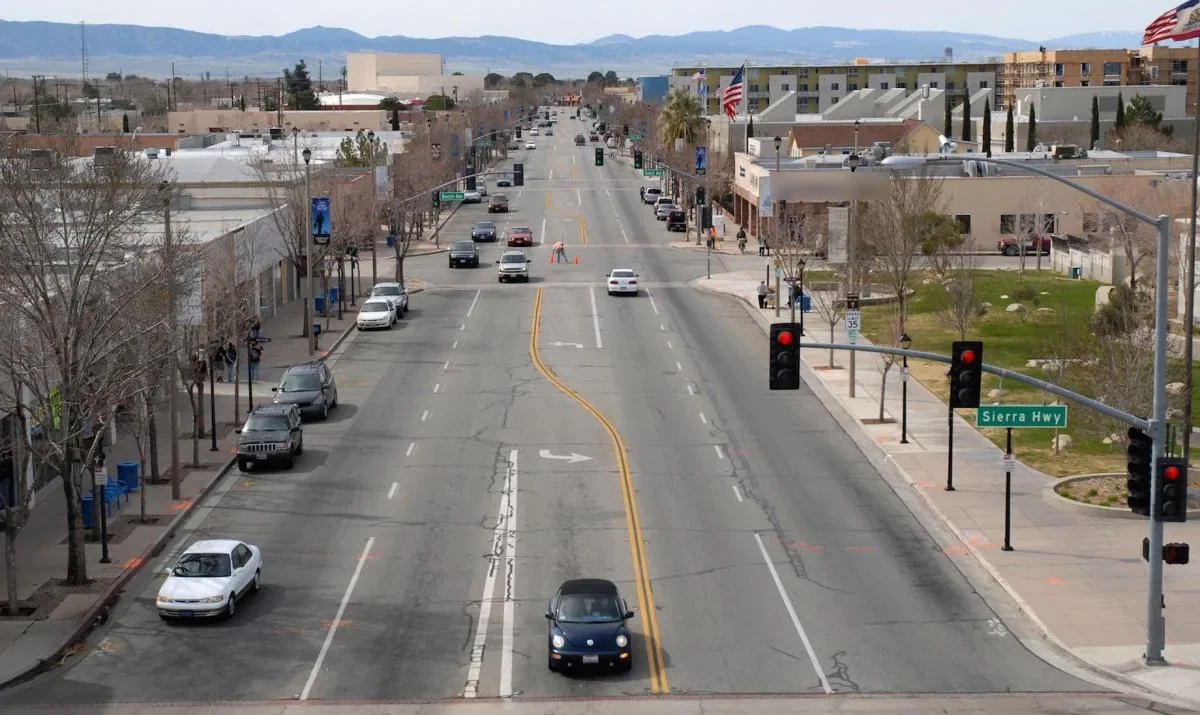
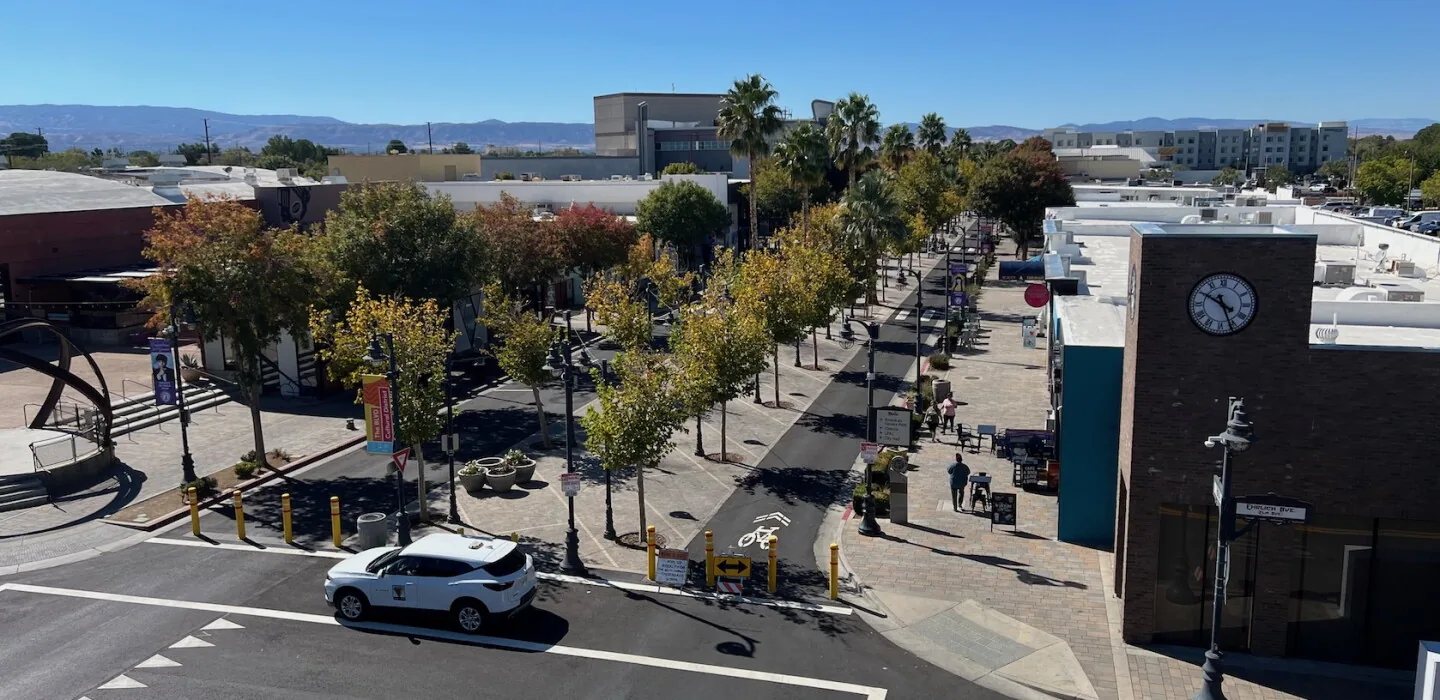
Lancaster's William J. Fox Field normal precipitation is concentrated from November through March, with 6.81 inches across a normal year. Even in a dry climate, a short storm can reveal an open flashing, puncture, or drain problem. The Antelope Valley's commercial properties range from Lancaster's business parks and industrial areas to Palmdale's logistics, retail, and manufacturing districts. A Palmdale property or a Lancaster Business Park building needs a site-specific inspection record.
Stabilize the Roof and Record the First Condition
For active water entry, the immediate task is to protect people, inventory, equipment, and the interior finish while identifying the likely roof path. Record when the issue began, recent weather, affected rooms, and any temporary measures already taken. On the roof, photograph the reported zone before moving debris or disturbing a patch. Those observations help separate the original condition from later mitigation activity.
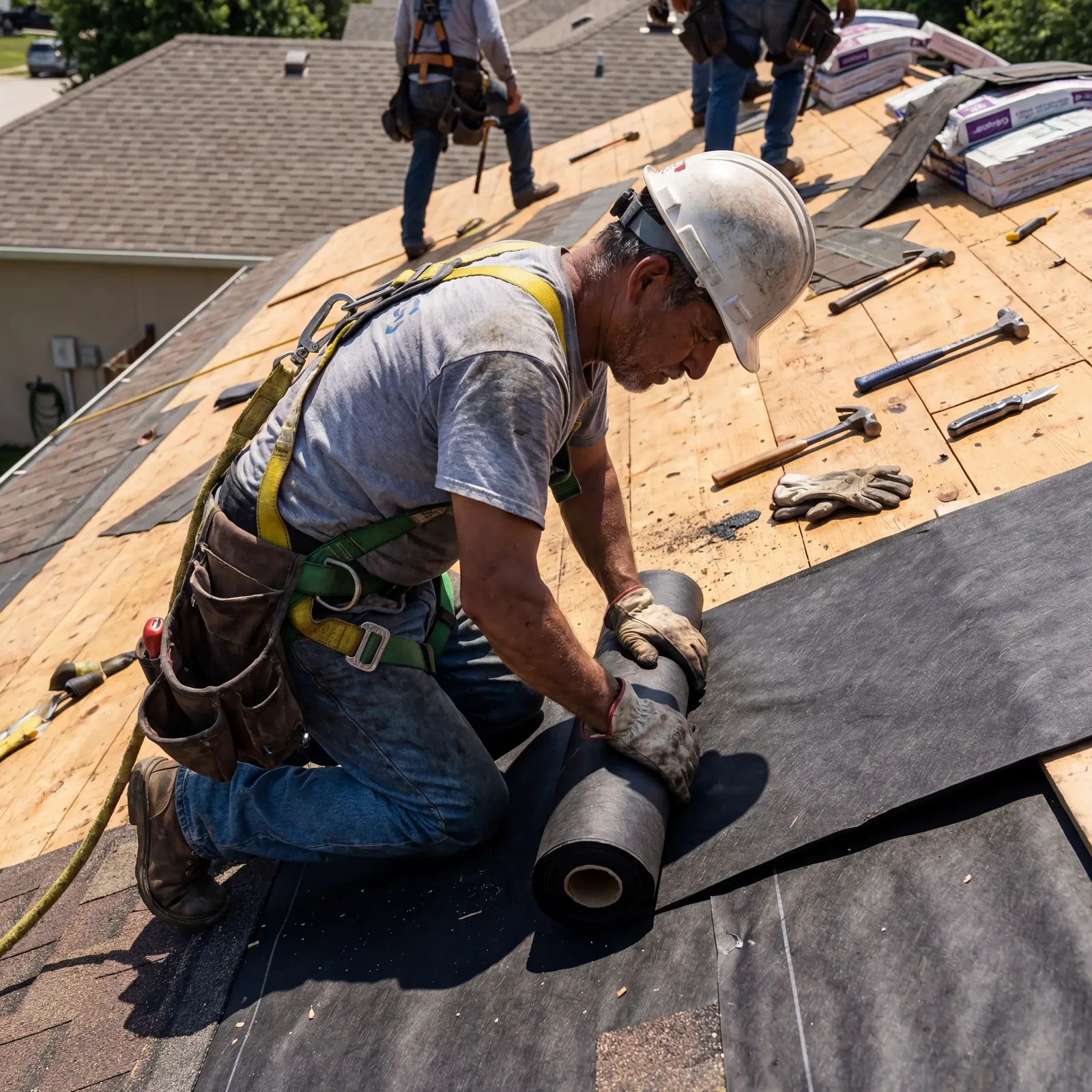
A temporary emergency repair may reduce continued exposure while a permanent scope is evaluated. The work record should identify what was covered, where, and what still needs inspection. Do not describe a temporary seal as a completed restoration if hidden moisture or a damaged substrate remains unresolved. An owner can preserve invoices and photos from emergency work with its claim file, while the roof contractor documents the physical task performed.
Build a Factual Roof Record
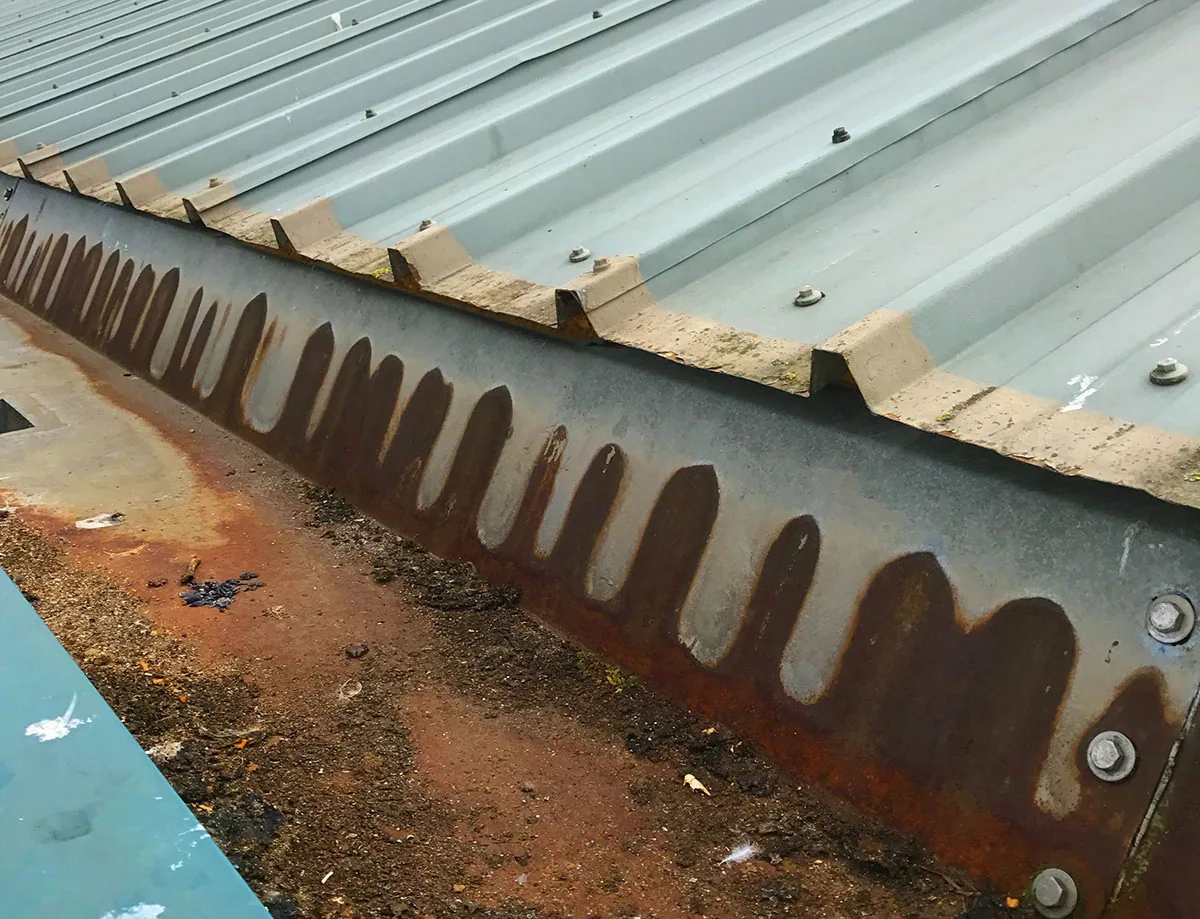
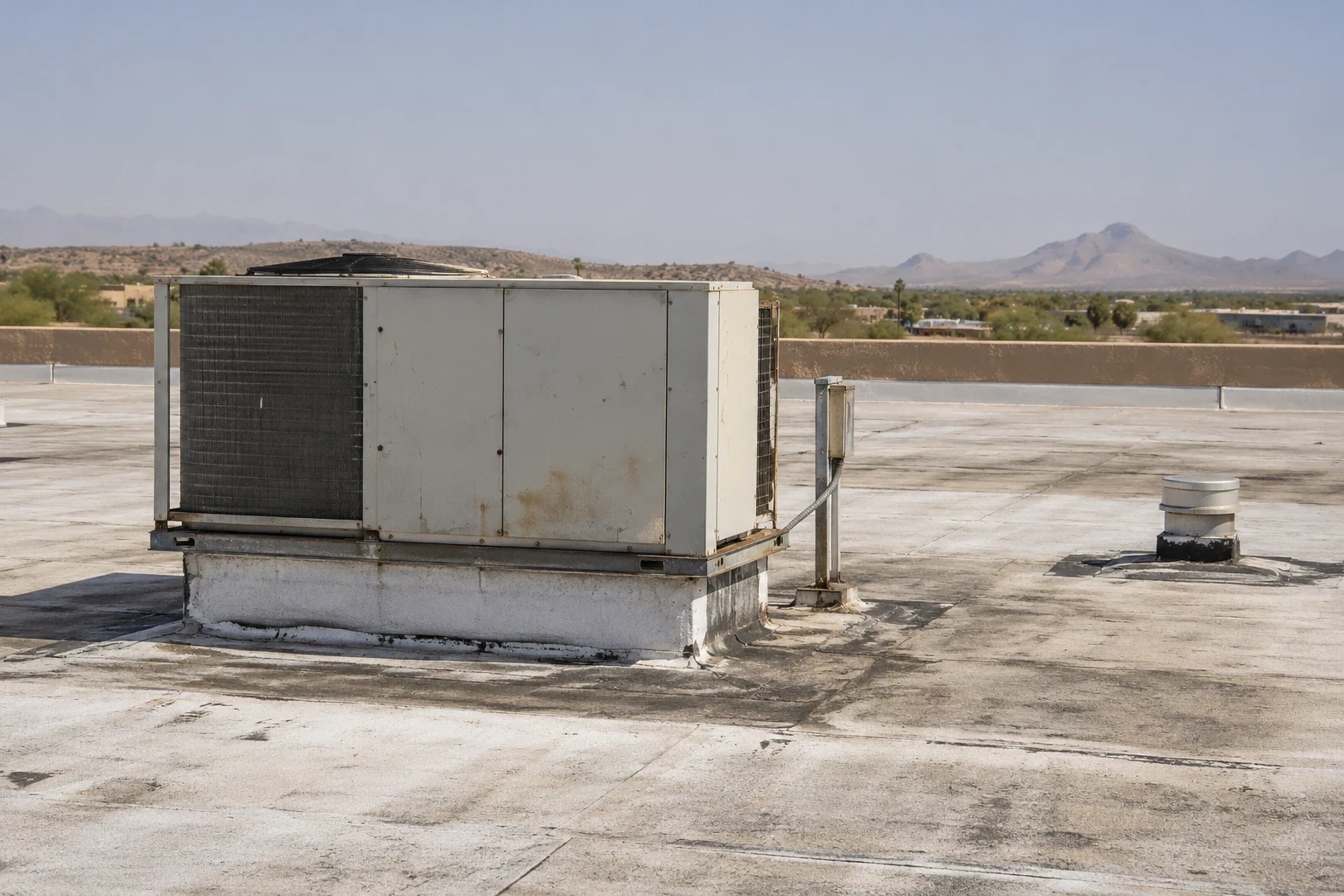
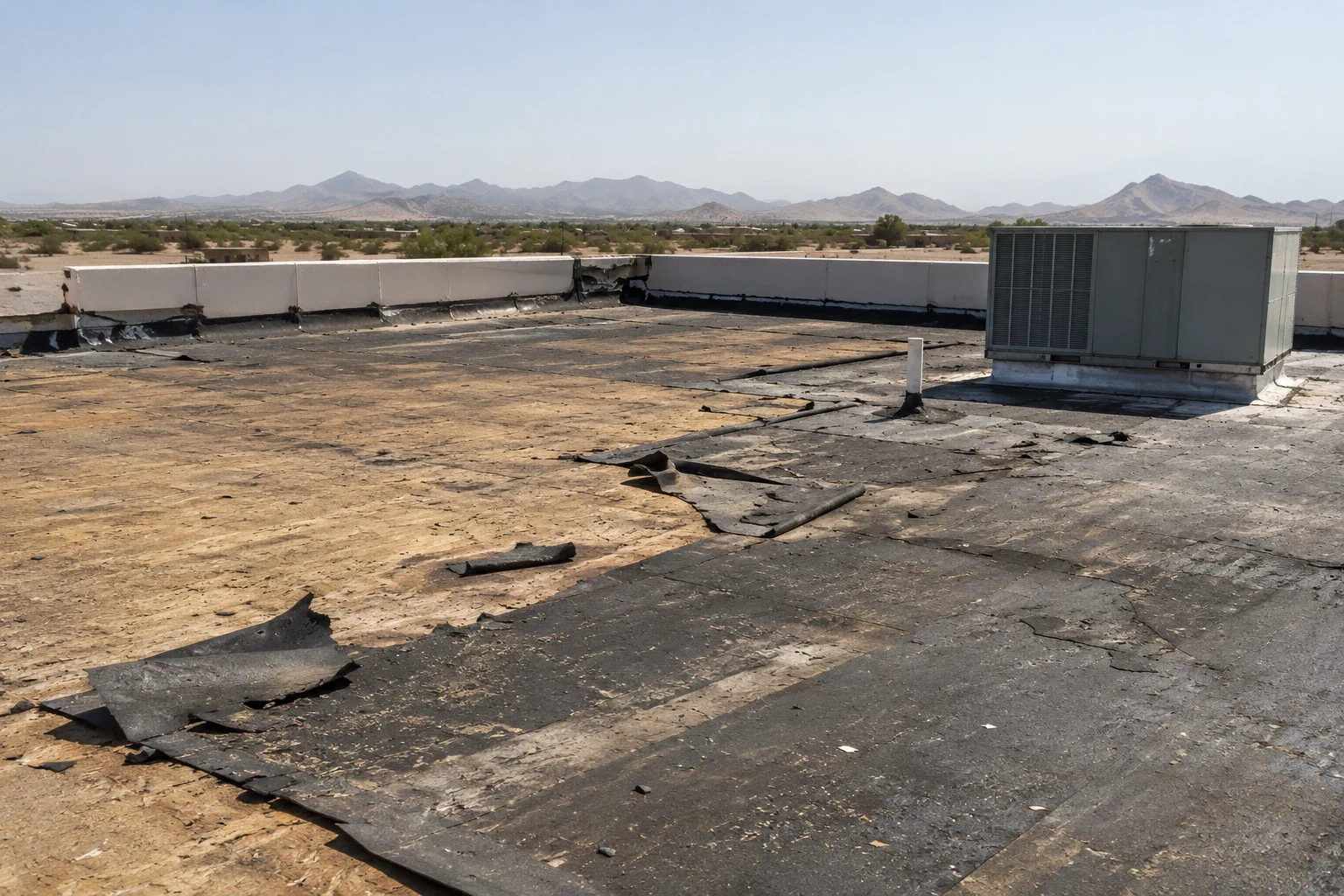
An inspection should identify visible damage, likely entry points, moisture findings, and areas not accessed. A stain inside does not by itself show whether water came through the roof, a pipe, condensation, or another building component. We compare the interior report with roof seams, penetrations, edge metal, drains, and prior repairs. Testing can be used when it helps define a boundary, and the method and location should appear in the report.
A commercial roof inspection can document the assembly and conditions for the owner. Keep findings factual: distinguish direct observations from likely causes, note dates and photos, and separate immediate protection from permanent repair. An adjuster or consultant may request additional information; the owner controls that claim communication. We provide the roof observations and repair scope within our work, not a promise that an insurer will accept a particular cause or payment amount.
Separate Mitigation from Permanent Correction
Emergency protection often addresses the water path that is active now, while permanent work may require drying, removal, or a broader transition. A repair proposal should state whether it includes opening the assembly, replacing wet insulation, testing adjacent areas, and restoring edge or drain details. If an unknown condition appears after removal, document it before extending the work. The owner can compare the changed finding with the original scope and make an informed authorization.
A local repair may be appropriate when the defect and affected materials are contained. Wider deterioration or recurring leaks can call for replacement evaluation. When the existing assembly is sound enough for restoration, a coating assessment may be considered separately. Each option depends on roof condition, material compatibility, drainage, and the amount of verified damage. Coverage remains a matter for the policy and claim decision process.
Keep Contractor and Claim Roles Clear
Restoration, roofing, contents, and interior trades may work in the same building. Set the roof access route, protection area, temporary dry-in responsibility, and the person who can authorize changes. If an interior crew opens a ceiling, coordinate the roof inspection with the newly exposed condition. A clear record of timing helps explain which work occurred before or after the roof inspection and who handled each part.
The owner should preserve communications and approvals in its own claim file. Our field report can identify roof conditions, work completed, materials used, and remaining recommendations. It should not substitute for an adjuster's coverage analysis, engineer's causation opinion, or the owner's policy review. This distinction helps the property team use each document for its intended purpose. If the owner asks us to meet a consultant or adjuster, define the area and question to be reviewed before the visit.
Track Repairs Through Weather and Closeout
After a repair, inspect the tie-in, drainage path, and any temporary protection. Photograph the completed detail and list the exact roof zone. If the assembly was opened, record removed and installed materials and any remaining dampness or inaccessible section. These closeout items can help the owner respond to later questions about what was changed and which conditions were outside the repair boundary.
Rain is concentrated in the cooler months at Lancaster's Fox Field station, so follow-up should account for the next meaningful wetting event when practical. A maintenance check can confirm the repaired area and inspect adjacent drainage. For multi-building owners, a public owner file and a property maintenance record can keep invoices and recommendations tied to the correct building while each claim history remains separate. Save roof photos, mitigation invoices, and repair documentation with the site's established records. If several firms visit before permanent work, keep dates and task boundaries with each invoice. That timeline helps a reviewer distinguish immediate weather protection from later removal, drying, interior restoration, or final roof correction. It also gives the facility team a practical checklist for confirming that each approved work item was completed. A dated building repair log clearly helps the facility track open follow-up items after the claim review ends. Before closing a work order, confirm that the roof photo, invoice, and final scope describe the same area. Keep any recommended testing or inaccessible section on a separate action list so it does not disappear when temporary protection is removed.
Questions During a Roof Claim
Claim activity can create pressure to make a fast repair decision. These answers explain what the roofing scope can document and where the owner needs other advice.
Commercial Roofing Questions
Can a roofer determine whether my insurance claim will be covered?
No. We can document roof conditions and the work needed to protect or repair the building. Coverage depends on the policy and the insurer’s review. The owner should direct coverage questions to its carrier or qualified claim representative.
Should emergency work wait for an adjuster inspection?
Protect people and prevent avoidable damage. Photograph the condition when practical, retain records of temporary work, and follow the owner’s claim procedures. The property owner can coordinate access with the insurer while addressing an active leak.
What should a roof report say about storm damage?
Identify observed conditions, locations, photos, inspection limits, and work performed. Separate observations from conclusions about cause, and state what testing or additional review may be needed to define the affected assembly.
Will a temporary patch settle the permanent scope?
Not necessarily. A temporary seal may reduce exposure but does not establish whether insulation, deck, or surrounding membrane needs replacement. The report should identify follow-up work that remains after the immediate condition is stabilized.
Can repair work begin before a claim decision?
The owner decides how to proceed under its policy and operational needs. A defined proposal can separate urgent protection from permanent work so the owner can seek appropriate authorization for each part.
What records should the property preserve?
Keep dated photos, roof plans, inspection notes, mitigation invoices, repair approvals, materials, and closeout documentation. Store them with the claim record and the building’s maintenance history so later reviewers can trace the sequence.