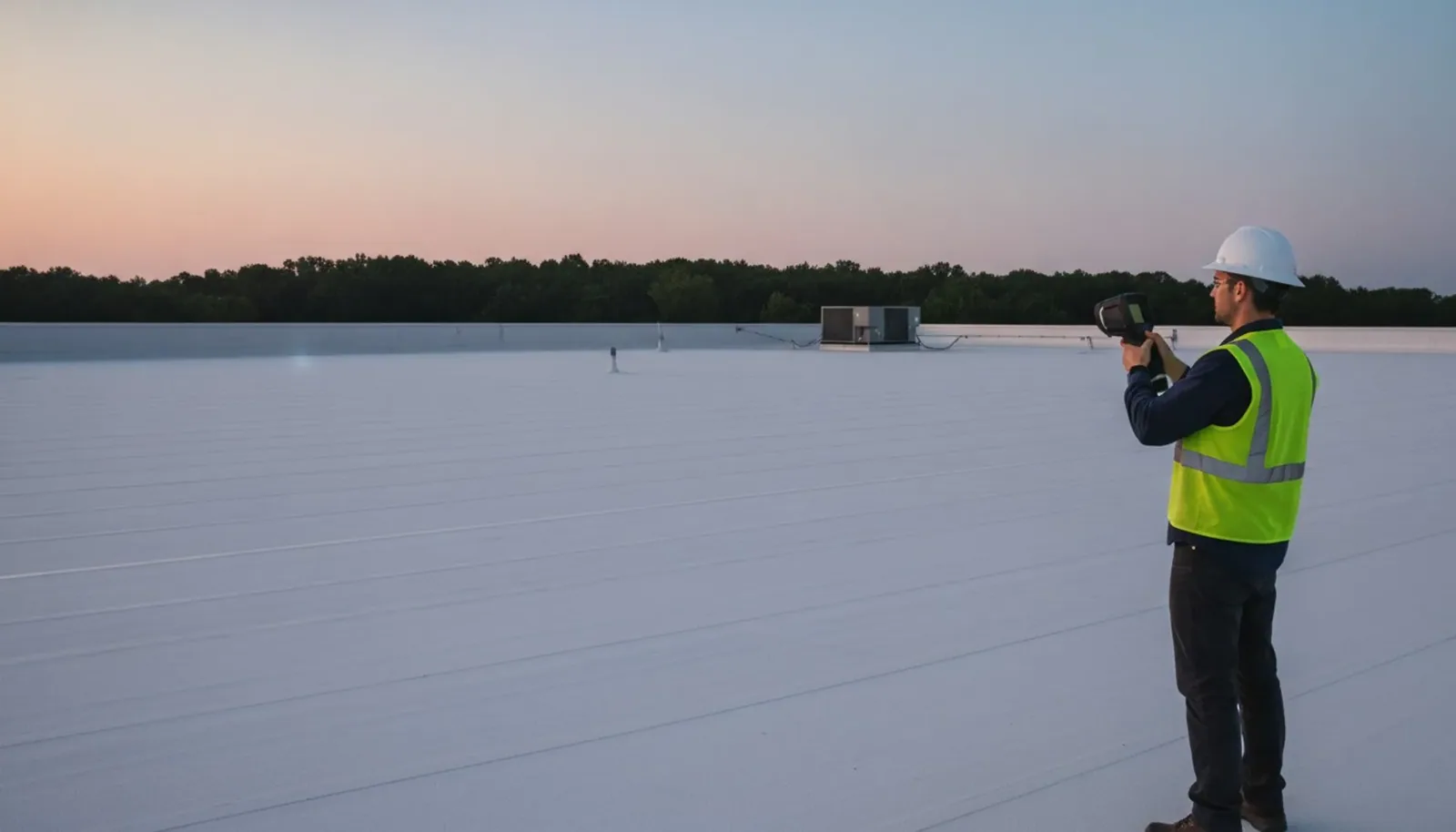
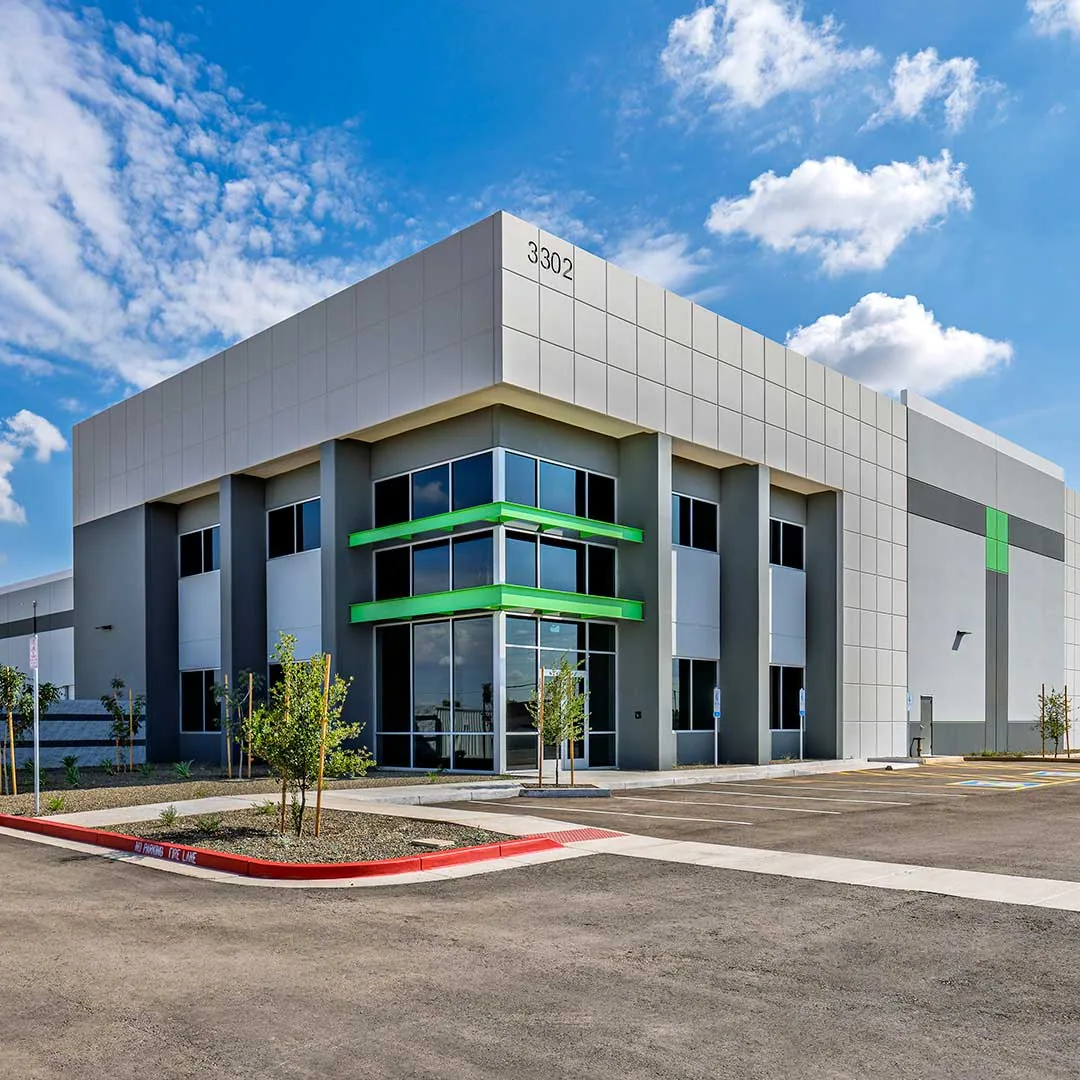
A data center roof can affect equipment uptime through a leak, an unsealed penetration, or work that interrupts cooling and electrical access. We inspect the membrane field, drains, curbs, cable routes, and service transitions, then identify what can be repaired without disturbing adjacent systems. The findings show the roof condition and the sequence required to protect critical operations while a repair is underway.
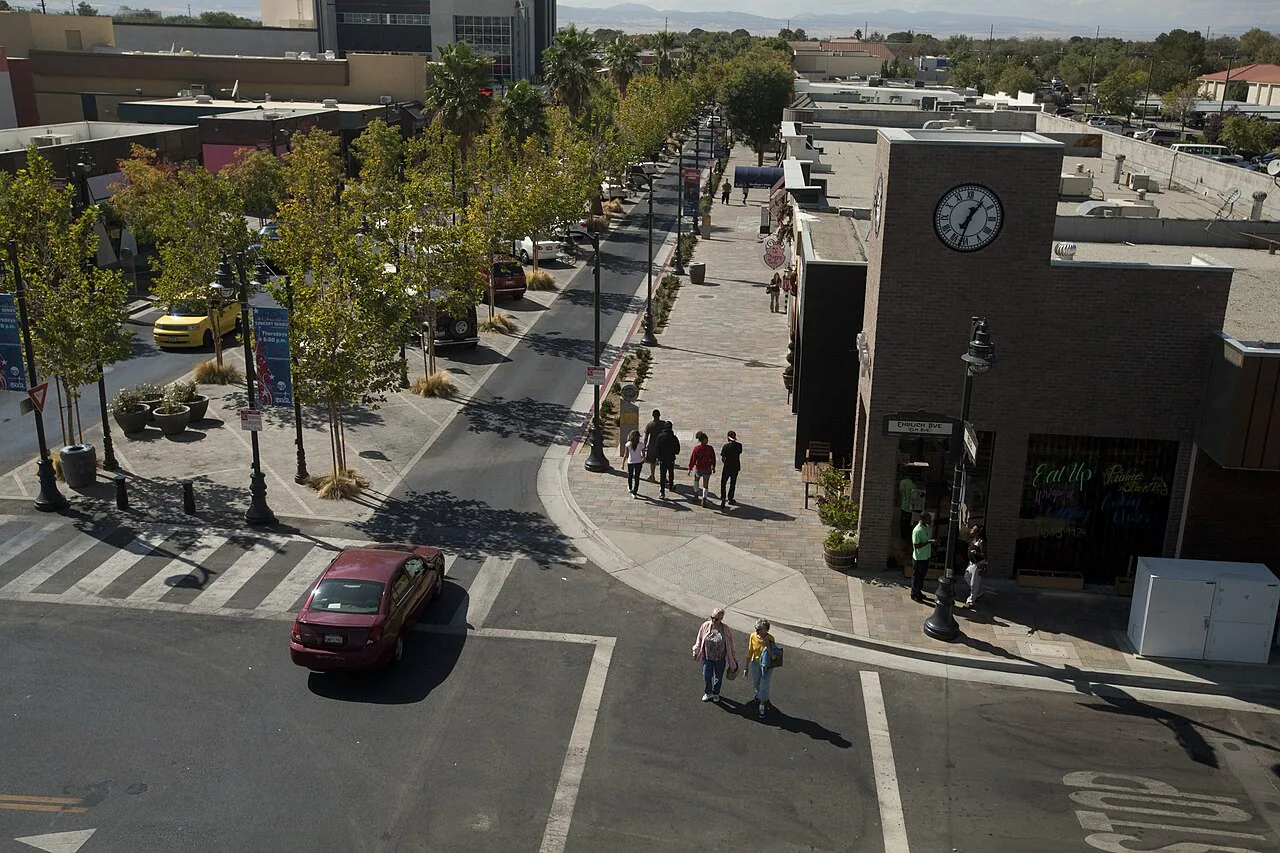
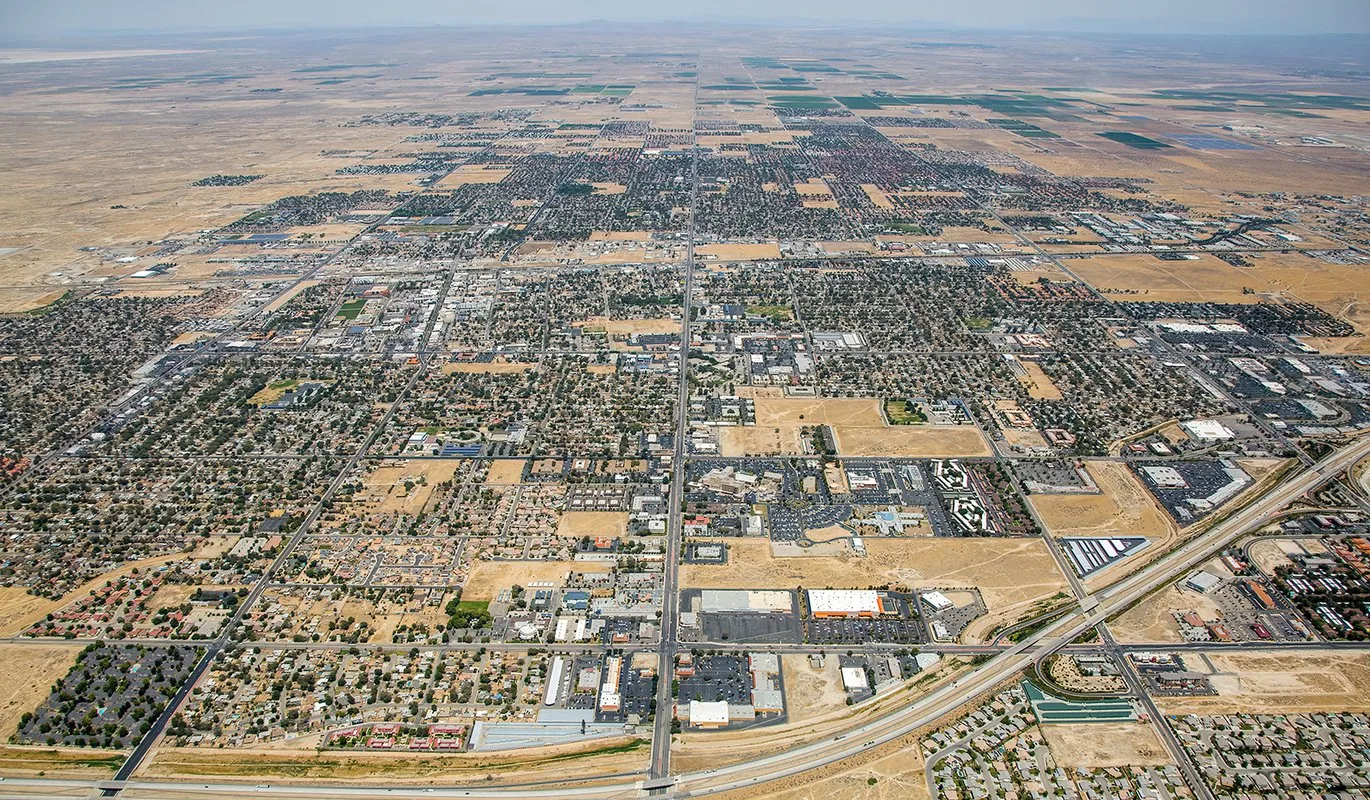
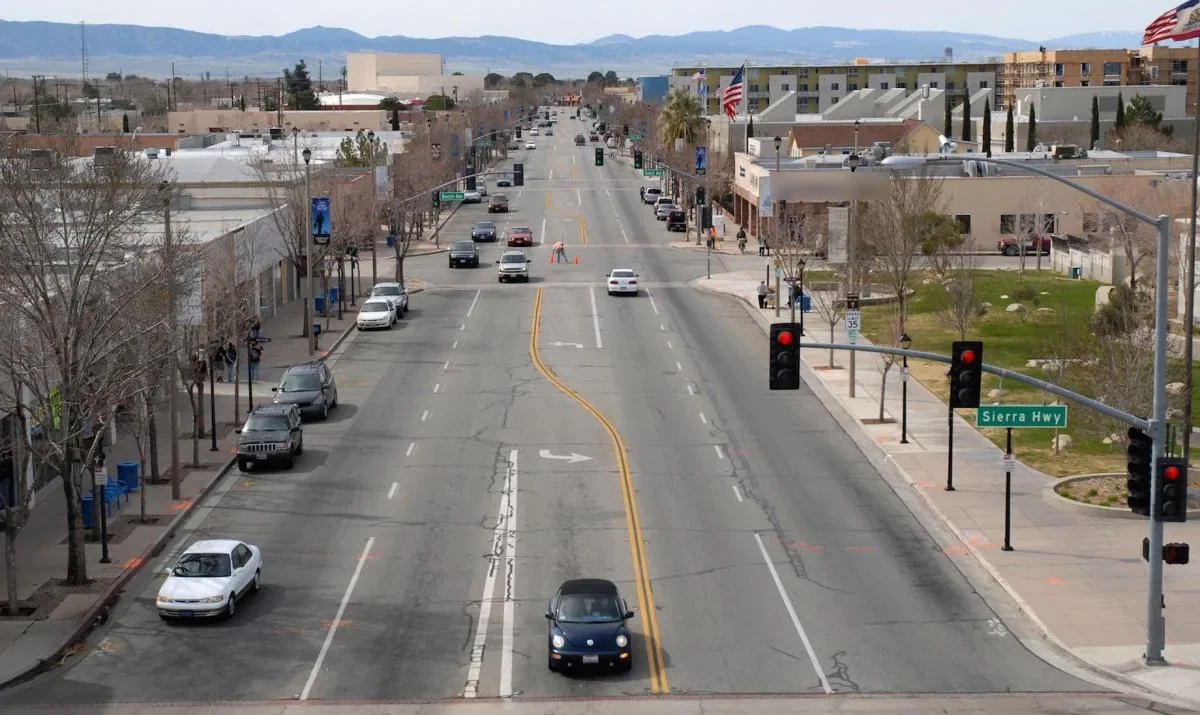
Lancaster's summer climate adds repeated heat exposure to rooftop membranes and equipment. William J. Fox Field records a normal August high of 97.8 degrees, while July averages 31 days above 90 degrees. Local planning areas such as Amargosa Creek include office and medical uses, and Lancaster Business Park supports a mix of office, light industrial, and retail. Those areas frame the market; the site's cooling and redundancy layout determines the roof plan.
Review Cooling Equipment and Roof Penetrations
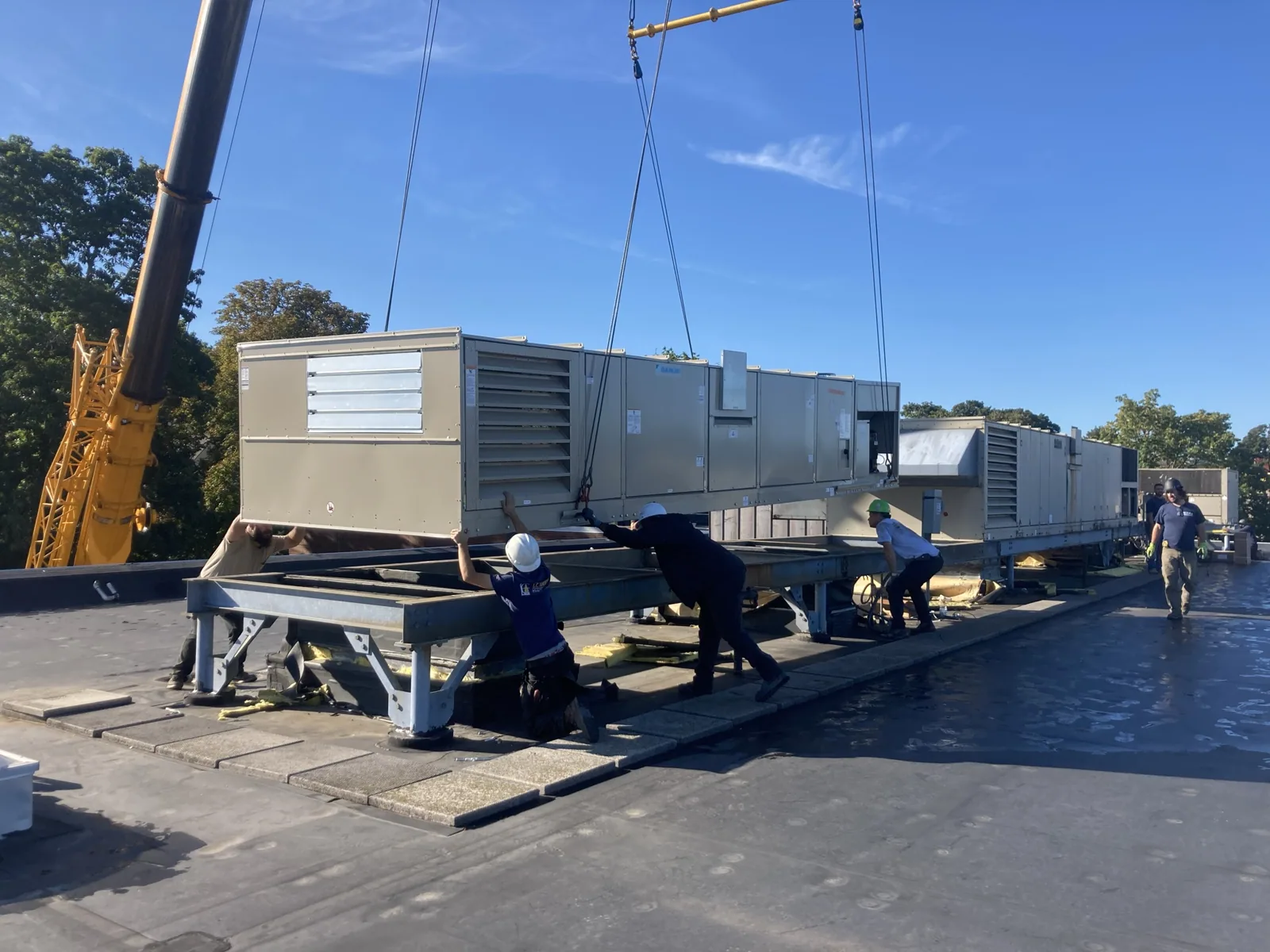
Cooling towers, packaged units, exhaust fans, refrigerant lines, and electrical conduits create openings and concentrated service paths. We check curb corners, flashing height, pipe boots, supports, sealant, and the membrane where technicians walk. A line added through an existing assembly needs a proper closure detail, while an old opening should be removed and patched to match the roof system. We document which equipment can stay in service and where a trade must isolate a unit before roofing begins.
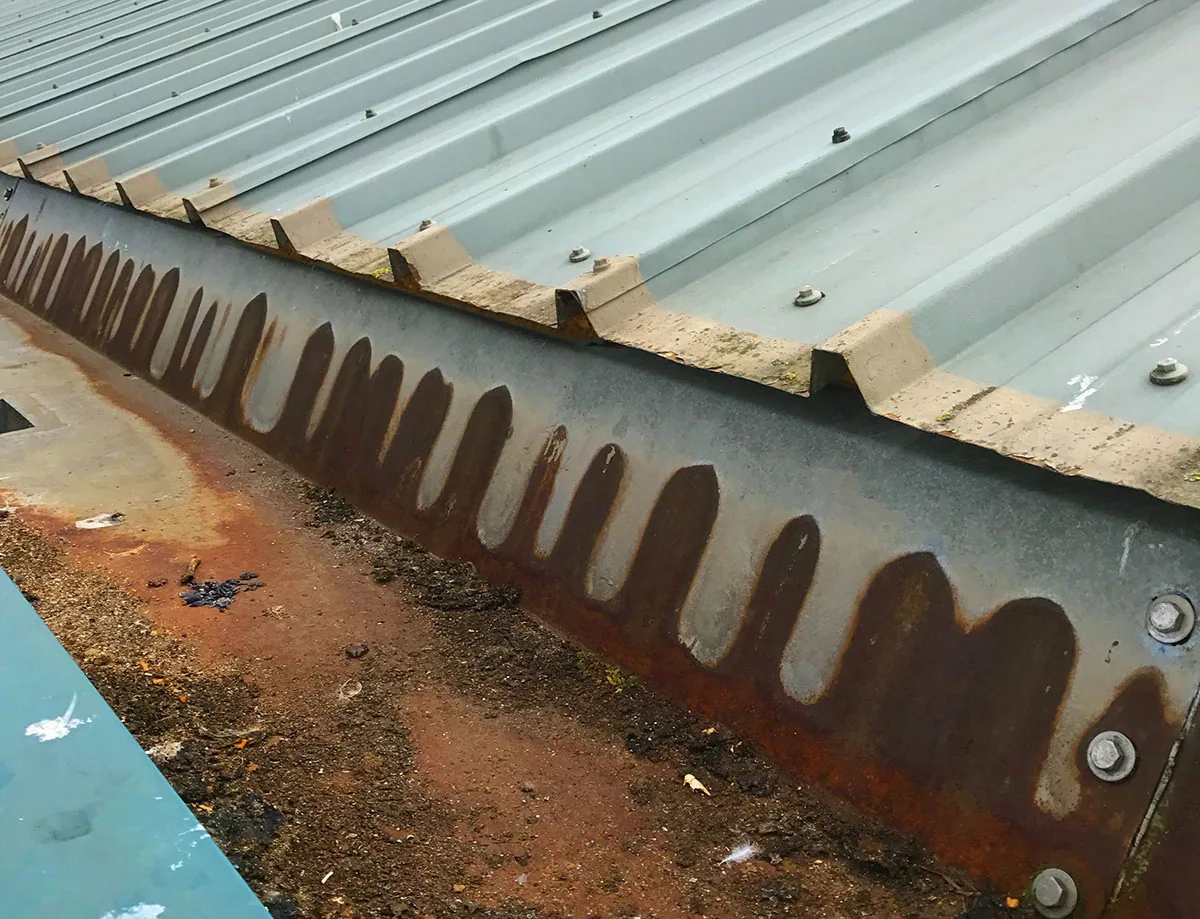
Heat can accelerate movement at sheet metal transitions and strain around fixed curbs. Lancaster's temperature pattern makes those details worth checking after a period of rooftop vibration or equipment replacement. A curb and equipment-support inspection can locate movement or loose attachment, while perimeter metal repairs address exposed edge details. The roof scope should coordinate with mechanical work so new equipment does not leave a flashing gap. Before work starts, we note crane or lift locations, interior access controls, and rooftop routes used by maintenance technicians. If a service vendor needs to cross a repaired area, the closeout can identify walkway protection or restricted paths. That makes a future equipment change less likely to disturb a new seam or curb detail.
Set a Work Sequence for Critical Systems
Before a roof opening is made, the project team needs to know what sits below it and whether a temporary enclosure is required. We identify the room or pathway below each repair zone, coordinate access with facility staff, and describe protection from dust or water. Larger projects may be divided by roof section so operations can maintain the planned cooling and electrical redundancy. The sequence should identify any work that must stop if weather or interior conditions change.
A leak path can travel below the membrane before it reaches a ceiling or equipment space. We compare alarms, interior reports, and roof-side evidence, then select a limited test area where necessary. A mapped roof inspection can record equipment, drains, and prior patches before a changeout. For the building team, the record ties each roof action to a location that can be revisited without relying on a technician's memory.
Check Drainage and Moisture Before Repair
Lancaster's normal annual precipitation is 6.81 inches, with most normal rainfall falling between November and March. A roof drain that collects dust or packaging can hold water against membrane seams, curb flashings, or a patch. We inspect drain bowls, strainers, overflow paths, crickets, and the slope into each outlet. Condensate lines from cooling equipment need separate review so discharge does not wet the roof or hide a leak source.
Thermal imaging can help identify areas for further investigation, but test openings confirm the layers and moisture condition. An infrared moisture survey may help direct those openings when conditions permit useful readings. We document the tested locations, what was found, and sections that remain unverified. If insulation is wet, the removal limit should be based on evidence so the repair does not leave trapped moisture under a newly sealed field.
Compare Repair With Broader Roof Work
A localized repair may fit where the membrane is stable outside a single failed curb or seam. Repeated leakage at different equipment groups, widespread wet insulation, or failing attachment can point to a larger project. We compare repair, recover, and replacement against the roof map, then note which layers and details each option includes. The evaluation also accounts for loading, code requirements, product compatibility, access, and the need to keep cooling equipment available.
Different building wings may have different membranes or installation histories. warehouse roof planning and manufacturing roof coordination can address adjoining operational spaces, but each assembly still needs a direct review. If a confirmed system is TPO, TPO seam repair requires suitable preparation and compatible materials. We do not assume the roof type from the building's use.
Maintain a Roof Record Alongside Equipment Logs
When a cooling unit, generator exhaust, or conduit changes, the roof record should show what was opened and how it was resealed. Photos should include the equipment label or roof-zone reference, flashing detail, and adjacent membrane. That helps a later maintenance visit compare current conditions with the repair instead of treating each call as a new starting point. We note manufacturer instructions that affect inspection or maintenance without making an unsupported warranty claim.
Planned maintenance can check drains, curb seals, walk paths, and patched openings before seasonal rain. A preventive roof visit may also document areas where equipment contractors frequently cross the membrane. Emergency response remains available around the clock, including holidays, if water threatens sensitive space. The closeout can identify who needs access, which rooms require protection, and what conditions should trigger a follow-up inspection. For phased capital work, we can label each zone by priority and note dependencies such as equipment isolation, temporary weather protection, and verified moisture removal. The asset manager can then align the roofing sequence with electrical redundancy and cooling capacity instead of scheduling work from square footage alone.
Commercial Roofing Questions
Can data center roof work happen without shutting down cooling?
Some work can be separated from active equipment, but each opening and access path needs review with facility operations. We map the roof zone, identify the equipment beneath it, and sequence repairs around redundancy and any required protection. A small flashing repair may fit between service windows; a larger opening can require temporary coverage and approval from operations before the membrane is cut.
How do you protect equipment below a roof repair?
The work plan identifies interior exposure, temporary cover, dust controls, and access limits before the roof is opened. We coordinate these requirements with site staff and stop work if weather or interior conditions make the opening unsafe. A containment plan should identify where temporary protection will be placed and who can confirm that alarms, cooling routes, or electrical pathways remain available during the repair.
What roof details deserve attention near cooling equipment?
Curbs, refrigerant lines, electrical conduits, supports, drains, and service paths can all interrupt the membrane. We inspect flashing, attachment, foot traffic, and water flow around each group rather than focus only on the unit base.
Does Lancaster heat affect data center roof inspections?
Summer roof temperatures can stress seams, sealants, and transitions around fixed equipment. Lancaster's July normal has 31 days at or above 90 degrees, so we check for movement and separation when documenting exposed details.
When should a data center roof be considered for replacement?
Several failing zones, moisture through multiple layers, or attachment problems may make a broader scope more appropriate. We test suspected areas and compare the remaining assembly with the operational sequence before recommending repair or replacement.