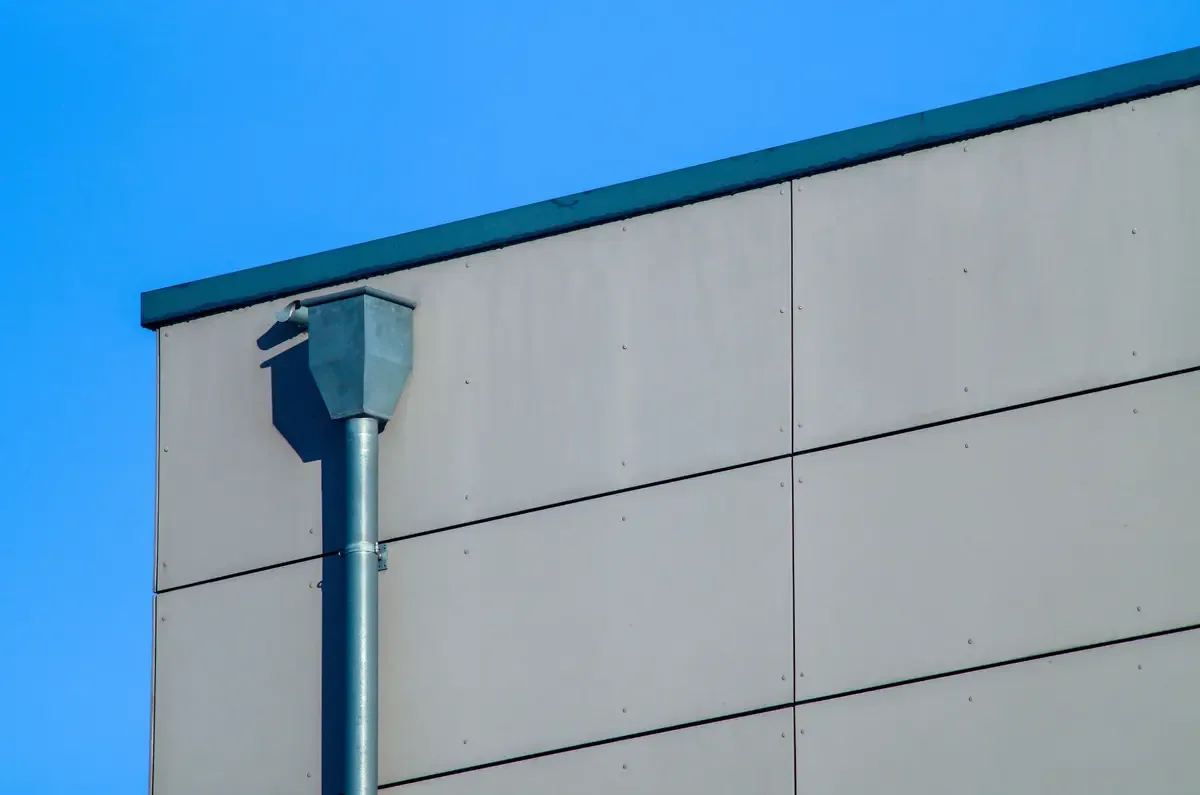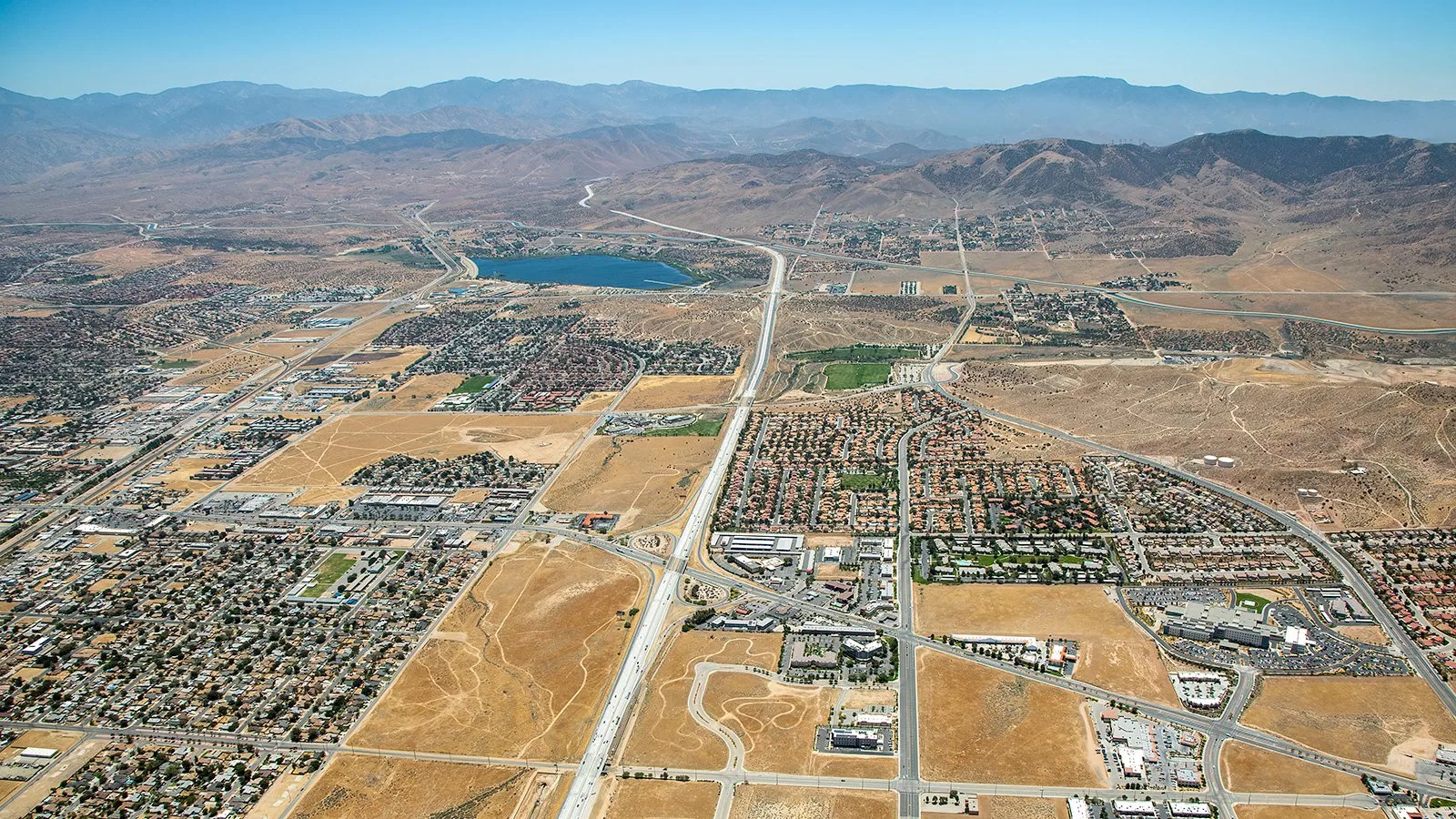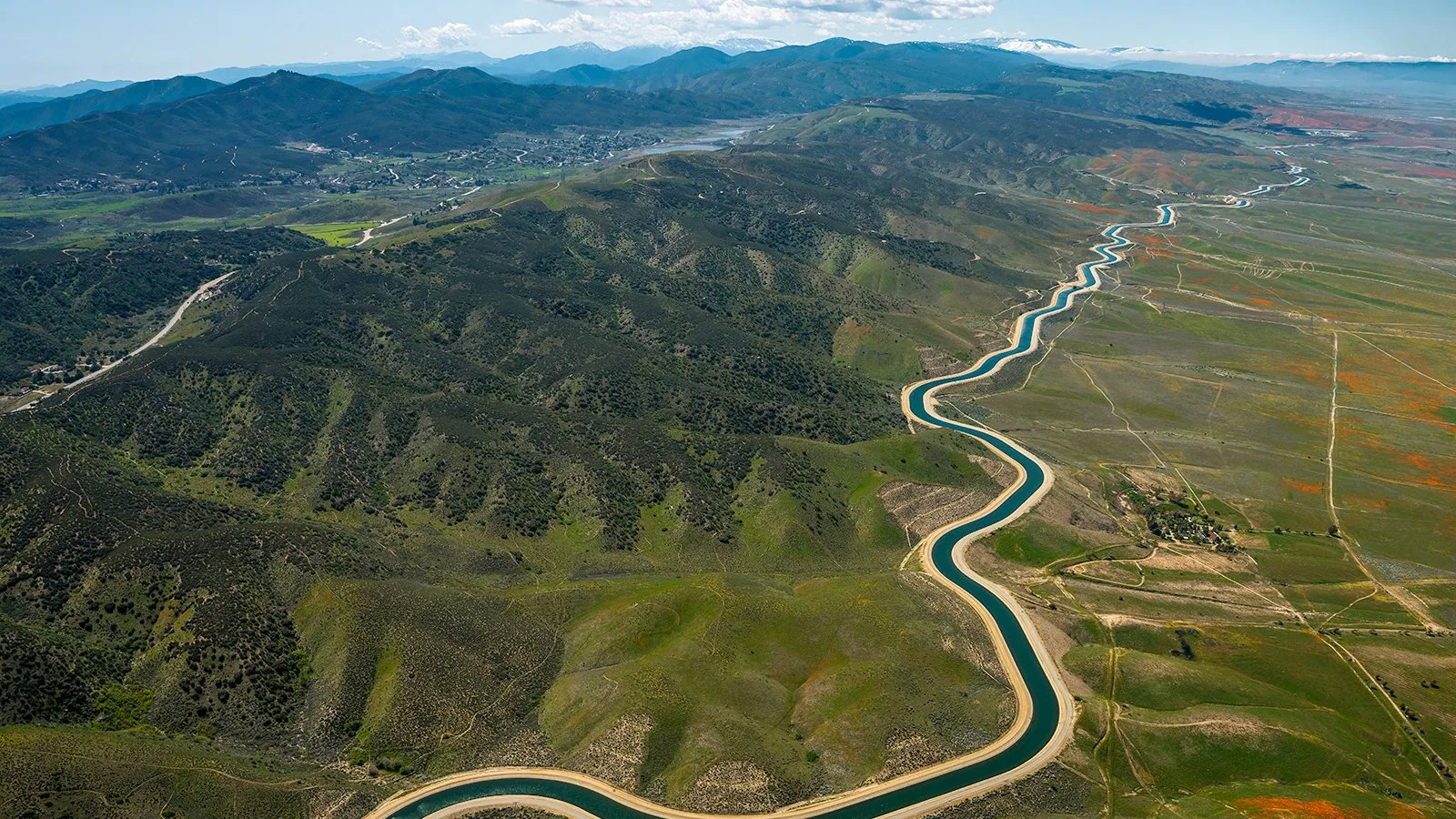
An EPDM roof can remain watertight across a broad field while a seam, pipe boot, or curb begins to separate. The inspection needs to distinguish a local adhesive or tape issue from movement in the assembly below. We examine the membrane, seam edges, transitions, repairs, and insulation conditions, then define whether a patch, larger repair, or replacement makes sense for the roof.
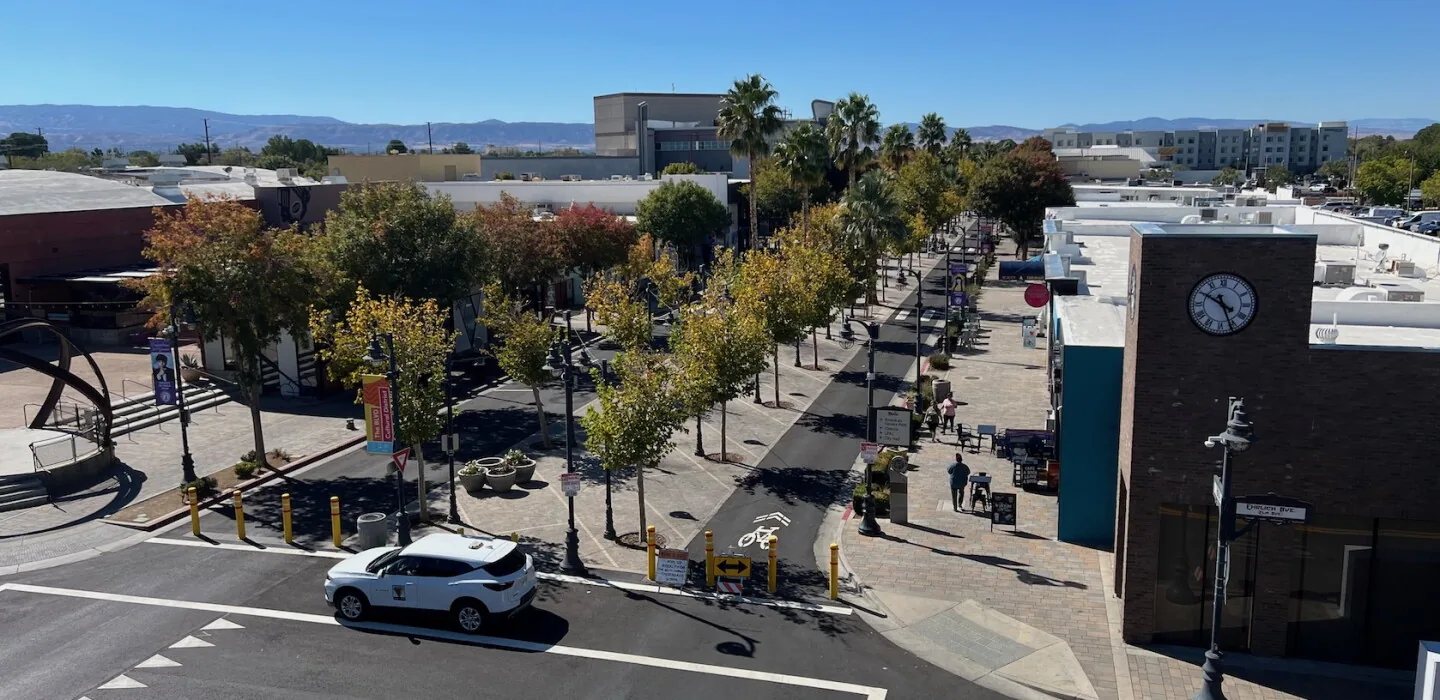
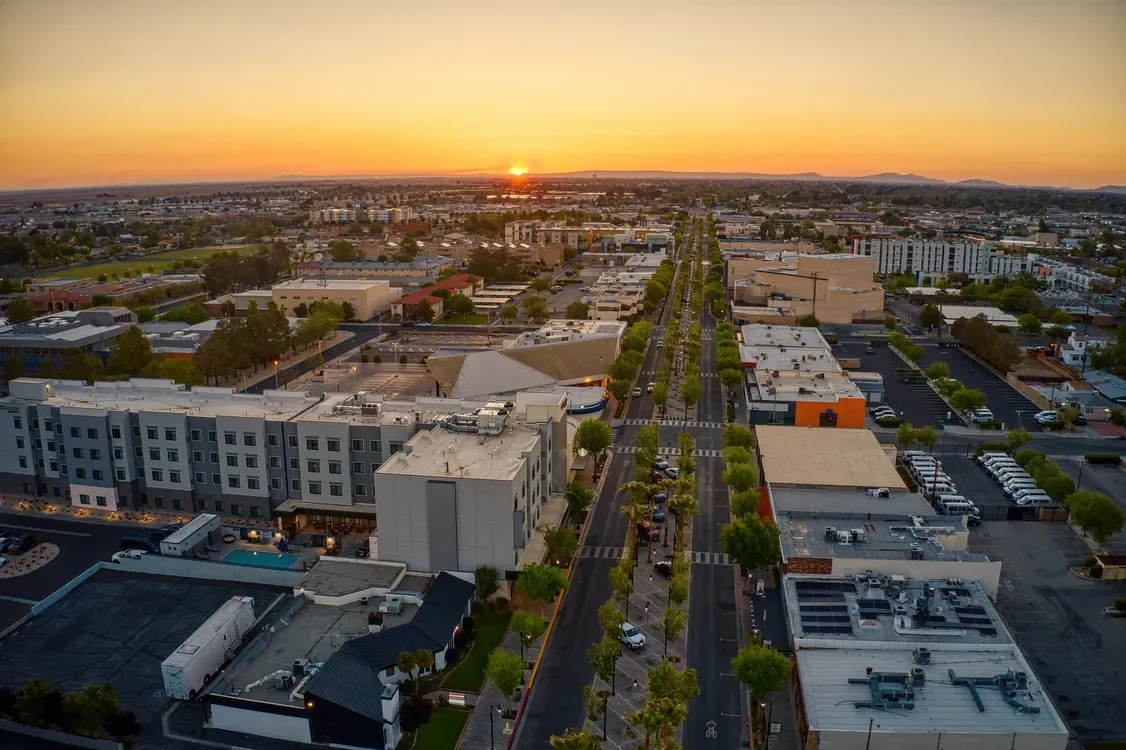
At William J. Fox Field, Lancaster’s normal daily low ranges from 31.3 degrees in January to 67.2 degrees in July. That seasonal movement reaches seams, penetrations, and metal edges along with the membrane field. Properties in the North Lancaster industrial area and the Enterprise Business Park can have different roof access and equipment patterns, so the details are reviewed in context.
Inspect the Lap Before Choosing a Repair
We look for lifted seam edges, adhesive failure, open corners, wrinkles, punctures, and repairs that have shrunk or pulled away. On an EPDM roof, seam tape and bonding adhesive need a clean, properly prepared surface. Dust, oxidation, moisture, or a residual cleaner can reduce adhesion. We remove enough loose material to reach a firm edge, then select a patch or seam treatment compatible with the sheet and its condition.
A raised seam may reflect poor bonding, movement, or water trapped below it. We check the surface on both sides, examine nearby attachment, and trace whether runoff or a low area places repeated water against the lap. When repairs have accumulated in one section, the owner may need a broader membrane evaluation rather than another small cover patch.
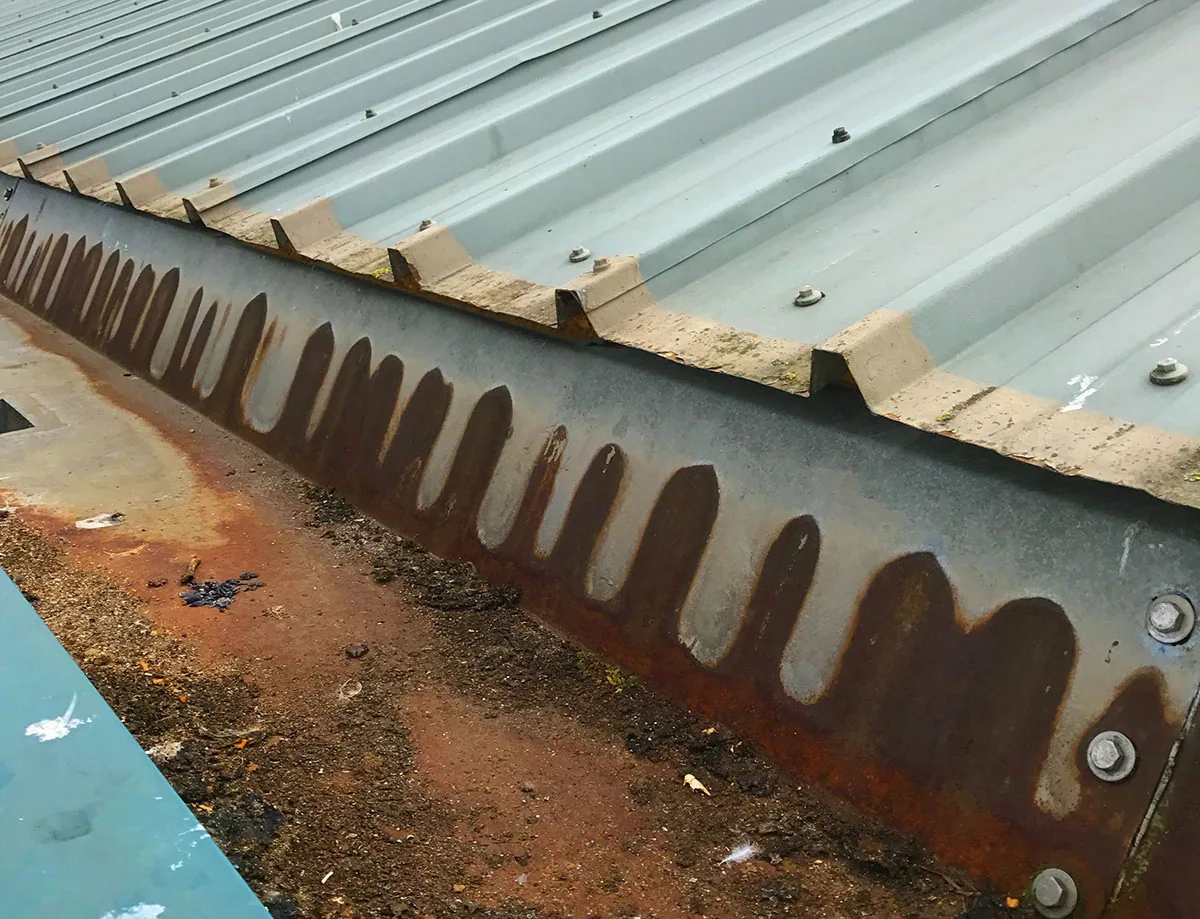
At a parapet or roof edge, we inspect the termination, metal cleat, fasteners, and change in plane. A later repair may have changed the edge height, so the scope identifies any loose or corroded metal that must be corrected before the membrane is closed.
Follow the Transition Around Each Opening
Pipe boots, equipment curbs, drains, and roof hatches interrupt the membrane and create separate sealing details. We inspect the flange, compression band, sealant, and adjoining sheet, then compare those parts with the expected movement of the pipe or equipment. A boot that no longer fits tightly may need replacement, while a curb with unstable blocking needs attention below the flashing.
Heat and seasonal movement can expose small gaps at corners that appear closed in a wide roof photograph. We check accessible sides of each detail and look for membrane stress, pulled reinforcement, or a patch ending at a moving edge. If a leak report points to one opening, we still examine the upslope path and adjacent roof so the repair addresses the entry route instead of only the interior stain.
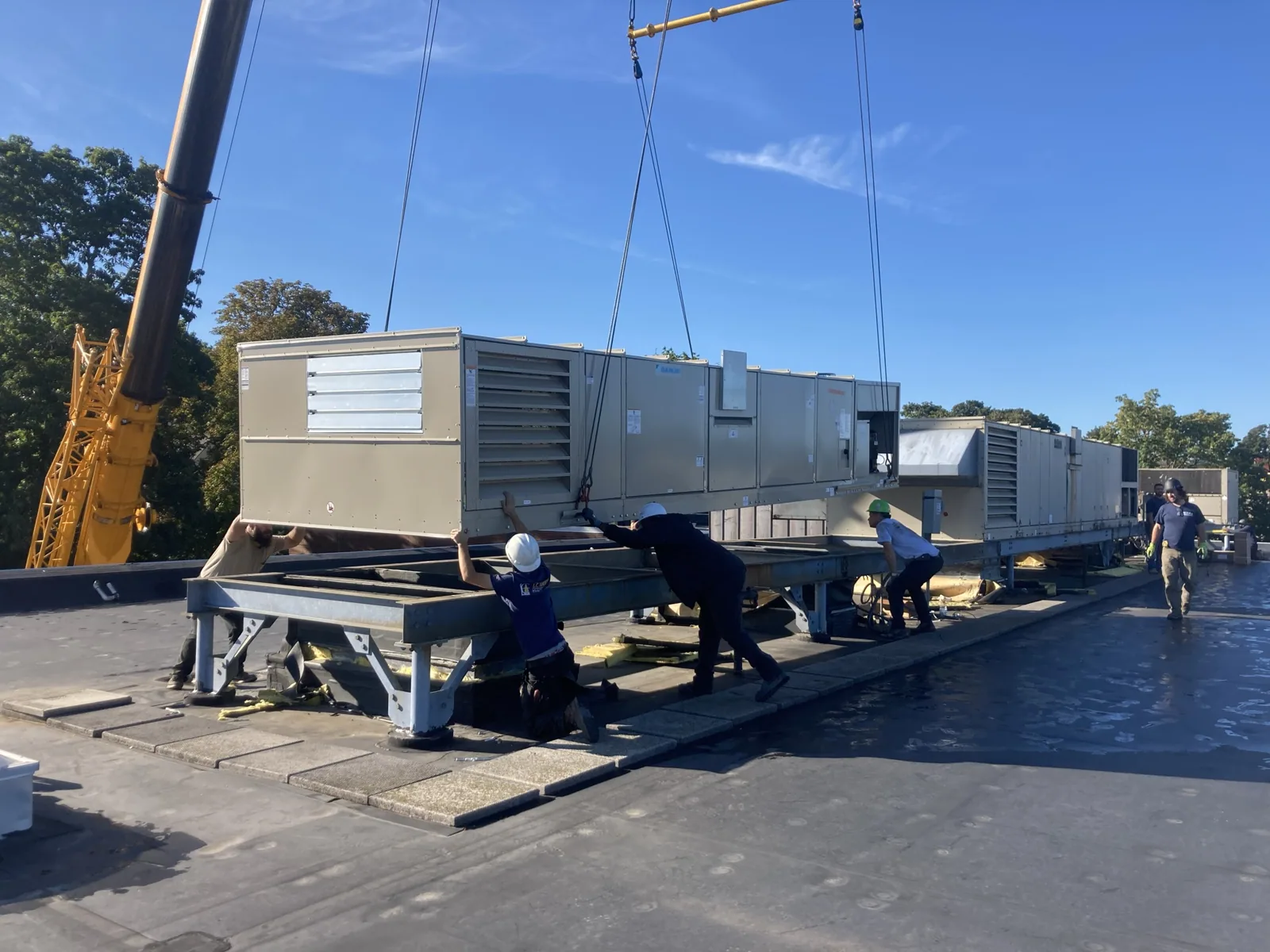
Where a mechanical unit has recently changed, we compare the new curb footprint with the old flashing and membrane. Equipment curb coordination can include support and flashing work when those parts need different trades. For a wider investigation, a hands-on inspection records each penetration and its surrounding roof condition.
Check What Lies Below the Sheet
EPDM can cover insulation that has softened, separated, or taken on water. We examine known leak locations and take test cuts where the owner needs evidence of concealed layers. The opening shows the membrane, cover board, insulation, and deck condition at that point. We photograph and close the cut with a repair that suits the assembly, then map confirmed damage separately from areas that remain untested.
Where the roof is coated or has a granulated surface, we identify what materials were added and whether they affect adhesion. Not every EPDM repair product bonds to every aged sheet or coating. We prepare a representative area and check the selected repair method before extending it across a larger section.
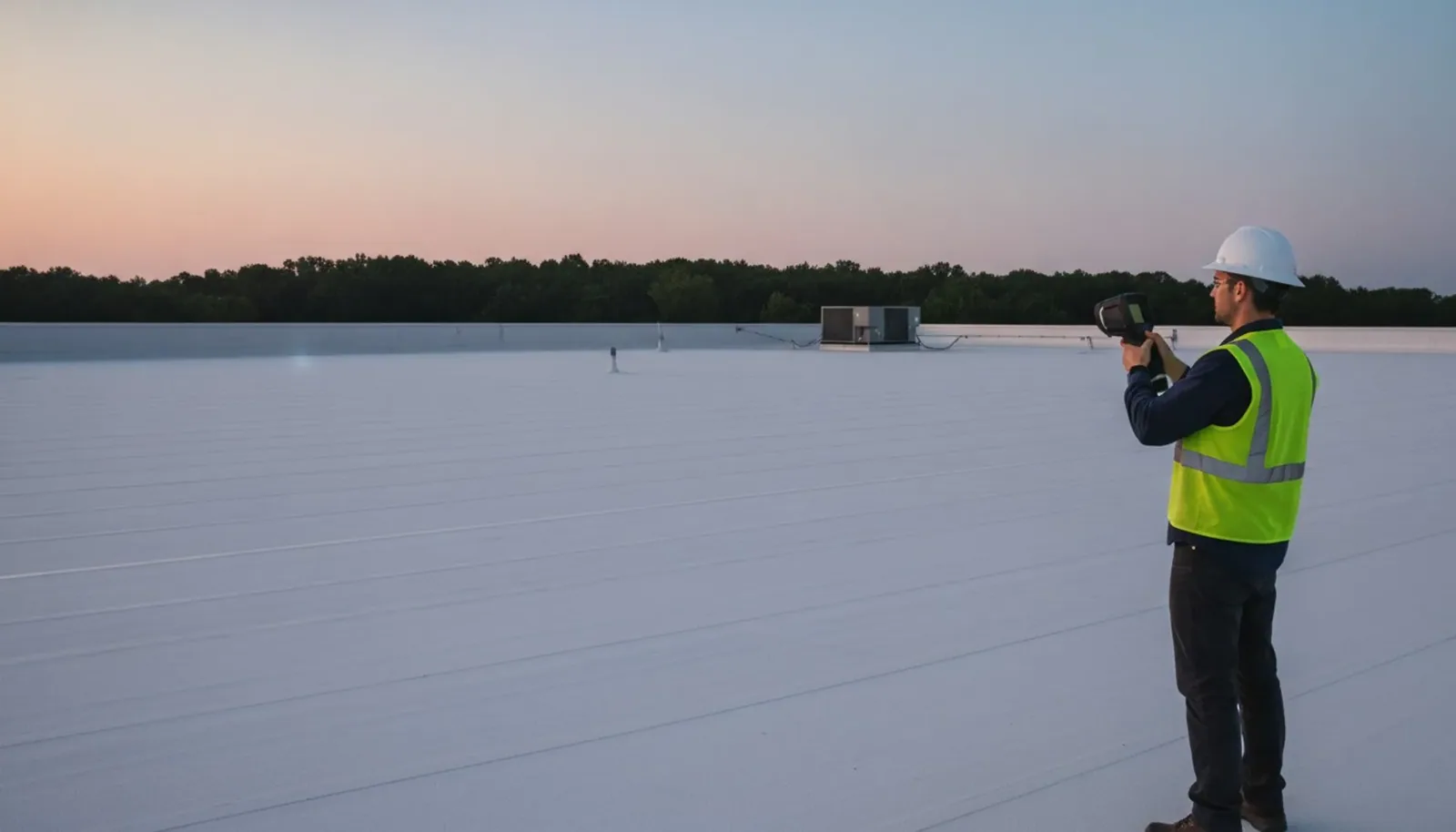
If a broad roof scan indicates possible wet insulation, targeted verification can clarify the extent. Lancaster’s annual precipitation normal is 6.81 inches, concentrated mainly in the cooler months, but a single storm can still expose an existing seam or curb weakness. Infrared mapping may support the investigation when surface and weather conditions permit a useful scan, with test cuts confirming the material below.
Preserve the Drainage Path During Roof Work
EPDM repairs have to reconnect with the roof’s intended water path. We inspect primary drains, scuppers, overflow outlets, sumps, and low transitions, then note where debris or a raised patch slows runoff. If tapered insulation or a drain correction is needed, the work is laid out before membrane edges are closed. Raising one section without checking the adjacent curb can leave a new step that holds water.
For a new EPDM installation, the work sequence includes substrate preparation, insulation attachment, cover board, sheet placement, seam bonding, and perimeter termination. The selected adhesive or tape has application conditions that need to be followed. We check weather, surface moisture, and the time available to complete each roof zone. Where the building remains occupied, the exposed area is limited to a boundary that can be secured before the crew leaves.
A tapered insulation plan can improve slope when the existing structure supports the added build-up. Drain and scupper work can correct the outlet or discharge condition.
Compare Patch, Recover, and Replacement
A localized patch is useful when a seam or puncture is isolated, adjacent EPDM remains firmly attached, and the insulation below is sound. Recover may fit when the existing roof is stable and dry and the added assembly does not create drainage or flashing conflicts. Replacement deserves consideration when seam failures repeat across several sections, insulation is wet, attachment has weakened, or the deck needs repair.
It can list seam preparation, new sheet, adhesive or tape, flashing, insulation, cover board, edge metal, and drainage changes. If further tests are needed, the owner can authorize them before the crew removes a broad area. This gives a project team a defensible boundary for comparing repair with a new EPDM assembly.
EPDM is one option among several. A TPO system or modified-bitumen roof may suit a different maintenance plan, exposure, or building design. We compare the specified products and details rather than assume that one membrane is the right choice for every commercial roof.
Record Seams and Repairs for the Next Inspection
At closeout, we photograph representative seams, patched areas, penetrations, drains, and terminations, then tie those images to the roof plan. The owner can see which repairs are complete, which locations need follow-up, and what material was used. That record also helps prevent a later crew from cutting into a sound patch while investigating an unrelated interior leak.
Future inspection should compare seam movement, surface wear, traffic routes, drainage, and equipment changes with the previous condition. At properties in the North Lancaster Industrial Center, access paths around rooftop equipment may affect which details receive regular foot traffic. A maintenance visit can document changes before they become a larger repair boundary.
Send prior EPDM repair notes, roof plans, and leak history when requesting an assessment. We will review the field and transitions, test uncertain layers where needed, and explain whether a repair or broader project fits the condition we find.
Commercial Roofing Questions
Can you repair an EPDM seam that has lifted?
We check the full lap, surrounding sheet, and substrate before selecting a seam repair. Preparation and the compatible tape or adhesive matter; covering a loose edge without reaching a sound boundary can leave the separation in place.
How do you know whether EPDM insulation is wet?
A test cut shows the layers at a specific location. Infrared patterns can help choose sampling points when conditions allow, but physical checks determine whether insulation is damp, compressed, or sound at the opening.
Does an older EPDM roof need to be replaced?
Age alone does not settle the scope. We inspect seam condition, attachment, repairs, insulation, drainage, and deck evidence, then compare a defined repair with recover or replacement options.
Can EPDM be installed over an existing membrane?
A recover requires a dry, stable assembly and a compatible attachment plan. We verify the layers and roof height at drains, edges, curbs, and doors before including an overlay in the scope.
What makes an EPDM roof leak around a pipe or curb?
A boot may split, a flange can loosen, or movement at the curb may stress the membrane. We inspect the opening and trace the nearby water path before repairing the roof-to-equipment transition.