A roof leak over a classroom, library, or cafeteria changes how a school day is managed. Facilities staff need to know which roof area is involved, whether the condition could affect occupied rooms, and what access a repair will require. We trace the reported issue to roof details and document the limits of what was inspected. That gives the district a basis for deciding whether to protect one room, schedule a repair, or plan a larger project.
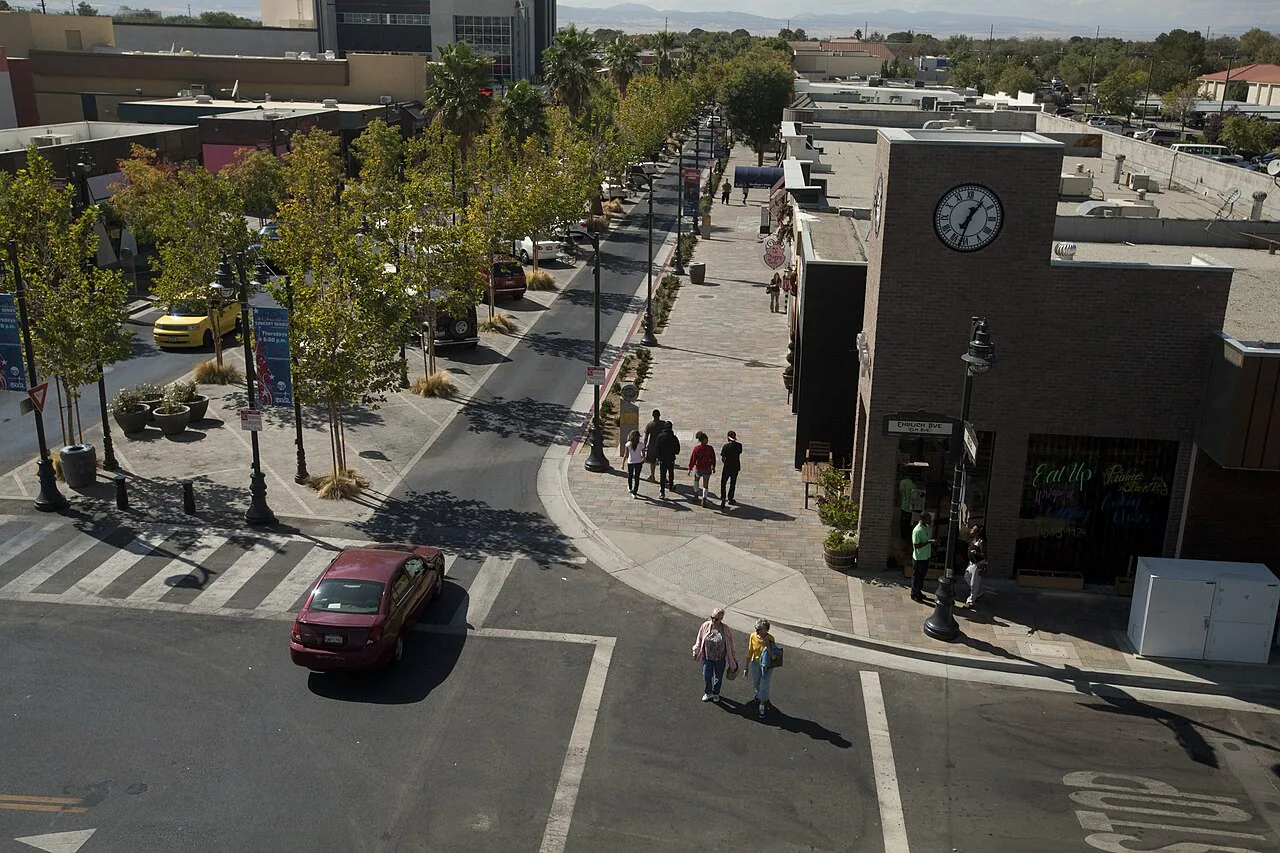
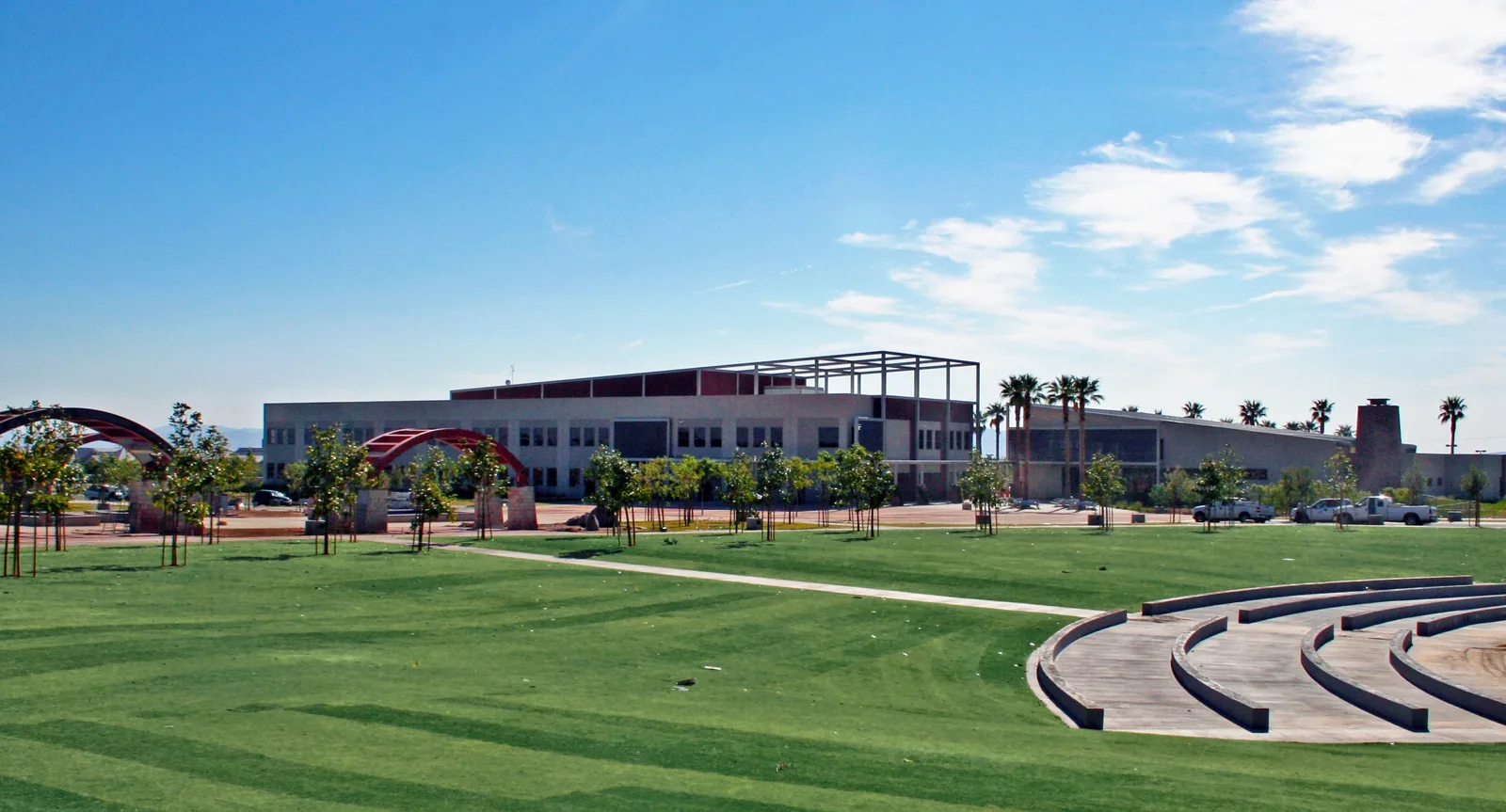
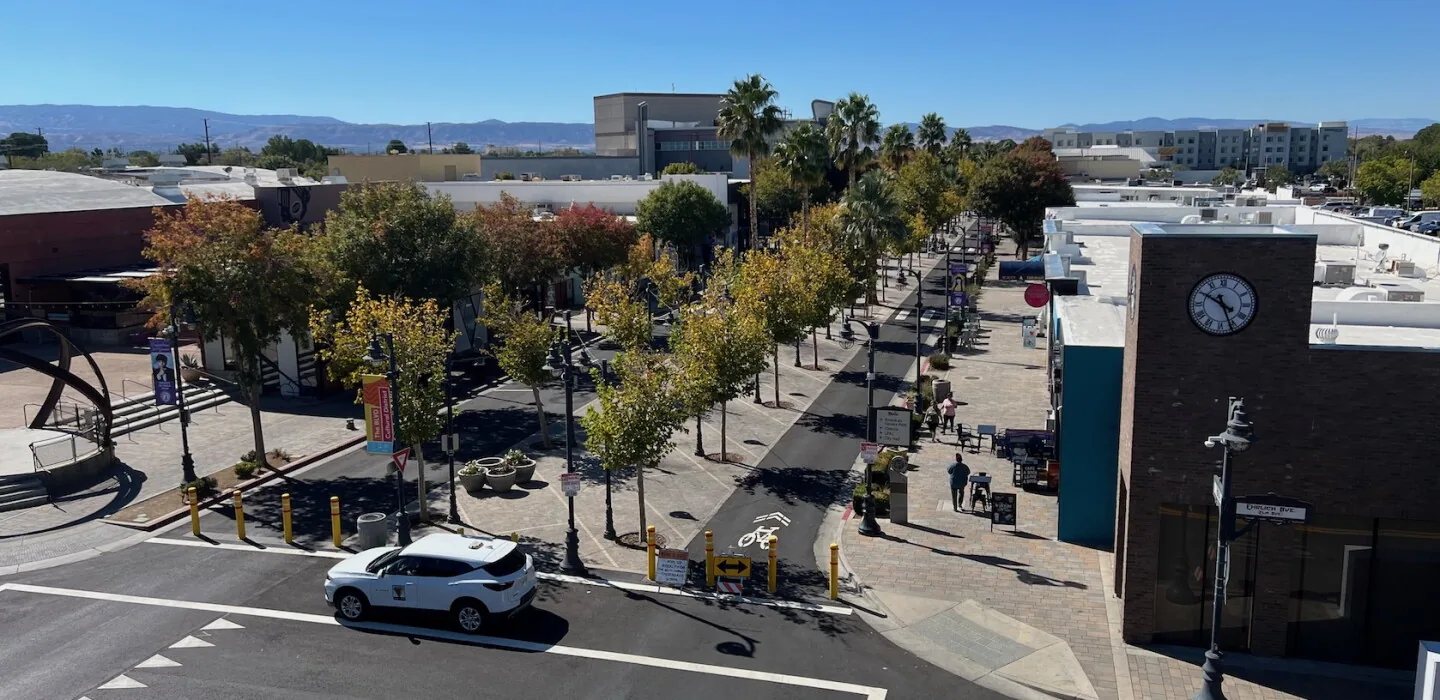
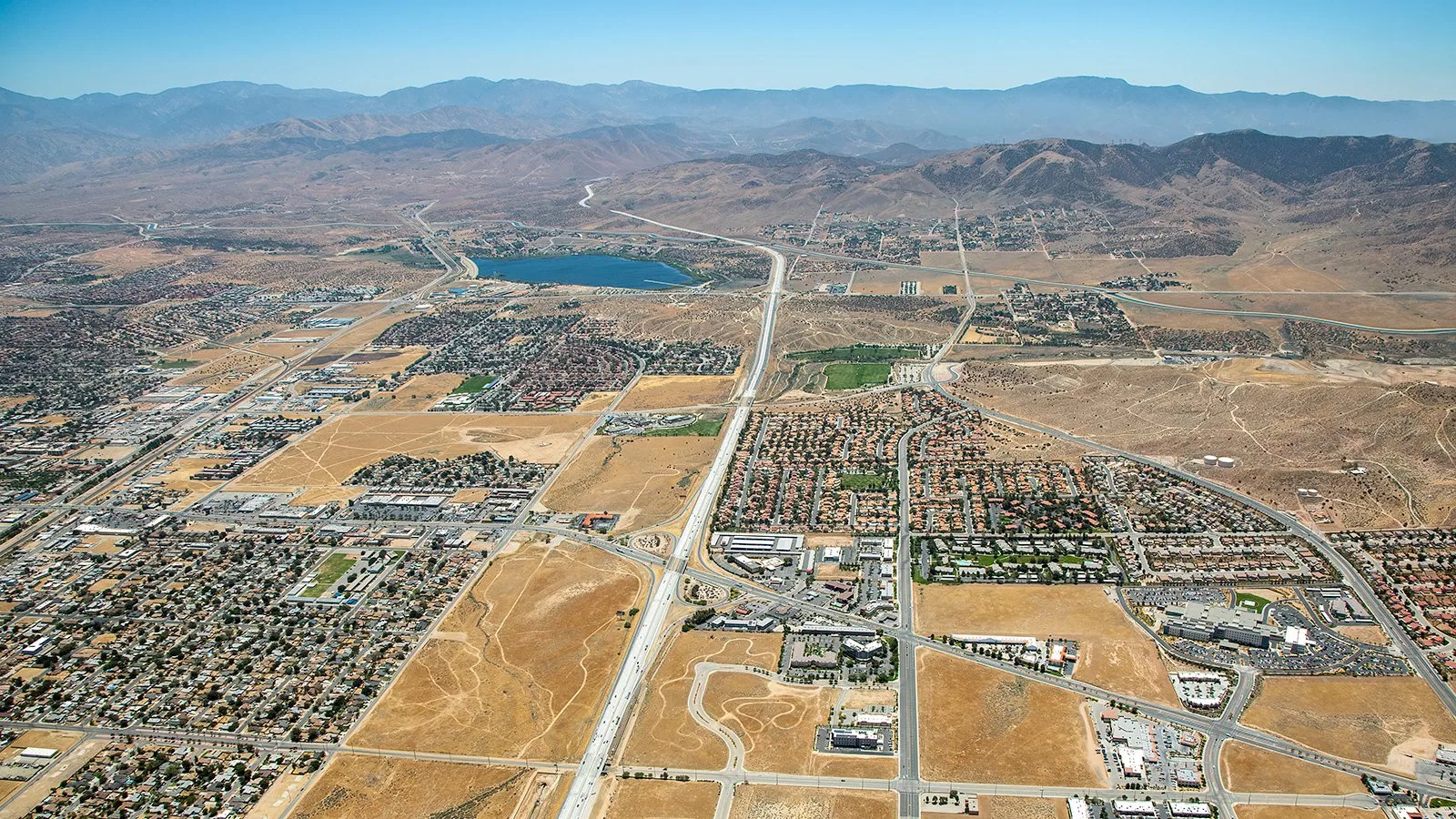
Lancaster's adopted planning areas include the Lancaster Health District and Amargosa Creek planning area, where major medical, office, and retail uses are identified. Commercial and public buildings sit within a wider mix of city properties, and nearby Palmdale's economy includes retail and advanced manufacturing. For school facilities, nearby uses matter when crews coordinate supply routes and work windows, while the roof decision remains tied to the actual building and student schedule. A school may contain additions with separate roof heights, drainage, and access; identifying the affected wing helps facilities staff protect the right rooms without closing more campus than the work requires. Compare an occupied classroom roof with a gym or cafeteria before choosing a work window.
Start with the Occupied Space Below
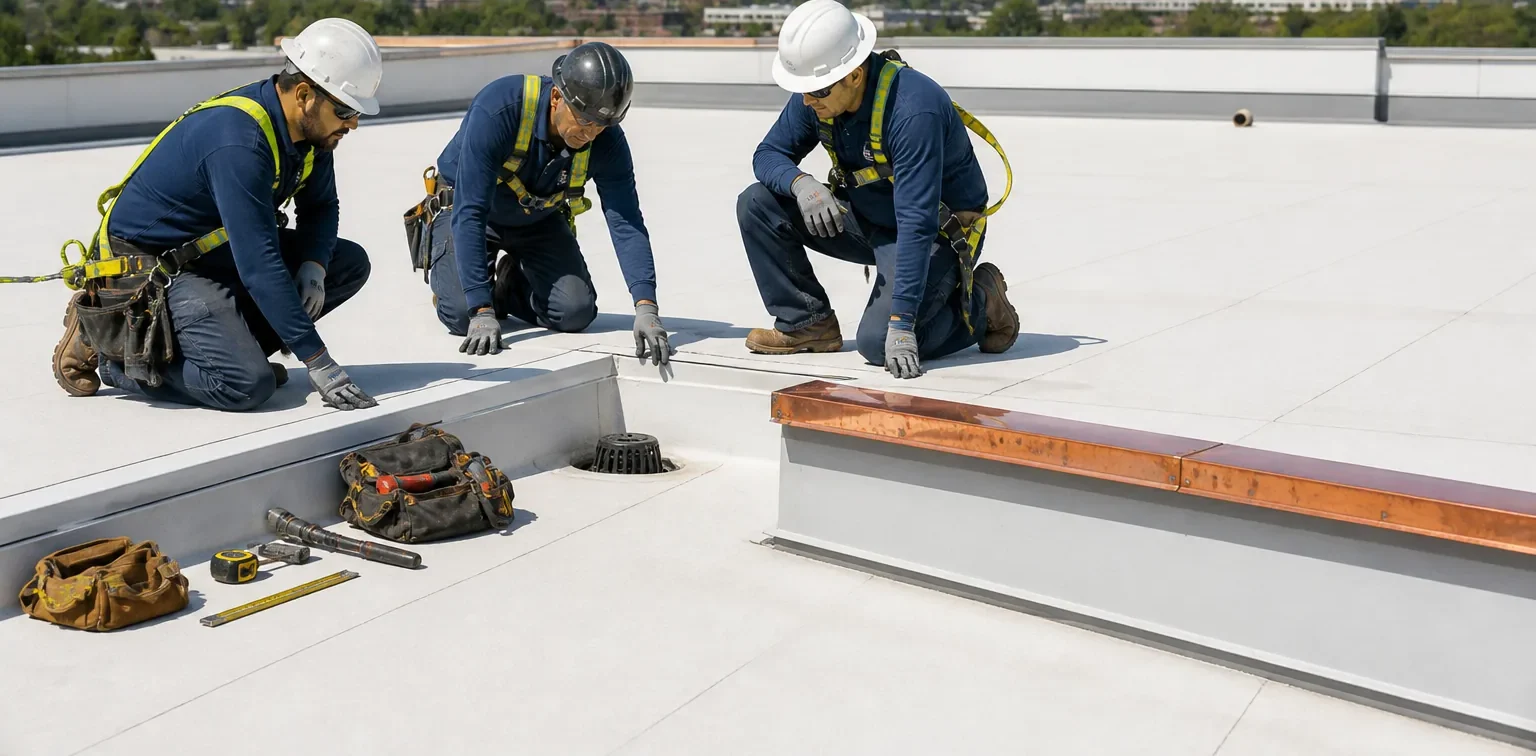
Map the complaint to a room, wing, and roof level before selecting a repair. Water can travel through insulation or along a deck, so the ceiling stain may not sit under the entry point. We compare the interior report with seams, drains, skylights, wall transitions, and rooftop equipment. The inspection record should identify the areas reviewed and note any spaces that could not be accessed during the visit.
At a school, the schedule changes the access plan. A roof opening above a classroom may be easier to handle during a break, while a gym or cafeteria can have separate events and setup periods. A school roof review and commercial roof inspection can establish the roof condition and define follow-up testing. Share room use, bell schedules, summer availability, and any secured entry requirements so the crew can coordinate the roof route without assuming that an empty-looking building is available.
Read the Leak Path Before Naming a Cause
Common entry points include open laps, failed curb flashings, punctures from service work, and drain transitions. A nearby HVAC unit may be involved, but the interior stain alone cannot establish that. We inspect the membrane and adjoining details, check past patches, and look for moisture extending beyond the visible area. If the condition reaches insulation or substrate, the repair boundary should include material that cannot support a sound tie-in.
School roofs can have several additions, roof heights, and membrane generations. A newer wing may drain toward an older section, or a canopy can meet a main roof with a different detail. Document each transition that affects the water path. Lancaster's seasonal shift from cold winter nights to hot summer conditions places movement demands on exposed joints and sealants. The repair should address the failed detail and leave a clear record of the adjoining assembly that was checked.
Fit the Scope to the Academic Calendar
A localized flashing or seam repair can be appropriate when the surrounding material is sound and the wet area is limited. Broader saturation, repeated movement, or deterioration across several roof sections may support a larger repair or replacement plan. We identify the evidence, roof zones, access restrictions, and assumptions that could change when material is opened. That lets a district compare an immediate correction with summer work without treating every leak report as a capital project.
For active exposure, emergency roof repair can reduce further water entry while the district sets a permanent scope. When condition extends across a larger area, review replacement planning against testing results and the academic calendar. The best timing may depend on procurement, room use, and material conditions as well as weather. The estimate should state whether temporary protection is included and what would prompt a change in the work boundary.
Plan for Students, Staff, and Campus Access
Before work, the district identifies secure entrances, student circulation, deliveries, emergency lanes, and any events that change parking or loading. We define the crew route, staging, lifts, debris control, and whether a room below needs protection. If a roof opening or odor-producing product is involved, the work plan should state the relevant location and expected window. The district decides its own notification and room-access procedures; the contractor needs a clear contact for any unexpected condition.
Some roof areas sit above spaces that remain occupied during summer programs or staff preparation. A date on the calendar does not replace a zone-by-zone access check. Confirm which doors, athletic areas, and vehicle routes can be used. If roof conditions differ from the inspection, pause at the defined boundary, protect the opening, and agree on the next scope before expanding the work. That helps preserve a predictable schedule and keeps campus operations informed of changes that affect them.
Carry Findings into the Next Budget Cycle
Each closeout record should name the building, roof zone, repair materials, photos, testing, and any condition left unresolved. Keep new penetrations and equipment work with the roof history. A district portfolio may use common rating fields, but each school needs enough detail for the next facilities manager to understand what the prior repair addressed and where it stopped.
Most of the normal precipitation at Lancaster's William J. Fox Field arrives between November and March. A pre-season drain and scupper check can expose blockages before a storm tests an outlet above classrooms or shared spaces. A maintenance visit can check known details, while a public agency roof program can tie condition records to procurement and budget planning. Districts managing several facilities can also use a property management record process to keep recurring work orders attached to each school rather than a general portfolio note. The useful handoff is a short, photo-supported list of risks, completed work, and next decisions.
Questions from District Facilities Teams
Roof scopes for schools have to connect building condition with student activity, staff access, and public procurement. These questions address common choices that arise before a campus project is scheduled.
Commercial Roofing Questions
Can roof repairs be scheduled around classes?
Often, the work can be placed during a break, after school, or in a defined zone while other areas remain active. The district should identify room use, secure access, deliveries, and emergency routes before the schedule is set.
How should we handle a leak reported in a classroom?
Protect the room as needed, note when the water appeared, and record nearby ceiling or equipment conditions. A roof inspection can then compare that information with the roof above and document whether testing is required.
Does a summer project avoid all campus coordination?
No. Summer programs, maintenance staff, construction work, and scheduled events can keep parts of a campus active. Confirm the specific entry, roof zone, staging location, and areas below rather than relying on the school calendar alone.
What information belongs in the district roof file?
Keep roof plans, leak history, testing, photos, repairs, warranties already held by the district, and unresolved items by building and zone. Record later equipment work so the next inspection can assess altered penetrations.
When should a district budget for replacement?
Consider a capital review when testing shows wider moisture, the membrane has recurring failures, or repairs require several mobilizations. Tie the recommendation to inspected areas, remaining sound assembly, access constraints, and the available procurement window.
Can one contractor report cover every school?
A common format can help compare sites, but the findings need separate building maps, roof assemblies, photos, and limits. Differences in additions and drainage mean that one school inspection cannot stand in for another.