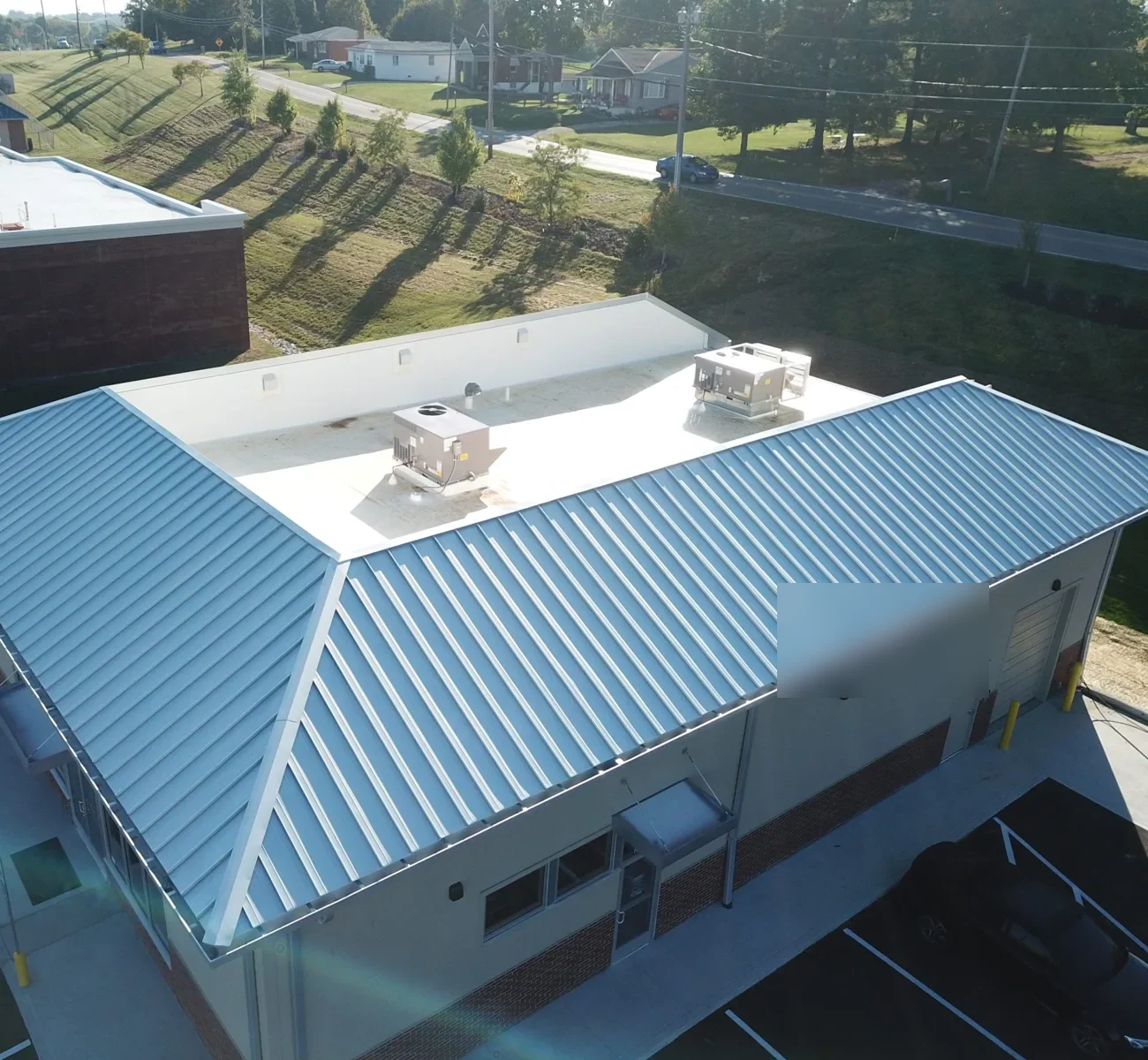
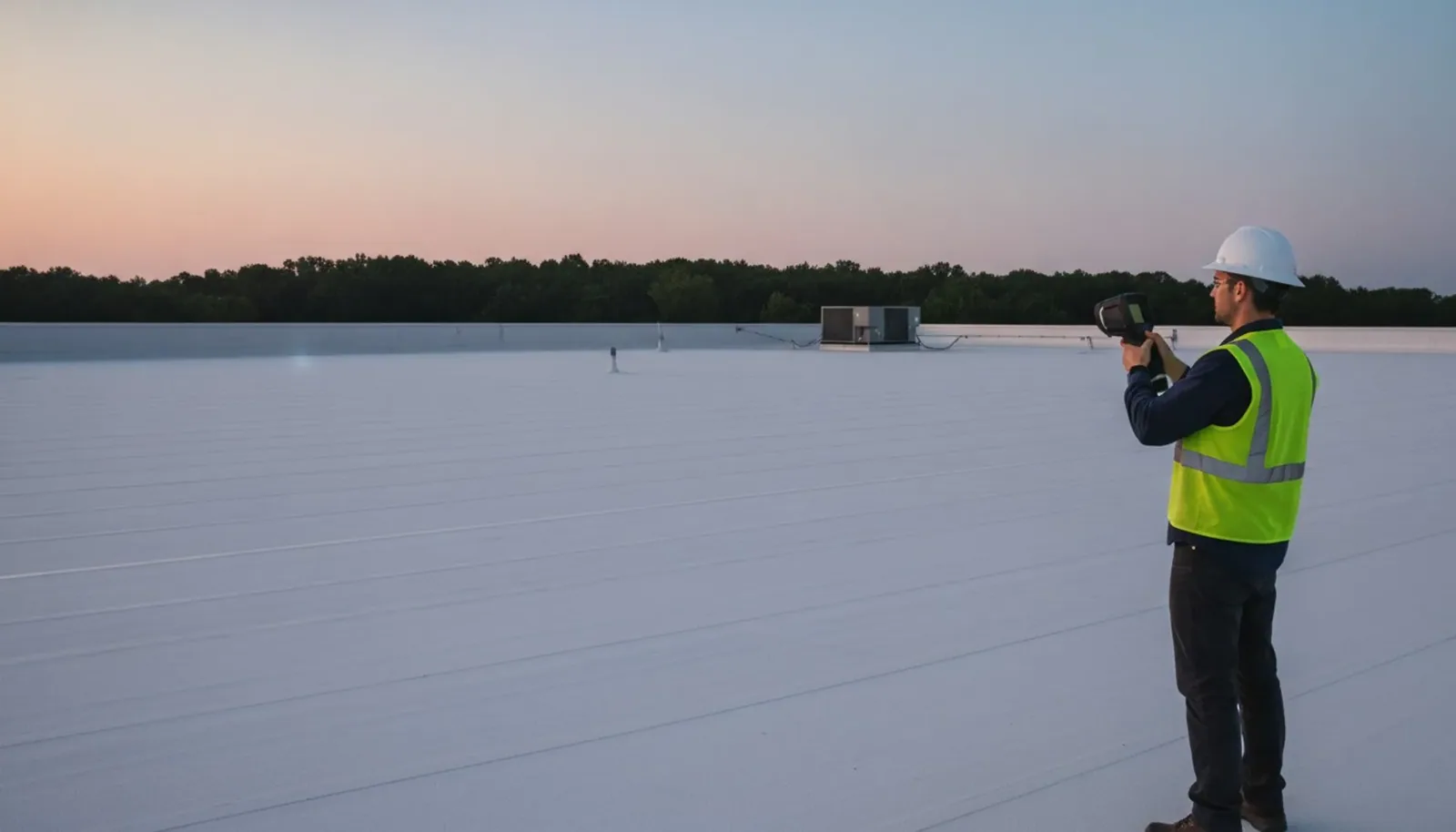
An office roof may have a membrane field that looks serviceable while the leak comes from a curb, parapet, or drain transition. We inspect those interfaces, compare them with interior reports, and map conditions by roof area. The resulting scope distinguishes a repair that can be completed with tenants in place from work that needs a protected interior zone or a scheduled equipment shutdown.
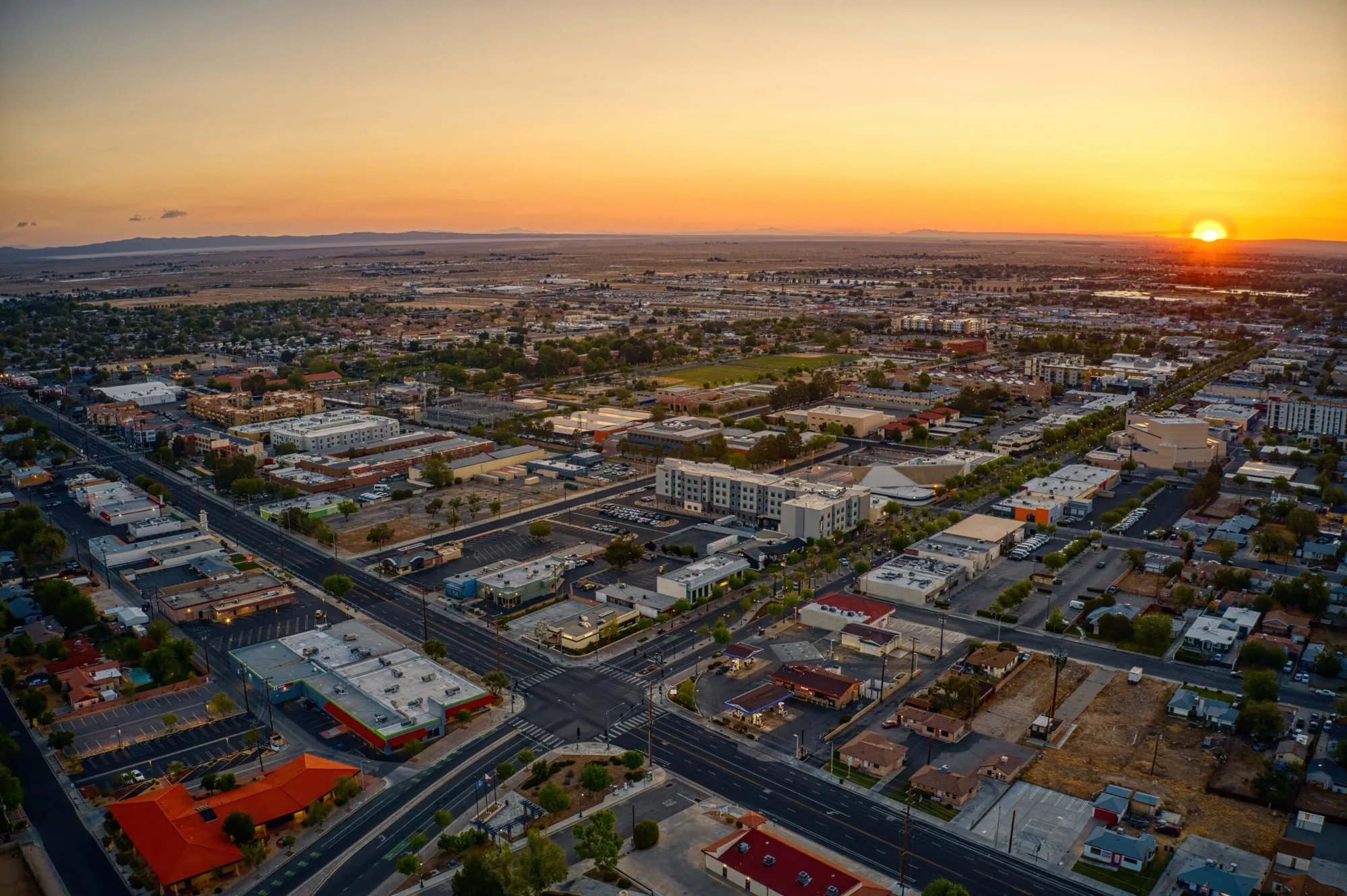
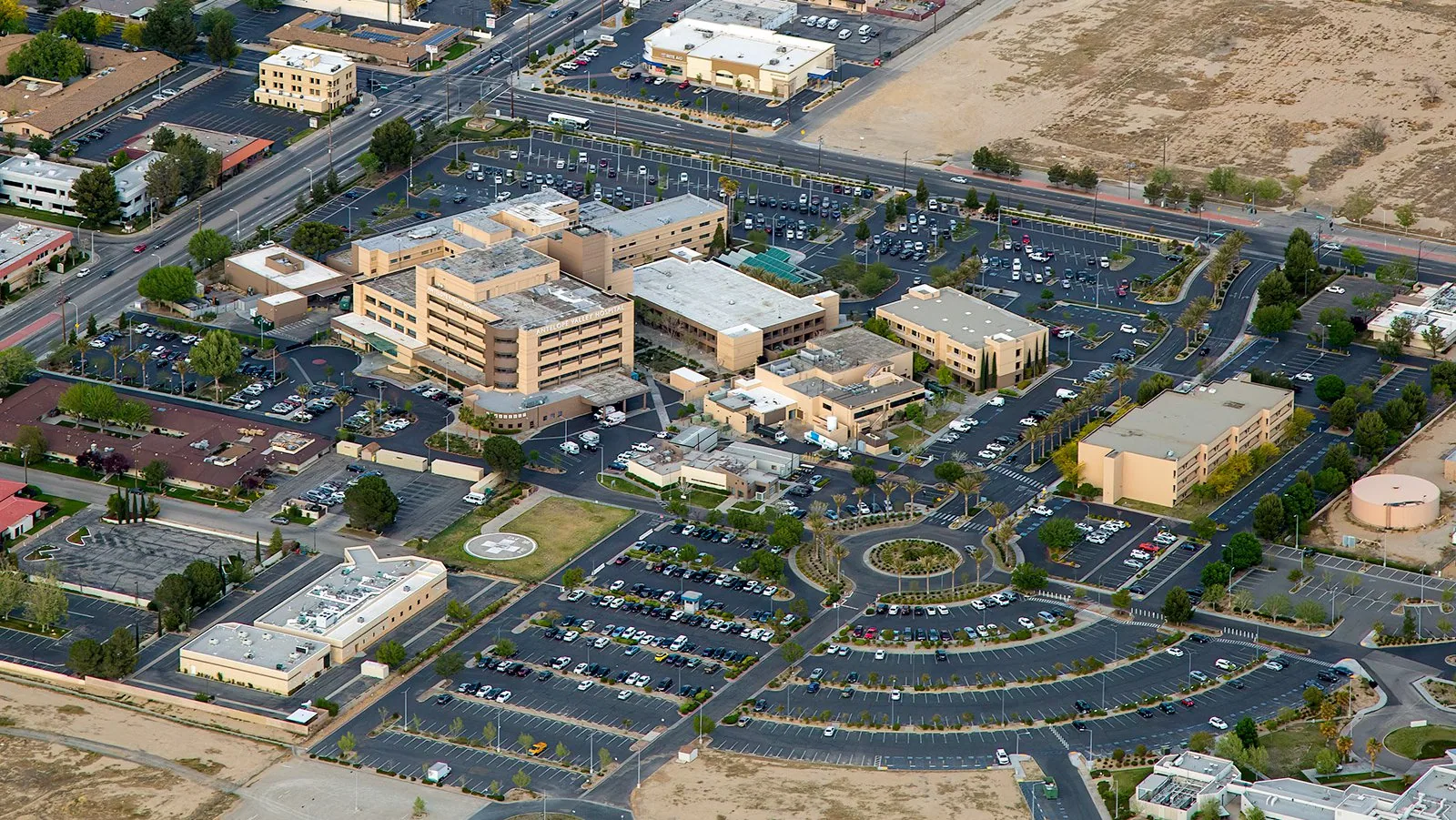
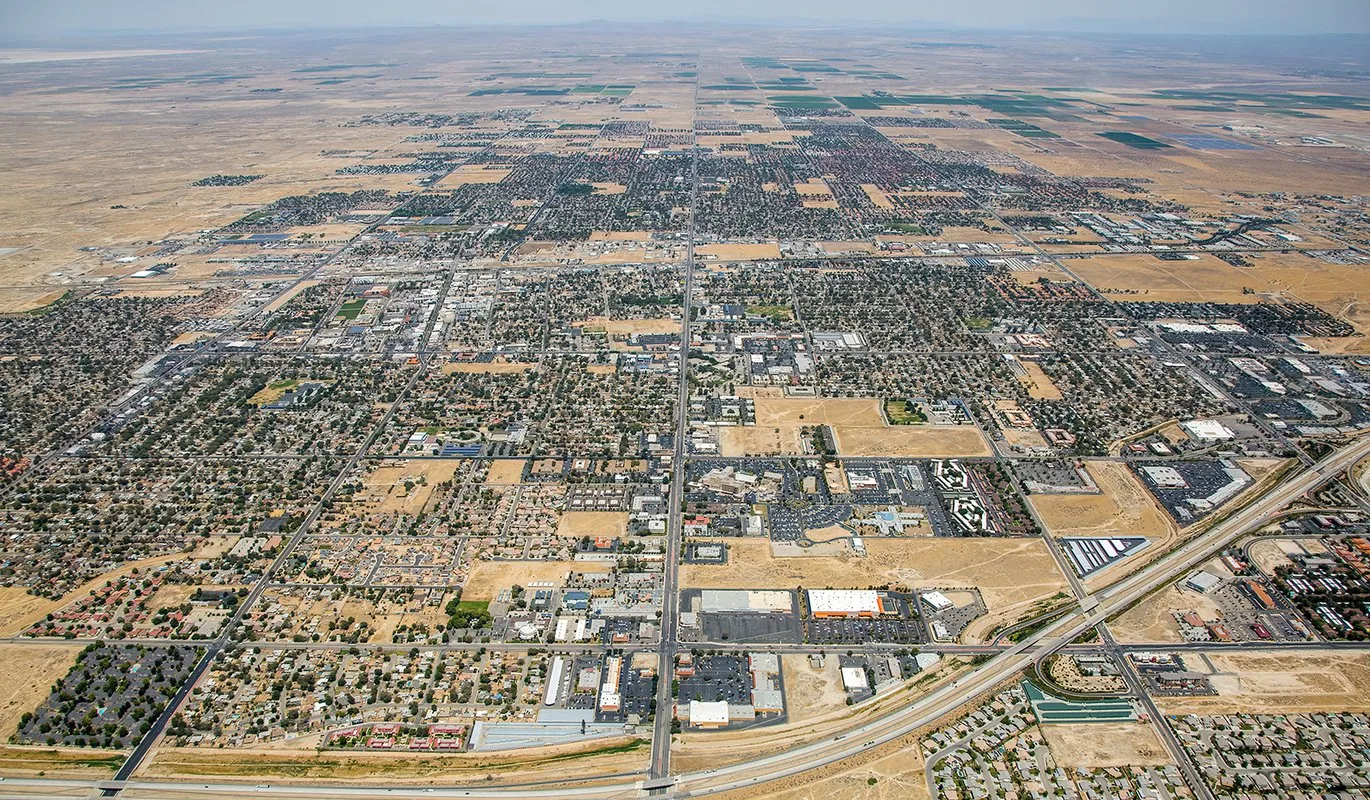
Lancaster’s Health District allows medical offices and supporting commercial uses. The Amargosa Creek Planning Area includes office, retail, and major medical activity, while Enterprise Business Park includes office, light-industrial, and retail uses. A roof assessment still begins with the actual building and assembly.
Plan Roof Access Around Occupied Space
Office repairs often involve tenant entrances, conference areas, server rooms, and rooftop HVAC serving several suites. We identify roof hatches, ladders, service routes, and the rooms below each repair location before bringing materials onto the roof. If a leak threatens a specific suite, we check whether water is still active and describe the protection needed below the opening. Access plans can then account for tenant hours and any building rules.
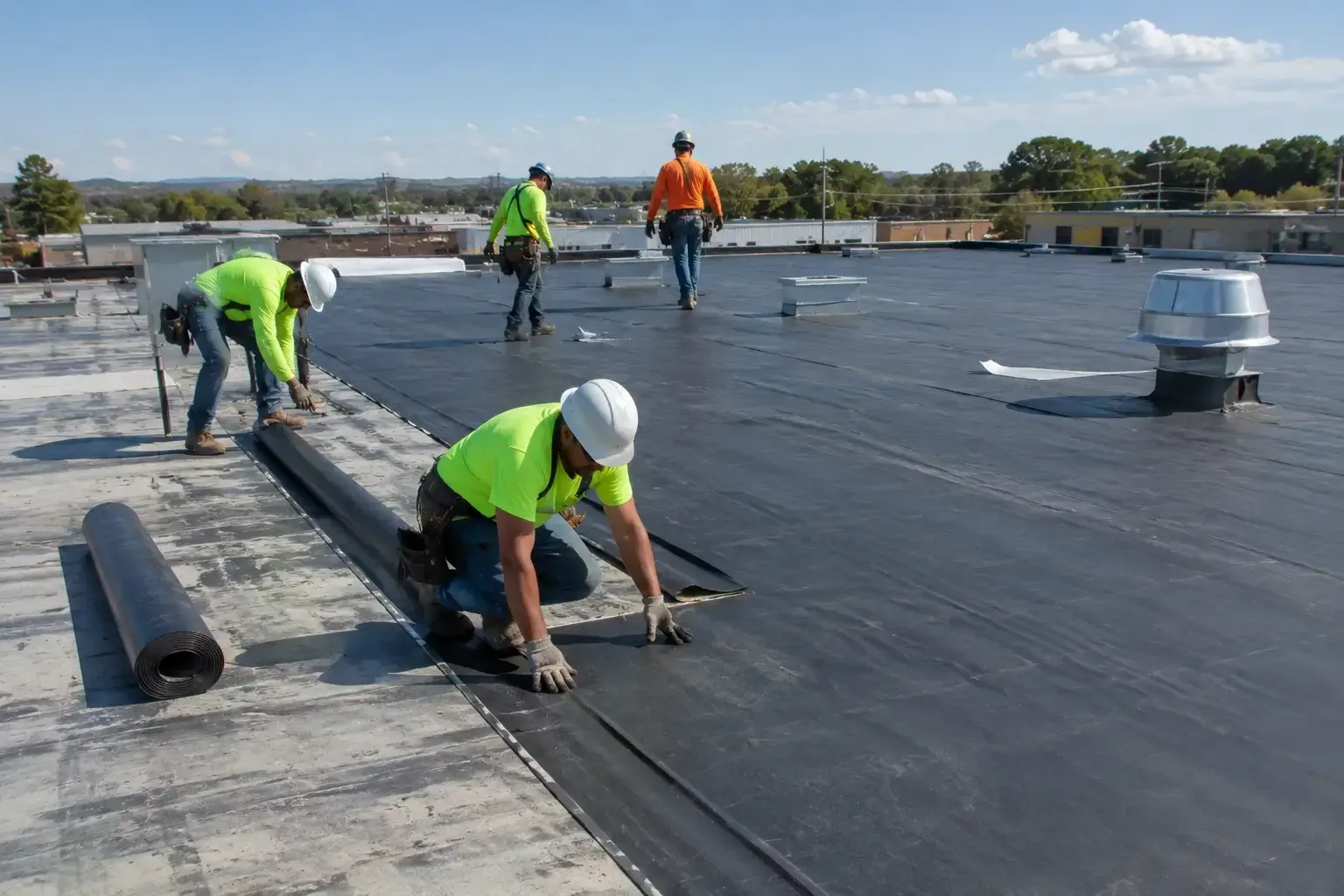
A roof replacement or large moisture removal may require more coordination than a curb repair. We sequence work by wing or roof zone, confirm where materials can be staged, and identify noisy tasks or equipment shutdowns that need notice. Occupied-building reroofing can include those protections, while a roof inspection records access-sensitive conditions before pricing a larger scope. The plan should say what the building team needs to prepare and when. We confirm who can provide roof access and whether service lifts or loading areas have reserved hours for material movement.
Trace Water Through Drains and Parapets
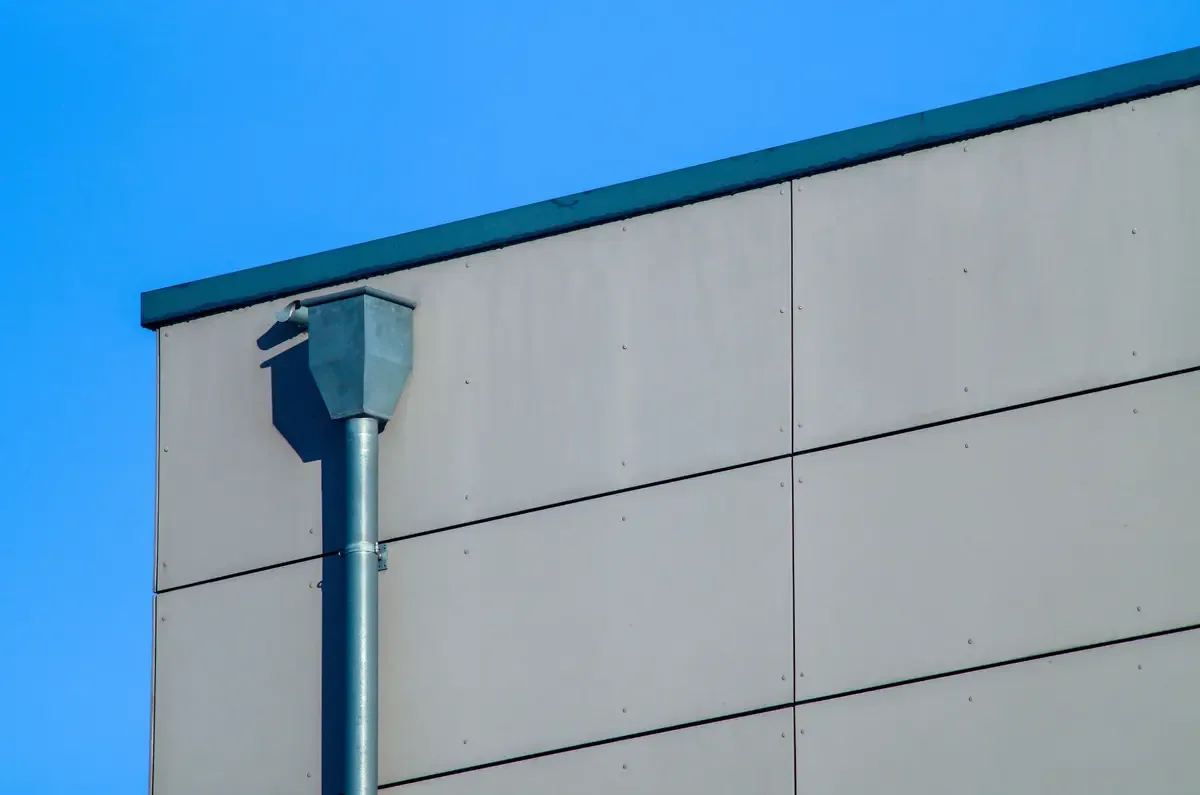
Water can travel beneath a membrane or behind parapet flashing before it appears on an office ceiling. We inspect drain bowls, overflow scuppers, wall terminations, coping joints, and low areas close to rooftop units. A blocked strainer calls for clearing, while a failed drain bowl or reverse slope requires a repair to the assembly. The estimate should separate each cause so a surface patch is not mistaken for a drainage correction.
Lancaster receives most of its normal 6.81 inches of annual precipitation between November and March. Even a limited seasonal total can expose an outlet that has been obstructed since the prior inspection. A drain and scupper repair can restore discharge, and coping and edge-metal work can address loose joints at the perimeter. We photograph nearby conditions to show whether water reached the wall or only the roof surface.
Inspect Curbs, Lines, and Movement Points
HVAC equipment, electrical conduits, plumbing vents, and abandoned lines interrupt the roof field. We inspect the curb height, corners, boot, sealant, membrane tie-in, and any walkway protection around service routes. A new unit may need a curb modification or temporary weather seal before the old flashing is removed. We coordinate the roof detail with the mechanical scope so the finished installation does not leave an open corner or unsupported penetration.
During Lancaster's hot months, curb edges and metal terminations stay exposed after the day's heat peak. We check those junctions for split sealant and lifted laps before water reaches the insulation. Heat cycles stress sealants and sheet metal around fixed curbs. We look for separated laps, lifted termination bars, and cracked flashing before those gaps admit water. Where moisture is suspected below the membrane, an infrared survey can help choose test locations when conditions allow useful readings.
Confirm the Condition Below the Surface
A stain in a tenant suite can be far from the roof opening where water entered. We compare the room location with drain paths, seams, and penetrations above it, then inspect the layers that can be seen. Test cuts can establish whether insulation is wet and whether the deck has changed. We keep confirmed findings separate from untested areas, which is important when an office roof spans several suites or has been repaired in stages.
When an opening is needed, we identify the rooms below, protect furniture and equipment, and coordinate timing with the property contact. Removal follows the verified wet boundary, then compatible insulation and flashing restore the assembly. If similar moisture appears in multiple zones, a replacement evaluation can compare repair with a larger scope. The report should identify where each option begins rather than treat every section as if it failed in the same way. We also note where work can be split between tenant wings and whether the same access controls apply to the entire building. A measured boundary helps the manager explain which suites need notice, where furniture or electronics need covering, and whether an after-hours window is warranted.
Keep the Roof File Ready for the Next Decision
Office roofs change when tenants add exhaust, relocate equipment, or modify interior layouts. We record new penetrations, repairs, drains, and locations that need follow-up so future work can start with a reliable map. Photos should show the detail and enough surrounding context to find it later. A maintenance inspection can revisit curbs, seams, and low areas before winter rain and after contractor traffic.
The estimate should separate a spot repair, a recover, and full replacement by stating which layers stay in service, which suites need protection, and how access changes between stages. A medical office roof plan may add scheduling and equipment sensitivity, while multi-tenant commercial roofing brings shared access and tenant coordination. We provide around-the-clock emergency response, including holidays, if active water needs immediate attention. For planned work, the condition record can connect the next capital discussion to observed roof zones. We can also identify small repairs that should precede a coating or recover, including loose edge metal, cracked pipe boots, or open laps. Separating those details prevents the estimate from treating a new surface layer as a substitute for correcting the water entry that already exists. If the property has older tenant fit-outs, we compare current penetrations with available roof records and flag openings whose use is unclear. The owner can then decide whether to investigate them during the roofing project or retain them for a later building review.
Commercial Roofing Questions
Can office roof repairs happen during business hours?
A localized repair may fit during the day if access, noise, and interior protection are acceptable. We identify the work area, tenants below, and equipment affected, then schedule any interruption or restricted access with the building contact.
Why can an office ceiling stain appear away from the leak?
Water may travel along insulation, a deck flute, or a parapet before it drips into a room. We trace the roof-side route and compare it with the interior location rather than assume the nearest curb is the entry point.
What should an office roof inspection document?
A useful record identifies membrane type, drains, curbs, edge details, prior repairs, suspected moisture, and areas not physically tested. Photos and a roof-zone map help the property manager track repairs across suites and future tenant changes.
Does Lancaster's climate affect office roof maintenance?
Long hot periods load exposed seams and equipment flashing, while most normal rainfall arrives from November through March. We check details after heat exposure and confirm drains and overflow paths before the wetter season.
How do you avoid disrupting tenants during a reroof?
We divide work into roof zones, identify rooms below each opening, and coordinate material staging, noise, and temporary protection. The sequence can be adjusted around tenant hours, access rules, and HVAC work where the roof plan allows it.