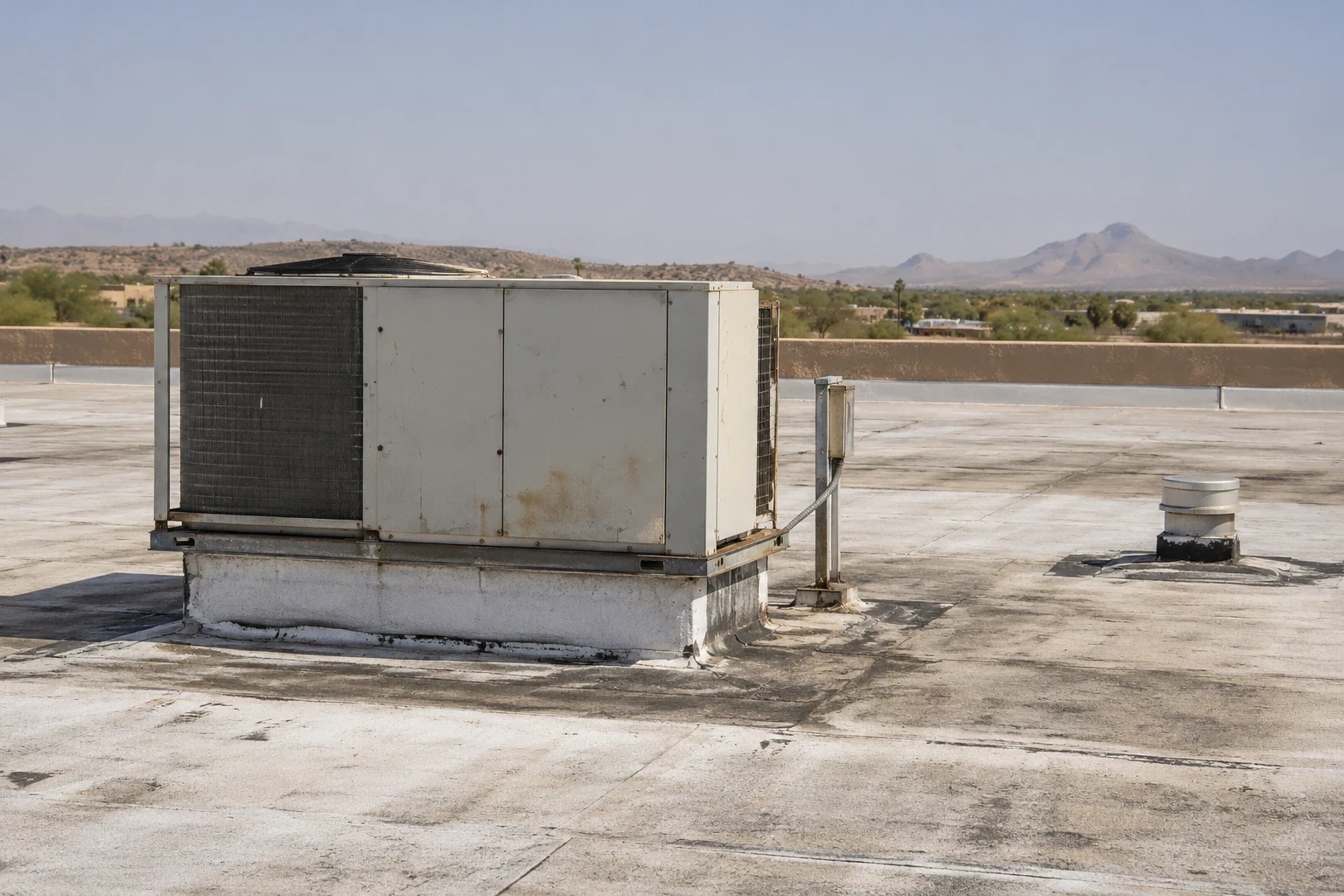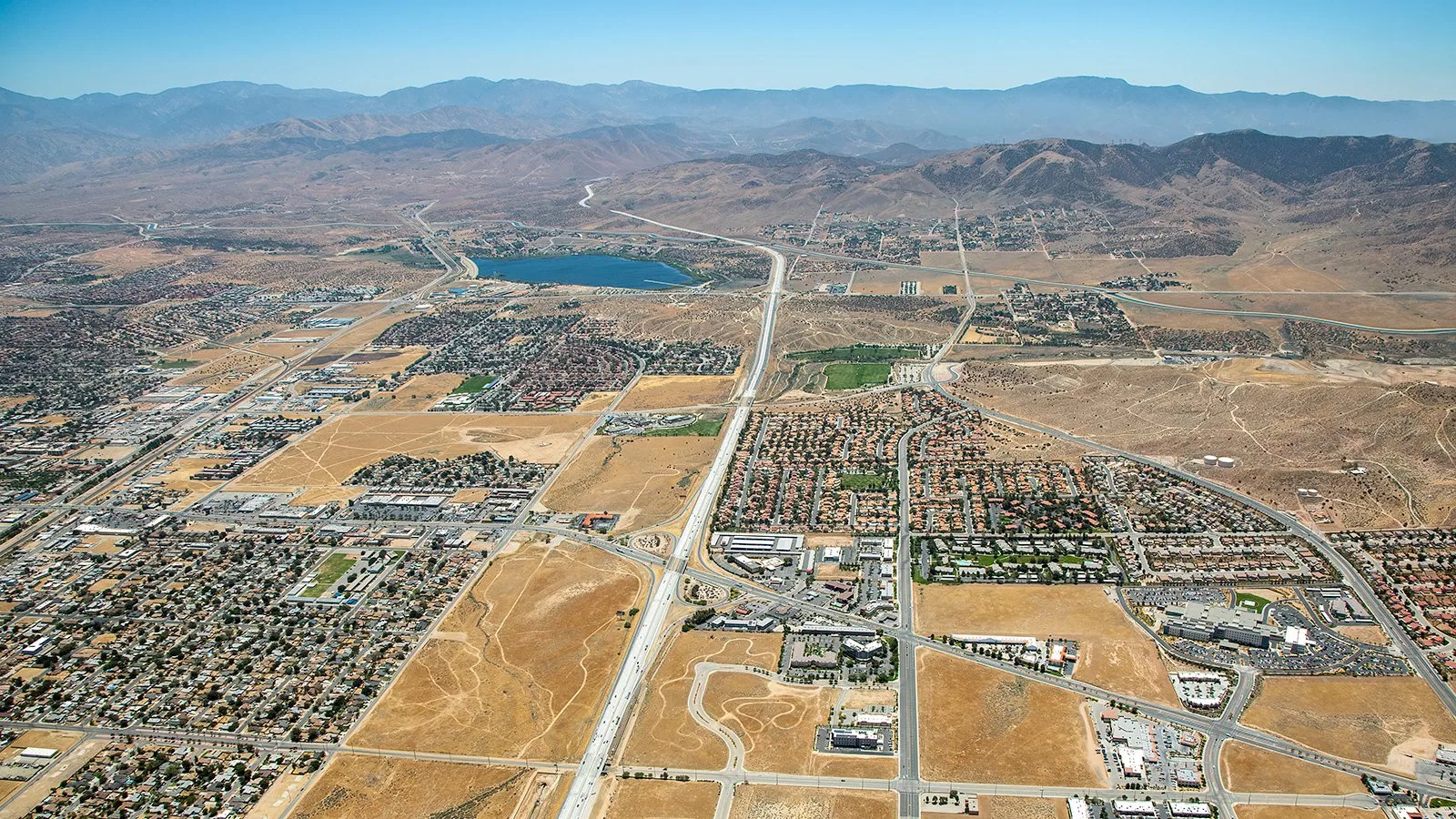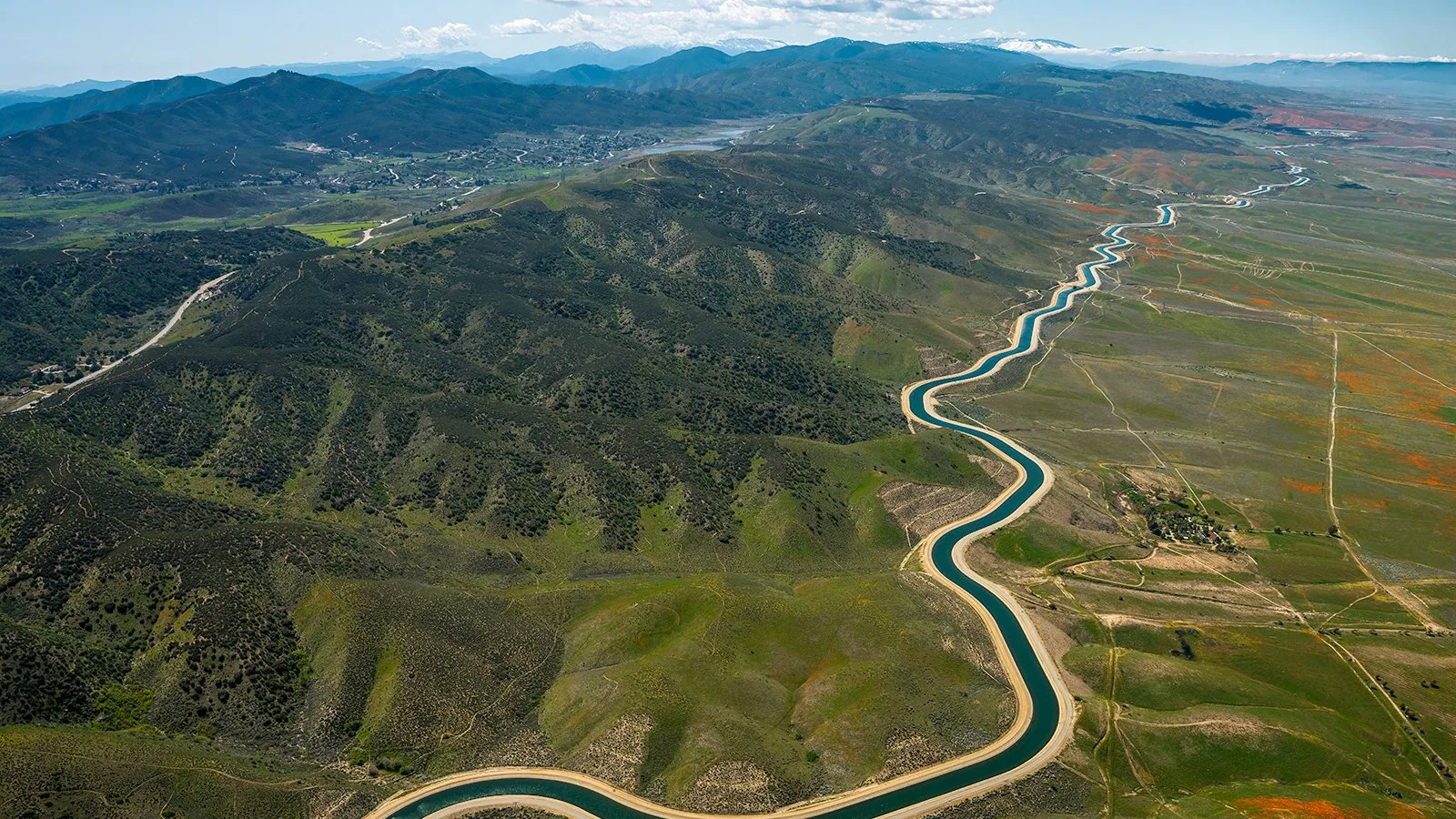
Palmdale's commercial economy spans aerospace, advanced manufacturing, logistics, medical services, and retail. The city also reports more than 13 million square feet of industrial space in development. That mix makes the first roof question practical: what does this particular assembly need, and how can the work fit around the building's operation? A hangar, clinic, warehouse, and neighborhood retail property have different access, drainage, interior-protection, and scheduling constraints. We start with the roof in front of us rather than assuming that a sector or nearby project describes its condition.
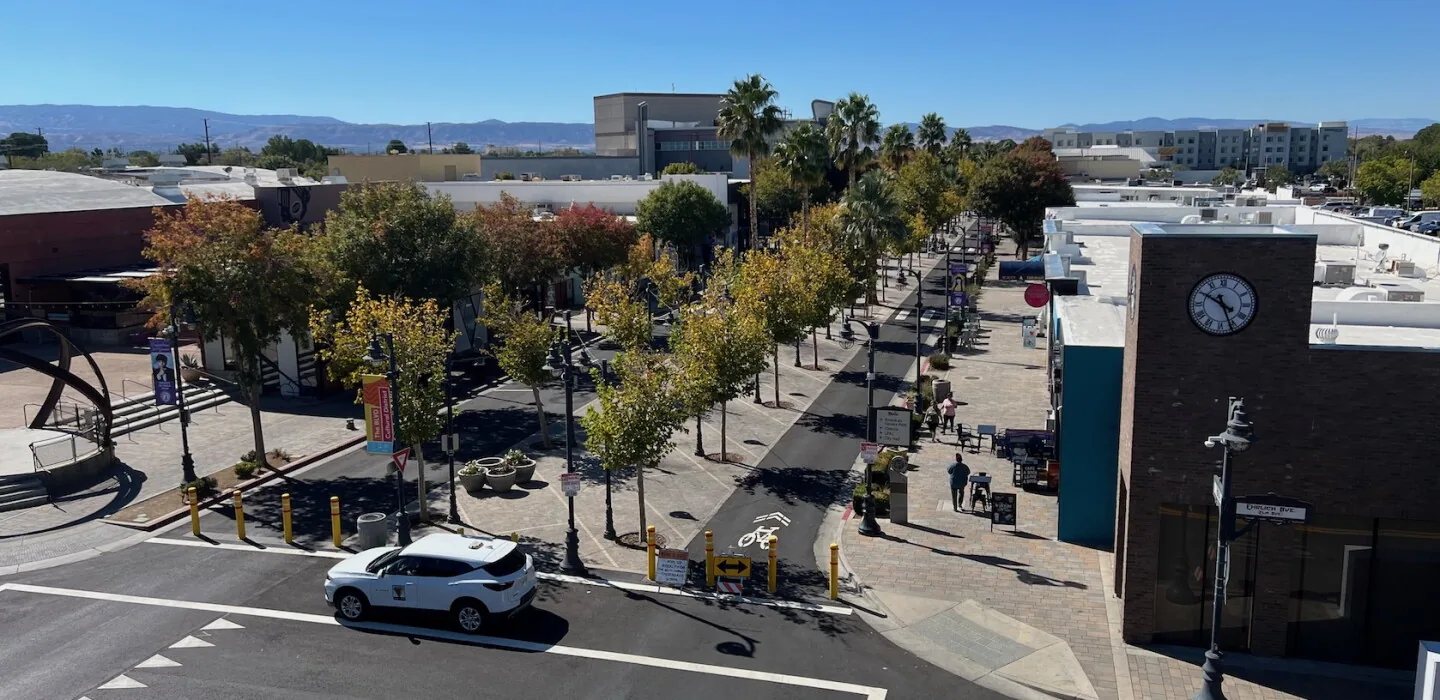
Our assessment connects the reported symptom to a roof zone, checks the surrounding details, and records what is visible before recommending a scope. A property manager can use that record to compare immediate leak control with a broader repair or capital decision. Owners coordinating work in Palmdale and Downtown Lancaster should keep each building's inspection notes and repair history distinct.
Start with the building's operation and roof map
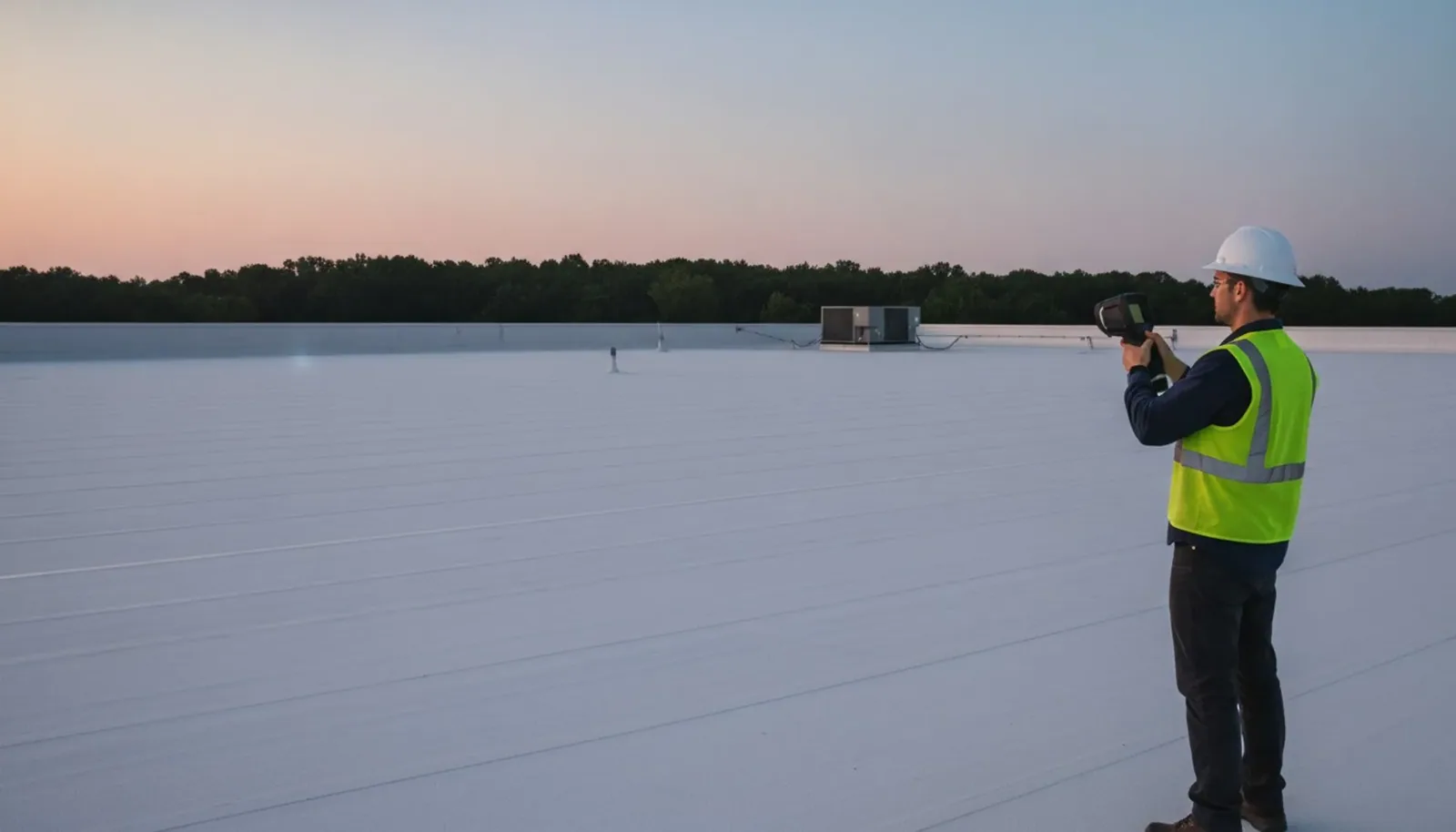
Before a roof walk, identify the affected rooms or equipment, the time water was first noticed, and whether the symptom followed rain, cleaning, or rooftop work. A ceiling stain can help direct the search, but water may travel beneath the surface or along a deck before it appears indoors. We compare the report with nearby membrane seams, penetrations, curbs, walls, drains, and earlier patches. Photographs should show both the detail and its location on the roof. The report should separate direct observations from areas that require testing.
Access needs vary by use. A medical property may need protected entrances and a contact who can coordinate occupied rooms. An industrial operation may require a safety briefing or an escorted route around active work. Retail teams may need customer paths and delivery periods kept clear. Confirm roof-hatch access, equipment restrictions, fall-protection provisions, and the person authorized to approve a test opening before scheduling. A commercial roof inspection can document the assembly and defects, while a written condition assessment can organize findings for repair planning.
Palmdale's economic-development information also identifies freeway access and regional connections toward the Los Angeles and Long Beach ports as part of its industrial appeal. That context makes route and staging coordination relevant for some projects, but it does not establish a particular property's hours, loading arrangement, or roof type. Confirm those details with the site contact before crews or materials are scheduled.
Check transitions, drainage, and rooftop work
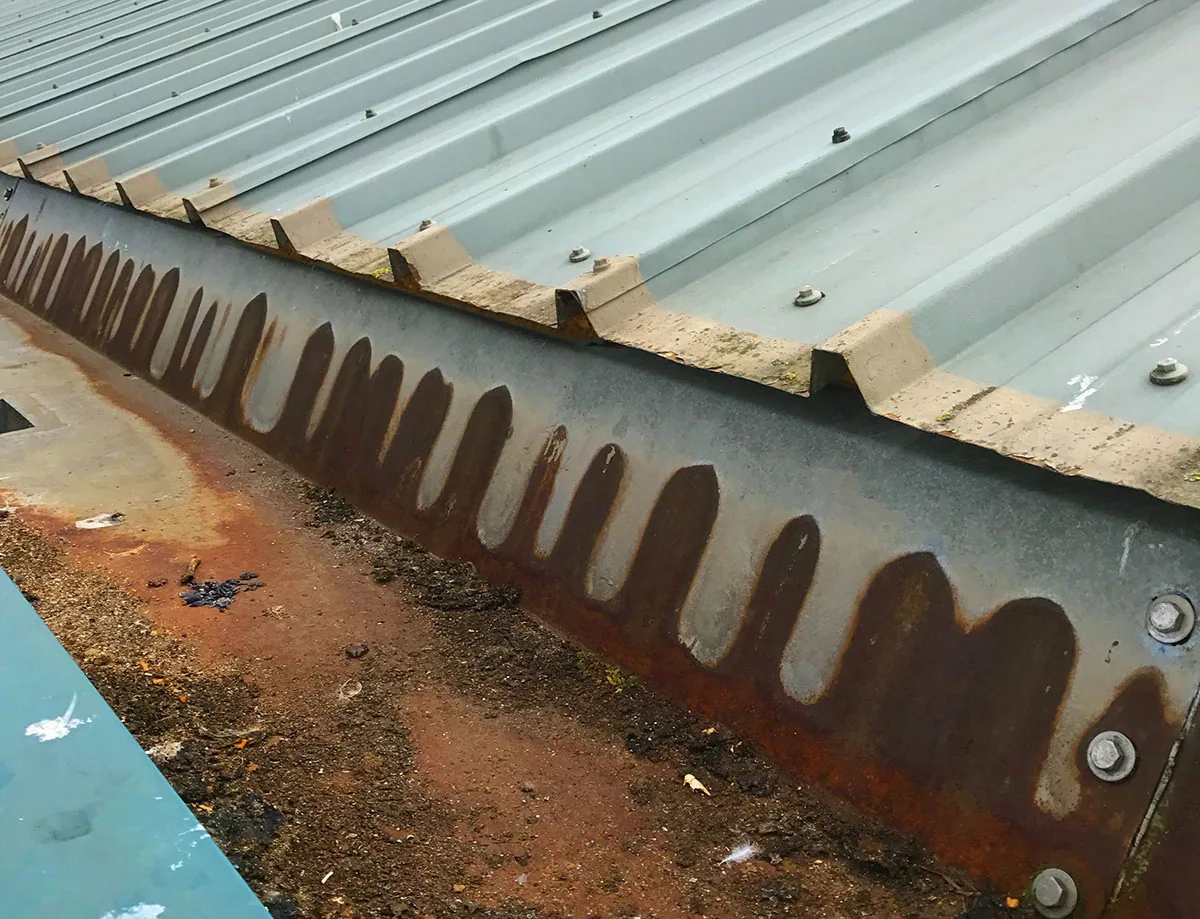
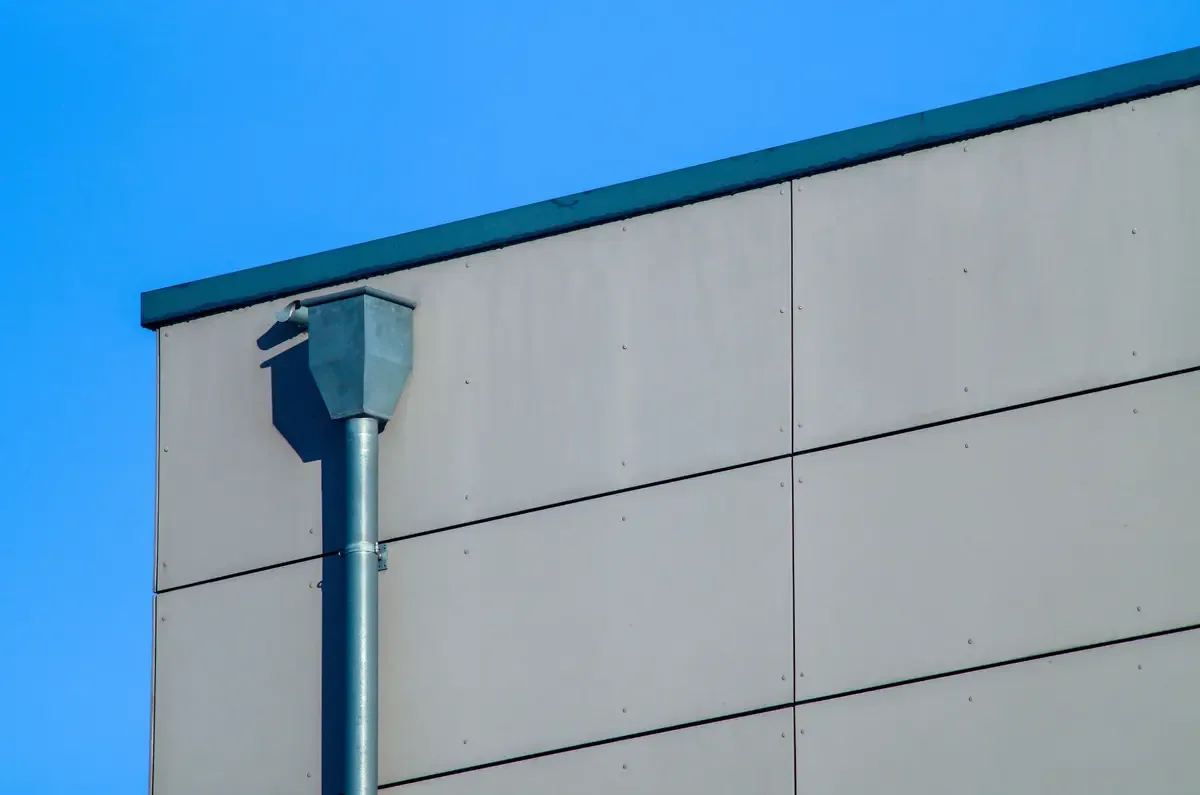
Leaks often show up where one roof condition meets another. At a parapet, inspect the cap, membrane turn-up, counterflashing, and corners. At equipment, look at the curb, pipe supports, electrical penetrations, and patches left after service work. At drains and scuppers, check whether debris or deformation restricts flow and whether the surrounding membrane is split, loose, or holding water. A clear outlet does not prove that its flashing is sound; the outlet and nearby seams need separate observation.
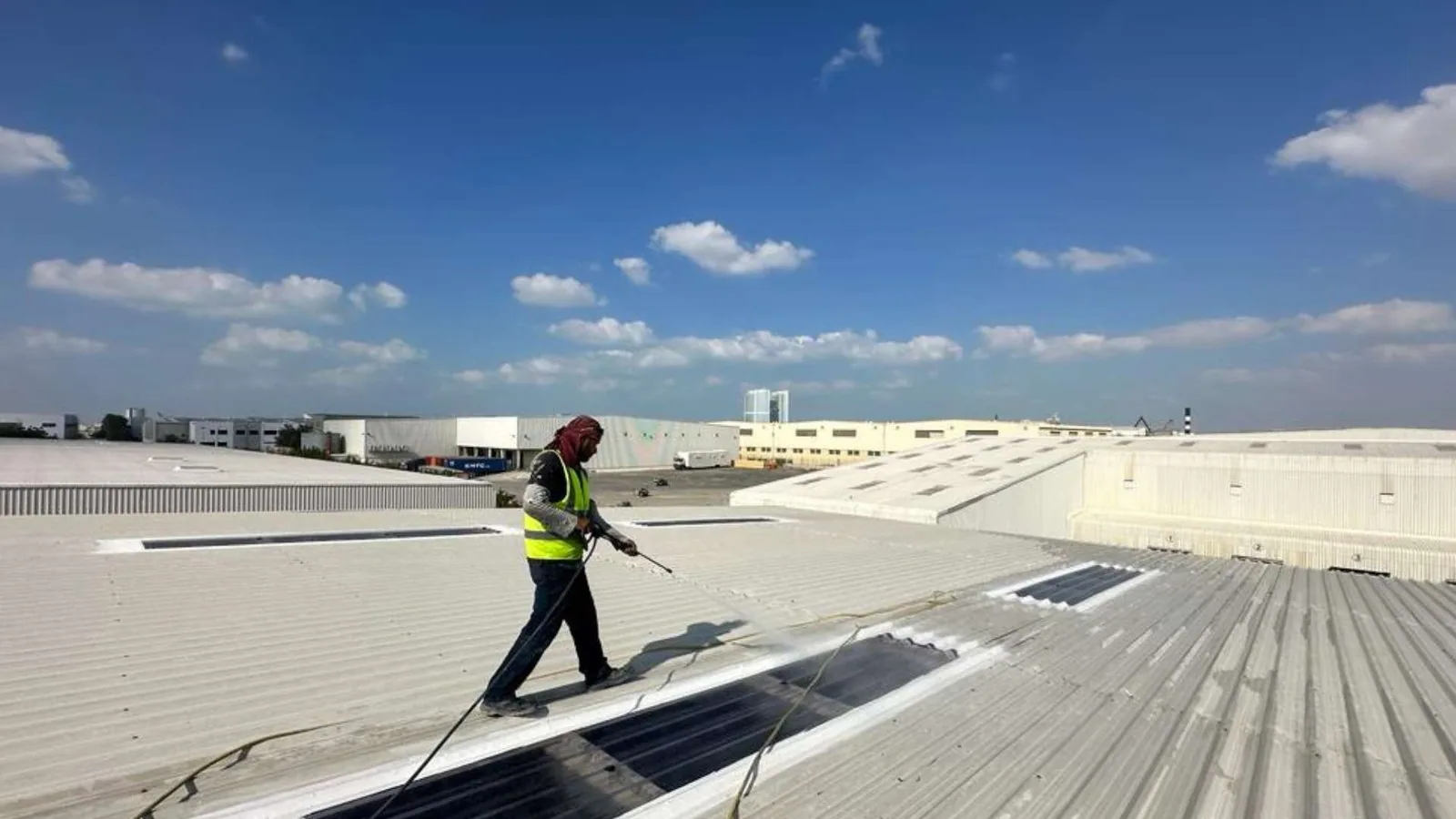
In Palmdale's dry climate, annual rainfall is modest, but a short storm can still test drainage and expose an incomplete patch. Plan seasonal checks around the wet period, remove debris without damaging the membrane, and make sure overflow routes remain open. A drain and scupper repair addresses outlet concerns; a commercial roof leak repair can define the affected area and tie-in. If moisture may extend under the surface, a moisture survey can help select locations for confirmation. Testing should answer a defined question, not substitute for inspecting visible details.
When a recent trade visit lines up with the reported leak, compare service records with roof conditions around that equipment. Look for punctures, displaced supports, open sealant, or a repair that stops short of sound material. Record the likely entry point and any alternatives that remain possible. This gives the owner a useful next step without assigning blame before the assembly is opened or tested.
Match the scope to evidence on the roof
A localized repair may be appropriate when the defect is isolated, the surrounding surface is stable and dry, and compatible material can bond at the repair edge. A larger restoration or replacement review becomes more relevant when leaks recur across separate zones, moisture is widespread, or existing layers prevent a reliable repair boundary. We document the evidence, the limits of the inspection, and what additional testing could change the recommendation. That gives an owner a basis for comparing options without treating properties across an industrial or medical district as identical.
Price and timing depend on roof access, assembly type, the number of transitions, preparation, interior protection, disposal, and what removal uncovers. For a warehouse or manufacturing property, coordinate the work zone with loading and production schedules. For medical or retail space, plan notices, entrances, noise, and temporary barriers with the site contact. An itemized repair scope should state the preparation, materials, limits, and closeout records. If the roof needs broader review, roof capital planning can help organize findings by urgency and budget cycle.
Palmdale's major business areas include aerospace, manufacturing, logistics, medical, and retail. These sector labels help frame questions about access and occupancy, but they do not determine the assembly or the repair method. Verify the roof construction, warranty documents, previous work, and any tenant or owner requirements for the specific property before selecting materials. If an existing warranty or manufacturer system applies, confirm its repair rules before cutting or coating the roof.
Keep maintenance records useful between visits
A maintenance log is strongest when it lets the next inspector return to the same details. Record the visit date, roof zone, drain condition, seam or flashing observation, repair material, and any area that could not be accessed. Use photographs with a wider location view and a close detail. Note what changed since the last inspection, rather than repeating a general statement that the roof was checked. This helps a manager distinguish an active issue from routine monitoring.
For industrial and logistics properties, include equipment locations, service routes, and any restrictions around active work. For medical and retail sites, note the entrances and interior areas that require coordination. A preventive roof maintenance visit can identify debris, open details, drainage concerns, and prior repairs for follow-up. Where replacement is being considered, Palmdale Transit Area is a separate defined planning district; keep its context distinct from the inspected property.
After a repair, retain the scope, materials, photographs, and closeout notes with the building's roof records. If a temporary measure remains, label it clearly and assign a date or condition for review. Before the next wet season, confirm that drains and overflow paths are clear, temporary coverings are secure, and a responsible contact can report changes. A short, consistent record can reduce repeat diagnostic work and make future budget discussions more precise.
Commercial Roofing Questions
What types of Palmdale properties can you assess?
We assess commercial and industrial roofs based on the actual assembly and reported condition. Palmdale's identified sectors include aerospace, advanced manufacturing, logistics, medical services, and retail, but the property walk determines the scope.
Does a roof leak always need a test opening?
No. We first inspect the reported area and related seams, curbs, penetrations, and drainage details. A test opening is useful when concealed moisture or assembly layers could change the repair decision, and its location should answer a specific question.
How should an industrial property prepare for roof work?
Confirm the roof access route, safety requirements, equipment restrictions, loading or production windows, and the contact who can approve work. Mark the work zone and agree on interior protection before materials are staged.
When should an owner compare repair with replacement?
Compare them when defects recur across several zones, moisture extends beyond a local area, or prior layers make a dependable repair edge difficult to establish. Inspection findings, repair history, drainage, and the condition of the existing assembly guide the decision.
What records should remain after a roof repair?
Keep the dated work scope, materials, repair boundary, roof-zone photographs, and any follow-up item. Note temporary protection and inaccessible areas so a later inspection can compare the same locations.