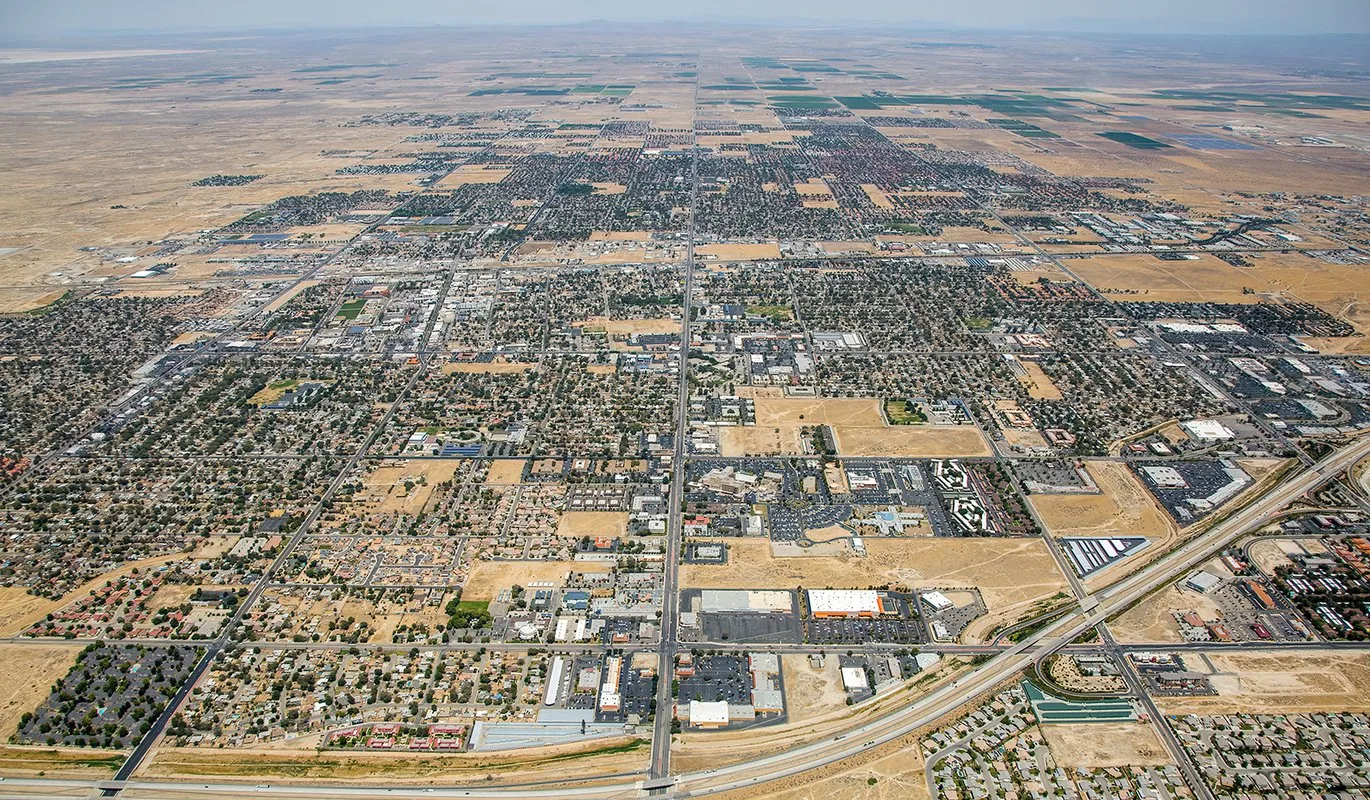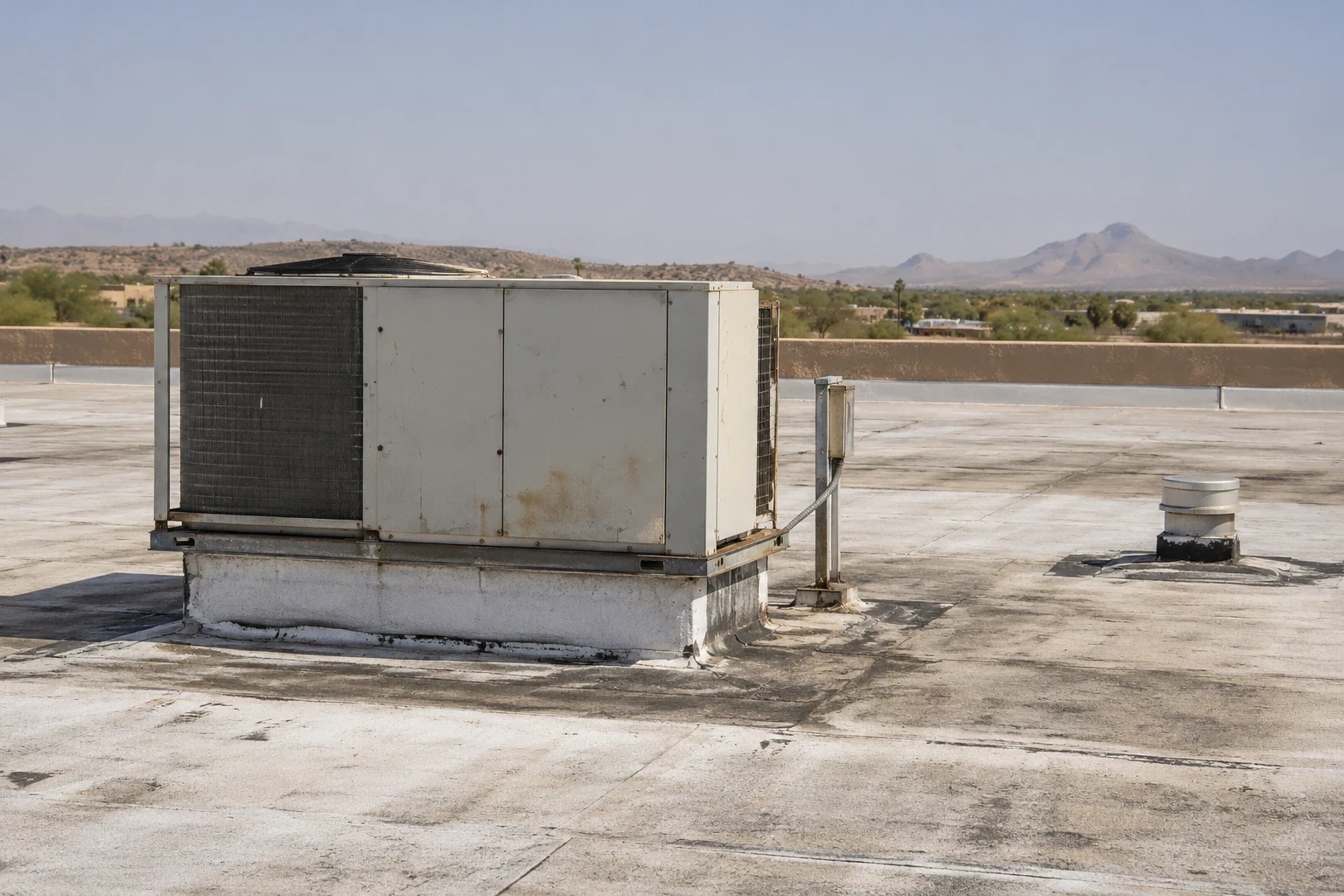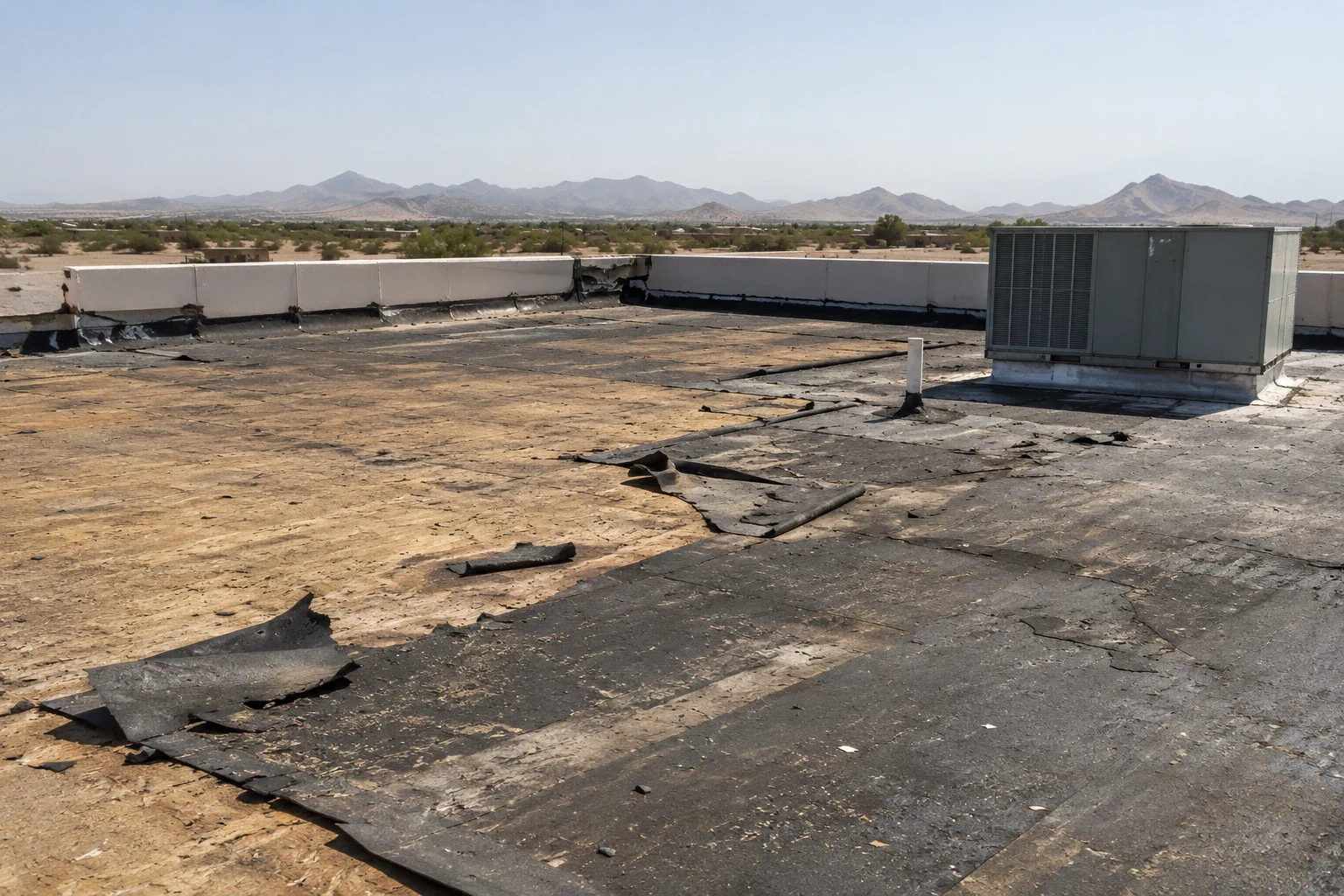
A roof with multiple curbs, seams, and drainage outlets can hide more than one failure path. The Palmdale Transit Area is a defined planning district, but the roof scope depends on the specific commercial property being reviewed. We start with the assembly, roof access, interior leak reports, and current operating limits. A district boundary does not identify a building’s age, tenant, or roof system, so we keep our findings attached to the individual property and its roof zones.
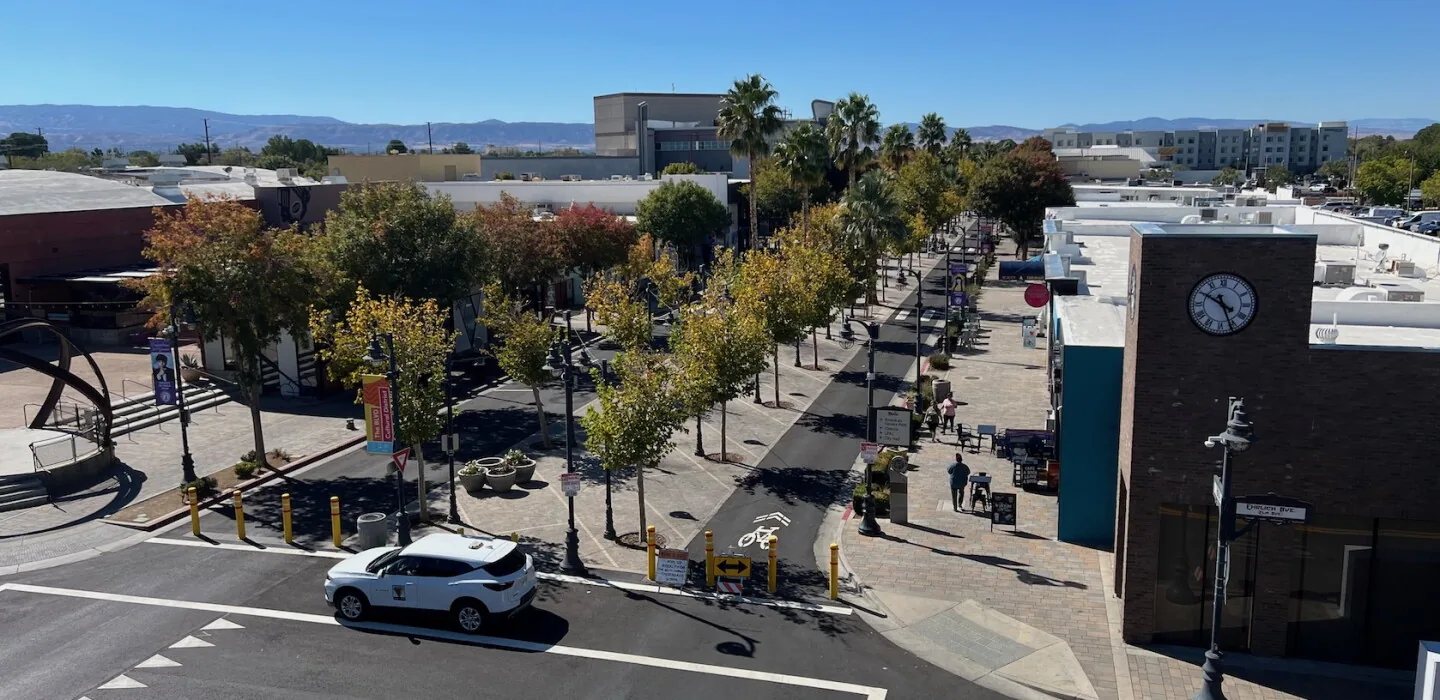
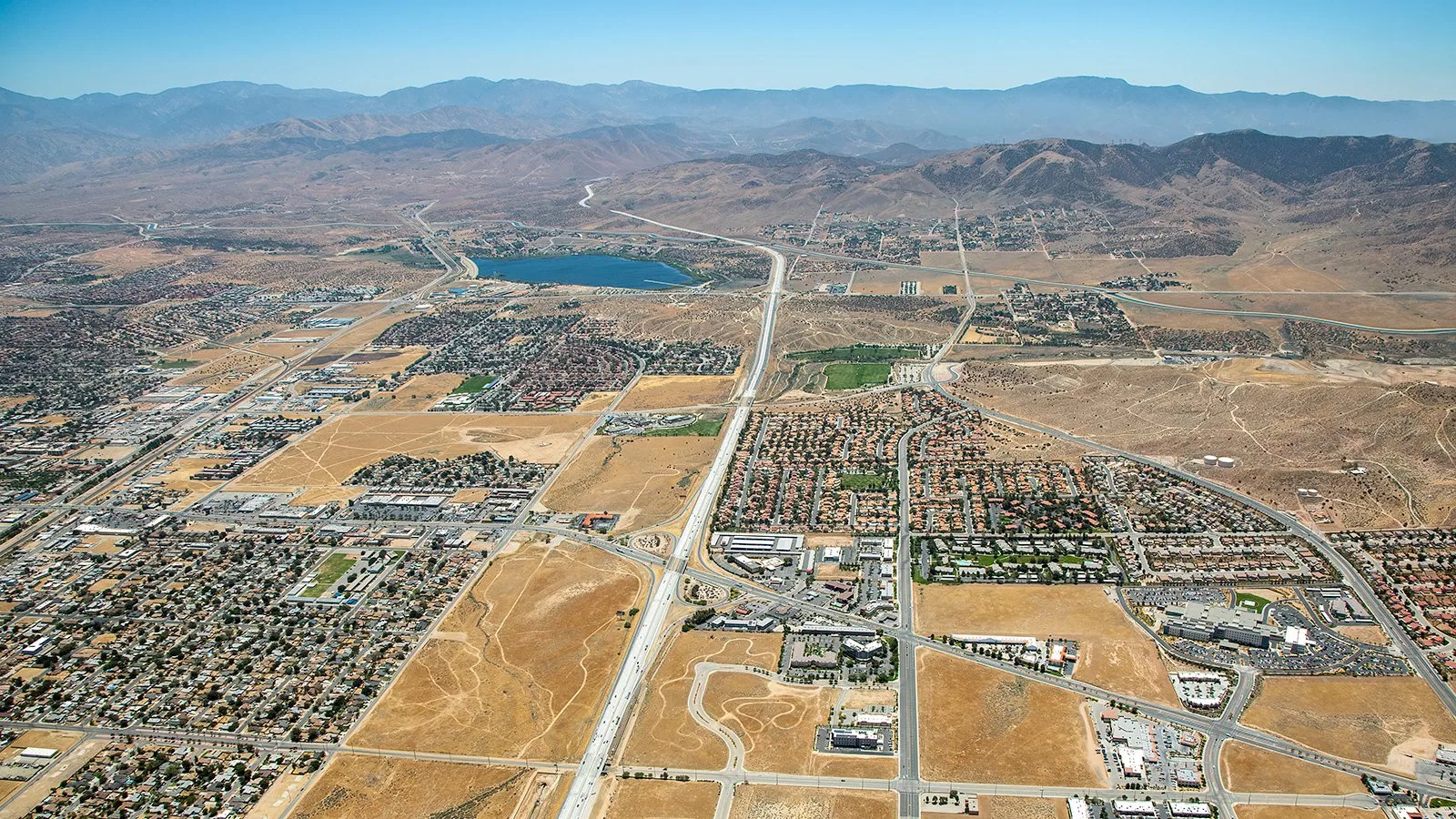
Palmdale’s economy includes aerospace, manufacturing, logistics, medical, and retail activity. That range makes advance coordination useful: a visit may need to work around tenant hours, equipment service, deliveries, or controlled access identified by the site contact. We confirm those details and then inspect the membrane or metal, penetrations, edges, and water paths. The owner receives a recommendation tied to the observed condition, with any testing or concealed work clearly identified before it changes the scope.
Define what the roof walk will cover
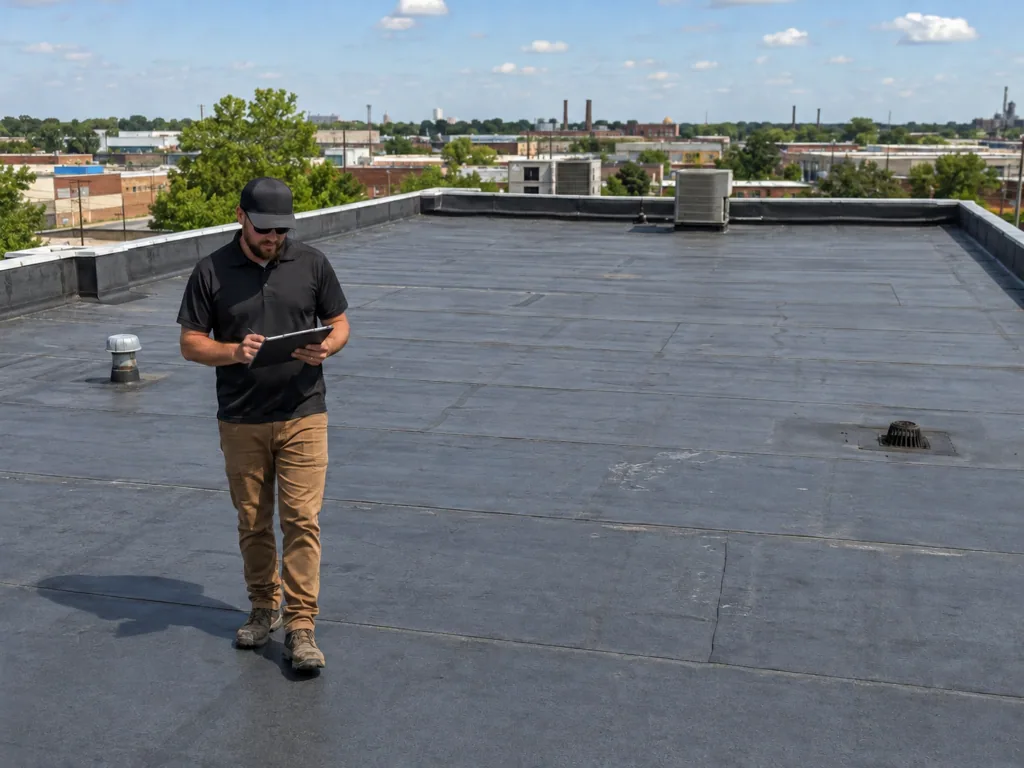
Before climbing, we confirm which roof areas belong to the property, how the crew will reach them, and whether any portion is restricted. On the roof, we label elevations or additions and note materials where they can be verified. Drains, scuppers, curb flashings, wall transitions, and edge metal each need their own observations. If prior reports mention a leak, we compare the interior location and timing with those details. A commercial roof inspection should make clear what was seen and what remains inaccessible.
When roof areas have different membranes or elevations, we do not use one finding to describe the entire assembly. We record each transition, rooftop unit, patch, and drainage path with enough context to locate it later. For a portfolio owner, a condition report can put those observations into a consistent format while preserving separate building records. That becomes useful when budgets are compared across the Transit Area and other Palmdale commercial districts.
Connect site operations with safe access
The district is one of Palmdale’s defined planning areas; the business activity around it spans several property sectors. The owner or manager can identify which operations must continue during inspection and whether roof access depends on an escort, key, or lift. We also ask where materials may be staged and which doors, service lanes, or interior rooms must remain protected. Those answers set the work window and safety plan without assuming every building in the district has the same requirements.
The East and West areas of Antelope Valley Commerce Center sit near State Routes 14 and 138, another industrial business park in the wider market. That location has its own property list and maintenance priorities. The Freeway Business Center near State Route 14 and Avenue N also calls for building-specific roof records. When an owner coordinates several locations, we keep each inspection tied to its own assembly and repair history so a past condition does not migrate to the wrong work order.
Keep water moving through the drainage path
At the Lancaster William J. Fox Field station, the long-term annual rainfall measure is 6.81 inches, and winter accounts for most normal precipitation. This is Lancaster data, not a gauge reading at a Transit Area parcel. The limited annual total still leaves short, concentrated downpours capable of stressing outlets and overflow paths. We check whether the roof surface directs water toward an outlet, whether drains and scuppers remain clear, and whether overflow paths can function when a short storm concentrates runoff.
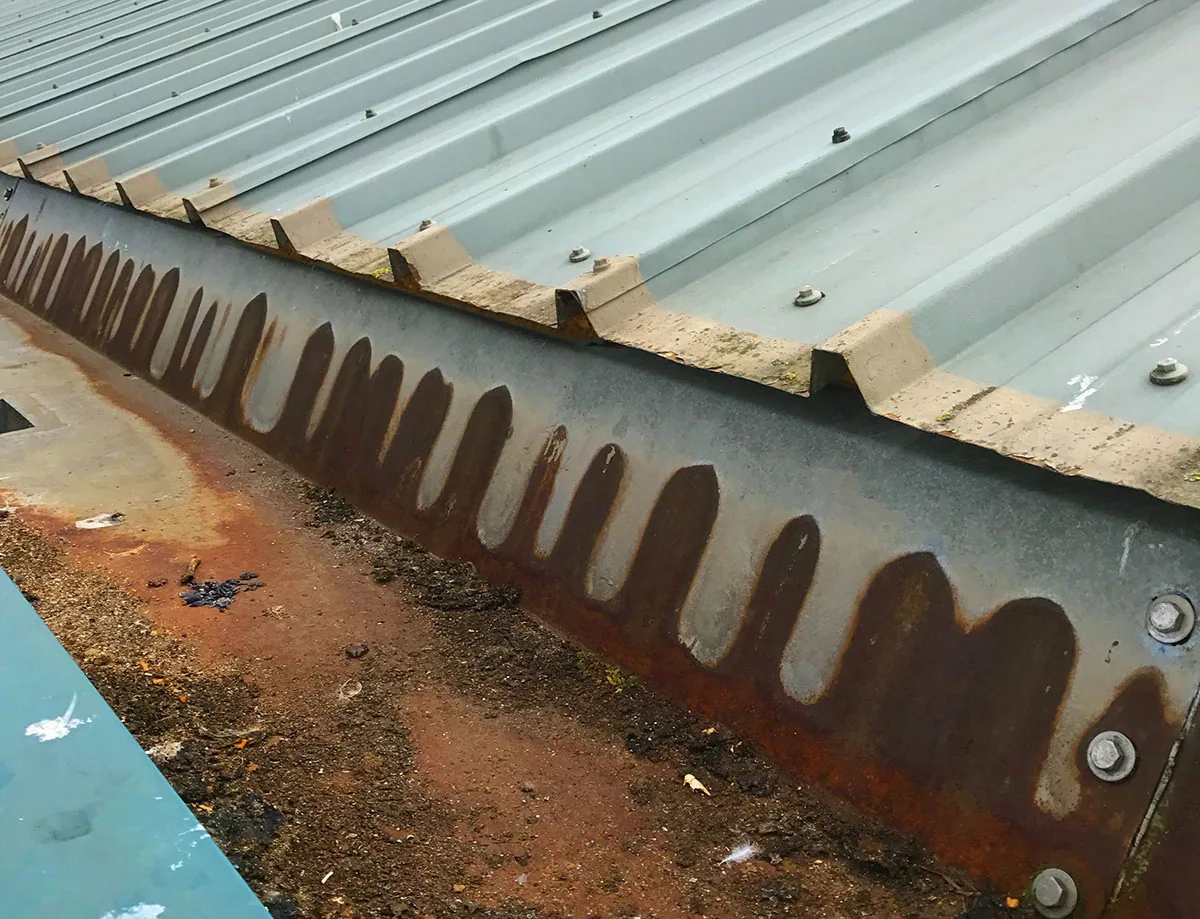
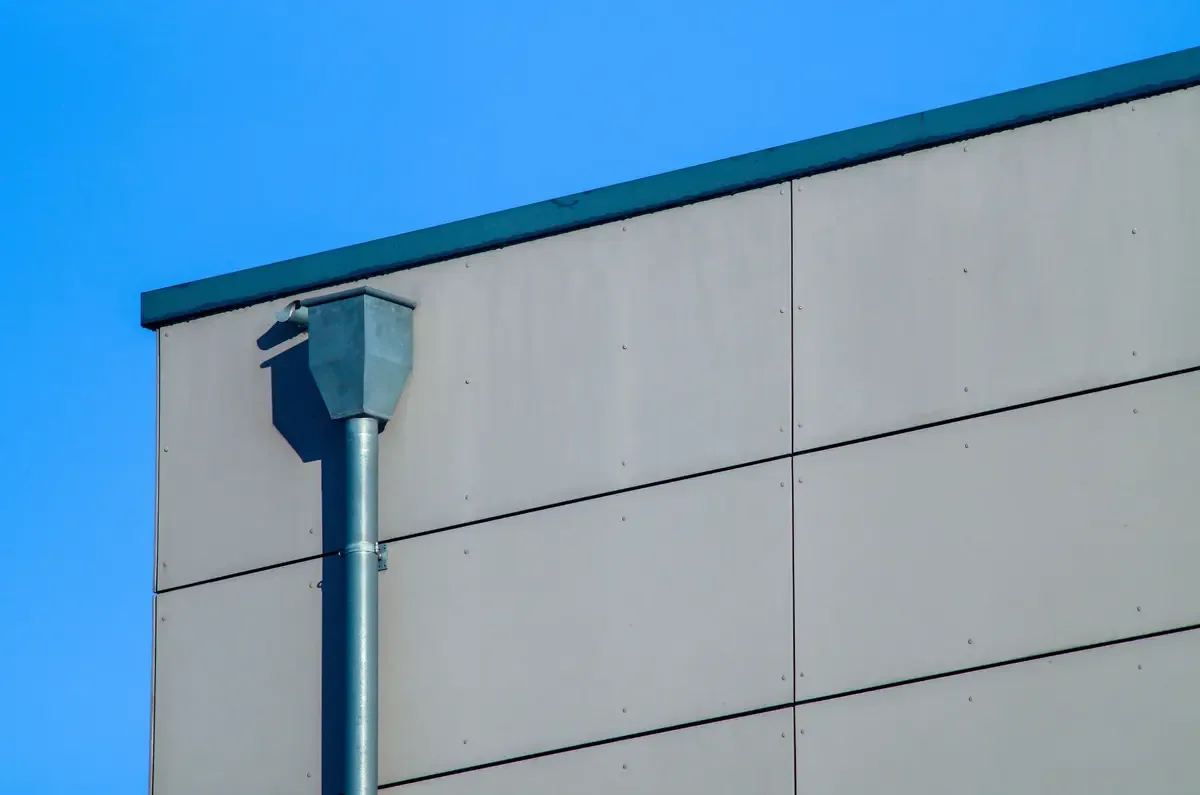
Standing water can reflect debris, a restricted outlet, surface deformation, or a slope problem. Those causes call for different next steps. We look for sediment lines, drain-ring separation, blocked strainers, deteriorated flashing, and staining beneath an overflow route. The estimate should distinguish cleaning from a repair to the drain assembly or a correction that needs design review. A drain and scupper correction may be part of a targeted scope when the inspection supports it, while structural or slope questions may need separate evaluation.
Select a scope that matches the evidence
A localized leak can be repaired when the defect is found and surrounding material can receive a sound tie-in. We identify the preparation, compatible membrane or metal, flashing method, and final check. If moisture extends into insulation or cover board, the repair boundary may need to widen. We show the exposed condition and get direction before adding work outside the approved scope. For repeated failures across multiple roof zones, compare the repair record with a replacement or recover evaluation. Where a mechanical vendor has changed rooftop equipment, the curb may have been enlarged or a service line rerouted. We record the current penetration and any flashing disturbed by that work. Roofing scope restores waterproofing; the responsible trade handles disconnection unless the contract assigns it clearly. Setting this boundary before mobilization helps coordinate a complete, weather-secure repair.
Coatings are not a shortcut around poor drainage or wet material. Their suitability depends on adhesion, substrate condition, compatibility, and terminations. Likewise, recover work depends on the condition and capacity of the retained assembly. A defined repair and a replacement assessment should make their different assumptions visible. An owner can then weigh immediate correction against longer-term work without pricing an unknown layer as though it were already confirmed.
Carry access notes into maintenance and closeout
Work planning includes who can approve a concealed-condition change, when deliveries may arrive, and how an open roof area will be closed at the end of each shift. When a building stays active, a phased reroof sequence can keep completed sections separate from the area still under work. We identify any temporary access change before it affects tenants or operations. Our emergency coverage continues through nights, weekends, and holidays. We secure active exposure first; an inspection then defines permanent work and the next approval.
Closeout should identify the roof zones inspected, materials used, repairs completed, and any condition still requiring attention. Keep photographs with plans and work orders so later inspections can revisit the same seam, curb, or outlet. A service-area record for the Transit Area is a useful location reference, not a substitute for that building file. Owners can also coordinate a commercial property near East Avenue S while keeping each recommendation distinct. Send leak history and roof records with a request so we can prepare for the visit. A building register can also list a plan reference and an after-hours site contact.
Commercial Roofing Questions
Does the Transit Area plan tell you what roof is on a property?
No. The Transit Area is a defined district, while the roof assembly must be checked at the property. We document visible materials, transitions, drainage, and any layers that need testing.
Can a roof assessment be arranged around tenant operations?
Yes. We confirm access, operating windows, restricted spaces, and equipment needs with the site contact before setting the visit. The inspection report records any areas that could not be reached.
What if water appears far from a drain or curb?
We compare the interior symptom with roof details and trace possible routes across the membrane, insulation, and deck. A test opening is proposed when its result could change the repair boundary.
When should an owner consider replacement instead of repairs?
Repeated defects, moisture in several zones, or an assembly that cannot support a durable local tie-in can make replacement worth comparing. We show the evidence alongside any repair that remains viable.
Is emergency roof response available overnight?
Emergency response is available around the clock, including holidays. We work to limit immediate exposure safely, document what was stabilized, and identify the permanent correction that follows.