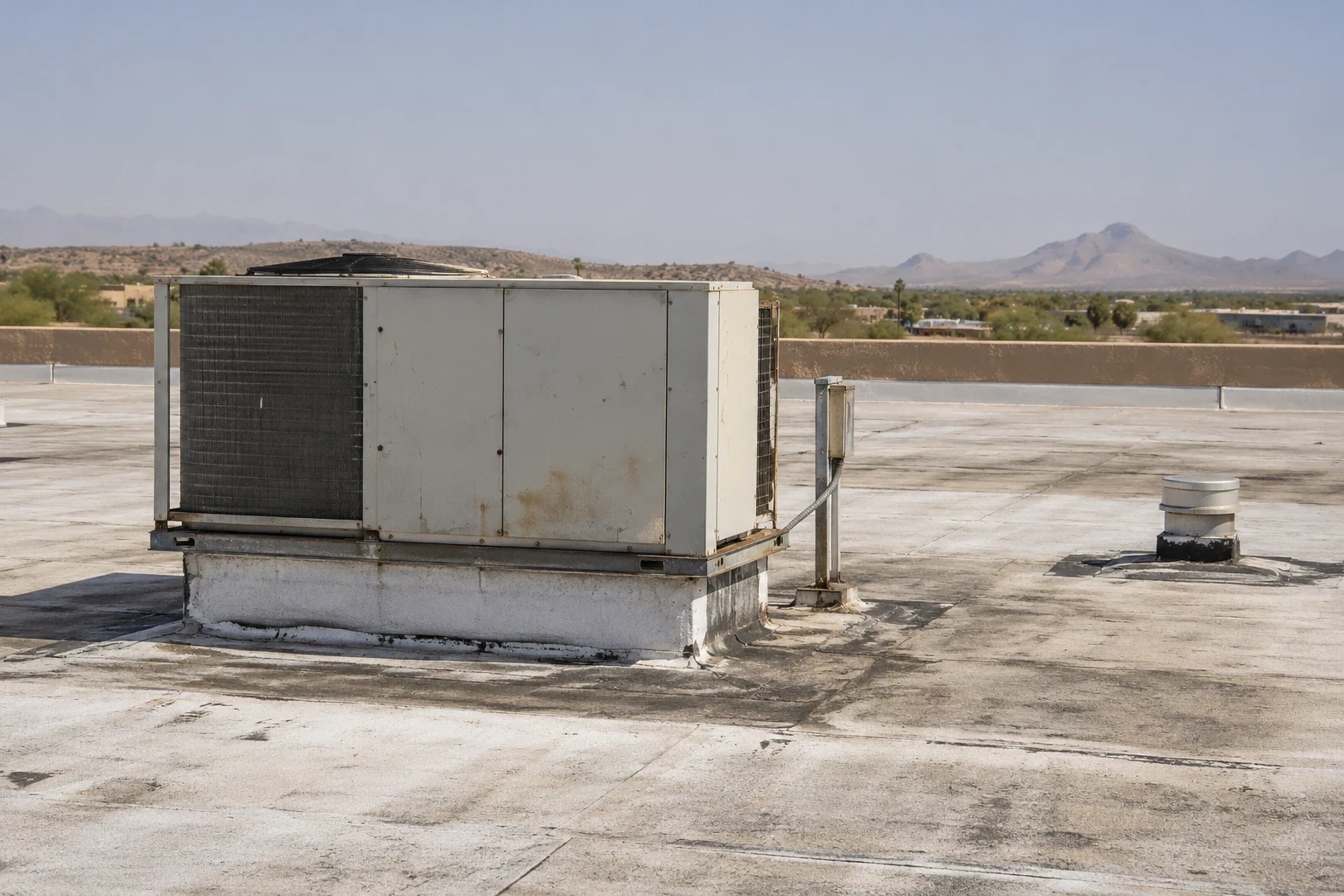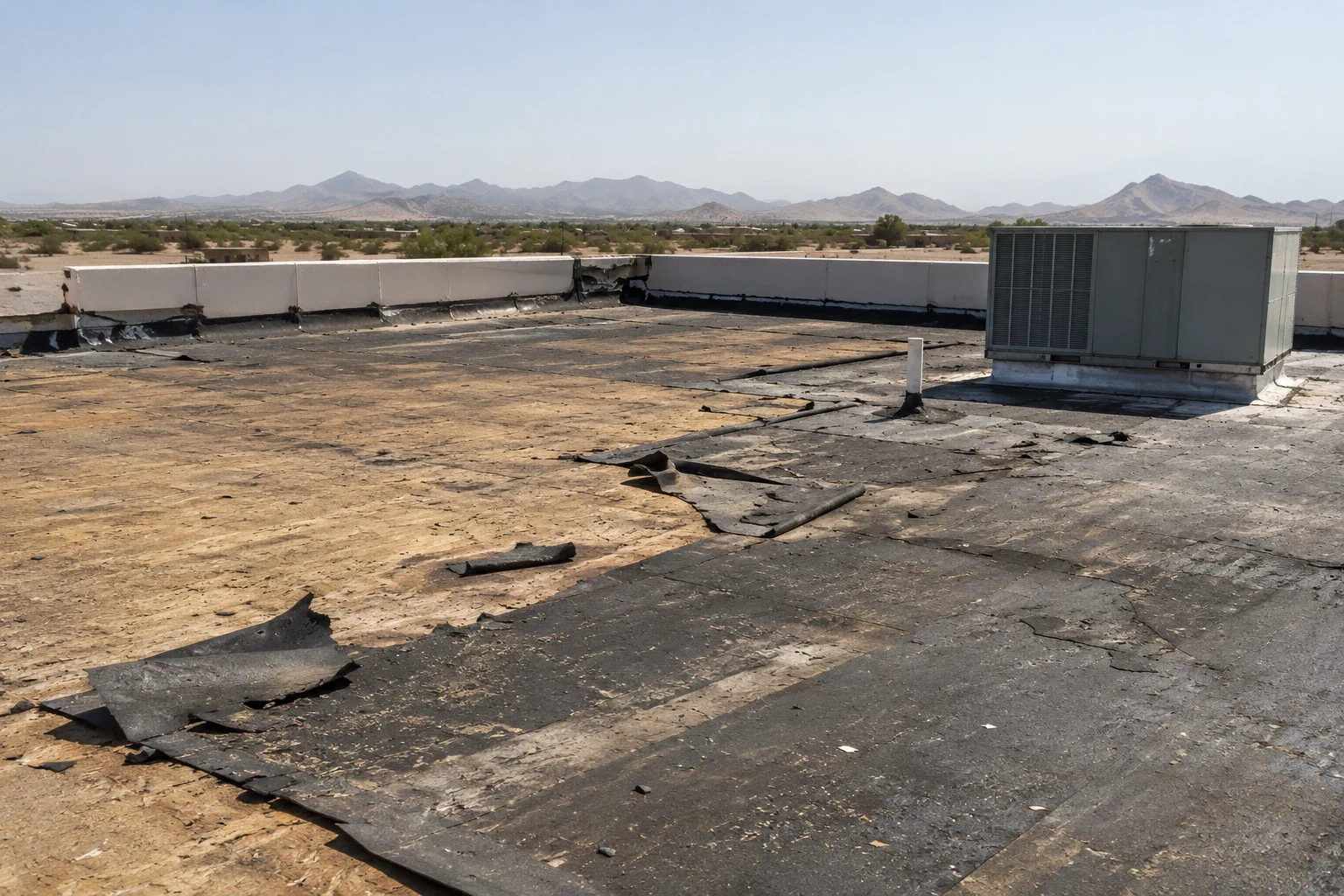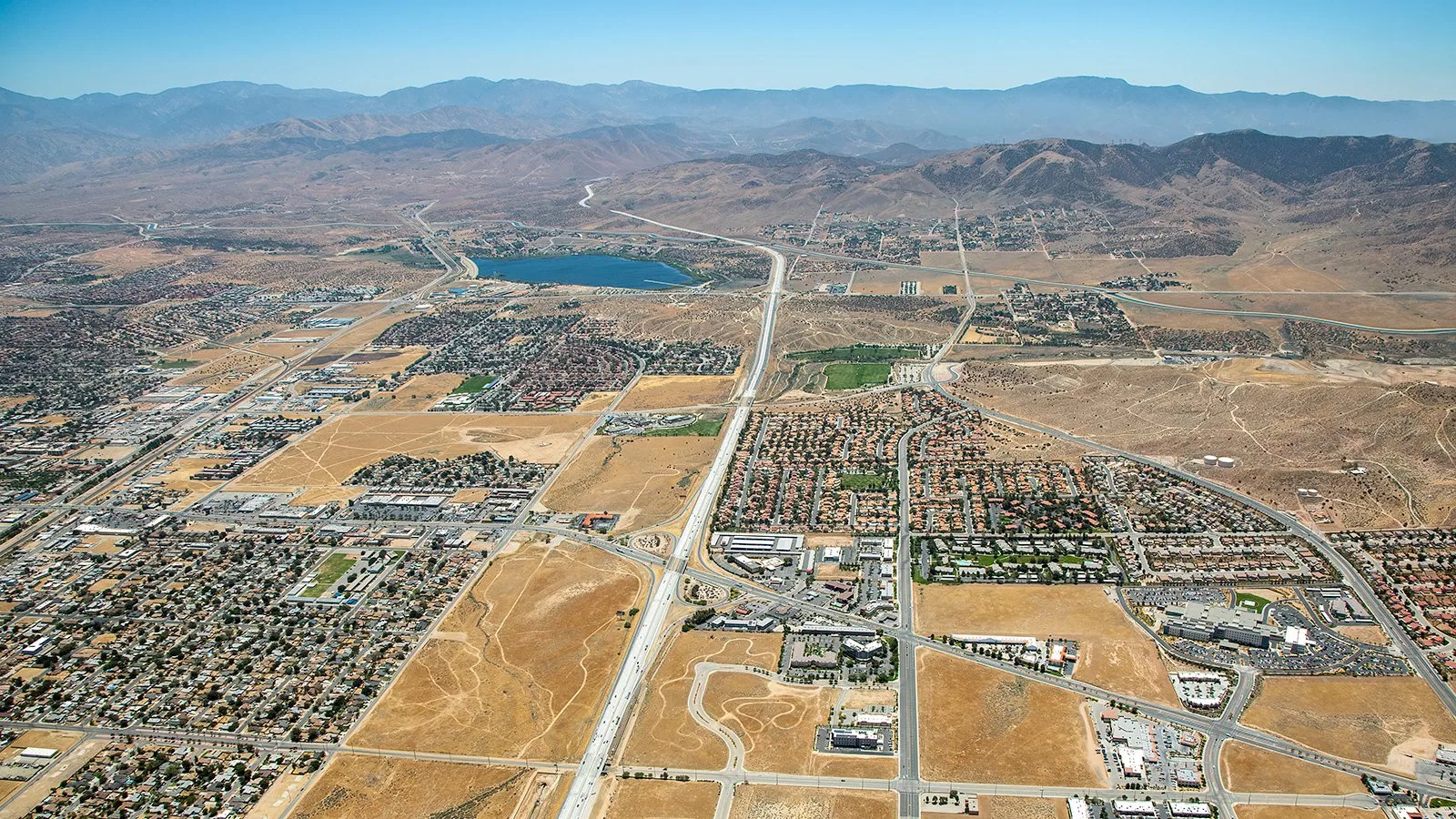
A production schedule can make a roof defect expensive before water reaches the work floor. In Lancaster, summer heat repeatedly loads exposed seams, edge metal, and rooftop equipment, so manufacturers need roof decisions tied to production risk as well as membrane condition. We inspect the reported area, map the likely water path, and identify whether a repair can be isolated without placing equipment, inventory, or a shift at risk.
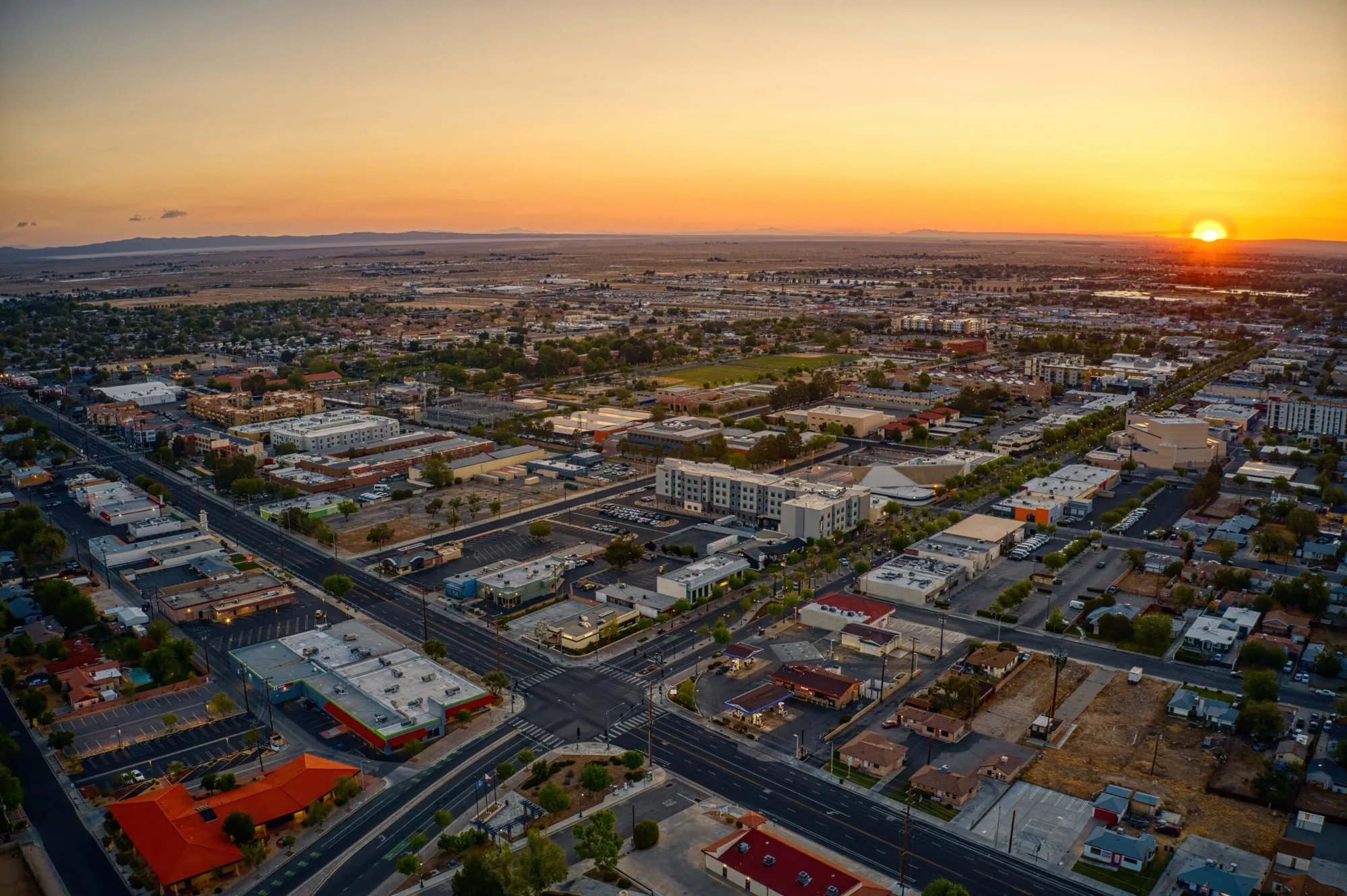
The city’s planning areas include industrial land at North Lancaster and Fox Field, along with the Lancaster Business Park. Those districts contain different building layouts and operating patterns. A North Lancaster industrial property may have broad production bays and rooftop exhaust, while a business-park facility may combine office, warehouse, and light industrial space. The roof scope should reflect the actual use beneath it.
Read the Roof Against Production Areas
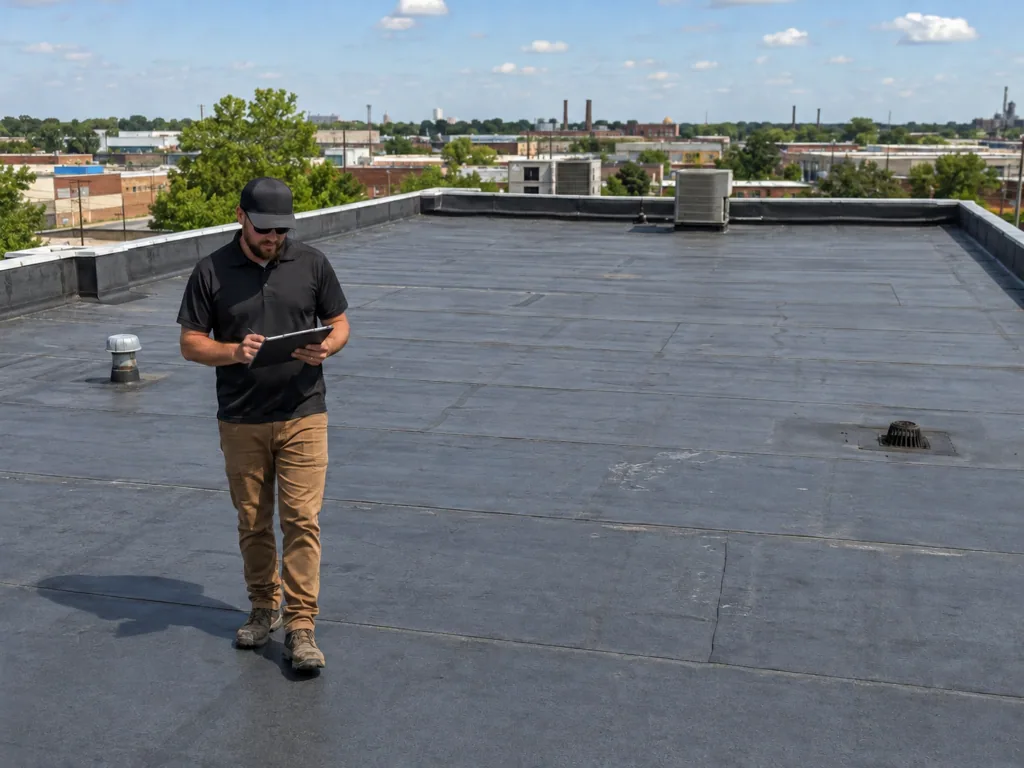
Start with the line, room, or inventory zone connected to the report. Water can move laterally through insulation or along a deck before it marks a ceiling, so the closest rooftop unit is only one candidate. We compare the interior symptom with seams, penetrations, drains, wall transitions, and previous patches. The inspection record shows which areas were visible, where testing occurred, and what could not be reached under the current access plan.
A focused roof assessment can separate an active entry point from nearby aging that is not yet leaking. If production records identify sensitive equipment or process controls below the roof, share those locations before testing. We can then plan access and protection around the relevant bay rather than treating the entire facility as one undifferentiated work zone. A condition report should give the facilities and operations teams the same map, photos, and repair boundaries.
Follow Movement at Seams and Penetrations
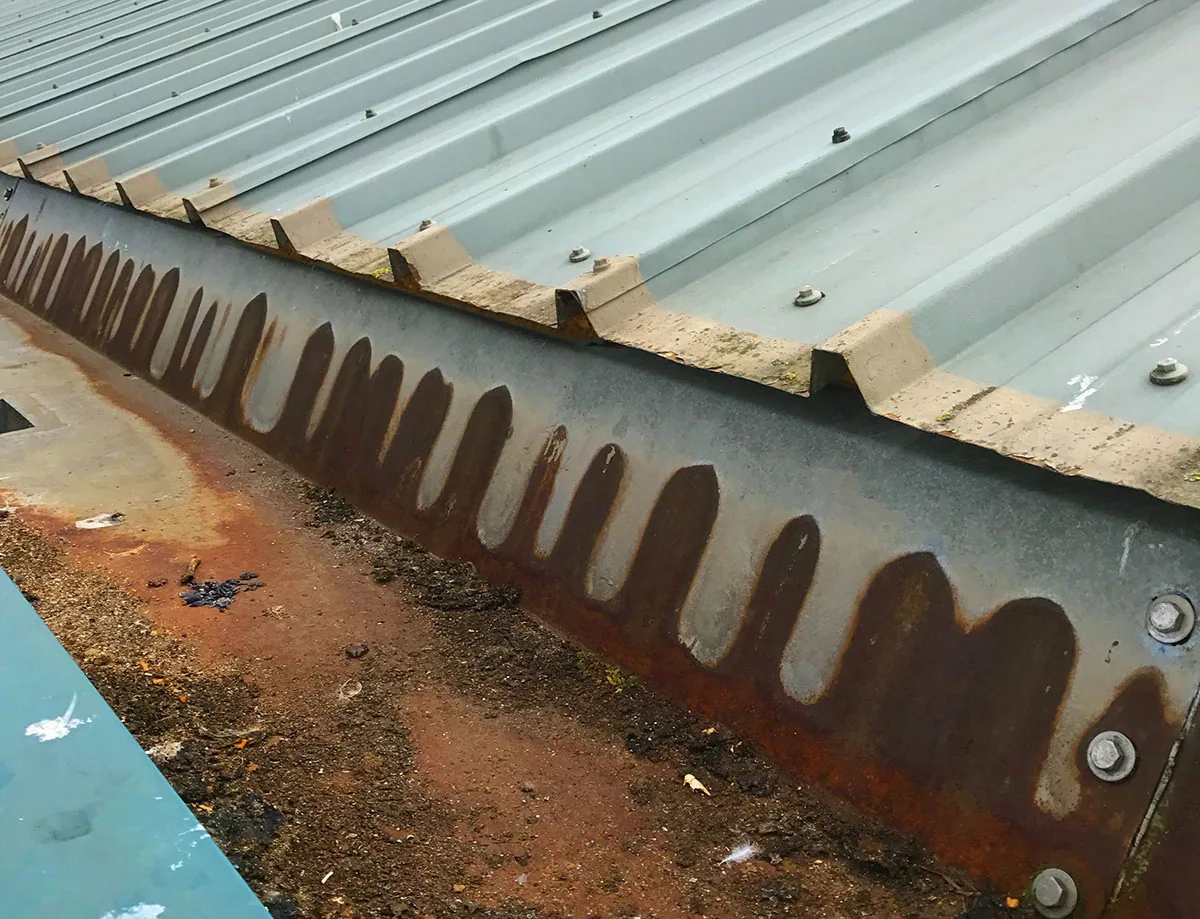
Temperature movement concentrates at changes in plane, curb corners, laps, and roof edges. A sealant bead may split where a conduit support moves; an older patch can pull away where the membrane bridges a gap in the substrate. We look for the path that lets water past the weathering layer, then check whether the material beneath is dry and firm. The repair boundary should stop where the assembly returns to sound material, not at an arbitrary square cut.
Equipment additions deserve their own review. Exhaust fans, process piping, and electrical runs can introduce new supports or modify a curb after the original roof was installed. If the facility has work orders or contractor closeout photos, compare them with current conditions. A repair to a flashing detail does not correct a loose support or a condensate issue. The roof scope should identify each trade interface clearly so the roofing work does not conceal a problem that belongs to mechanical or electrical service.
Choose a Repair Window That Fits the Line
A local repair is useful when testing supports a contained wet area, the substrate remains serviceable, and the surrounding membrane can accept a compatible tie-in. More extensive moisture or recurring separation may point toward a larger section repair or replacement. We describe the affected area, access needs, temporary protection, and assumptions that could change after opening. That gives a plant manager a basis to compare an off-shift repair with a planned production window.
Where an active leak threatens material or controls, commercial roof repair can address the immediate exposure while the facility evaluates broader work. If multiple zones show related deterioration, review replacement options against the condition map and remaining useful assembly. No single observation establishes the condition of every roof section. Phasing can preserve operating access, but it should follow documented boundaries and include a way to verify the temporary weather seal before crews leave.
Coordinate Access, Exhaust, and Interior Protection
Before mobilization, identify the roof entry, lift or ladder location, material staging, and the areas that must stay clear for deliveries and emergency routes. Production roofs may carry exhaust, intakes, vents, and service paths that cannot be blocked without coordination. The facility contact should identify restricted zones and equipment that cannot be shut down. We define the intended work area and confirm whether interior protection or a spotter is needed below an opening.
Work sequencing also matters when nearby processes produce heat, vibration, airborne residue, or scheduled washdown. Those conditions can affect safe access and the timing of membrane work. The scope should tell operations what the crew will open, how the area will be protected, and who will receive notice if the roof condition differs from the inspection. For an occupied plant, a short, precise work window is often easier to manage than a broad schedule with no zone-by-zone limits.
Keep Roof Changes in the Asset Record
Closeout should identify the roof zone, material installed, photos before and after, and any conditions left for later review. Record new penetrations and equipment changes with the same location reference used for the roof plan. That makes the next inspection more useful: a reviewer can distinguish a patched detail from an original seam and see whether movement has returned at the same boundary.
Preventive work is most valuable when it produces a short list of actionable findings. For owners managing several facilities, a property management roof program can keep inspection and repair records aligned across buildings. A portfolio capital review can then compare those findings with planned equipment and production changes. A maintenance visit can check drainage paths, edge details, and known repair points before the wetter months. The Fox Field station records a modest annual rainfall normal, with the bulk of it arriving between late fall and early spring. Before that period, drain checks can expose blockages or loose transitions that would otherwise stay unnoticed until water reaches an occupied area. Clearing a blocked outlet and documenting a split seam are different tasks; the record should say which one was completed and what needs another visit.
Questions from Manufacturing Teams
For a plant manager, a useful roof answer connects the finding to the bay, equipment, and operating window. The questions below focus on those decisions.
Commercial Roofing Questions
Can roof work happen without shutting down a production line?
Often, the work zone can be separated from active operations, but the facility must identify roof access, overhead hazards, exhaust restrictions, and any process that limits materials or hot work. The schedule should specify the exact roof area and conditions for stopping or moving the crew.
What should we send before an inspection?
A roof plan, leak locations, interior photos, equipment work orders, and any access restrictions help connect the report to a roof zone. Mark sensitive process equipment and areas where a drip, debris, or temporary opening would create an operational issue.
How do you tell a roof leak from equipment condensate?
We compare the interior condition with the roof above, inspect nearby drains and penetrations, and consider whether the equipment can produce moisture independently. Testing may be needed when the water path is unclear. The report should distinguish confirmed roof entry from conditions that need another trade.
When is a section replacement more practical than repeated repairs?
A broader scope deserves review when moisture reaches multiple insulation areas, repairs recur at related seams, or the substrate cannot support a dependable tie-in. The decision should use mapped findings and the operating cost of repeated access, not the appearance of one isolated patch.
Can a production addition be flashed into the existing roof?
It can be considered after checking the membrane type, age, attachment, curb geometry, drainage, and access around the equipment. The design needs a compatible transition and clear responsibility for supports and services that penetrate the roof.
What belongs in the final roof record?
Keep the building and roof-zone reference, inspection photos, tested locations, repair materials, limits of work, and open items together. Include changed equipment or new penetrations so later crews can interpret the condition without relying on a verbal handoff.