Modified bitumen is a layered roof system, so an exposed split may be only the top sign of a problem below it. We inspect cap sheet, laps, flashings, base layers, and the substrate before choosing a repair. SBS and APP products have different formulations and installation methods; the specification should identify the exact system and detail, not rely on the broad category alone.
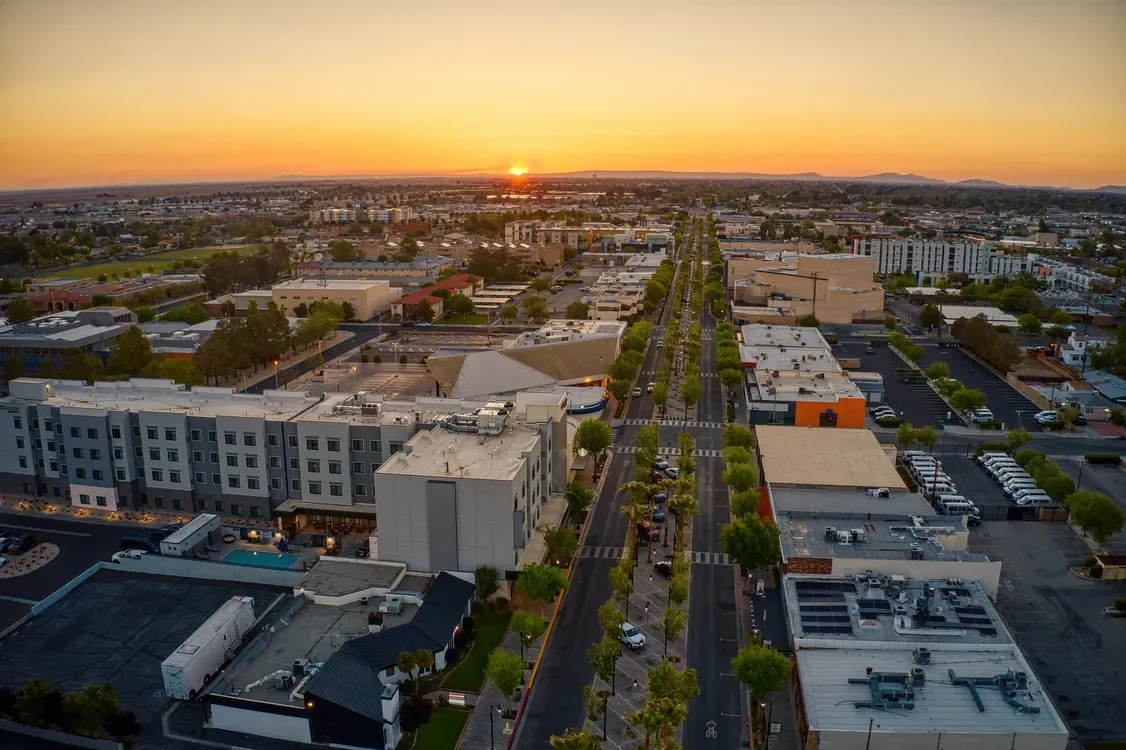
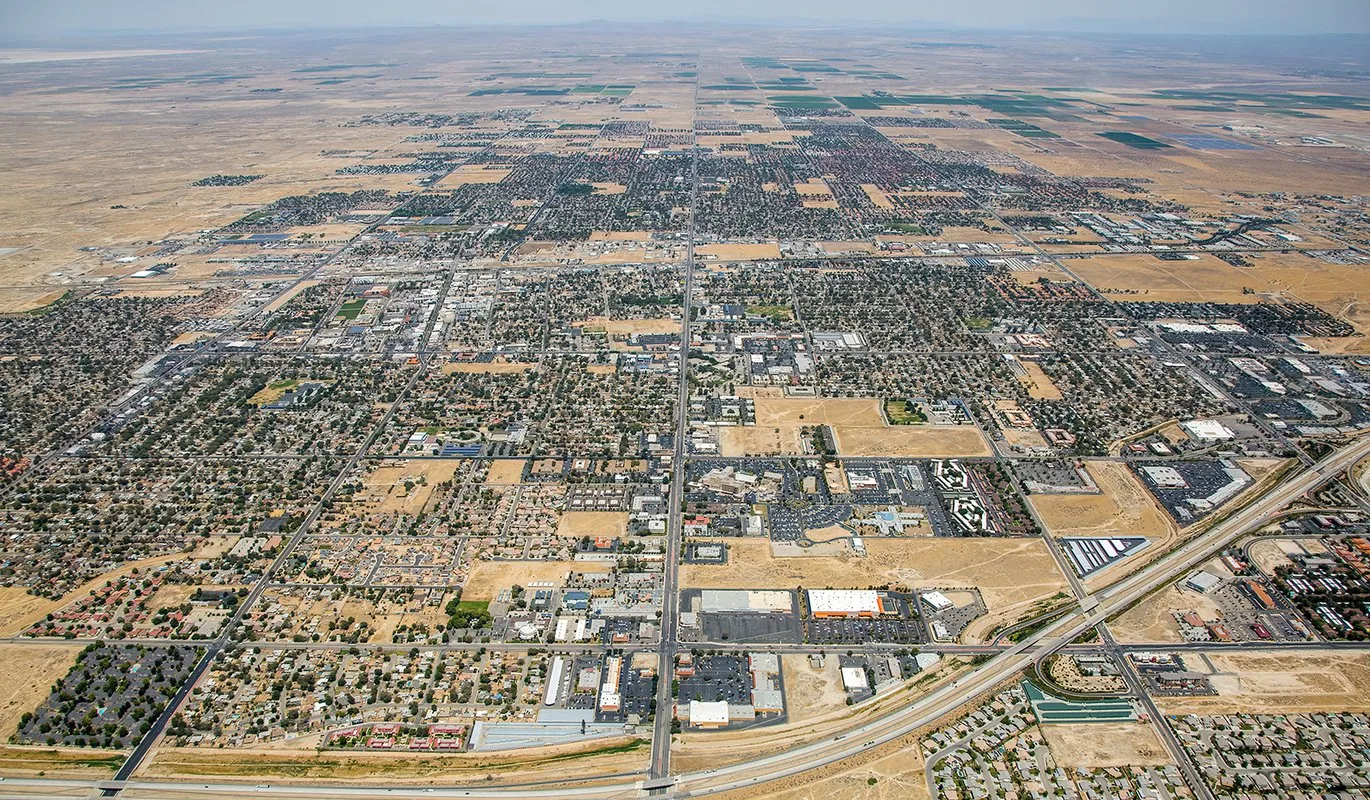
Commercial properties around Lancaster range from office and retail uses to industrial and distribution buildings. Enterprise Business Park includes office, light-industrial, and retail uses; the Antelope Valley Commerce Center in Palmdale is near State Routes 14 and 138. Roof geometry, service access, and drainage vary across those property types, so we scope the assembly by building and roof zone.
Identify the Plies Before Cutting or Patching
A modified-bitumen roof may include a base sheet, one or more interply layers, and a mineral-surfaced cap sheet. We check exposed edges, prior repair cuts, and roof records to determine what is present. If the layering is uncertain, a test opening can show the system and whether the substrate is dry.
Surface wear can expose reinforcing fabric, loosen granules, or open a lap. A patch must reach material that can bond and cover the defect with enough overlap for the system detail. Applying mastic over a moving seam may hide the gap temporarily but does not establish a reliable repair boundary. We examine adjacent laps and end joints to see whether the failure is isolated or repeated across the field.
A built-up roof can look similar at an exposed edge, so identification matters before estimating removal, recover, or repair.
Trace Open Laps and Water Movement
Water can enter through a split lap, blister, puncture, or flashing transition, then move between layers before showing on a ceiling. We compare the interior report with the roof slope, drains, seams, and prior repairs. Soft spots or displaced surfacing may indicate moisture below the visible layer, but a test cut is needed to confirm what the assembly contains at a specific point.
Blisters can form where trapped air or moisture expands under heat. We evaluate their size, location, adhesion, and relation to the field before opening them. Cutting a blister without understanding the surrounding layers can create a repair that sheds water poorly. Where moisture is present, we determine whether the wet material can remain under the project specification or must be removed to a dry boundary.
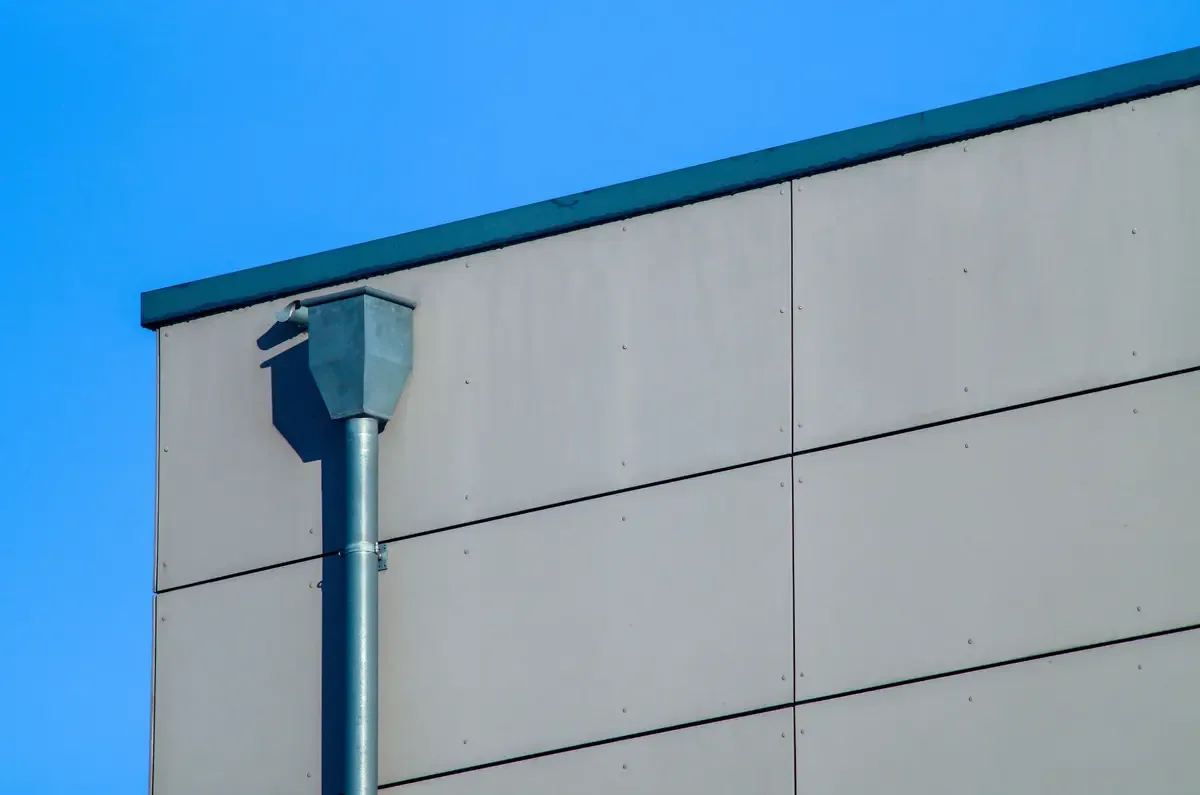
Lancaster has most normal rainfall during the cooler part of the year, so a pre-season roof check can identify open laps and blocked outlets before runoff tests them. A roof inspection maps the defects, while drain and scupper work can address outlets that leave water against a seam or low edge.
Choose an Application Method That Fits the Site
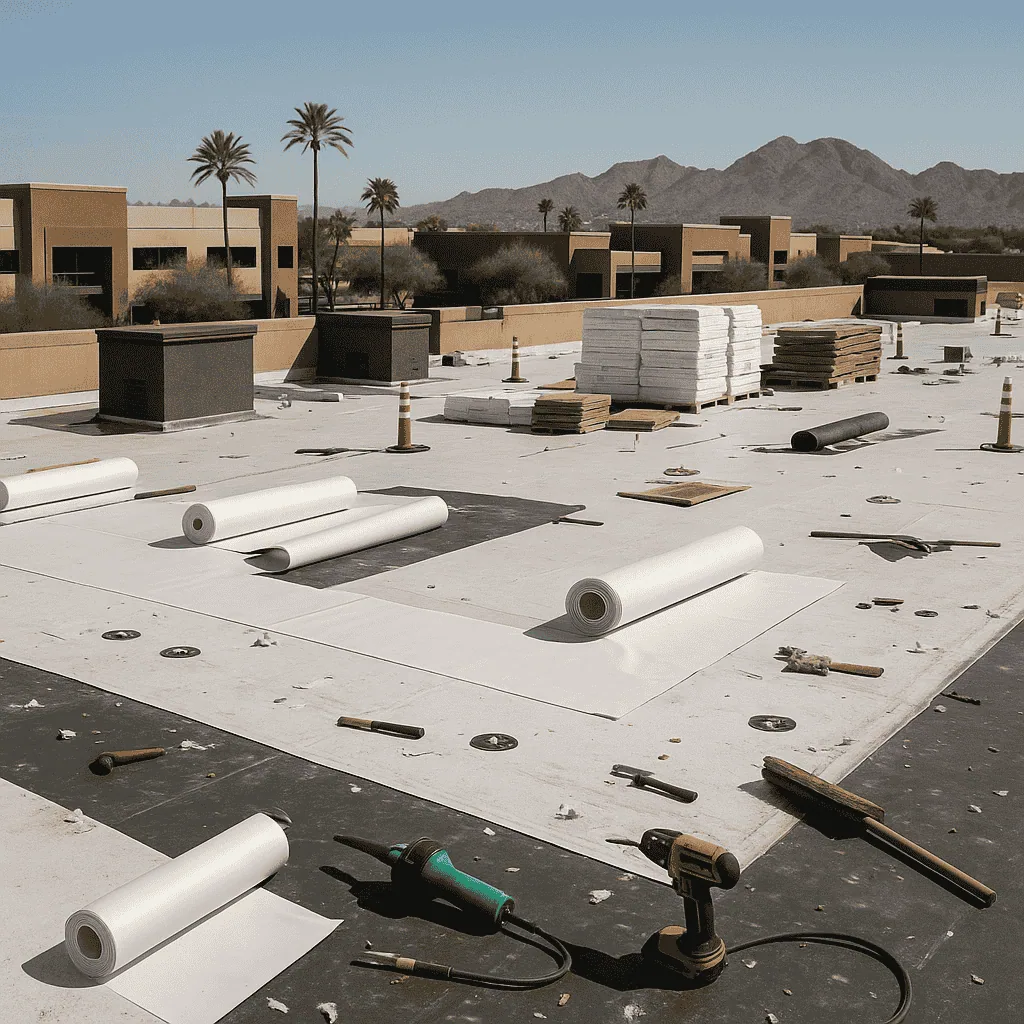
Modified-bitumen sheets can be installed with different methods, including heat-welded, hot-asphalt, cold adhesive, or self-adhered products, depending on the specified system. The installation documents set the method. We review substrate, slope, ventilation, fire controls, staging, and the work area before a crew begins. A torch-applied detail has additional controls for combustible materials and concealed cavities; where the project calls for another method, its handling and bond requirements still need to be followed.
Weather and temperature affect adhesive handling, asphalt behavior, and the time available to close a roof section. Lancaster’s exposed roof surfaces take on substantial summer heat, so the crew follows the product’s application limits and plans safe work periods. Material rolls are staged to maintain access and avoid damaging finished layers. The foreman checks laps and terminations as the work advances, not only at final inspection.
At a property near the Fox Field industrial corridor, equipment, roof access, and nearby operations may shape material movement. The specific building contact confirms lift locations, shutdown needs, and restricted zones. We coordinate those details before delivery rather than assume industrial designation means a roof can be accessed at any time.
Connect the Field to Drains and Perimeter Edges
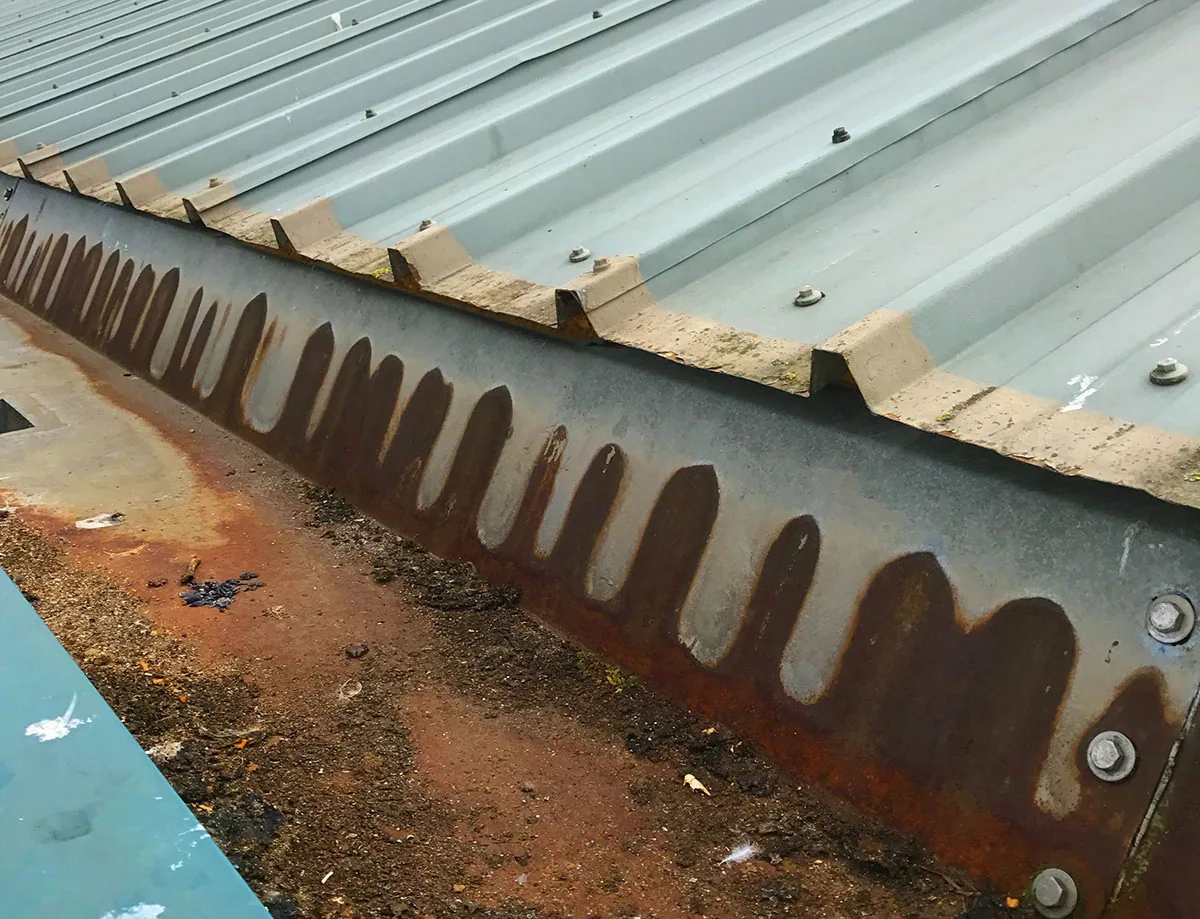
Each layer changes the finished roof elevation at drains, parapets, doors, curbs, and overflow outlets. We verify those heights before adding insulation or another membrane layer. A taller roof edge may require new metal or a revised termination, and a drain bowl that sits too high can continue holding water after a replacement. The detail plan should show how the modified-bitumen field connects to each transition.
Insulation beneath the membrane can be wet, crushed, or detached even if the surfacing remains intact. Core samples and visual inspection establish what can remain. Where tapered boards are planned, we map the slope to actual outlets and confirm that added thickness will not block equipment access or overflow drainage. A cover-board and insulation scope can be coordinated with the membrane layers.
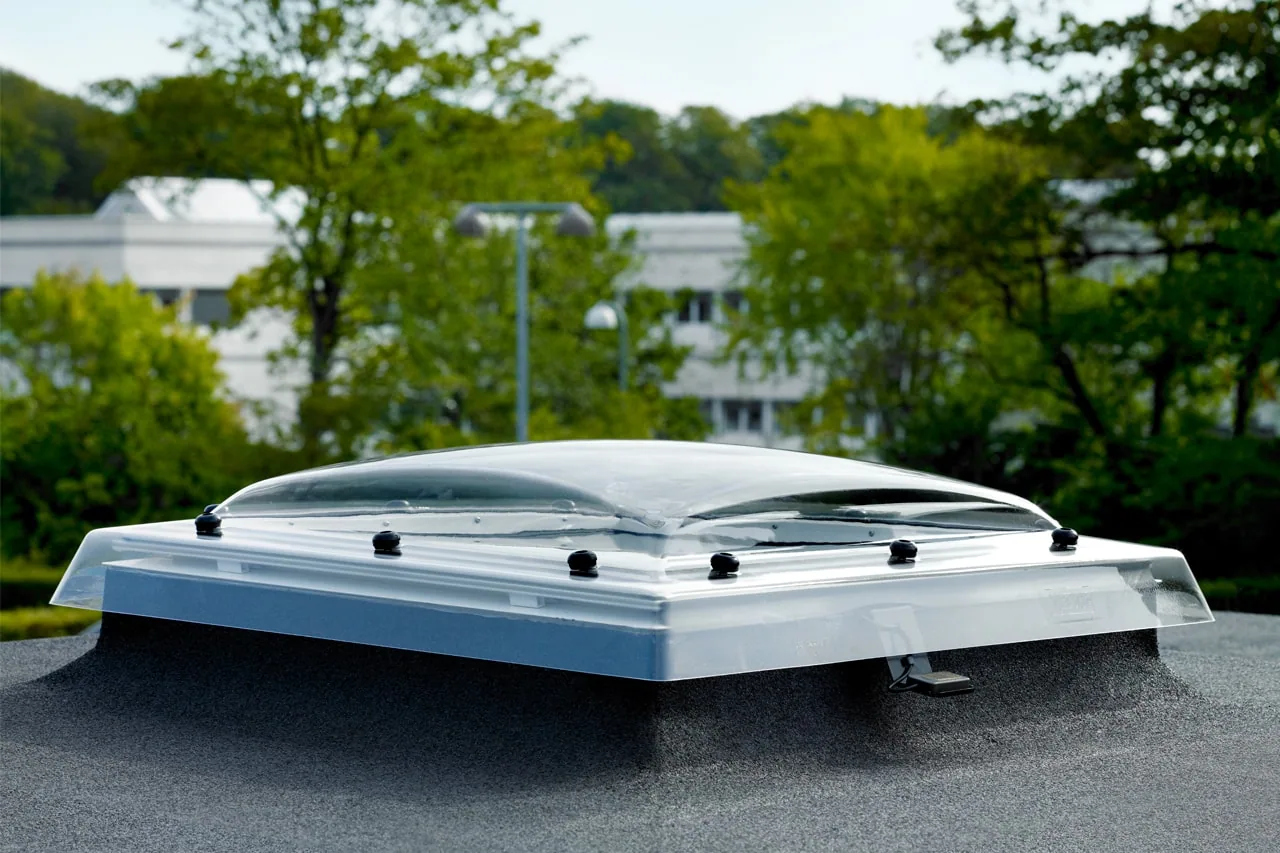
At skylights, pipe boots, and unit curbs, the flashing material must suit the modified-bitumen system and the movement at the opening. Penetration flashing work addresses those transitions as part of the roof plan. If heat, equipment access, or a new penetration creates a separate roof condition, the scope identifies which trade handles each connection.
Compare a Local Repair With a New Multi-Ply Roof
A repair is appropriate when the defect is limited, the surrounding layers remain bonded, and the substrate is sound. Recover can be considered if the existing roof is dry and stable and the new assembly can meet height, attachment, and drainage requirements. Replacement may fit better where multiple plies have separated, the deck needs work, or recurring failures make isolated patches difficult to track.
We price options over the same roof area and list what each includes: tear-off, deck repair assumptions, insulation, base sheet, cap sheet, surfacing, flashing, metal, drains, and testing. If opening reveals damage, we document and confirm added work before covering it. The owner can compare a limited repair with a full assembly without mixing confirmed quantities and allowances.
For a replacement, the design may compare a new TPO system with modified bitumen when building use and project documents allow either. A recover evaluation can determine whether an overlay is feasible, while a capital plan preserves assumptions and phased options for later budgeting.
Preserve the Roof Assembly Record
Closeout should identify the modified-bitumen product, installation method, repaired areas, seam checks, and flashing transitions. Photos show the roof section and nearby landmarks so the maintenance team can find the detail later. We note any condition that remains for follow-up, such as an inaccessible area or a drain that needs separate work.
Routine maintenance checks surfacing loss, open laps, blisters, punctures, metal edges, and drainage. A new service line or rooftop unit can alter foot traffic and create a fresh penetration, so later inspections compare those changes with the initial record. Preventive maintenance can keep the cap sheet and transitions visible between major projects.
Provide roof plans, prior repairs, and any specification when requesting an assessment. We will verify the layers, map the water path, and explain whether a patch, recover, or replacement fits the condition and application method required.
Commercial Roofing Questions
What is the difference between SBS and APP modified bitumen?
They use different modifiers and may have different product characteristics and installation methods. We identify the specific sheet in the project documents and follow its application requirements rather than treat SBS and APP as the same material.
Can a modified-bitumen roof be repaired without replacing every layer?
A local repair can work when the surrounding plies are bonded and dry and the deck is sound. We inspect or test the area to define a boundary where the new detail can connect to stable material.
Is torch application required for modified bitumen?
No single method applies to every product. The approved specification may call for heat-welded, asphalt, adhesive, or self-adhered material, with site safety controls matched to the selected method.
How do you know whether moisture is under the cap sheet?
We compare surface and interior evidence, then use a test opening at selected locations to inspect the layers. A scan can help prioritize checks, but the material at the opening determines whether it is wet or sound there.
When should an owner consider replacement instead of patching?
Replacement enters the comparison when failures recur across several sections, plies separate, insulation is wet, or the deck needs repair. We document the findings and price a repair and a broader scope against the same roof areas.