A roof capital plan should connect each proposed project to documented condition, operating needs, and workable timing. A reserve list alone cannot show whether a building has an active leak, wet insulation, or surface wear that can wait. We organize findings by building and roof zone, separate immediate protection from long-range work, and identify assumptions that could change after testing or removal. That gives owners a clearer basis for sequencing inspections, repairs, and replacement projects.
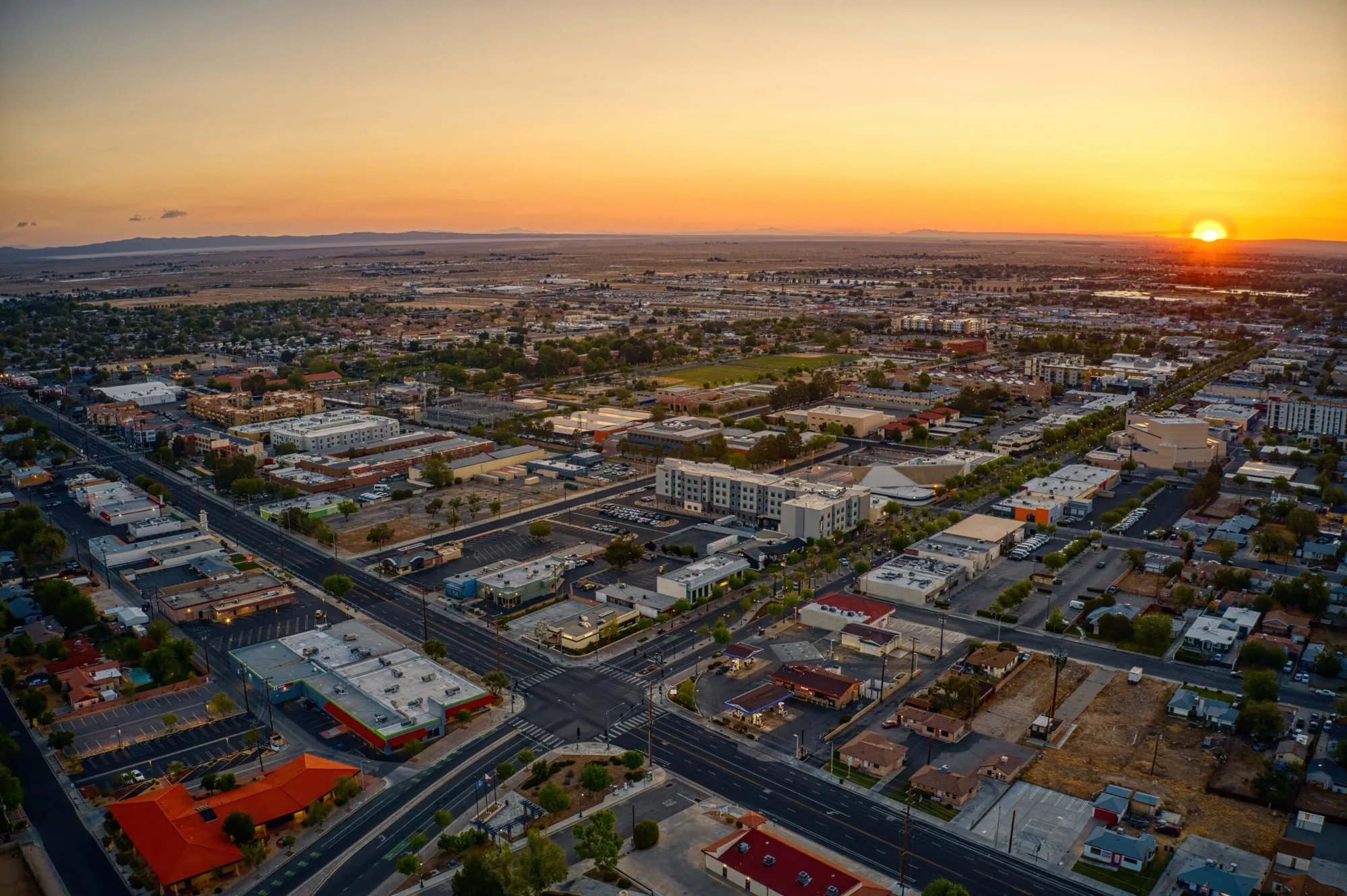
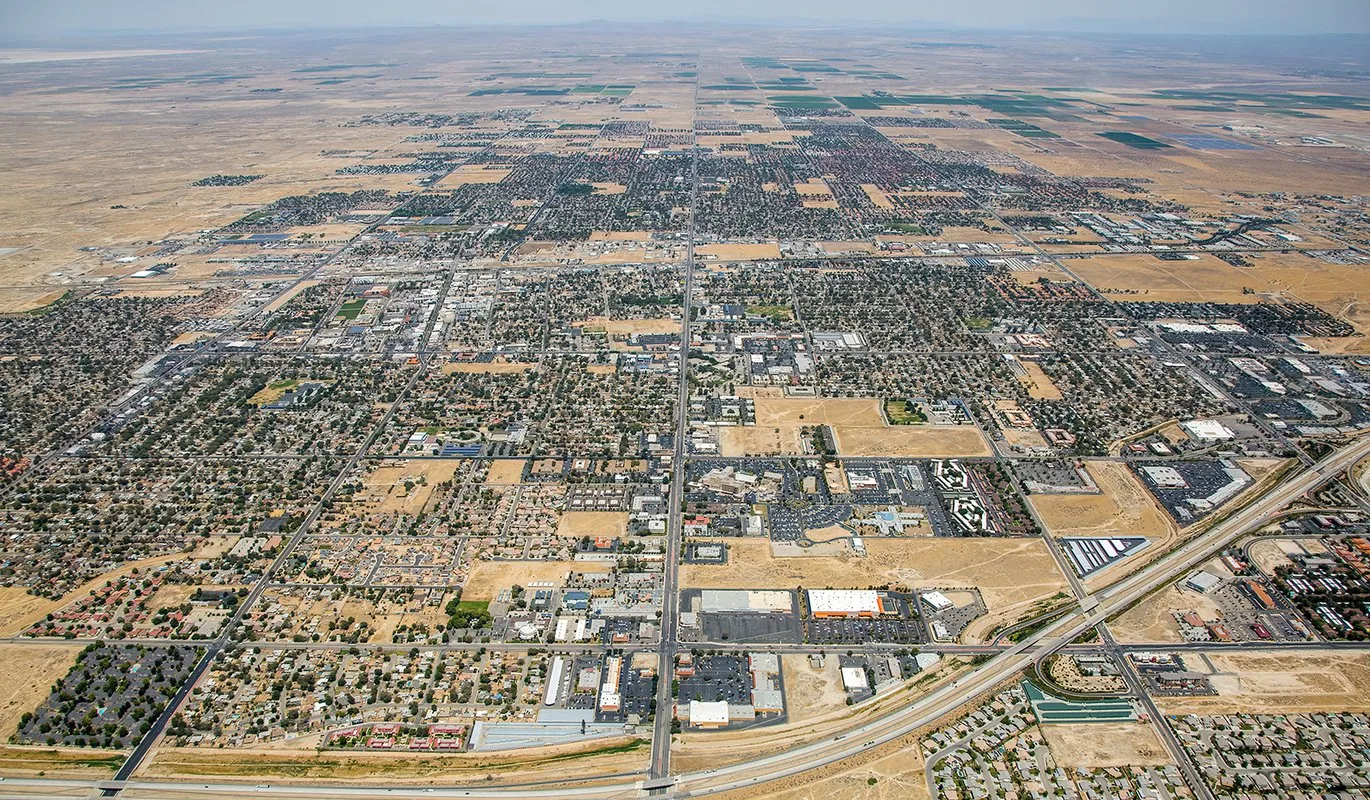
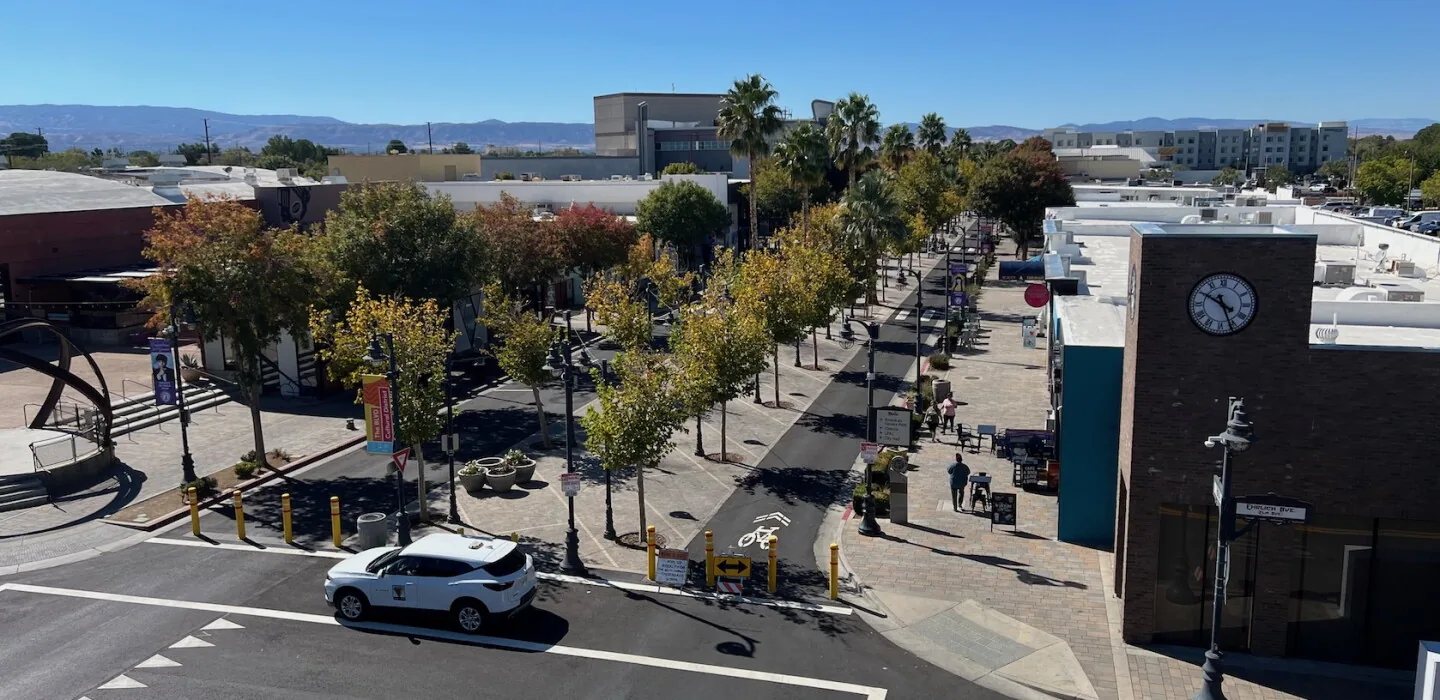
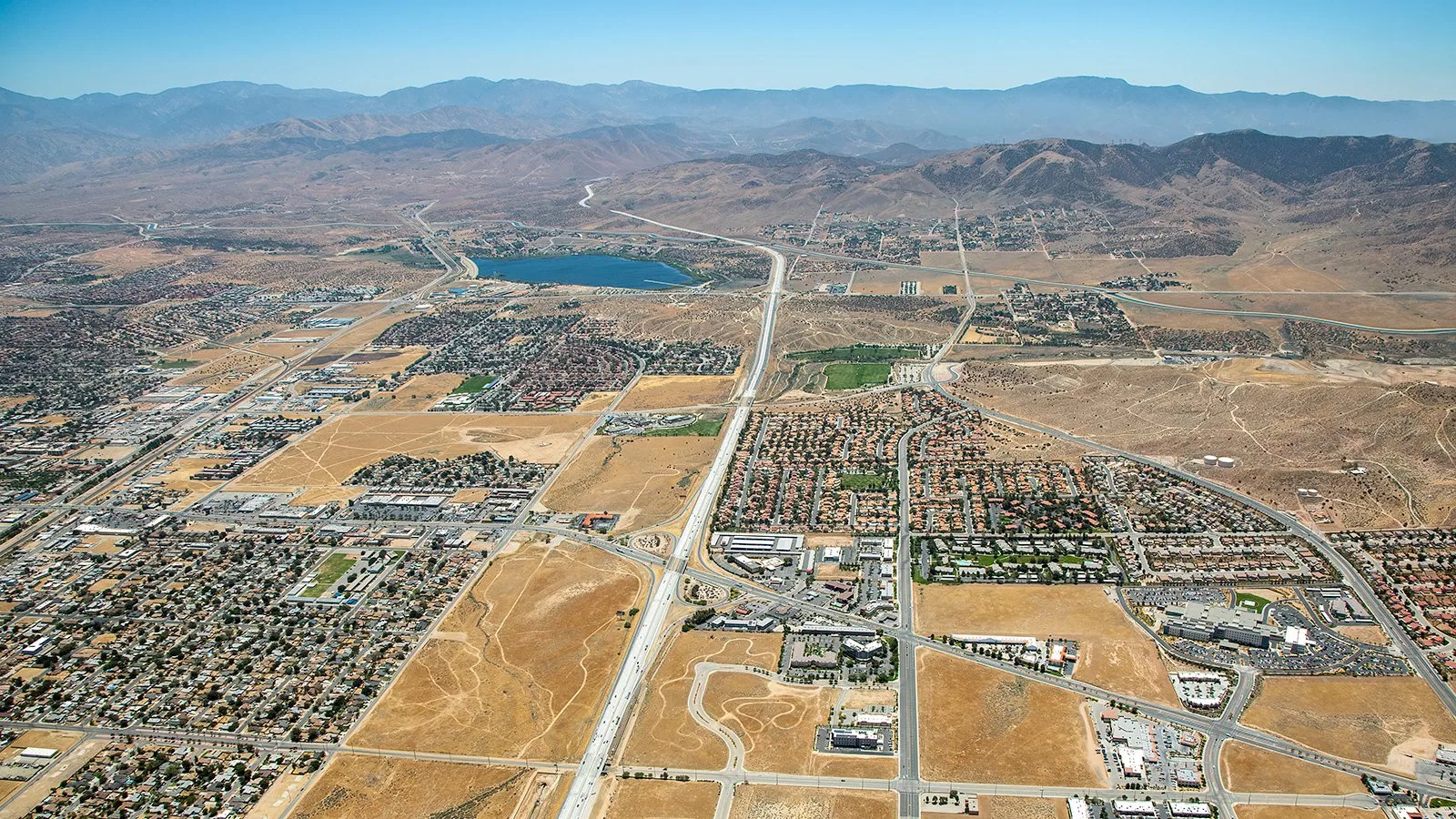
The city's planning inventory names Amargosa Creek, Lancaster Business Park, and North Lancaster Industrial among its designated districts. Those places have different access needs. A property in Amargosa Creek may share its setting with medical and retail uses, while an industrial facility in North Lancaster may need work phased around production. Capital timing should follow the actual building conditions.
Build the Plan from Inspection Evidence
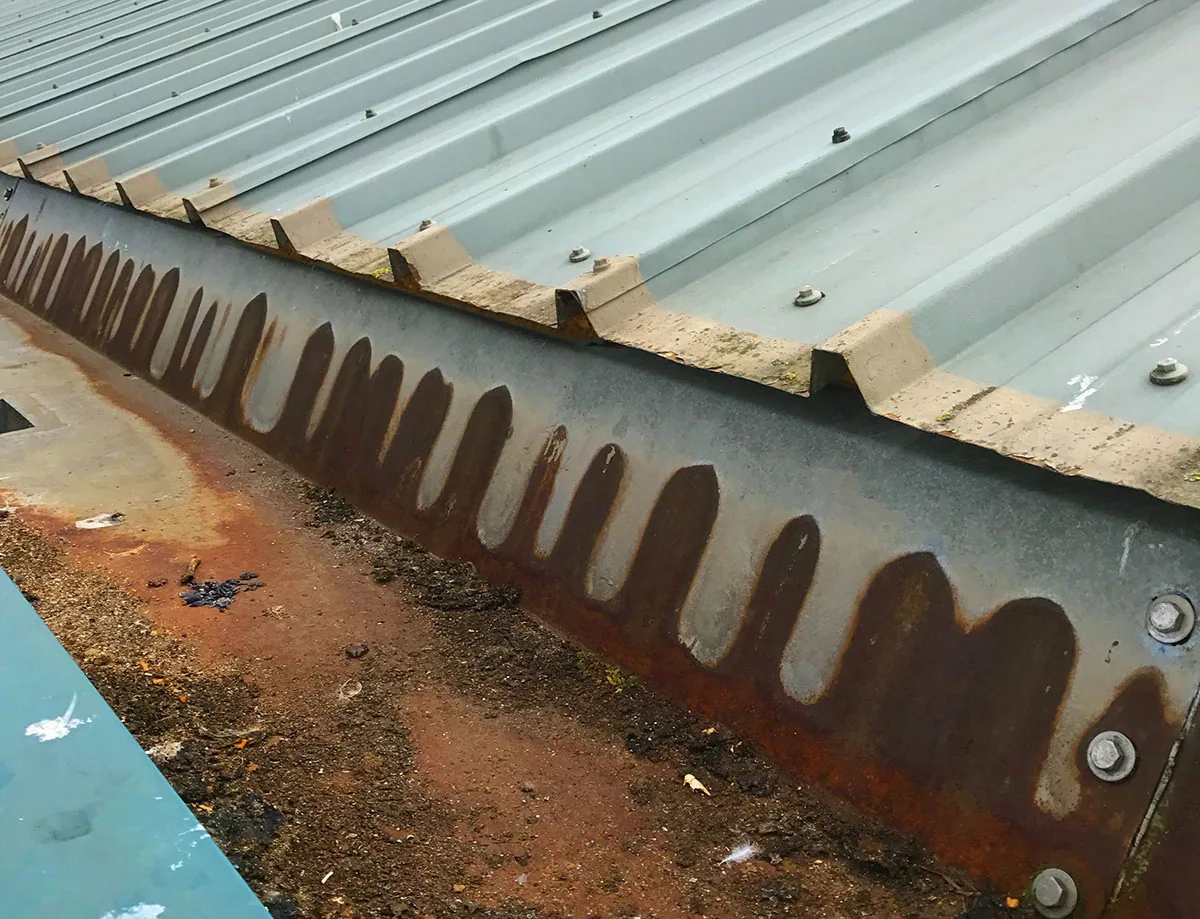
Start with a current roof plan, repair history, leak reports, and photographs tied to repeatable zone labels. Record material where known, drainage layout, access restrictions, and testing. Separate confirmed findings from assumptions. A surface defect may call for local repair; moisture below the membrane may expand the project boundary. The baseline should identify unavailable roof areas so a clean finding elsewhere is not treated as proof about the whole building.
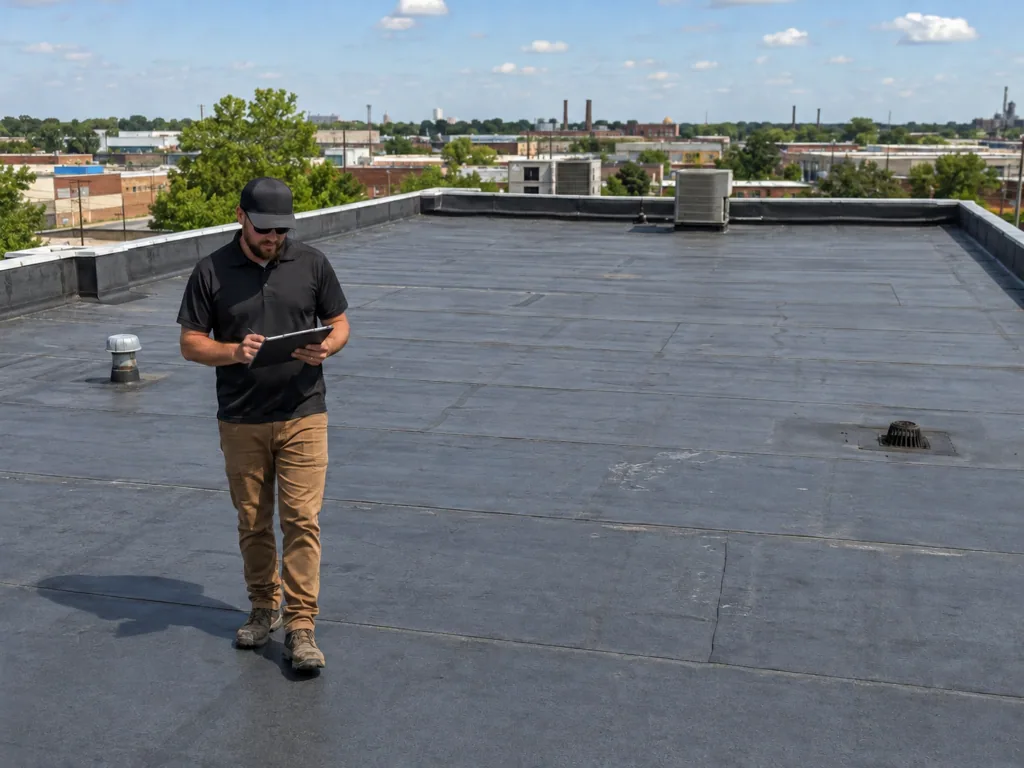
A commercial roof inspection can establish current conditions before a budget is set. For portfolio decisions, condition reports can use consistent fields and preserve site-specific evidence. If one roof has an active leak and another has surface wear without moisture, the plan should show different next actions. The decision history matters because it explains what changed from one budget cycle to another.
Rank Work by Risk and Readiness
Prioritize active exposure, confirmed wet material, deteriorating transitions, and conditions that could interrupt building use. Then assess readiness: is access available, has testing defined the scope, are design or permit steps needed, and can work fit the facility schedule? A high-priority leak may need immediate protection while the permanent project is designed. A broader replacement may require a separate procurement window and coordination with equipment or interior work.
Set specific triggers. A repeat leak after repair, a test showing moisture beyond a local boundary, or a changed equipment layout can prompt a new review. Avoid assigning a replacement year from a generic life estimate. State which inspected sections support the timing recommendation and what could change it. That lets an owner revise priorities as evidence arrives without discarding the previous decision record.
Account for Lancaster Weather and Building Use
Exposure and seasonal work conditions influence inspection and repair timing. Fox Field's 1991 to 2020 normals put an August afternoon high near 98 degrees Fahrenheit. The main rainfall period comes later, from November into early spring. Plan surface preparation around product conditions, and review drains before the wetter part of the year. Local climate informs the schedule, while roof condition determines the work.
Lancaster's industrial areas and mixed business parks also change how a project proceeds. A warehouse or production facility may need crane coordination, secure routes, and staging. A medical or office building may need phasing around occupancy. A manufacturing roof capital review can account for equipment and shift needs; public building projects may need procurement dates in the sequence. Keep each requirement attached to its project. When a roof project must align with another capital item, identify the lead schedule and which decision can move independently. A delayed HVAC package should not leave an open roof opening without a temporary plan, and a reroof should not conceal a drain issue that the design team has not resolved. Record the dependency and the responsible reviewer beside the planned work.
Compare Repair, Restoration, and Replacement
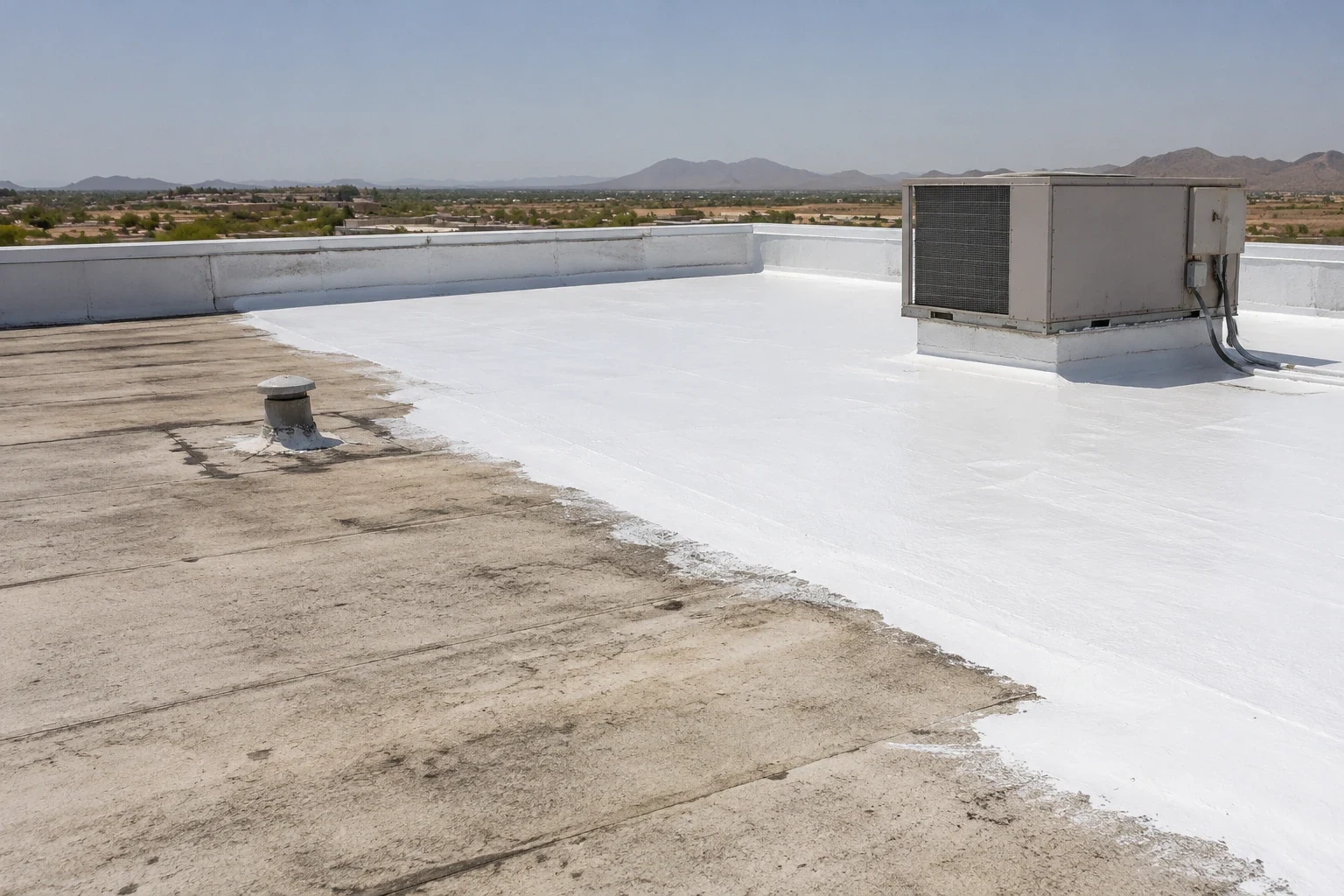
Capital decisions should compare options against the same roof areas and evidence. A local repair may stop entry without addressing broader surface aging. Coating may be suitable only if assembly, substrate, drainage, and adhesion support it. Replacement can address widespread moisture or failing attachment but may need design, tenant coordination, and work phasing. State what is included and what remains outside each alternative.
A repair scope can address a contained defect. A restoration study can test whether an existing roof supports coating, while replacement planning can address broader assembly needs. Each option should include testing, access, temporary protection, and closeout. Keep future decisions open when required testing or design review has not occurred.
Connect Projects to Building Plans
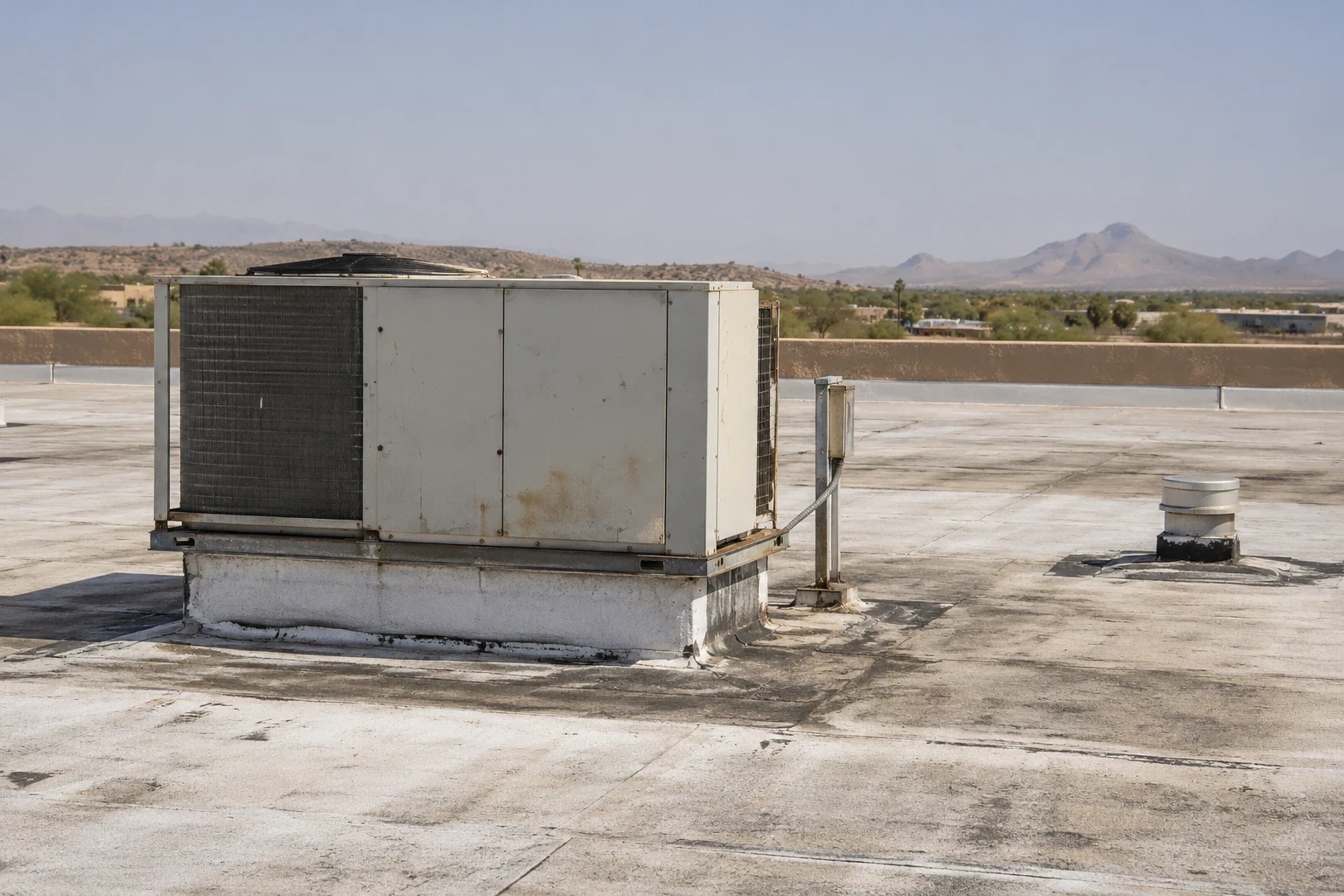
Roof work may coincide with HVAC replacement, solar installation, tenant improvements, or structural upgrades. Coordinate those plans before finalizing a roof budget, since new penetrations and staging can change scope or sequence. Record who removes equipment, restores flashings, protects the interior, and accepts the finished roof. A planned project should not close a condition another project will reopen without assigning that interface.
For multiple buildings, sequence work by current condition, operating window, and project readiness. A roof asset record retains the basis for a priority, while a multi-site program can schedule inspections consistently. Lancaster properties near business parks and industrial areas may share vendors but not roof assemblies. Keep maps and quantities separate so portfolio coordination does not blur work limits.
Refresh Assumptions Each Cycle
At each budget review, compare leak reports, test results, completed repairs, and equipment changes with the prior plan. Close completed items with photos and materials. Reopen a recommendation when evidence changes, and leave deferred work visible with a review date or trigger. If the facility is sold, renovated, or repurposed, reassess the roof against its new operating plan rather than carrying forward an old priority.
A capital schedule is a decision aid, not a promise that future conditions will remain fixed. Weather, access, hidden substrate, and project dependencies can change timing. Keep a response path for active leaks and a documented route for approving scope changes. That lets facilities staff handle immediate conditions without losing long-term needs. A short rationale beside each project helps future reviewers understand why it moved forward or stayed deferred. Include the inspection date and the name of the person who approved a scope change so the record remains useful across staff transitions.
Questions About Roof Capital Planning
Capital plans work best when they show what an inspection proves, what remains uncertain, and what event would change a recommendation. These answers focus on setting that basis.
Commercial Roofing Questions
How should a roof project be prioritized?
Use current exposure, confirmed moisture, repair recurrence, operating impact, and project readiness. Keep condition and timing rationale attached to each zone so a portfolio score does not conceal a local issue.
Can we plan replacement based on age alone?
Age can inform review but does not establish condition. Inspect the assembly, review repairs, and test where useful. Identify which sections support the recommendation and what remains unverified.
When should a roof coating be considered?
Consider it after confirming the assembly is stable, dry enough, compatible, and draining. Test adhesion and identify detail repairs before comparing coating with removal or replacement.
How does Lancaster climate affect project timing?
Summer heat and cooler-season rainfall affect inspection windows, preparation, and drain checks. The actual sequence still depends on roof condition and the facility calendar.
Should HVAC or solar work be coordinated with roof replacement?
Yes. Confirm penetrations, equipment removal, supports, access, and flashing responsibility before setting the roof scope. Later trades can otherwise disturb completed work.
How often should a capital plan be refreshed?
Review it when inspections, leaks, completed repairs, equipment changes, or building plans affect the roof. Reassess sooner when a new active condition appears.