A built-up roof is a sequence of plies and surfacing, so a damaged cap layer does not show the full condition. We inspect seams, asphalt, aggregate, flashings, drains, and the deck at representative locations before choosing a repair. The number and bond of the layers matter: a surface patch may be enough for an isolated split, while widespread separation or wet insulation changes the scope.
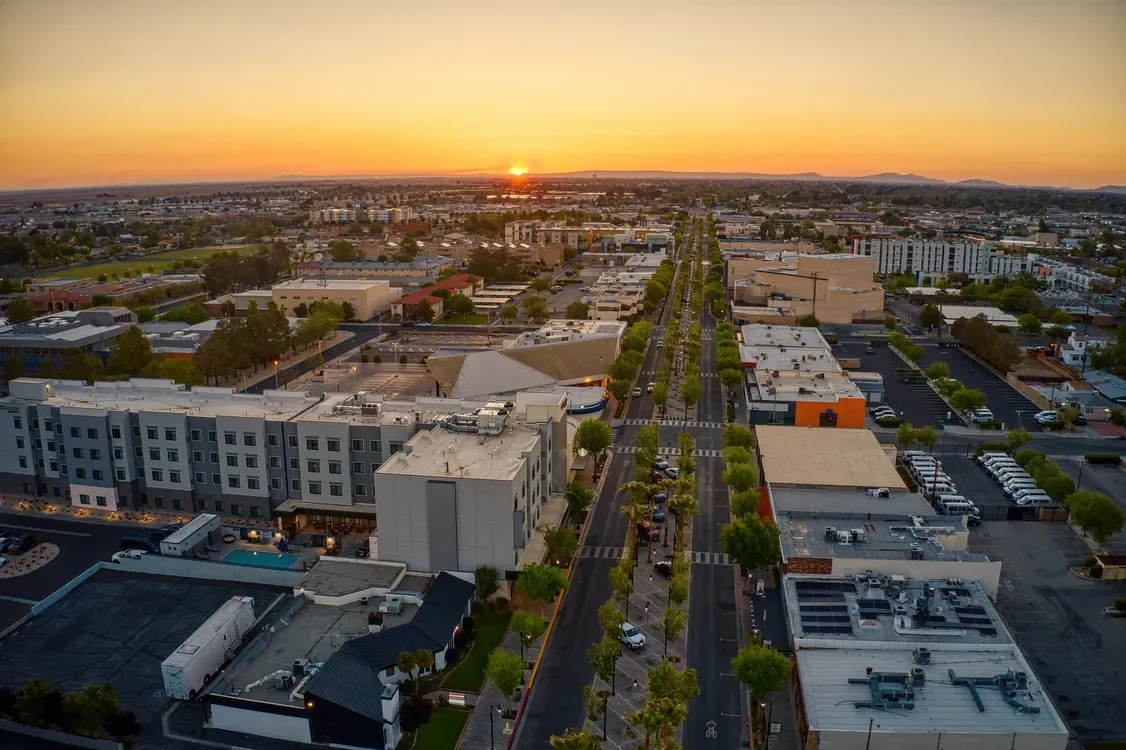
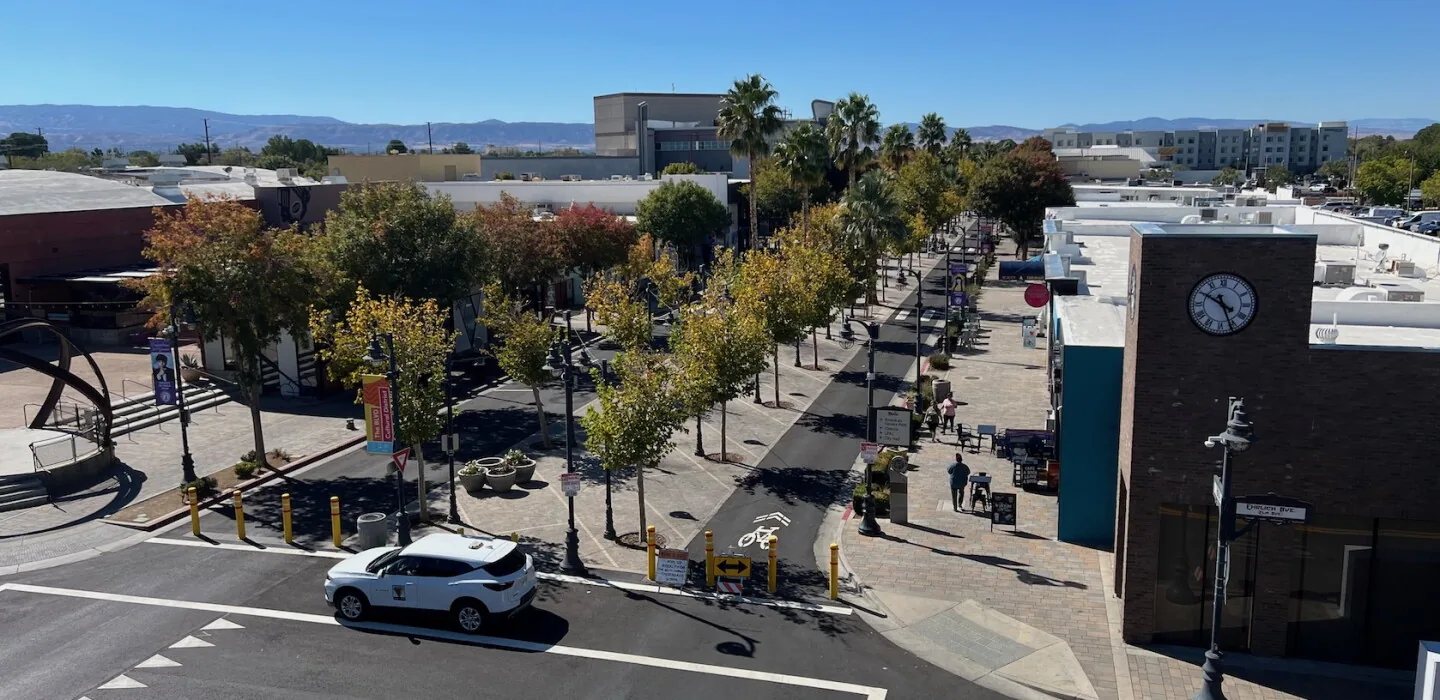
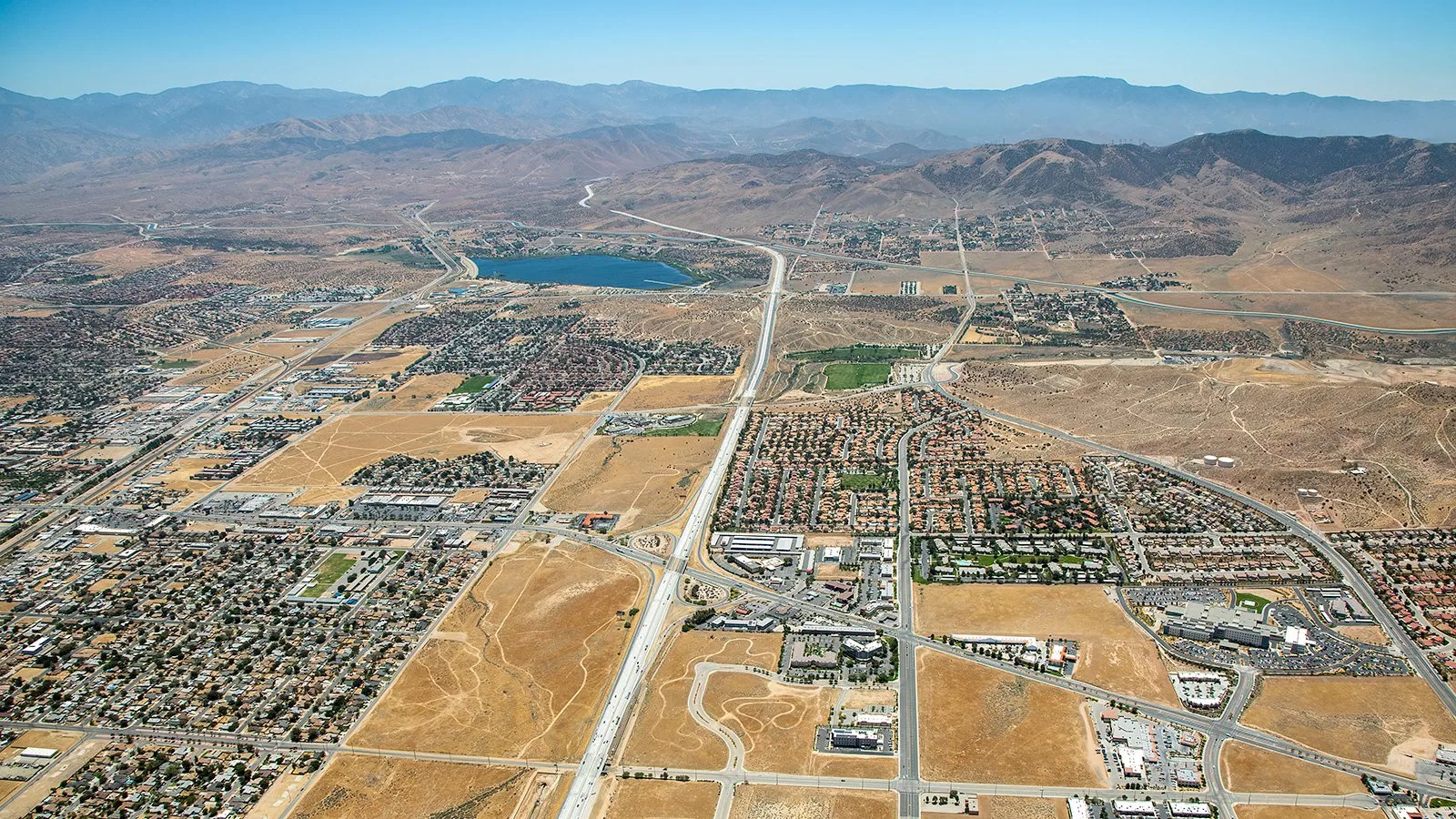
Lancaster’s commercial and industrial planning areas include a mix of office, retail, warehouse, and manufacturing uses. The Fox Field industrial area and Lancaster Business Park can present different equipment patterns and roof access needs, but the assembly must be established at each property. Records and test openings help distinguish a built-up system from modified bitumen or a later recover layer before work is priced.
Read the Surface and the Layers Below It
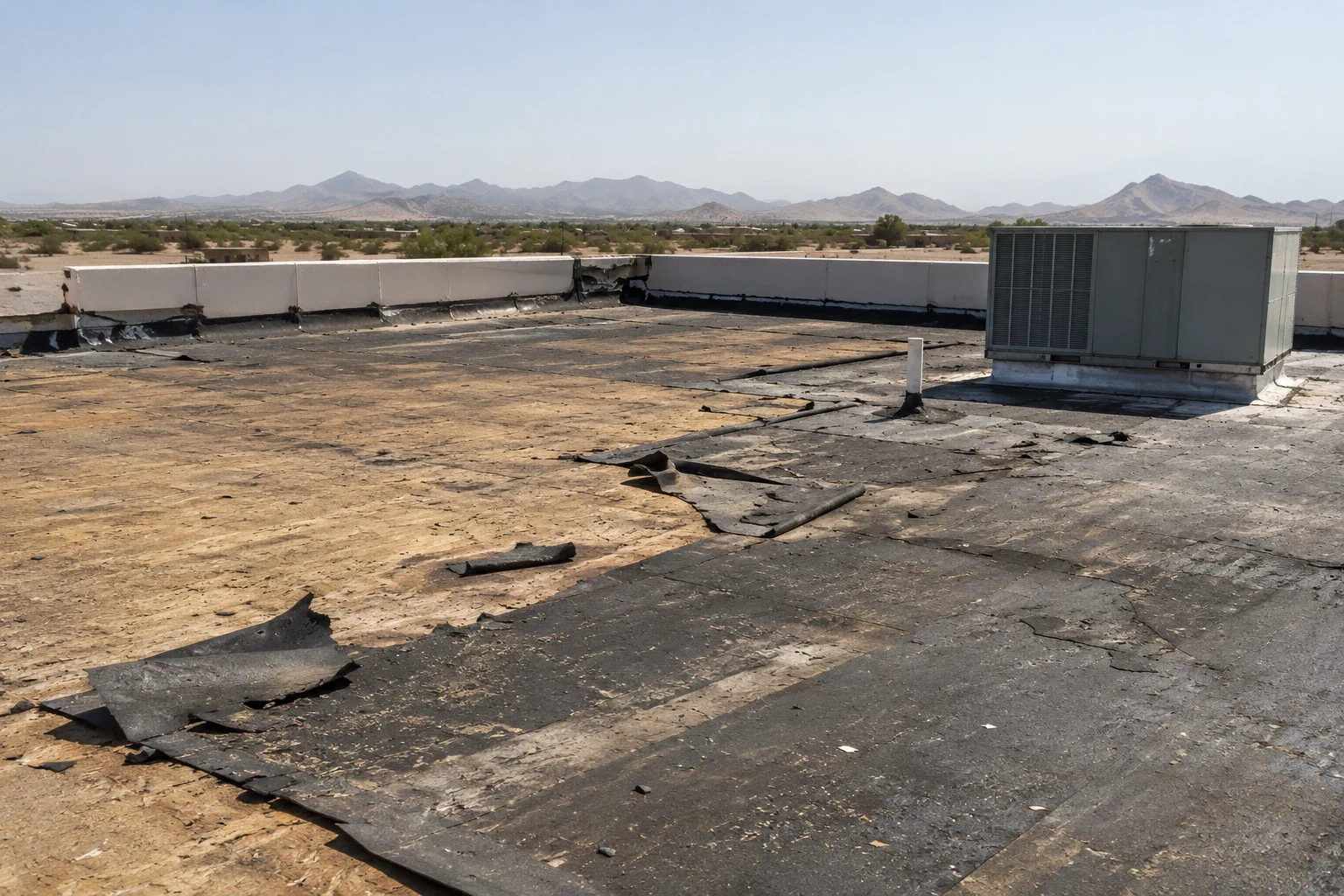
We look for exposed reinforcement, alligatoring, loose aggregate, blisters, open laps, and asphalt that has lost bond. A built-up roof may carry gravel or a smooth coating, and those finishes affect how we access the plies. We check a few representative areas and compare them with prior repairs. Where layer count or substrate is uncertain, a test cut shows the construction at that point and helps confirm the repair method.
Blistering can form when heat expands trapped air or moisture under a layer. We measure the affected area, check whether the surface is adhered around it, and test the underlying material before opening it. Cutting a blister without understanding the ply bond can create a weak patch edge. The repair should reconnect with firmly bonded material and restore the surface that protects the assembly.
Aggregate can hide a split or make a new membrane tie-in difficult. We remove surfacing only where the selected system requires clean access, then prepare the exposed area without cutting sound reinforcement.
Trace Leaks Across the Roof Plane
A ceiling stain under a built-up roof may be offset from the opening above it. Water can move between plies, along the deck, or around a curb before it reaches the interior. We compare the report with roof slope, low areas, drains, wall transitions, and earlier patches.
Drainage determines how long water contacts the roof surface and where debris gathers. Lancaster’s 1991 to 2020 normal precipitation totals 6.81 inches for the year, with most expected during November through March. We inspect drains and overflow points before the cooler storm season and note whether gravel, leaves, or repair materials restrict the outlet. A drainage correction can be scoped alongside a membrane repair when the outlet is part of the water path.
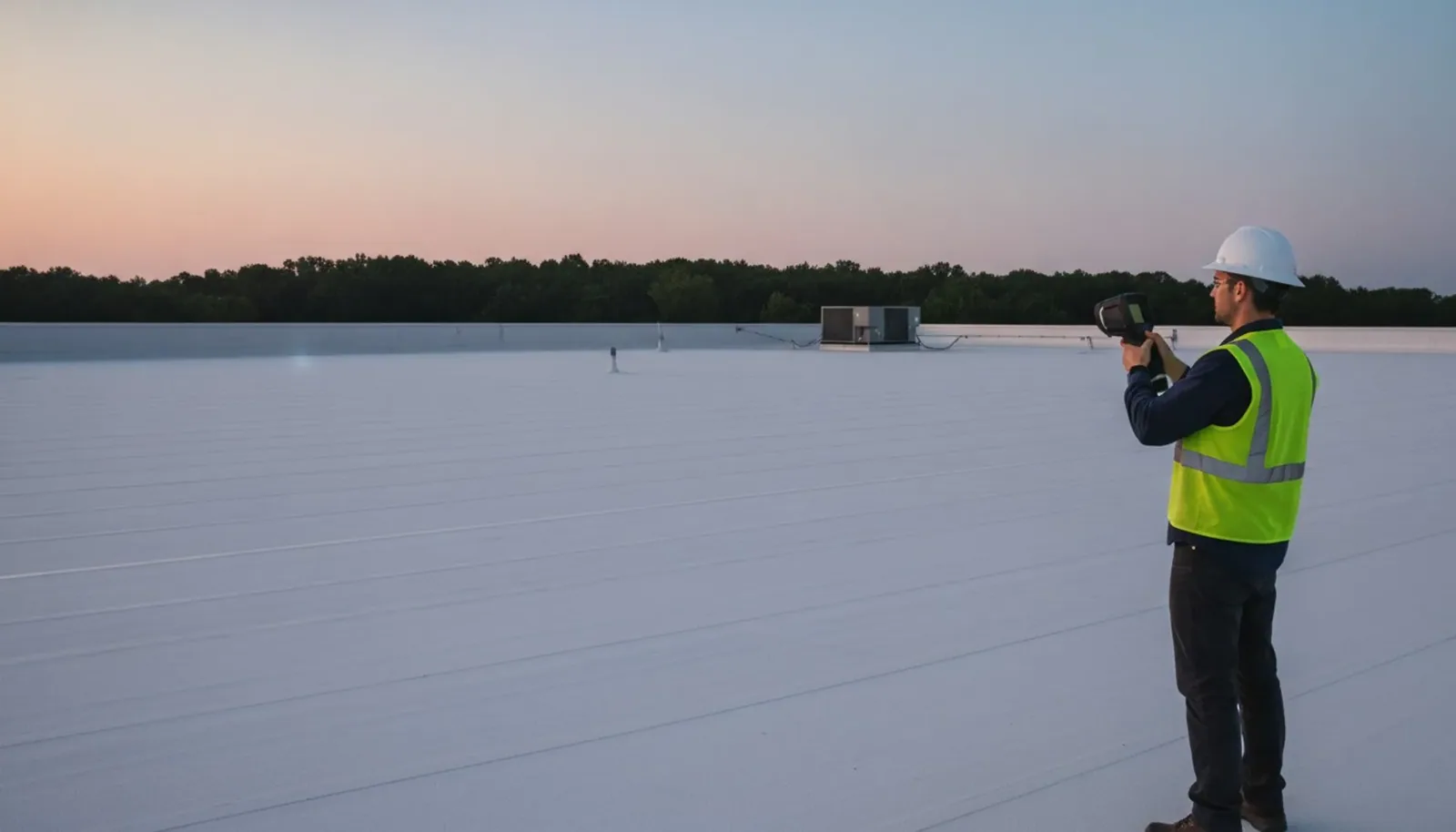
If the owner needs to know whether water has reached insulation, a test cut provides direct evidence at selected points. An infrared survey can help organize sampling over a broad roof when conditions support meaningful contrast. We mark where material was checked and avoid extending a confirmed wet boundary beyond the evidence.
Restore the System Without Trapping a Defect
A small split may be repaired by removing loose surfacing, drying the area, rebuilding the plies, and restoring compatible protection. The repair material and sequence depend on the existing asphalt, reinforcement, coating, and roof temperature. We do not close a wet area under new material. If a repair requires heat or hot asphalt, the project plan addresses fire prevention, nearby intakes, combustible materials, and work-zone supervision.
At a drain, curb, or parapet, the layer sequence must continue into the flashing detail. We inspect the drain ring, sump, metal flange, wall transition, and surrounding field for separate failures. A repair that stops at the flat field can leave an open path at the edge. Flashing work around penetrations can be coordinated with the built-up system when a curb or pipe detail is part of the scope.
Aggregate and coatings can change adhesion, so we test the proposed repair where needed. The written scope names the preparation method, ply materials, surfacing, and transition details. If the roof has accumulated several previous patches, we map them to identify which areas remain dependable and where an overlay or replacement needs comparison.
Sequence a New Multi-Ply Installation
New built-up roofing requires a stable deck and a defined sequence of insulation, base materials, interply sheets, bitumen, and surface protection. The approved specification controls the number of plies, asphalt type, attachment, and surfacing. We verify the substrate and drainage elevations first, then stage the work so each section can be completed and protected before weather or access changes.
Application conditions matter. Lancaster’s hot roof surfaces affect asphalt handling and crew exposure, so the work follows the selected material’s temperature requirements and site safety plan. We coordinate kettles, delivery routes, exhaust, fire watch, and staging with the facility contact. If an occupied area sits below the work, the protection and ventilation plan must be agreed before hot work begins.
On a large building in Lancaster Business Park, the project may include multiple drainage zones, equipment groups, or prior additions. If added insulation raises the finished surface, we check drains, parapets, and door thresholds before the first layer is installed. A tapered insulation scope can establish the intended slope and board package.
Compare Repair With Recover and Replacement
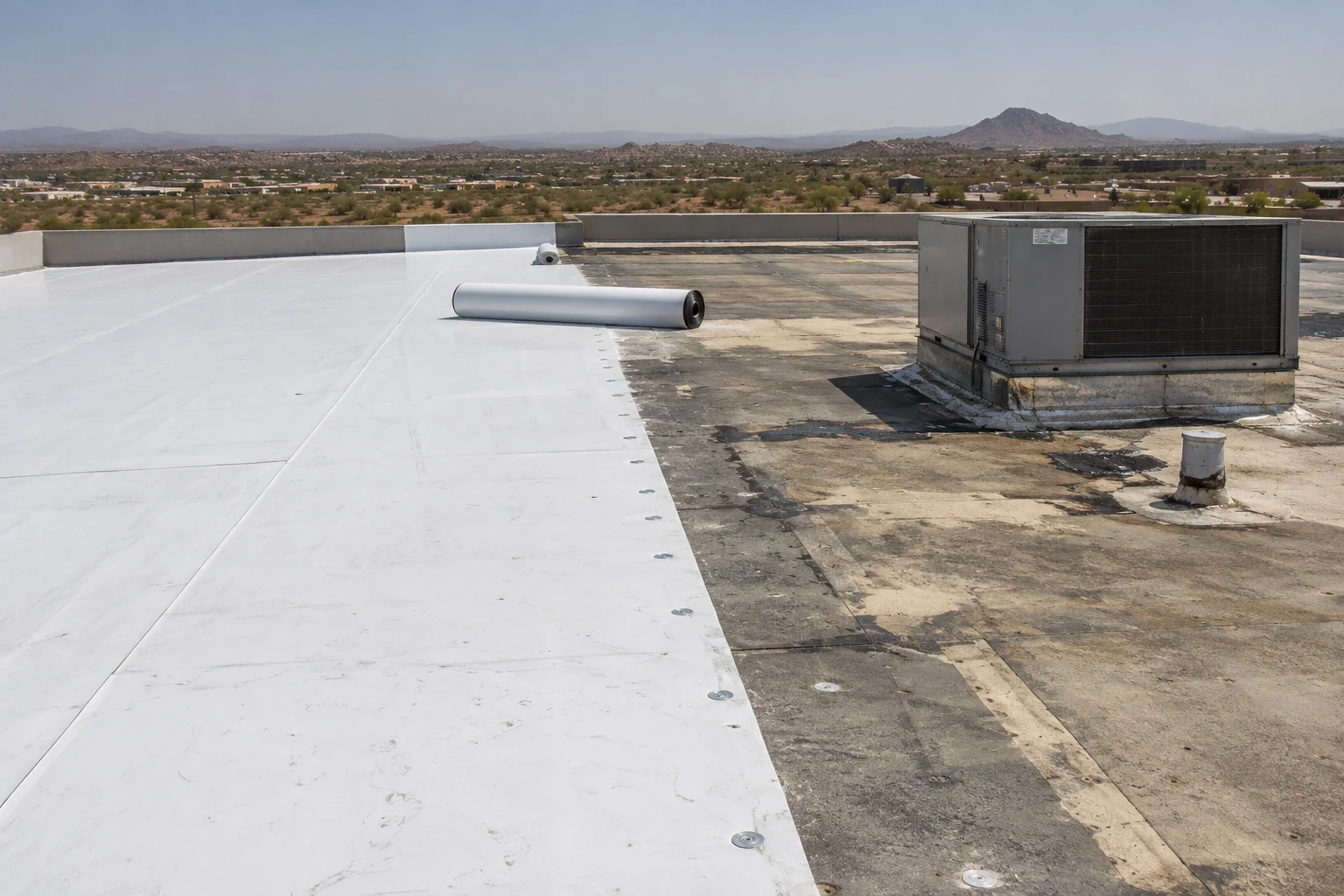
Repair suits a contained defect when surrounding plies are bonded, the substrate is dry, and the rest of the field remains serviceable. Recover may be possible if the existing roof can support another layer and the added height works at drains, curbs, and edges. Replacement becomes more relevant when plies have separated across broad areas, insulation is wet, or the deck needs work.
We compare alternatives over the same roof zones and list material removal, new plies, insulation, surfacing, flashing, metal, and access needs. Conditions discovered after opening are documented before the scope changes. A recover assessment can evaluate whether existing layers can remain, while a replacement plan lays out a new assembly when repair boundaries no longer hold.
Some owners may compare built-up roofing with a modified-bitumen system or a single-ply membrane. That comparison depends on the specified design, access, surface requirements, and maintenance approach. We state the assumptions for each option so a buyer is not choosing from system labels without a matching roof scope.
Keep the Layer History Available
Closeout photos show the surfacing, repairs, drains, perimeter, and representative transitions by roof zone. We record the system and materials used, note any area that could not be tested, and identify open items for the facility team. Those records help a later inspector compare a new blister or leak report with the condition documented at completion.
Maintenance checks should look for aggregate loss, open seams, exposed reinforcement, ponding, drain blockage, and damage from rooftop service work. A maintenance visit can track those changes and clear debris before water is held against a weak detail. If new equipment is installed, the crew needs to restore the roof connection using materials compatible with the existing built-up assembly.
Share plans, prior repairs, and any core results when requesting an assessment. We will identify the plies, check the water path, and explain which repair or replacement options the existing roof can support.
Commercial Roofing Questions
How many layers should a built-up roof have?
The layer count depends on the specified assembly and the roof’s history. We inspect exposed edges or take a test cut to identify what is present before estimating a repair or replacement.
Can you repair a blister in a built-up roof?
A blister can be repaired when the surrounding plies are bonded and dry and the repair can tie into sound material. We check what is under it before opening or covering the area.
How do you find water under a gravel-surfaced roof?
We compare leak history and drainage with visible conditions, then select test openings where the layers can be examined. A scan may help prioritize locations, but the opening confirms whether insulation is wet at that point.
Can built-up roofing be recovered instead of removed?
A recover is considered when the old roof is stable, dry, and compatible with the new assembly. We also check edge heights, drains, and structural requirements before including another layer.
What makes a built-up roof replacement necessary?
Widespread ply separation, wet insulation, deck problems, or repeating failures can make replacement more appropriate than continued patching. We document the condition and compare a repair boundary with a new system scope.