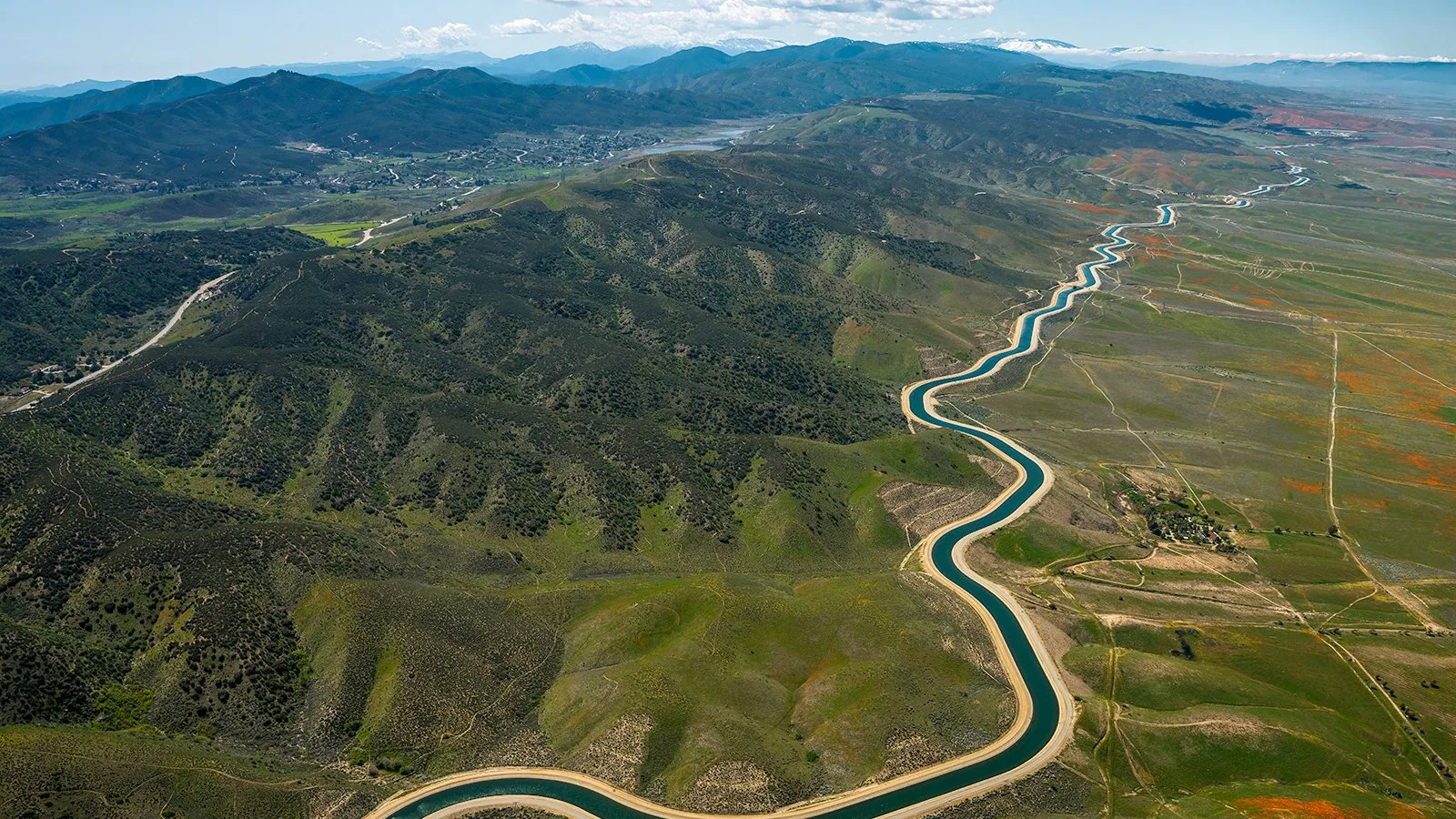
A distribution building's roof has to support more than weather protection. Dock schedules, trailer movement, rooftop exhaust, and interior inventory all affect how a repair can be reached and sequenced. We start by mapping the roof zones, then connect leak reports to seams, drains, curbs, and previous patches. The findings show which work can happen in a contained area and which conditions could spread into insulation or decking.
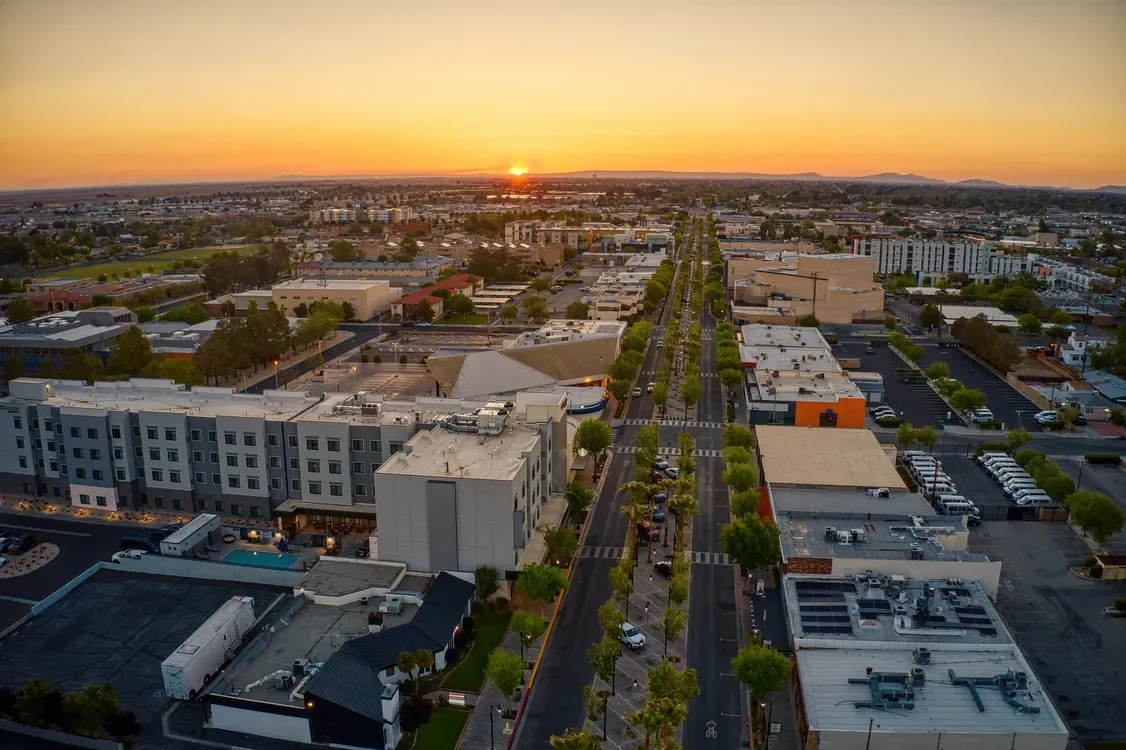
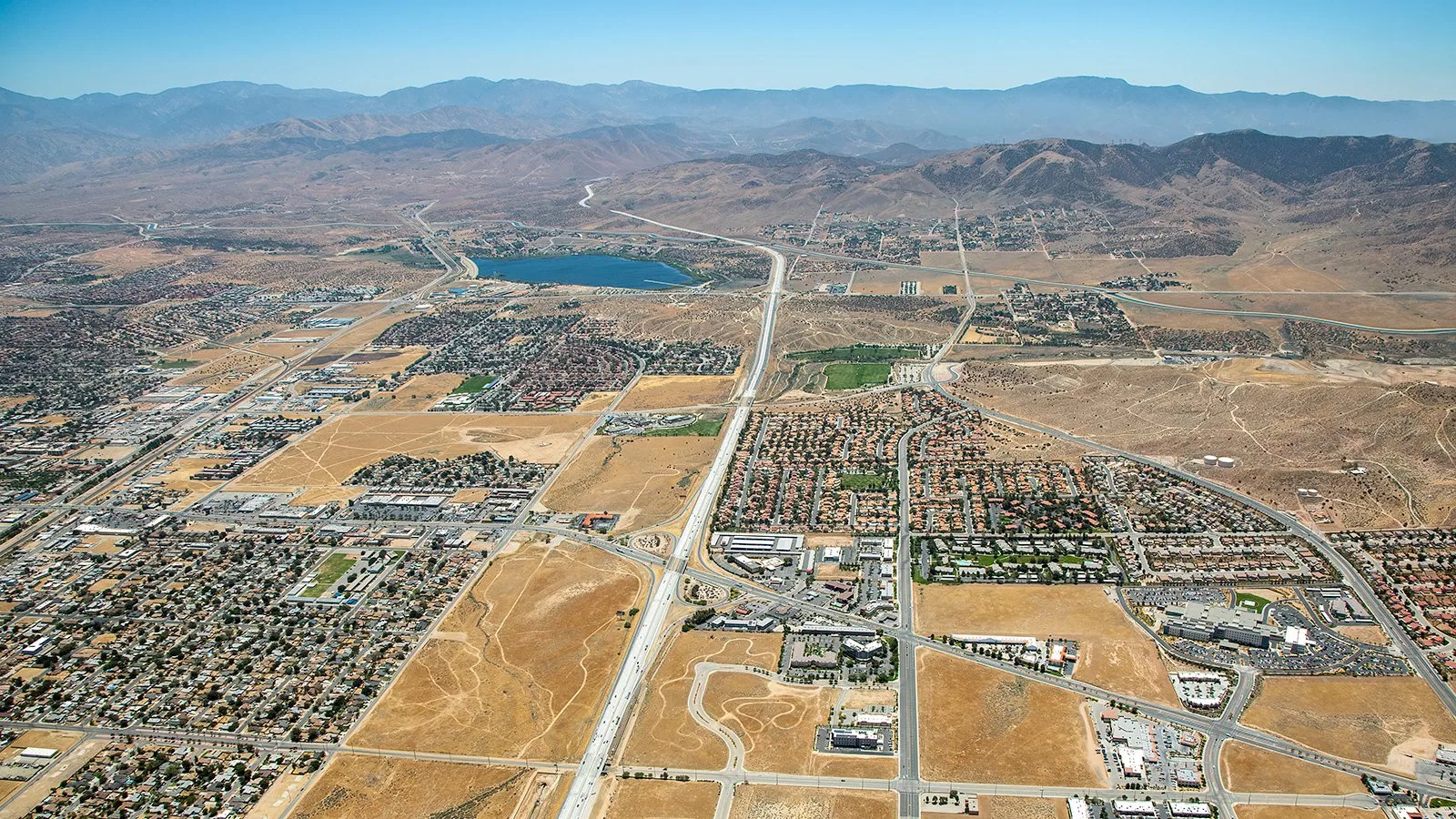
Lancaster's planning inventory describes Enterprise Business Park as a mix of office, light industrial, and retail use. To the southeast, Palmdale identifies the Antelope Valley Commerce Center as an industrial business park near State Routes 14 and 138. Regional distribution is part of that setting, but a particular building's operations and roof assembly must be inspected directly. We plan around the actual access points and dock activity at the property.
Map the Roof Against the Shipping Floor
Before a crew stages equipment, we identify loading areas, entrances, roof hatches, drains, and any restricted zone below a suspected leak. A roof plan can make it easier to coordinate work above active pick paths or goods waiting for shipment. If the plan is outdated, we mark field conditions and note additions such as new curbs or abandoned penetrations. The objective is a repair map that a facility lead can use during the work and revisit afterward.
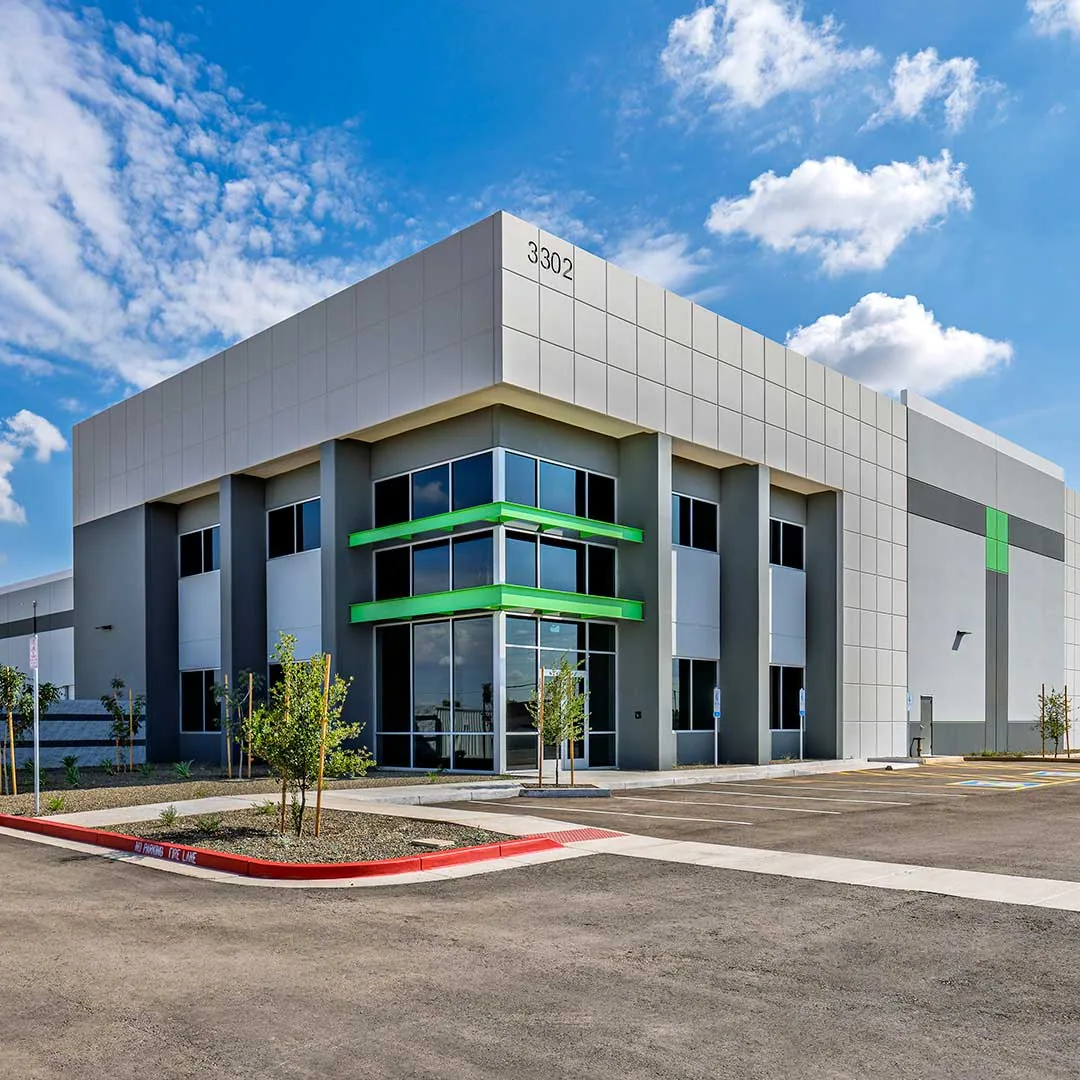
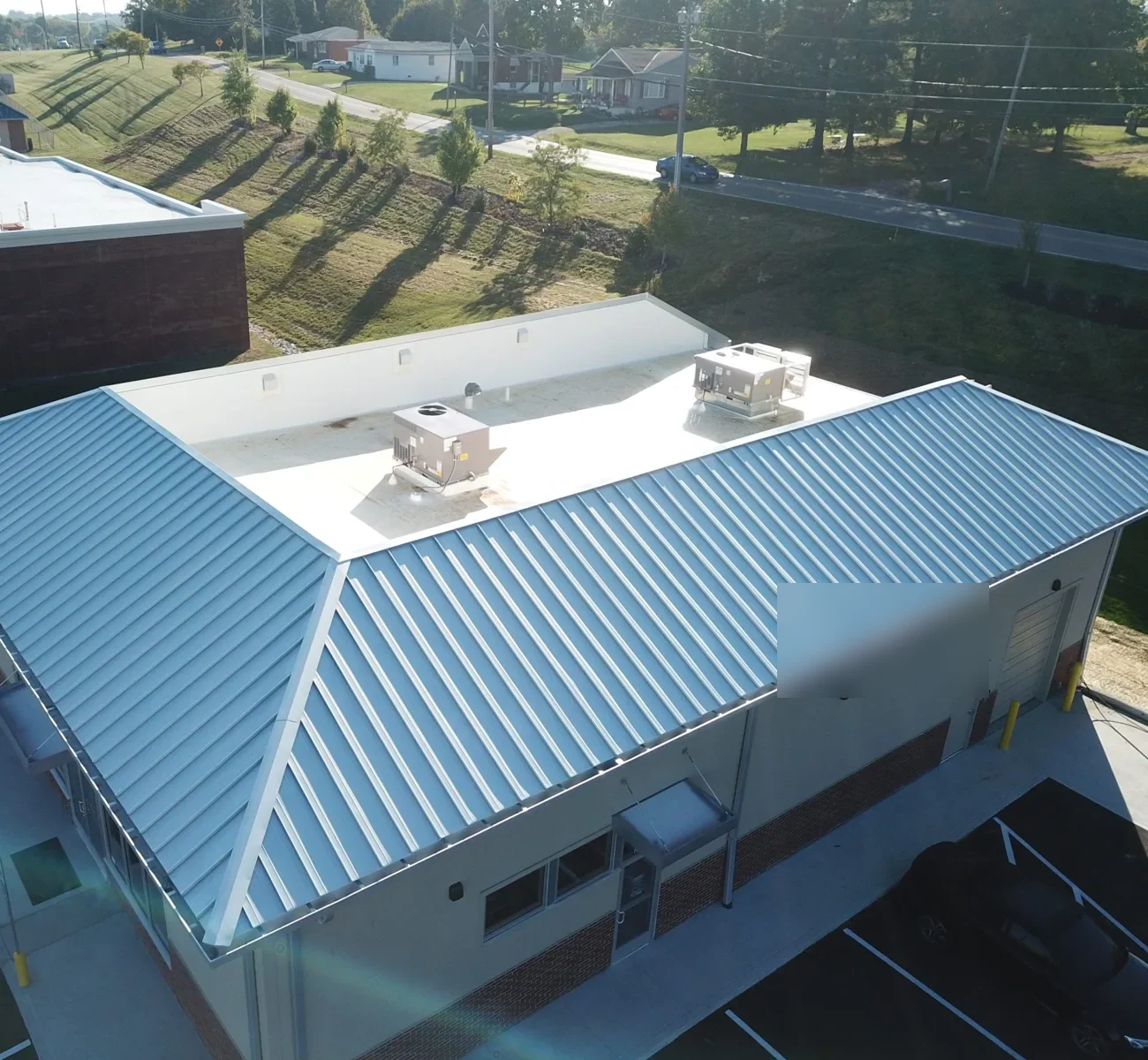
Distribution properties can combine warehouse bays, office frontage, mechanical equipment, and dock canopies. Each has a different water path and access need. We inspect membrane edges at transitions, check whether canopy drainage discharges clear of walls, and review flashing where a lower roof meets a taller volume. A warehouse roof assessment may cover similar membrane conditions, while the loading layout makes delivery timing a separate part of this building's repair sequence.
Inspect Dock Edges and Rooftop Equipment
Dock doors, canopies, exhaust fans, and mechanical units create several roof-to-wall and roof-to-equipment transitions. We look for open corners, cracked sealant, loose counterflashing, and fasteners that have backed out of metal trim. A leak at a dock wall may enter above the ceiling and travel before it appears inside, so we compare the reported area with the roof detail above it. If the equipment curb is moving or too low, a surface patch alone will not correct the transition.
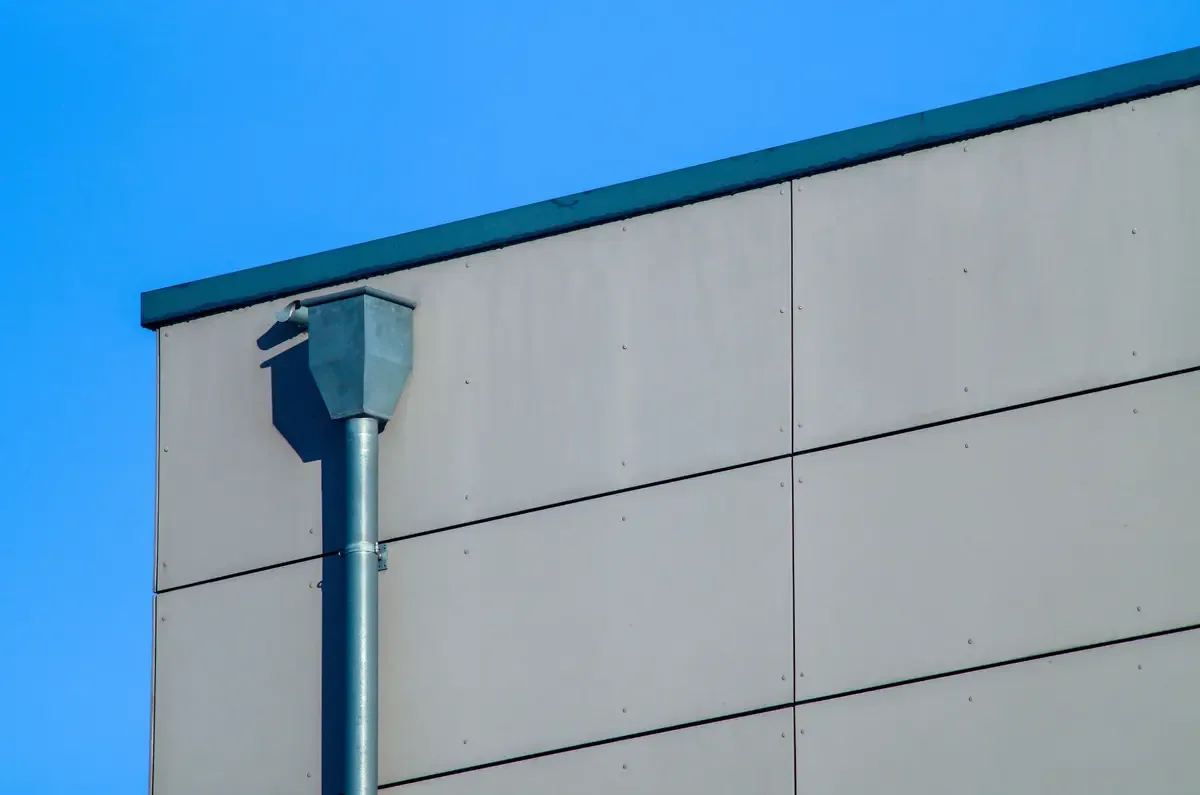
Work around a curb may need to align with a scheduled unit replacement, especially when disconnecting equipment would affect temperature-controlled or high-throughput areas. We coordinate which trade opens the roof and who restores the flashing, then document the finished transition. For edge metal and gutter work, we check attachment, joints, outlets, and termination rather than treating the visible metal as a cosmetic trim item. A repair scope should name each boundary that will be opened.
Keep Drainage Ready for Seasonal Rain
Lancaster's climate has a long hot season, followed by most normal rainfall between November and March. The William J. Fox Field station records an annual precipitation normal of 6.81 inches. That modest total does not remove the need for open drains: a short storm can expose leaves, packaging, or sediment that has accumulated around an outlet. We check strainers, drain bowls, overflow routes, low seams, and the roof slope that carries water toward them.
Standing water can add weight and leave seams or patches exposed longer than intended. We distinguish debris removal from repairs to a drain bowl, cricket, or low area so the estimate does not promise a drainage correction through a membrane patch. A scupper and drain repair can address the outlet, while a commercial roof inspection records adjacent membrane and flashing conditions. If wet insulation is suspected, we test before closing that section.
Trace Membrane Failures Before Choosing a Repair
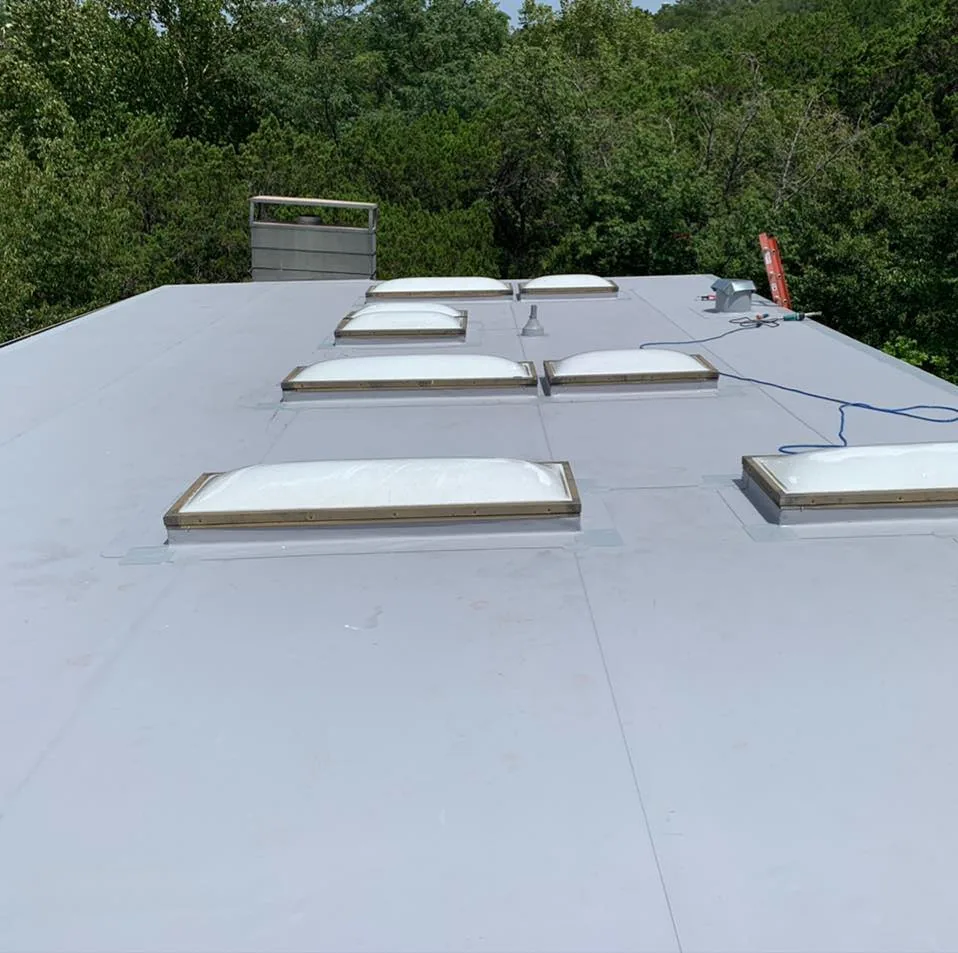
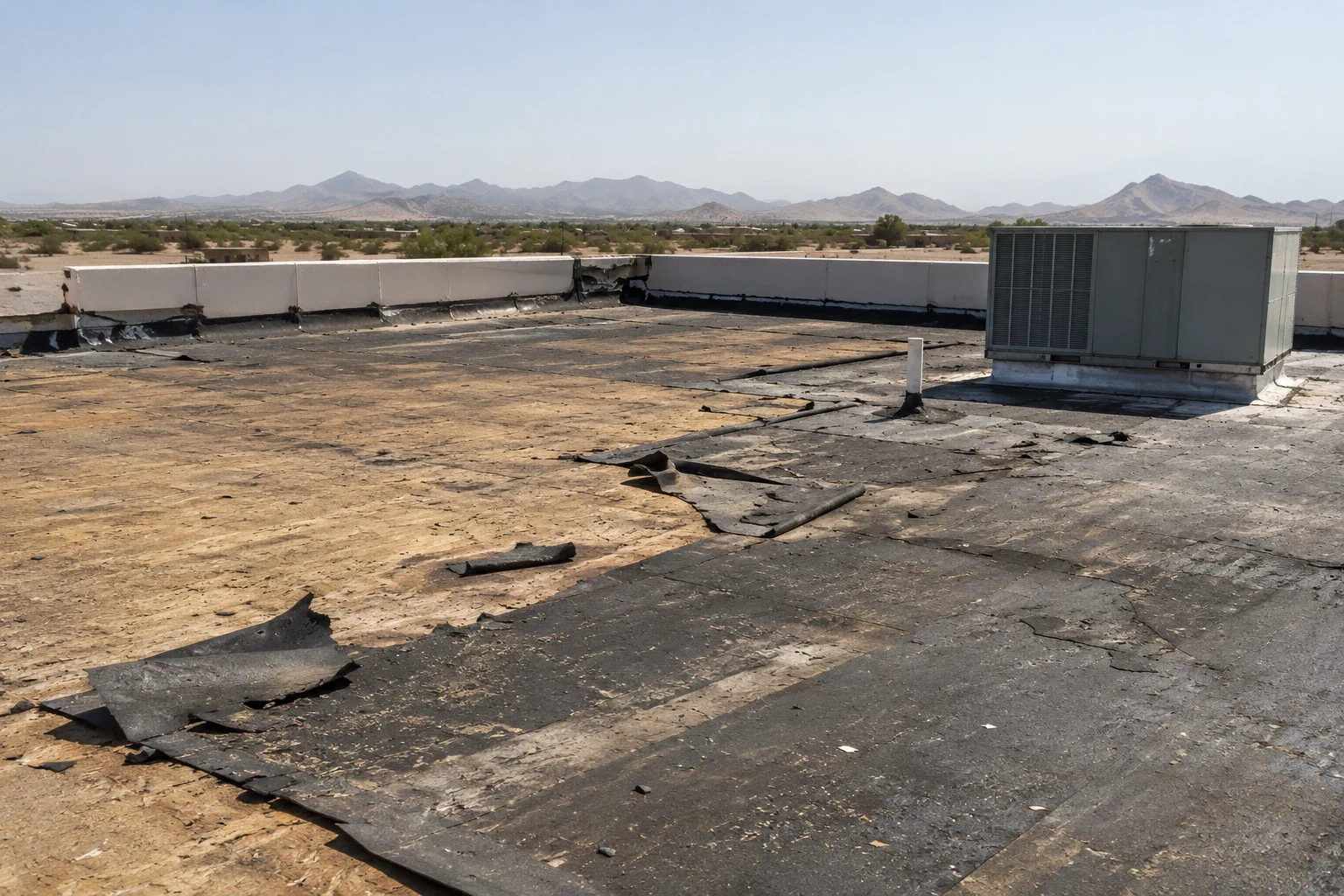
On a single-ply assembly, a failed weld or lifted seam can create a narrow path below a broad roof field. On modified bitumen, splits, blisters, or open laps can respond differently to heat and water. We identify the material before selecting a repair method, clean and prepare a test area where appropriate, and check how far the defect extends. A patch should tie into sound material and match the system, with the boundary recorded for later inspection.
Summer heat around Lancaster puts repeated movement on seams, sheet metal, fasteners, and sealant. An old repair may remain bonded in the center while separating at its edge. We inspect representative details and determine whether the issue is a single failed transition or a pattern repeated across the roof. When a coating is proposed, an existing TPO assembly must be evaluated for compatibility and preparation before any new layer is considered.
Check Concealed Layers Under the Leak Path
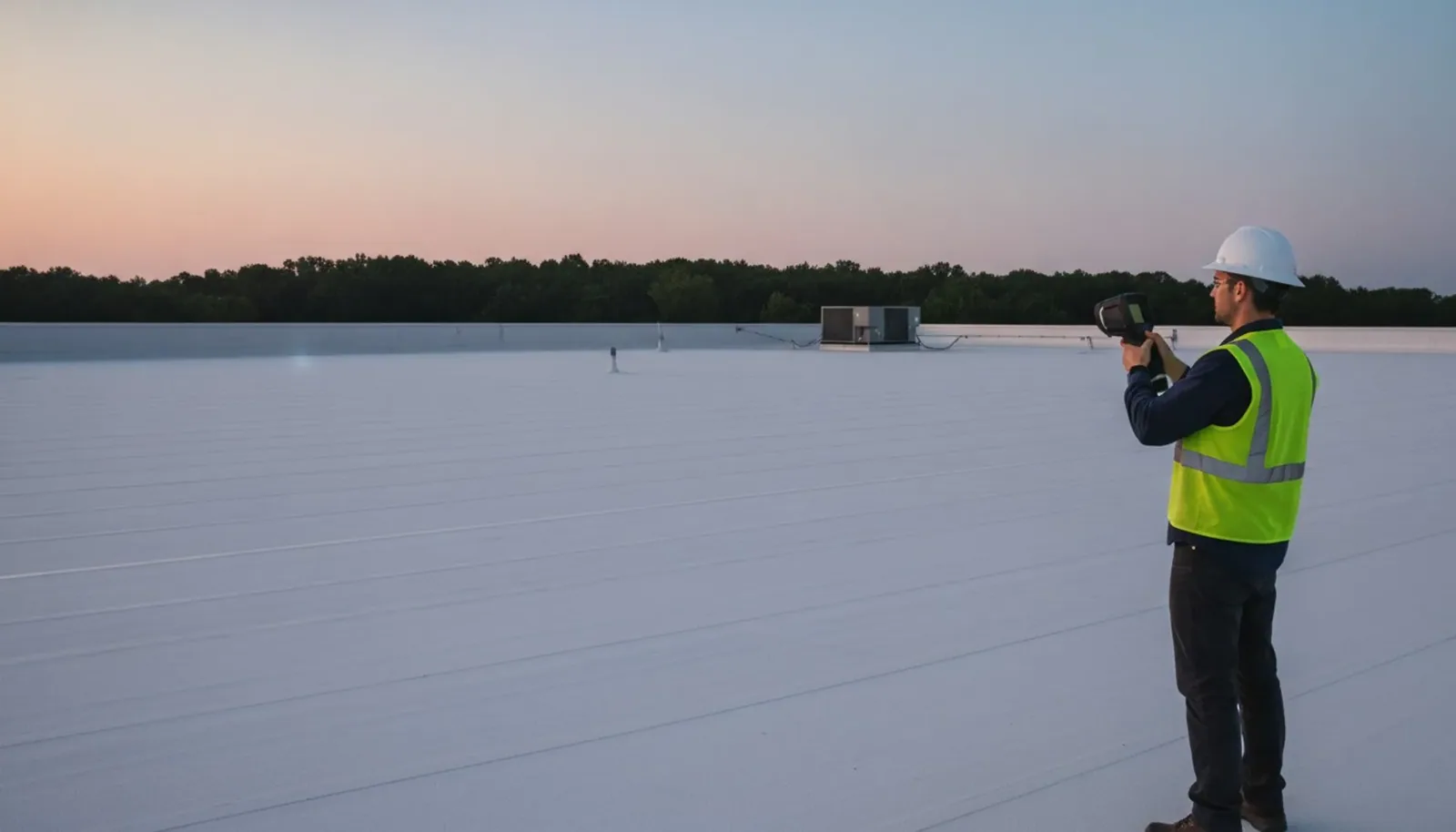
A dry surface can conceal wet insulation, especially if water entered at a curb and traveled laterally before reaching the ceiling. We compare interior reports, membrane changes, soft areas, and thermal patterns, then select locations for physical testing. An infrared survey can help prioritize test cuts when readings are useful under the conditions present. The opening confirms the actual layers, deck, and moisture at that point; the report shows both tested and untested areas.
When a test reveals wet material, the removal scope should follow the verified boundary and account for the layer that can remain. If moisture is widespread or the deck has deteriorated, a localized patch will not restore the assembly. We compare repair, recover, and replacement by roof zone and note code, attachment, and operational constraints. A replacement plan can be staged to keep unaffected loading areas in service while the roof work advances.
Coordinate Repairs With Dispatch and Inventory
Active distribution work makes timing a real roof constraint. We identify where deliveries, trailer staging, lifts, and interior protection could conflict, then schedule the roof area accordingly. Smaller repairs may fit into a quiet window; replacement or moisture removal may require a sequence by bay or dock group. Emergency response is available around the clock and on holidays when water threatens stock or interrupts dispatch. We tell the facility contact which areas are affected and what access is needed.
Closeout includes the roof-zone map, photographs, repairs completed, remaining test locations, and conditions that could change later. A maintenance visit can revisit high-traffic roof paths, curb clusters, drains, and prior repair boundaries. For properties that also support production, manufacturing roof planning can account for process exhaust and equipment access. Keep records of new equipment, refrigeration work, and roof penetrations with the building file. Those changes help the next inspection distinguish a fresh opening from an older membrane defect.
Commercial Roofing Questions
Can distribution operations continue during roof repairs?
Often, when the work can be isolated and the affected area protected, but the roof access and interior risk determine the sequence. We coordinate lift placement, dock use, and any aisle protection with the facility contact before opening the assembly.
How do you handle a leak above stored goods?
We locate the likely entry point, identify what is directly below the work, and arrange protection or temporary access limits before repair. If wet insulation needs removal, we explain the opening size and interior safeguards before that section is taken apart.
What should a distribution center roof plan include?
A useful plan marks drains, roof sections, curbs, hatches, expansion joints, prior repairs, and safe access routes. We can update an older drawing during inspection so later leak reports and maintenance work refer to the same locations.
Does summer heat change repair scheduling in Lancaster?
It can affect surface temperature, sealant handling, and the working window for certain materials. We follow the product requirements, check field conditions, and account for Lancaster's hot season when setting a repair sequence.
When is replacement more practical than repeated repairs?
Repeated failures across multiple zones, widespread moisture, or a deck that no longer supports the assembly can shift the scope toward replacement. We test the suspected layers and compare options against the same roof map before recommending a broader project.