Grease, exhaust, or cleaning agents can change what an owner needs from a roof membrane. PVC is a thermoplastic option often considered where the project calls for welded seams and a membrane formulation suited to particular exposures. The product data still controls chemical compatibility. We review the roof, likely contaminants, drainage, and planned maintenance before deciding whether PVC fits the building or another system better serves the assembly.
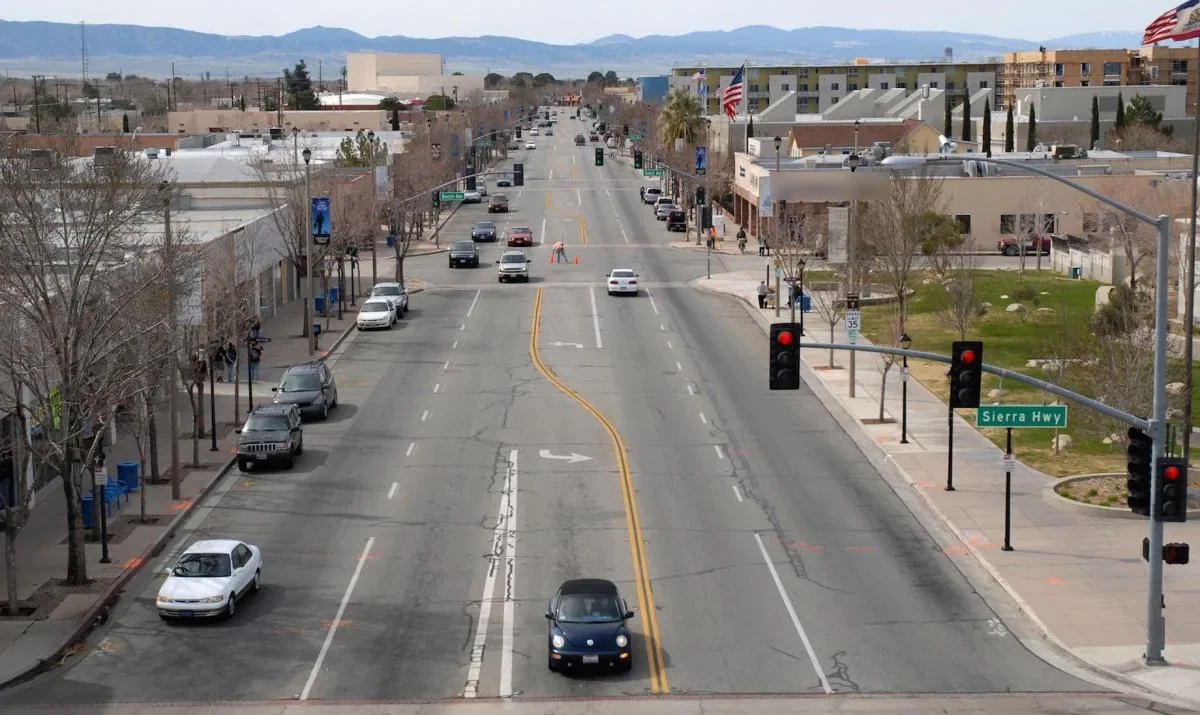
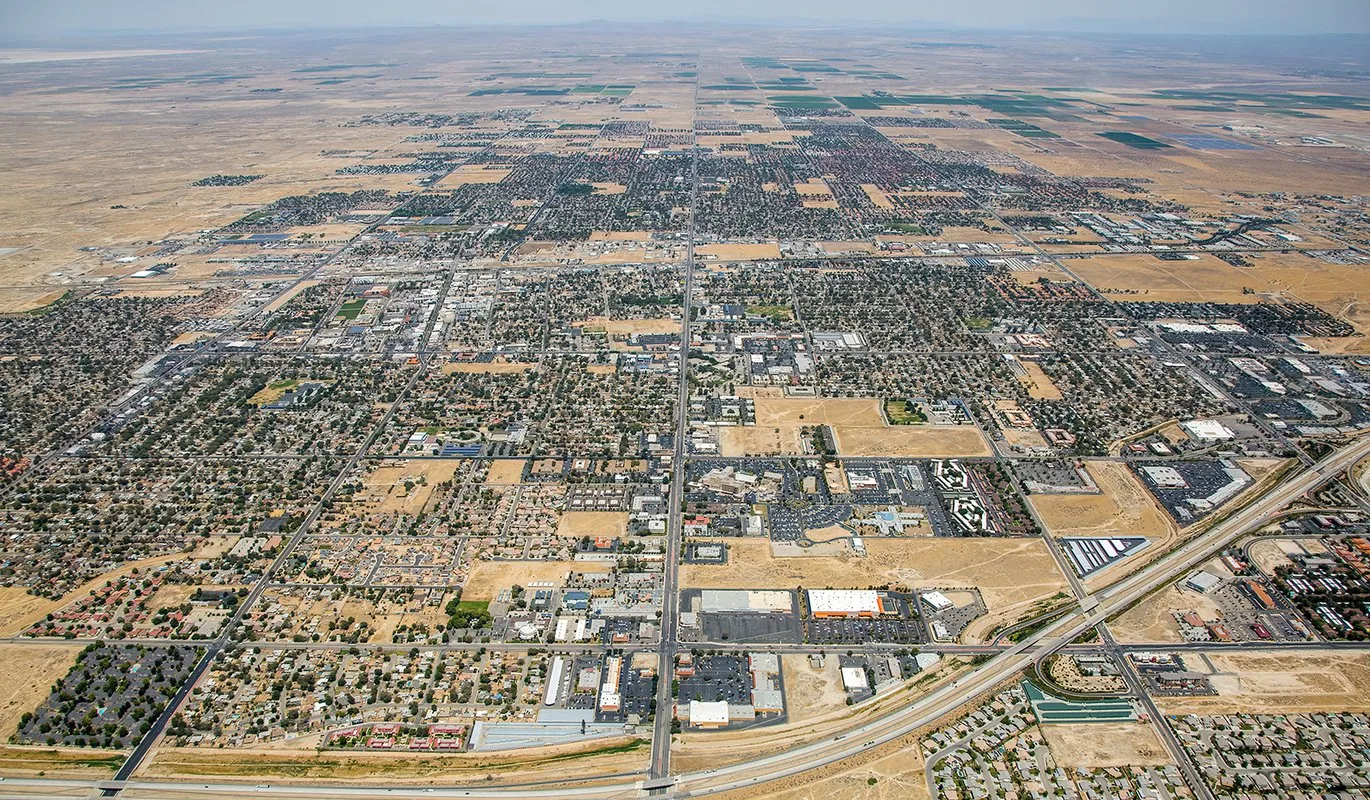
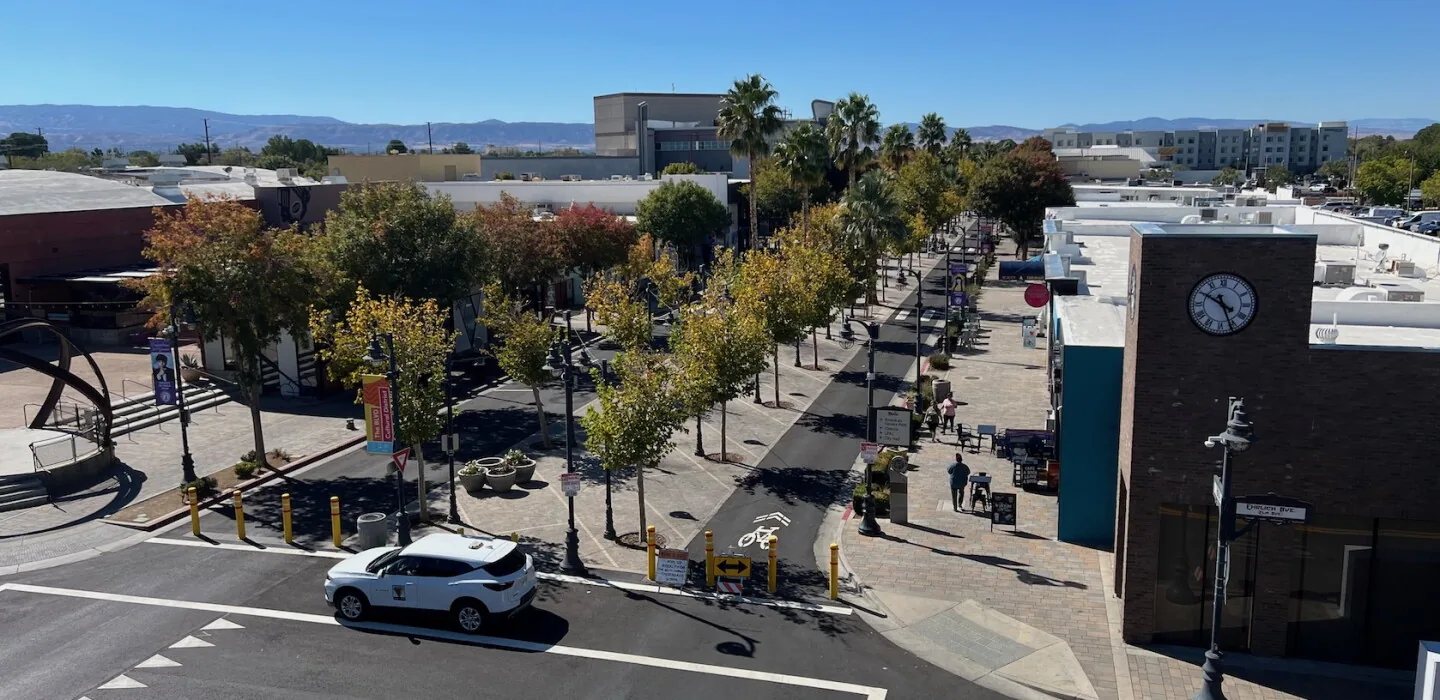
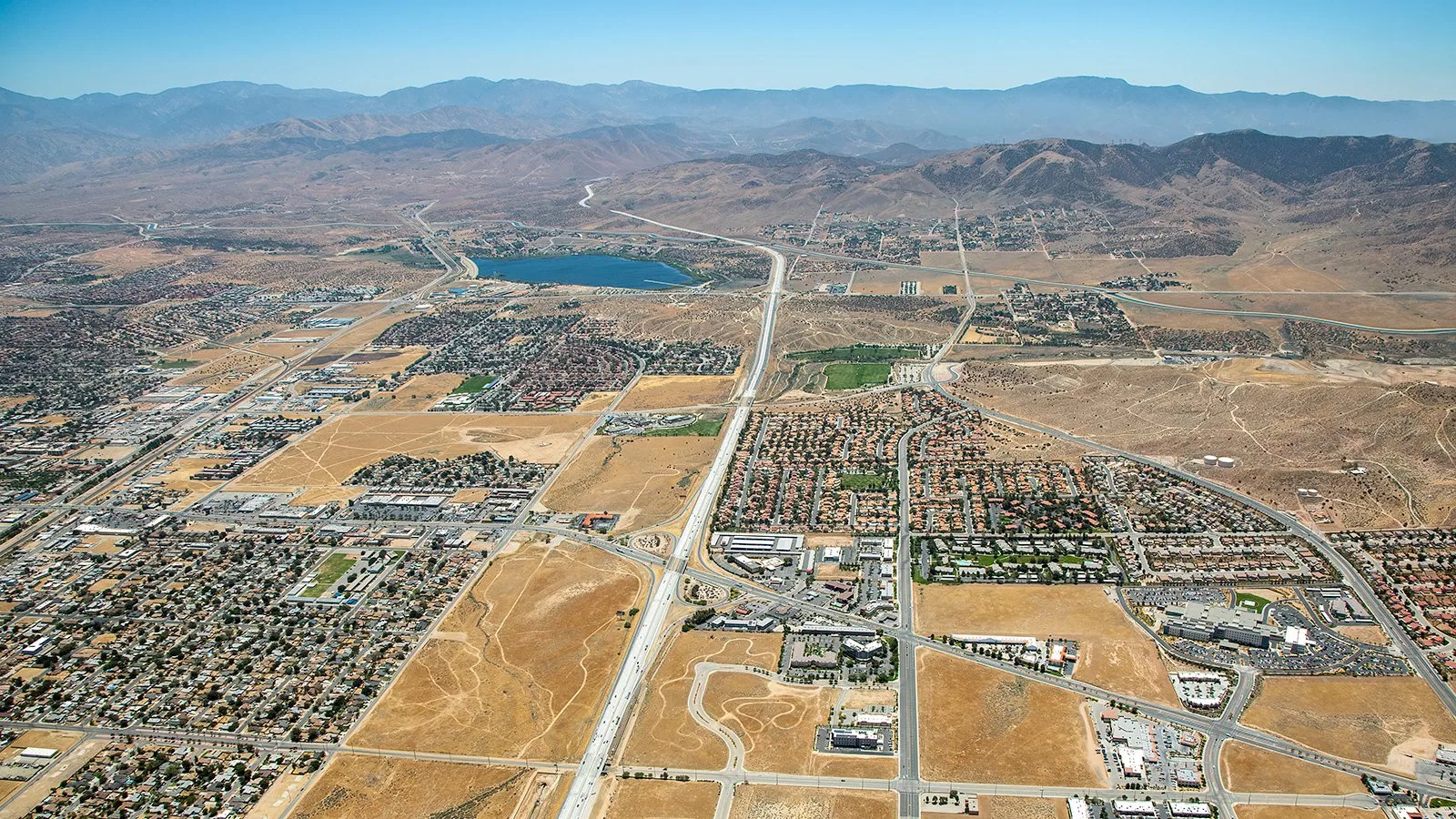
Lancaster’s planning inventory includes major medical uses in the Amargosa Creek Planning Area and business and industrial areas across the city. At Lancaster Business Park, office and light-industrial uses can create different rooftop service patterns.
Match the Membrane to the Actual Exposure
A PVC specification may be considered for kitchens, food-related operations, or other locations where grease and certain chemicals could reach the roof. That does not make every PVC sheet resistant to every substance. We ask what is discharged, how often it occurs, where it lands, and how it is cleaned. The designer then checks the selected membrane’s published compatibility information and details the required protection or maintenance.
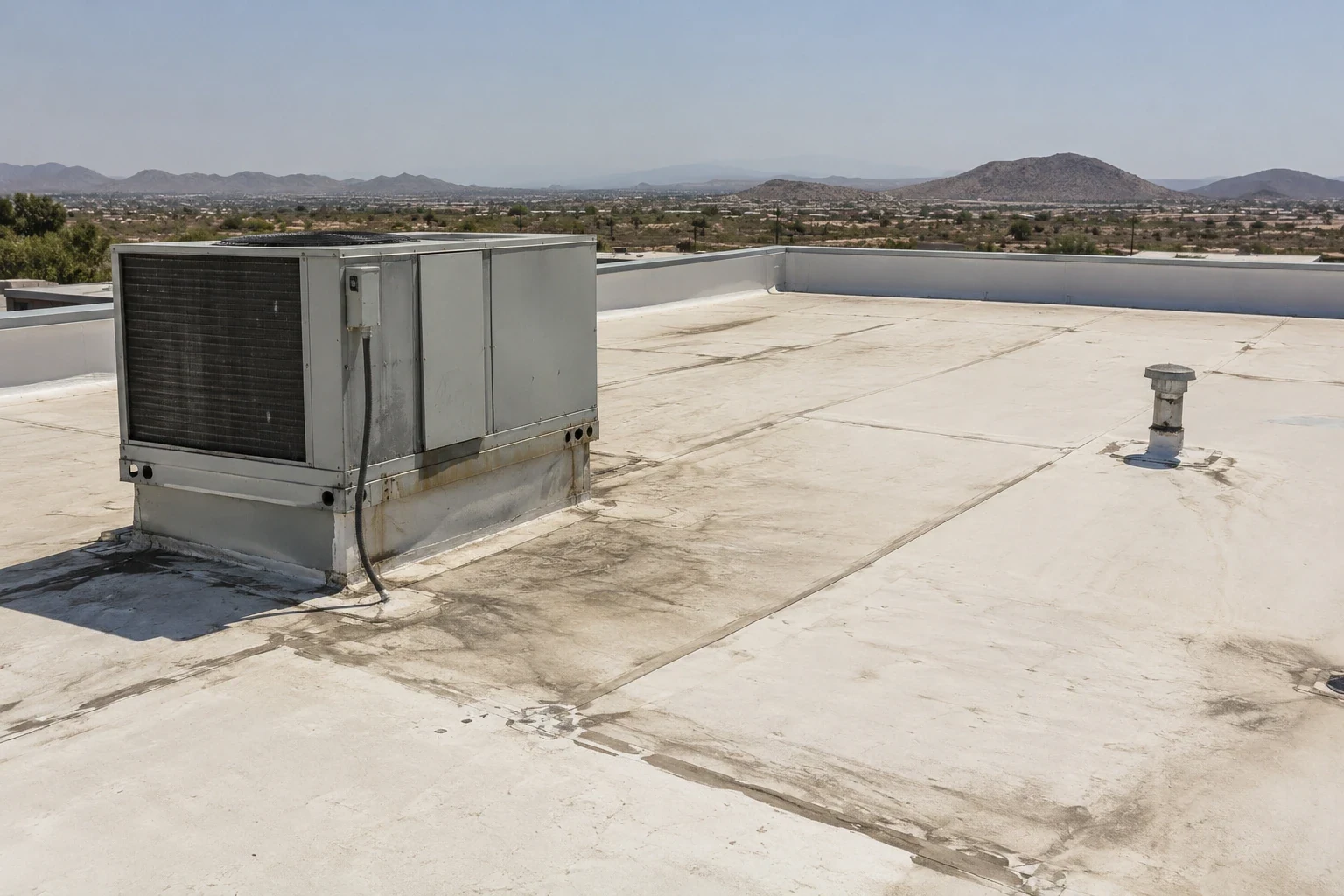
Exhaust fans and service lines can concentrate deposits at a small part of the roof. We inspect the surface around fan curbs and discharge points for staining, softening, or changes in texture, then compare those marks with the process information the owner can provide. A membrane that is sound elsewhere may need a different detail in the exposure zone. The scope should show where protection begins and how runoff reaches the drain.
Within the Amargosa Creek planning area, Lancaster identifies office, retail, and major medical uses.
Build the Seam Around the Roof Layout
PVC sheets are joined with hot-air welds, and the finished connection depends on clean material, correct settings, and a consistent weld path. Dirt, old adhesive, surface aging, or an incompatible patch can weaken the bond. We inspect representative seams and details before selecting a repair method, then test the prepared area and verify the completed lap with an appropriate probe or seam check.
Roof geometry matters as much as the open field. Corners, curbs, parapets, penetrations, and expansion joints concentrate movement. We lay out sheet widths and seams to limit awkward patches and keep terminations accessible. If an existing roof has multiple additions, we identify each assembly and transition instead of carrying one detail across a change in deck or membrane.
Lancaster’s summer heat puts exposed roof materials through repeated temperature changes. We account for sheet movement and perimeter loads in the specification, attachment pattern, and metal transitions. A KEE membrane may be another choice for a project that requires a PVC-alloy formulation, but the selection depends on the specified product, exposure, and assembly. We explain those distinctions without treating the names as interchangeable.
Resolve the Layers and Water Path Before Installation
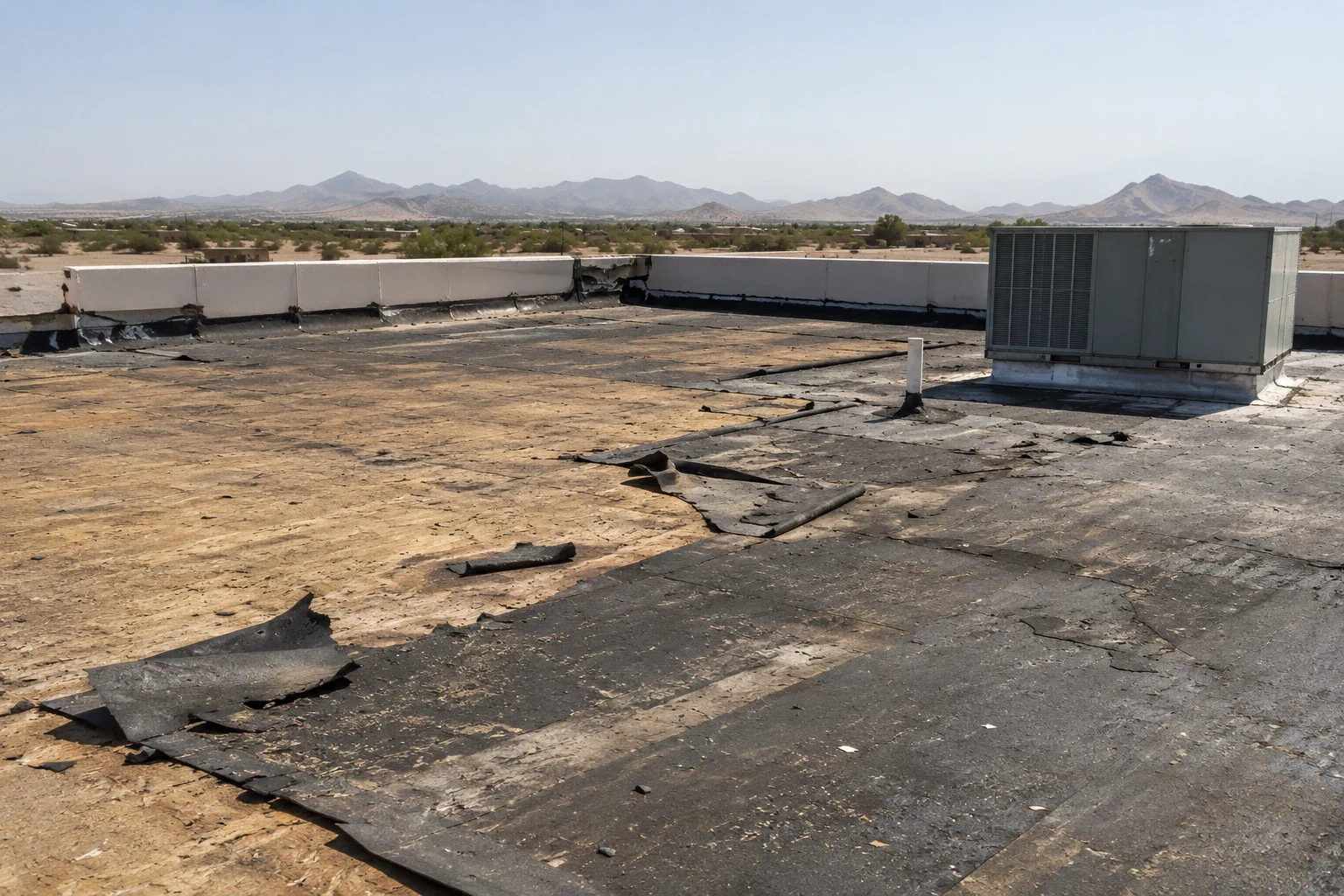
A new membrane will not correct saturated insulation, loose cover board, or a drain bowl set above the finished surface. We inspect the deck and layers at known leak areas and take test cuts when the roof record leaves an important question. Wet material is removed to a boundary supported by the evidence. If the layer condition is uncertain beyond the opened points, the estimate states what remains to be confirmed.
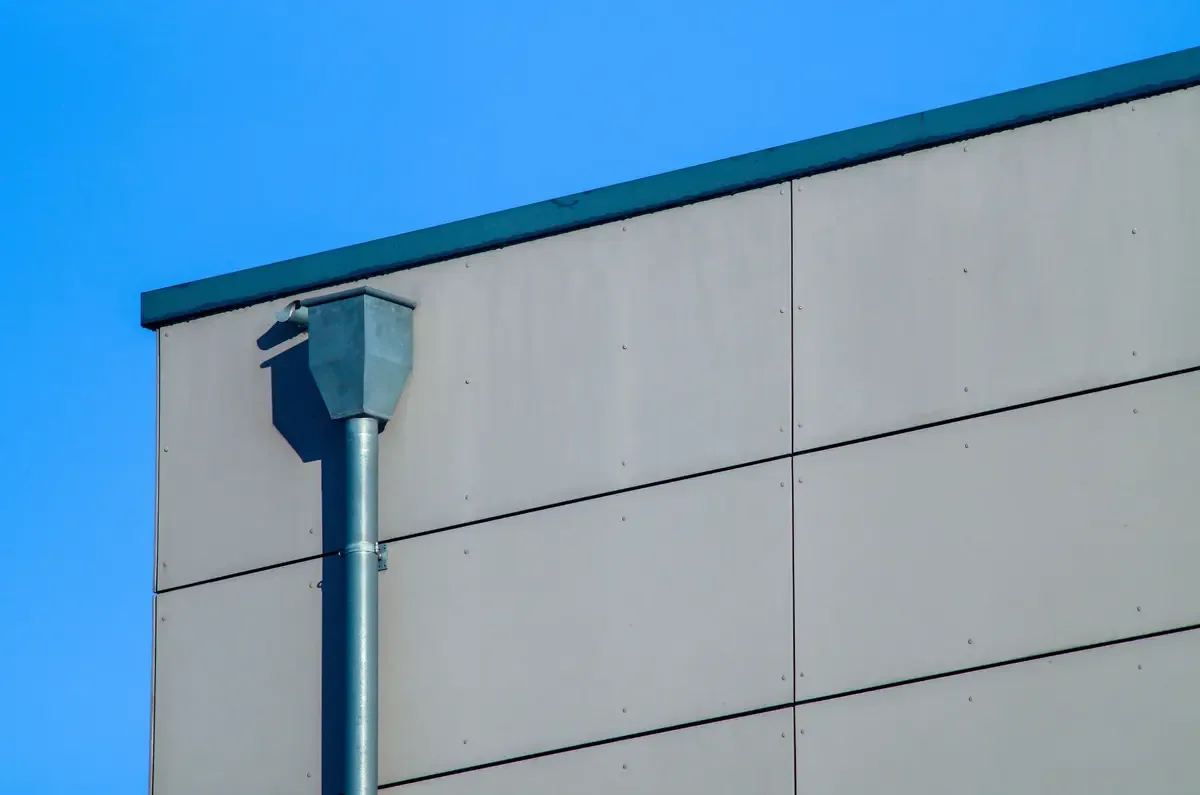
Drainage is checked with the planned insulation thickness and finished roof height in view. We locate primary drains, overflow outlets, scuppers, and crickets, then check that a PVC termination will not interfere with flow. Lancaster has most of its normal precipitation in the cooler months, but the region still receives concentrated storms. The water path must work when runoff arrives, even if long dry periods separate events.
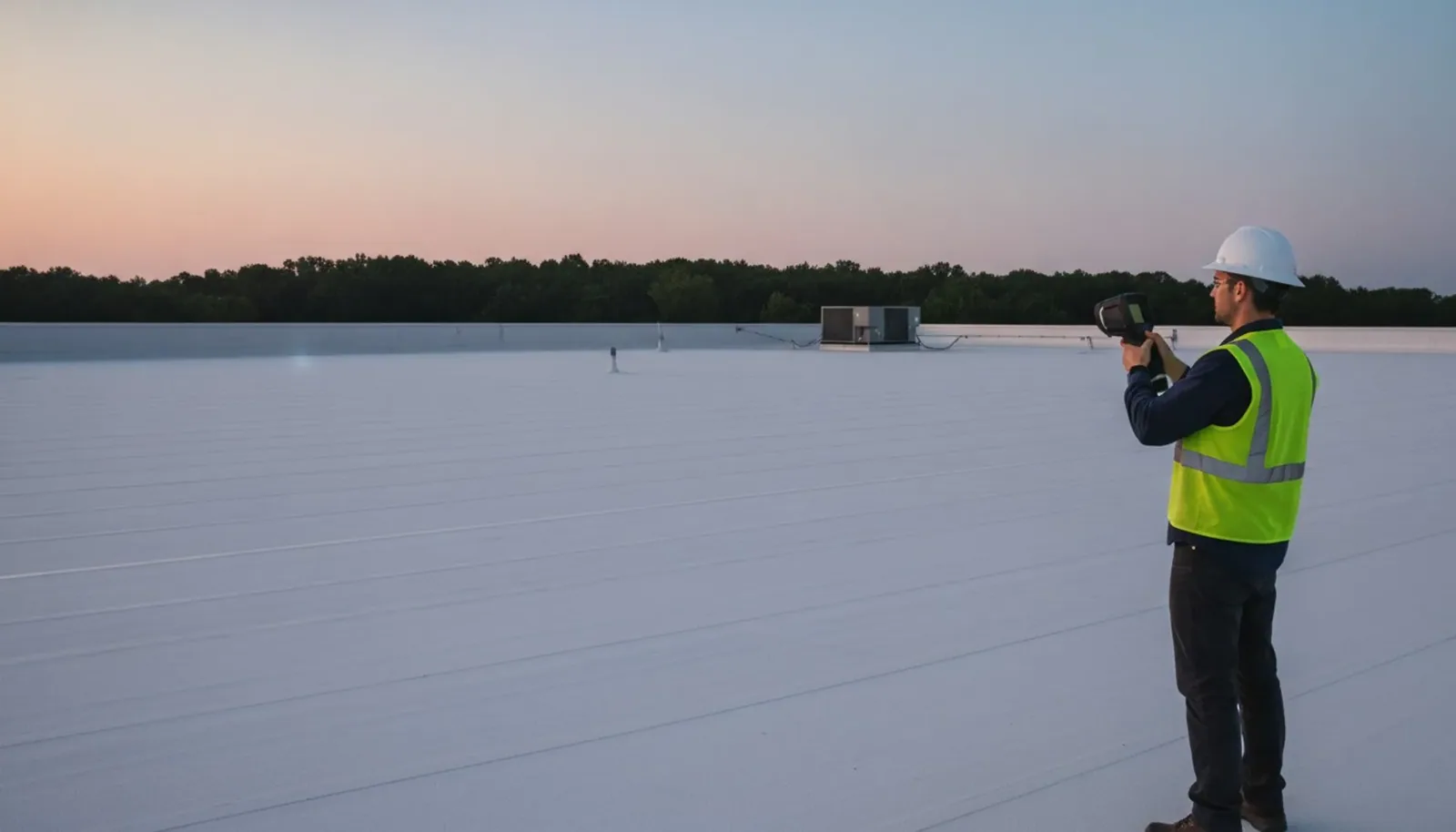
For a large roof, an infrared moisture survey can help prioritize test locations when the surface and conditions support useful readings. A drainage repair may be included where outlet or scupper condition is separate from the membrane choice. Both investigations feed one roof plan so removal, slope, and seam details can be priced together.
Control Preparation, Welding, and Site Conditions
Before a PVC installation, we verify substrate preparation, insulation fastening, cover-board joints, sheet orientation, and flashing dimensions. The roof surface must be ready for the specified system and dry enough for the attachment method. We stage only what can be installed or protected that shift. On an occupied property, the daily work boundary is closed against weather before the crew leaves.
Temperature, wind, and moisture affect welding and material handling. Hot afternoons require attention to worker conditions and the membrane manufacturer’s application limits. The crew checks sample welds, adjusts equipment to the actual sheet and weather, and verifies seams as the work advances. A change in sheet lot, surface contamination, or machine travel can alter the result, so quality checks are documented by area.
Where existing materials will be removed, we set a sequence for debris, staging, and protection of intakes or equipment. If the membrane specification calls for a vapor retarder, cover board, or particular fastener pattern, those components are shown in the submittal before field installation. A replacement project also needs perimeter and curb elevations checked so the finished assembly closes at the correct height.
Compare PVC With Other Assembly Options
Repair may be preferable when a puncture or seam defect is isolated, the sheet remains weldable, and the substrate beneath it is sound. A larger restoration or replacement can be warranted where chemical exposure has affected broad areas, moisture is distributed through the insulation, or attachment has failed. We mark the repair boundary and show the owner which findings drive each option.
In some applications, a TPO system may suit the building, while a PVC product may be selected for a documented exposure requirement. The product specifications and facility conditions control the comparison. A modified-bitumen assembly may also be considered for a different roof design or project constraint. The estimate compares assemblies, layers, edge details, and future maintenance instead of presenting membrane names without context.
For a repair, we identify preparation, compatible sheet, weld length, flashing, and any insulation replacement. For a new roof, the submittal identifies attachment, seams, perimeter construction, penetrations, and drainage transitions. The owner can compare installation and service implications, with concealed conditions listed separately.
Keep Exposure and Repair History With the Roof
Closeout records the membrane type, seam checks, edge details, drains, penetrations, and any areas left for future testing. Photos should show where the repair sits in the roof plan, not only a tight shot of the finished weld. The facility team can use that record to revisit exhaust zones and other places where deposits or maintenance traffic may change roof condition.
Regular review checks seam edges, surface wear, flashing corners, drain outlets, and the condition around equipment. A maintenance inspection can capture those changes and identify repairs while the affected area is still manageable.
Send roof plans, repair history, and available information about rooftop exhaust or cleaning conditions when requesting an assessment. We will review the membrane field and details, document what the building exposes the roof to, and outline repair or installation choices that fit the confirmed conditions.
Commercial Roofing Questions
Is PVC roofing resistant to grease and chemicals?
Some PVC formulations suit certain exposures, but compatibility depends on the exact product and substance. We document what reaches the roof and compare it with published chemical-resistance information before specifying a system.
How do you check a PVC seam after installation?
The crew verifies prepared material, sample welds, machine settings, and finished laps. We probe or otherwise inspect the seam as the specification requires and record the check by roof area.
Can PVC be installed over an older roof?
A recover is considered only when the existing layers are stable, dry, and compatible with the proposed attachment and height. We inspect the assembly and identify wet material or weak details that should be removed first.
What causes PVC membrane seams to open?
Contamination, incomplete welding, movement, poor preparation, or a detail that concentrates stress can affect a seam. We inspect the failure and surrounding attachment before choosing a patch or larger correction.
Should the owner choose PVC based on the building’s industry?
Industry can suggest questions about exhaust and cleaning, but it does not establish a roof exposure by itself. The owner’s process information and the selected product’s compatibility data should guide the choice.