A membrane sample tells only part of the story when an owner is comparing KEE with standard PVC. Ketone ethylene ester is blended into the PVC formulation, but product properties and performance requirements vary by manufacturer. We review the exact proposed membrane, roof condition, and exposure at the building before describing what the system can support. The name alone is not a reason to replace a stable roof.
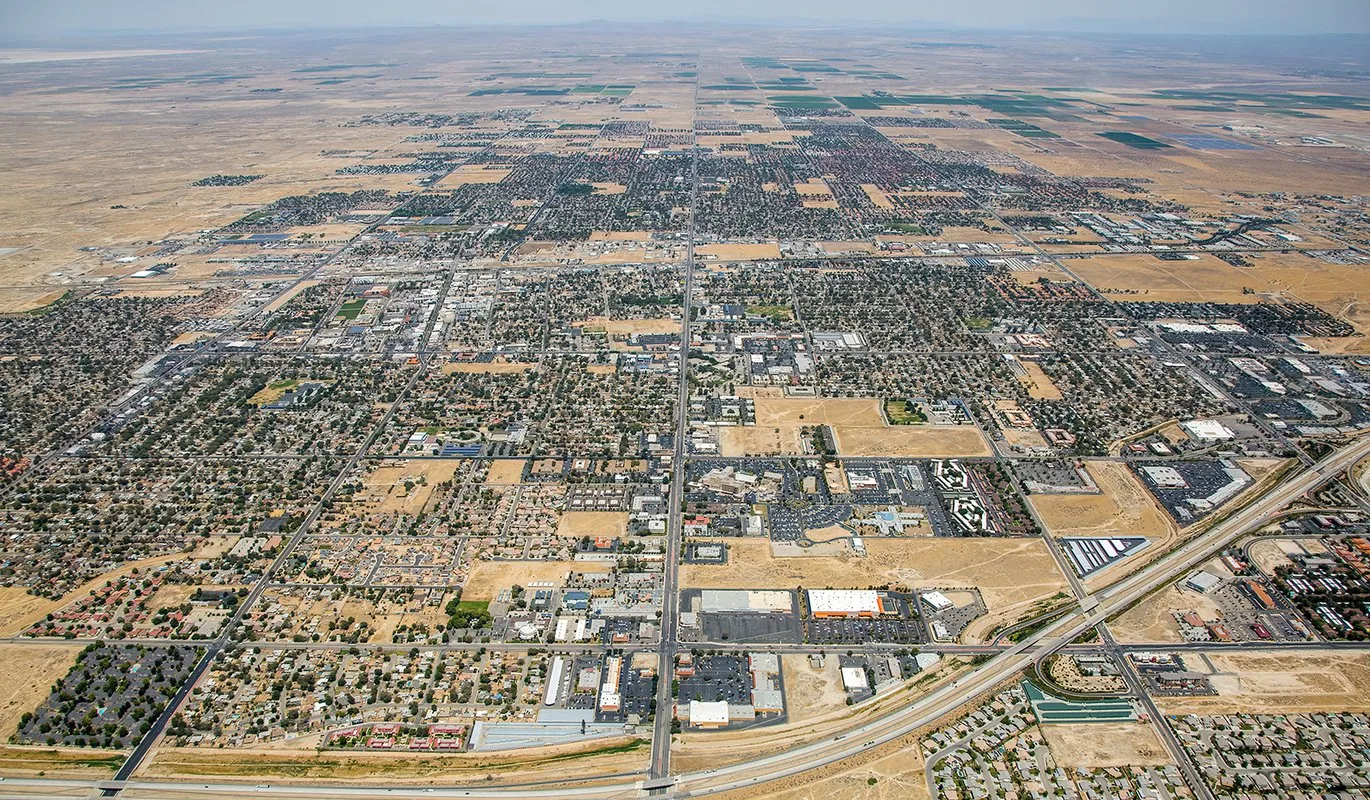
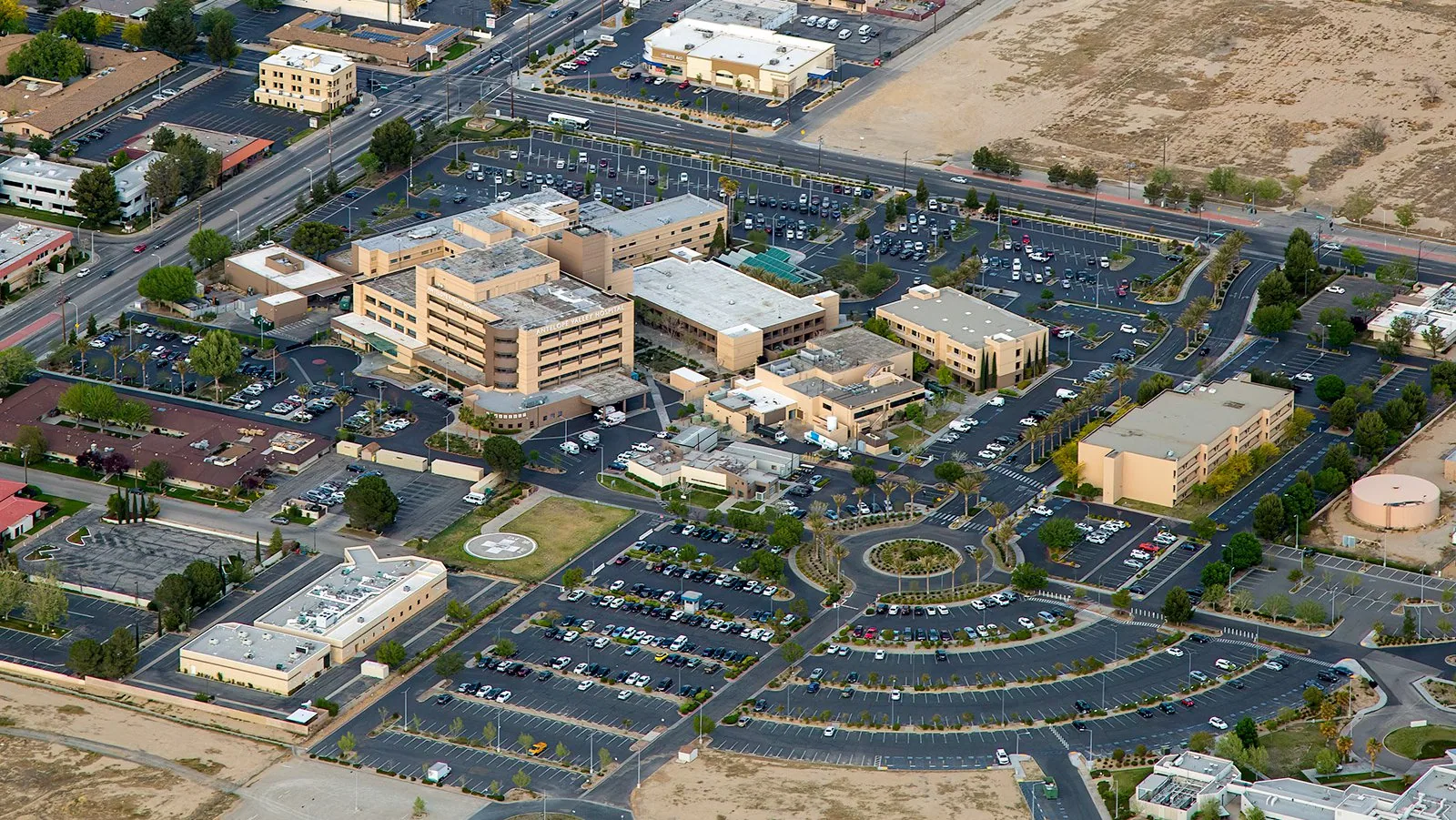
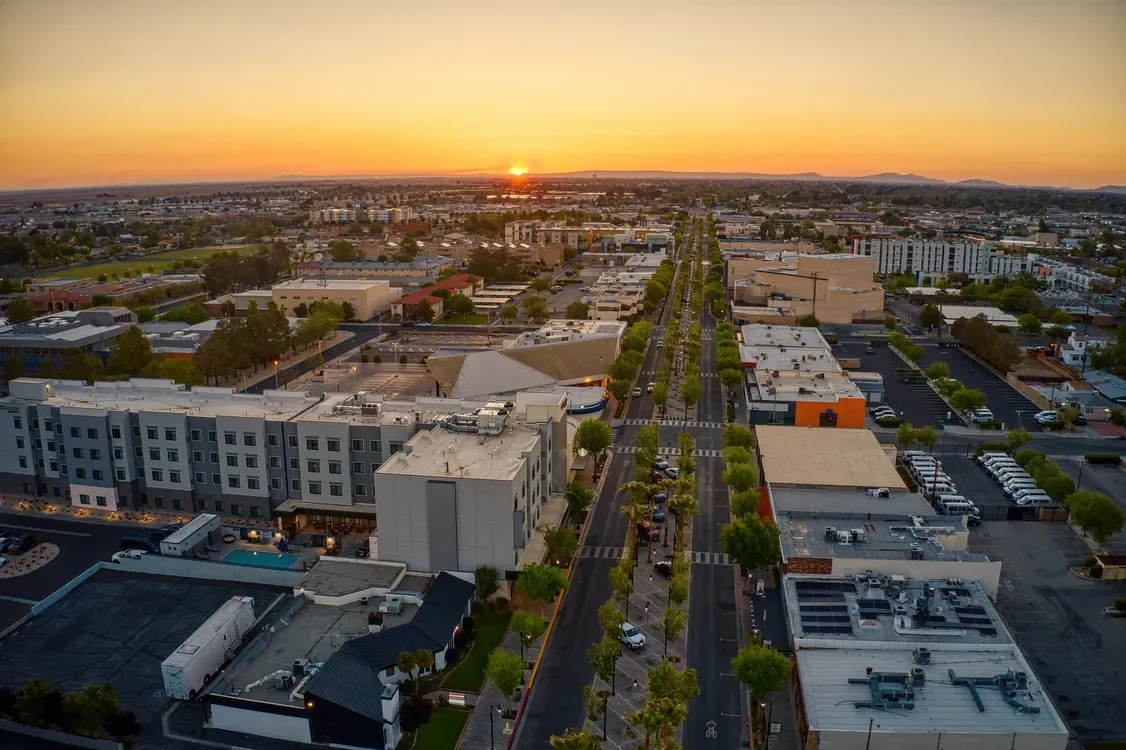
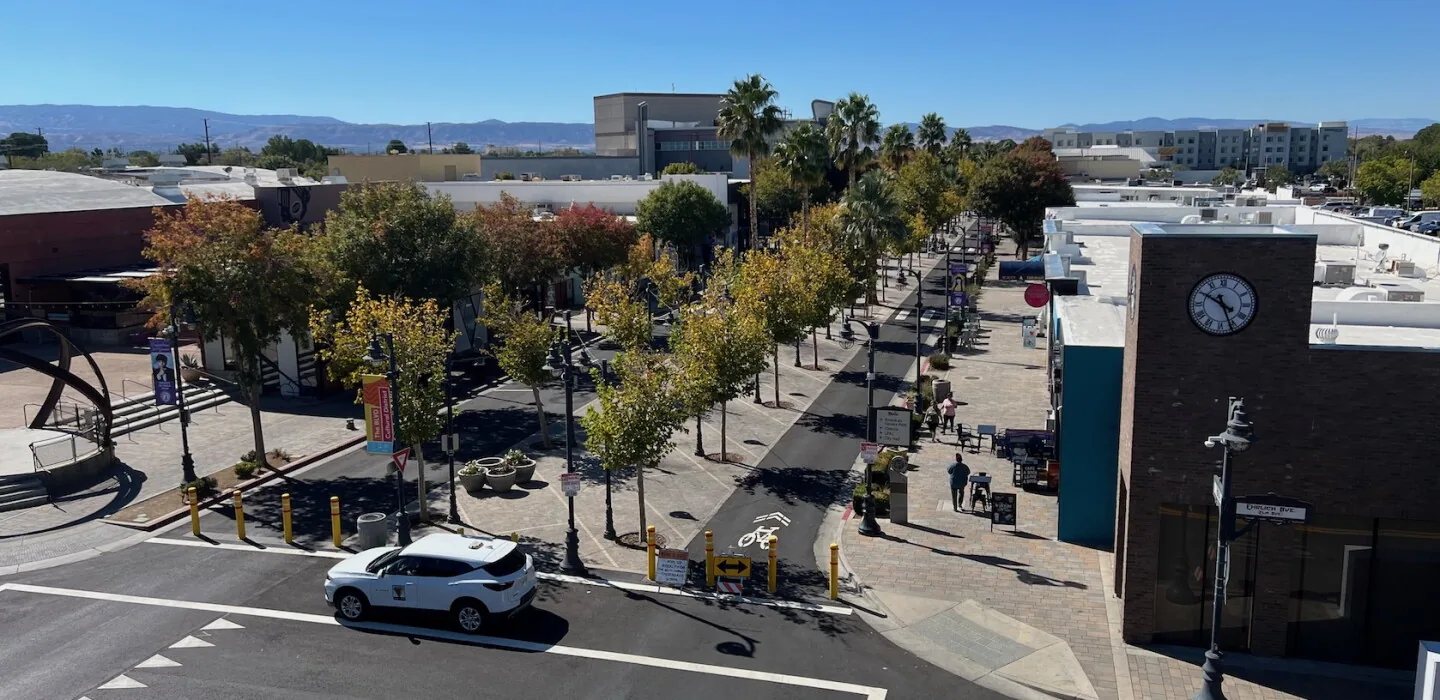
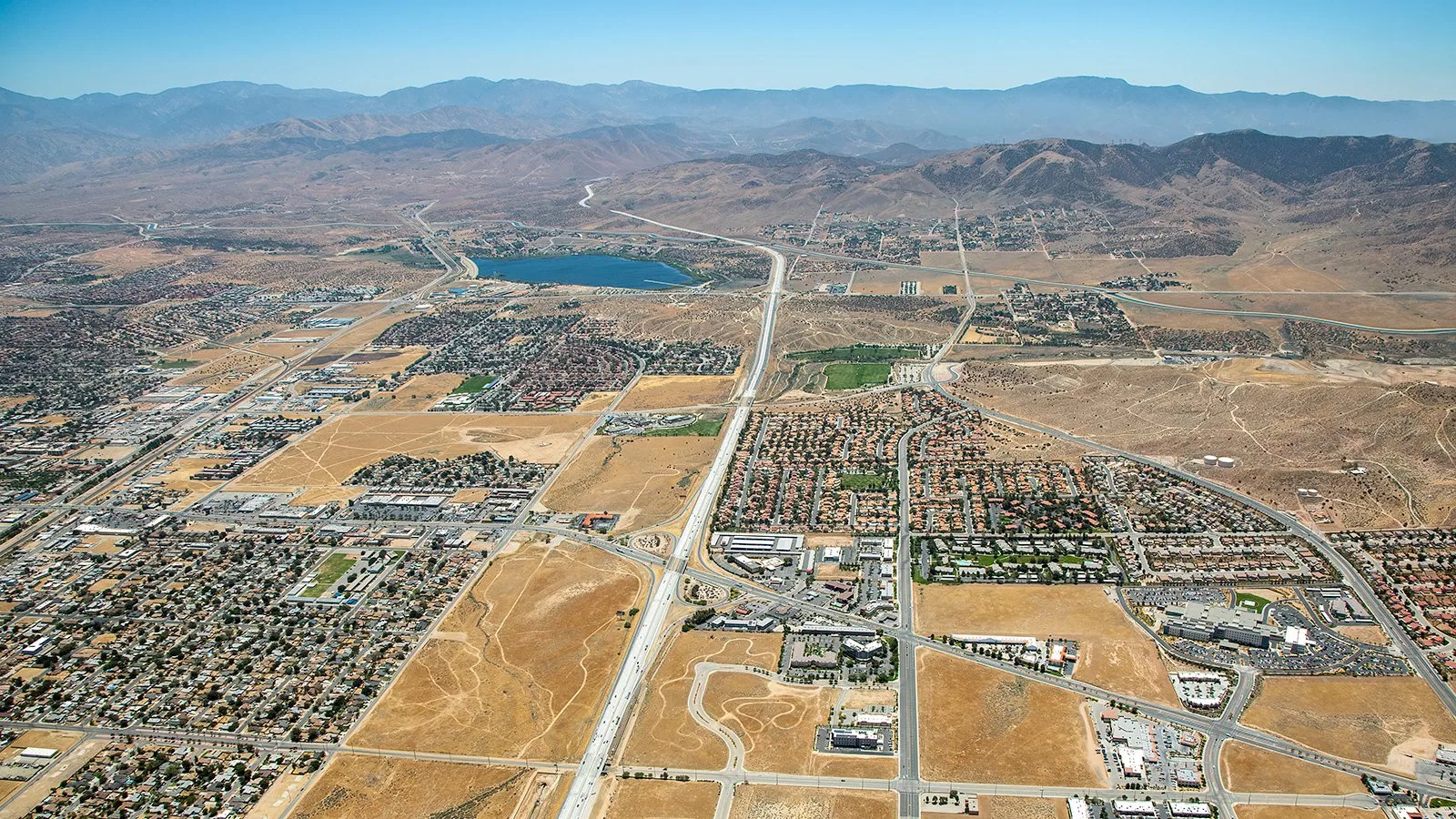
Lancaster has planned medical, office, industrial, and commercial areas with different equipment and service patterns. The Lancaster Health District plan allows medical offices and supporting commercial uses, while the inventory at Enterprise Business Park includes office, light-industrial, and retail buildings. Those land uses guide inspection questions; the membrane selection still follows the actual roof and any documented exposure.
Read the Product Data Alongside the Roof Record
KEE is a PVC-alloy membrane, but manufacturers may specify different reinforcement, thickness, surface treatment, and accessory details. We identify the exact product proposed and check its technical documents before comparing it with an existing membrane. The roof record should show current seams, flashings, patches, attachment, insulation, and drainage, so the owner can evaluate a real assembly rather than a product label.
Where the roof sees grease, oils, or other process residue, the product’s published resistance information needs to match the substance and exposure conditions. We ask what reaches the surface, how it is removed, and whether heat or water concentrates it around a fan or curb. A general statement that a membrane resists chemicals does not establish compatibility with a specific plant process. We document the known conditions and identify any unanswered product question for the design team.
Material selection also depends on the substrate and planned roof method. A new mechanically attached field, an adhered recover, and a replacement over new insulation each have different details. We check the specified attachment, seam layout, perimeter and penetration components together. A comparison with PVC roofing or TPO roofing should state where the products differ and what those differences mean for this roof.
Inspect the Transitions That Carry Movement
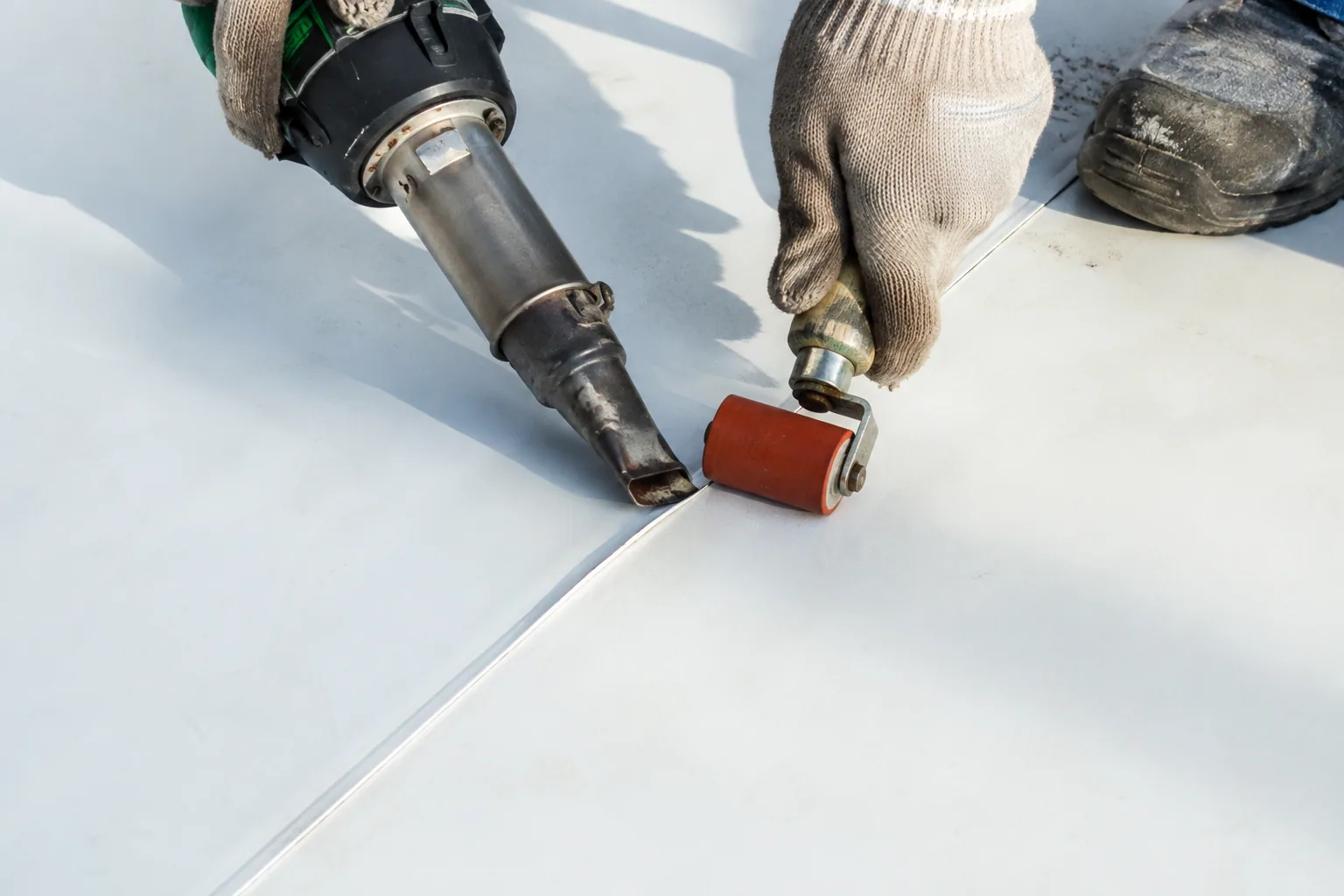
Thermoplastic seams join through heat welding, and a stable weld needs compatible material, preparation, and settings. We inspect laps for contamination, weak edges, stress at corners, and old patches that conceal the original condition. Representative seams can be tested before a broader repair begins. If the membrane surface has aged or carries residue, a test area helps determine whether a new weld is appropriate.
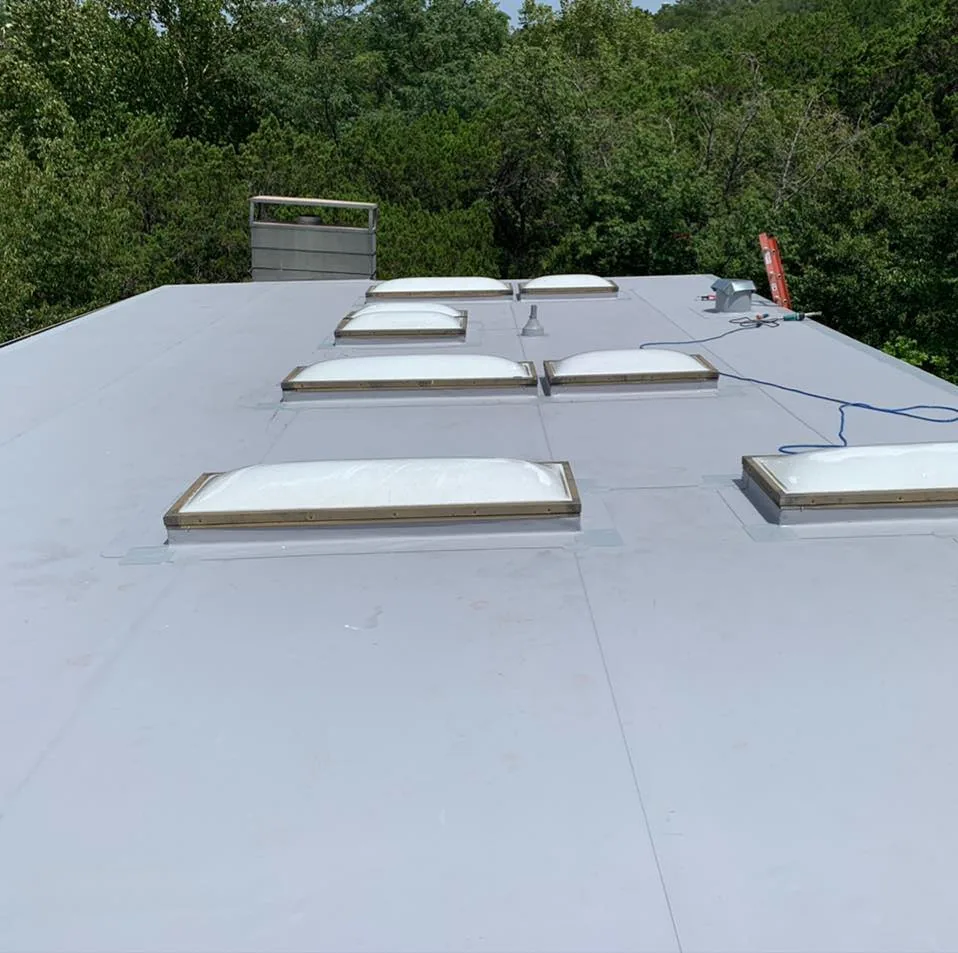
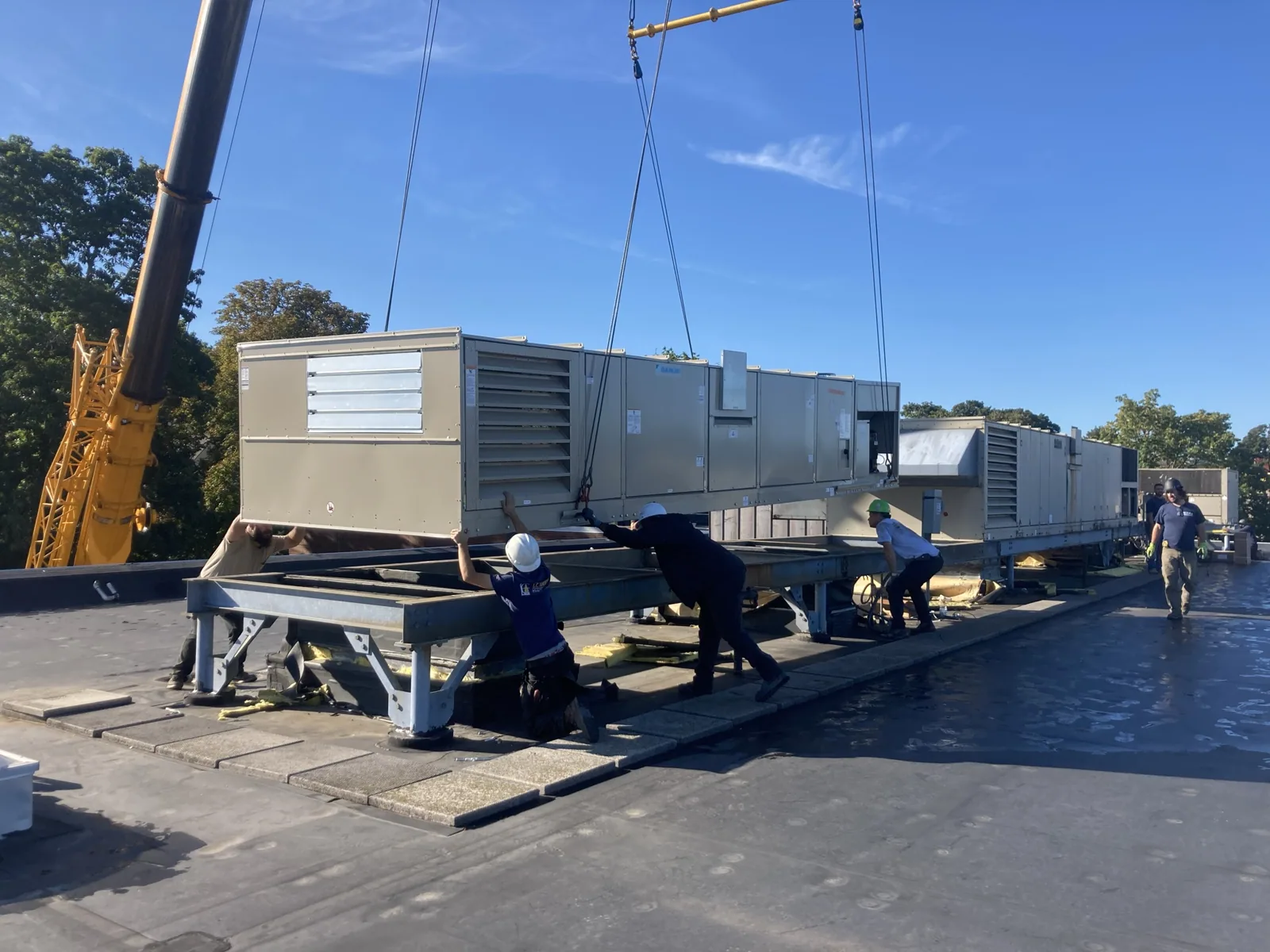
Curbs, roof edges, drains, and expansion joints see a mix of temperature movement and foot traffic. We review flashing height, secure terminations, sheet direction, and how water passes each transition. At a curb, the membrane should not be asked to absorb equipment movement that belongs to an unstable frame or support. A curb and support assessment can identify whether the mechanical assembly needs adjustment before roof flashing is restored.
Where a seam opens repeatedly, we compare the failure with the attachment pattern and underlying board. Rewelding a local section may work if the sheet and substrate remain sound. Repeated separation at multiple edges can point to broader movement or attachment concerns. The report distinguishes a surface defect from an assembly issue so the repair choice has a clear basis.
Account for Lancaster Heat and Water Paths
Lancaster’s summer heat places repeated stress on exposed roof surfaces, but the assembly’s response depends on color, insulation, attachment, shade, and ventilation. We review seam orientation and metal transitions where sheet movement concentrates. The local weather record also shows a large range between winter and summer overnight lows. That seasonal shift is relevant to flexible details, yet field condition and manufacturer instructions still control the repair.
Drainage has to work with the finished membrane height. We inspect sumps, roof drains, scuppers, overflow outlets, and tapered areas before installation. If new insulation changes elevation, curb flashing and perimeter terminations may need adjustment. A drainage correction can be coordinated with membrane work when a blocked or poorly aligned outlet contributes to water retention.
Medical or retail tenants may also have restrictions on odors, shutdowns, or interior access. The project contact identifies those constraints before the crew selects the installation window. For a clinic in the Health District, roof work may require coordination with facility access and ventilation; that schedule is set for the particular building, not inferred from the district’s land-use plan.
Define the Work Boundary Before Covering the Roof
A localized KEE repair is appropriate when the weldable sheet remains sound, the failed area is limited, and the underlying layers can support the patch. If moisture extends into cover board or insulation, removal may need to reach a wider dry boundary. We use test results and visible conditions to define the scope, then record areas that remain untested rather than treating them as confirmed dry.
For a larger project, recover may be considered if the existing roof is stable, dry, and compatible with the proposed attachment. Replacement is more likely where the deck needs repair, insulation is broadly wet, or several seam and flashing failures share a common cause. A moisture survey can help choose test areas where roof conditions support a meaningful scan; cores confirm the material at each selected point.
The proposal separates membrane, insulation, cover board, metal, drains, equipment coordination, and testing. It states what is included and what would change the work after opening. Replacement planning or recover evaluation can compare the full assembly when a patch is no longer an adequate capital answer.
Document the Installed Product and Its Details
Before work starts, the approved submittal should identify the membrane and accessory package, seam method, attachment, insulation, and edge details. We check the surface preparation and representative weld before continuing across a section. The daily work boundary is limited to what can be protected at the end of the shift, with roof access and equipment coordination set in advance.
Closeout records the product, seam checks, perimeter work, drain transitions, and any areas needing future review. Photographs are labeled by roof zone and include context around the detail. The owner can keep those images with the submittal and maintenance record rather than rely on the membrane name alone to locate later work.
Future inspections check seam edges, penetrations, traffic wear, drains, and exposed flashing. A maintenance visit can compare the current condition with closeout photos and identify changes at the same locations. Provide the roof history and product specification when requesting an assessment; we will inspect the assembly and compare the available repair and replacement paths.
Commercial Roofing Questions
How is KEE different from standard PVC roofing?
KEE is a PVC-alloy formulation that includes ketone ethylene ester, while the full product construction varies by manufacturer. We compare the exact technical data, reinforcement, thickness, accessories, and exposure requirements for the proposed project.
Is KEE the right choice for a Lancaster industrial roof?
The industrial land use helps identify possible equipment or service routes, but it does not establish what reaches the membrane. We review the actual process exposure, roof condition, and product data before recommending a system.
Can KEE membrane be welded to an existing PVC roof?
Compatibility depends on the specific sheets, age, surface condition, and manufacturer instructions. We identify the existing membrane, prepare and test a representative location, and specify a transition detail that can be verified.
What roof conditions make a KEE patch unsuitable?
Wet insulation, unstable cover board, widespread seam separation, or a degraded surface can call for more than a local patch. Test cuts and seam checks help us set the repair boundary at material that can support the new detail.
Does a KEE membrane require special maintenance?
The installed product’s instructions set inspection and cleaning requirements. We record the membrane and accessories at closeout so a maintenance visit can check seams, drains, flashings, and areas exposed to rooftop service traffic.