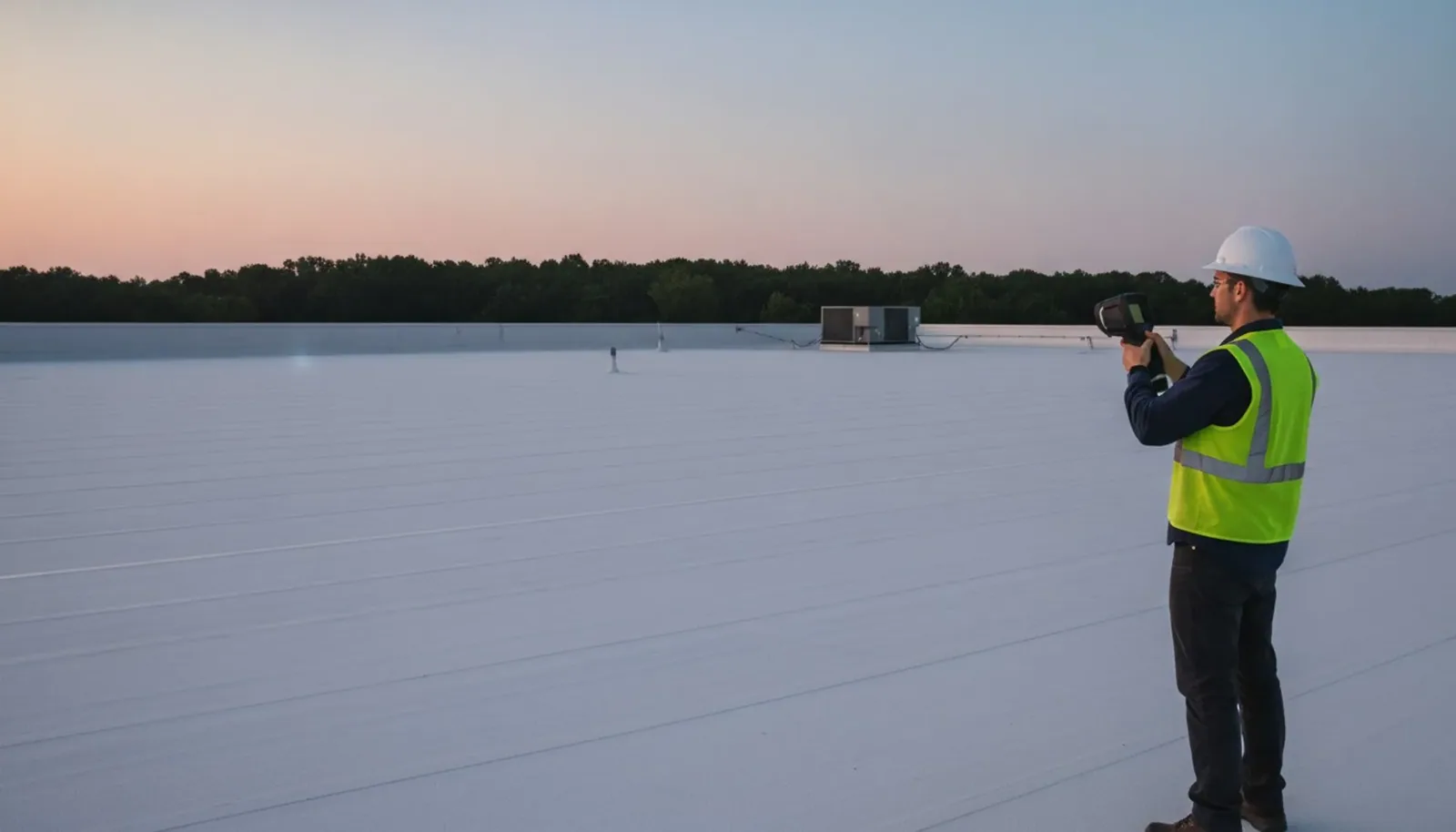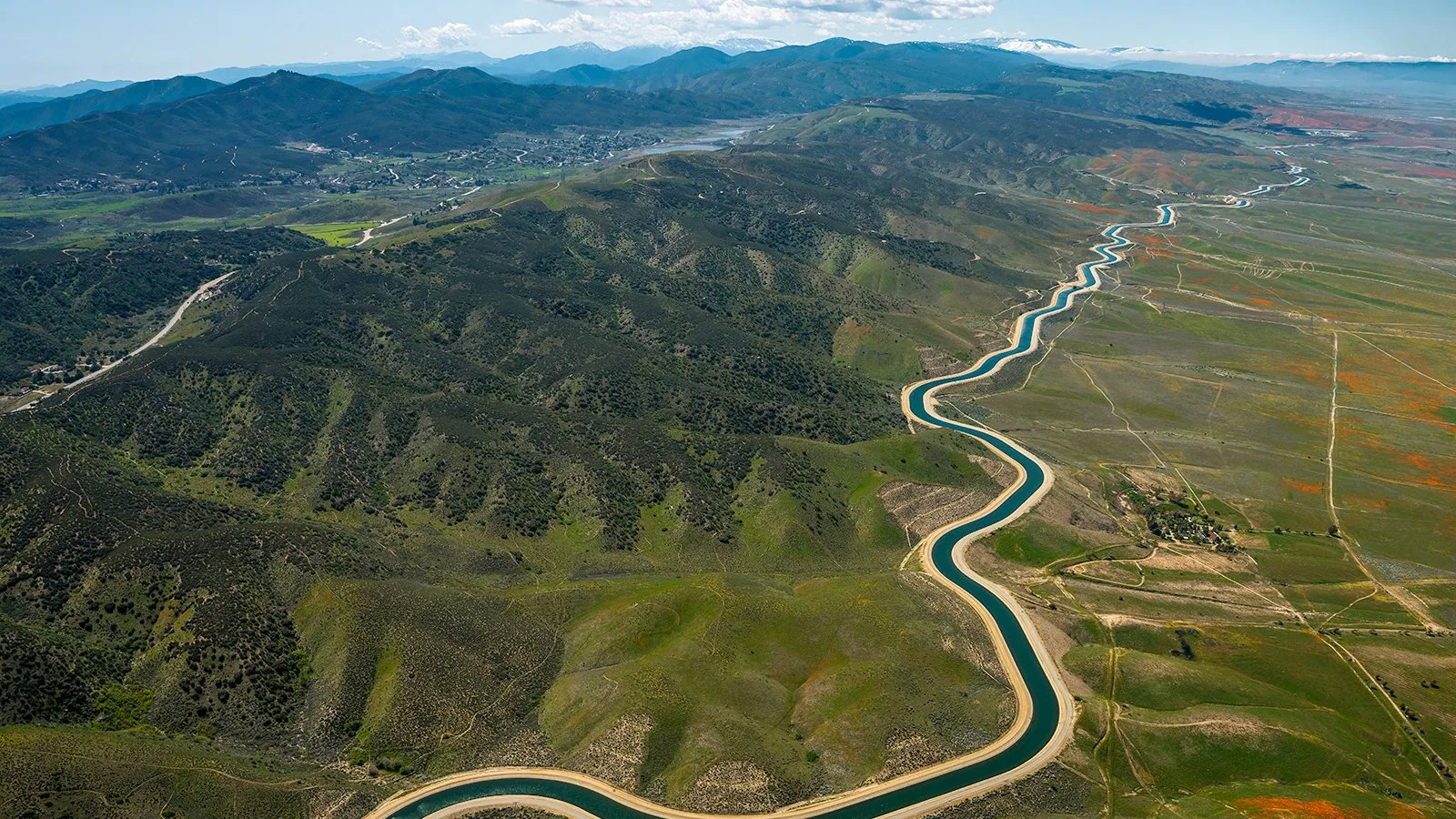
A manufacturing roof carries penetrations and service routes that change as production equipment changes. An exhaust curb installed years after the original membrane may now sit beside a patch or a drainage low point. We map those conditions, inspect the transitions, and identify which defects threaten the roof assembly versus which can be handled in planned maintenance. The report gives the facilities lead a clear work boundary before repairs affect production schedules.
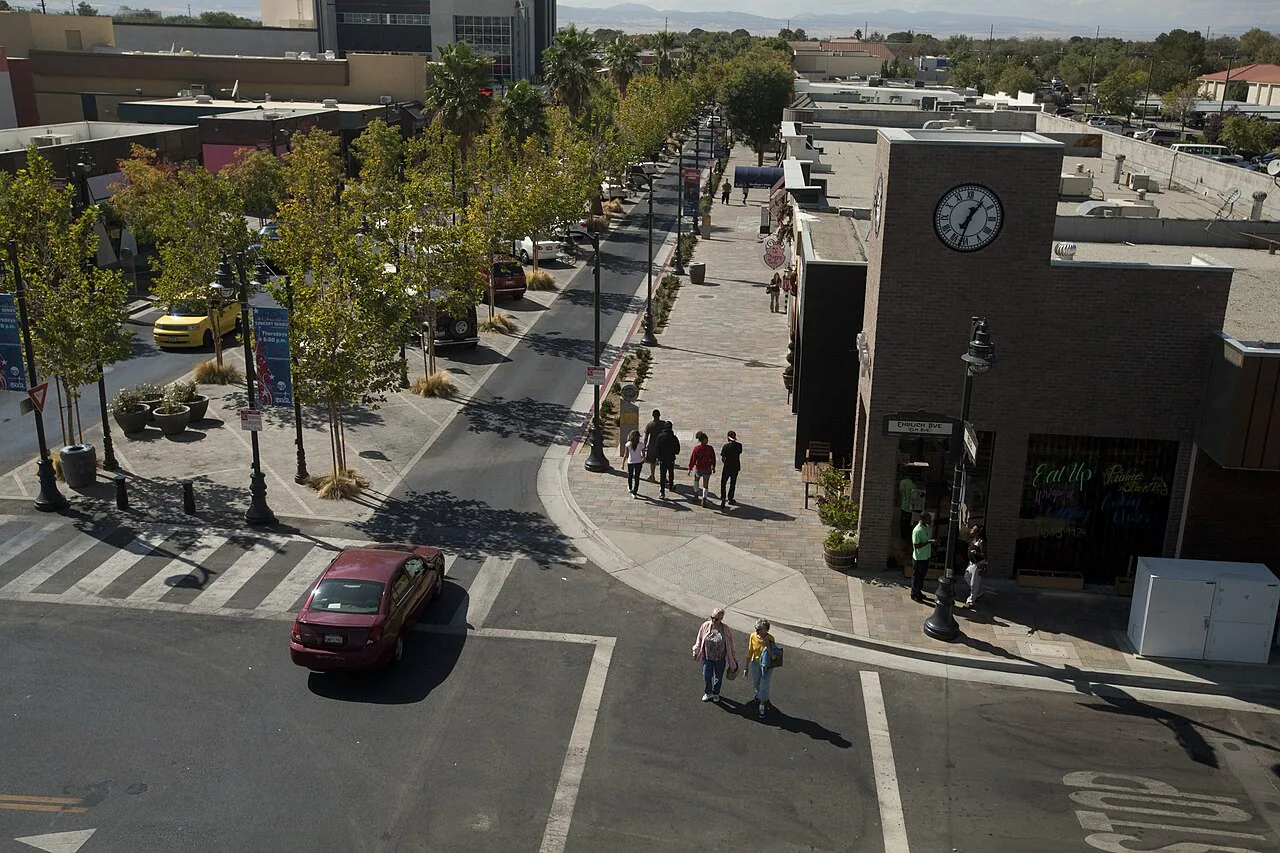
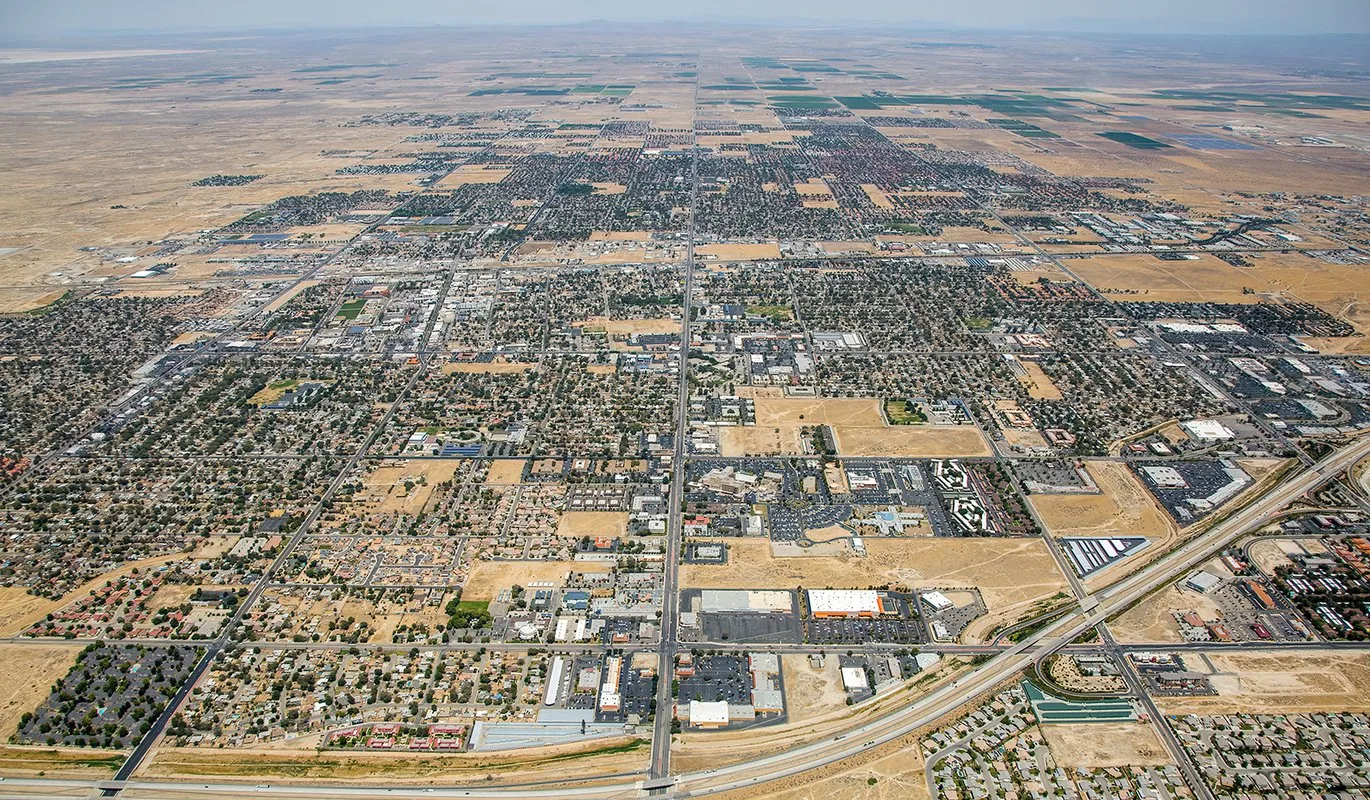
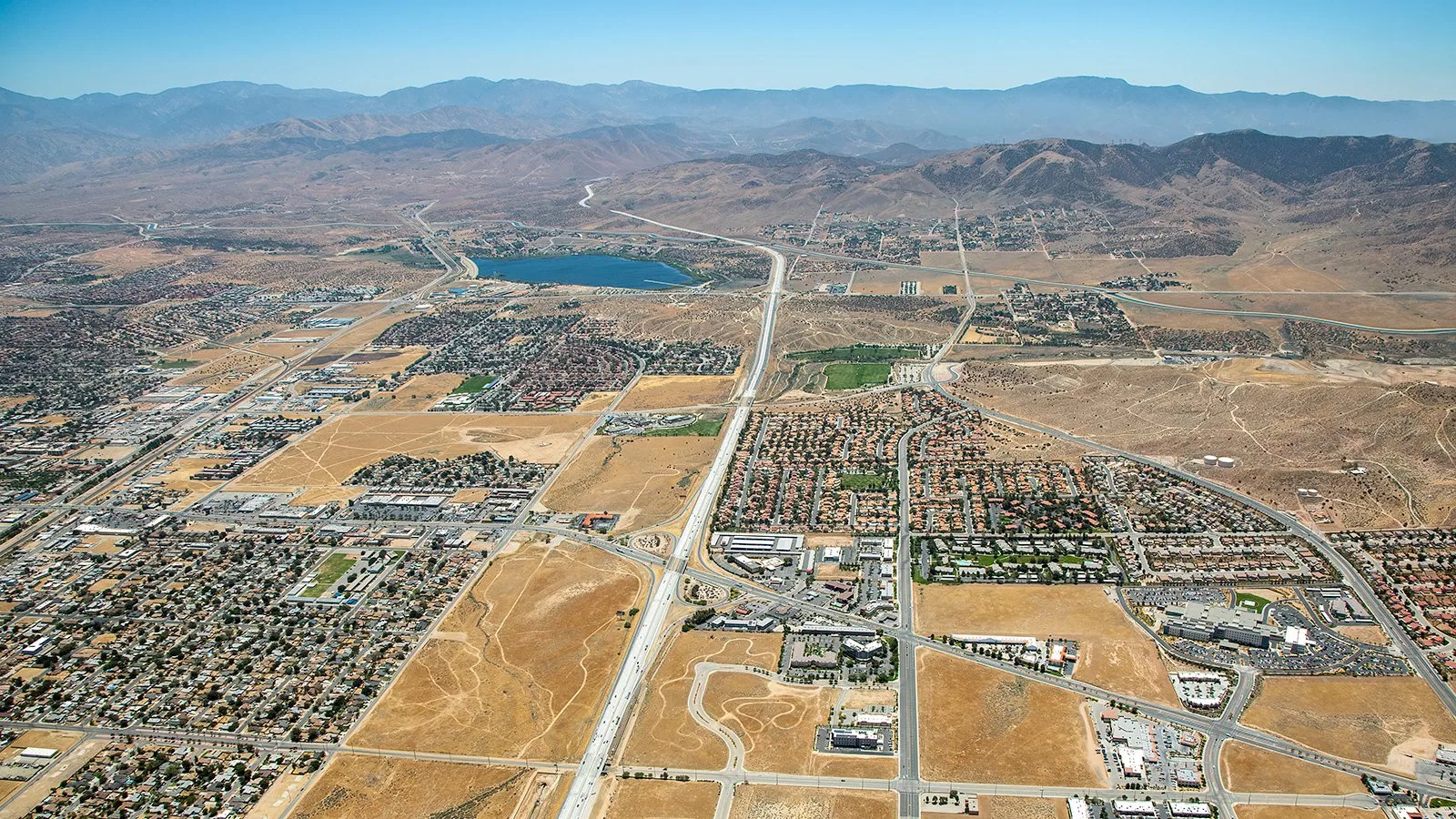
Lancaster planning identifies Fox Field and North Lancaster as industrial areas, with the local inventory classifying North Lancaster Industrial Center as heavy industrial. The neighboring Palmdale economy includes aerospace and advanced manufacturing. Those settings make roof access, exhaust, and equipment coordination relevant, but each facility still needs a direct condition review. We inspect the roof in operating zones and tie recommendations to observed construction.
Trace Roof Details Around Plant Equipment
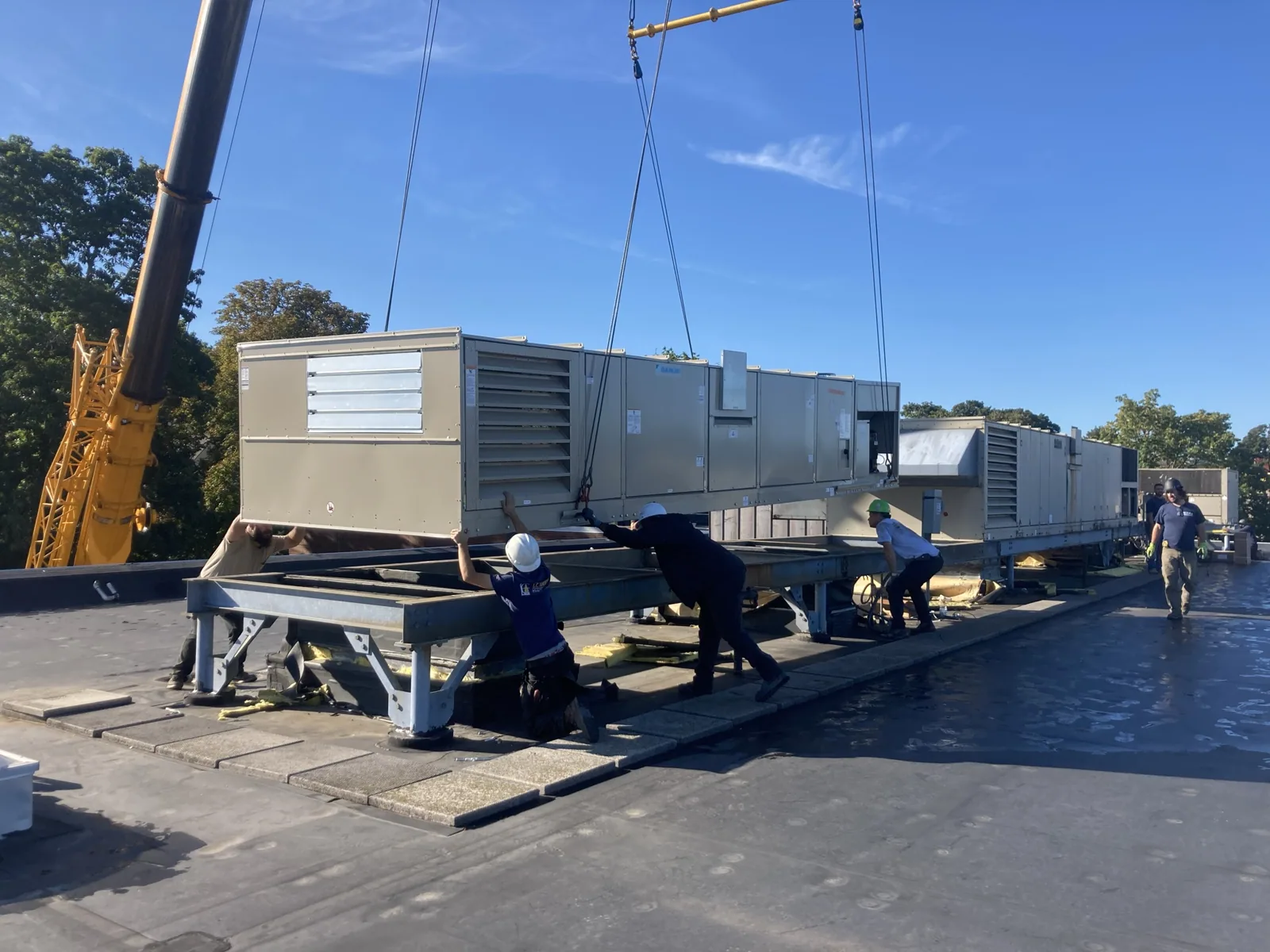
Exhaust stacks, make-up air units, process piping, and electrical supports interrupt the membrane in different ways. We inspect curb corners, flashing height, counterflashing, sealant, and any movement where a support meets the roof. A pipe boot exposed to heat or vibration may need a different repair from a separated membrane seam. We document each item by location and note equipment that will need to be isolated before a roofer can work around it.
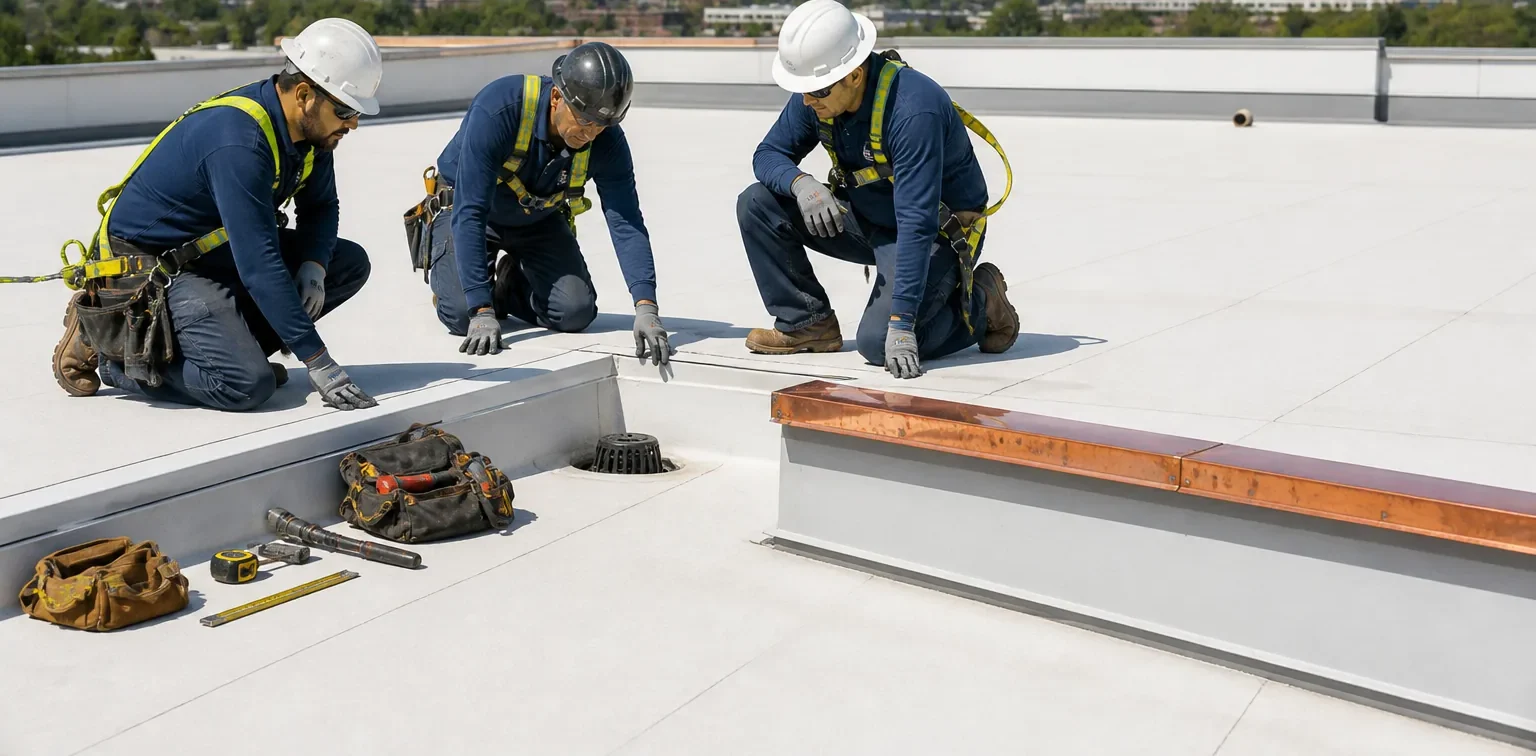
Plant additions can leave abandoned penetrations, patched curbs, and roof sections built at different times. The North Lancaster Industrial Center designation reflects an industrial district, but does not establish the condition or age of any individual roof. We compare the field with available plans and identify places where a later addition changed the water path. An equipment curb inspection can define which openings need repair before new units or supports are installed.
Inspect Seams Under Repeated Heat
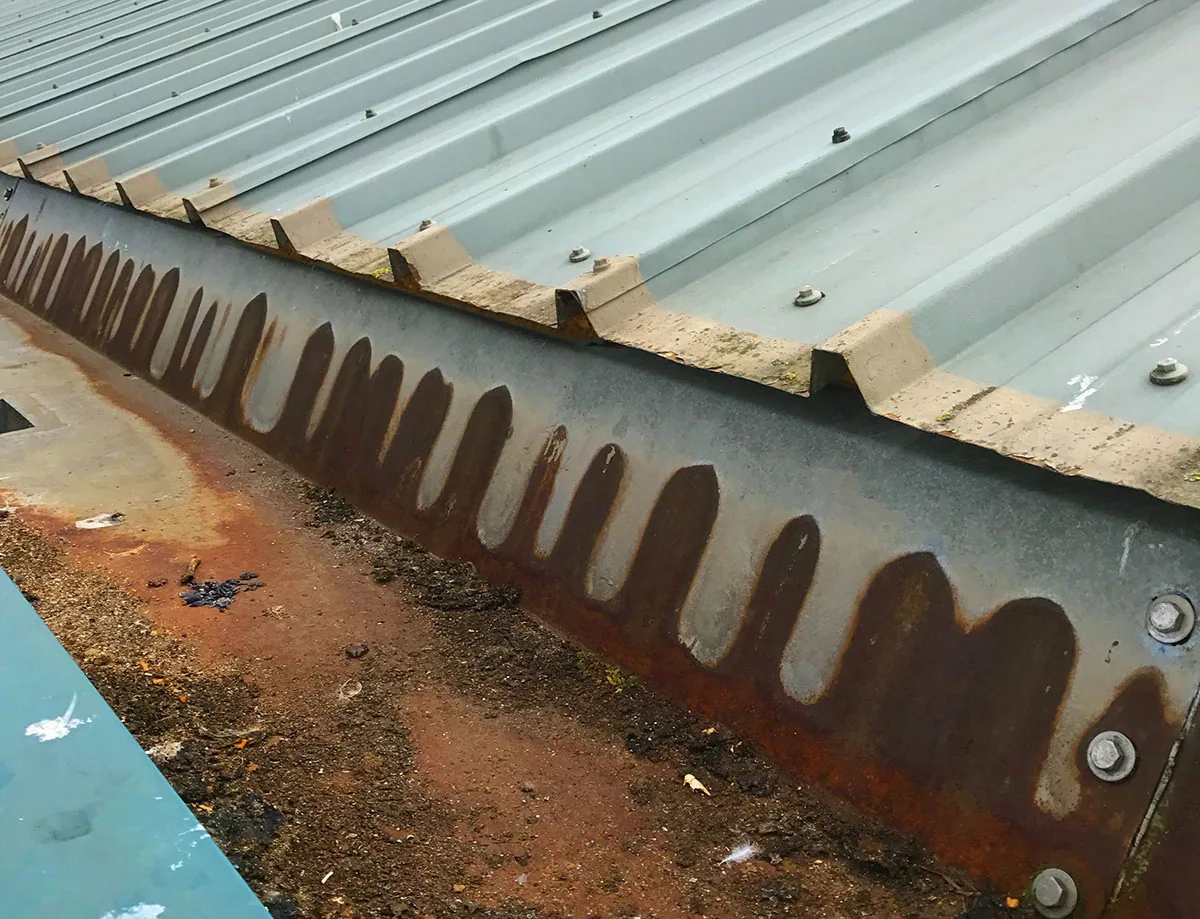
The temperature swing shows up across a Lancaster year: at Fox Field, the normal January daily low is 31.3 degrees and the July low is 67.2 degrees. Warm nights mean roof details continue releasing heat after sunset. We check seam edges, fasteners, and curb flashing for movement at those transitions. We look for lifted welds, open terminations, cracked sealant, and fasteners that have loosened as materials cycle. A visible split may mark a single repair, or it may repeat at similar details across the roof.
The distinction affects the budget. We test representative seams and compare them with areas that have not failed. If movement is concentrated around a single curb, compatible flashing repair may be sufficient. Repeated separation at roof edges, expansion joints, and multiple penetrations can point to broader assembly or attachment work. A roof inspection with mapped findings records the pattern and the repair boundary, giving the owner a basis to decide whether work can wait for a shutdown window.
Keep Process Water and Roof Runoff Separate
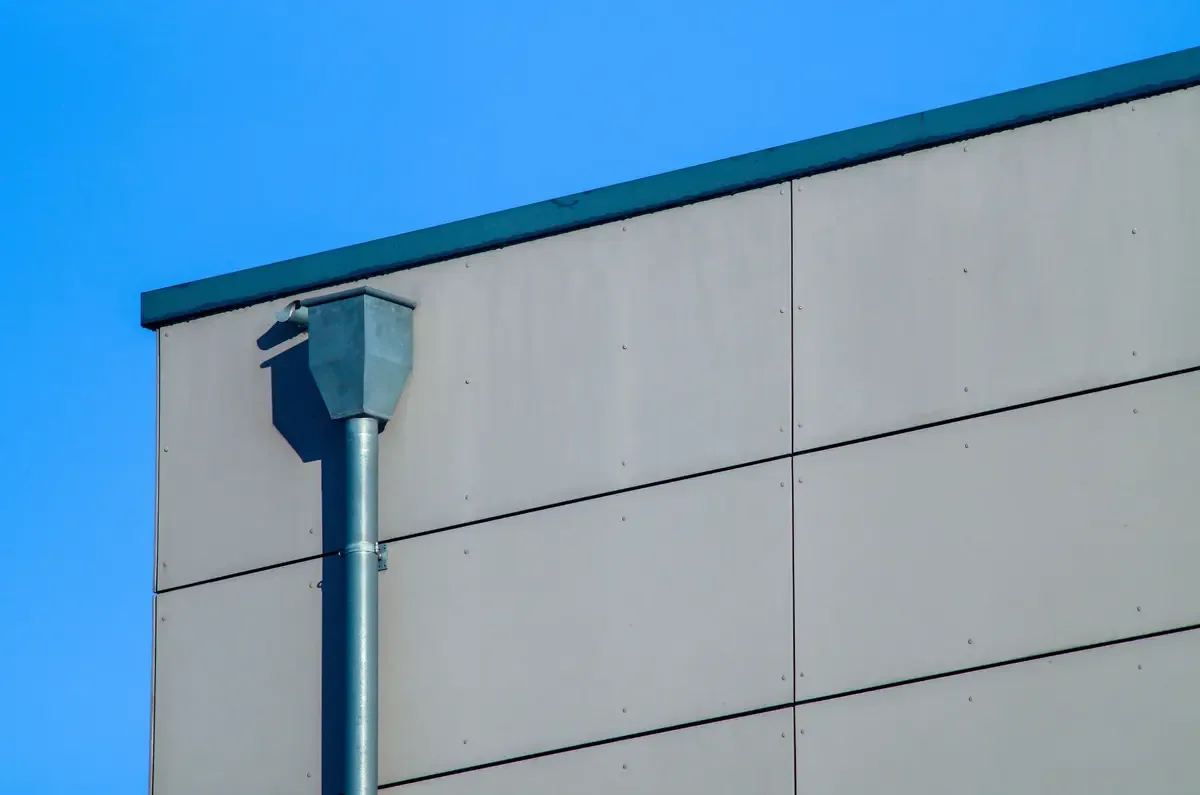
Manufacturing sites may have interior process drains, roof drains, and equipment condensate that follow separate routes. We inspect the roof outlets, overflow paths, and nearby membrane before treating a recurring wet area as a surface defect. Condensate lines should discharge where intended rather than onto seams or walk paths. When water repeatedly reaches an edge or curb, we trace it to the source and identify whether a plumbing change, drain correction, or membrane repair belongs in the scope.
Lancaster's normal annual precipitation is 6.81 inches, and most normal rainfall falls from November through March. A clear outlet still matters because a blocked drain can hold water over a seam between service visits. A roof drain repair can restore the outlet, while periodic maintenance checks can remove debris and photograph the same low areas. We separate routine clearing from repairs to the bowl, slope, or overflow so costs reflect the work required.
Confirm What Has Reached the Lower Layers
A small leak near an exhaust fan can wet a much larger area of insulation if water travels along the deck. We compare ceiling reports, surface staining, membrane transitions, and thermal readings before selecting test locations. An infrared moisture survey can help prioritize cuts when weather and roof conditions allow reliable readings. Physical openings confirm the layers and deck at the sampled points, so the proposal can separate verified removal from sections that have not been opened.
Production areas may contain equipment that cannot tolerate dust, dripping water, or an unplanned shutdown. We identify the interior risk under each test or repair area, coordinate the sequence with plant staff, and describe temporary protection before cutting the roof. When saturated insulation or corroded deck extends beyond a curb, a localized patch cannot restore those layers. The owner can compare targeted removal, recover, or replacement using the same tested boundary.
Set Work Windows Around Production
Repair timing depends on roof temperature, product cure, equipment access, safety controls, and the plant's operating calendar. We can isolate a small leak repair, stage a section-by-section replacement, or coordinate around planned equipment maintenance. Emergency response is available at all hours, including holidays, when active water threatens production or electrical systems. For scheduled work, the plan identifies which equipment must be protected and who needs to approve access to each roof zone.
Palmdale's Antelope Valley Commerce Center lies near State Routes 14 and 138 and supports industrial activity across the region. Lancaster's Fox Field area also carries industrial planning designations. These nearby areas help frame the market's manufacturing context, while our scope stays specific to the facility being inspected. A Fox Field area assessment can address local industrial access needs. For sites with adjacent shipping bays, distribution center roof work requires similar coordination with active movement below.
Compare Repair, Recover, and Replacement
A durable recommendation starts with the assembly that remains usable. We review membrane type, attachment, insulation, cover board, deck, edge details, and roof loading before comparing repair, recover, or replacement. A coating may fit a stable, compatible surface, while widespread moisture or failed attachment can call for removal. The estimate separates confirmed work from concealed conditions that could change after opening. That helps an asset manager compare alternatives by boundary and operating impact instead of a single top-line description.
Where the plant has a separate warehouse or fulfillment wing, roof systems may differ between the production and storage areas. warehouse roof planning can help map that distinction, and TPO roofing details may matter when that membrane is confirmed in the existing assembly. Closeout records the repairs, photos, test locations, and maintenance needs. Those records support future reserve decisions without assuming that one roof section represents the whole site.
Commercial Roofing Questions
Can roof repairs happen while a plant is operating?
Some repairs can be isolated from production, while work over exhaust, electrical equipment, or sensitive processes may need a scheduled window. We identify the roof area, interior exposure, and access controls first, then agree on a sequence with the facilities contact.
How do you inspect a roof with many exhaust penetrations?
We map curbs, stacks, supports, and abandoned openings, then check flashing, sealant, membrane transitions, and water paths at each group. The condition record separates local repairs from repeated detail failures that may need a broader scope.
What does heat do to a manufacturing roof in Lancaster?
Lancaster's July normal includes 31 days with highs of at least 90 degrees. Repeated expansion and contraction can stress seams, edge metal, and flashing at fixed equipment. We inspect those transitions for movement and separation across representative roof zones.
When should a facility test for wet insulation?
Testing is useful when interior leak patterns, soft areas, or thermal readings point to moisture beneath the membrane. We select locations from the combined evidence and use test cuts to confirm the layers before writing a removal or replacement boundary.
Can a reroof be phased around production schedules?
Yes. We can divide the scope by roof zone, equipment group, or building wing and note protection, access, and weather dependencies. A phase plan should show how each finished section will connect to the next and how the site can keep critical operations running.