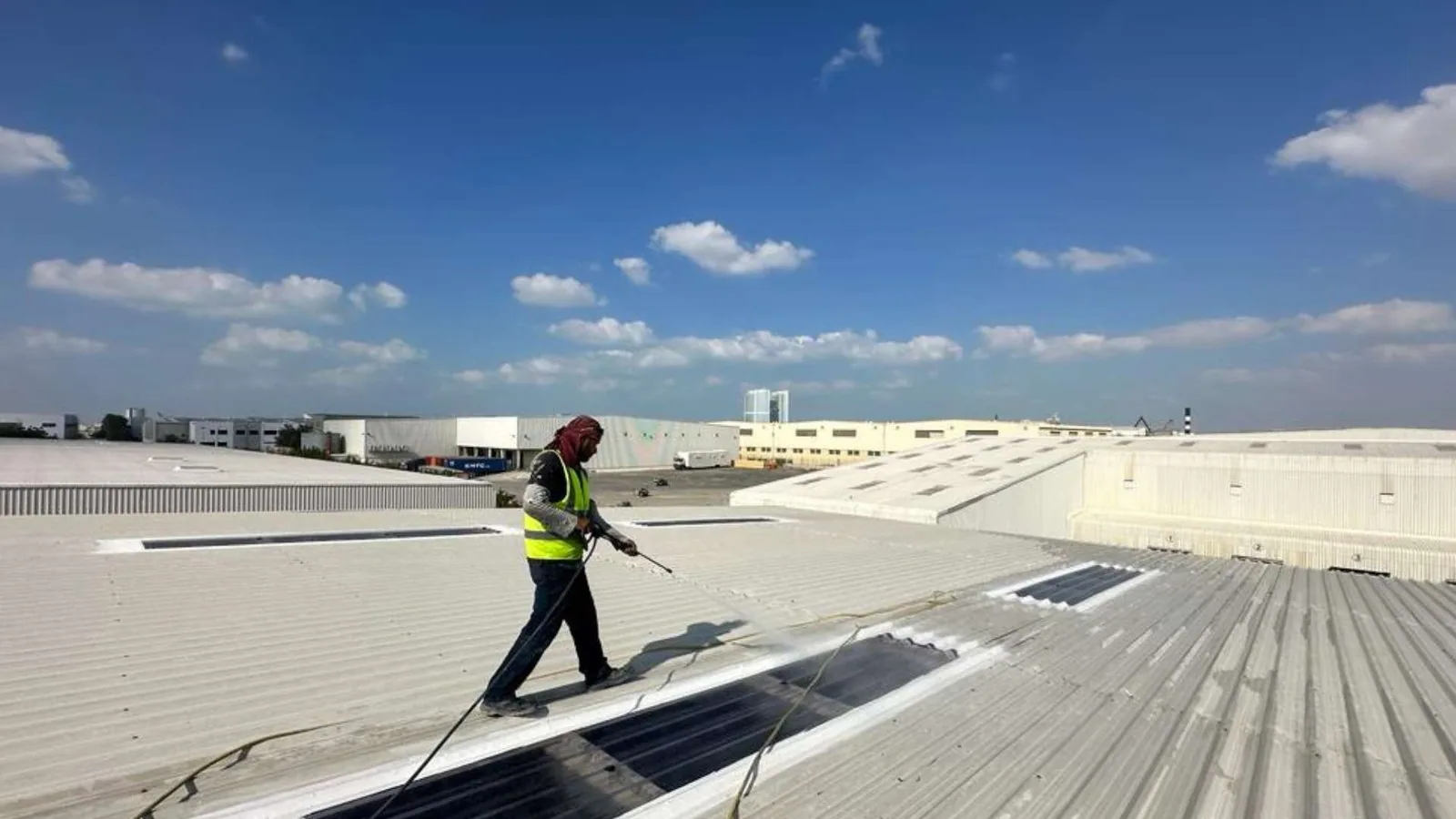
Water that cannot reach an outlet stays against the roof longer than the assembly is meant to handle. We inspect drains, scuppers, gutters, overflow routes, and the slopes that feed them, then identify whether the problem is debris, a failed detail, or a low area that needs correction. Clearing an outlet can restore flow; it will not fix a depressed deck or an improperly placed drain.
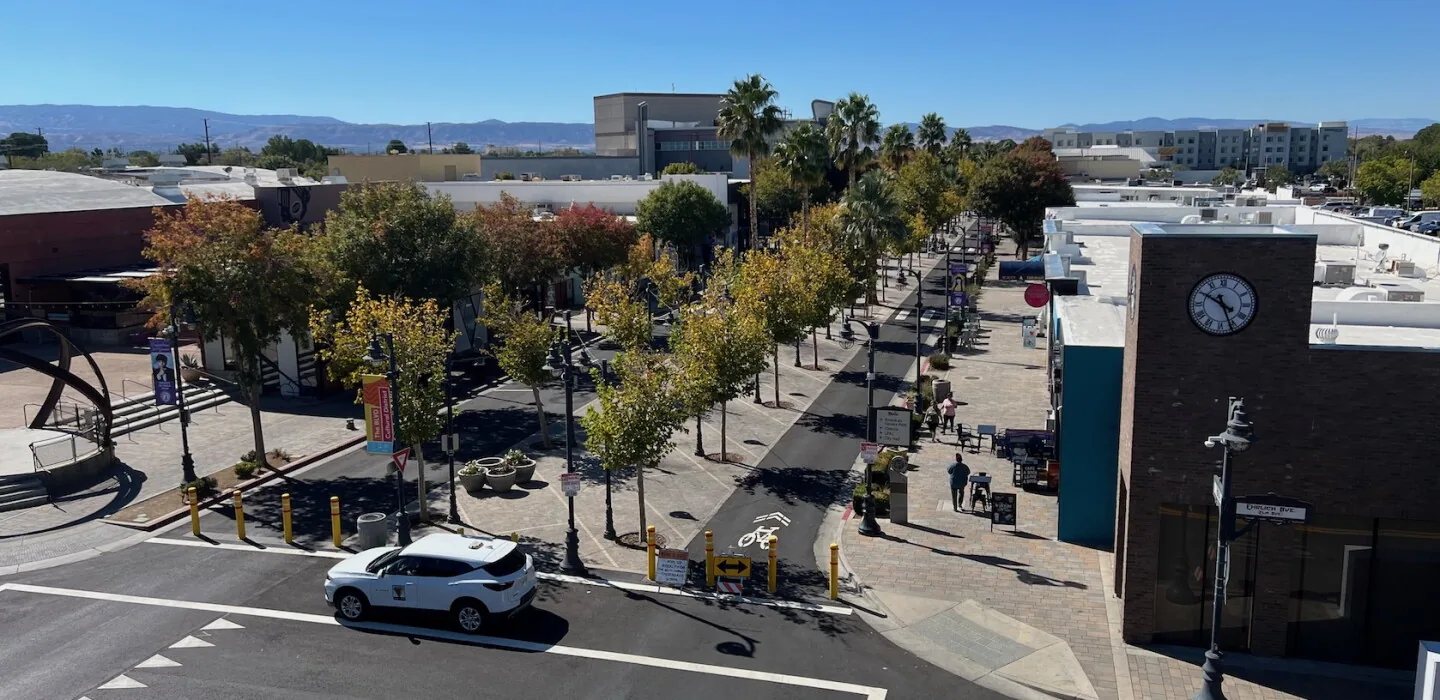
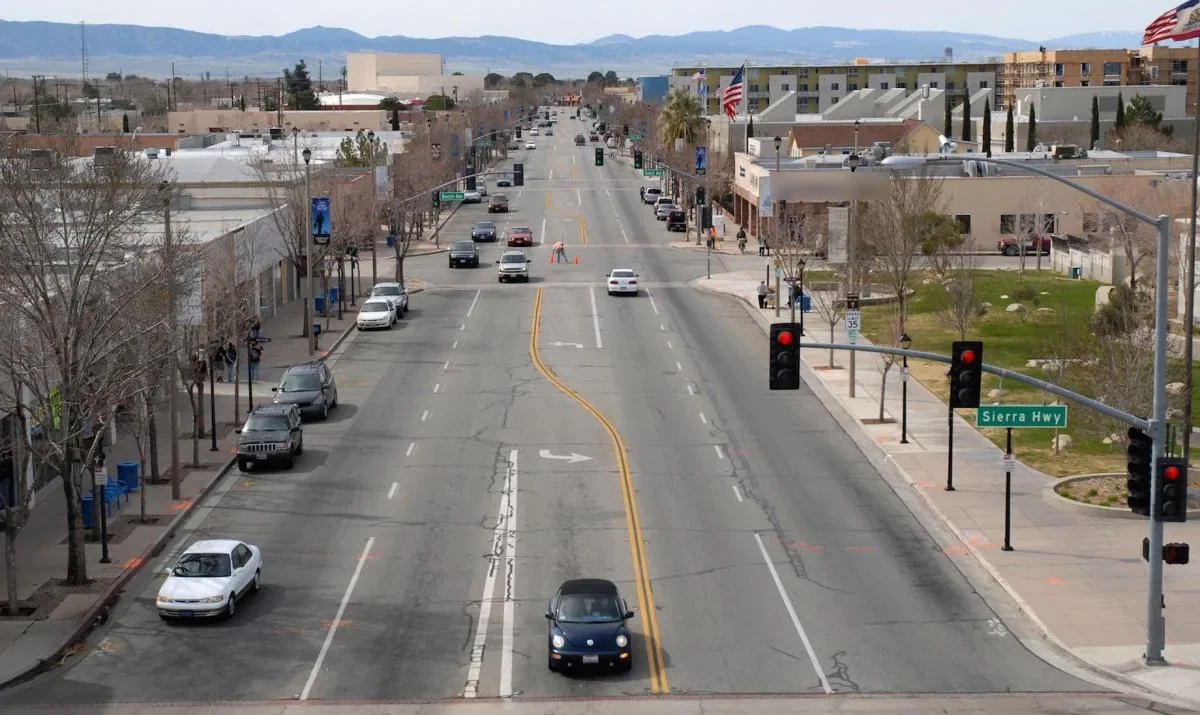
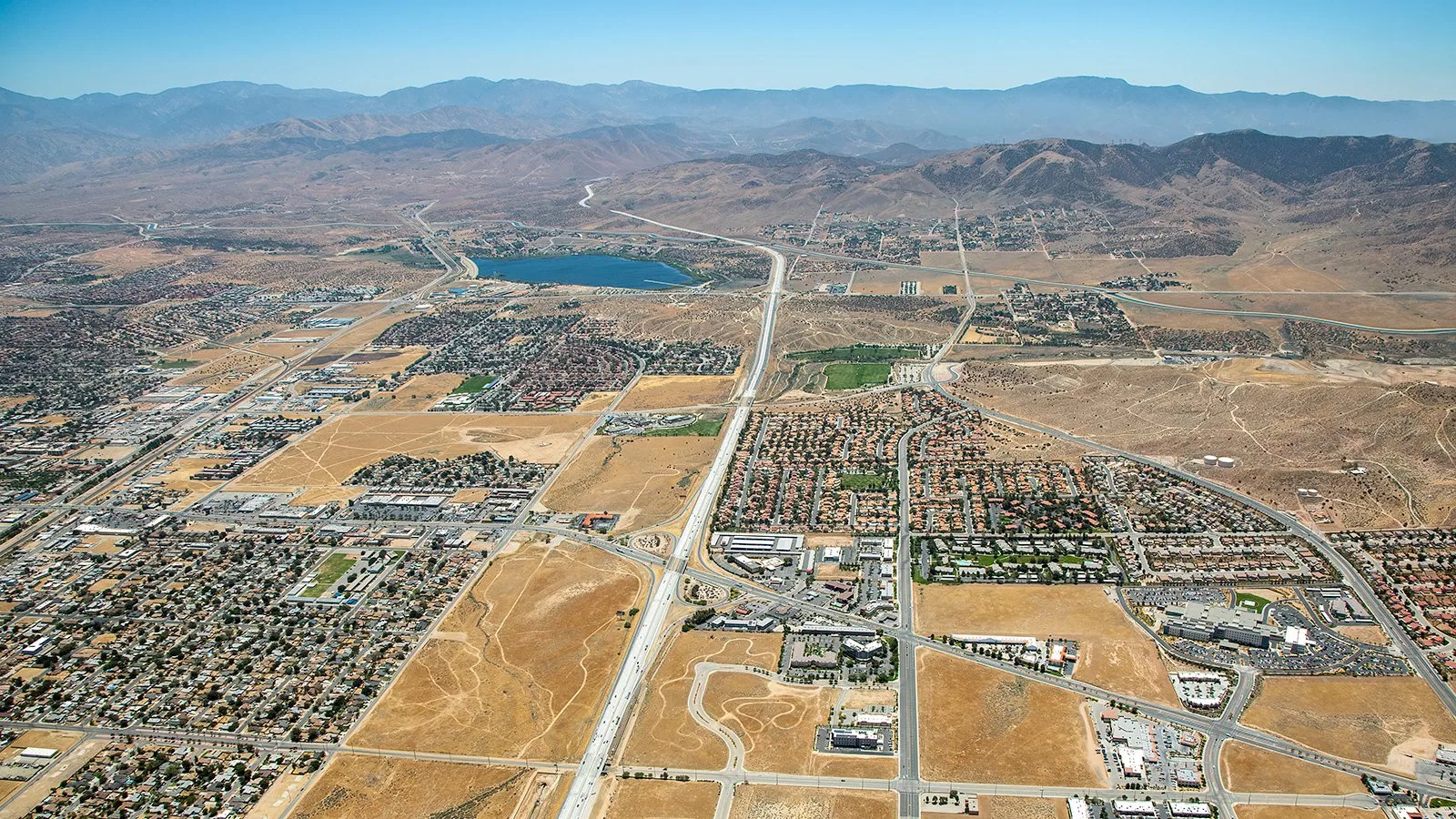
Lancaster receives most of its normal precipitation from November through March, with a 1991 to 2020 annual normal of about 6.81 inches at William J. Fox Field. A short winter storm still tests every low point and overflow path. We assess commercial roofs around Lancaster Business Park and Palmdale Transit Area, tying drainage recommendations to the actual roof layout and the building below.
Follow Water from the High Point to the Outlet
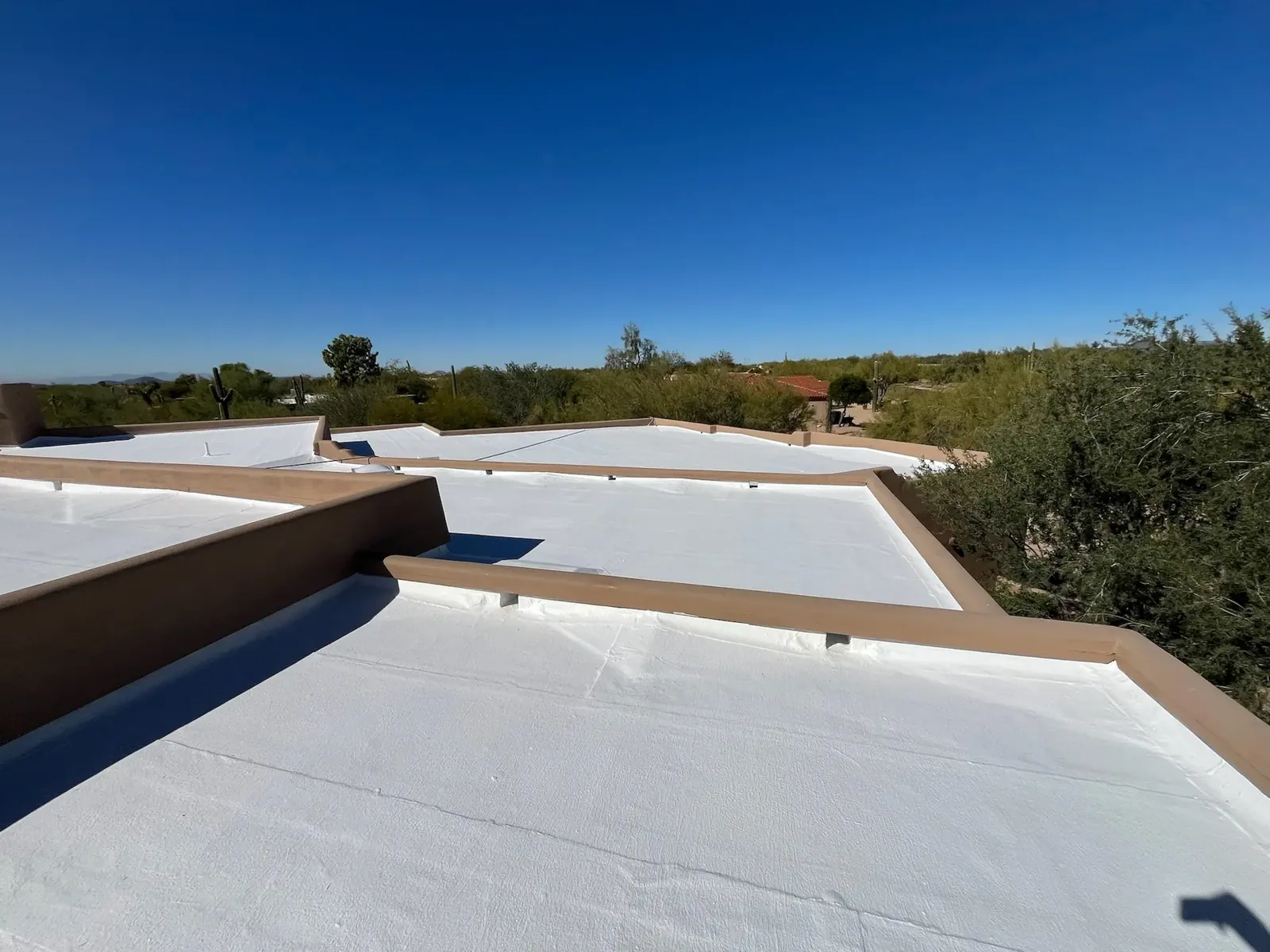
We start with roof geometry. Slopes, crickets, saddles, and tapered insulation should guide water around equipment and toward drains or scuppers. We look for debris, trapped water, sediment lines, and areas where the flow path changes. A drain can be clear while the surrounding surface holds water because the bowl sits higher than the low point or the slope does not reach the outlet.
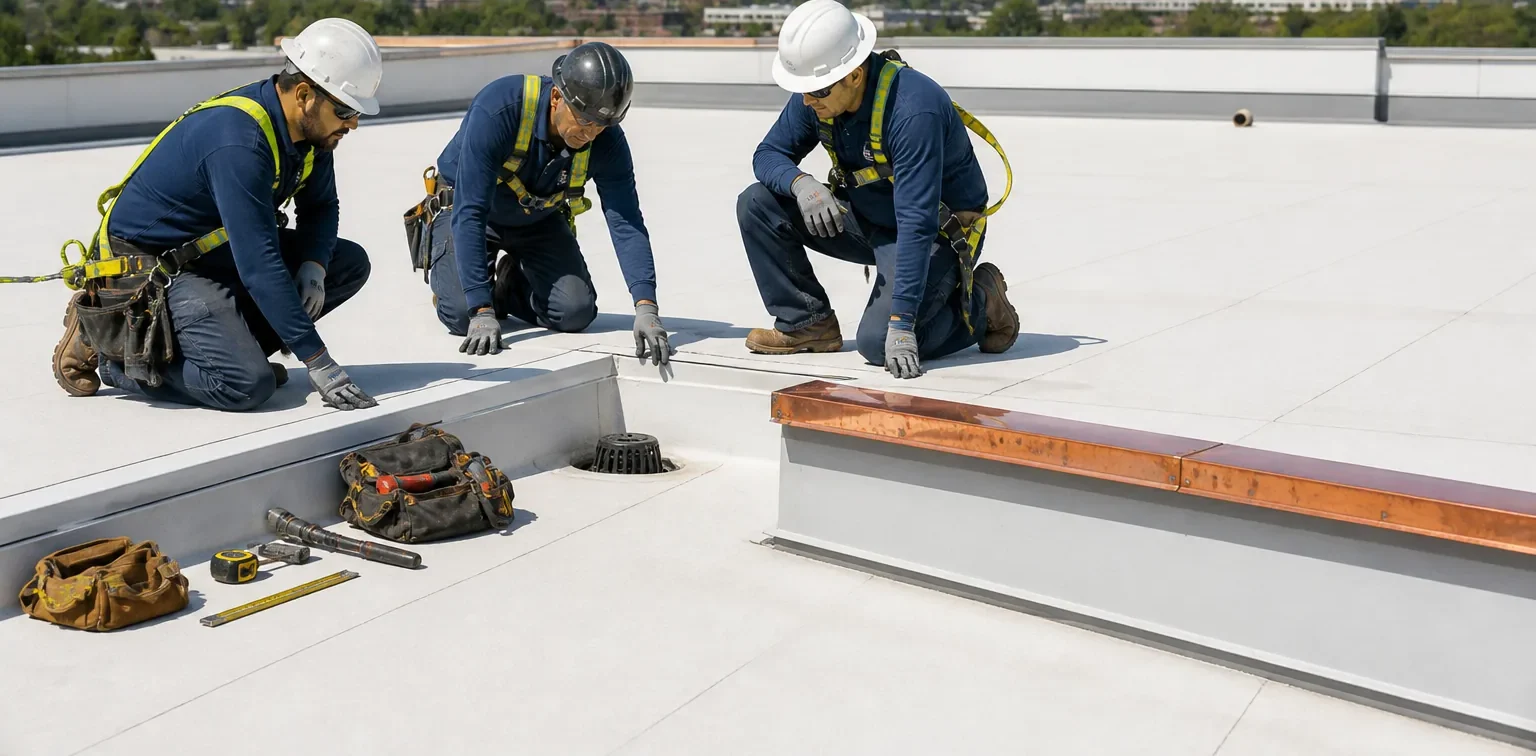
At each drain, we inspect the strainer, bowl, clamping ring, membrane termination, and nearby sump. A loose ring or split flashing can admit water around the drain even when the pipe is open. We check for corrosion or movement where metal meets membrane and note whether a downspout or internal leader shows a backup condition. The report distinguishes blockage from a connection or drainage-plane issue because each requires a different repair.
Scuppers need a clear opening, secure flashing, and a discharge path that does not soak a wall or return water toward the building. We inspect the opening from the roof and, where access permits, the exterior side. A blocked scupper, damaged sleeve, or split corner can affect both drainage and the adjacent parapet detail. Photographs show the opening, surrounding membrane, and the route water takes after leaving the roof.
Separate Debris from a Low-Slope Problem
Standing water has more than one possible cause. Leaves, packaging, and dirt can block the flow, while a settled deck, crushed insulation, or poorly placed drain can create a persistent low area. We clear loose debris where included and observe the surface afterward. If water remains after the outlet is open, we map the outline and depth indicators rather than assuming a cleaning visit solved the condition.
Water marks can show the path between a roof area and its drain. We compare those marks with slopes and equipment locations, then check whether a curb or pipe support interrupts flow. A ponding area beside a seam deserves attention because prolonged exposure can stress the membrane and increase the chance that a small defect becomes a leak. We inspect nearby laps and flashing before recommending a correction.
Lancaster’s normal rainfall is modest, but annual totals do not show how an individual roof handles one concentrated storm. We document outlet capacity concerns, overflow protection, and routes where discharge could affect walls or entrances. For a persistent depression, ponding-water repair can evaluate correction options. Our maintenance visits keep drains clear and track recurring low areas after the initial work.
Repair the Drain Detail and Its Surrounding Roof
A drain repair may require more than replacing a strainer. We inspect the bowl, clamping ring, membrane, sump, and connection to the drainage piping. If the membrane has pulled back or cracked, the repair needs a sound boundary and a compatible tie-in. A damaged bowl or connection may require access below the roof and coordination with the building’s plumbing contractor. The scope should identify which trade handles each part.
For a scupper, we check the sleeve, corners, metal, and membrane termination. A corroded or loose assembly may need replacement and new flashing. We preserve a clear overflow route and avoid leaving a sharp edge against the membrane. At gutters, we review hangers, seams, outlets, and downspouts, then check where discharge reaches grade. If water drains against a wall or entrance, the correction may extend beyond the roof.
When the drainage plane needs reconstruction, a tapered insulation or cricket design may redirect water toward existing outlets. We first verify the roof layers, equipment heights, door or wall transitions, and drainage capacity. A new layer can raise the finished surface and affect drains, scuppers, edge metal, and penetrations. Roof insulation and tapered systems should be coordinated with the full assembly instead of treated as an isolated patch.
Protect the Building While Drainage Work Proceeds
Drain and scupper work may require roof access, interior access, or temporary protection below the outlet. We coordinate with the property contact before opening a drain bowl or disturbing a leader. For an active leak, we protect the affected interior area and define how water will be controlled during the repair. The crew keeps roof openings covered between work periods so the building is not left exposed if weather changes.
At Enterprise Business Park, the city inventory lists office, light-industrial, and retail uses. A blocked outlet over a storefront, office, or production area calls for different access and protection planning. We identify where ladders, hoses, debris, and materials can be staged without obstructing business or deliveries. The work plan also states when an interior inspection is needed and who can authorize access.
If drain work is part of a larger roof repair, we document the surrounding membrane and transitions. Leak repair may be needed where water has entered near the bowl or scupper. A broader roof inspection can check related low points and outlets before the owner closes the work order.
Record Flow Before and After the Repair
The scope identifies the roof section, outlet, observed blockage or defect, and proposed correction. We photograph the condition before work, then document the completed detail and any remaining concern. If the repair changes a drain height or slope, the report notes the new flow path and how overflow will reach the outlet. Concealed piping issues or structural settlement may require a separate evaluation.
After the repair, we verify that the strainer fits, flashing is connected, and the opening remains clear. A water test may be appropriate when it can be performed without exposing the building to additional risk. We do not treat a clear bowl as proof that the entire roof drains correctly; the field and surrounding slopes still need review. The owner receives a record that can guide the next maintenance visit.
For portfolio planning, condition reports can track recurring ponding and outlet repairs by roof section. When several areas need correction, capital planning can group drainage improvements with insulation or membrane work. Schedule an assessment when water repeatedly remains on the roof, a scupper overflows, or a drain detail shows movement.
Commercial Roofing Questions
Why does water remain after the roof drain is cleared?
The roof may have a low area, a drain set above the actual low point, or slopes that do not lead to the outlet. We observe the surface after clearing debris and map the remaining ponding before proposing a correction.
Can you replace a drain while the building is open?
We coordinate roof and interior access with the property contact and plan temporary protection. If the drain connects to plumbing below, that portion may require coordination with the building’s plumbing contractor.
Do scuppers need a separate overflow path?
Our review of the roof’s drainage design shows how primary and overflow outlets should work. We inspect the existing openings and discharge route, then identify where a design or code review is needed before changing them.
Will tapered insulation solve ponding near a drain?
It can redirect flow when the roof, outlet elevation, and transitions support that design. We verify the assembly and finished heights before recommending tapered insulation or a cricket.
What should we document after a drain repair?
Keep the roof-area label, before-and-after photographs, materials used, and any remaining low area or access limit. That record helps the next maintenance visit check the same outlet and nearby slopes.