A roof condition report has to show what was inspected, where a defect sits, and what evidence supports the next step. A list of observations without a map or repair boundary leaves facilities staff to interpret photos on their own. We document roof zones, visible conditions, testing, access limits, and options in a format the owner can use for maintenance or capital review. The report separates confirmed conditions from assumptions so the reader can see what remains unresolved.
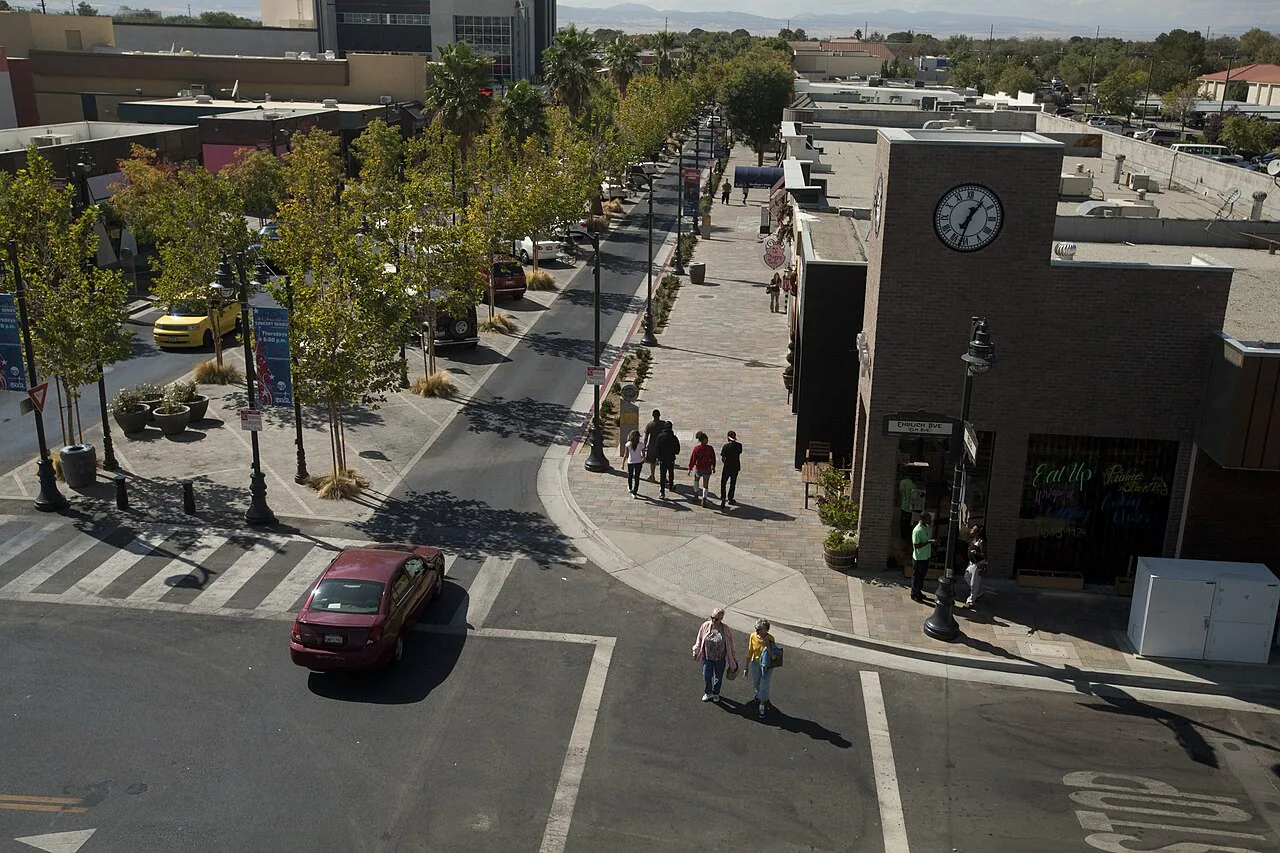
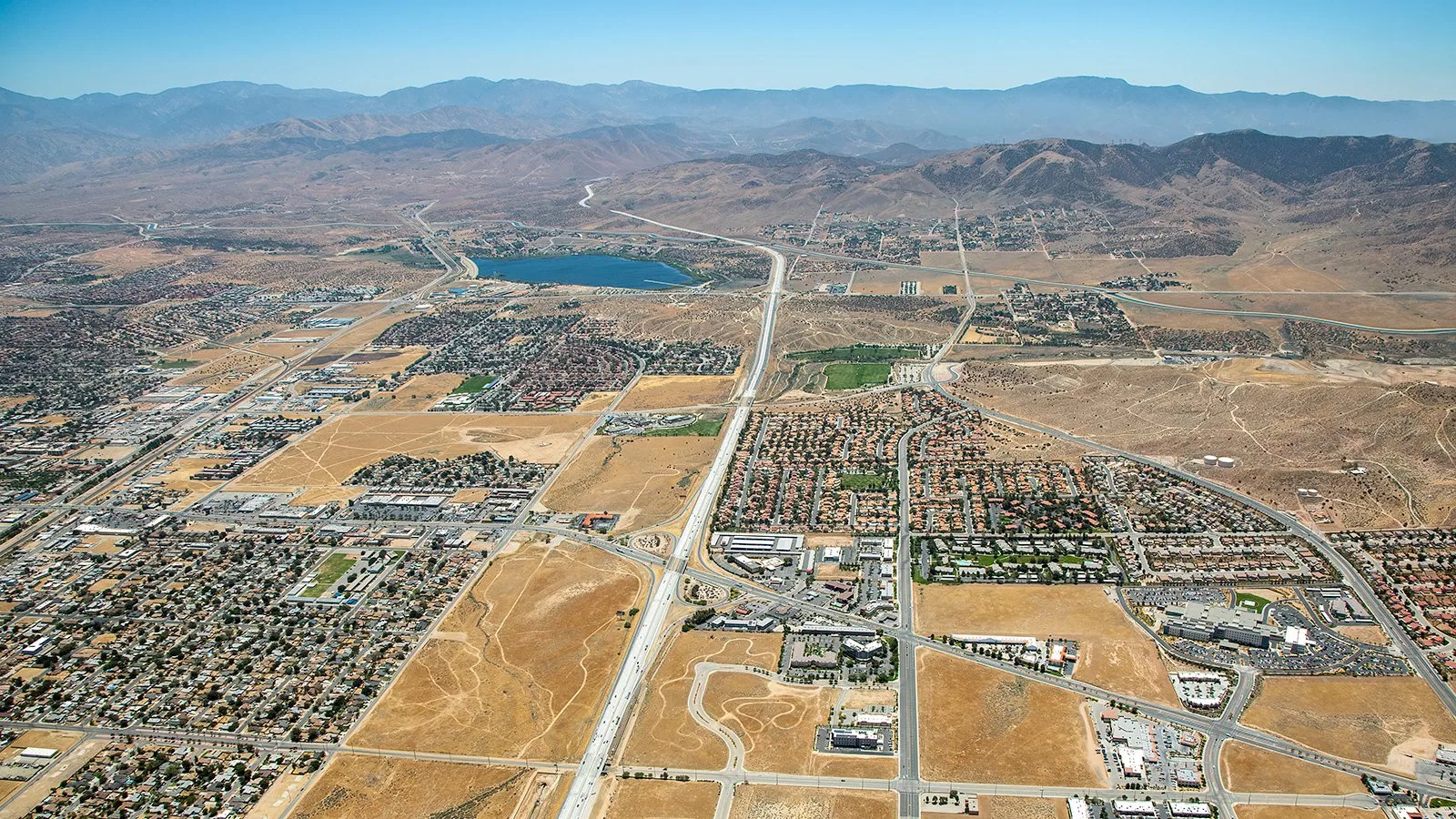
Lancaster's property context ranges from office and retail uses in Enterprise Business Park to industrial plan areas at North Lancaster and Fox Field. Each building calls for its own roof map and access notes. A business park report may cover offices and light industrial space; a North Lancaster industrial assessment may need to account for equipment fields and production routes.
Identify the Inspection Limits
Begin with the building, roof section, date, weather context, access route, and areas reviewed. Note surfaces hidden by equipment, locked hatches, ballast, or unsafe conditions. State whether the visit was visual, included selective testing, or used a moisture survey. The extent of any survey should be clear. A report for one roof level should not imply that an adjoining structure or later addition was included.
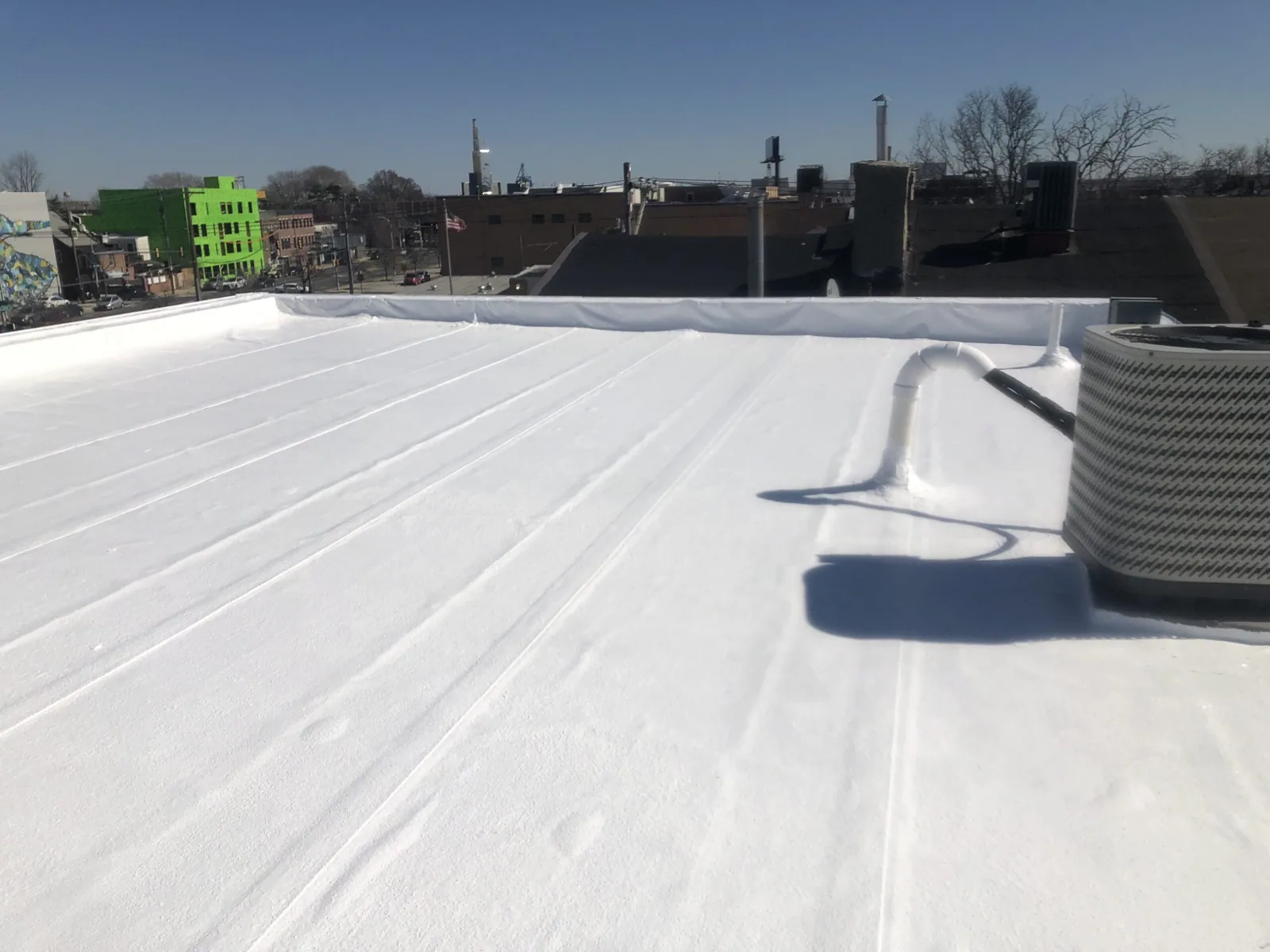
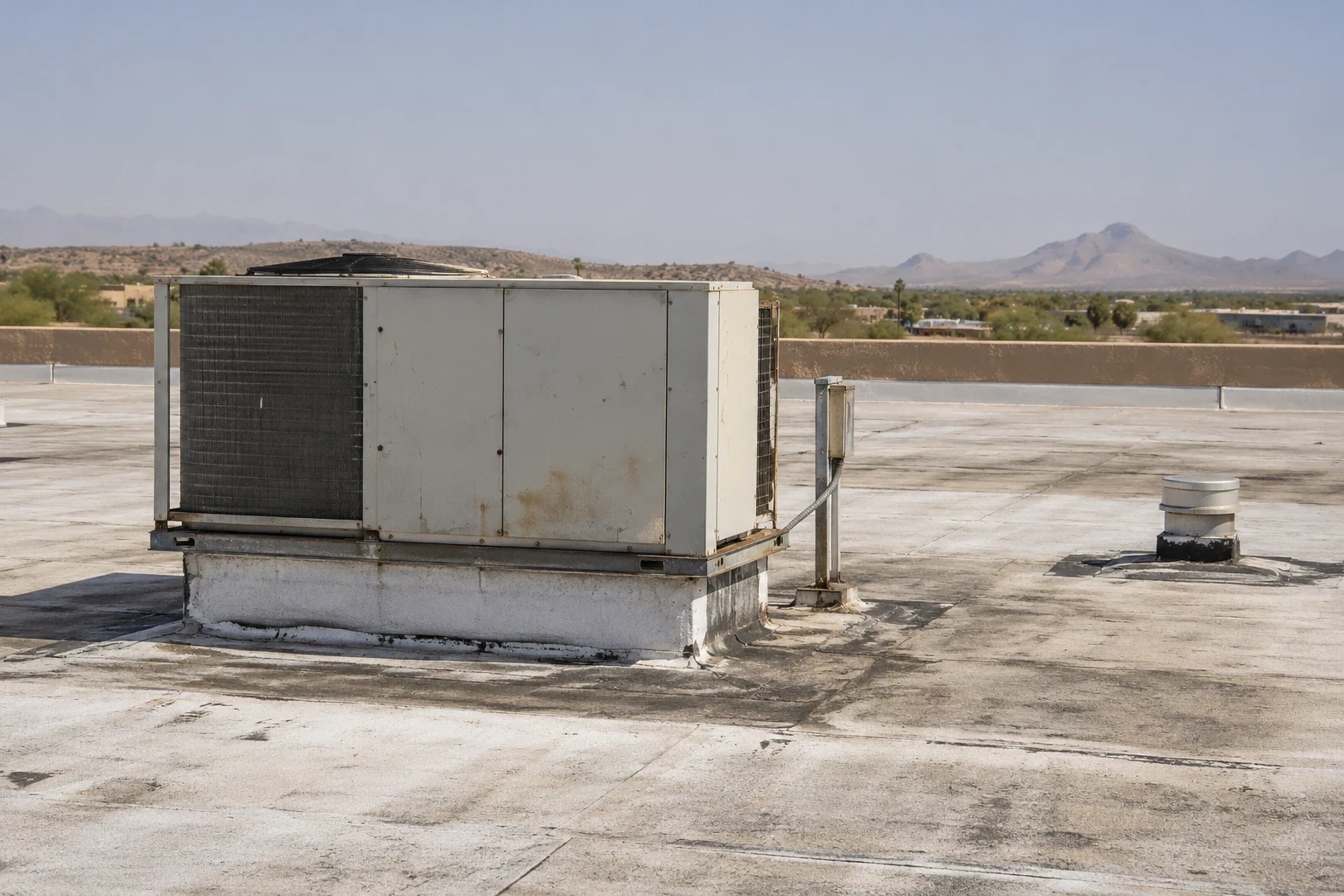
Use consistent labels that connect photos to a roof plan. Identify visible seams, curbs, drains, parapets, penetrations, and prior repairs with enough detail that another person can locate them. A roof asset record can preserve those identifiers across visits. A due diligence survey may call for a different level of detail when a buyer needs to understand the assembly and open questions before acquisition.
Separate Observation from Interpretation
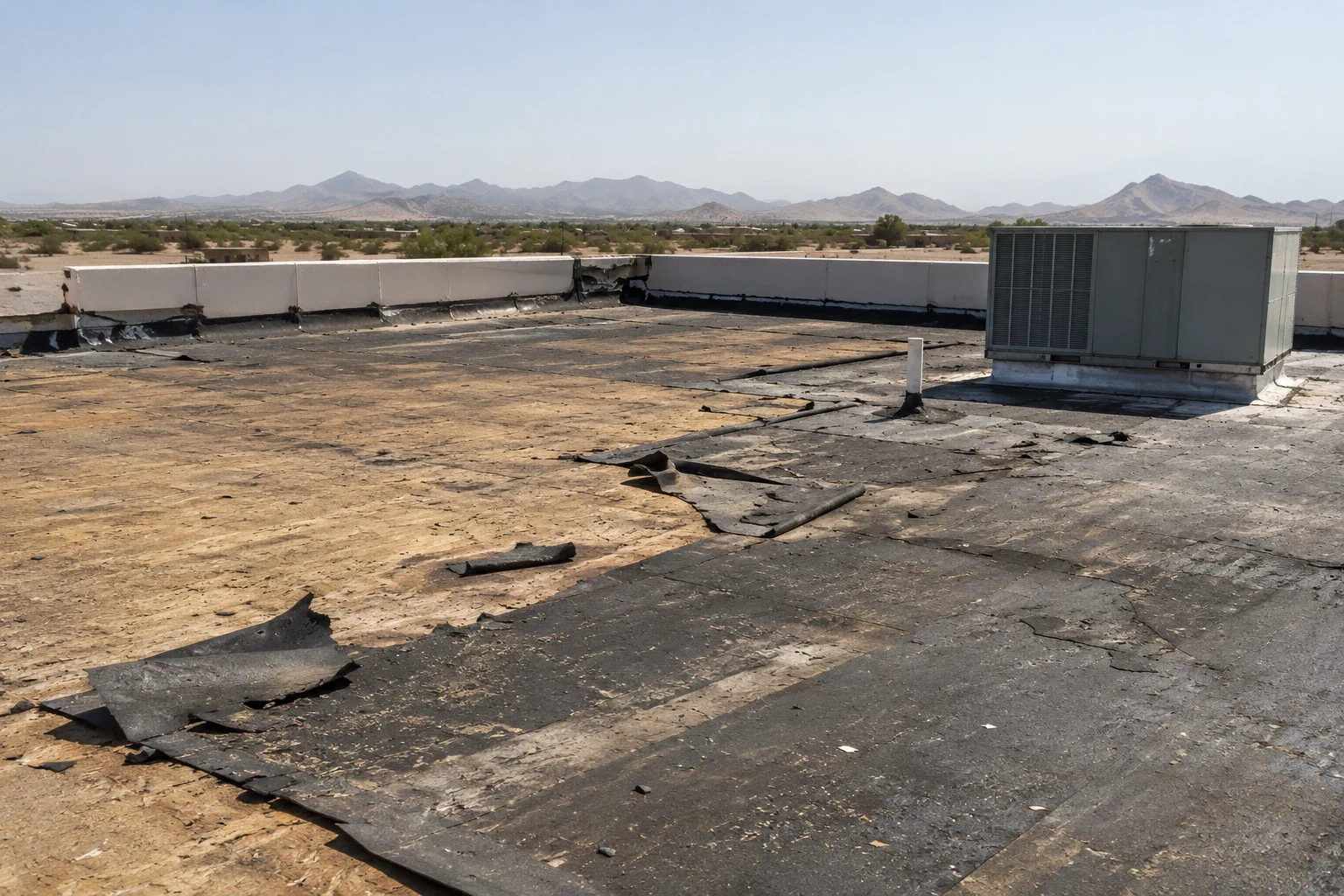
Record what the inspector saw before describing what it may mean. An open lap, displaced flashing, blocked outlet, wet insulation reading, and interior stain are different types of evidence. Explain which condition was directly observed and which cause remains a working theory. If several roof conditions could explain one leak, identify the tests or access needed to distinguish them rather than presenting a guess as a finding.
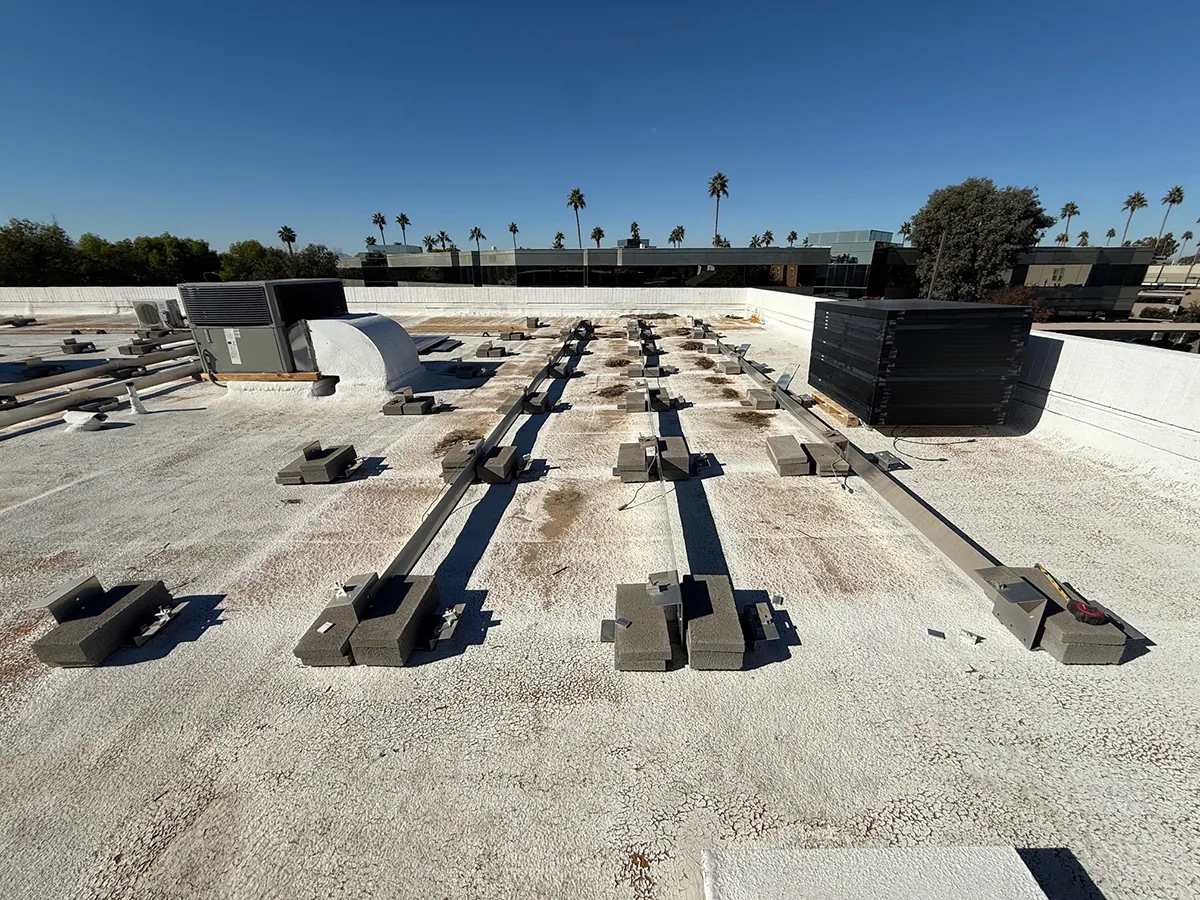
Photographs should show both the close detail and its position in the larger roof field. Include a scale or reference where useful, and label before-and-after images to distinguish repair work from inspection evidence. If a sensor or thermal method was used, explain its coverage and any limits due to roof construction or environmental conditions. A numerical reading without a location and method can mislead a future reviewer, so keep the context beside the result.
Explain Local Exposure Without Turning it into Trivia
Fox Field normals put a typical August high near 98 degrees Fahrenheit; the station's yearly precipitation normal is 6.81 inches, most of it from November through March. Connect those conditions to the roof finding: exposed sealant may see repeated thermal movement, while drains must still clear concentrated seasonal rain. Climate belongs in a report when it changes inspection timing, material preparation, or maintenance needs.
The city's adopted plans include industrial, business park, medical, and commercial areas. A roof over warehouse operations has different access concerns from a medical or retail property, and a report should state those conditions where they affect the visit or repair. The local detail should help the owner interpret a roof decision. Keep unsupported claims about storms, contractor history, or building age out of the report.
Tie Each Option to the Finding
Recommendations should map directly to evidence. A loose curb flashing may support a localized repair; a moisture survey that identifies wet insulation across several zones can justify a broader opening and removal scope. If testing was not performed, say what additional inspection would be needed before selecting work. Do not treat a budget range or remaining-life estimate as a substitute for an identified roof condition.
A repair option can address a contained defect, while a replacement assessment can address wider deterioration. A maintenance plan may be the next step when findings are limited to routine service items. Each recommendation should show urgency, access needs, assumptions, and any condition that could change the scope after material is opened.
Make the Report Easy to Use
Organize the report in the order a facilities manager will act: immediate exposure, conditions that merit repair, routine maintenance, and areas requiring more information. Use clear headings and a short summary without hiding important limitations. Include a table or map only if it improves the reader's ability to locate findings. Use the same notation for north arrows, roof elevations, and drain labels throughout the report. Define any abbreviation that a property manager or budget reviewer may not recognize. A summary can be concise, but it should not omit limits that affect repair quantity or access. If photos are stored separately, provide filenames and a consistent reference back to the report.
Assign an owner and due date to each next step when the client provides those details. Keep approvals, estimates, and final repair photos linked to the condition record. If an owner defers an item, note the decision and what change would prompt another review. That preserves the report's meaning when the person managing the building changes or when a later contractor sees the roof for the first time.
Compare Conditions at the Next Visit
A second report should use the same roof-zone labels and, where possible, repeat photo locations. Compare new findings with prior repairs, leak reports, and equipment changes. State whether a previously open item was corrected, remains unresolved, or could not be checked. This lets the owner distinguish new defects from recurring issues and evaluate whether earlier work addressed the observed cause.
For multi-building owners, a multi-site reporting process can standardize identifiers while preserving a separate map for each property. A capital planning review can then use confirmed trends instead of broad impressions. A report remains useful when the next inspector can find the same place, understand the prior evidence, and record what changed.
Questions About Roof Condition Reports
A useful report leaves the reader with a specific condition, a clear limit, and a reasoned next action. These answers focus on what an owner should expect from that record.
Commercial Roofing Questions
What should a commercial roof condition report include?
Include the building and roof-zone map, inspection date, visible conditions, test methods and locations, photos, access limits, repair history, and next actions. Identify assumptions that could change after opening the assembly.
Does an inspection report prove where a leak began?
It may identify a likely source when evidence is clear. Water can travel through the assembly, so testing or additional access may be needed. The report should distinguish a confirmed defect from an unresolved cause.
Should the report include photos of every roof detail?
Photograph findings and reference details needed to explain the roof condition. Each image should have a location label and context; a large unorganized photo set is less useful than focused evidence.
Can one report cover several properties?
A portfolio summary can compare sites, but each building needs its own assembly, map, test locations, photos, and limitations. Keep the property-level evidence available under the summary.
How should a report handle inaccessible areas?
Name the area, explain why it was not inspected, and state whether another access visit or test is needed. Do not infer its condition from a neighboring section.
How do we use report findings to set repair priorities?
Use active exposure, moisture evidence, failure extent, and building operations. Tie each priority to the roof zone and evidence, then update the status after the work or a new inspection.