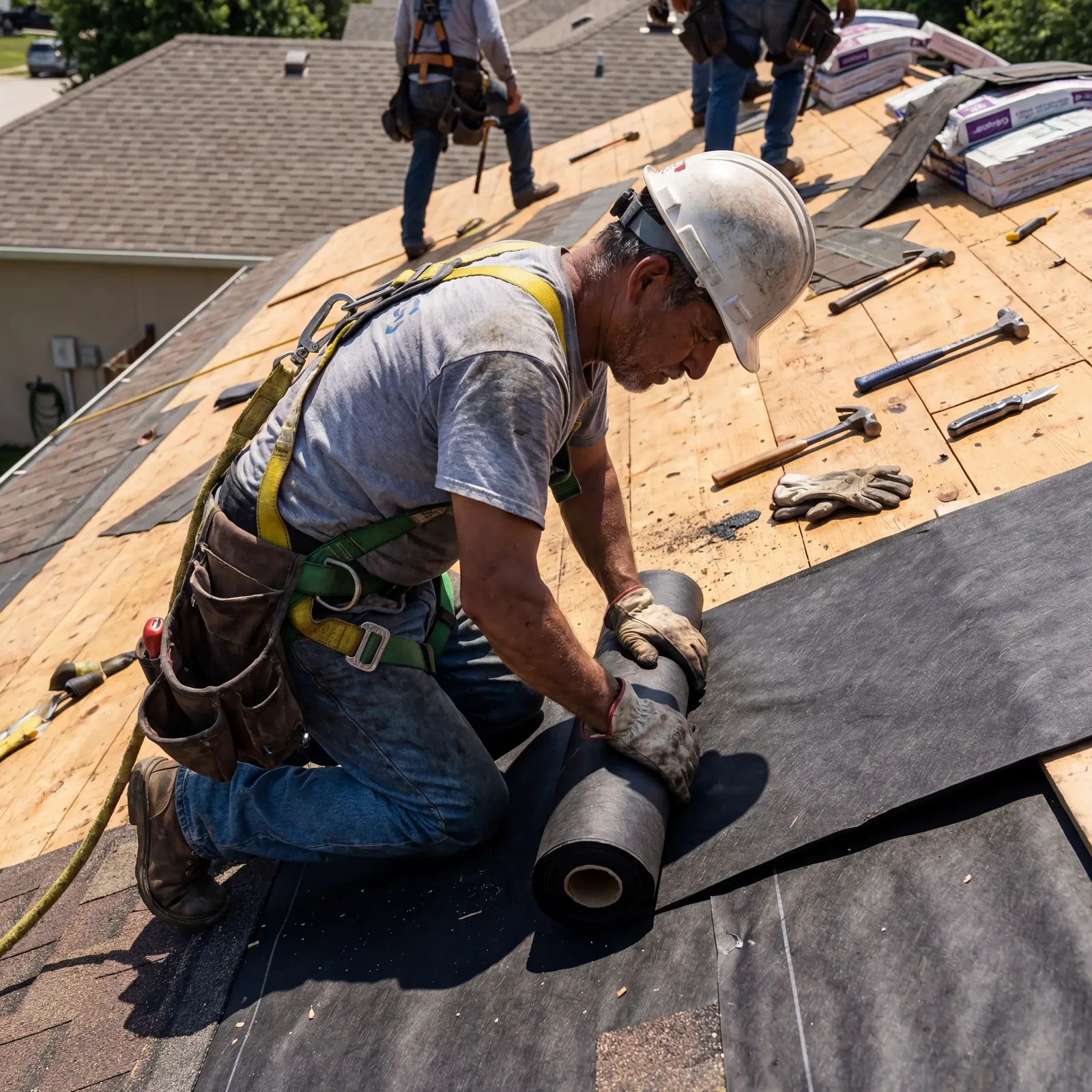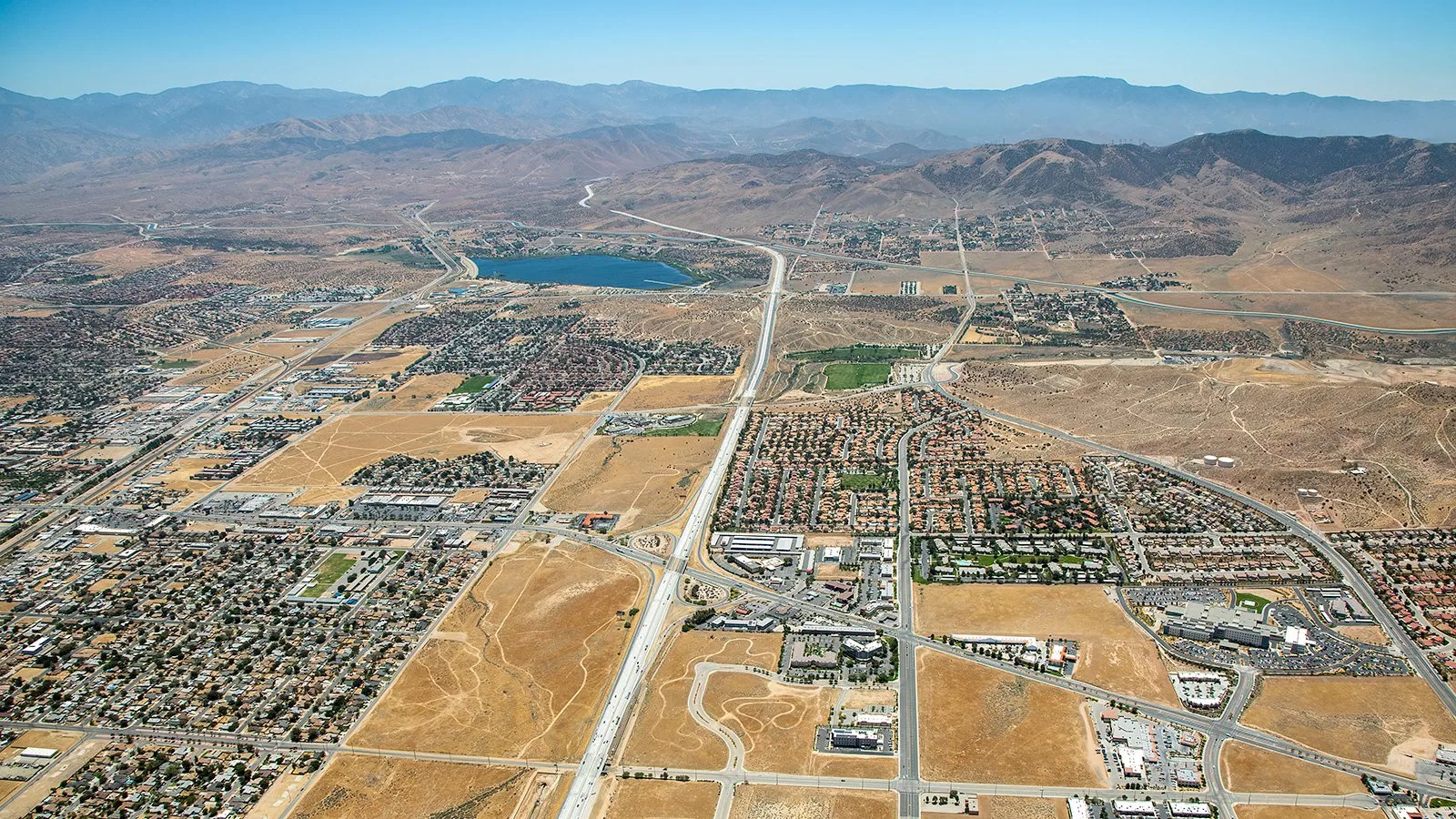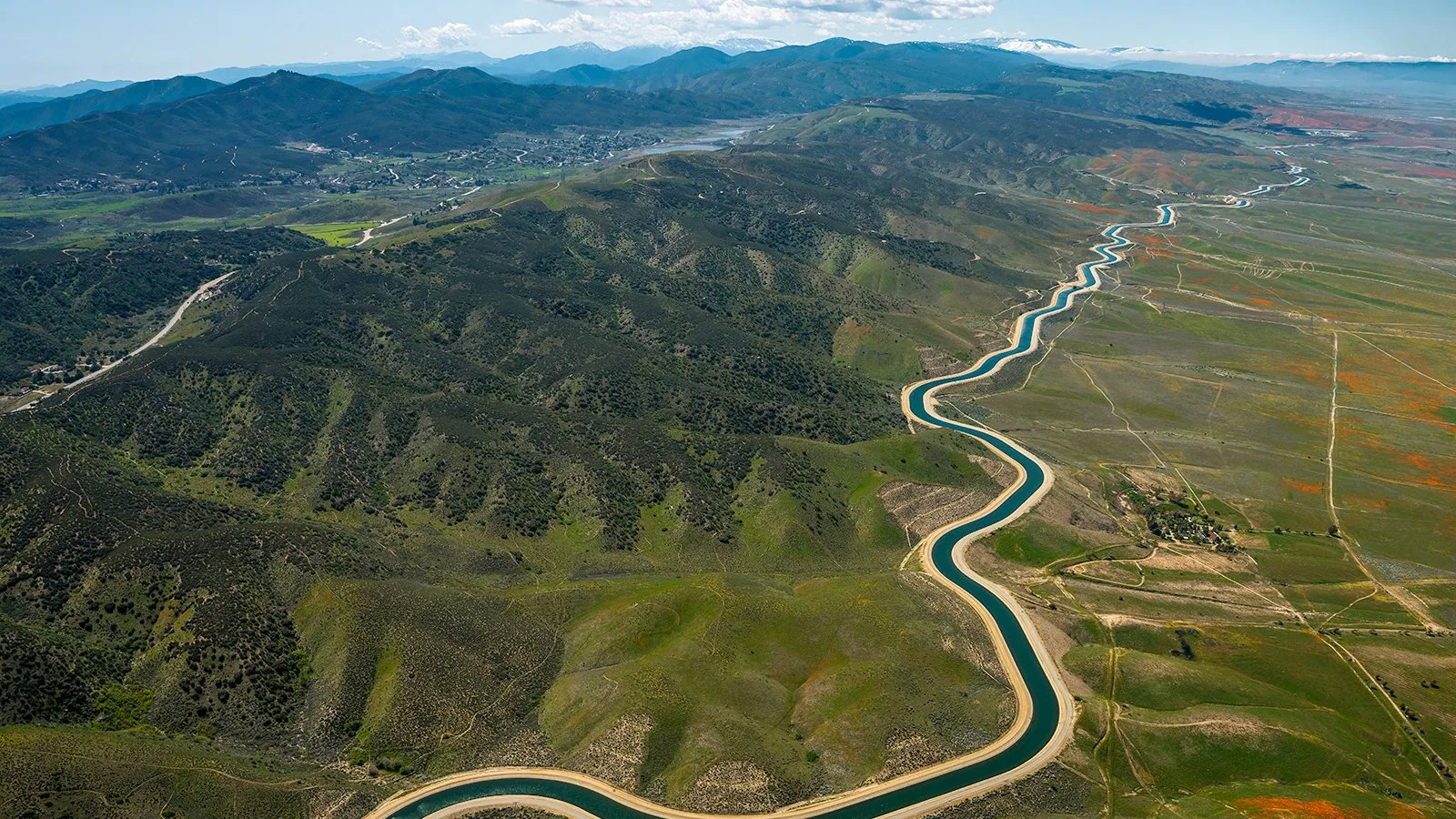
A multi-site roof program helps an owner decide which buildings need attention, which work can be coordinated, and where the evidence is incomplete. It should make reporting consistent without treating each property as identical. We set common fields for inspection, repairs, access limits, and next actions, while retaining a separate map and condition history for every roof. That lets regional teams see the portfolio and facilities staff act on the building in front of them.
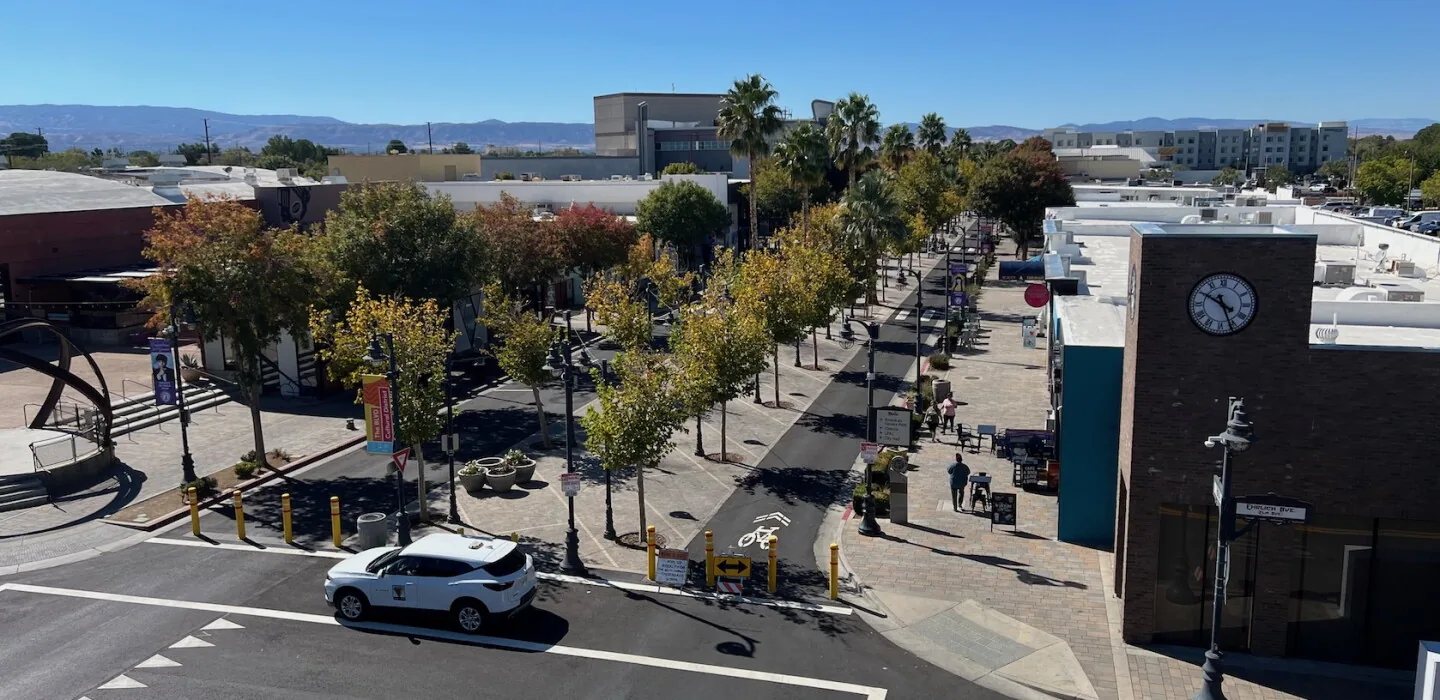
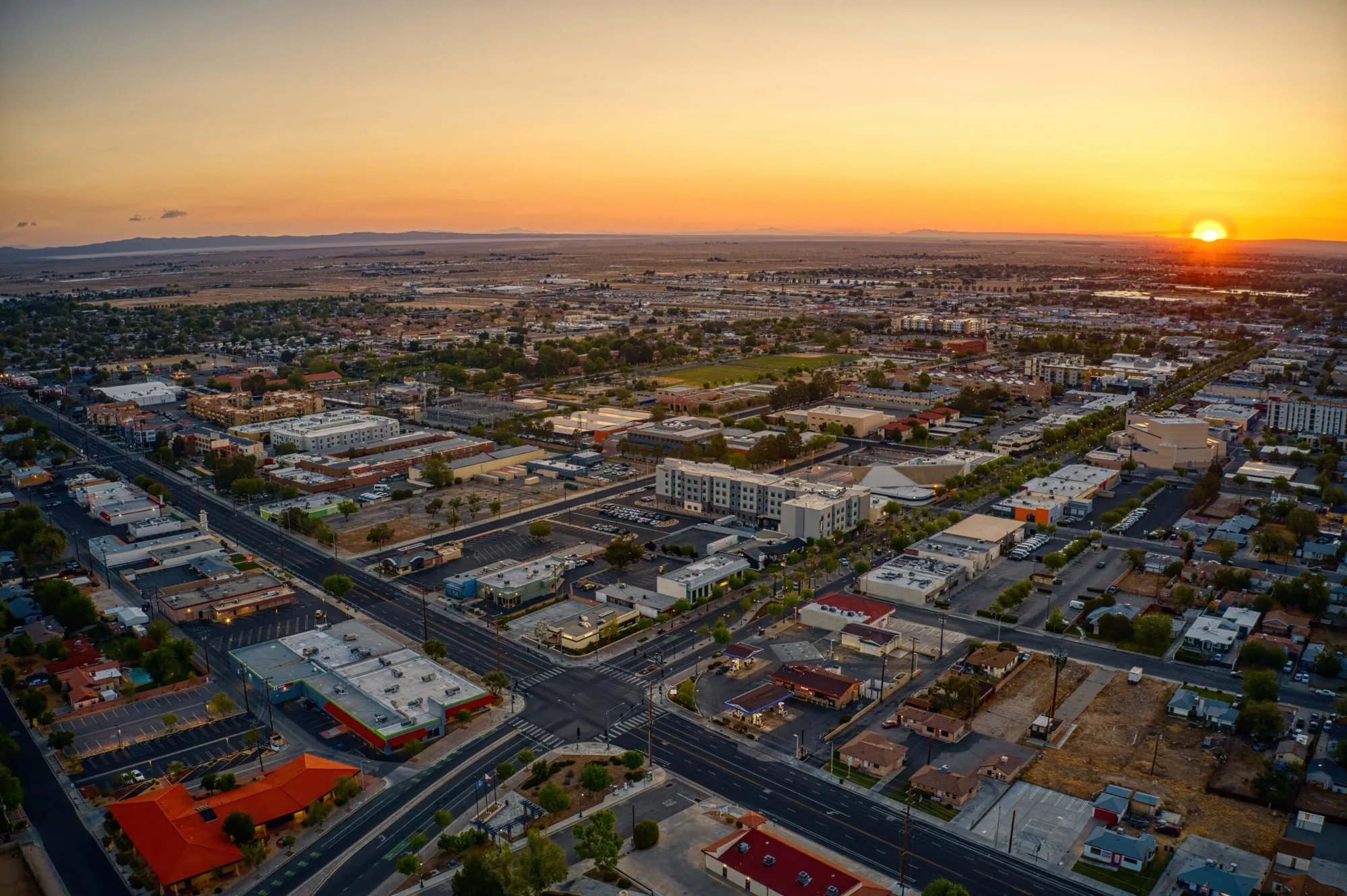
Lancaster's portfolio context spans business parks, medical and commercial plans, and industrial areas such as North Lancaster. Nearby Palmdale adds logistics and advanced manufacturing activity. A Lancaster Business Park site and a North Lancaster industrial building may share an owner but not the same roof or operations. Keep their routes, assemblies, and open repairs distinct in the program.
Set Common Fields and Local References
Define the information every site needs: building identifier, roof levels, assembly where known, inspection date, leak reports, test results, photos, access limits, repairs, and responsible owner. Use a repeatable roof-zone grid, but allow each property to map its own additions and transitions. Avoid a portfolio status that cannot be traced to a specific area and observation.
A roof asset register can preserve those identifiers, while a condition report can give site managers a consistent way to describe findings. If an owner acquires a new property, a due diligence survey can establish the initial baseline and identify missing records. Program fields should remain simple enough for crews to use and detailed enough for managers to act.
Route Emergencies and Planned Work Separately
A new leak needs a fast response path that does not wait for a quarterly portfolio meeting. Define who receives the report, who can authorize temporary protection, and how the completed action returns to the asset record. Planned maintenance, testing, repair, and replacement use a different sequence with scope and budget review. Separate these pathways so urgent protection is not mistaken for a permanent correction.
Use evidence and operating impact to set priorities. Record active water, wet material, repeat failures, access limits, and building use. A site with a leak above electrical equipment may need immediate action; a roof with surface wear but no moisture may need planned follow-up. A emergency repair response can protect a location while the owner reviews a permanent scope. Close the loop with photos, material, zone, and unresolved items.
Coordinate Routes, Weather, and Site Operations
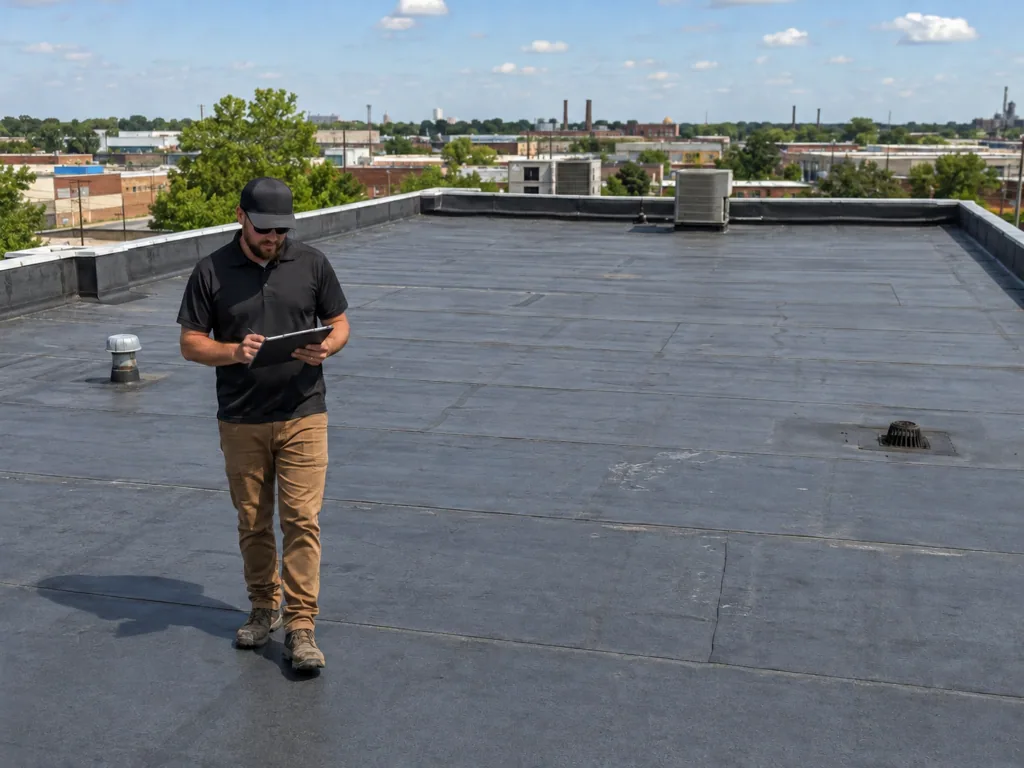
Schedule inspections by geography, access, and operational calendar, not only by property name. Group nearby visits where practical, but allow extra time for secure sites, lift setup, tenant coordination, or equipment restrictions. Confirm that the planned route covers all roof levels and that staff can release each area. A missed roof section should return as an open item rather than disappear from the program.
Lancaster's normal summer highs are near 98 degrees Fahrenheit at Fox Field, and most rainfall arrives from November through March. Work timing should consider surface conditions and drain checks ahead of the wetter period. Regional scheduling can combine seasonal tasks, but the actual inspection still follows the roof's local details. A maintenance visit can cover defined drains and known repairs; testing or capital decisions may need a separate appointment.
Keep Responsibilities Visible Across Sites
Owners may use internal facilities staff, property managers, roofing contractors, and equipment vendors. Define who reports leaks, grants roof access, approves a work boundary, receives photos, and updates the records. A shared vendor does not mean a shared authorization process. When a roof is leased or tenant-occupied, identify who controls the roof and who is responsible for protecting spaces below.
Lancaster business parks combine office, light industrial, and retail uses, while North Lancaster includes heavier industrial properties. a property management process can track access and maintenance contacts; a manufacturing facility plan can account for production equipment. For public owners, procurement and notice steps may differ. Retain those site-specific responsibilities alongside the common portfolio fields.
Compare Projects Without Losing Context
Portfolio comparisons can help owners see recurring repairs, overdue inspections, and large project needs. Keep the building-level evidence behind each trend. If two roofs have similar ages but different moisture findings, they should not receive the same replacement priority automatically. Separate actual repair history from future estimates, and state which quantity or condition remains unverified.
A capital planning review can turn current findings into a sequence of projects and review triggers. If an individual roof shows broad deterioration, a replacement assessment should use that site's map and access plan. Portfolio summaries are most useful when owners can drill down to the test, photo, and work boundary that support each recommendation.
Review the Program After Every Change
After inspections or work, update the record with completed tasks, new equipment, repair photos, and open questions. At scheduled portfolio reviews, check missing documents, overdue work, changing contacts, and properties that have been sold or renovated. Retire stale site references so crews do not use an old roof map. Keep clear version dates for plans and summaries. Track which manager approved the change and where the prior record is stored, so crews can confirm they are using the current roof map. When a portfolio dashboard flags a missing document or overdue inspection, assign a named owner and due date instead of leaving the issue in a general queue.
A program should identify triggers for a new survey, such as recurring leaks, construction, a major equipment change, or an inaccessible area becoming available. Keep a deferred recommendation active until its owner closes or revises it. For Lancaster and Palmdale sites, common reporting can support regional review while local facilities staff continue to manage their own access, safety, and operating constraints. A useful quarterly check can sample recently closed work orders against their photos, verify that emergency calls were converted into permanent follow-up where needed, and confirm each property's next inspection date. Review whether recurring findings point to a shared maintenance issue or to different causes at separate buildings. If a building changes ownership or use, refresh its contact list and record set before the next roof visit.
Questions About Multi-Site Roof Programs
A portfolio process is useful when regional information leads to clear site-level action. These answers address how to coordinate work without losing the detail behind each roof decision.
Commercial Roofing Questions
Can one inspection cover several buildings?
A coordinated visit can include multiple buildings if each roof is identified, accessible, and documented separately. Different additions, assemblies, and access limits require distinct records.
How should an owner prioritize a portfolio?
Use active exposure, confirmed moisture, operating impact, repeat failures, and project readiness. Keep evidence available for each roof rather than ranking by age alone.
What should happen when a site reports an emergency leak?
Route the report to the local decision-maker, protect the affected area when safe, and record the temporary action. Schedule a separate inspection and permanent scope if the issue remains unresolved.
Can reporting be standardized across different properties?
Use common fields and definitions, but preserve each roof plan, assembly, photos, testing, and access notes. Common ownership does not make buildings physically identical.
How do equipment changes enter the program?
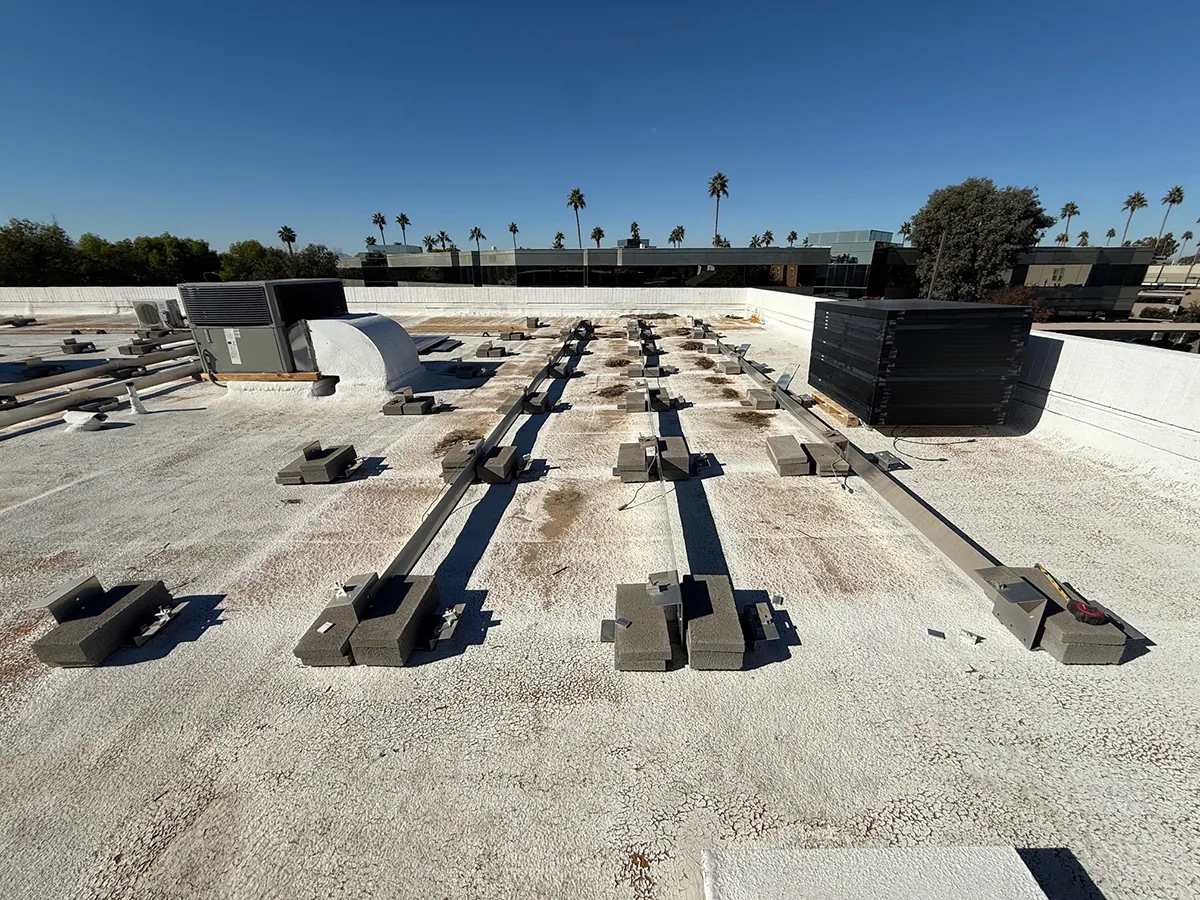
Update the site record with date, new penetrations, equipment moves, and the trade responsible for roof restoration. This helps later inspections distinguish new details from the original assembly.
How often should portfolio records be reviewed?
Review after inspection, repairs, acquisitions, construction, and contact changes, with a scheduled cycle for overdue items. Revisit a site sooner when recurring leaks or testing changes the recommendation.