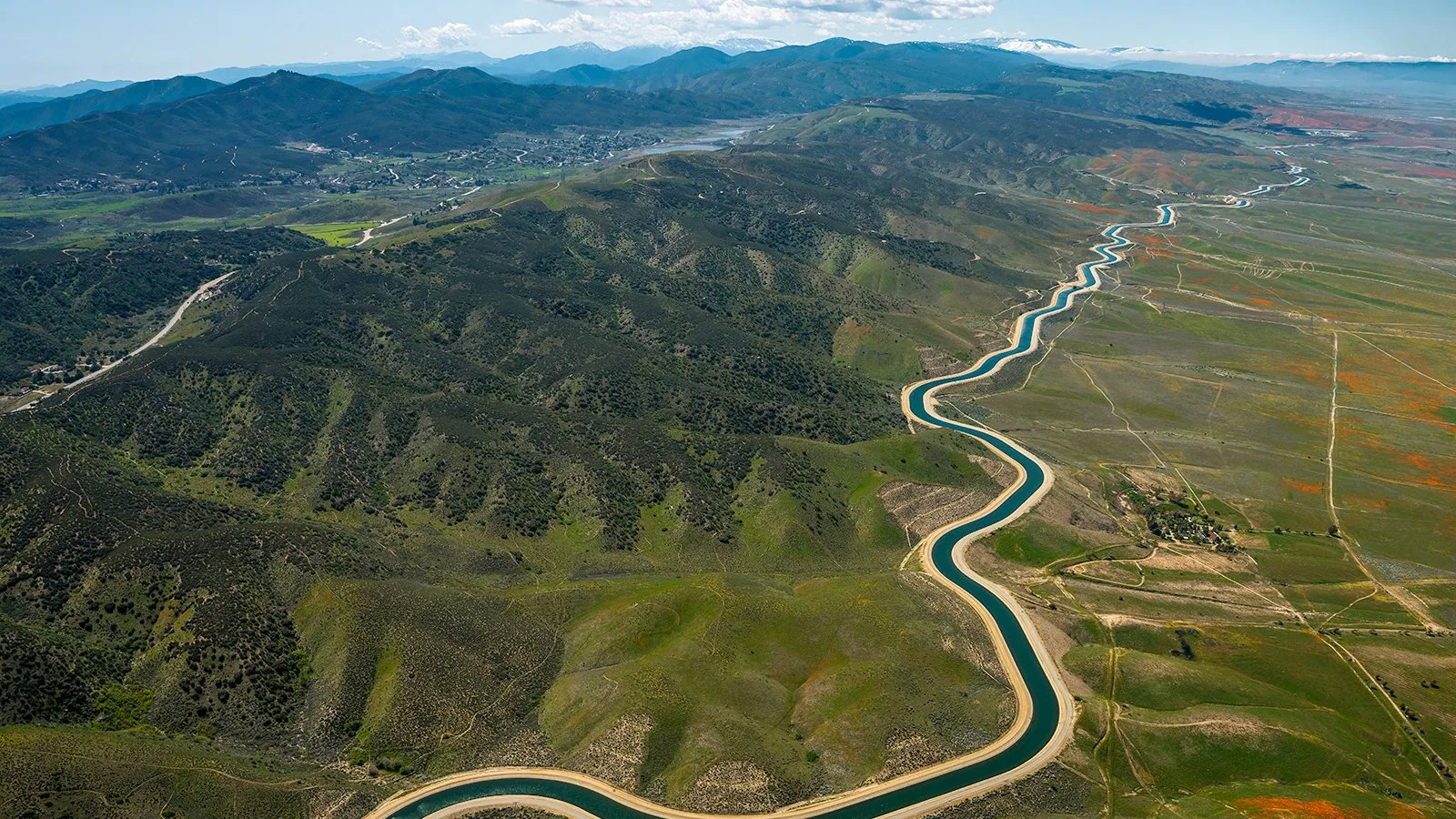
A TPO roof depends on more than a white membrane field. Welded laps, perimeter edges, curbs, drains, and attachment all have to stay connected as the assembly expands and contracts. We inspect those details alongside the insulation and deck, then determine whether the roof needs a localized repair, restoration, or replacement. The recommendation follows the actual membrane condition, not the system name alone.
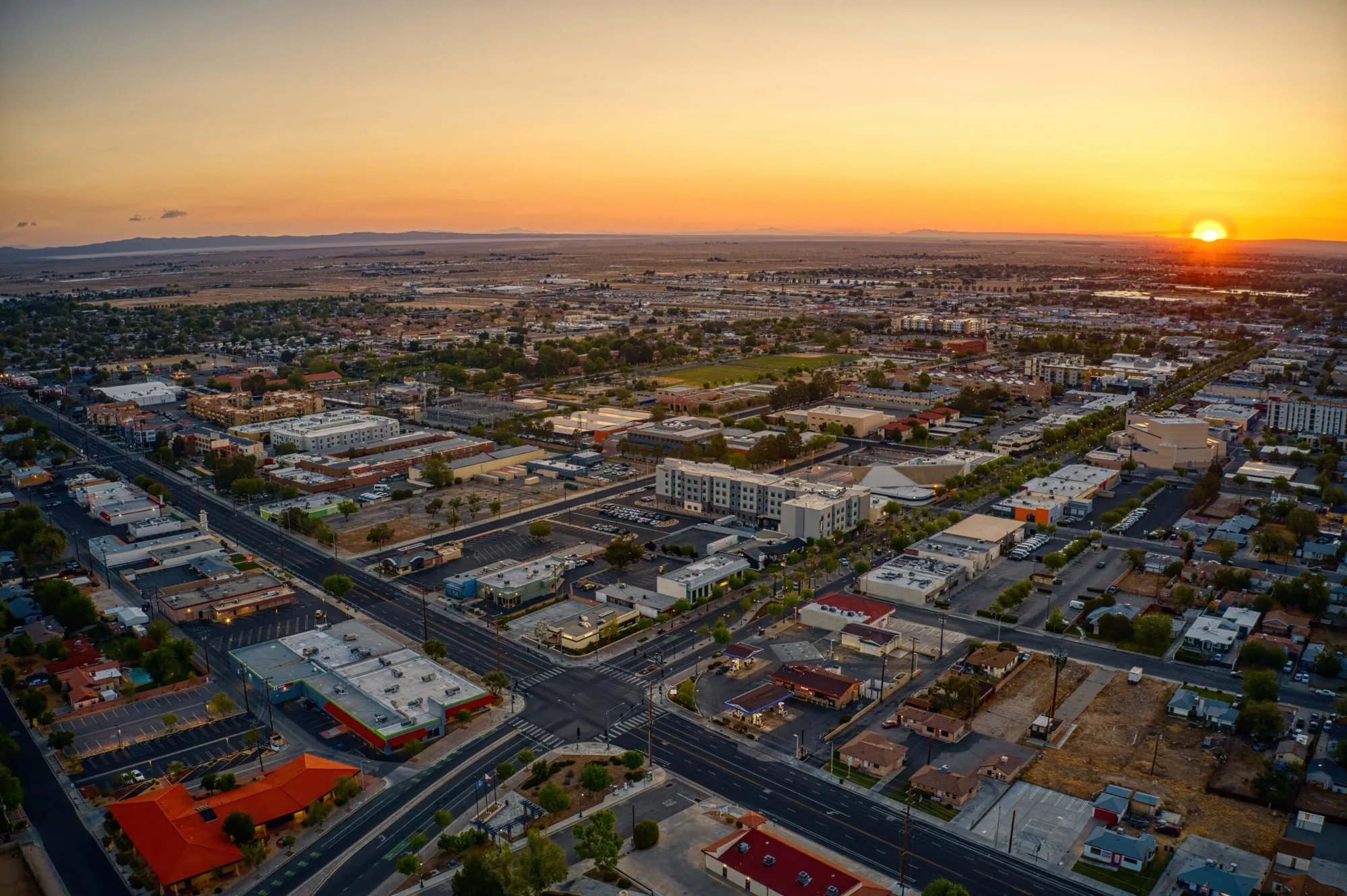
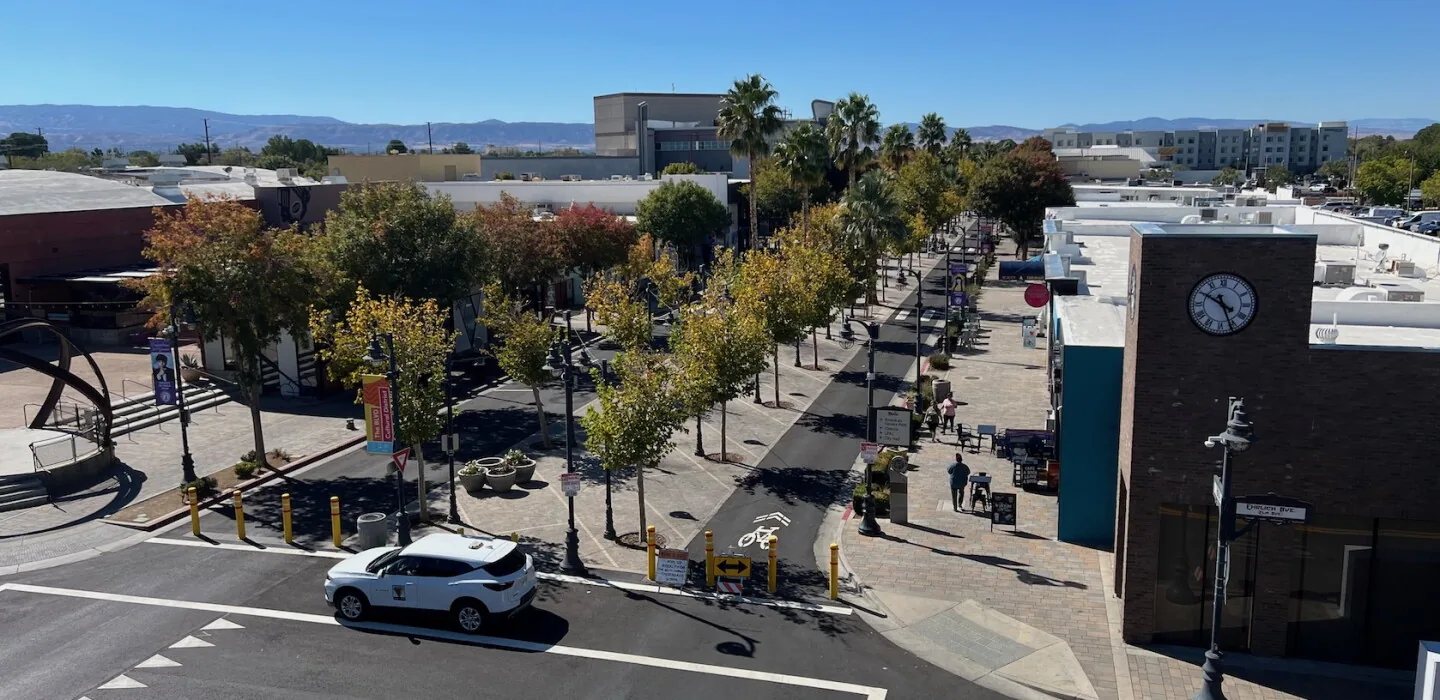
William J. Fox Field records a 97.8-degree normal August high. July’s normals place every day at or above 90 degrees, a useful measure of the thermal demand on exposed seams and perimeter details. Around Lancaster Business Park, office and light-industrial properties may also have varied equipment layouts that affect access and repair sequencing.
Check Welds, Fasteners, and Perimeters
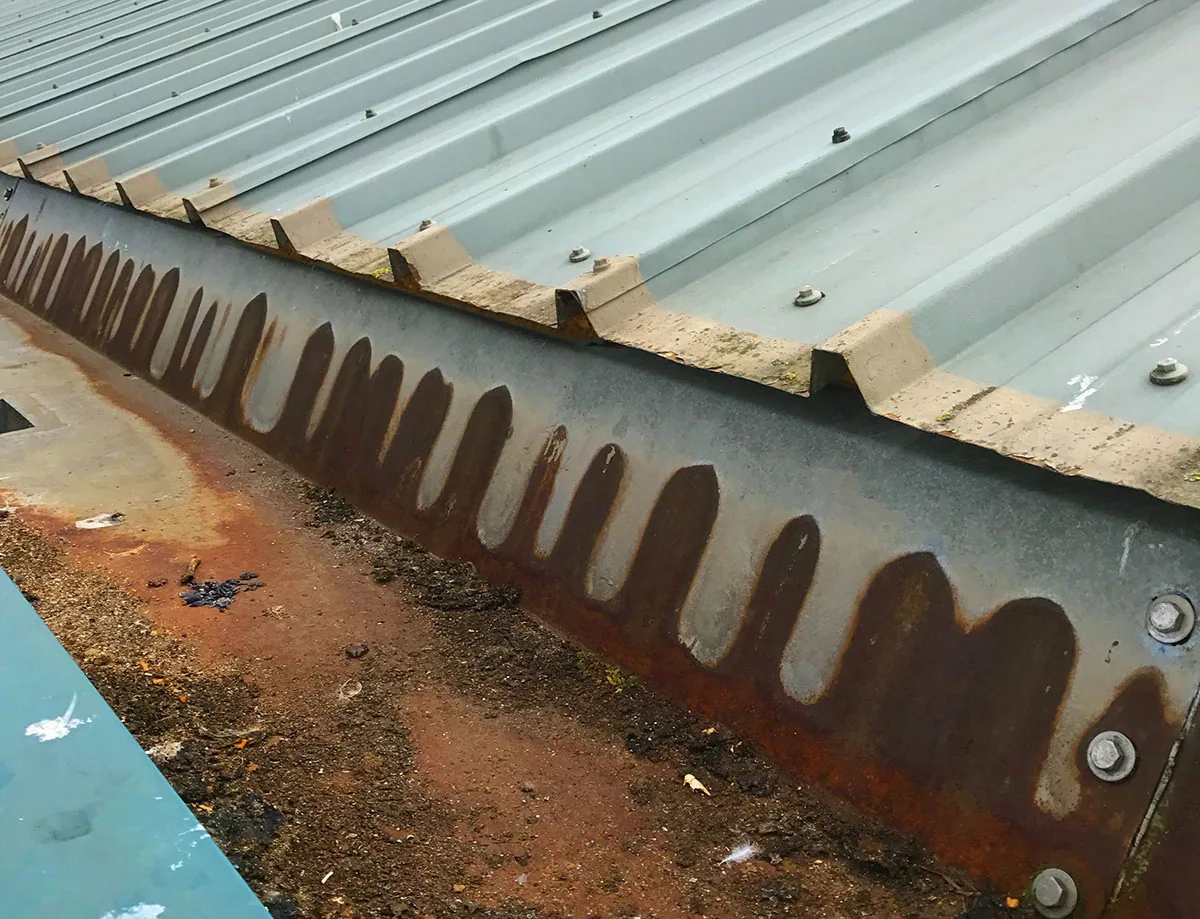
We inspect the membrane for open or weakened welds, fishmouths, punctures, surface wear, and patches that do not bond. A probe check can identify an edge that looks closed but has not fused completely. At the perimeter, we review termination bars, metal edging, corner details, and transitions to walls or equipment. Fastener pull-through or movement can show up as distortion in the sheet before a leak appears inside.
TPO seams are heat welded, so repair preparation must account for dirt, oxidation, old coating, and membrane age. We clean and prepare the area to expose material that can accept a new weld, then verify the finished seam. If an earlier patch uses an incompatible material or covers a damaged section, we remove enough of it to reach a stable boundary. The owner receives photos and a marked location for each repair.
Mechanical attachment, induction welding, and adhered assemblies respond differently to wind and roof movement. We identify the attachment method from records or field evidence and check for loose plates or displaced fasteners where accessible. If the perimeter moves repeatedly, a field patch may not correct the load path; the termination and adjoining metal need review.
Match the Repair to the Existing Sheet
Repairs need compatible membrane and weld conditions. We identify whether the sheet is reinforced, how old repairs were made, and whether the surface remains weldable. A new patch that is too small can leave stressed edges; a patch over wet or unstable insulation can close the surface while the assembly below continues to deteriorate. We compare roof evidence with interior reports and confirm the repair boundary before removing material.
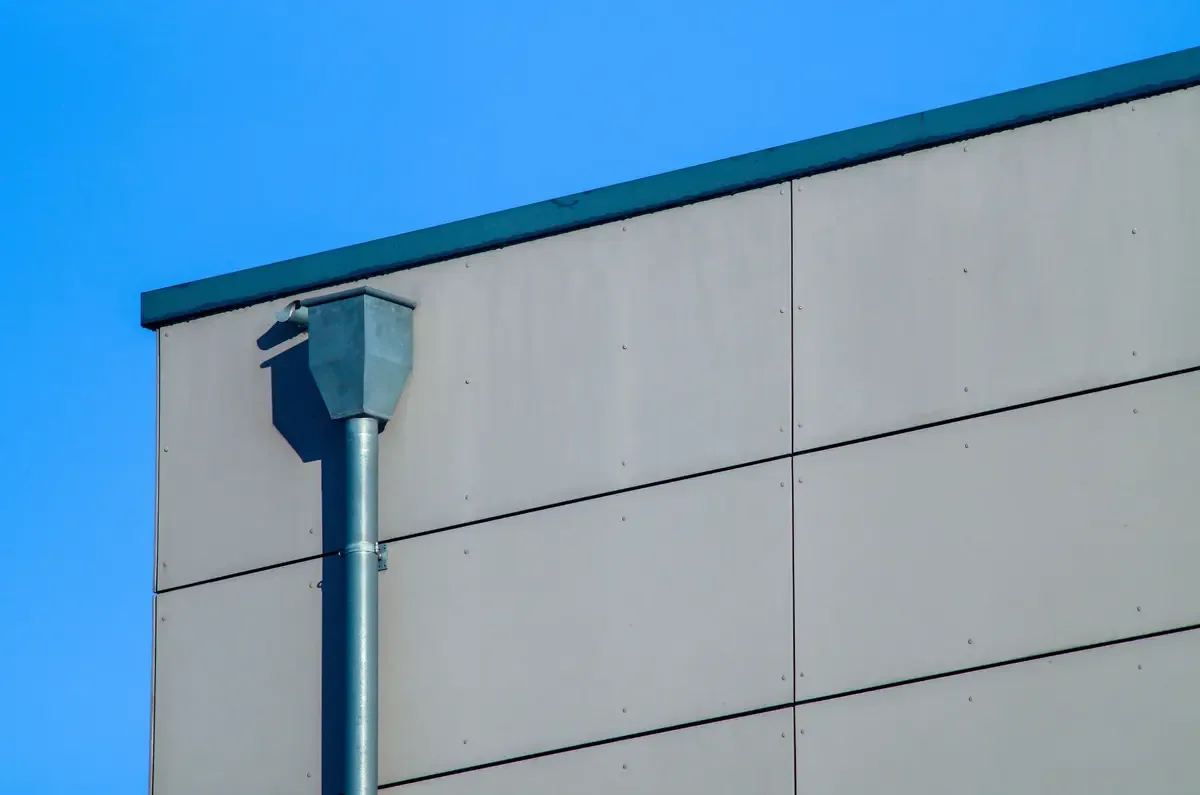
At a puncture, we inspect the full area around the opening, since carts, dropped tools, or service work may have damaged more than one layer. Around a curb, we look at membrane height, corners, and metal counterflashing. At a drain, we check the bowl, clamping ring, and membrane termination.
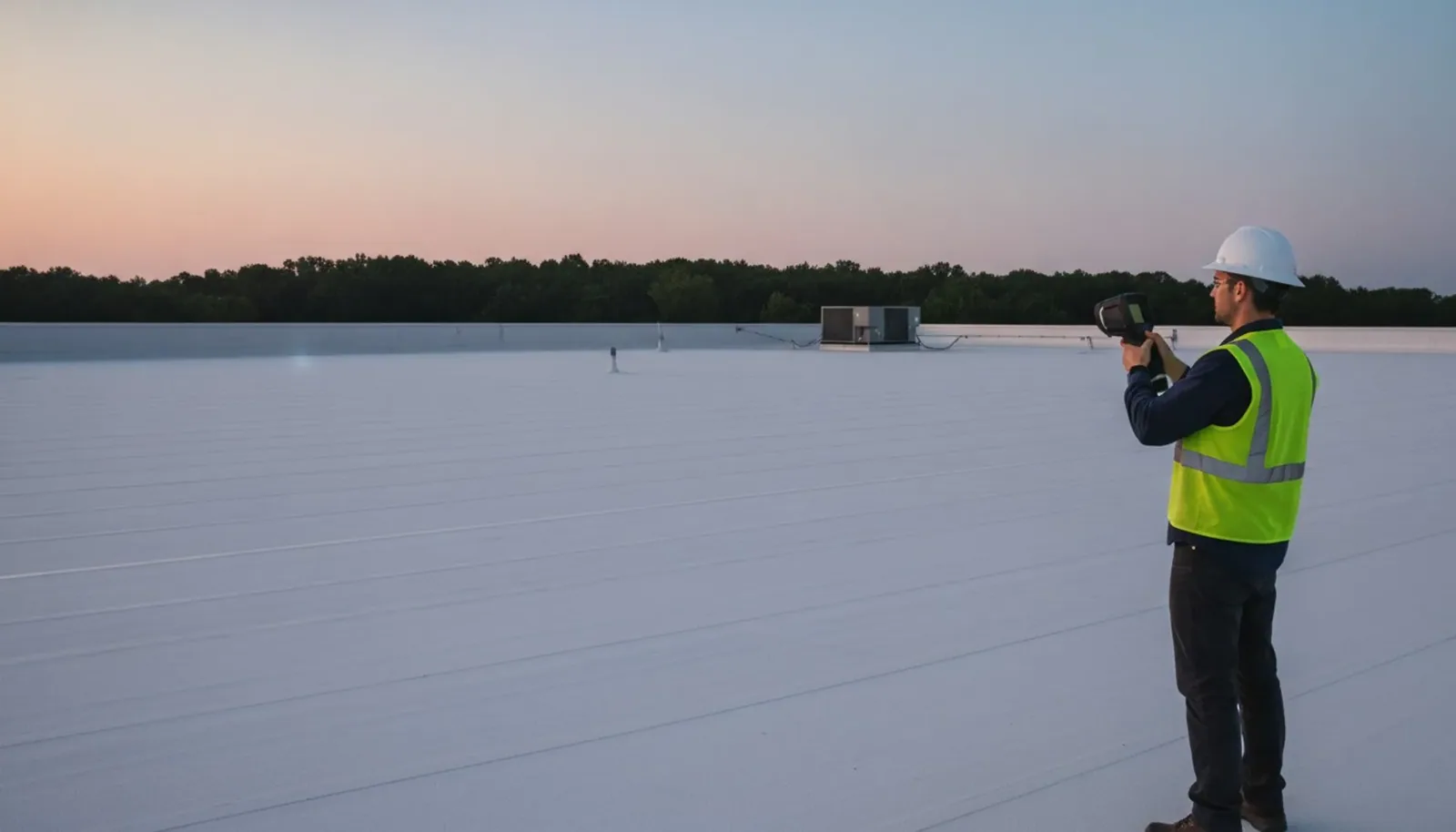
When hidden moisture is possible, a moisture survey can help prioritize test locations. Physical checks confirm the insulation and deck beneath a thermal pattern. A roof inspection can then place confirmed wet areas, open seams, and sound sections on one plan so the owner can compare repair and capital options.
Keep the TPO Field Above a Sound Assembly
The membrane cannot compensate for saturated insulation, crushed cover board, or a deck that has lost support. We evaluate the layers at leak locations and test cuts, then identify where removal must reach dry, stable material. If moisture extends across multiple roof zones, a repair allowance may be less useful than a defined replacement scope. We state which findings are confirmed and which require opening the assembly.
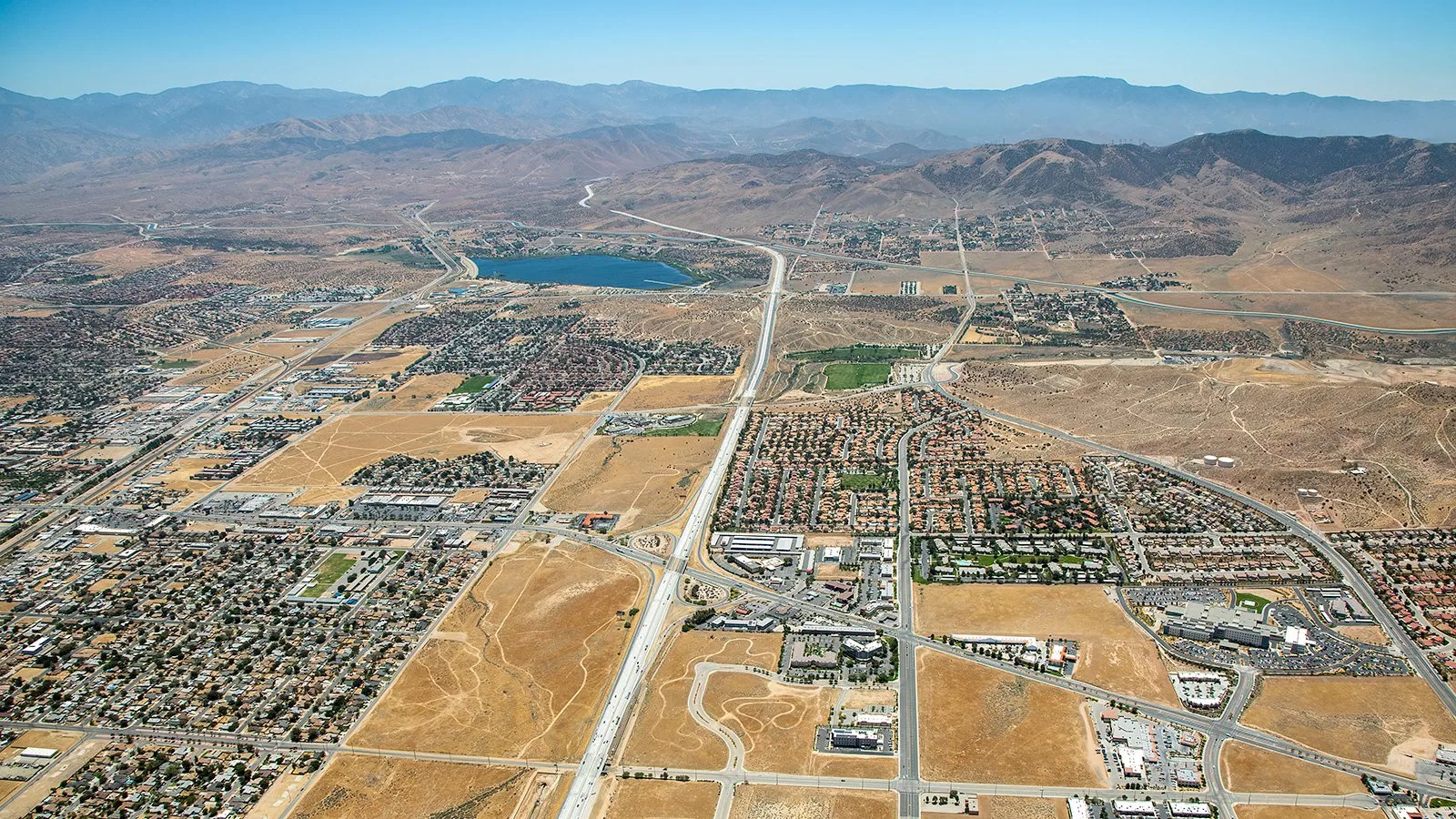
Drainage affects how long water stays on the sheet and where debris collects. We inspect sumps, drain rings, scuppers, crickets, and transitions that can hold water against a seam. Lancaster’s normal annual precipitation is 6.81 inches, with most falling in the cooler months. Even in a relatively dry climate, the drain path needs to clear short storms rather than carry standing water into a low seam.
A recover or new installation can change elevation at curbs, doors, parapets, and overflow outlets. We measure those points before recommending an added layer. Insulation and tapered-board work can correct a suitable assembly, while drain corrections address outlet and discharge problems that membrane work alone will not solve.
Plan a TPO Installation in Workable Sections
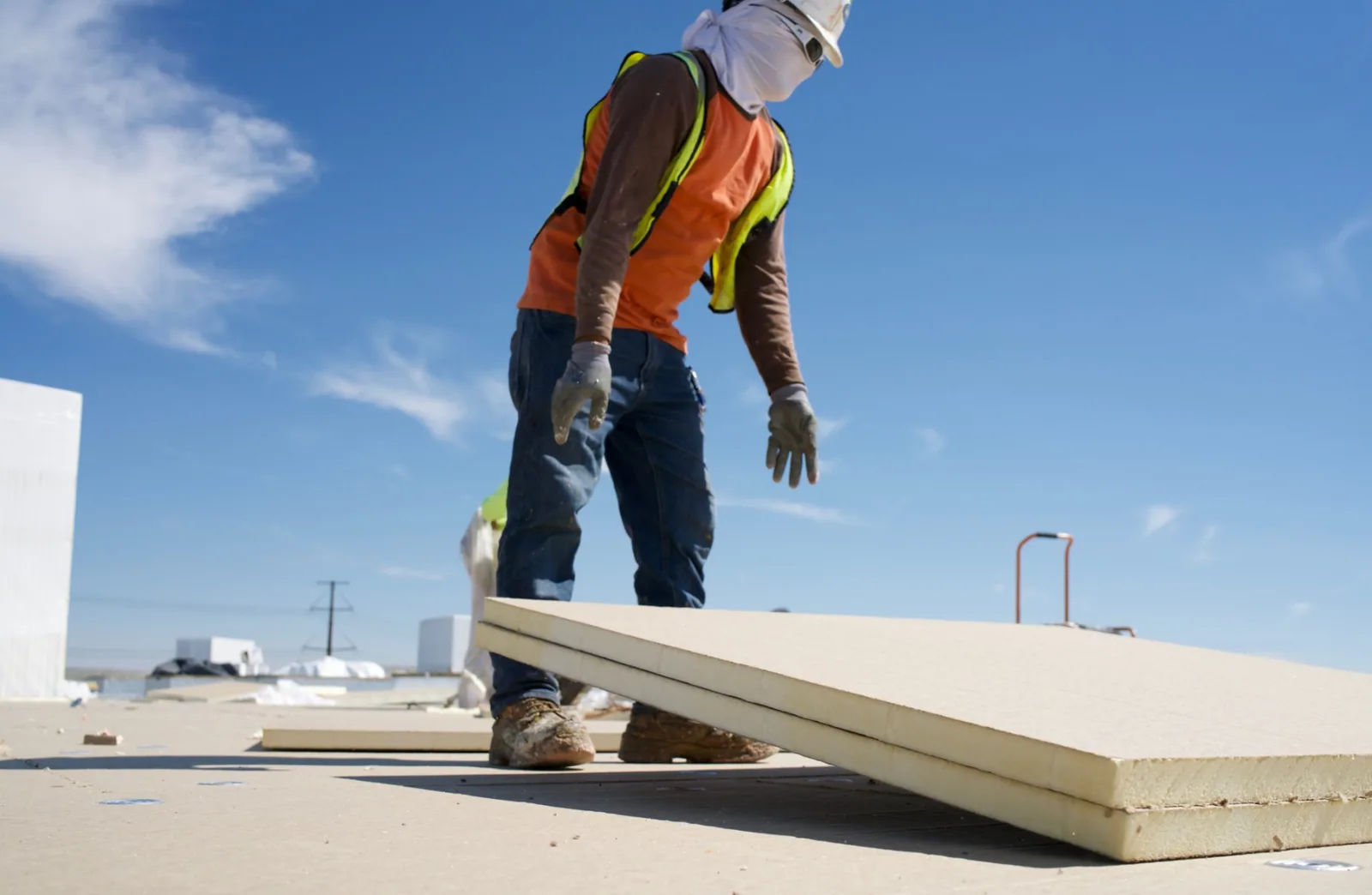
Before installation, we review substrate preparation, insulation attachment, cover-board layout, membrane attachment, seam orientation, and perimeter details. The substrate must be dry, smooth, and ready before the sheet is placed. On an occupied building, we phase removal so the roof can be closed before a weather change or the end of the shift.
Lancaster’s summer heat affects both worker conditions and material handling. The installation sequence follows the membrane manufacturer’s temperature and welding requirements. We check sample welds and verify seams as the crew progresses instead of assuming the machine setting alone proves a sound joint. Where afternoon heat alters the working window, production is adjusted so quality checks remain possible.
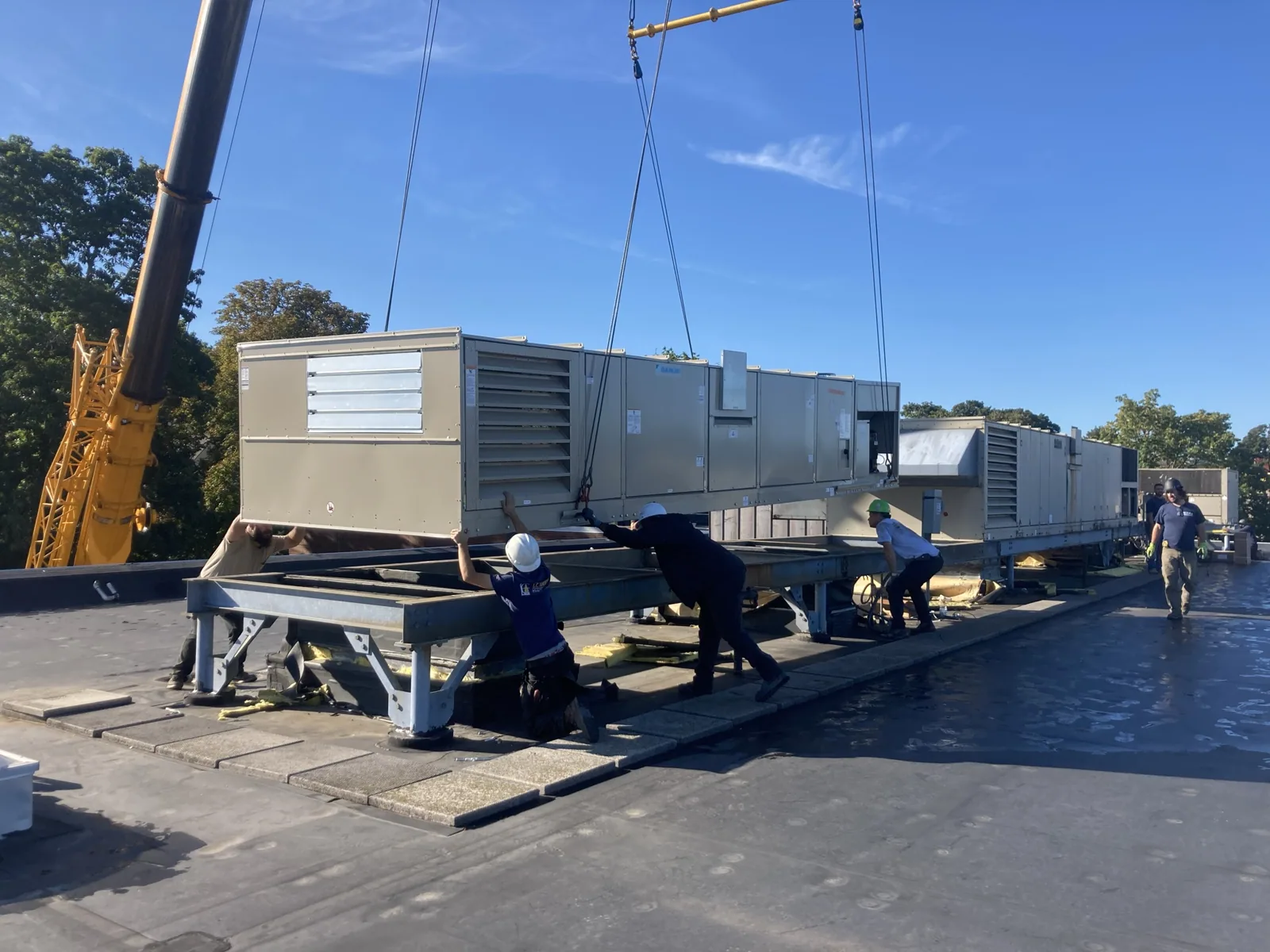
At a replacement project, existing equipment and access routes need to be coordinated with the new membrane elevations. We identify rooftop units, pipe supports, hatches, walk paths, and drain locations on the plan. If a unit is being replaced at the same time, curb and support coordination helps avoid a new flashing detail being cut or covered by another trade.
Choose Between Repair, Recover, and Replacement
A repair can be reasonable when the affected area is contained, surrounding welds remain sound, and the insulation is dry. Recover may fit when the existing assembly is stable, compatible with the new layer, and the added height works at drainage and edges. Replacement becomes more relevant when moisture is widespread, attachment is compromised, the deck needs repair, or repeated patches no longer define a durable boundary.
We compare options across the same roof sections and state the assumptions behind each. The scope separates membrane, insulation, cover board, edge metal, drains, and equipment work. If a hidden condition changes after tear-off, we document it and confirm added work before covering the opening. A new project may compare TPO with PVC roofing or EPDM when the roof design and owner requirements support those systems.
For new submittals in Lancaster after January 1, 2026, the applicable state package includes California’s 2025 building codes and local amendments. We coordinate specified roofing materials and details with the project design team, while the design professional determines the code path.
Keep Weld Checks With the Roof Record
At closeout, we document the installed membrane, attachment, seam checks, perimeter metal, flashings, and any locations that need follow-up. Images identify the roof section rather than simply show a close-up with no context. The owner can compare the completed work with the plan and keep open conditions visible for future service.
Routine inspection checks seams, patches, drains, corners, and traffic routes, especially after equipment work. Prior photographs locate the detail if a future repair is needed.
Send roof plans, prior TPO repairs, and any test records when requesting an assessment. We will inspect the membrane field and details, then identify a repair or replacement path the existing assembly can support.
Commercial Roofing Questions
How can you tell whether a TPO seam needs repair?
We inspect the seam edge for separation, contamination, distortion, and prior patching, then probe or test it as conditions allow. The repair method follows the membrane’s weldable surface and the condition beneath the lap.
Can a TPO roof be coated instead of replaced?
A coating is considered only when the membrane and substrate are suitable, compatible preparation is available, and the project specifications allow it. We inspect repairs, moisture, and drainage before comparing restoration with recover or replacement.
Does standing water damage TPO?
The membrane’s resistance to water does not make blocked drainage acceptable. We check how long water remains, whether the assembly is designed for that condition, and if drains or slope need correction.
Can you repair TPO around rooftop equipment?
Around equipment, the curb, support, membrane turn-up, and access route are reviewed as one area. If equipment work disturbed the roof, we coordinate the flashing repair with the mechanical contractor and identify unit access restrictions.
What should a TPO replacement scope include?
It should identify removal limits, deck and insulation work, cover board, attachment, membrane, perimeter details, drains, curbs, and inspection points. We document assumptions and concealed conditions that may change the scope after opening.