A water complaint at one address can compete with roof needs across a whole portfolio. Property managers need to know which condition needs immediate attention, what can wait for a planned visit, and whether a prior repair changed the roof record. We inspect the affected property, document the evidence, and identify a repair boundary that can be compared with other buildings. Each recommendation stays tied to the roof and access conditions at that site.

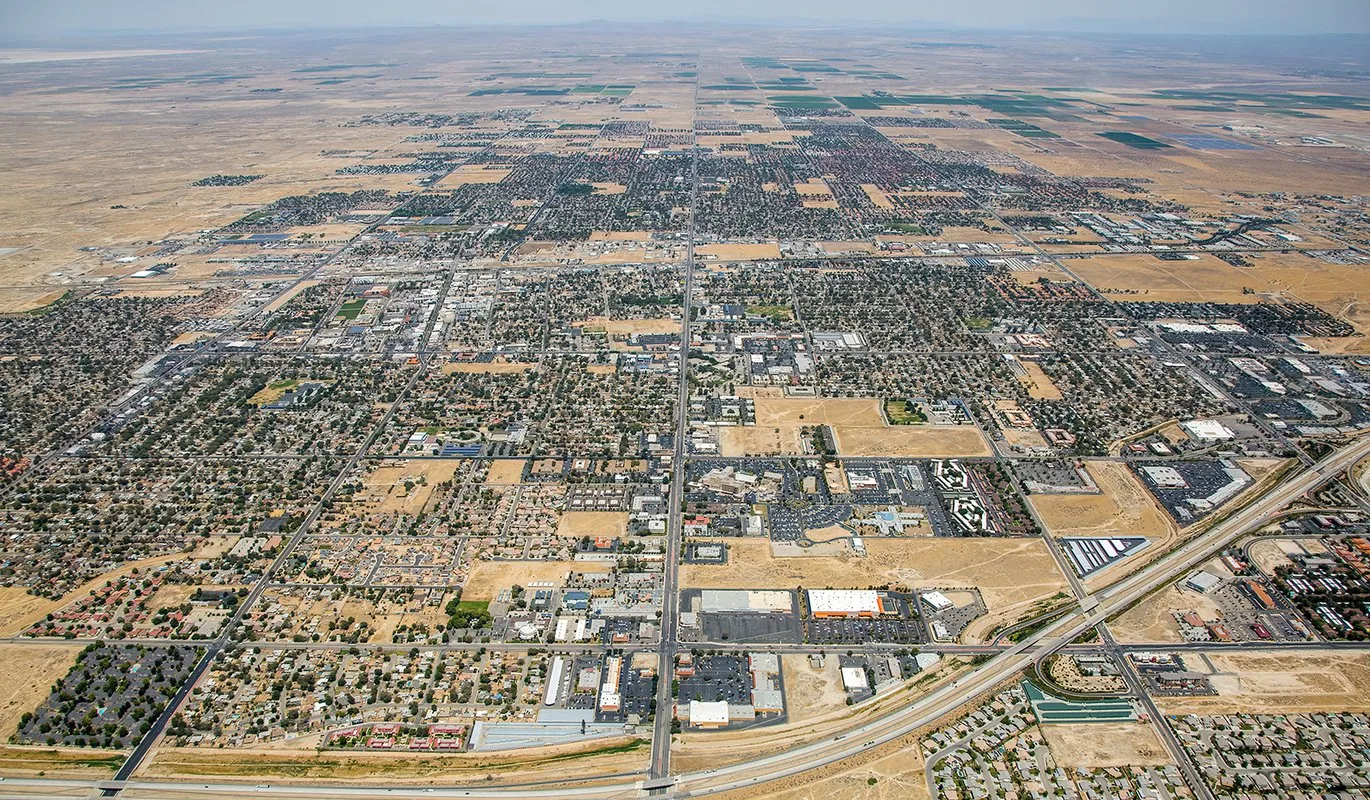
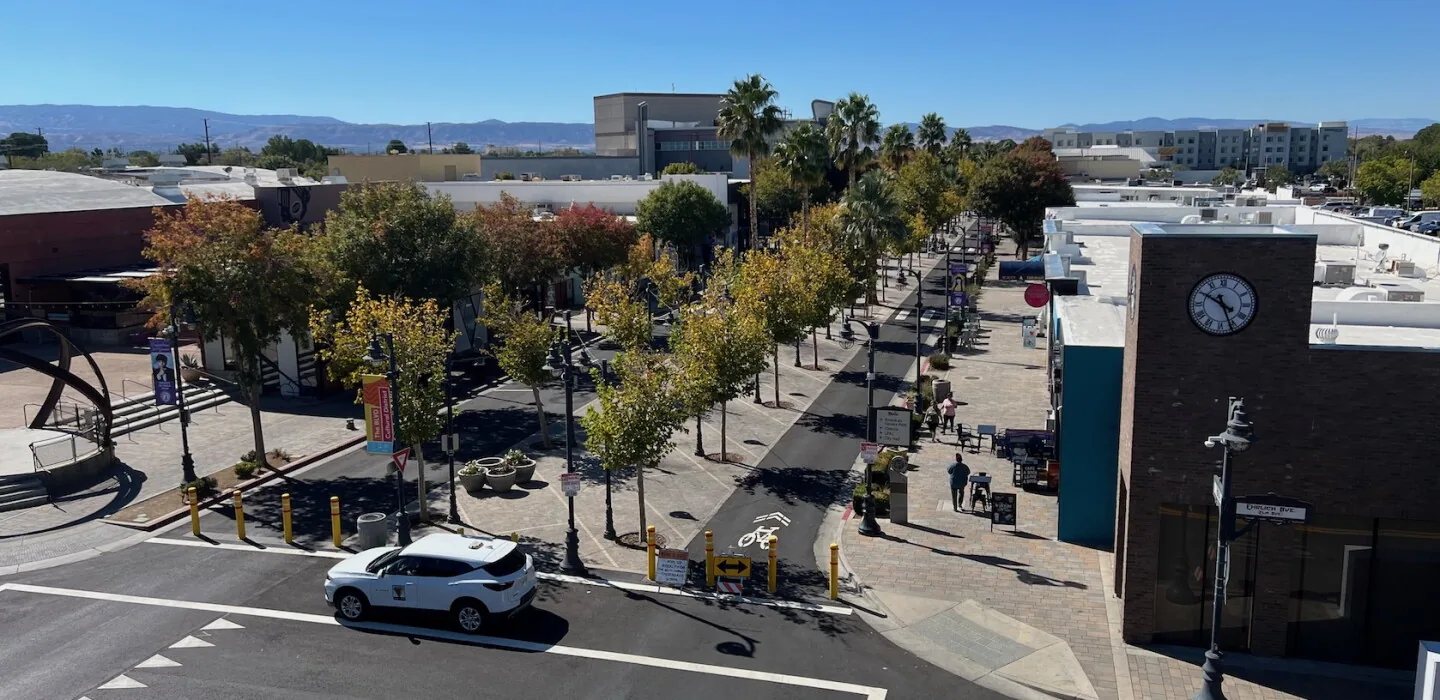
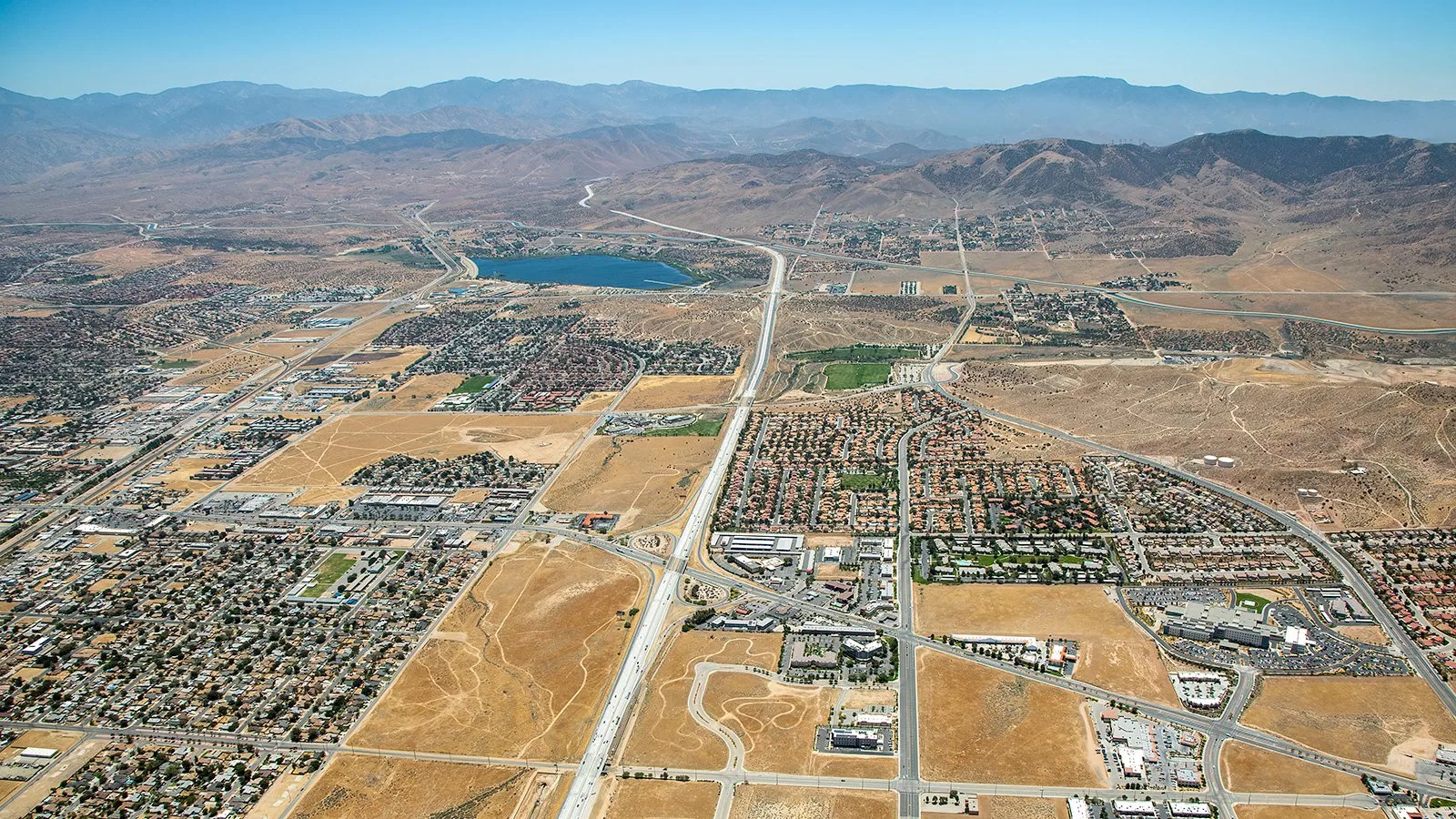
Lancaster's planning inventory includes the Lancaster Business Park, the Amargosa Creek Planning Area, and the Lancaster Health District, reflecting distinct commercial, medical, office, and industrial uses. A portfolio may span those settings, but each building needs a separate condition record and scope. At onboarding, compare roof plans with repair invoices, warranties, equipment records, and the last available inspection. Identify the site contact, roof access point, and any operating window that limits a visit. Gaps in the file should be listed for confirmation rather than filled with assumptions about roof age or prior work.
Create a Comparable Record for Each Property
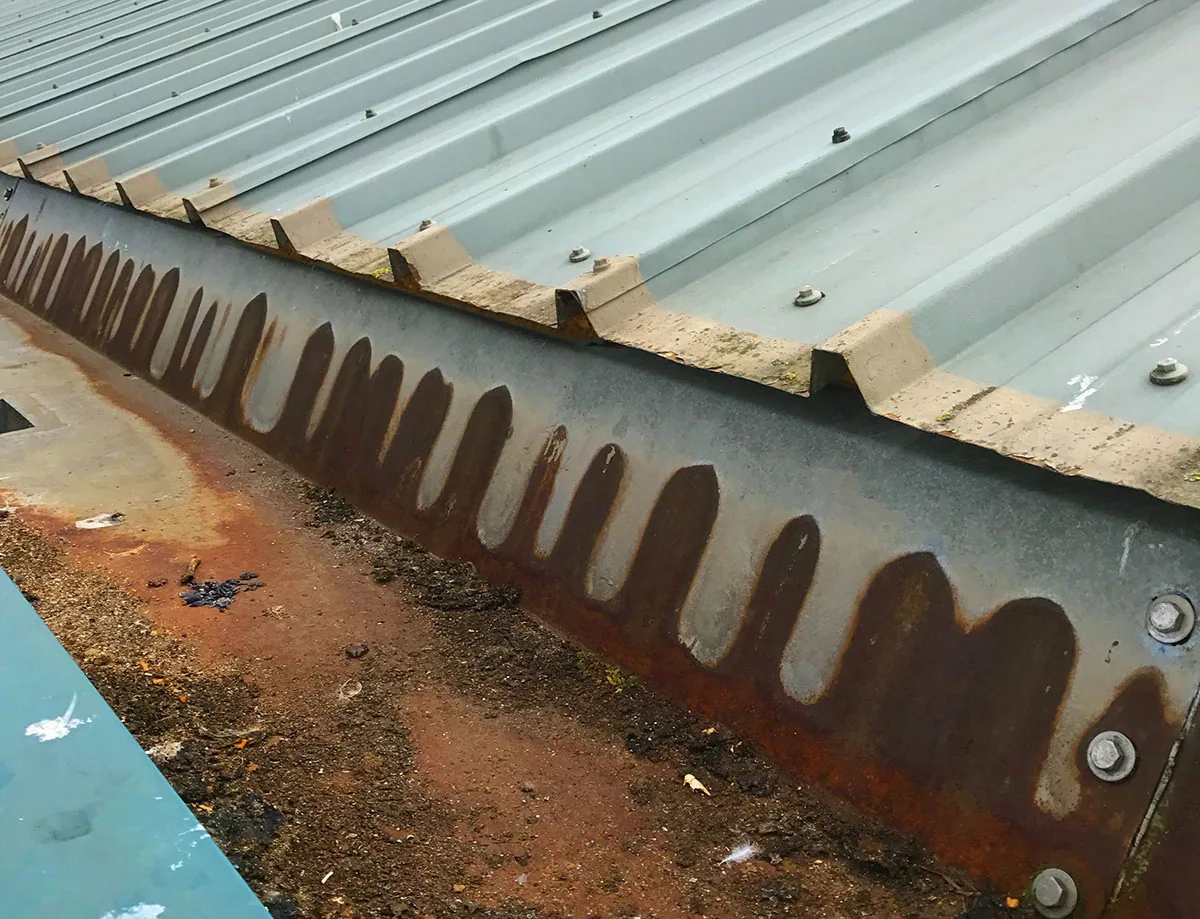
For a manager responsible for multiple roofs, useful reporting starts with a consistent set of fields: building, roof zone, reported condition, visible defect, testing, and work recommended. The inspection traces water from the interior report toward seams, curbs, drains, wall transitions, or edge details. If testing is not authorized or access is limited, the record states that boundary instead of treating an unknown area as sound.
A commercial roof inspection can establish a current baseline. A real-estate owner report may use the same property history for capital review, while a healthcare facilities plan adds operational constraints for occupied care space. The work record remains specific to each site, even when the portfolio uses shared reporting formats. If several leak reports cluster in one area, compare them by roof zone and date. A pattern may justify testing between the visible complaints, while separate roof sections may show unrelated defects. The manager can then direct access to the locations most likely to change the repair decision and keep tenant entry focused.
Separate Active Leaks from Deferred Conditions
When reports arrive from several tenants, the manager needs evidence to sort them. An active leak, open flashing, or blocked drain can call for prompt action. A worn coating or aging membrane may need condition review without immediate replacement. We note whether moisture is present, whether the material can be repaired, and what remains uncertain. That helps the manager explain the next step without promising a result beyond the inspected area.
For a Lancaster property, roof exposures include repeated summer heat and a defined winter rain period. William J. Fox Field's normal August high is 97.8°F, and most of the station's typical annual rainfall occurs from November through March. Those patterns can guide inspection timing for exposed seams and drainage, but they do not diagnose a specific roof. Work priority follows observed conditions and tenant impact. A recurring drip after each storm, a report limited to one event, and a stain with no recent moisture are different records. We document the timing and visible evidence so the manager can separate active water intrusion from a condition that needs monitoring. When electrical rooms, stored goods, or occupied areas sit below the report, that impact belongs in the work order alongside the roof finding.
Coordinate Tenants, Vendors, and Access
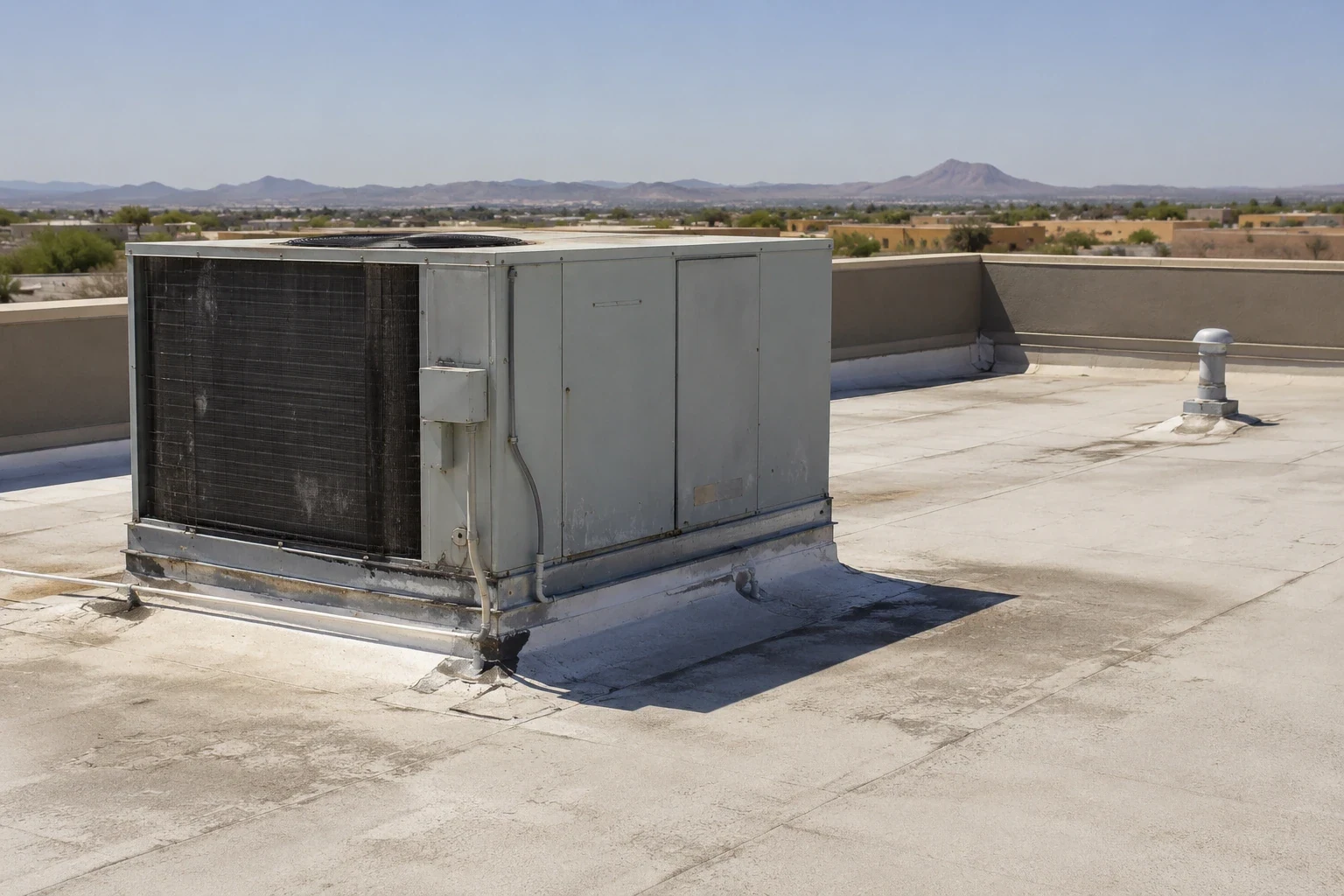
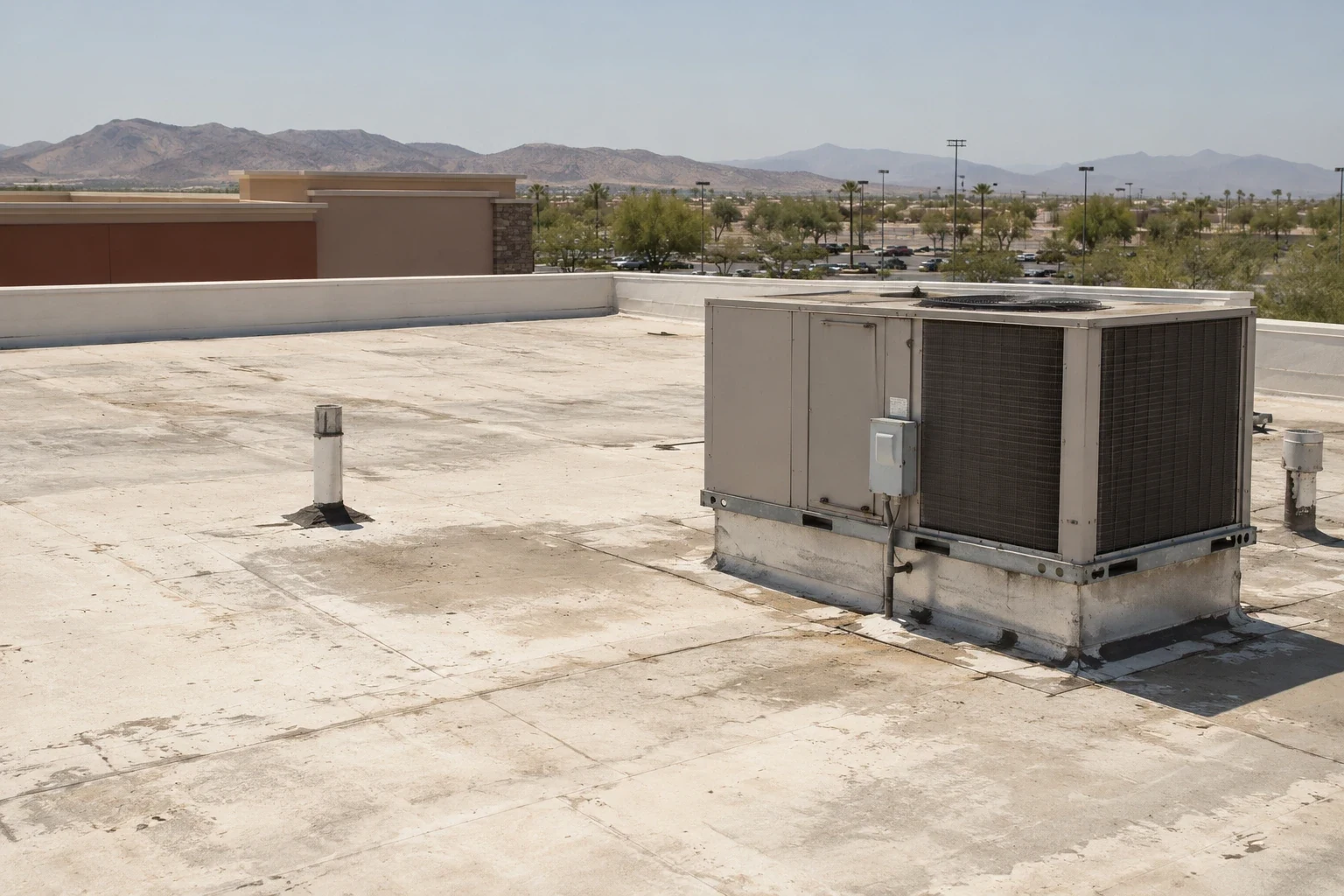
Roof work can require tenant notices, interior protection, after-hours access, delivery coordination, or a temporary closure of one area. We identify the roof entry, staging location, lift path, and rooms beneath test openings before scheduling. The manager can tell occupants what space will be affected and who to contact if conditions change. If mechanical or electrical contractors will work on the roof, the scope identifies how flashing and membrane will be restored afterward.
Portfolio operations may involve retail, medical, office, warehouse, or residential tenants. A retail and restaurant chain plan addresses repeated locations and customer traffic; a multi-building healthcare owner may need a separate sequence. The maintenance log should identify which party approves access and what protection is required below the roof zone. That coordination is more useful than a generic work notice. For a multi-tenant property, the manager can name one point of contact for access and another for tenant communications. The roofing scope can state arrival windows, staging limits, interior protection, and how a new leak report should be relayed during work. A simple closeout notice can then confirm when the barrier is removed and which zones remain under observation.
Compare Repair and Capital Needs Across the Portfolio
Repair, recover, and replacement decisions need comparable evidence. We map the visible defect, test where moisture may be concealed, and state whether the surrounding substrate can support a localized repair. If damage crosses several bays, the scope shows the confirmed boundary. A recover requires review of attachment and existing layers; replacement may be appropriate when failures recur or the deck condition changes the assembly. Roof age alone does not set the priority.
The manager can use the same condition fields to rank work by active leakage, tenant impact, testing result, and capital scope. Roof condition reports can provide a record for planning; replacement assessment can compare phased options. The next budget discussion can then distinguish a repair authorization from a broader project that still needs design or funding. Comparisons are easier when each option lists preparation, disposal, flashing, drainage work, access, and exclusions separately. If testing or concealed deck damage could alter quantities, the estimate should state that condition and how it will be reviewed before added work proceeds. That gives the owner a practical approval point rather than an open-ended scope.
Use Maintenance to Reduce Surprise Work
Scheduled visits can check drains, exposed seams, equipment curbs, edge metal, and prior repair areas before the wet season. A manager can decide which buildings need a closer look based on repair history and the condition notes from the last inspection. Preventive maintenance should produce dated photographs and identify any new condition that changes the site's risk or work plan.
A useful portfolio record carries forward as properties change tenants or ownership. Keep the roof map, warranties, leak reports, invoices, and testing results in one property file. When a leak returns, staff can compare the date and affected area with the last repair rather than restarting from a ceiling stain. Send those records for an assessment when several sites need review; each result will identify what is confirmed and what remains to be inspected. A calendar can group visits by geography while the findings stay property-specific. Before the wet season, managers can review outlet condition and open repair items; after significant work, they can update the roof map and warranty file. The next inspection then has a dated starting point, and unresolved items do not disappear when a site contact or tenant changes.
Commercial Roofing Questions
Can one inspection program cover multiple Lancaster buildings?
Yes, if each building keeps its own roof map, condition record, access plan, and repair boundary. A shared schedule can coordinate visits without assuming that the roofs have the same assembly.
How should a property manager prioritize several leak reports?
Start with active water, tenant impact, electrical or inventory concerns, and the available roof evidence. Testing can help determine whether an issue is local or reaches a larger area.
What should be included in a roof condition report?
Include roof-zone photos, visible defects, testing performed, access limits, repair recommendations, and conditions that need follow-up. Those details make later comparisons more useful.
Can roof repairs be scheduled around tenants?
Often, if the work area, interior protection, access route, and notice timing are defined. The property contact should confirm operating hours and any room or loading restrictions.
When is replacement preferable to continued repair?
Review replacement when repeat failures, moisture testing, or substrate condition shows a broader pattern. A mapped assessment can compare that scope with repairs that remain localized.