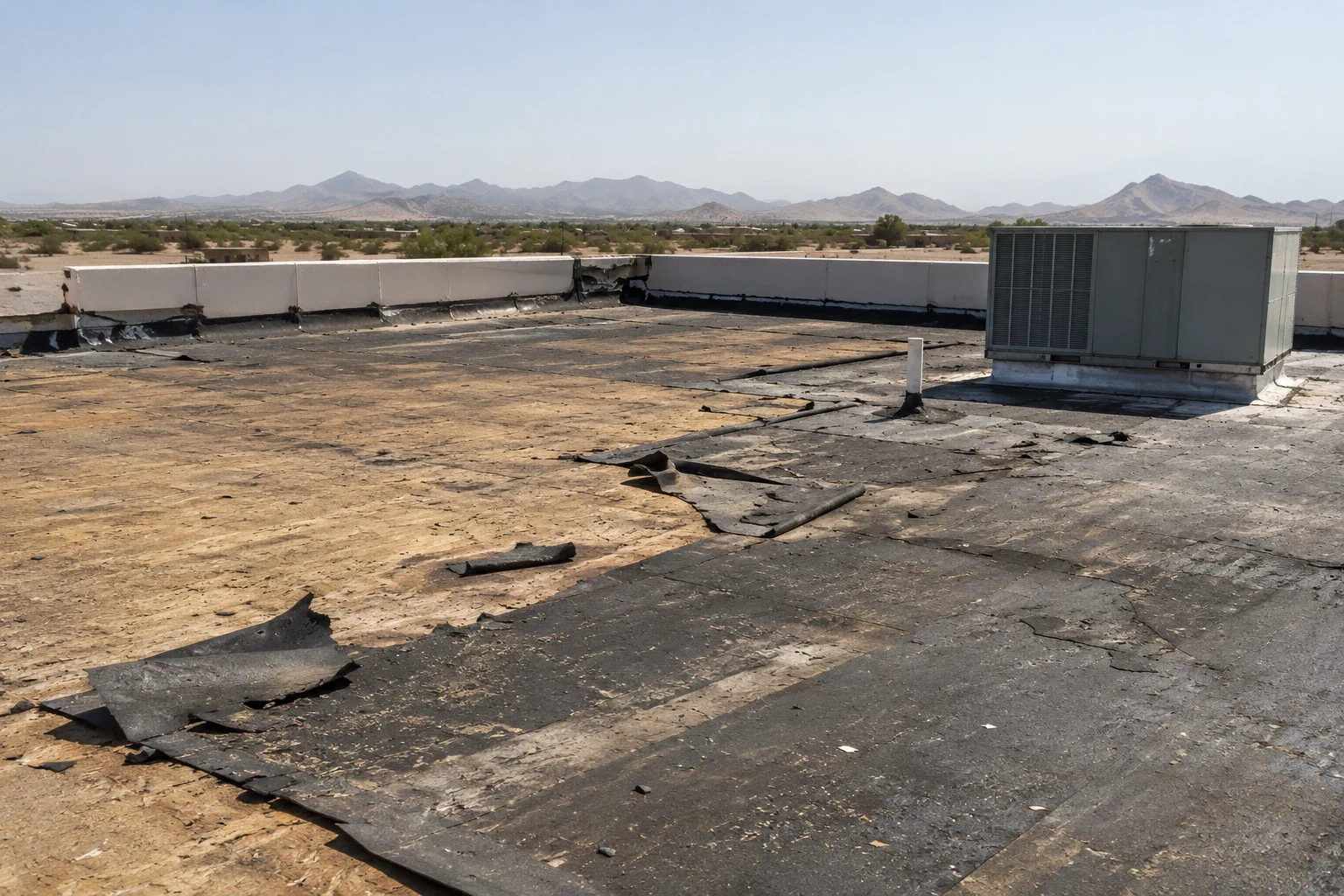
A roof leak at one store can interrupt checkout, food preparation, or a delivery even when the rest of the chain is dry. The useful first step is to identify the site, roof zone, and operation affected. We connect the interior report to nearby seams, drains, equipment curbs, and prior patches, then document what the inspection confirmed. That gives a facilities team a clear decision for one location without treating the entire portfolio as a single roof.
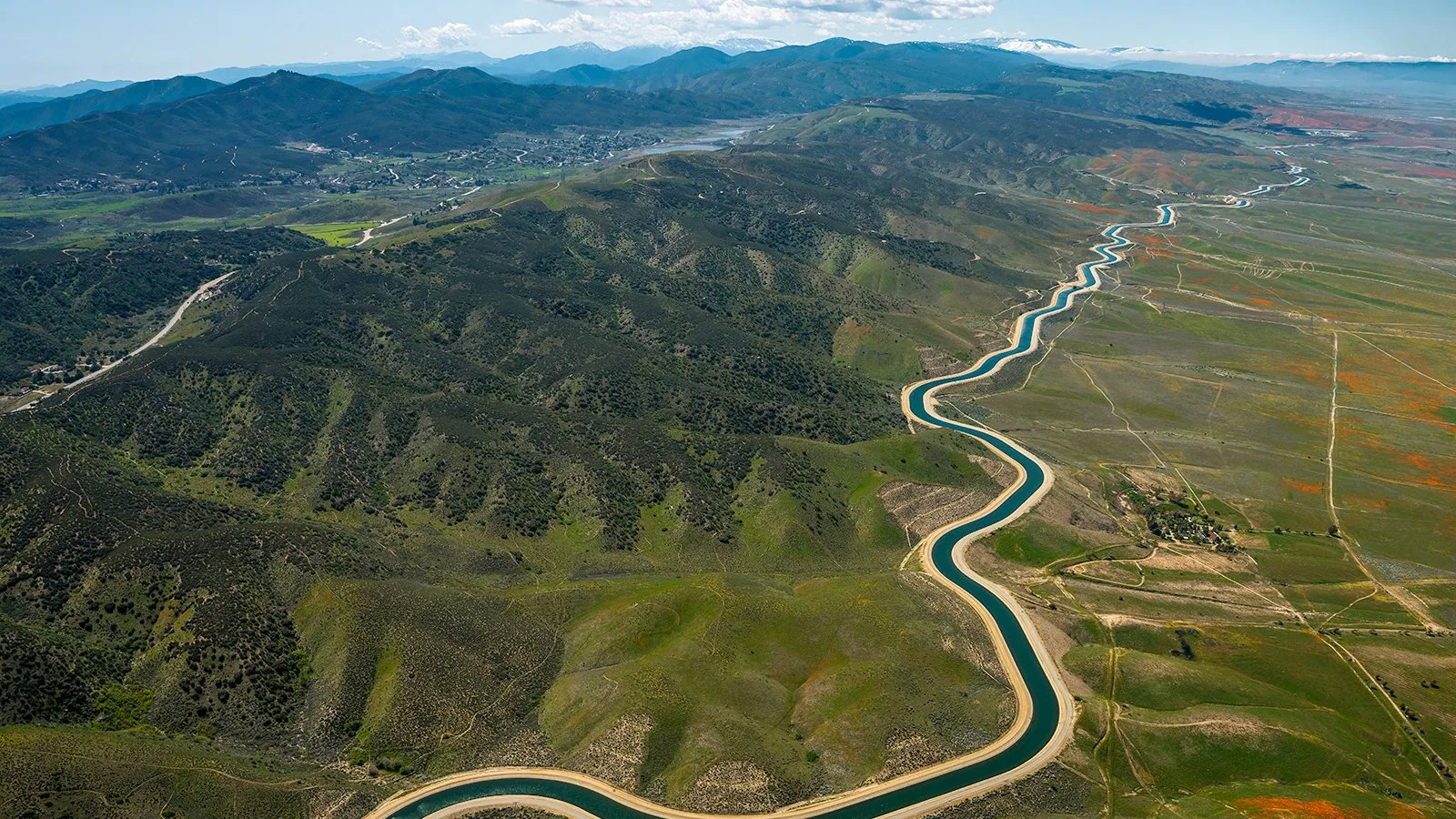
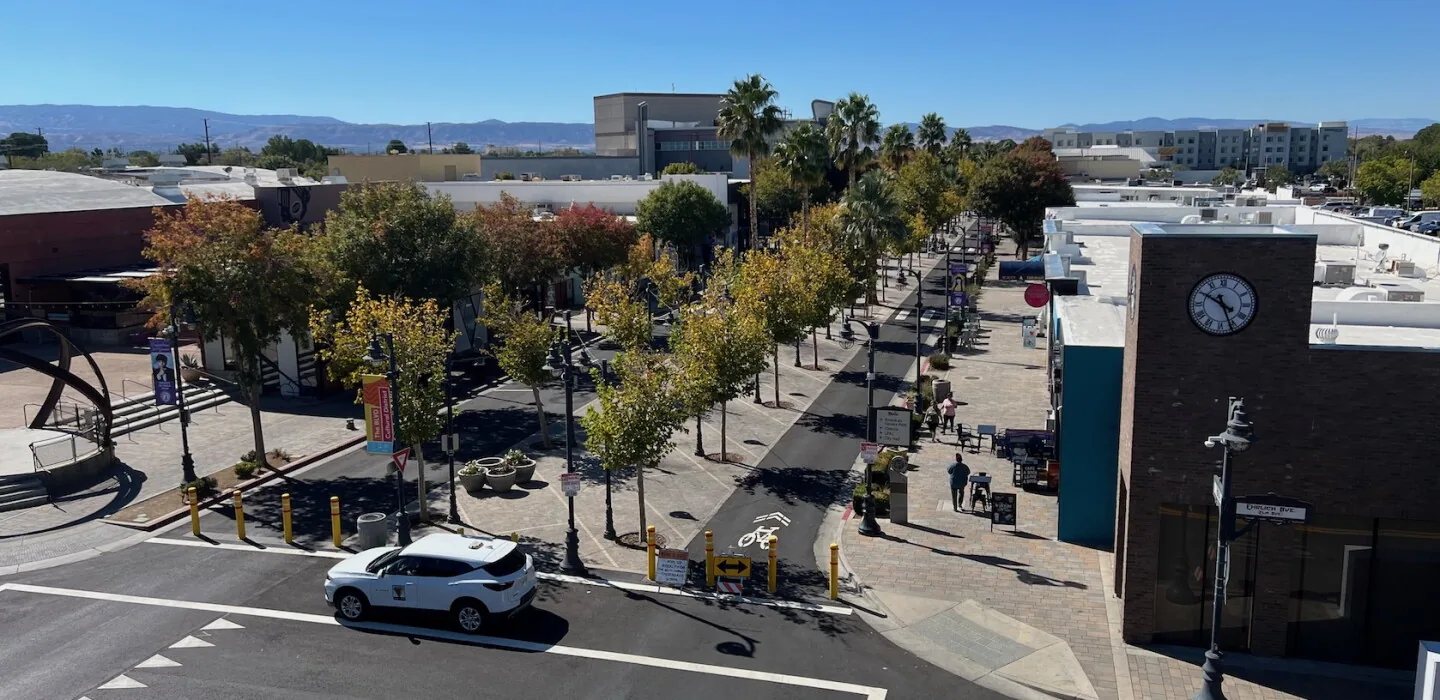
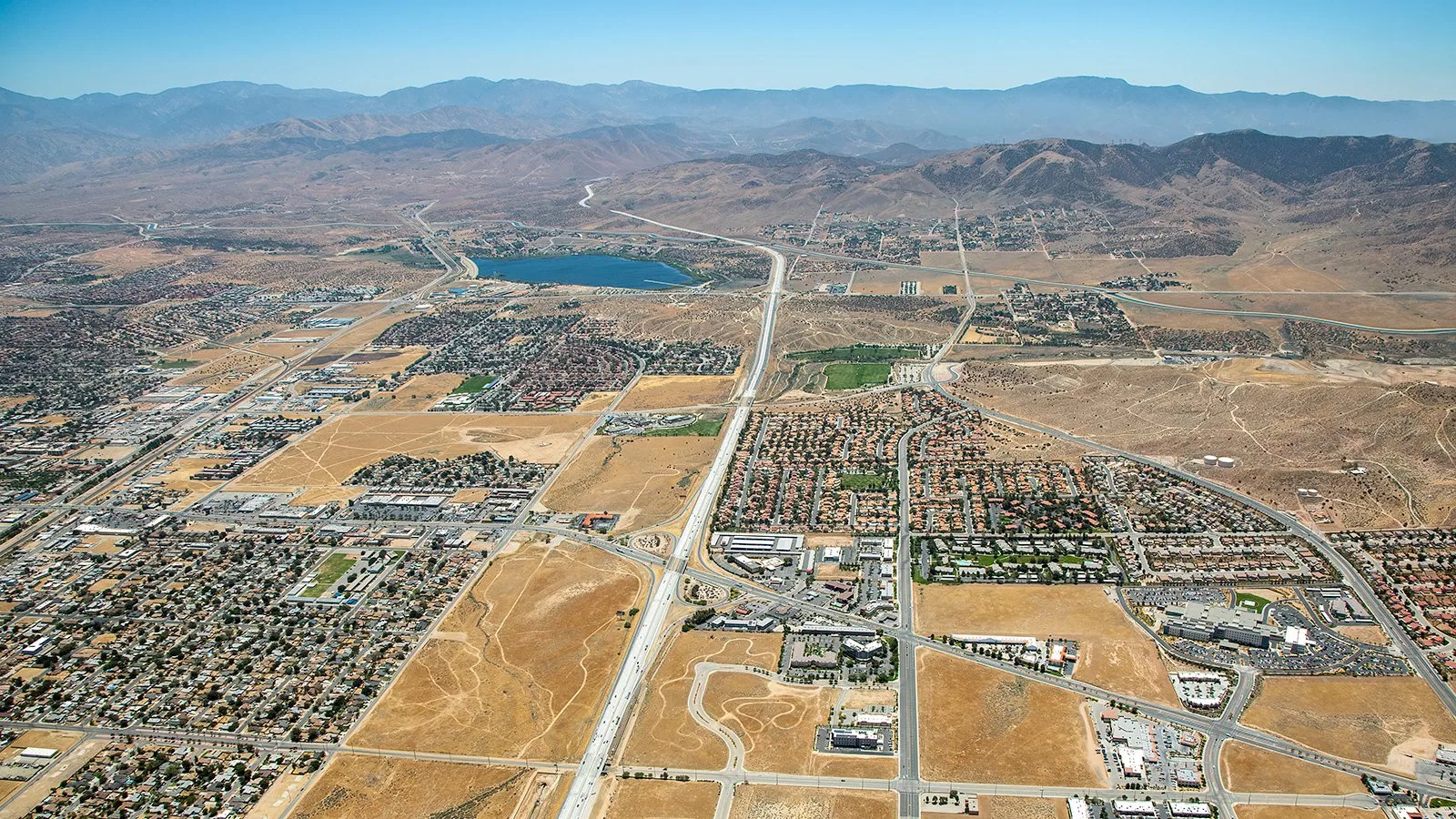
Lancaster's planning records describe mixed office, light industrial, and retail uses at Enterprise Business Park, with separate commercial and industrial plan areas elsewhere in the city. City planning groups retail, offices, and major medical uses within the Amargosa Creek district. Those contexts may place stores near warehouses, clinics, and service tenants, but each roof still requires its own drainage, equipment, and access review. A Lancaster Business Park property may combine different uses under one roof footprint.
Compare the Store Report with the Roof Zone
Record the first visible sign, the room or sales area below, the time it appeared, and whether the condition followed rain, cleaning, or equipment service. On the roof, trace nearby drains, wall edges, penetrations, and membrane seams. Water can travel under the membrane before reaching a sales floor, so the nearest rooftop unit is only one possibility. Photos and a roof plan should connect each observation with the area actually checked.
A commercial roof inspection can separate a confirmed entry point from an unrelated interior concern. For a chain, use a consistent store identifier and roof-zone label so regional staff can match a service ticket to later work. Property management records can help keep vendor access and repair history aligned when the landlord and store operator divide responsibilities. The report should state whether testing was used and what remains uncertain.
Check the Details Above Kitchen and Cooling Loads
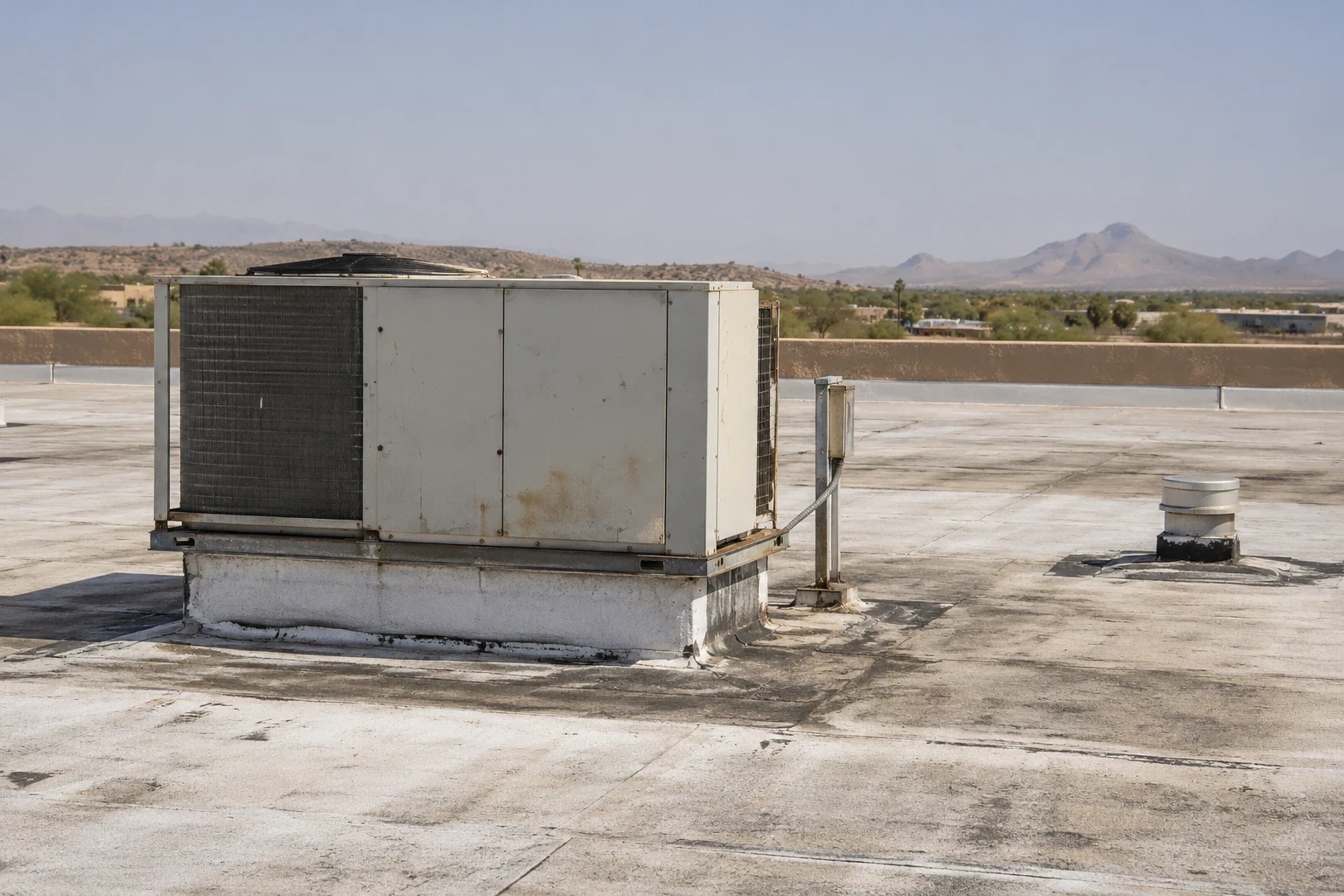
Restaurants have exhaust equipment, grease discharge, make-up air, walk-in coolers, and service lines that can meet the roof in different ways. Retail stores may add rooftop units, signs, and electrical conduits as layouts change. A curb flashing can fail at a corner, a condensate line can discharge where it should not, or a previous trade can leave a membrane cut around a new support. Inspection should distinguish each source instead of assigning every stain to the roof.
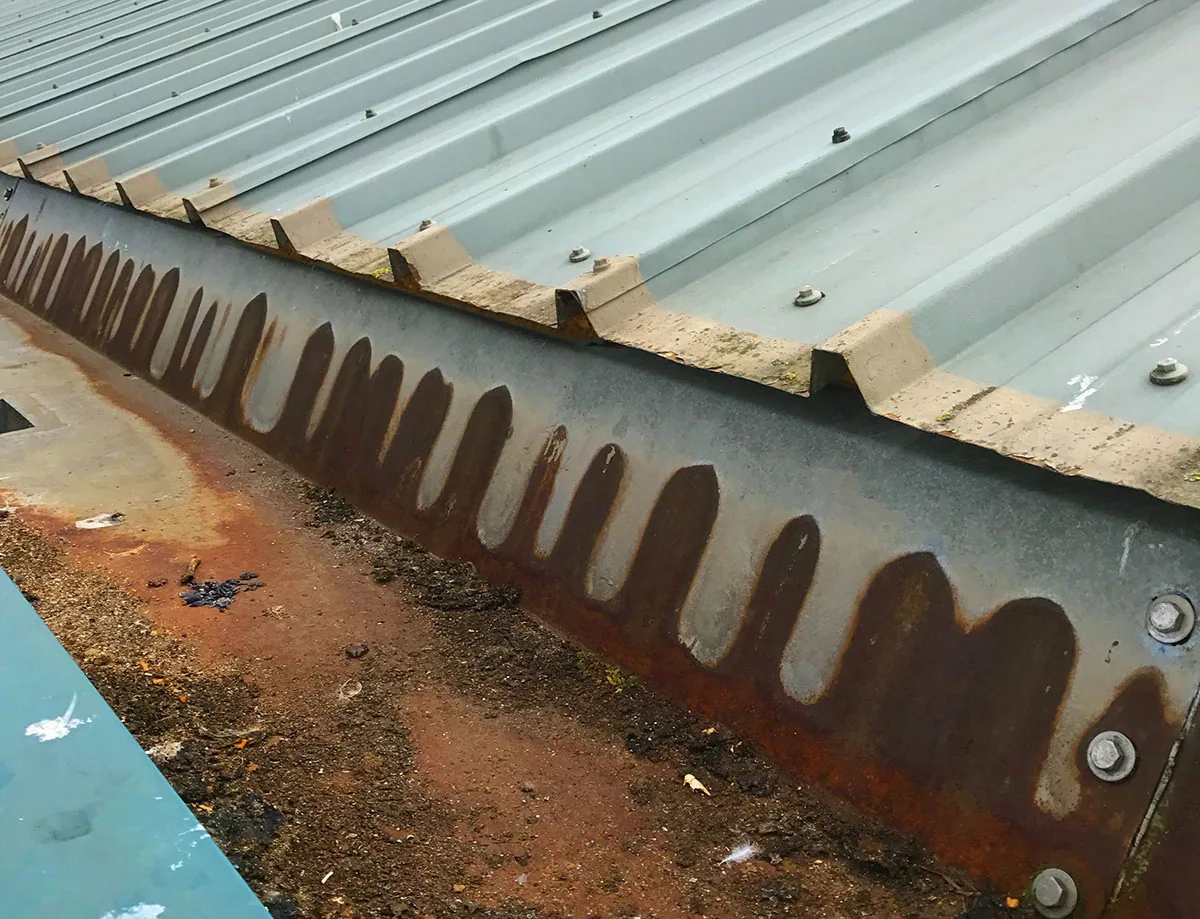
We examine the membrane transition, equipment curb, fasteners, drainage, and any surface residue that might interfere with a repair. If a mechanical contractor changed equipment recently, compare the work order and roof photos. A repair must fit the existing assembly and maintain a sound lap or flashing tie-in. Grease, oils, or cleaning agents may affect material compatibility, so note where they appear and use a suitable preparation method before restoring the weathering layer.
Prioritize Locations by Exposure and Evidence
One contained failure may need a targeted repair; a recurring leak across several roof zones can point to broader deterioration. Compare the risk to the store's use, stock below, and whether water reaches electrical or food-service areas. A chain can prioritize active exposure while preserving a documented list of lower urgency findings. The recommendations should show the roof condition and the reason for timing instead of assigning a priority from the store name alone.
Emergency roof repair can reduce ongoing entry while staff protect the affected space. A defined repair may resolve a local detail when surrounding material is stable. If deterioration extends across connected sections, evaluate replacement planning against inspection results and store access. A maintenance visit can track drains and previous repairs between projects. Each option should identify the specific locations it covers.
Coordinate Store Hours and Deliveries
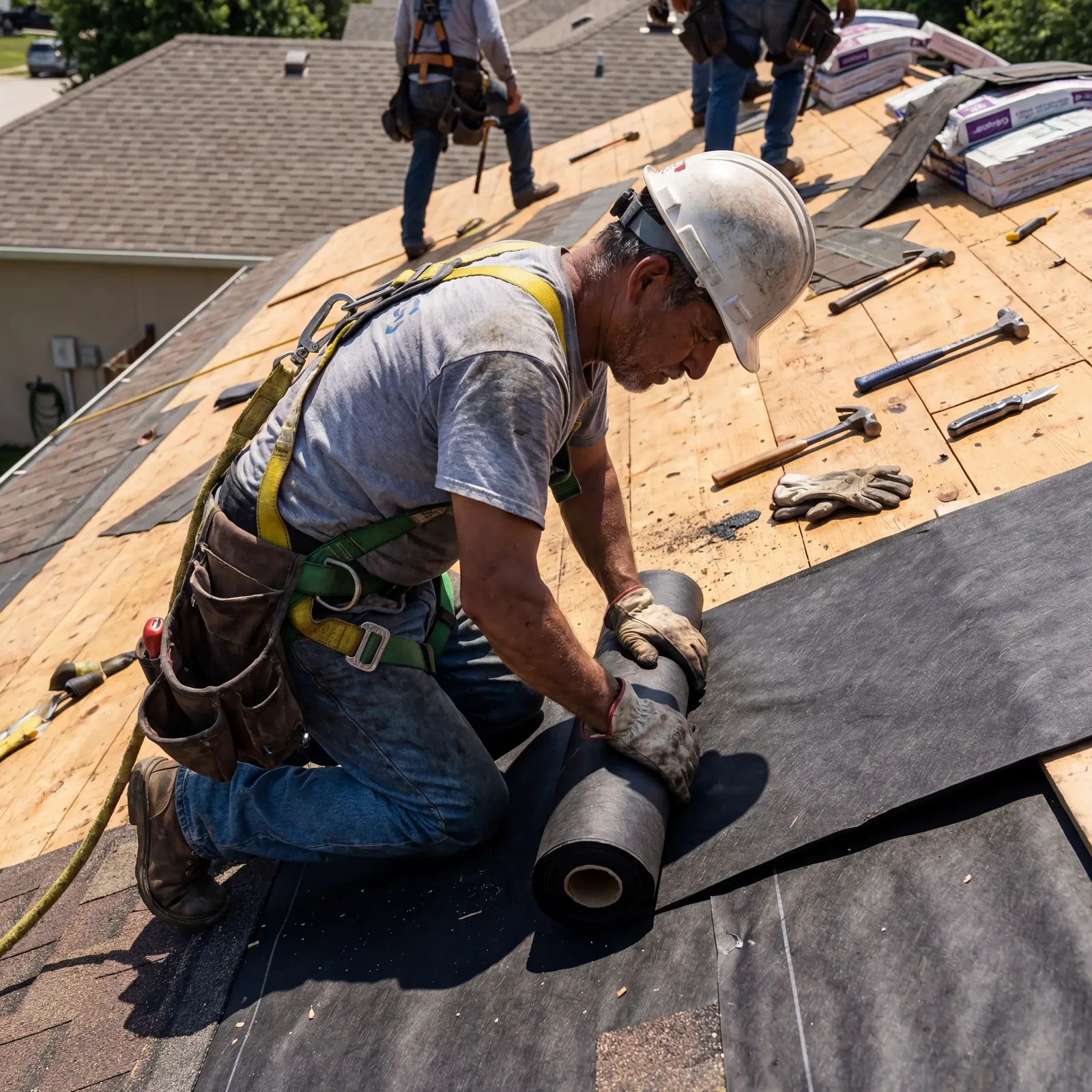
Work may need to fit around opening hours, food deliveries, waste pickup, customer entrances, and parking. Identify roof access, lift placement, material staging, and pedestrian routes in advance. If the repair sits above a kitchen, stockroom, or checkout area, define interior protection and any temporary space restriction. The store manager can tell facilities which hours affect customers and which equipment cannot be shut down without a separate plan.
For multi-tenant retail, confirm who controls common areas and who can authorize work near a shared parapet or drain. If a roof opening is required, state how it will be secured if weather or operating conditions change. Crew movement should not block a fire lane or delivery route without site approval. Clear daily boundaries let a local manager communicate practical changes without having to interpret a technical roof drawing.
Turn Store-Level Findings into a Portfolio Record
Regional facilities teams need to compare sites without assuming that identical storefronts have identical roofs. Store additions, different landlords, equipment replacements, and prior repairs can change the assembly. Keep photos, drain notes, open leaks, material, and work limits under a site-specific identifier. If a chain renovates a kitchen or adds refrigeration, update the roof plan with new curbs and piping so future inspection follows the changed details.
Lancaster's wet season is concentrated in the cooler months, despite a modest annual precipitation normal. Before that window, review outlets, flashings, and unresolved leak reports at each active site. The city planning inventory also distinguishes retail and medical uses in Amargosa Creek from nearby industrial plan areas. A store in the Amargosa Creek area may have different adjacent access and tenant coordination than a center elsewhere in Lancaster. Keep recommendations grounded in the inspected property. When a chain operates stores beside a distribution facility, compare its logistics roof record only for shared vendor or access coordination; its drainage map and roof assembly still belong to that separate site. A portfolio view is useful when it preserves those property-level differences rather than averaging them away.
Questions from Chain Facilities Teams
Multi-site retail work succeeds when a regional standard still leaves room for the actual store, tenant, and roof assembly. These answers focus on keeping a repair decision tied to the location in front of the team.
Commercial Roofing Questions
Can we use one roof specification for every store?
A common reporting format can make the portfolio easier to manage, but repair materials and details depend on the installed assembly, roof condition, and attachment. Confirm each site before issuing a specific repair scope.
How do we respond when a restaurant reports water near a cooler?
Record the room, equipment state, and timing, then check roof penetrations, curbs, drainage, and condensate routes. The investigation should keep the mechanical and roof possibilities distinct until evidence supports a cause.
Can a roof repair be done before a store opens?
Some work can fit into a short early or overnight window, depending on access, cure requirements, weather, and whether the roof needs opening. The scope should confirm the work steps and how the area will be left before staff arrive.
What should a store manager do during an active leak?
Protect people and products, move movable stock if safe, and record where water first appears. Tell facilities about nearby electrical equipment or food-preparation areas so they can coordinate appropriate site response while the roof is inspected.
How can regional staff decide which store comes first?
Use current exposure, affected operations, moisture extent, repeat history, and the consequence of another rain event. Keep the evidence and planned response next to each location instead of relying on an unqualified severity label.
What if the landlord controls the roof?
Clarify who can authorize inspection, temporary protection, and permanent repair. A report with photos, roof-zone reference, and a defined request gives the tenant and property owner a shared basis for resolving responsibility.