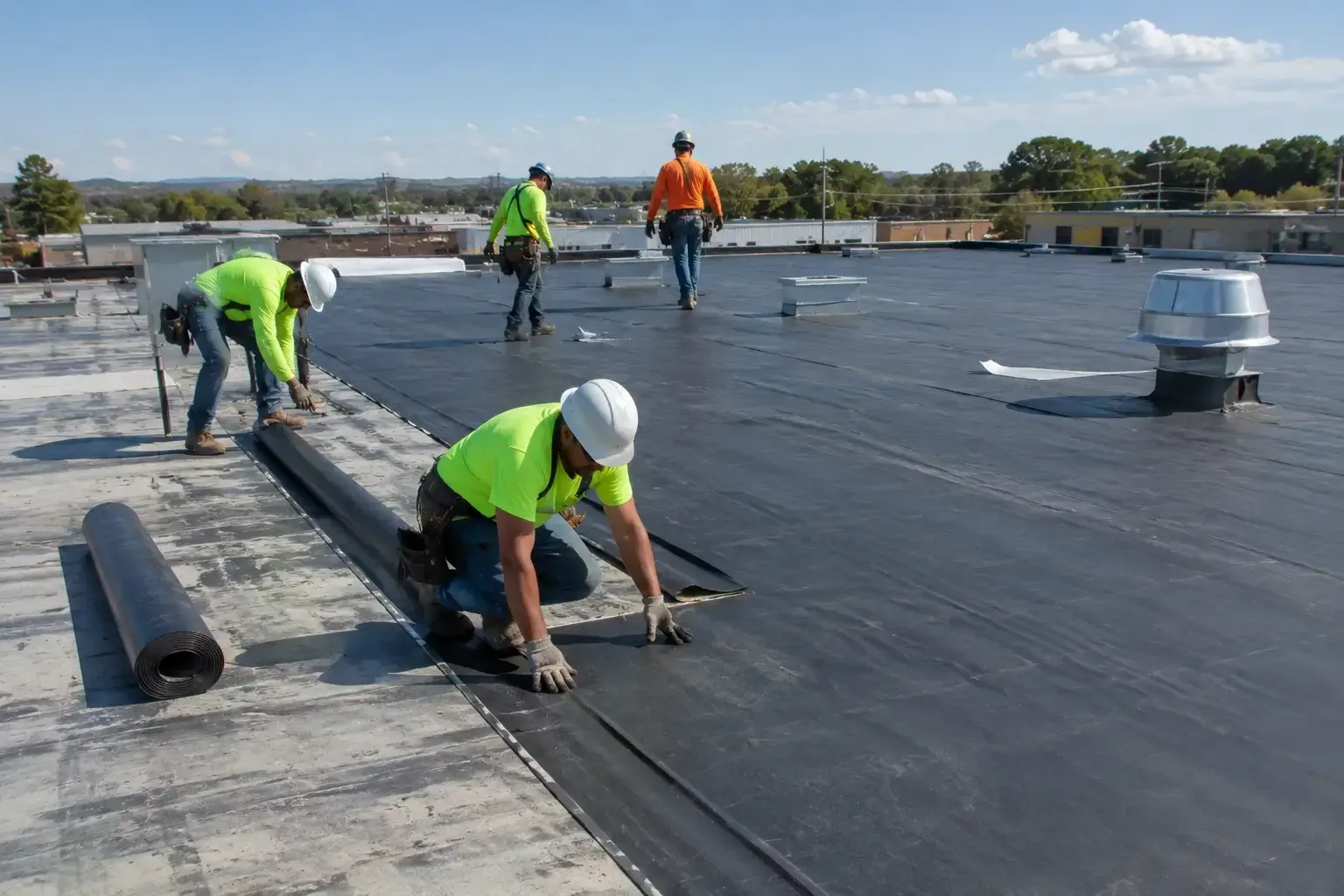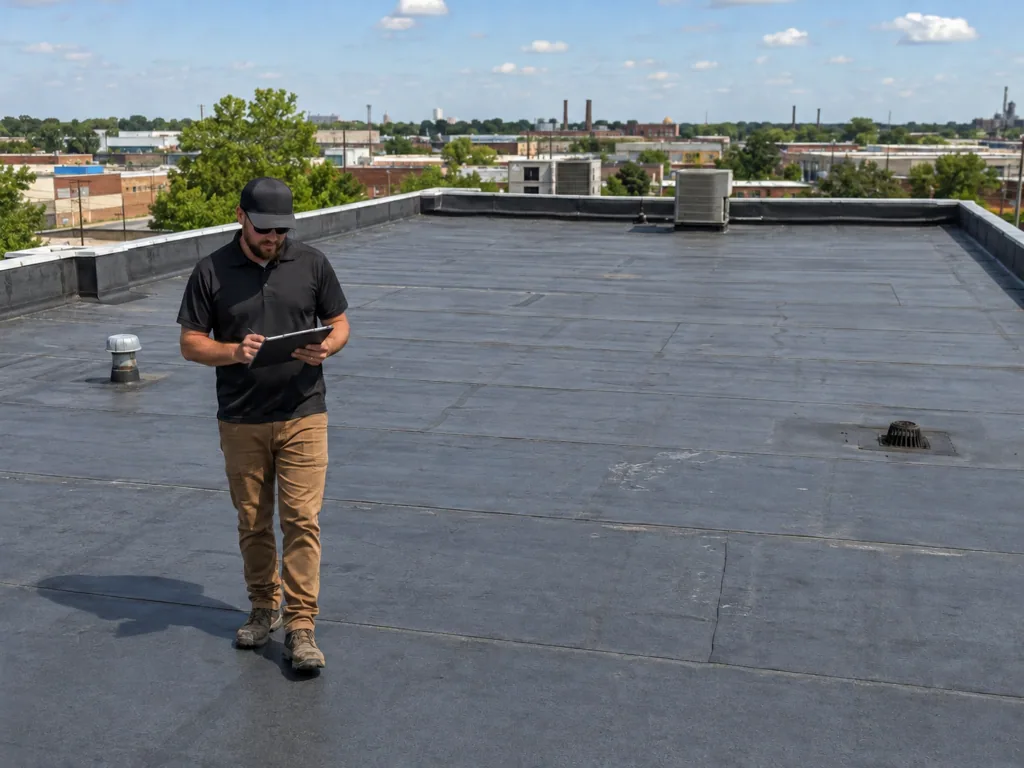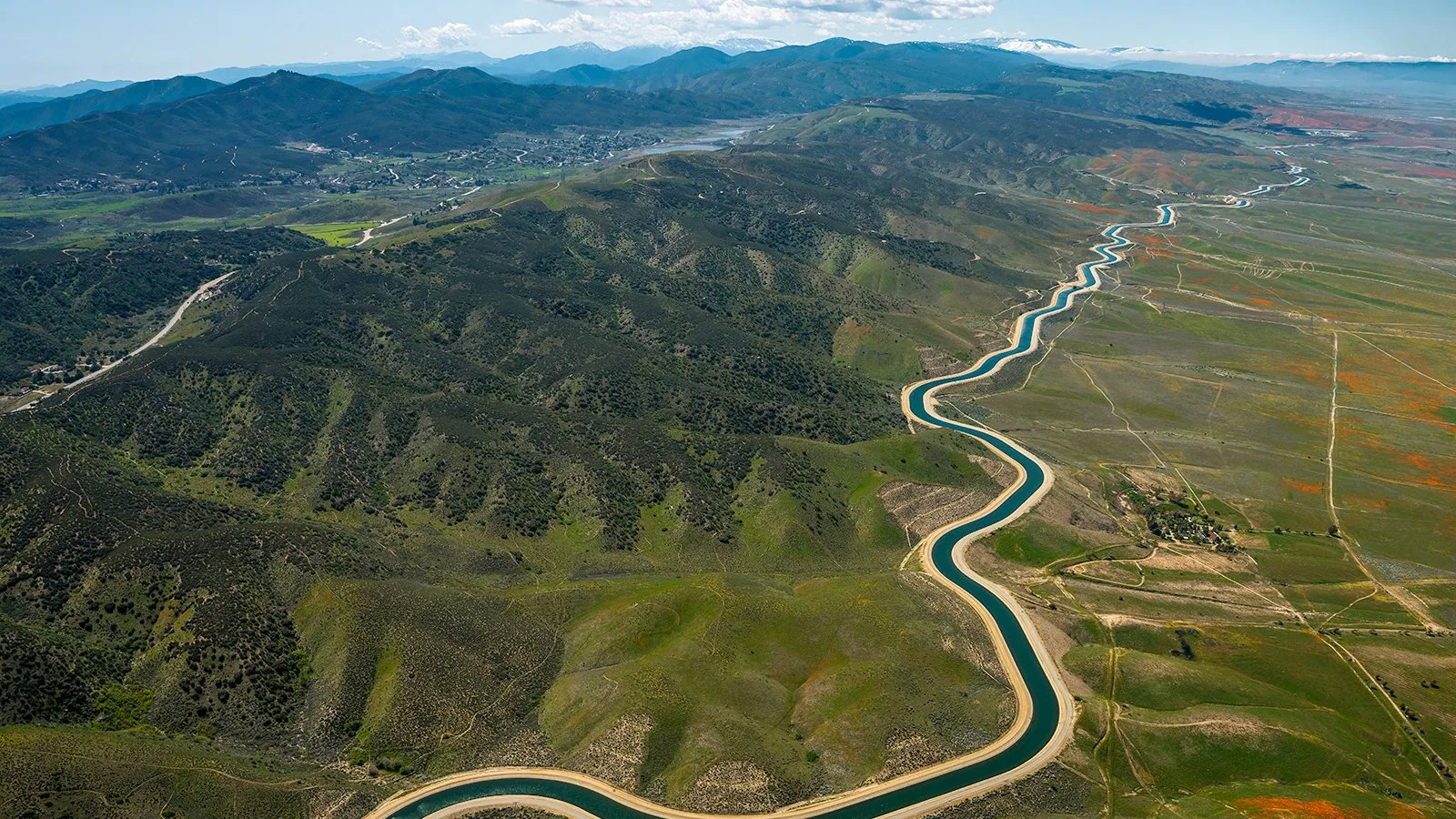
An active commercial leak needs a controlled response. We locate the entry point, protect the space below, and install temporary cover or dry-in where conditions allow. Then we record what was stabilized and what still needs permanent repair. A ceiling stain alone does not define the roof scope. Water may travel beneath the membrane or enter at a curb before appearing across the building.
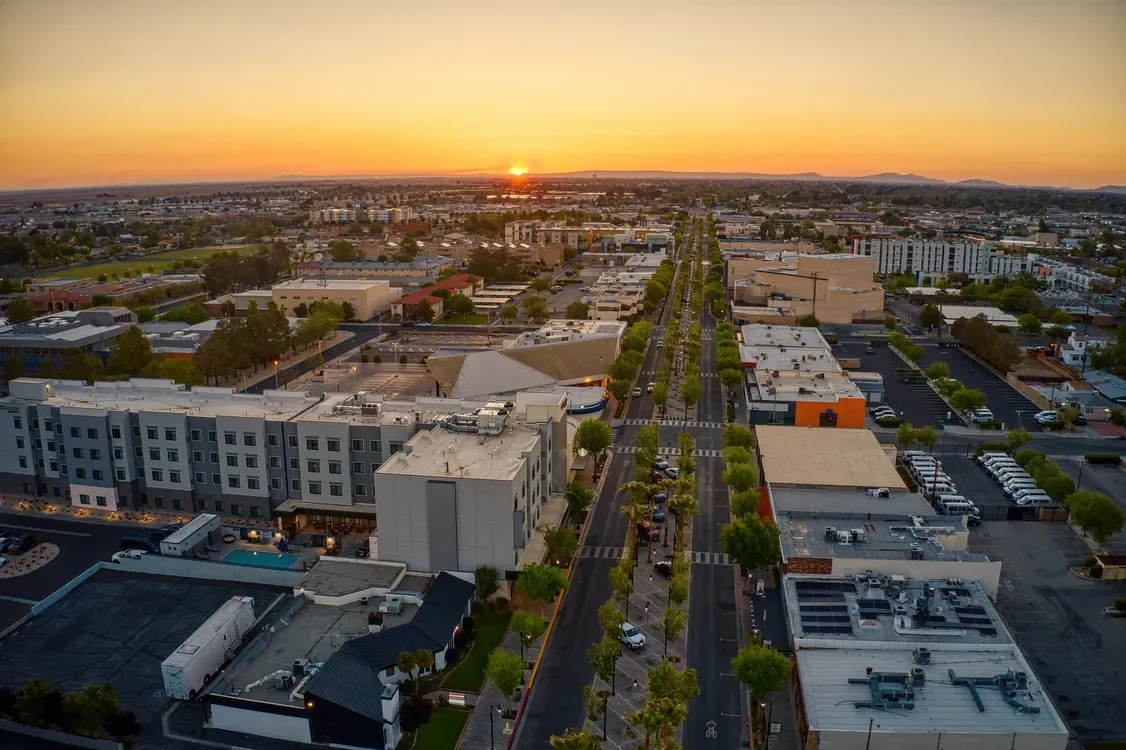
Our crews respond around the clock, including nights, weekends, and holidays. At William J. Fox Field, July averages 31 days with highs of at least 90 degrees, and August’s normal high reaches 97.8 degrees. That sustained heat can affect exposed seams and sealants. Call while the leak is active so we can protect the building and plan a lasting repair.
Control the Water Before It Spreads
We start with the rooms or production areas affected, when the leak began, and whether water is near electrical equipment or sensitive inventory. A property contact helps us arrange safe roof access and interior protection. Keep people clear of a bulging ceiling or wet fixture; the building team should handle electrical hazards.
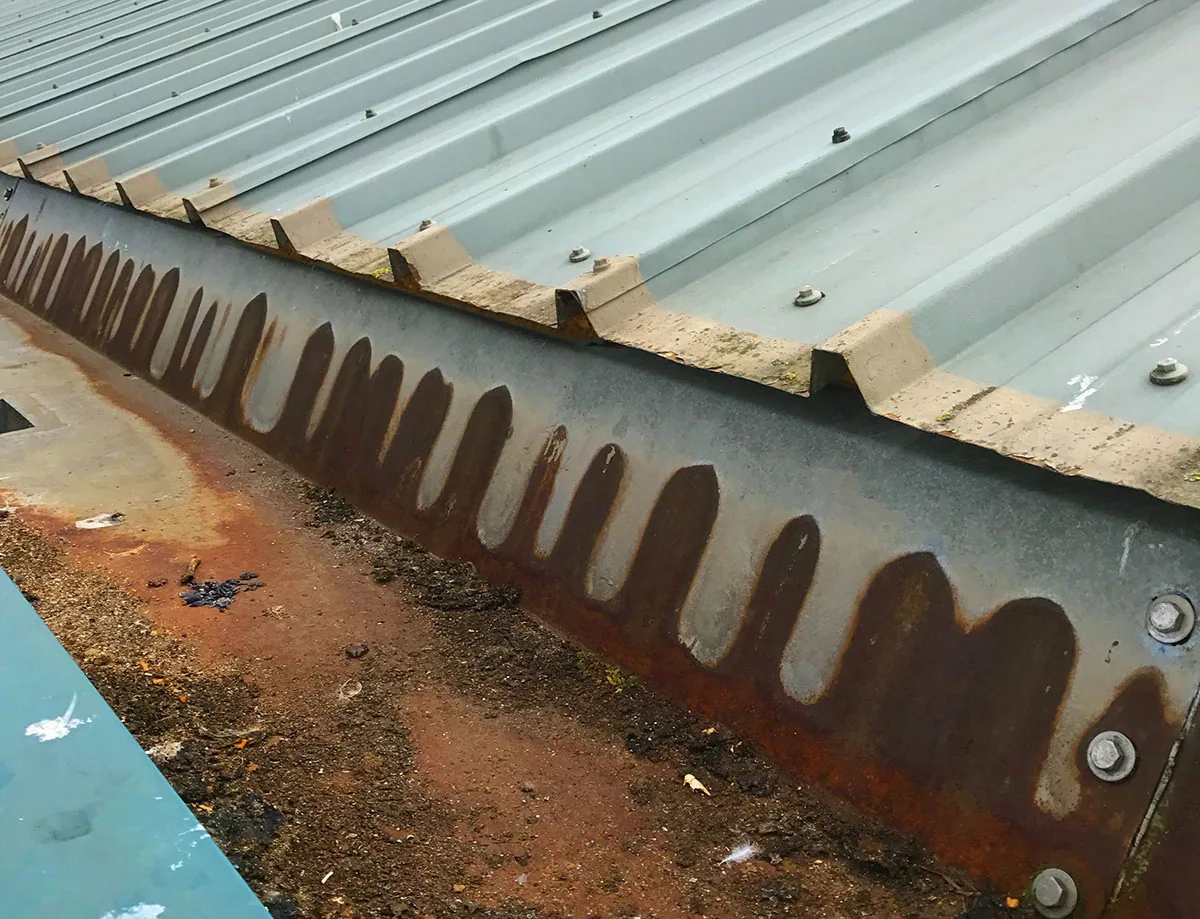
On the roof, we check the reported area and nearby transitions before covering anything. A loose membrane, open seam, failed curb corner, displaced edge, or blocked drain can send water along a different path. We mark and photograph conditions so the permanent repair can address the source instead of the visible symptom.
The Lancaster Business Park Specific Plan spans trade education, light production, research work, and professional services. A leak above production or stored material calls for coordinated protection below as well as above. We plan the work zone with the facility contact and identify any equipment shutdown needed to reach the roof detail.
A Dry-In Has a Defined Boundary
A tarp or temporary membrane works only when secured to a sound boundary and directed so water cannot run underneath. We size the cover around nearby curbs and drains; a patch over the interior stain can miss the entry point. Temporary protection also does not establish whether insulation or cover board is wet.
Wind, lightning, standing water, or unsafe access can delay roof work. We explain the limit, coordinate the next safe response, and document what the cover protects. The building team can move stock, place interior containment, and protect finishes where practical. We return when surface and access conditions allow permanent work.
For a larger opening, the dry-in zone may extend beyond visible damage. We keep drains, scuppers, and overflow routes clear and avoid trapping water at walls. Lancaster's normal rainfall is concentrated mainly from November through March, so a short storm can test a drain narrowed by debris or temporary material. At the end of each shift, we confirm that temporary edges remain attached and that water still has a path to an outlet.
Trace the Route, Not Just the Stain
After the water stop, we compare roof conditions with the interior pattern. We check seams, penetrations, wall flashings, curbs, perimeter metal, and low points, then note whether moisture follows a deck line or shifted after the cover went down. The goal is to connect a roof detail to the symptom before choosing a repair.
Water can move between membrane and insulation before reaching a deck joint. A clear drain bowl may sit below a depression; a curb can look intact on one side while its opposite corner has separated. We photograph the broad area and the specific defect, marking locations when more than one roof section is involved.
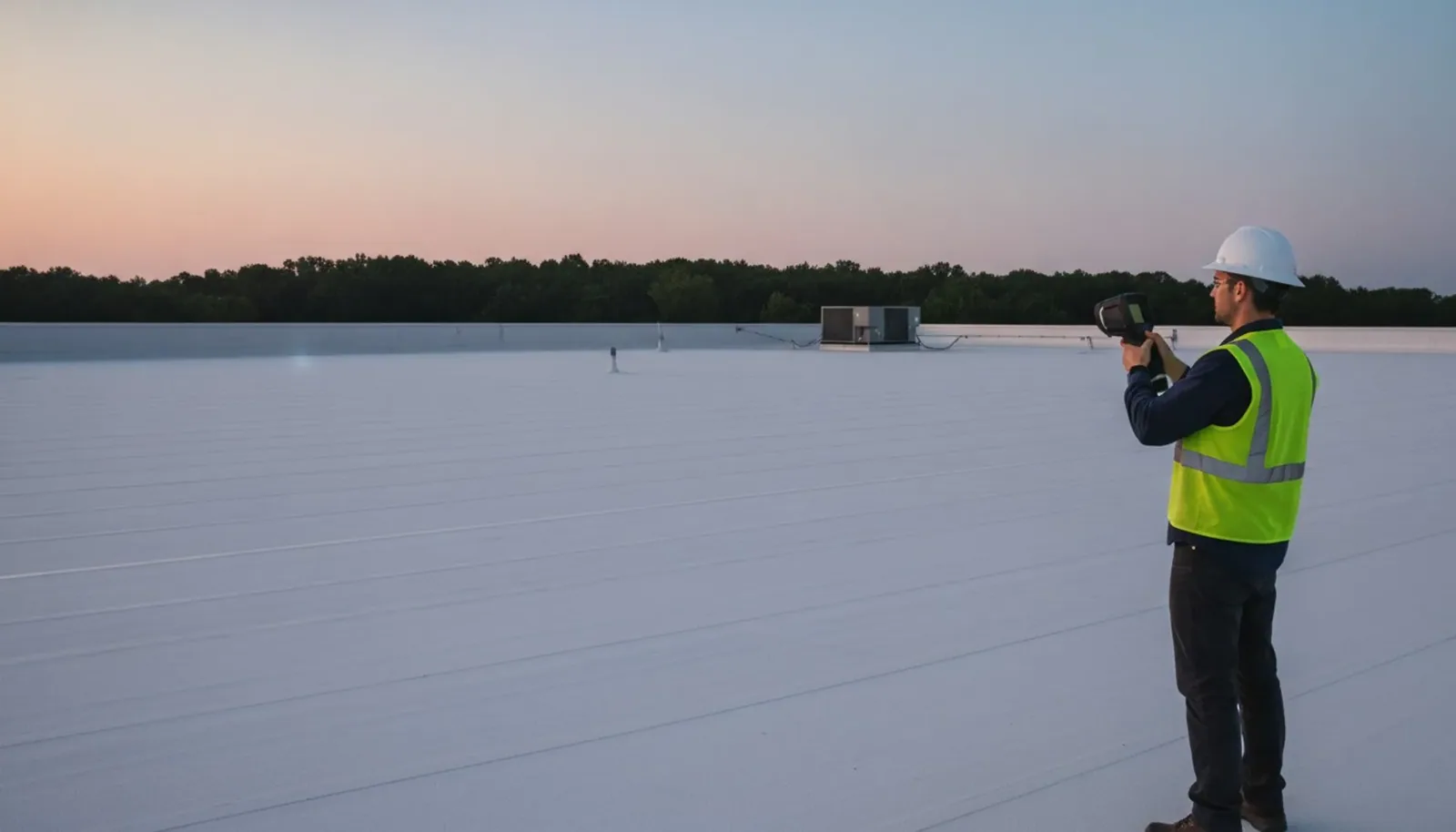
A focused commercial roof inspection or infrared moisture survey can help draw the repair boundary. Thermal patterns need confirmation, often with targeted testing or a test cut, before we decide how much material to remove.
Separate Stabilization from the Final Repair
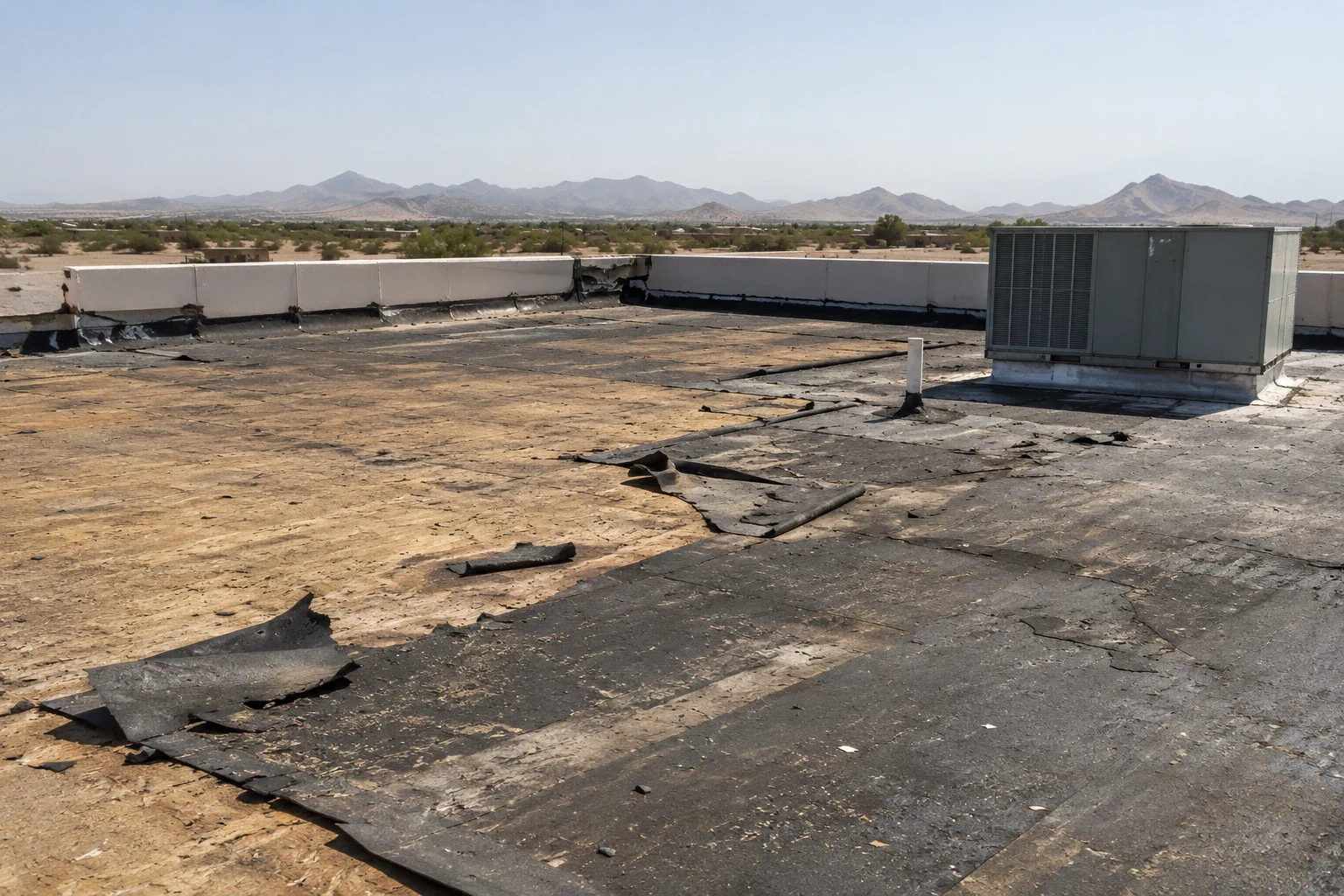
Stabilization limits immediate exposure; permanent work restores the assembly. Our scope identifies what was temporarily covered, what needs removal, and whether work includes membrane, insulation, cover board, flashing, edge metal, or drainage components.
Material choice follows the existing roof. TPO, PVC, EPDM, modified bitumen, built-up, metal, and coating systems require different preparation. We identify the assembly, check compatibility, and test a questionable transition before treating a larger area. The finished repair must close at a stable edge, with corners, terminations, and penetrations connected to the surrounding system.
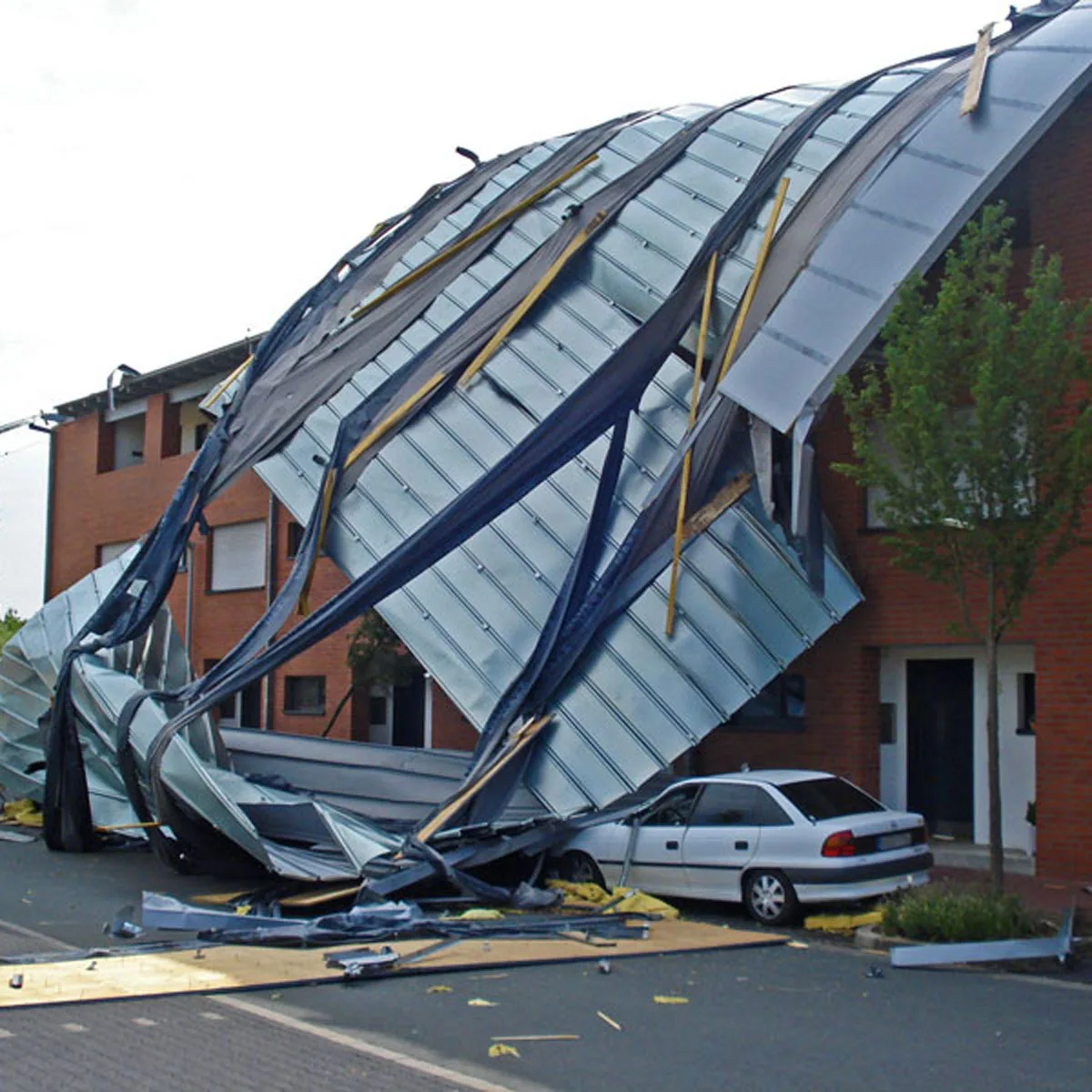
If wind moved roof components, wind-damage roof repair documents the affected boundary. Repeated moisture, broad separation, or wet insulation may justify a replacement evaluation that compares sound areas with layers requiring removal.
Plan Access Around the Building
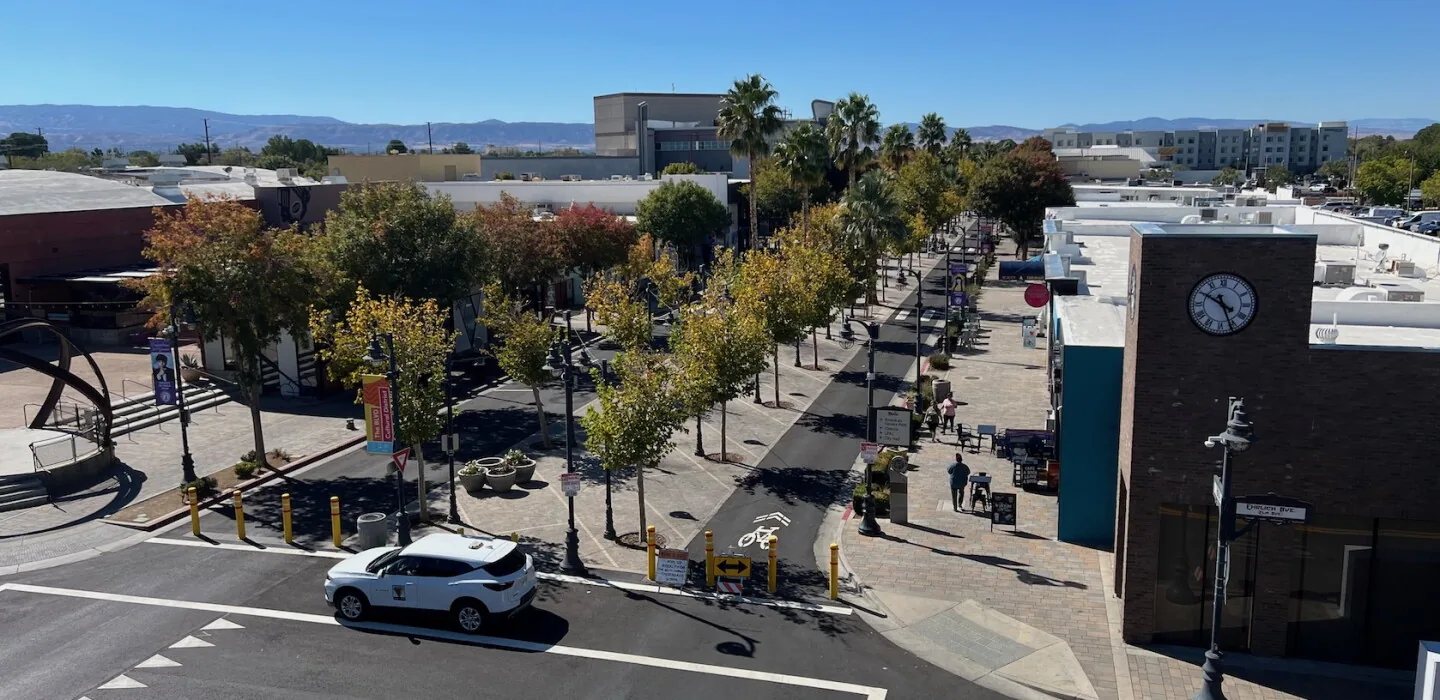
Enterprise Business Park includes office, light-industrial, and retail uses, so access may involve tenants, deliveries, customers, or operating equipment. We coordinate the roof route, protect entrances, and identify who can authorize a shutdown. Odor, noise, or hot work for a later repair belongs in that work plan.
The property contact should identify roof hatches, alarm procedures, restricted areas, and equipment that cannot stop. A point person who can provide interior access helps us compare the leak path from both sides. Our occupied-building roofing plans use phased access when work extends beyond the emergency stop.
Recent repair records, assembly information, interior photos, and the time water appeared can narrow the first search. Tell us about loose edges, open drains, or temporary patches so we can plan safe access and avoid disturbing a detail that needs documentation.
Leave a Record for the Next Decision
Before leaving, we record temporary protection, roof conditions, and unresolved safety or moisture concerns. The note states whether the building is dry at that moment, where permanent work is needed, and what could change the scope once material is opened. The property contact receives a return plan.
After permanent work, we photograph the finished seam, flashing, drain, or edge and list adjacent maintenance items. If water returns, that record helps distinguish a reopened path from a separate defect. Roof condition reports preserve the history; capital planning can group repeat repairs with longer-term work.
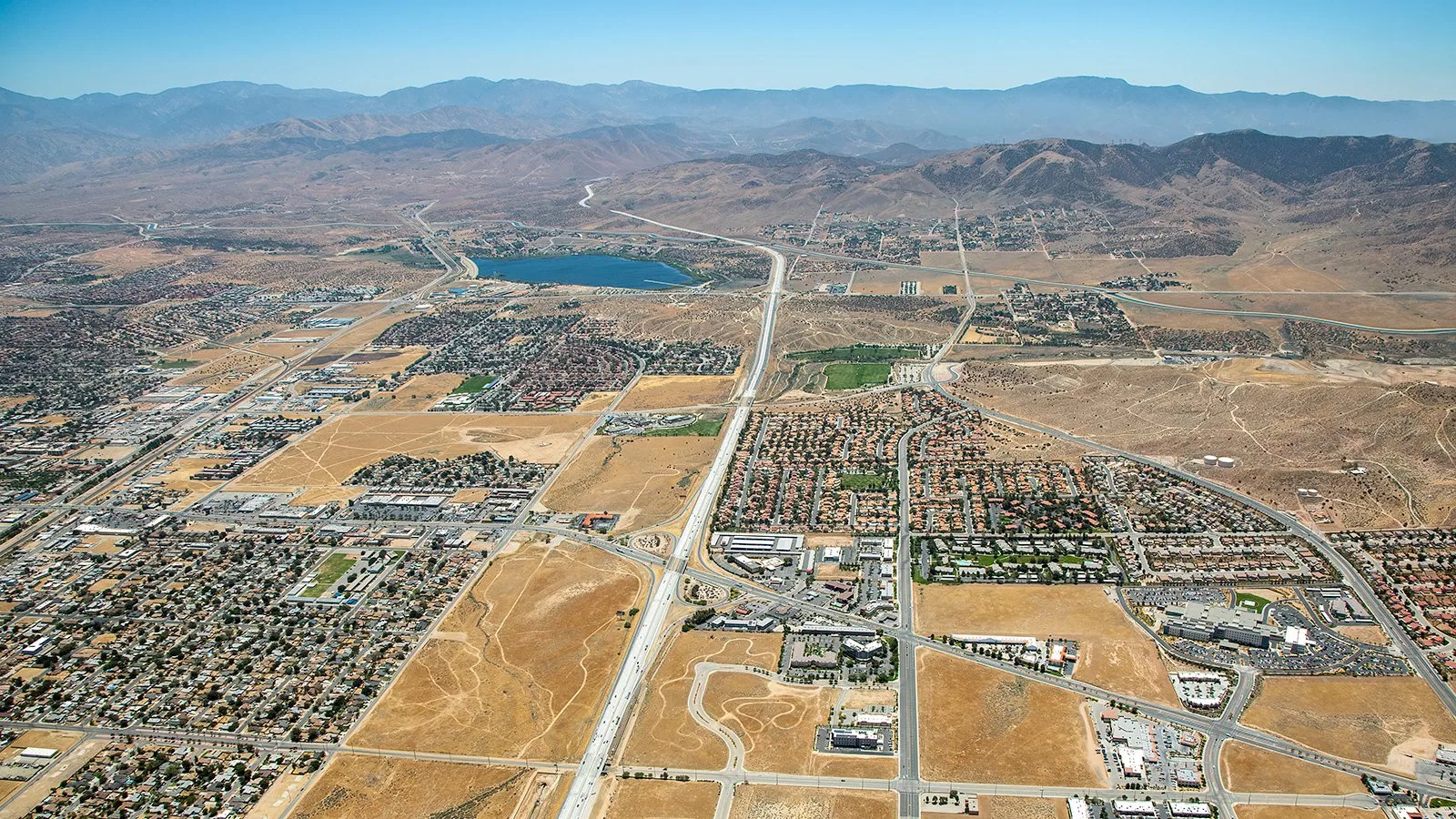
Call when water is active or a roof component has moved. We will document the emergency measure and define the permanent scope from the conditions found. We serve Lancaster Business Park and the Palmdale area.
Commercial Roofing Questions
How quickly can you respond to an active commercial roof leak?
We take emergency calls around the clock, including weekends and holidays, and dispatch depends on safe access and current conditions. Tell us where water is entering, what is at risk below, and who can provide roof access so we can plan the first visit.
Will a tarp permanently fix a leaking roof?
A tarp is temporary protection with a defined boundary. We use it to reduce immediate exposure, then inspect the covered area and surrounding details to determine what permanent repair is needed.
What should our staff do before the crew arrives?
Keep people away from unsafe ceilings, wet electrical fixtures, and roof areas without approved access. Move movable inventory if practical, capture interior photos, and identify a property contact who can coordinate access and equipment decisions.
Can you tell the repair cost during the emergency call?
The first call establishes the reported condition and access plan. We need to inspect the roof and define whether the work is temporary protection, a localized repair, or removal of wet layers before preparing a useful scope and price.
What if the leak returns after the roof is dried in?
We compare the new water pattern with the documented cover boundary and inspect nearby transitions. A shift in the symptom can point to a second entry route or water moving beyond the area that temporary protection could reach.