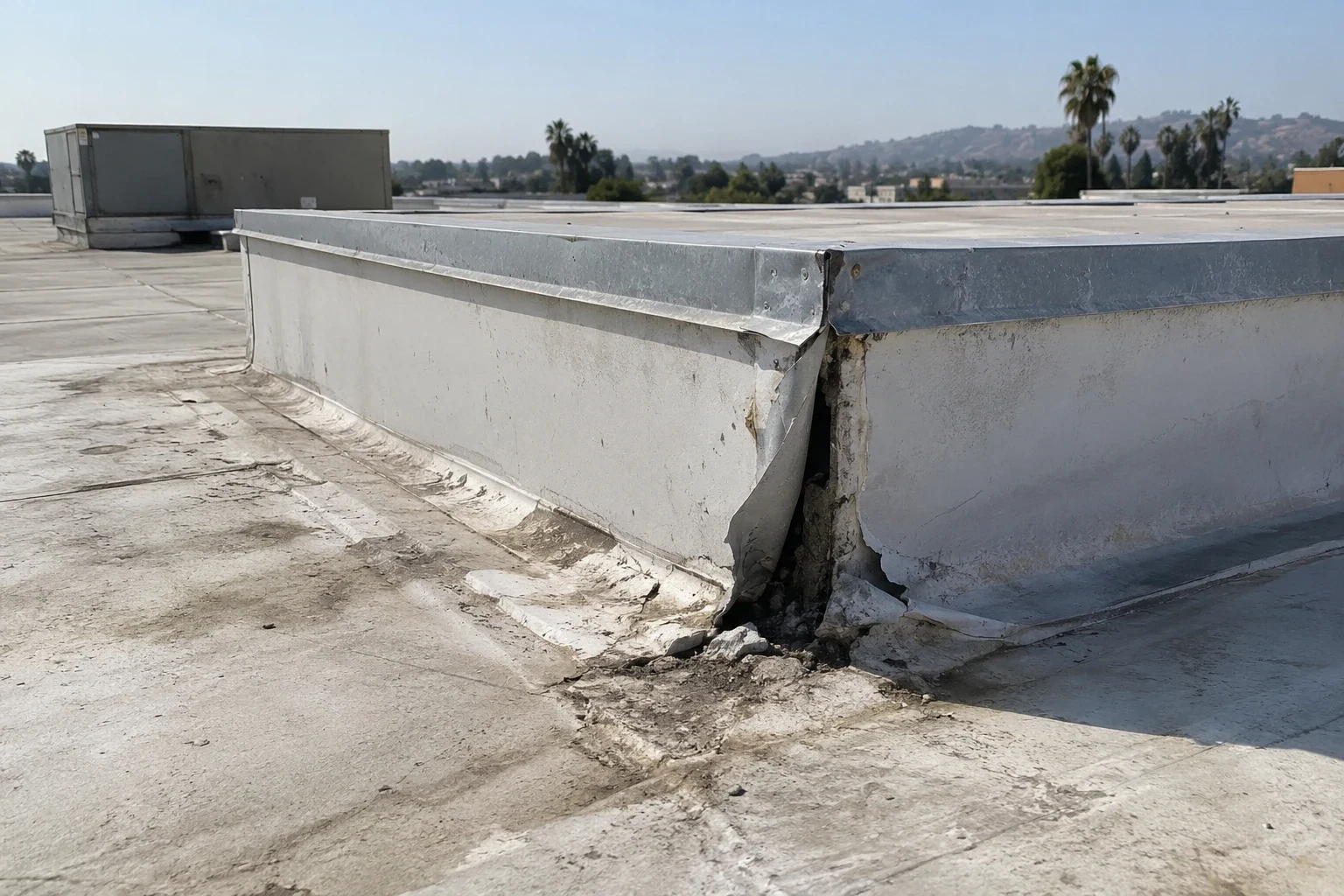
After a strong wind event, lifted membrane or displaced edge metal can expose a roof before water appears indoors. The first decision is whether an opening needs immediate protection or a permanent repair scope. We inspect edges, curbs, seams, and drains, photograph the conditions, and record which areas were accessible. The resulting report gives an owner a factual basis for securing an opening and determining whether the damage extends beyond one detail.
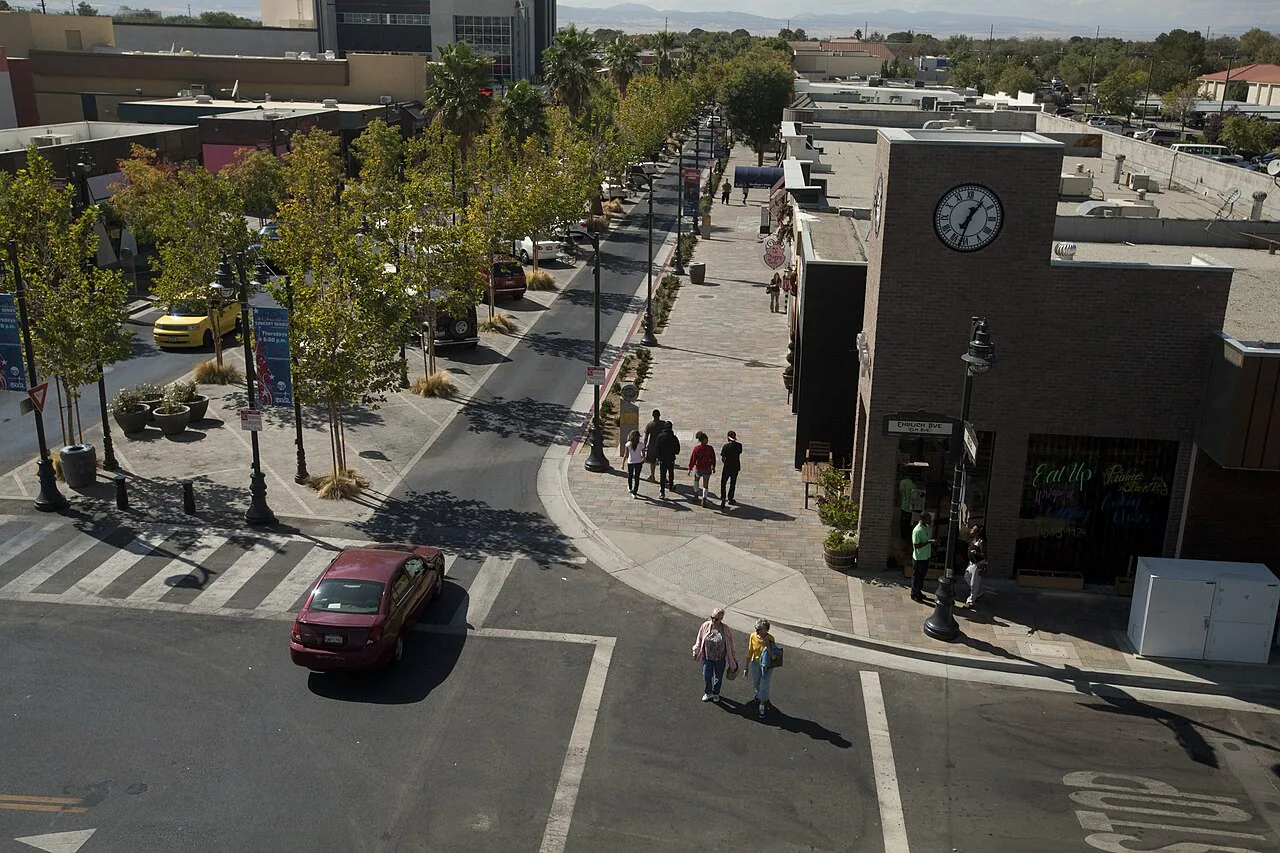
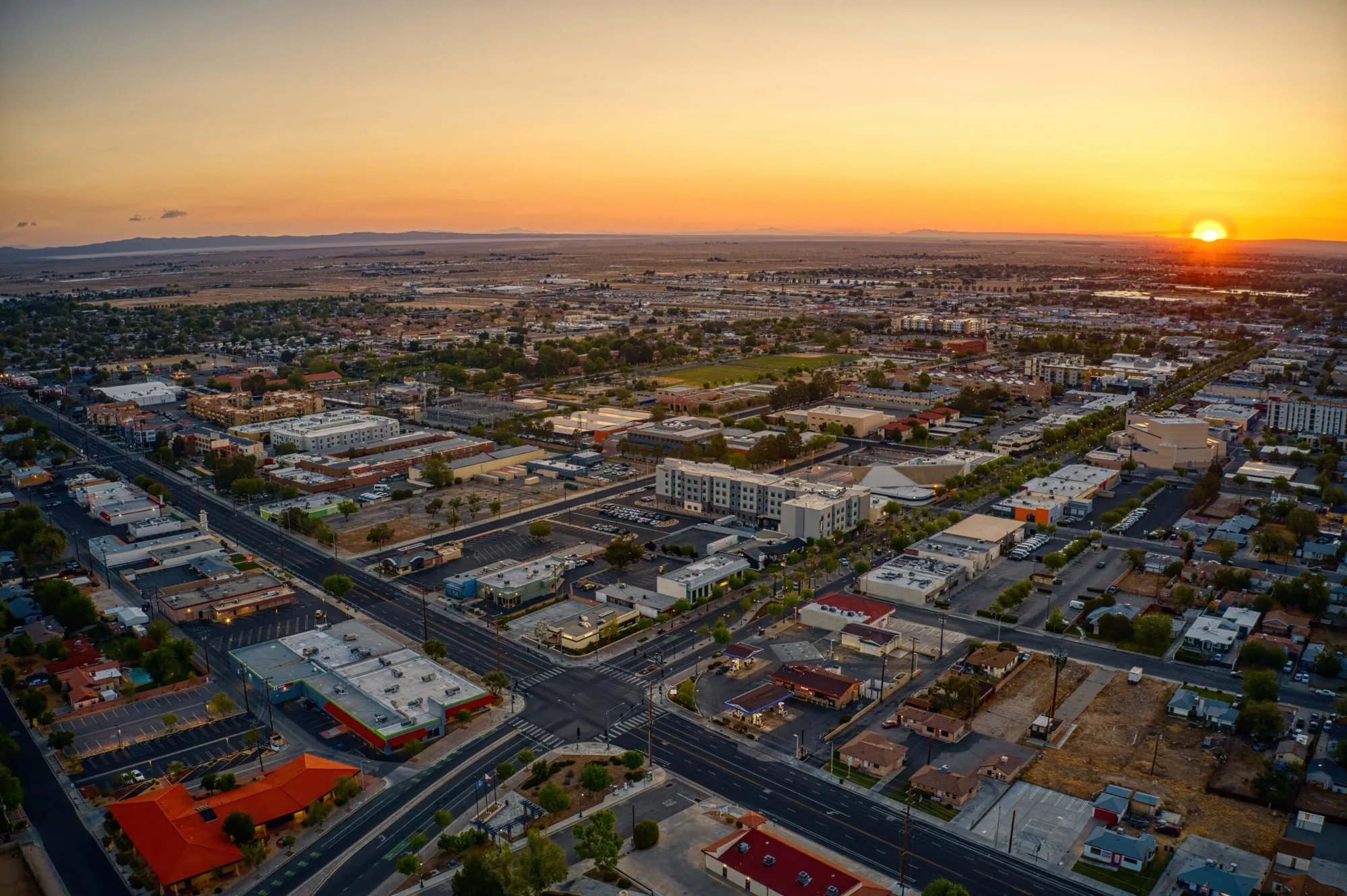
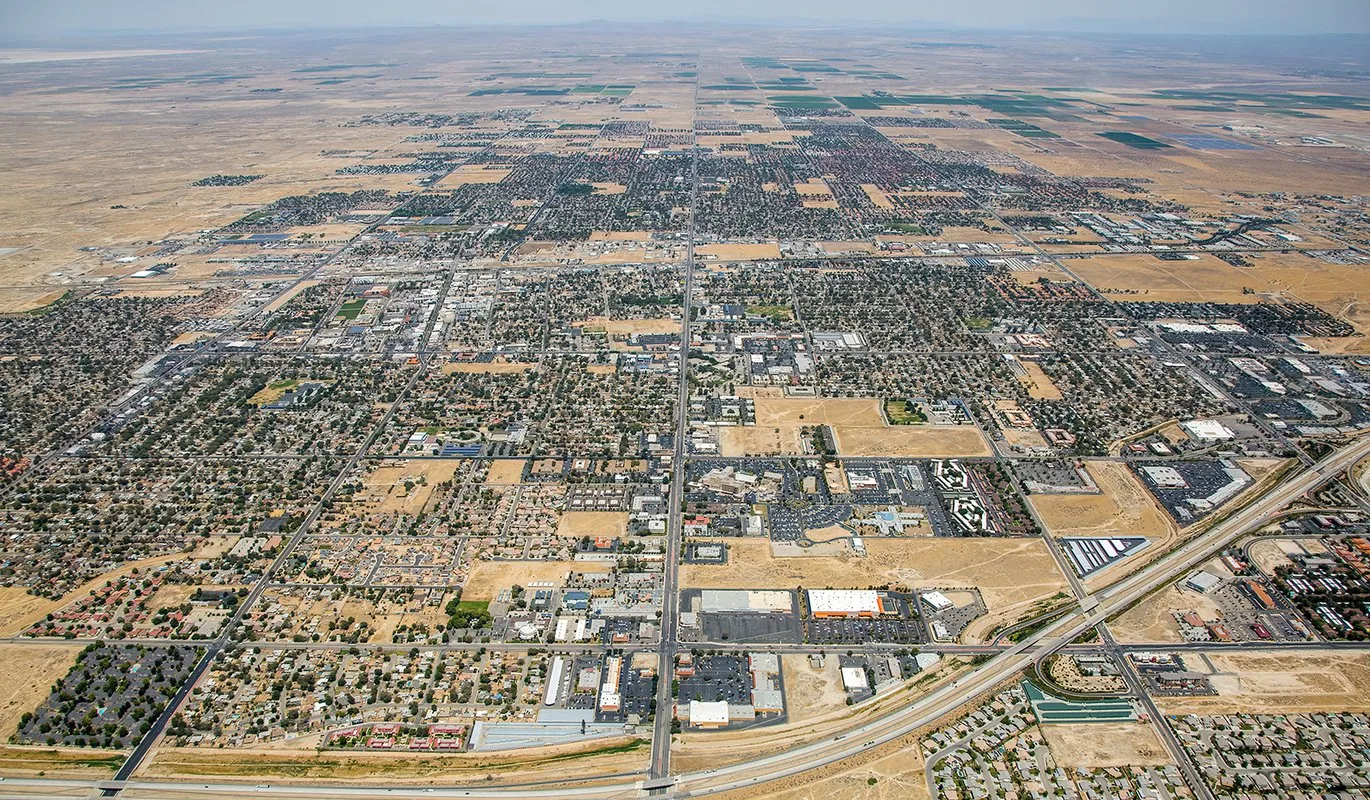
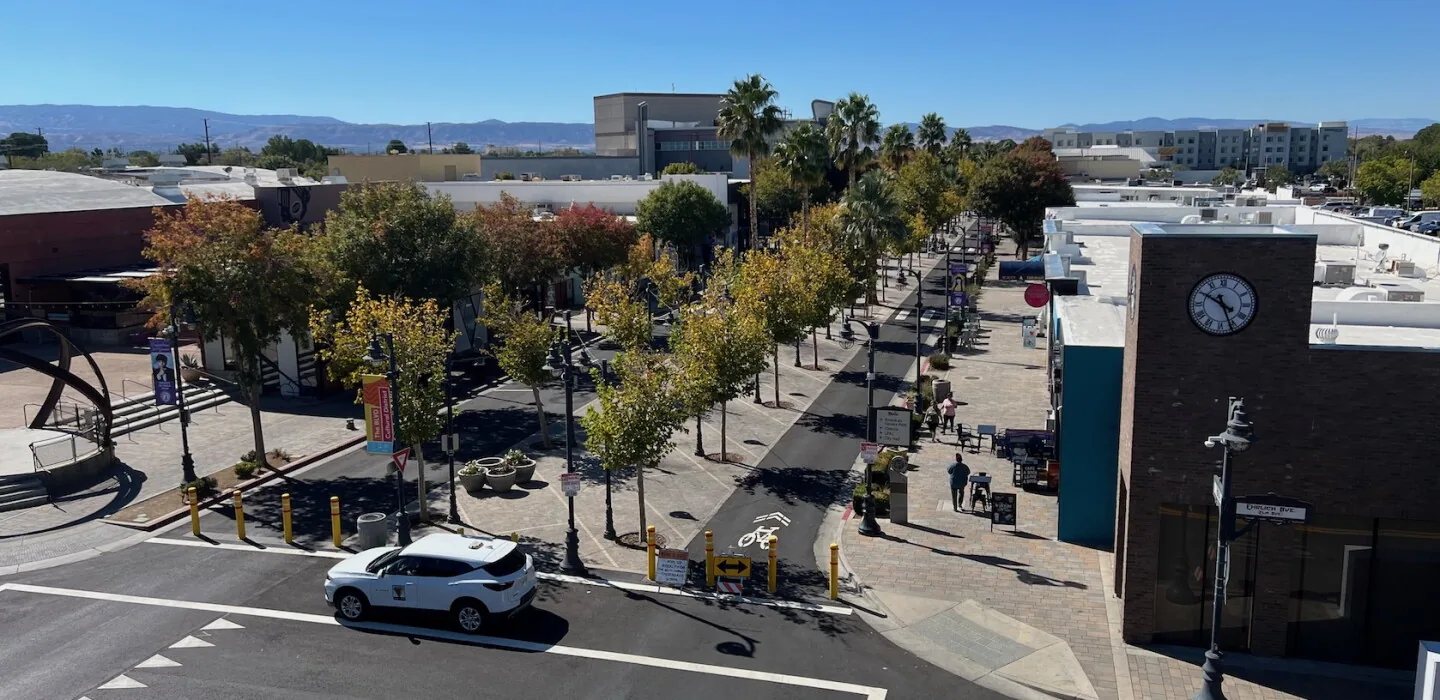
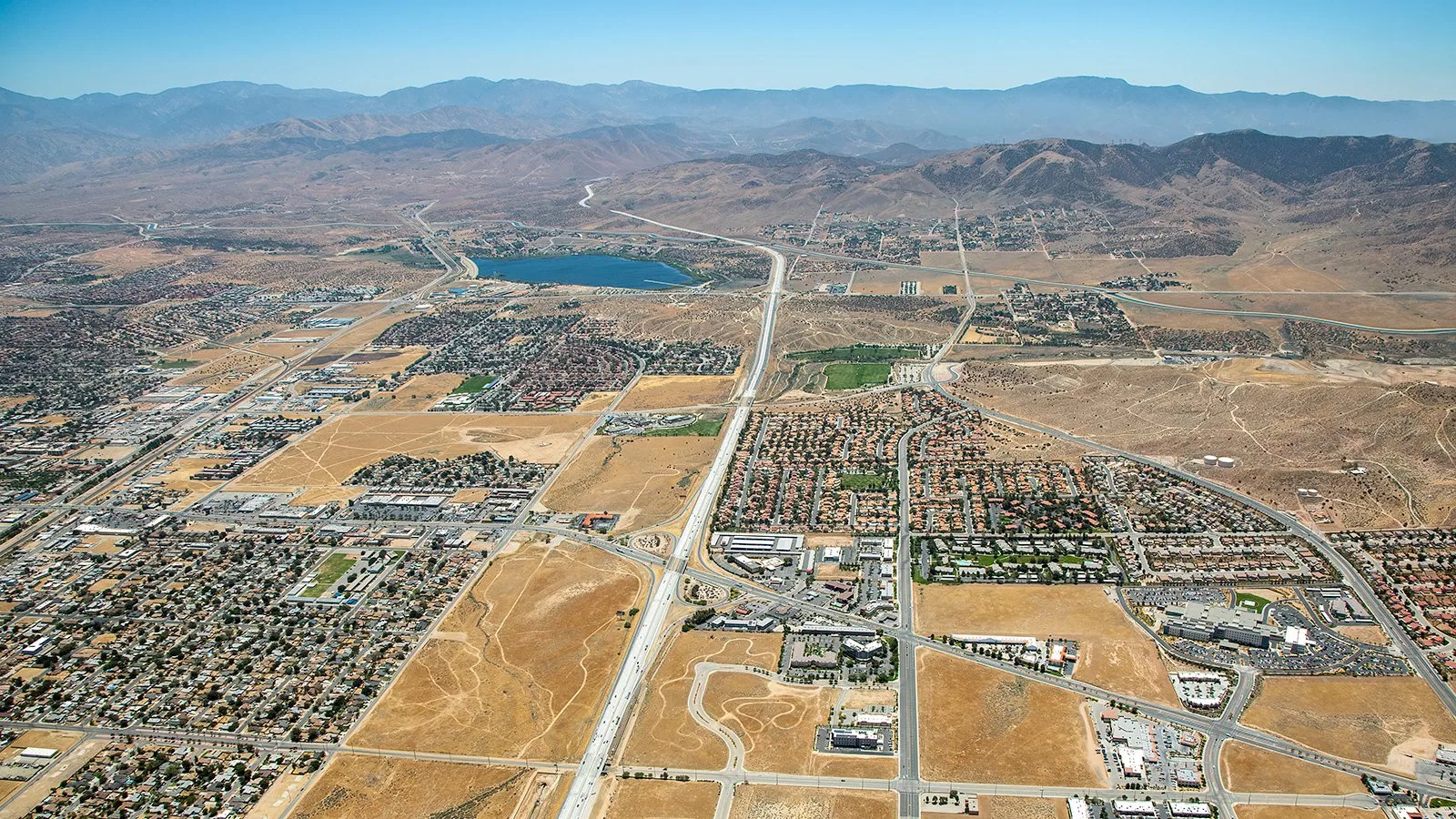
North Lancaster and Fox Field are industrial areas, while Lancaster business parks include office, light-industrial, and retail uses. A North Lancaster Industrial Center may need lift coordination around loading, while a Fox Field corridor property has its own access and assembly. Each repair plan follows the inspected building rather than an assumed standard roof.
Protect the Open Detail
Prioritize loose metal, torn membrane, exposed insulation, and openings that could admit the next rain. Temporary protection should be secure without blocking drainage or creating a trip hazard. Photograph the condition first when safe, then record the material and area covered, the response time, and any section that could not be checked. This keeps emergency action separate from permanent repair and helps the owner understand what remains.
An emergency roof response can limit further exposure while the owner arranges a full inspection. The work record should state exactly what the temporary measure protects. A tarp or seal does not establish that wet insulation has dried or that adjoining membrane remains attached. Follow-up should check the covered zone, define the repair boundary, and identify whether removal or testing could reveal wider damage.
Trace the Force Path
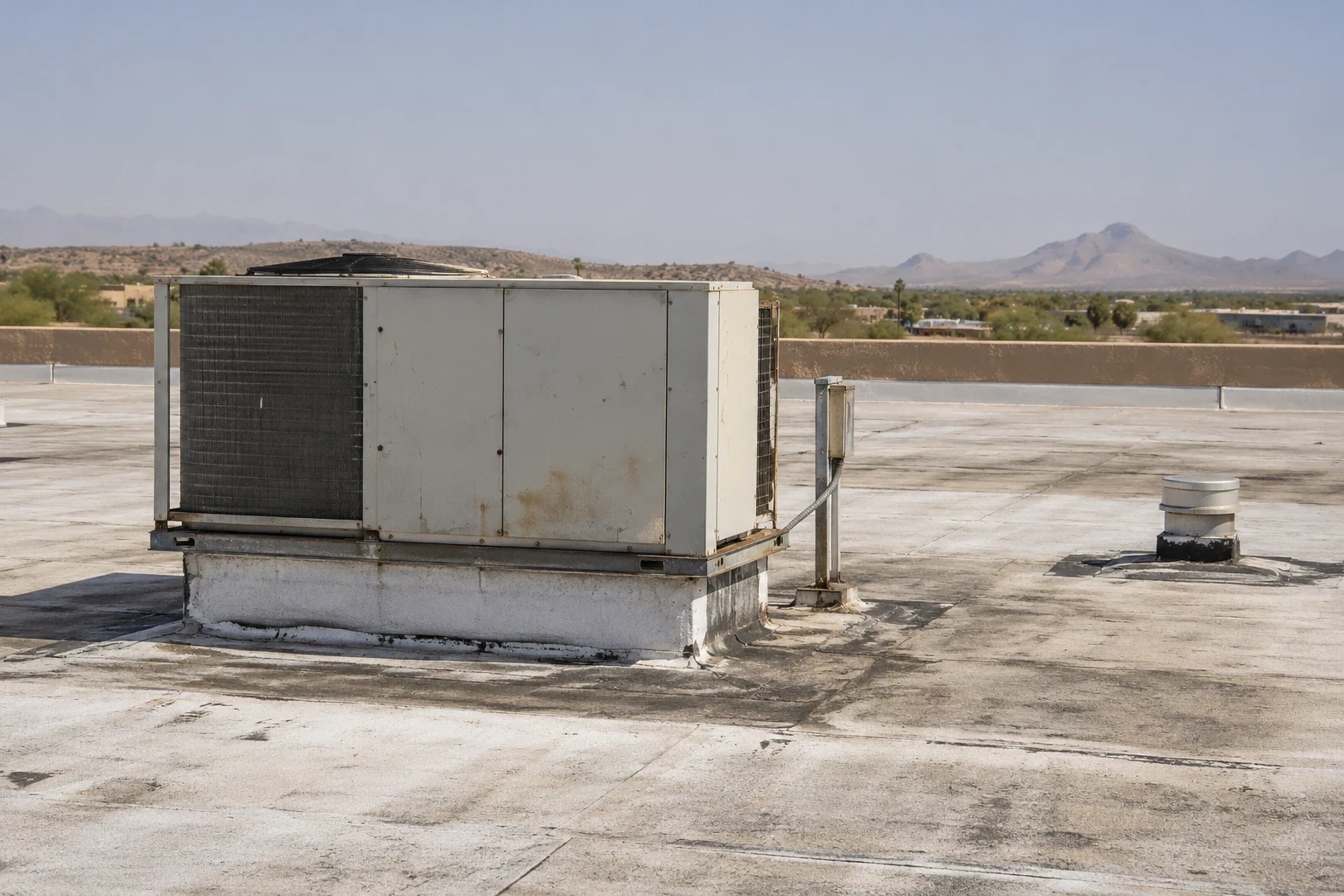
Wind-related damage can appear at perimeters, corners, ridges, transitions, or equipment where pressure and attachment meet. We examine edge metal, terminations, membrane laps, fastener lines, parapets, and roof-mounted equipment. If material lifted, inspect adjoining attachment and substrate instead of replacing only the visible flap. The report should describe the extent and direction of damage that can be determined from remaining conditions.
Compare roof findings with interior leaks, ceiling marks, and displaced insulation. Water may enter at one detail and travel before appearing indoors. A flashing failure inspection can isolate damage at a wall or curb; a seam failure review maps related conditions across the affected area. A dry interior does not prove the roof is intact, and one lifted edge does not establish that the whole field failed.
Follow Drainage and Moisture
Wind-driven rain can reach laps and terminations that see little direct water in ordinary conditions. Once safe access is available, inspect drains, scuppers, overflow paths, and low points near the reported damage. Debris or a displaced screen may restrict flow. If moisture appears, mark its boundary and list any test points. The owner can then distinguish the work needed to restore the weather layer from insulation or deck repair indicated by testing.
At Lancaster's William J. Fox Field station, most 1991-2020 normal precipitation falls between November and March. A dry interval between storms can conceal moisture in the assembly. The inspection should follow the likely entry and drainage route rather than stopping at a lifted edge. If equipment or temporary protection blocks access, list that area for a follow-up visit so it is not treated as inspected. The repair plan should also confirm temporary protection will shed water away from openings and outlets.
Match the Fix to the Assembly
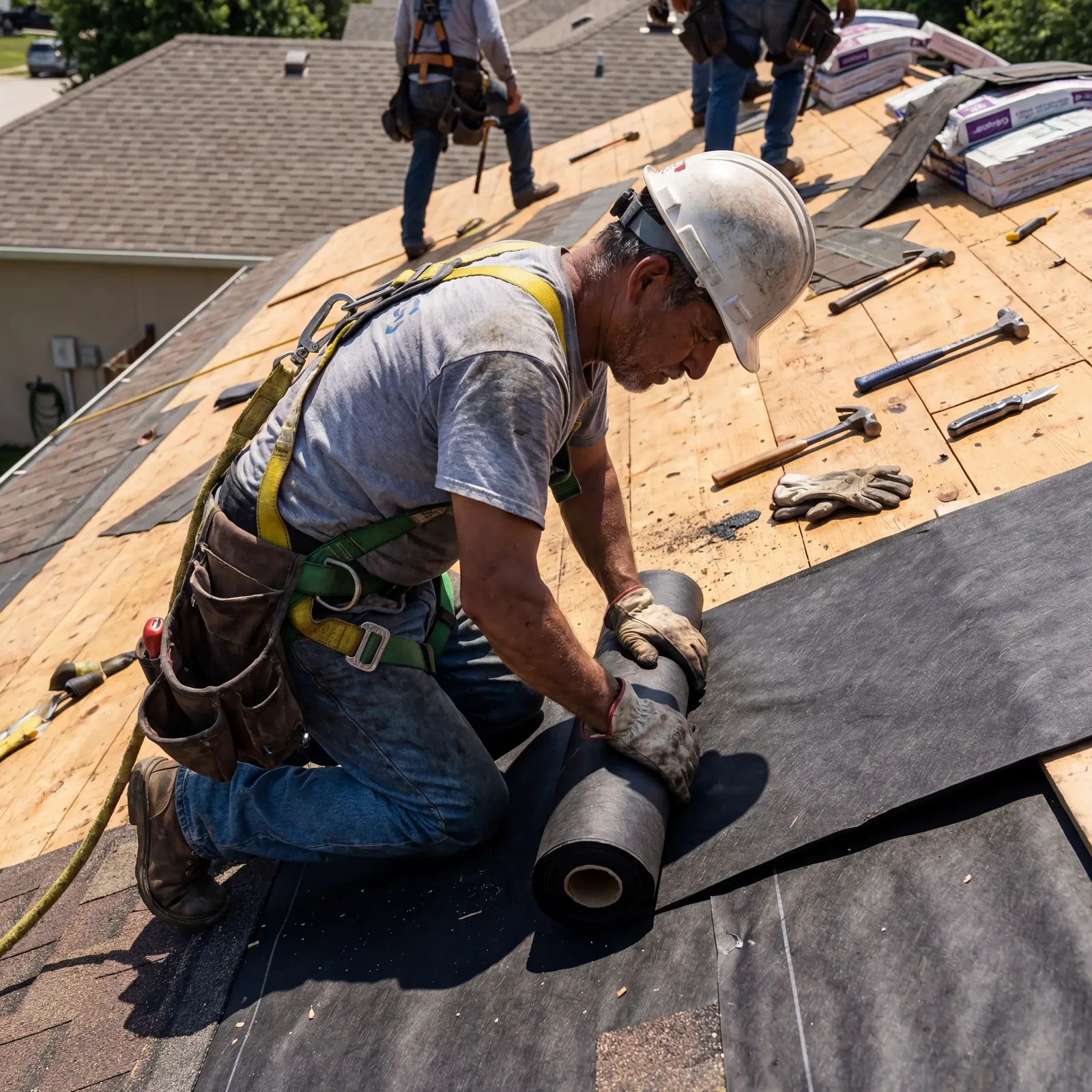
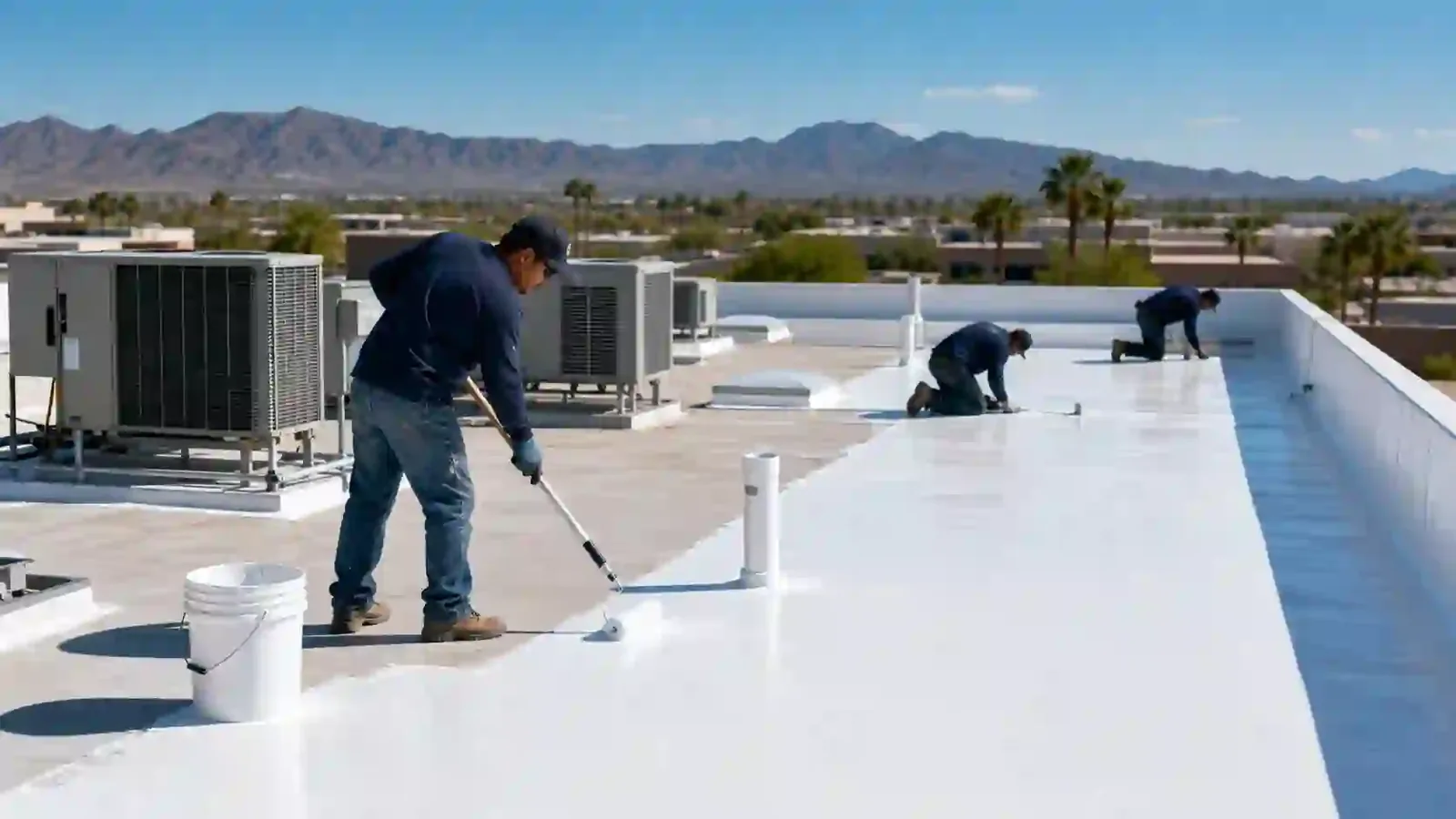
Repair details depend on roof type, attachment, age, and substrate. A membrane patch requires compatible material and a prepared surface; edge metal work may mean restoring secure attachment and termination. Replacing a torn sheet can leave the same force path if loose fasteners or adjacent seams remain. State which details will be opened, reset, replaced, and tested. Repeated separation may call for a wider boundary than the visible tear.
A localized commercial roof repair may be sufficient if adjoining materials remain sound. Broader attachment loss can support a replacement assessment. A standing seam metal roof needs a different panel and edge review from a single-ply membrane. Plan against the actual assembly, and explain why the selected repair detail fits its materials and condition.
Plan Access Around the Building
Before mobilization, confirm roof access, lift placement, loading schedules, material staging, and any equipment that must stay in service. For offices or clinics, coordinate public entry and rooms below roof openings. Name the person who can authorize temporary protection and receives notice if damage extends past the first repair limit. Those details help the crew stay within the approved work area and avoid blocking critical routes.
Lancaster business parks include office, light industrial, and retail uses, while North Lancaster is designated for heavier industrial activity. A manufacturing facility repair may need to preserve a process exhaust path; a managed commercial property may need owner and tenant approval. After work, photograph repaired edges and seams, list materials and roof zones, and retain unresolved findings for follow-up.
Keep a Usable Damage Record
Record photos before and after permanent work, materials used, exact roof zones, and any condition left unresolved. If one area was inaccessible, list it separately rather than marking it complete by association. The owner can use the record to investigate another leak, plan maintenance, or compare a later scope. A short, clear closeout prevents temporary protection from being mistaken for a permanent repair.
A wind event may expose older deterioration alongside new displacement. Separate visible event-related conditions from aging that predates the report, and identify what evidence supports each observation. A maintenance follow-up can check repaired details and clear drainage before the next storm. Keep findings with the building's roof plan so later crews can tell where protection, testing, and permanent work began and ended. Note whether the repair depends on a temporary condition, such as a secured panel that still needs permanent replacement. Assign an owner to each follow-up item and preserve a date for the next inspection. That way, a later service call can distinguish a completed correction from a condition that was only stabilized before a later rain event.
Questions After Wind Damage
When material moves, owners need to act quickly without letting temporary measures become an unclear record. These answers address the inspection and repair choices that follow.
Commercial Roofing Questions
Should we cover a lifted section before inspection?
Protect an active opening when safe, but photograph the condition first if possible. Keep temporary material out of drains, then arrange inspection of the covered area and adjoining attachment.
Does one lifted edge mean the entire roof needs replacement?
No. The inspection should establish whether damage is limited to a detail or reflects wider attachment loss. Testing, repair history, and remaining condition inform any broader recommendation.
Can wind damage cause a leak days later?
Yes. A separated lap or flashing may admit water only when rain approaches from a certain direction. Inspect nearby transitions even if the interior stayed dry just after the event.
What photos should a property manager retain?
Keep dated images from before protection when safe, the protected area, interior conditions, and completed work. Label each by building and roof zone, and retain the repair boundary.
How do you distinguish new damage from aging?
Compare displacement, material condition, earlier photos, and repair history. Separate direct observations from conclusions requiring more testing or records.
Can permanent work wait for better weather?
The owner should weigh safety, forecast, active exposure, and interior risk. Temporary protection may come first; permanent work can follow when access and material conditions allow a sound installation.