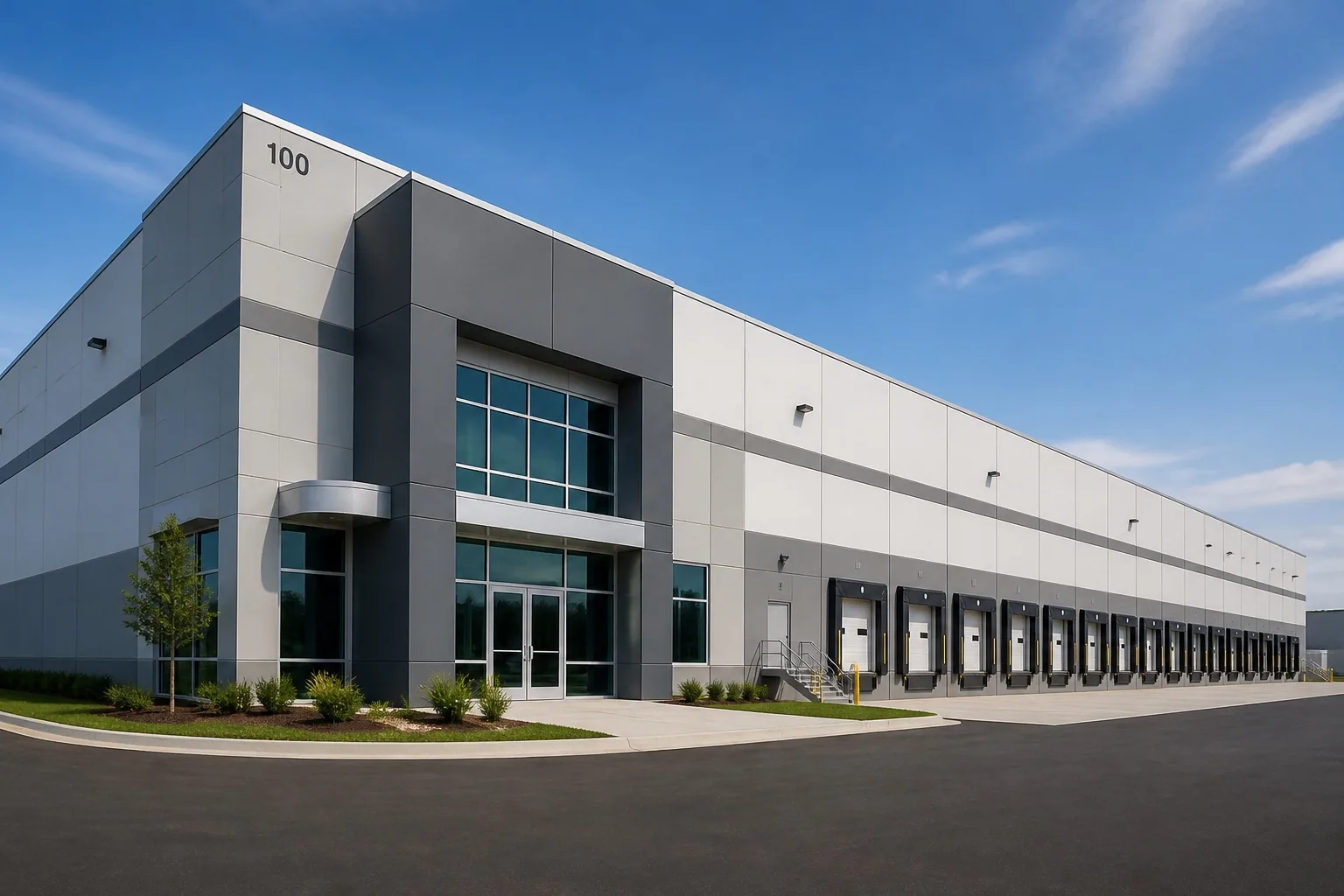
A warehouse roof can look uniform from the drive aisle while holding several different repair histories above it. A patched seam, a low drain, and a section with wet insulation call for different work, even when they sit on one membrane field. We inspect by roof zone, trace the water path, and mark what can be repaired, what needs testing, and where replacement becomes the stronger option. That gives an asset manager a scope tied to observed conditions rather than a single label for the whole building.
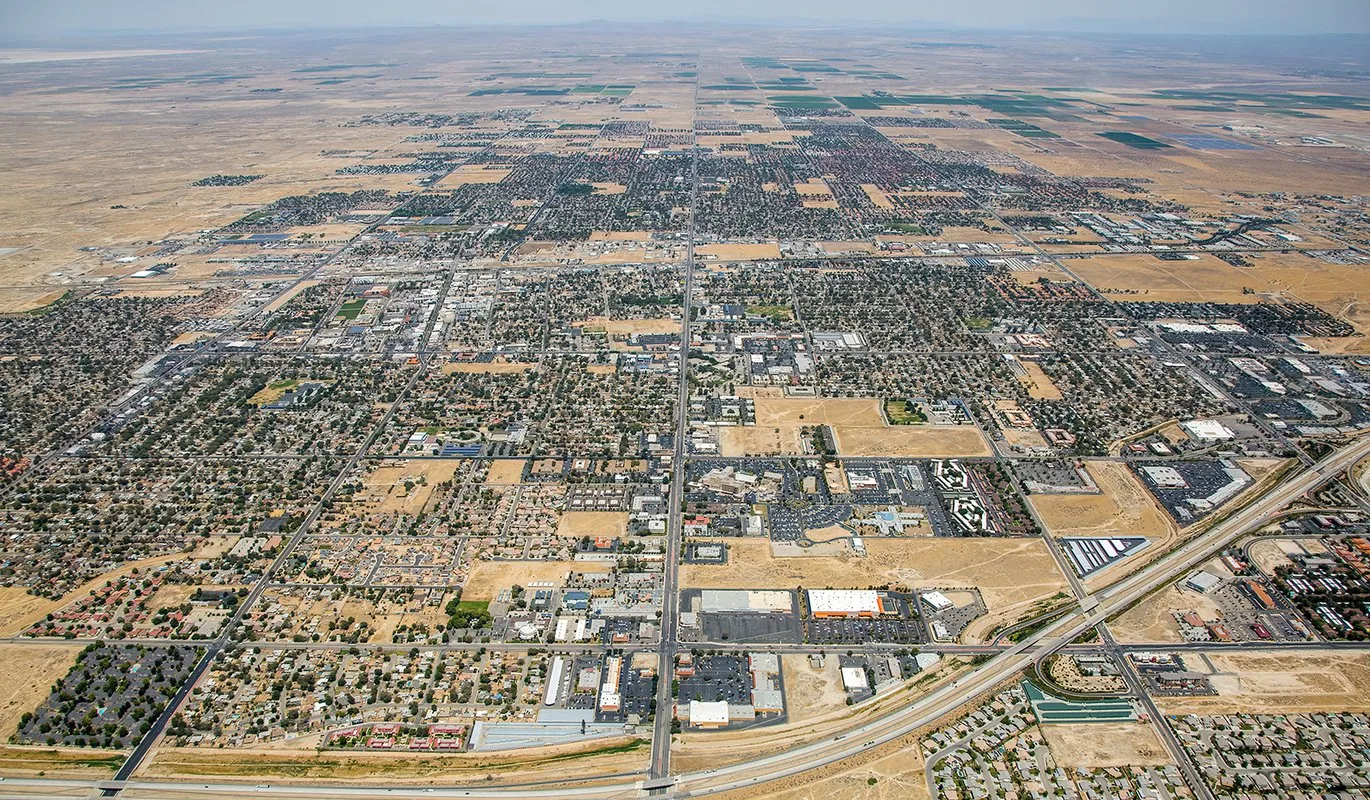
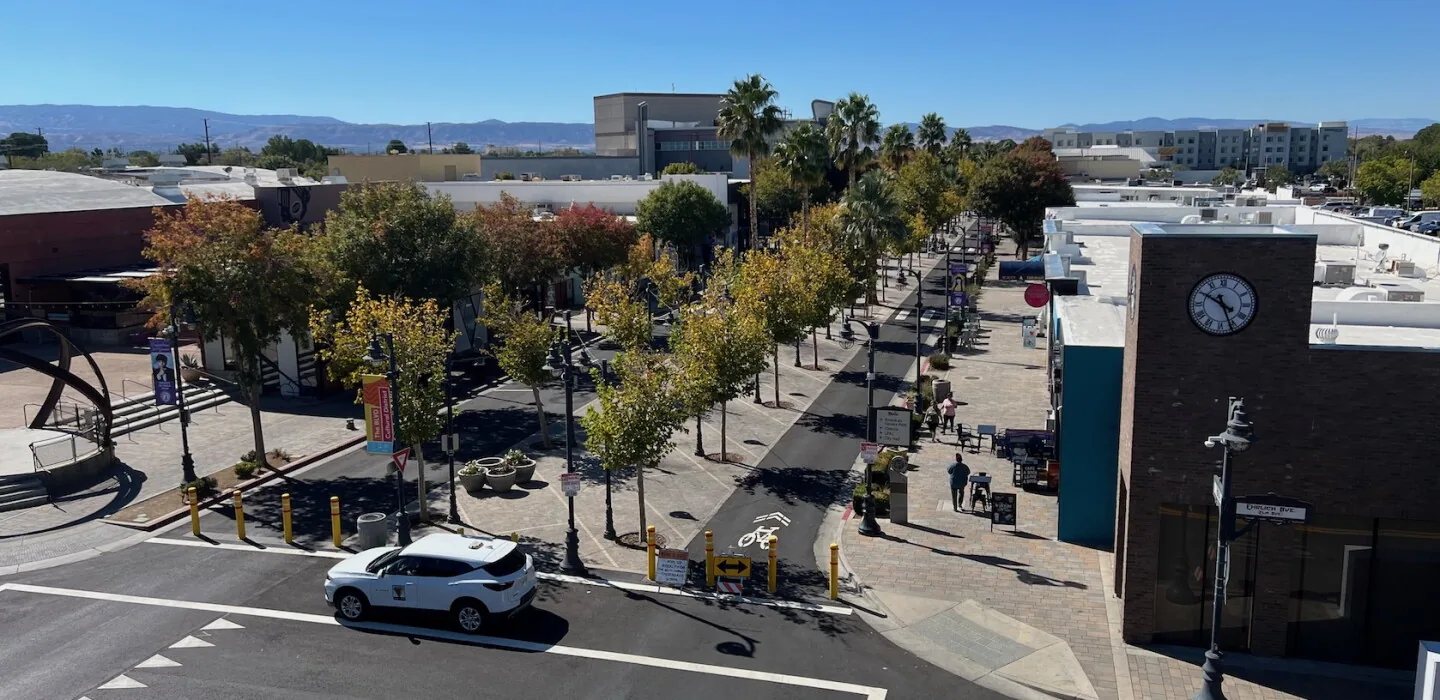
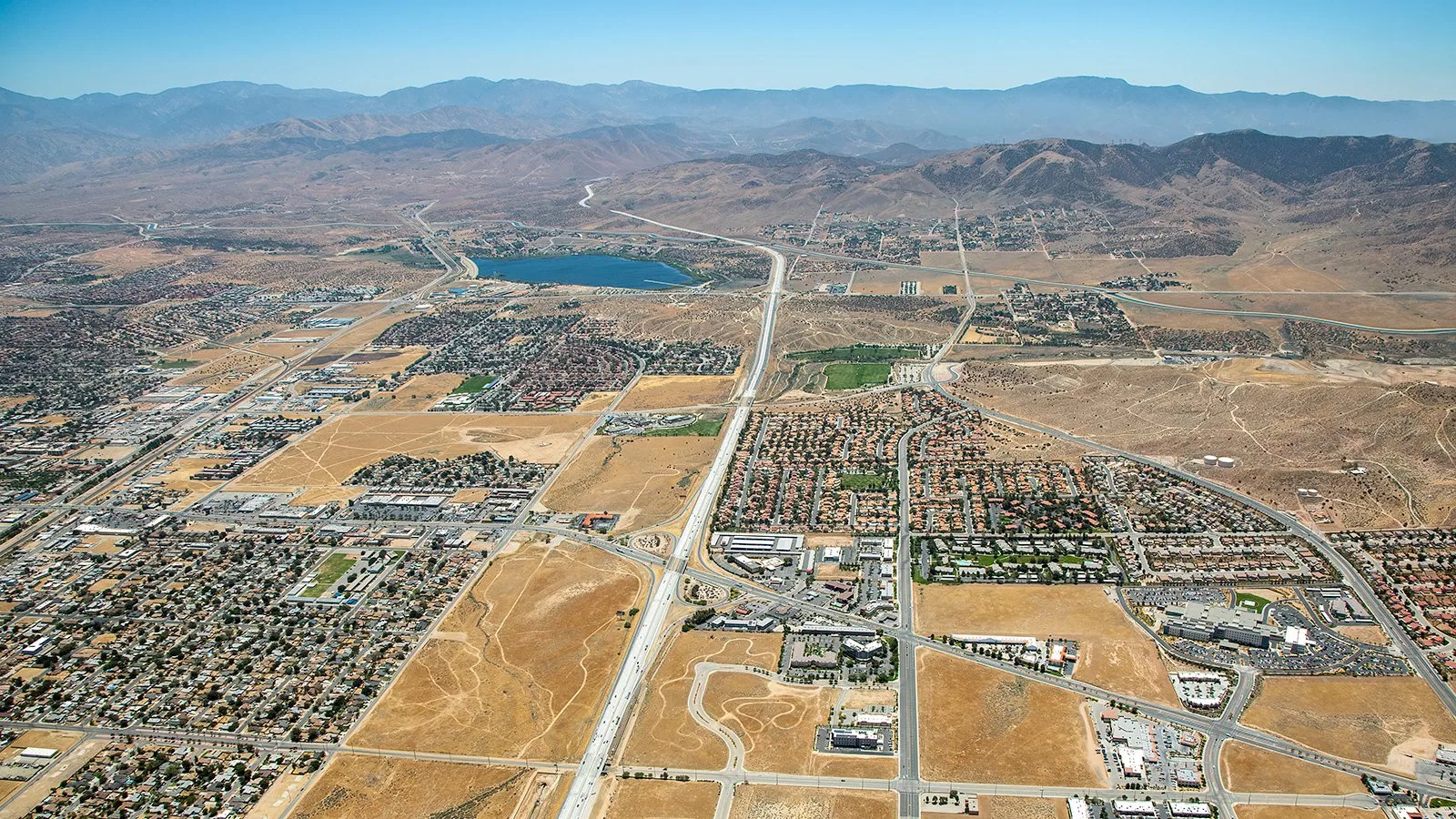
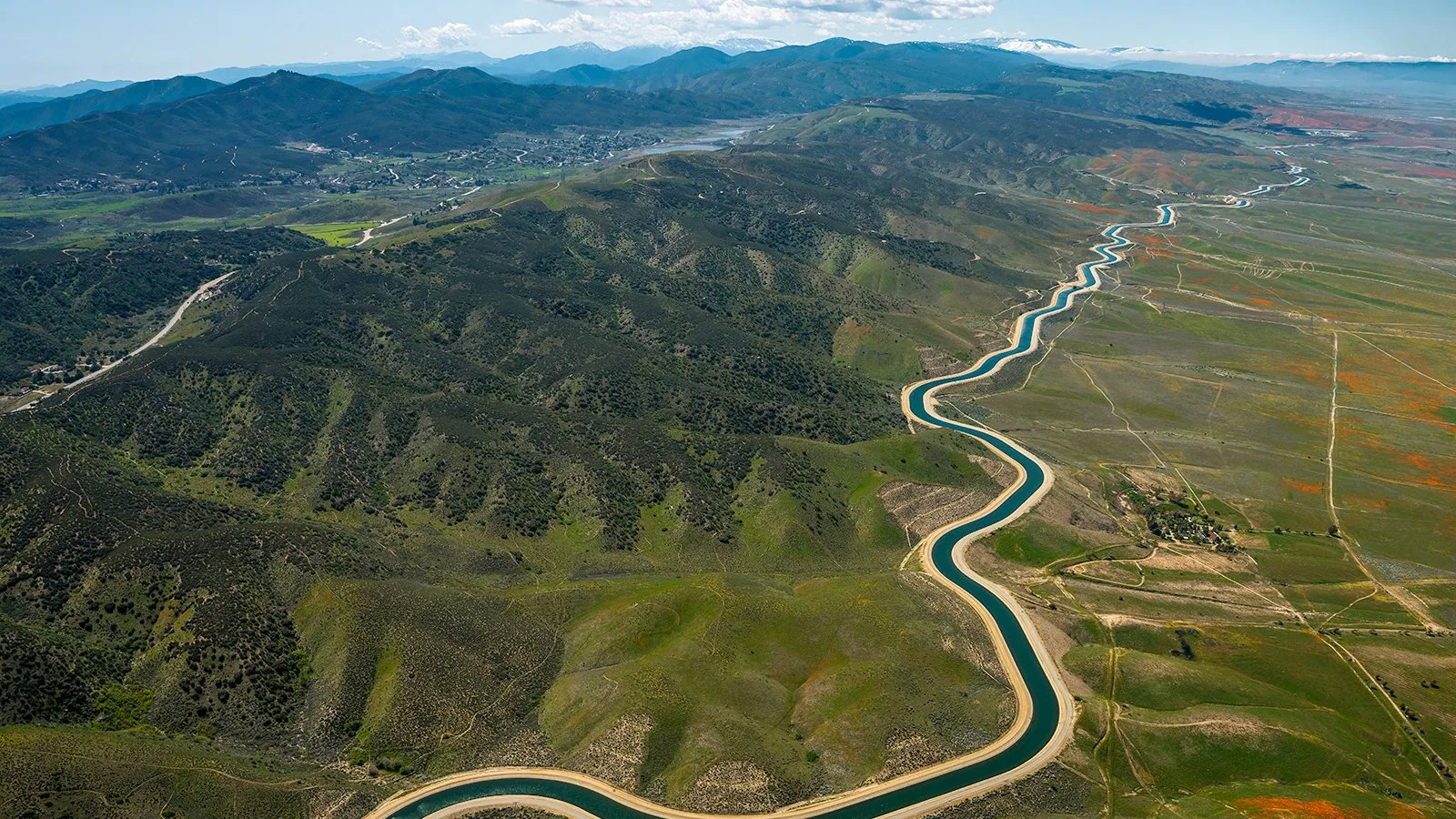
The station's July normals count 31 days reaching 90 degrees or higher. We inspect the leading edge and exposed seams after sustained heat to catch separation before a leak follows. Heat cycles load exposed laps, curb flashings, and rooftop equipment transitions. The Fox Field industrial corridor and Lancaster Business Park show the area's mix of industrial, office, and commercial uses. Roof access and operations differ by property, so the repair plan starts with the building's actual layout.
Separate the Roof Into Working Zones
Long warehouse spans make it useful to divide the roof into sections that can be found again in a report. We map membrane type, deck transitions, expansion joints, drains, scuppers, curbs, and prior patches, then mark where conditions change. That lets a maintenance lead connect an interior leak report with a roof location without assuming that the stain directly below is the entry point.
Fox Field is a medium/light industrial area, while North Lancaster Industrial Center is classified as heavy industrial. For an individual warehouse, the roof map should identify each bay, drainage path, and current assembly. A portfolio may include storage, production support, and shipping operations with different access constraints. We document each roof section as found, including areas that remain concealed, so a repair boundary stays tied to evidence and can be checked during later visits.
Follow Water From the Field to the Outlet
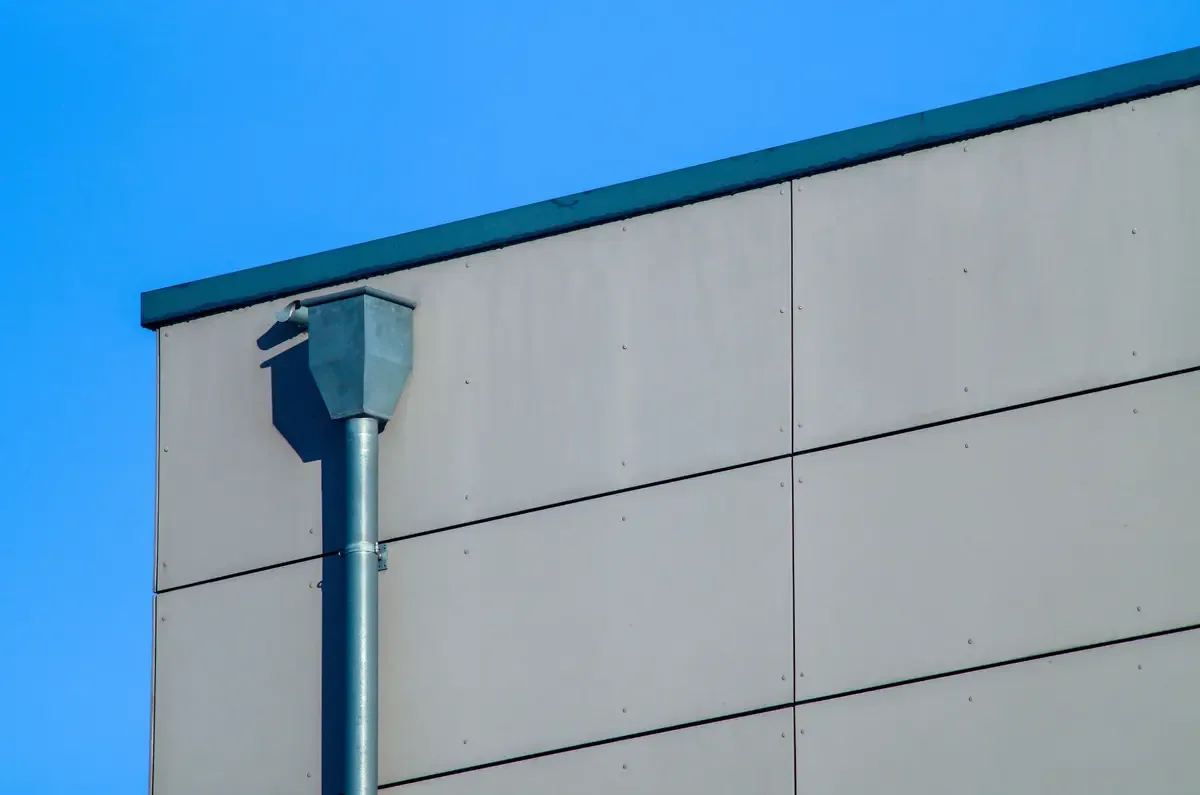
Water that sits near a drain can enter at a seam several feet away. We inspect slope, drain bowls, clamping rings, strainers, overflow routes, and the membrane around each penetration. A clogged outlet needs clearing; a failed bowl or reverse slope needs a separate correction. Coating or patching the low point without fixing the discharge route can leave the same wet area in place.
Fox Field averages 6.81 inches of annual precipitation, mostly in cooler months. Storms expose clogged drains or aging seams. In a dry climate, a concentrated storm can still expose debris buildup or a drain detail that has been deteriorating between visits. A drain and scupper repair can address the outlet condition, while a commercial roof inspection records the surrounding seams and transitions. We recommend a moisture test when the surface clues suggest water may have moved into the insulation.
Read Seams, Patches, and Penetrations Together
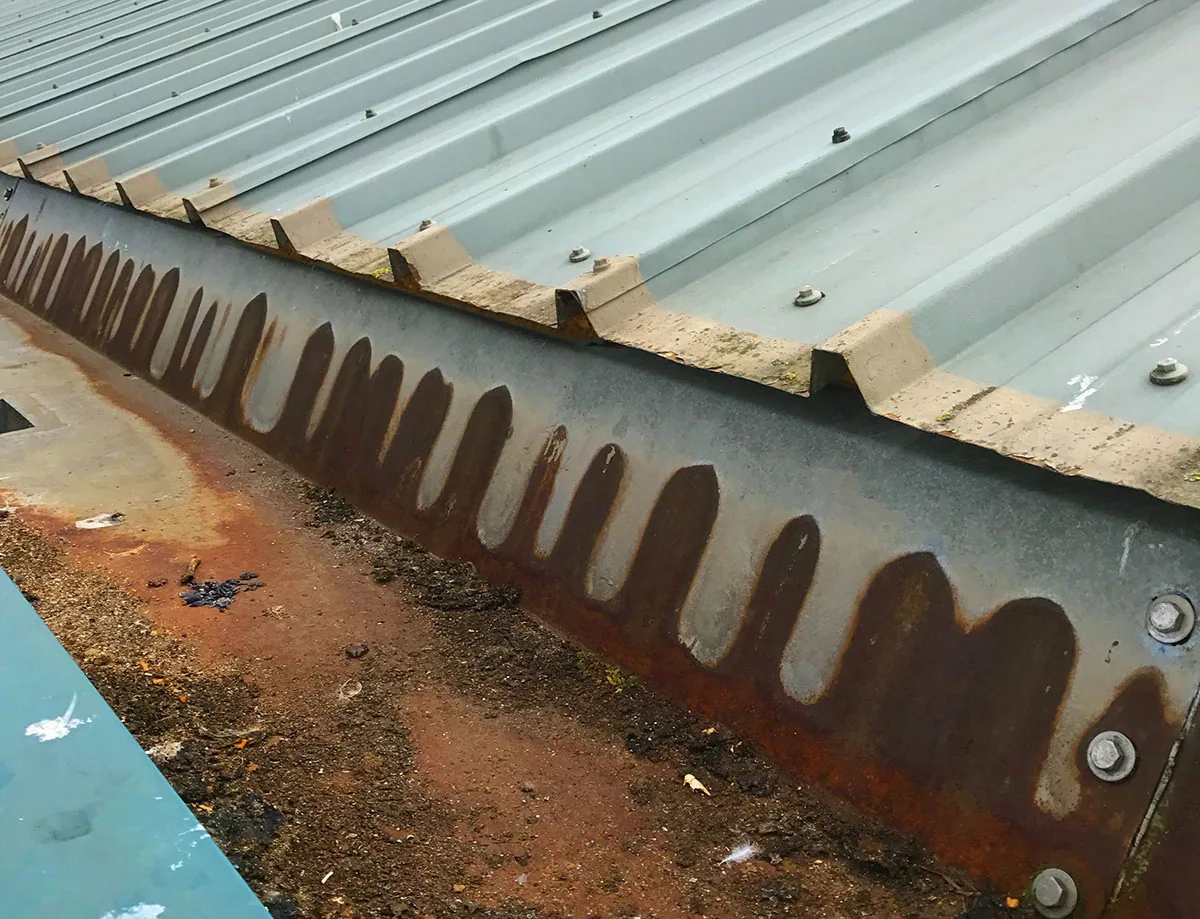
On a single-ply roof, an open lap, fishmouth, or patch edge can be the start of a leak path. We check weld continuity, seam direction, membrane pull at corners, and whether previous repairs bonded to the material beneath them. A metal roof has different failure points, including fasteners, panel laps, and flashing at curbs. The repair must match the assembly; an incompatible sealant can make a later repair harder to execute and can conceal movement without stopping it.
Warehouse roofs also gather service penetrations as HVAC, exhaust, and electrical equipment changes over time. At each curb or pipe, we look at flashing height, corner reinforcement, sealant condition, and nearby foot traffic. If a rooftop unit is due for replacement, coordinating the curb detail with distribution building roof work or other planned service can avoid reopening a finished area. For buildings with metal sections, retrofit options may be relevant when the existing panels and supporting assembly are suitable.
Test Suspected Moisture Before Closing the Roof
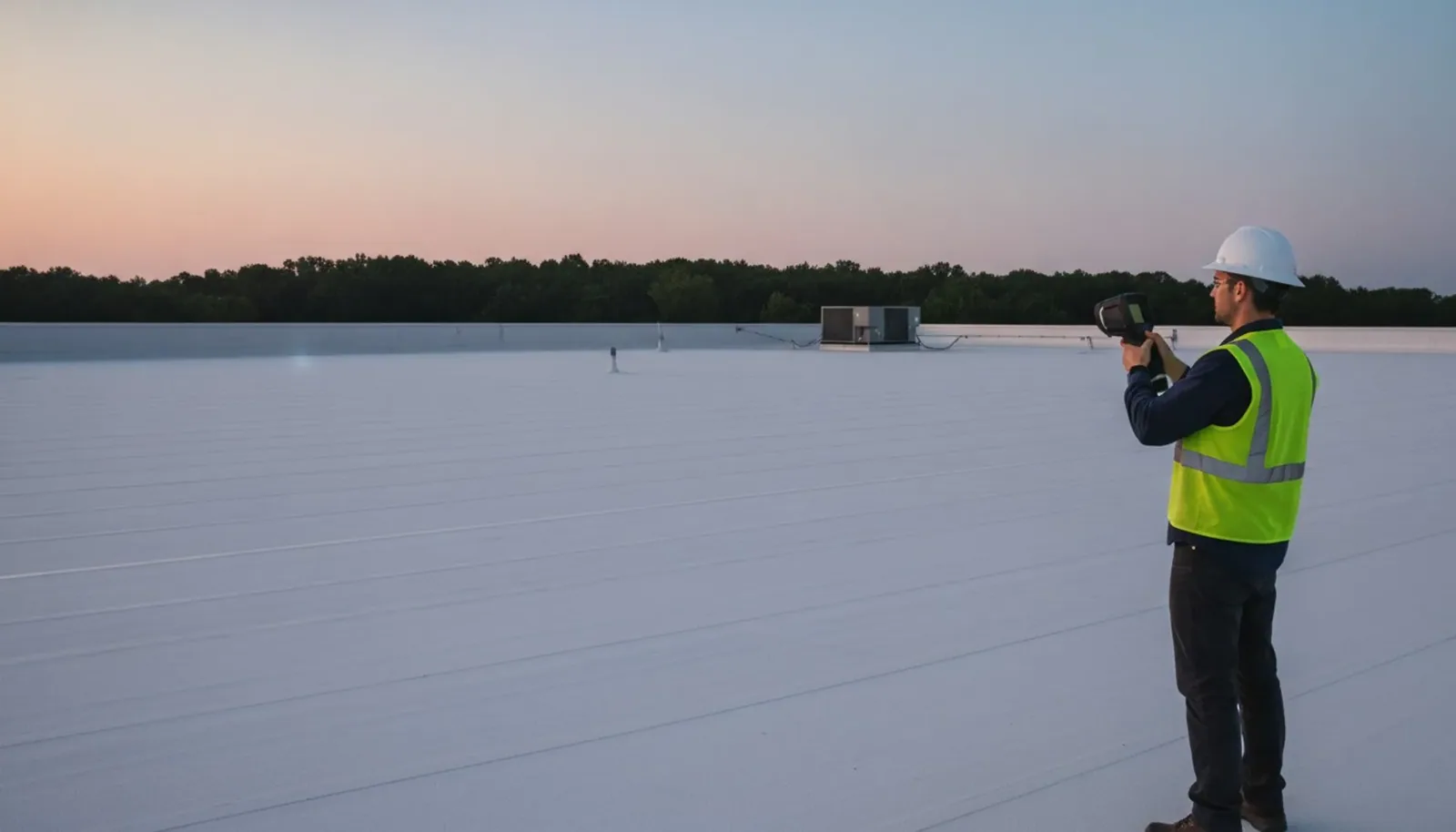
A dry-looking surface does not confirm that the insulation below it is dry. We compare interior reports, roof-side patterns, soft spots, and thermal readings to decide whether test cuts are warranted. An infrared moisture survey can help identify areas for physical verification when conditions support useful readings. Test cuts then reveal the layers, deck condition, and extent of wet material at the selected points. The report distinguishes what was opened from areas that remain unverified.
That boundary matters when a warehouse has racking, inventory, or active shipping lanes below the work. We plan protection and sequencing with the facility contact, identify the sections that can be reached safely, and explain where interior operations may need coordination. If water has reached a metal deck or insulation has lost its function, a surface patch will not restore those layers. A documented removal area lets the owner compare localized repair with a broader recover or replacement scope.
Match the Work to the Remaining Assembly
A localized repair can be appropriate when the substrate is sound, the leak path is contained, and adjacent seams remain stable. A recover may preserve a usable membrane while adding a new system, subject to code, loading, moisture, and attachment review. Replacement becomes more appropriate when deterioration is widespread, moisture crosses several zones, or earlier layers prevent a reliable repair. We compare those choices with the same roof map so the estimate shows where each option begins and ends.
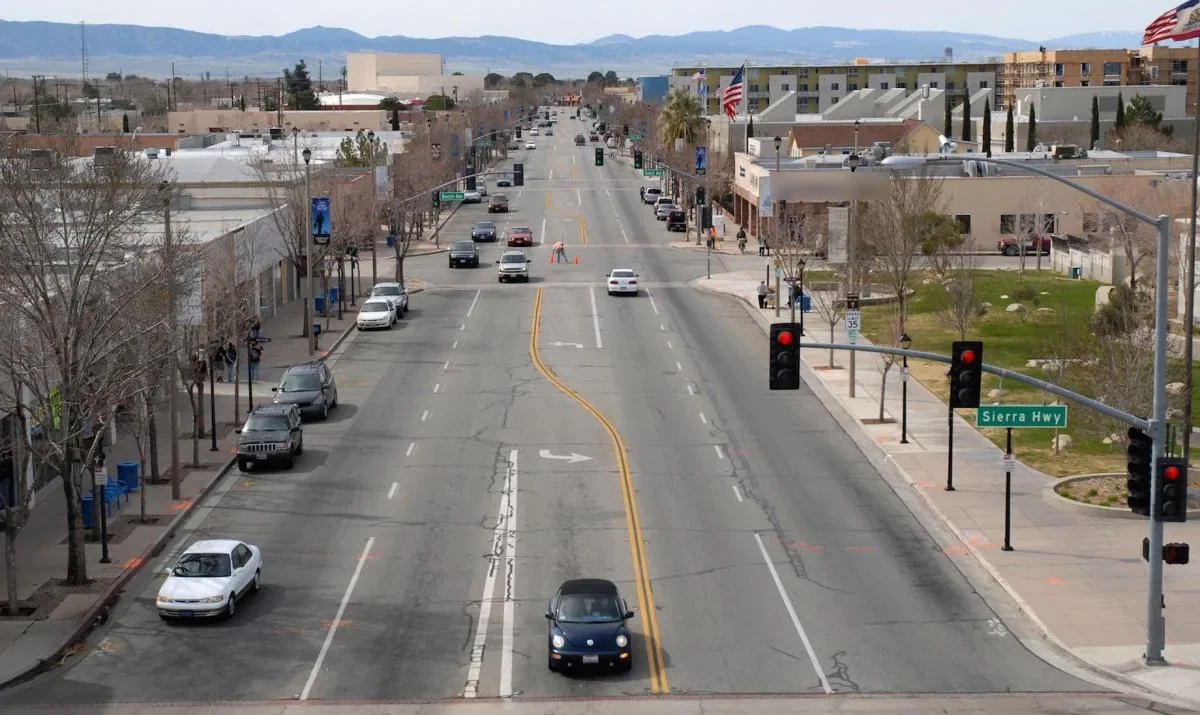
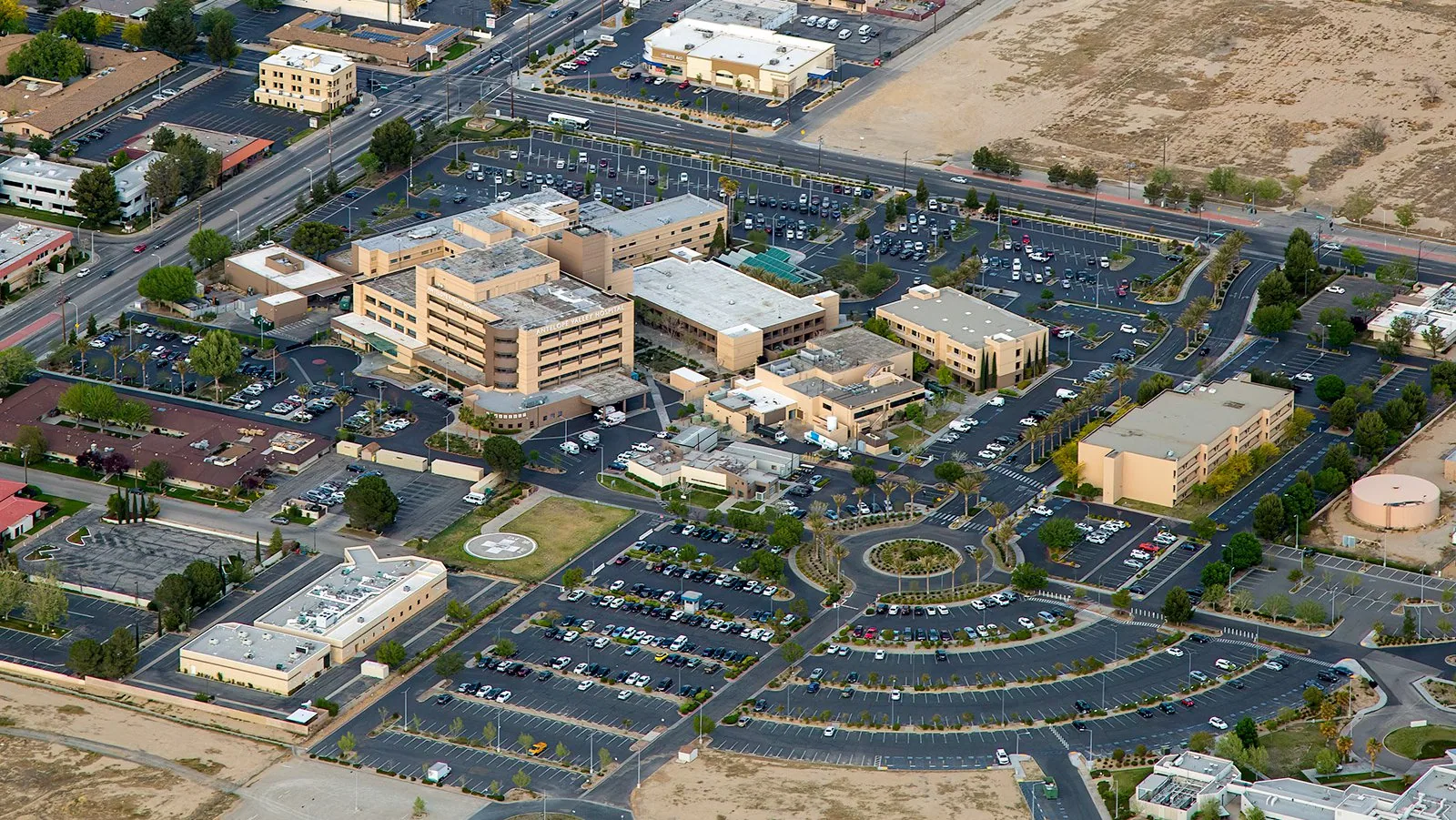
Some Lancaster buildings sit within established employment areas such as the Amargosa Creek planning area, which includes commercial, medical, and office uses. The area's planning context helps explain the variety of building operations, but it does not determine an individual roof's condition. We verify the deck, insulation, drainage, edge details, and existing membrane before recommending work. A replacement assessment can include those layers, while manufacturing roof planning may help coordinate sections that also support production equipment or exhaust.
Protect Storage and Keep the Condition Record Useful
Repair timing on a working warehouse depends on access, weather, roof traffic, material staging, and what sits below the work area. We set the sequence by zone, protect openings and stored goods as conditions require, and coordinate noisy or restricted work with the site contact. Emergency response is available around the clock, including holidays, when an active leak threatens inventory or operations. For planned work, the crew can separate urgent water entry from deferred capital items and show the owner why each belongs in its category.
Closeout should make the next inspection easier. We include dated photos, repair locations, materials used, drain and penetration conditions, and areas that need monitoring. A preventive maintenance visit can revisit the same zones after seasonal weather or equipment work. Keep new curb installations, service routes, and leak reports with the roof record; they give the next assessment a better starting point and reduce the chance of repeating tests that already answer a question.
Commercial Roofing Questions
Can a warehouse roof be repaired without moving inventory?
The work area and leak severity determine what needs to move. We identify the roof zone above affected storage, check whether water is active, and plan protection or a temporary aisle restriction where a repair requires access below. Larger openings or wet insulation may need a coordinated interior plan.
What makes a warehouse leak difficult to trace?
Long roof runs, multiple patches, and changes to equipment can carry water away from its entry point. We compare interior reports with seams, penetrations, drains, and moisture patterns, then test where the evidence points rather than opening broad areas at random.
When does a warehouse roof need replacement instead of another repair?
A repair boundary that keeps expanding, wet insulation across several zones, or recurring seam movement can shift the decision toward replacement. We verify the deck and remaining assembly, then compare a local repair, recover, and replacement against the same mapped conditions.
How does Lancaster heat affect warehouse roof details?
The Fox Field station's normal August high is 97.8 degrees, and July has an average of 31 days with highs of at least 90 degrees. Repeated heat acts on seams, sealants, and curb transitions, so we check for movement and separation at those details.
Can work be divided across a large warehouse roof?
Yes. We can map separate roof zones, distinguish urgent repairs from planned replacement areas, and stage work to fit access and operations. The proposal should show the sequence, protection needs, and any area that still requires testing before the final scope is set.