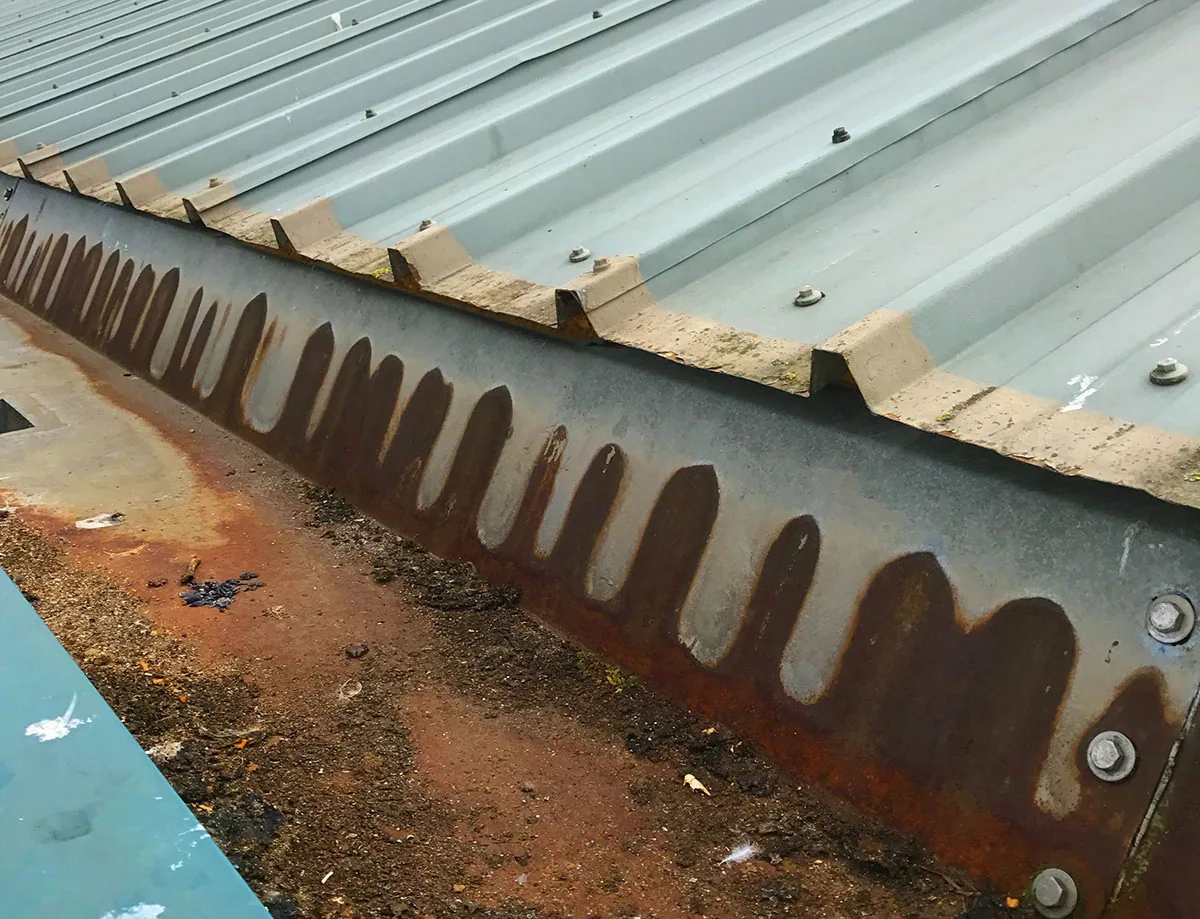
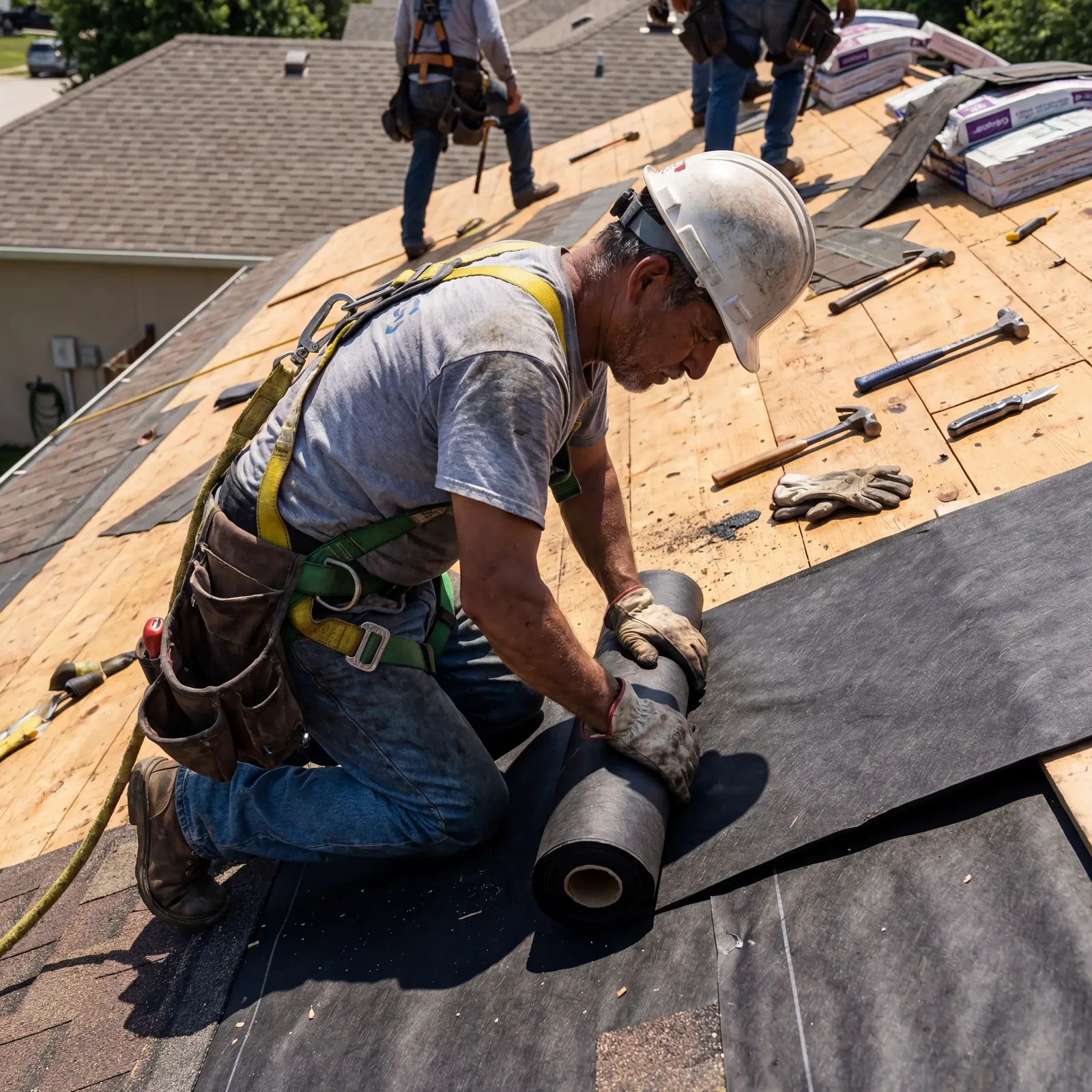
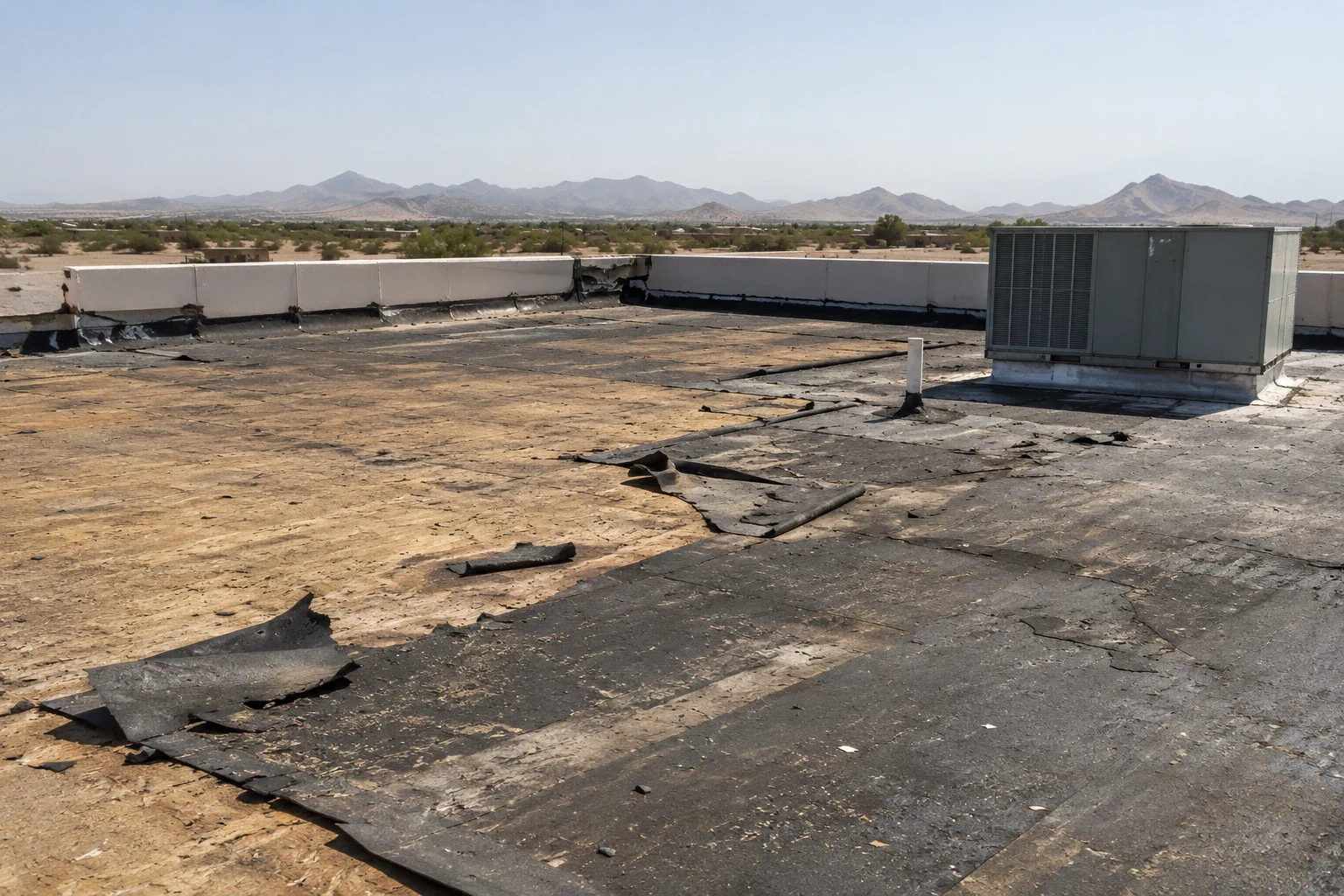
A roof defect above a receiving lane can disrupt a distribution shift before water reaches an office ceiling. A drip over pallet lanes, dock staging, or a conveyor changes where inventory can move and where lift equipment can travel. We start with the reported zone, trace the water path from the roof surface, and describe the limits of any repair so the operations team can plan around actual conditions.
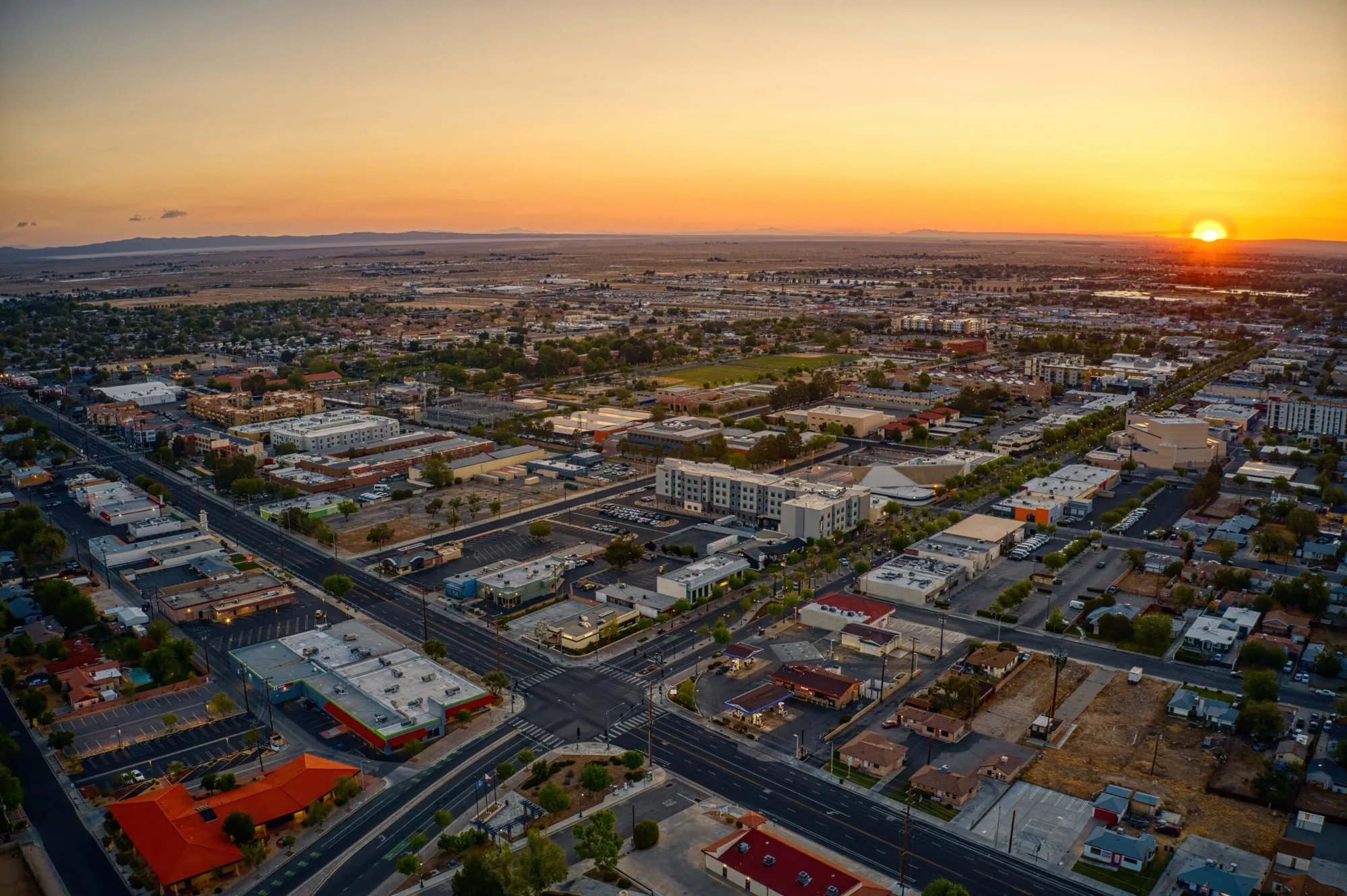
Lancaster's industrial planning includes Fox Field and North Lancaster, while nearby Palmdale identifies logistics and manufacturing among its economic sectors. Palmdale identifies the Antelope Valley Commerce Center as an East and West industrial park, extending the regional logistics picture beyond one Lancaster submarket. Those settings create different roof footprints, but a North Lancaster facility and a Palmdale distribution property both need roof findings tied to dock activity, storage, and safe access.
Map the Report to the Inventory Flow
Begin by marking where water appeared, what was stored below, and whether the condition changed after a rain or equipment cycle. On the roof, we check nearby seams, drain bowls, penetrations, wall transitions, and past repairs. The visible stain may be several bays from the opening that admitted water. The inspection record connects the interior report with roof photos and identifies any areas that could not be reached during the visit.
A commercial roof inspection can help the facility separate an immediate leak response from deferred condition work. For a multi-location operator, compare the roof zone reference with the building plan and work-order record. If a site uses third-party operations, the property manager's roof record should point to the same dock, aisle, or equipment area understood by the local team. Clear naming shortens handoffs between operations, facilities, and ownership.
Check Drainage at the Low Points
Water that remains at a drain can expose weak transitions around the bowl or signal that debris is slowing the outlet. We check strainers, overflow paths, membrane termination, and whether adjacent roof areas feed the same low point. On a large distribution roof, a blocked outlet can affect a wide field, while a seam defect may affect one storage bay. The report should show which condition was observed and how far the inspection followed the drainage path.
Fox Field's annual precipitation normal is 6.81 inches, with most of it normally falling from November through March. A relatively dry year does not remove the need to clear outlets before a storm. Short rainfall can test a low point that has accumulated packaging debris or dust. If the roof has several elevations, map the way upper sections discharge toward lower ones and identify any overflow that should remain open during a repair.
Separate Roof Defects from Dock and HVAC Sources
Distribution facilities often have dock canopies, rooftop units, exhaust fans, and long runs of conduit. Each transition creates a different possible entry point. A stain near an air handler may reflect a roof curb, condensate piping, or a separate membrane seam. We inspect those parts independently and report what supports a roof repair. A roof scope should not quietly absorb a mechanical issue that needs a separate trade to correct.
Forklift vibration and repeated door cycles do not directly diagnose a roof failure, but they influence how crews stage materials and where interior protection is useful. If an opening is needed, the work plan should account for inventory sensitivity, dust controls, and access below. A sound repair starts with a defined boundary, compatible materials, and a tie-in to stable membrane. Where the substrate is soft or moisture extends beyond the visible defect, the work area may need to widen after the assembly is opened.
Compare a Targeted Repair with a Planned Section
A localized correction may suit a single failed flashing or puncture when the surrounding membrane and substrate remain sound. Repeated repairs at related seams, broad wet insulation, or brittle material can justify reviewing a larger section. The choice depends on mapped conditions, the roof assembly, and the operational effect of returning for repeated service. We list the repair boundary, expected access, temporary weather protection, and findings that could alter the scope once work begins.
When inventory is exposed, emergency roof repair can reduce ongoing water entry while the owner reviews a durable solution. If multiple areas show connected aging, compare the condition record with replacement planning and the expected staging sequence. Drain and scupper work belongs in the scope when an outlet defect is confirmed. Each item should identify the roof zone and the work needed to restore the intended drainage or weather layer.
Protect Loading, Staging, and Travel Paths
Before mobilization, coordinate lift locations, material staging, dock schedules, trailer circulation, pedestrian routes, and emergency access. A crane or material hoist can compete with receiving operations if its position is not settled in advance. The facility contact can identify hours with lower traffic and areas where stored goods need additional protection. The roof contractor should state what access and clearances are required rather than assuming the loading area can be closed.
Roof work above active inventory also needs a clear response plan for weather changes. The scope should name who can authorize a temporary area restriction and how the team will secure an opening if conditions shift. For multi-tenant logistics sites, define which party controls common drives, dock aprons, and interior areas below the work. These details help avoid an otherwise preventable delay and make the daily work boundary visible to site staff.
Use Site-Level Records Across the Network
A consistent portfolio record can compare roof sections without pretending every distribution building has the same assembly. Keep photos, leak reports, repairs, drain observations, and access limits attached to a site and roof-zone identifier. New conveyor penetrations, exhaust changes, or dock expansions should appear in the roof record so the next inspection can examine the correct transition.
Palmdale's Antelope Valley Commerce Center has distinct East and West districts, giving regional operators a different industrial setting from Lancaster's local parks. Lancaster's plans also identify business and industrial areas, including North Lancaster and Fox Field. A maintenance visit can check known repair points before the wetter months, while a manufacturing roof plan can keep equipment and access needs visible alongside regional findings. The useful measure is whether each record helps someone decide what to repair next.
Questions for Distribution and Logistics Teams
A distribution roof affects storage, access, and delivery flow at the same time. These answers focus on the practical handoffs that help a site keep those functions coordinated.
Commercial Roofing Questions
Can roofers work while trucks continue to use the docks?
Usually the work can be sequenced around receiving, but the site needs to set crane access, dock clearances, trailer routes, and any temporary closures. A daily plan should identify the roof zone and the ground area affected by lifts or material movement.
What information helps trace a leak in a large warehouse?
Mark the first appearance, date, weather, stored goods affected, and any nearby equipment or prior repairs. A roof plan with grid lines or bay labels helps connect an interior observation with seams, drains, and curbs above it.
Should a small drip trigger a full roof replacement?
A single report does not establish that the whole roof has failed. Inspection and selective testing can show whether the condition is local or part of a wider pattern. The scope should state what is known and which areas remain untested.
How do you protect inventory during roof work?
The facility identifies sensitive goods, active aisles, and interior restrictions. The work plan can then define coverings, access paths, debris controls, and who can move inventory if an opening reveals a larger wet area.
How is a recurring drain problem handled?
Inspect the outlet, surrounding membrane, overflow path, and contributing roof area. Clearing debris can restore flow when blockage is the cause; a failed bowl or membrane transition requires a separate repair with a documented limit.
Can one report cover several distribution sites?
A shared reporting format helps compare findings, but each property needs its own assembly, roof-zone map, photos, and access notes. Common ownership does not mean that the drainage or repair history is the same.