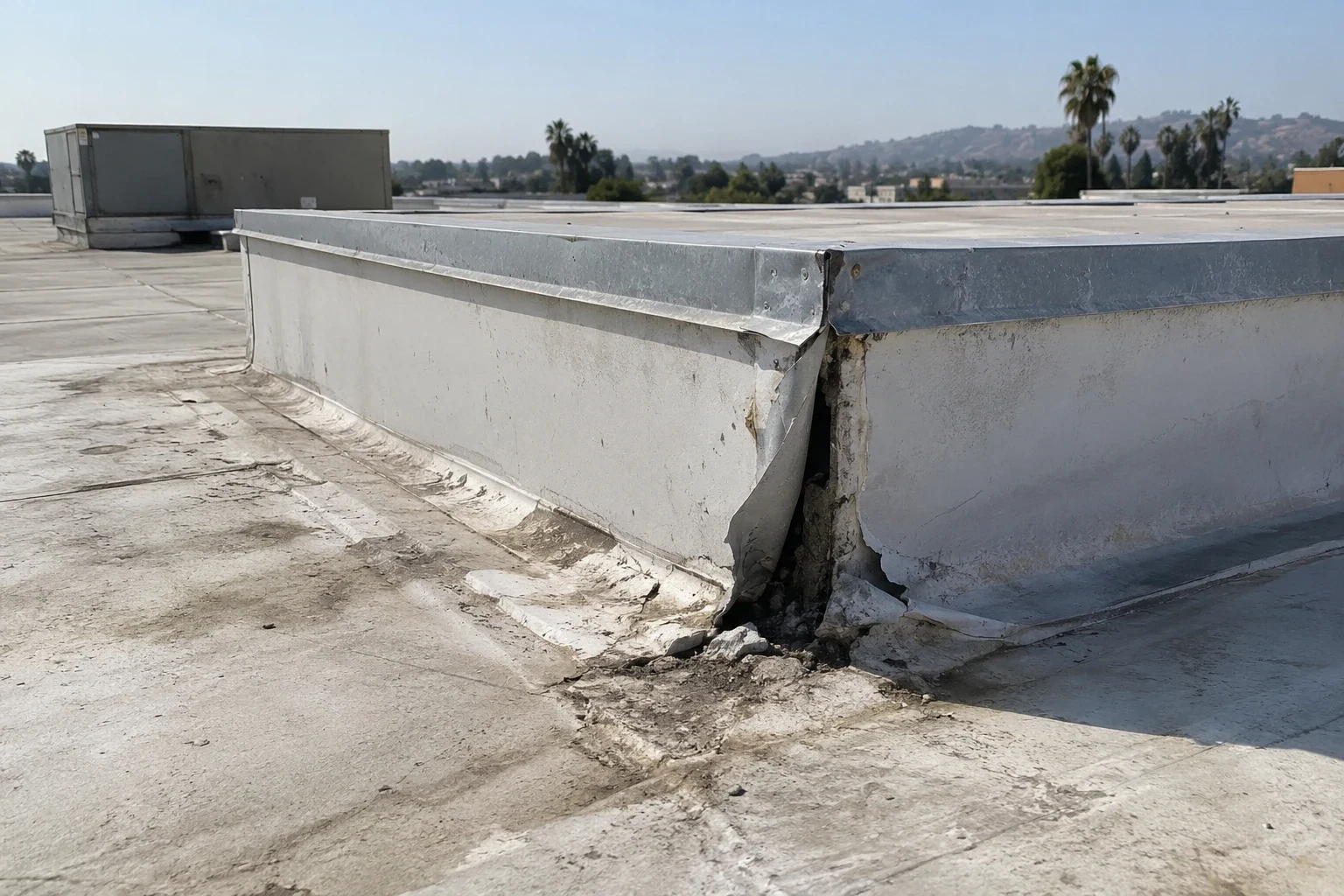
A seam that separates along a roof field can admit water over a long run, even when only part of the lap appears open. The first step is to find where adhesion or fastening failed and determine whether water moved beneath the membrane. We inspect the seam, nearby details, and interior reports, then mark the repair length and any area that needs testing. The owner receives a scope tied to observed conditions rather than a patch length chosen from a ceiling stain.
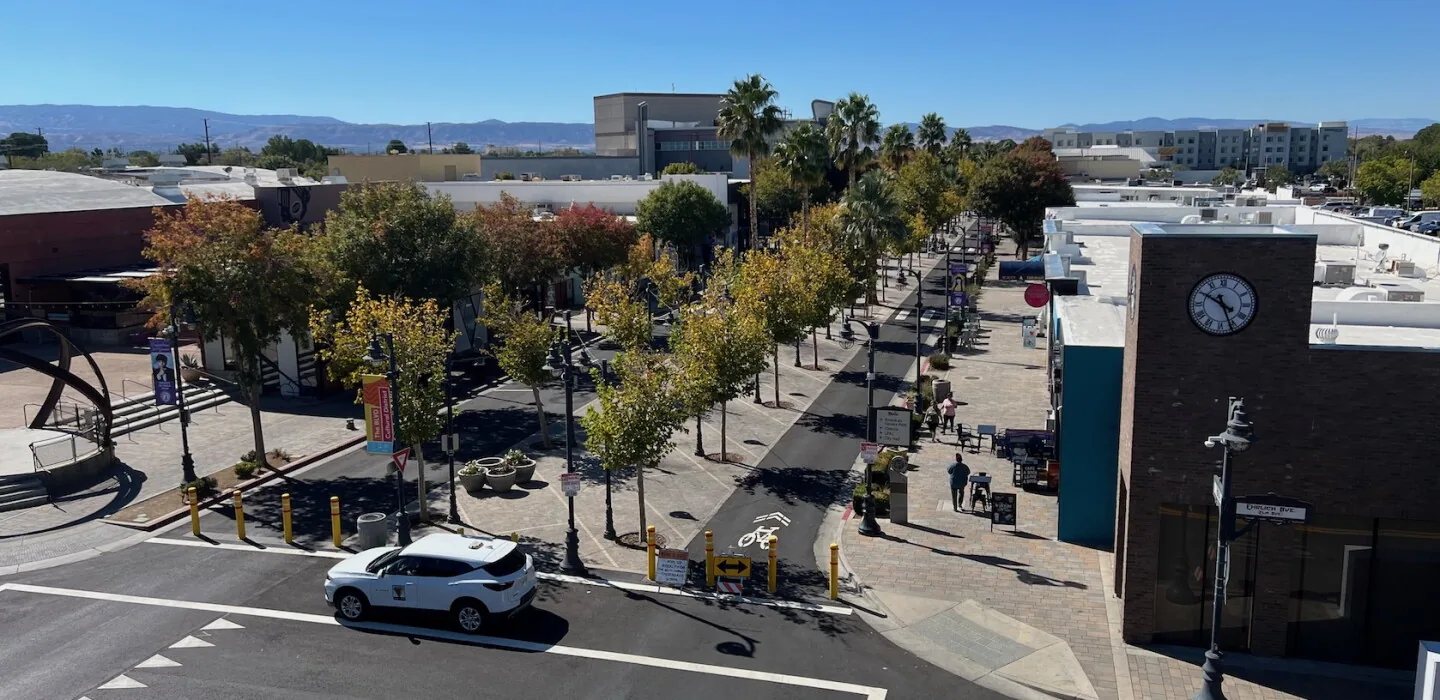
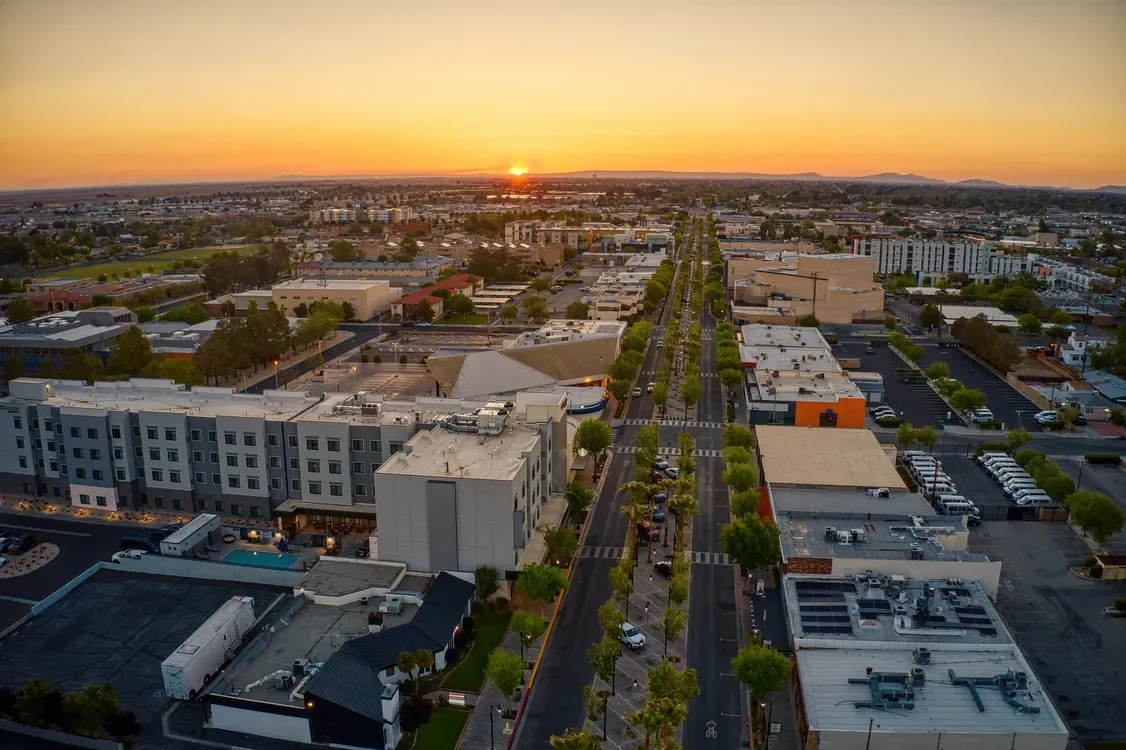
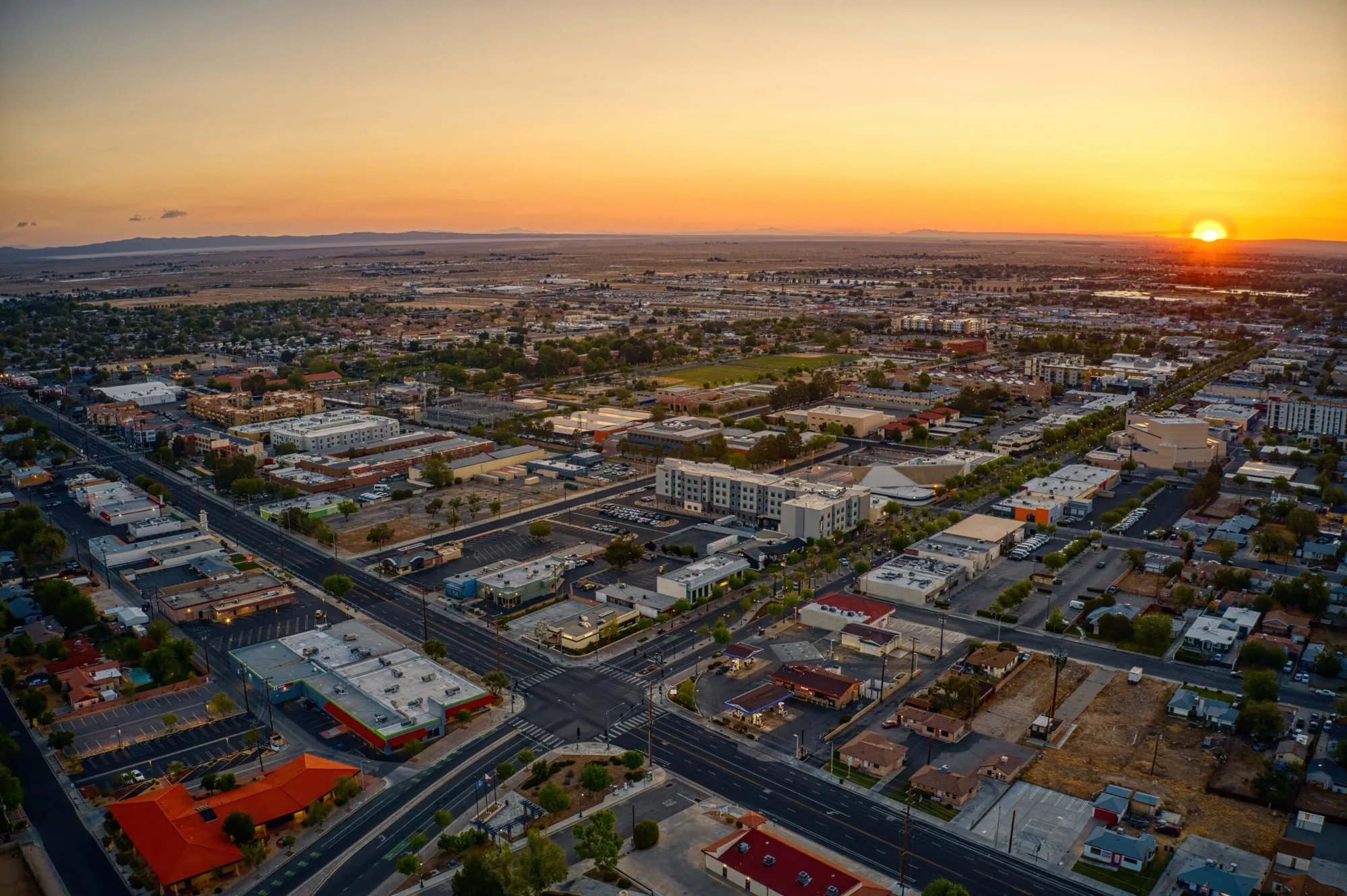
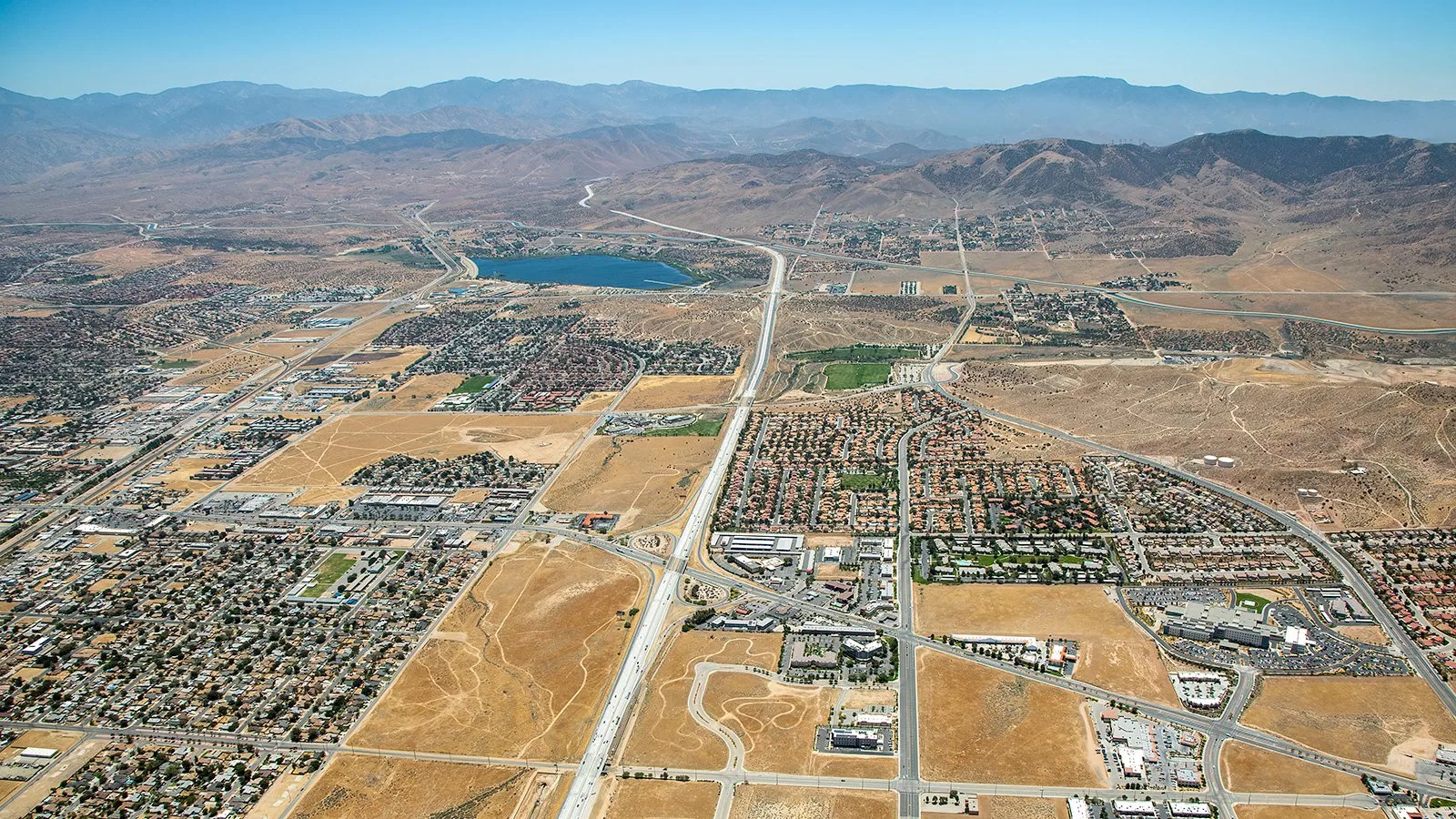
Lancaster's property inventory spans office, light industrial, and retail uses at Enterprise Business Park as well as separate industrial areas. Roof layouts vary with equipment and later additions. On a building at Enterprise Business Park, the seam may cross multiple tenant areas; a North Lancaster industrial roof may sit near exhaust or process equipment. Map the actual lap and water path at the site.
Follow the Seam to Stable Material
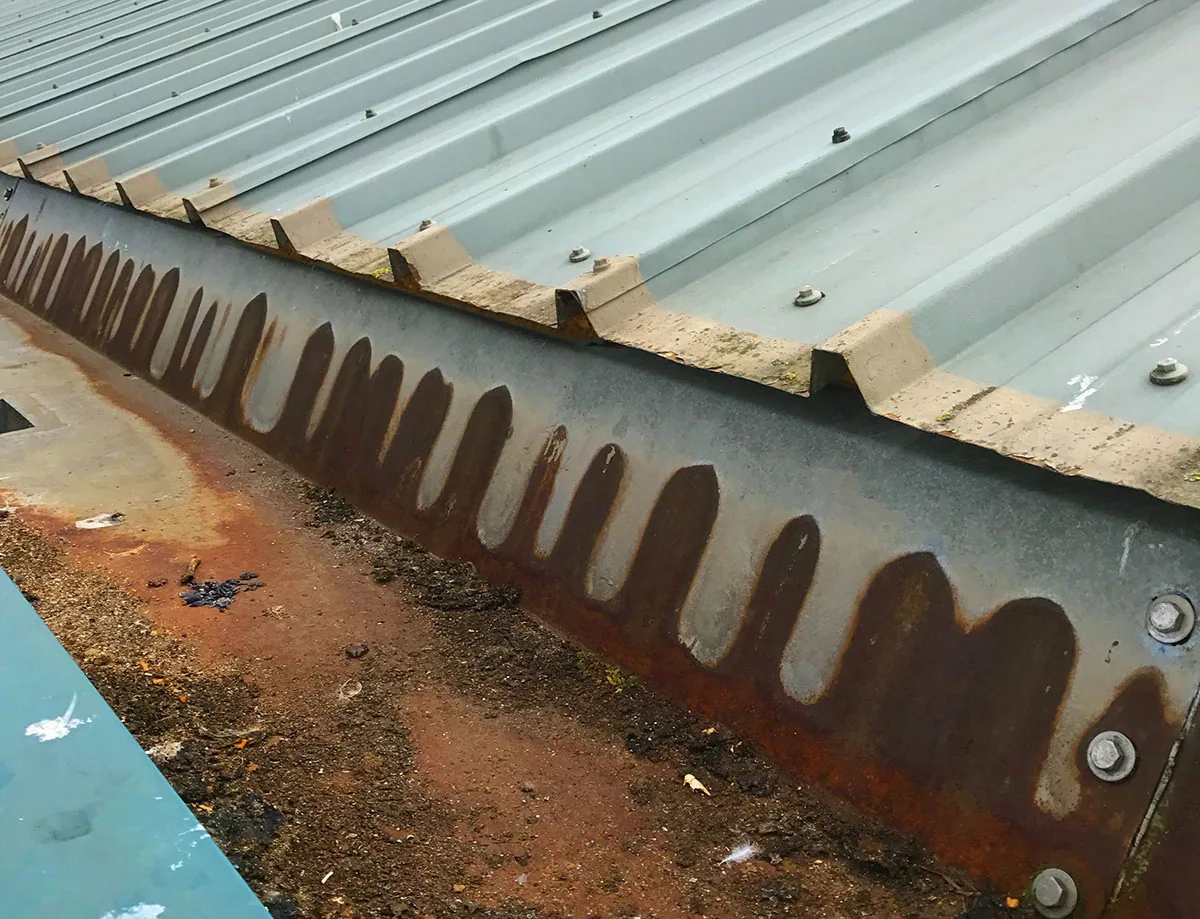
Inspect the full length of the reported lap, including end laps, intersections, patches, and transitions at curbs or drains. Look for open edges, fishmouths, wrinkles, contamination, inadequate bonding, or fasteners that have backed out. Mark where the seam appears secure again and compare its direction with the interior leak path. If the roof has layers or an overlay, identify which membrane is separating before defining the repair.
A commercial roof inspection can record the condition and nearby roof assembly. Probe or test only where the method is appropriate and safe. If a moisture survey is used, note its coverage and limitations; surface readings should be interpreted with the construction and other observations. The report should distinguish a confirmed open lap from a suspected weakness, and list any seam concealed by equipment or a prior coating.
Identify What Broke the Bond
Seam failure can follow poor preparation, contamination, moisture, incompatible repair material, repeated movement, or a weakened membrane surface. Heat cycling can load a long lap and stress details near equipment. Lancaster's William J. Fox Field station records an August normal daily high of 97.8 degrees Fahrenheit and a January normal low of 31.3 degrees. That seasonal range can make material condition and compatible repair preparation relevant at exposed transitions.
Look for a nearby source of movement or surface contamination before installing a new strip. A loose curb, unsupported pipe, oil residue, or repeated foot traffic may affect the bond. If the cause remains active, restoring the seam alone may leave the same stress in place. The scope should identify any support repair or equipment work that another trade needs to complete before the membrane is closed.
Measure the Area Beneath the Lap
An open seam does not establish how much water entered or how far moisture traveled. Compare roof findings with ceiling reports, insulation softness, deck conditions, and prior leak records. Selective testing can establish whether the affected area is local or extends across the roof section. Mark every test location and note any limitation, especially where equipment, ballast, or an inaccessible surface interrupts the survey.
Lancaster's normal precipitation at Fox Field is concentrated from November through March, so the timing of a reported leak can help identify when the roof was exposed. Still, a dry inspection day cannot erase earlier moisture. A ponding water review can distinguish a drainage low spot from a seam defect, and a flashing inspection can examine a separate transition at the seam end. The report should keep each finding tied to its own evidence.
Restore the Lap Without Hiding the Boundary
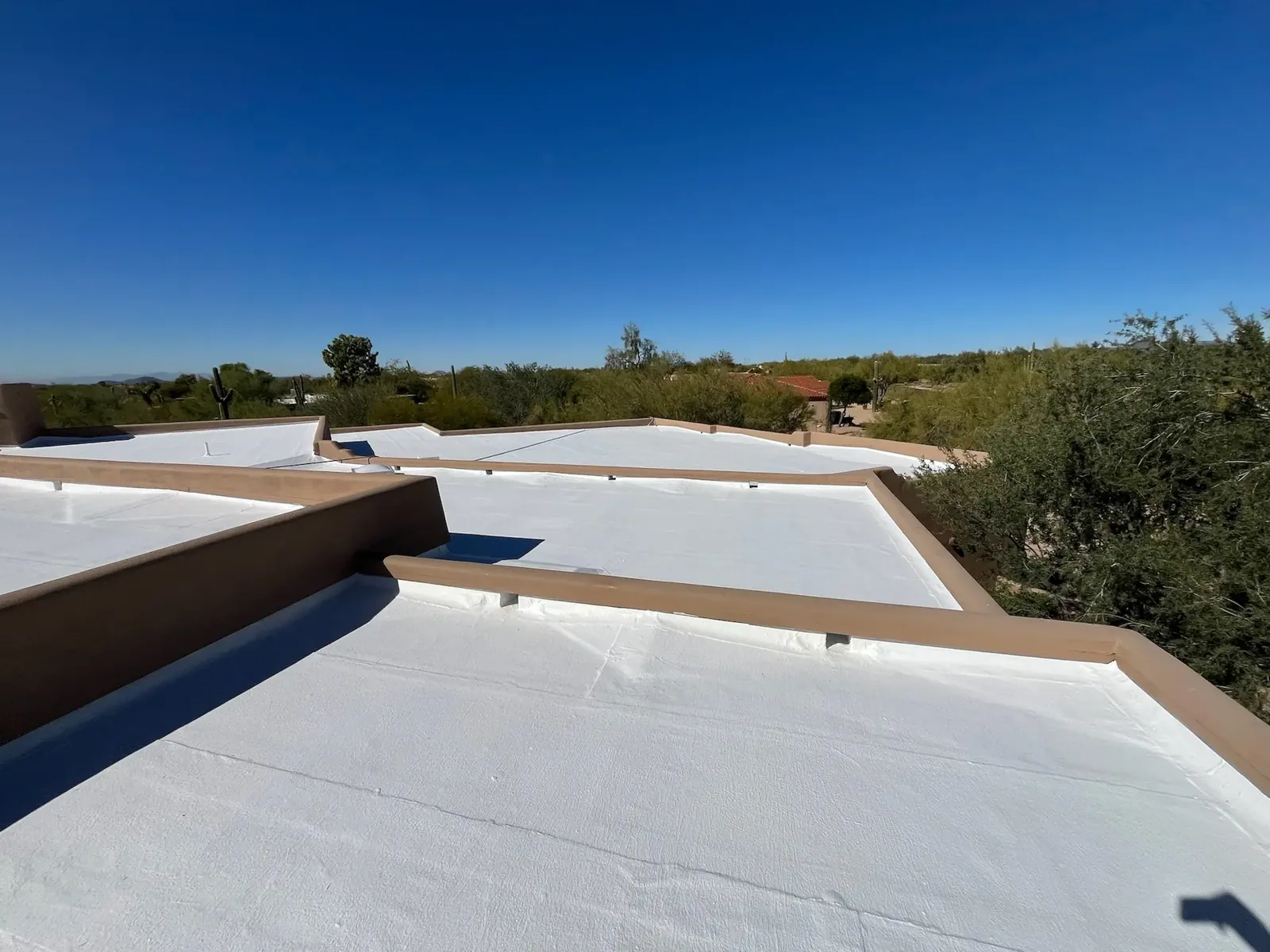
Remove loose or contaminated material and prepare the surface according to the roof system. A repair may require compatible membrane, adhesive or welding, reinforcement at an intersection, and a clean termination at the stable part of the seam. A bead of sealant across the top does not rebuild a failed bond if the underlying lap remains loose. The work description should state its length, material, preparation, and how the finished detail will be checked.
A localized repair may address one isolated seam. When repeated failures or wet insulation reach a broad area, evaluate a larger correction or replacement scope. A wind damage inspection may be useful where movement or lifted edges accompany the separation. Keep any substrate replacement or insulation work visible as separate quantities so the owner can approve a change based on conditions found after opening.
Coordinate Work with Roof Activity
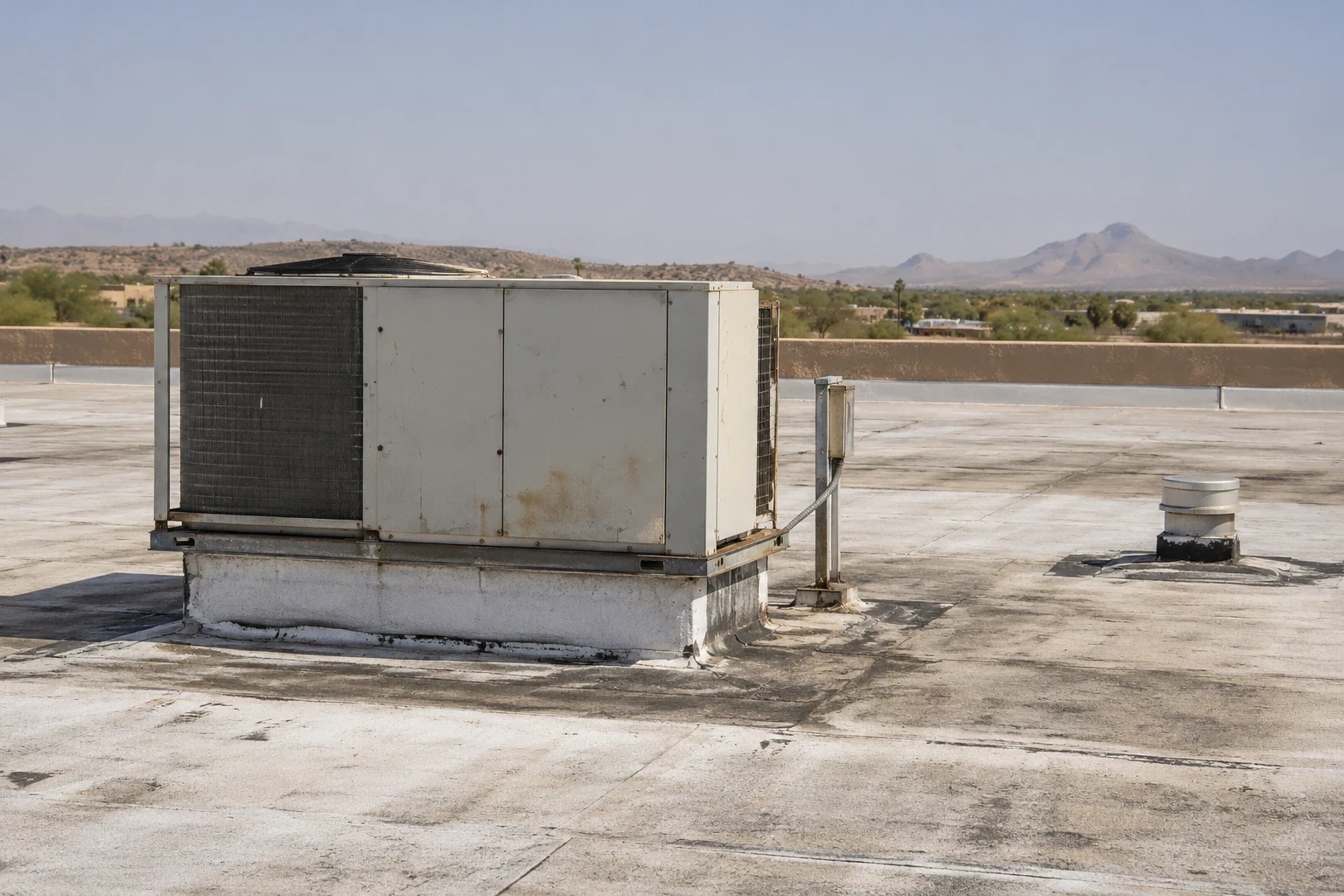
Seam repairs need a dry, prepared work area and safe access along the full repair run. Plan around rooftop units, tenant routes, loading activity, and any equipment that must remain operating. Identify whether a crew can reach the entire lap from a single entry point and where materials will be staged. If a roof opening is needed, set interior protection and define who can approve expansion if moisture is more extensive than expected.
At a facility with multiple tenants, identify whether the seam crosses a shared boundary and who controls access. A property management record can clarify vendor history and approvals. For a manufacturer, a production roof coordination plan can identify process equipment and shift restrictions. The contractor should confirm that temporary protection remains secure at the end of each work period and that drains stay open.
Track the Repair Against Future Inspections
Photograph the seam before and after work, including the repair ends and nearby intersections. Record material, method, weather conditions if relevant, length, and the roof zone. If the surface could not be fully prepared or tested, state what remains uncertain. A closeout that shows the boundary gives the next inspector a way to determine whether separation has returned at the same location or appeared somewhere else.
Keep the repair record with roof plans, moisture findings, and equipment changes. A follow-up can inspect the repaired lap after the next meaningful weather event and compare it with a stable reference point. If the seam continues to move, investigate the adjacent assembly or support rather than layering new material over prior patches. The owner can then decide whether recurring service is still appropriate or whether a broader section needs capital review.
Questions About Seam Separation
Seam failures can be local or part of a wider attachment problem. These answers address how to confirm the boundary and select a repair method.
Commercial Roofing Questions
Can a roof seam be repaired without replacing the field membrane?
Yes, when the surrounding membrane remains compatible and secure, the substrate is sound, and the failed section can be prepared for a reliable tie-in. Testing and inspection help define the limit.
Why does a seam open after earlier repairs?
The prior work may not have removed contamination, corrected movement, or addressed wet or weak material. Check nearby supports, patches, foot traffic, and the repair method before repeating the same detail.
How far should a seam repair extend?
Continue through the visibly failed section and tie into material that tests or probes as sound. State how the boundary was selected and whether hidden conditions could require added length.
Can a coating seal a separated lap?
Coating does not restore a loose bond by itself. Repair the underlying seam with a compatible system, then assess whether the larger surface is suitable for restoration.
Does a seam leak always show directly below the opening?
No. Water can travel along a deck, insulation joint, or framing path before reaching an interior finish. Map the roof detail and compare it with the reported room.
What should a seam repair record include?
Keep before-and-after photos, roof-zone reference, material, preparation method, repair length, tested areas, and any nearby condition that remains open for follow-up.