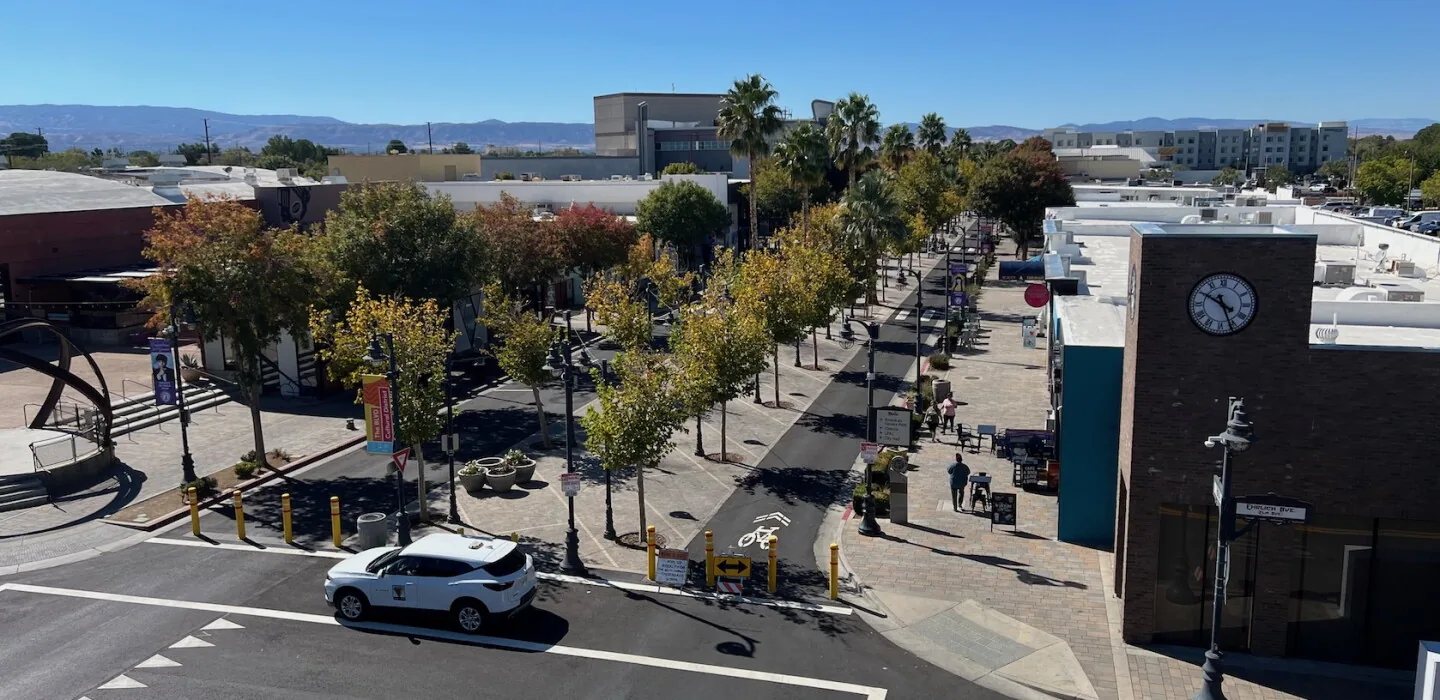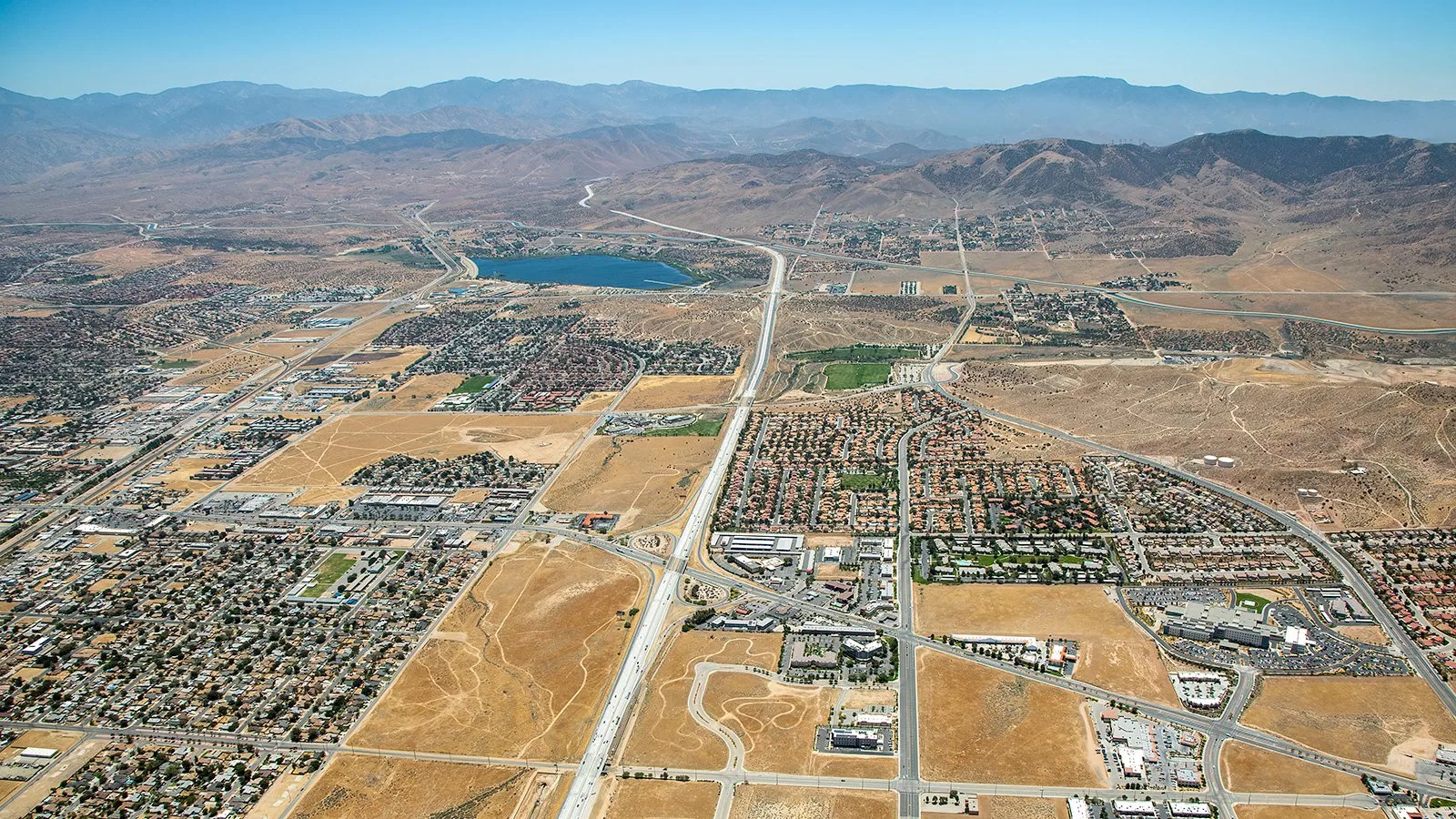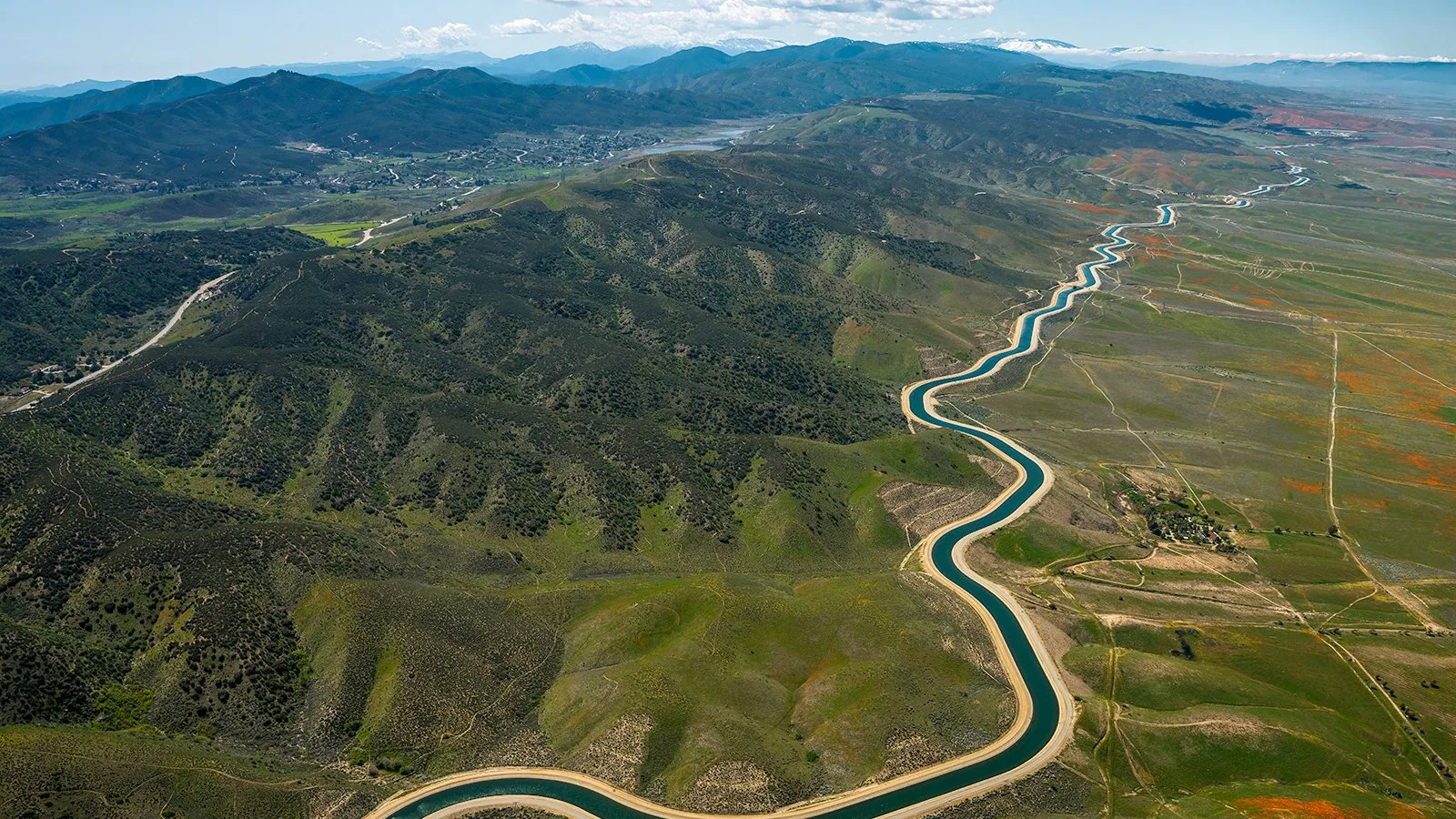
A shallow puddle on a flat roof is a clue about slope, drainage, or a surface depression, but it does not by itself show where water will enter. The decision starts with depth, duration, location, and the condition of the membrane below. We inspect low points, drain bowls, overflows, seams, and any interior reports, then document whether the water appears tied to a blocked outlet or a broader roof condition.
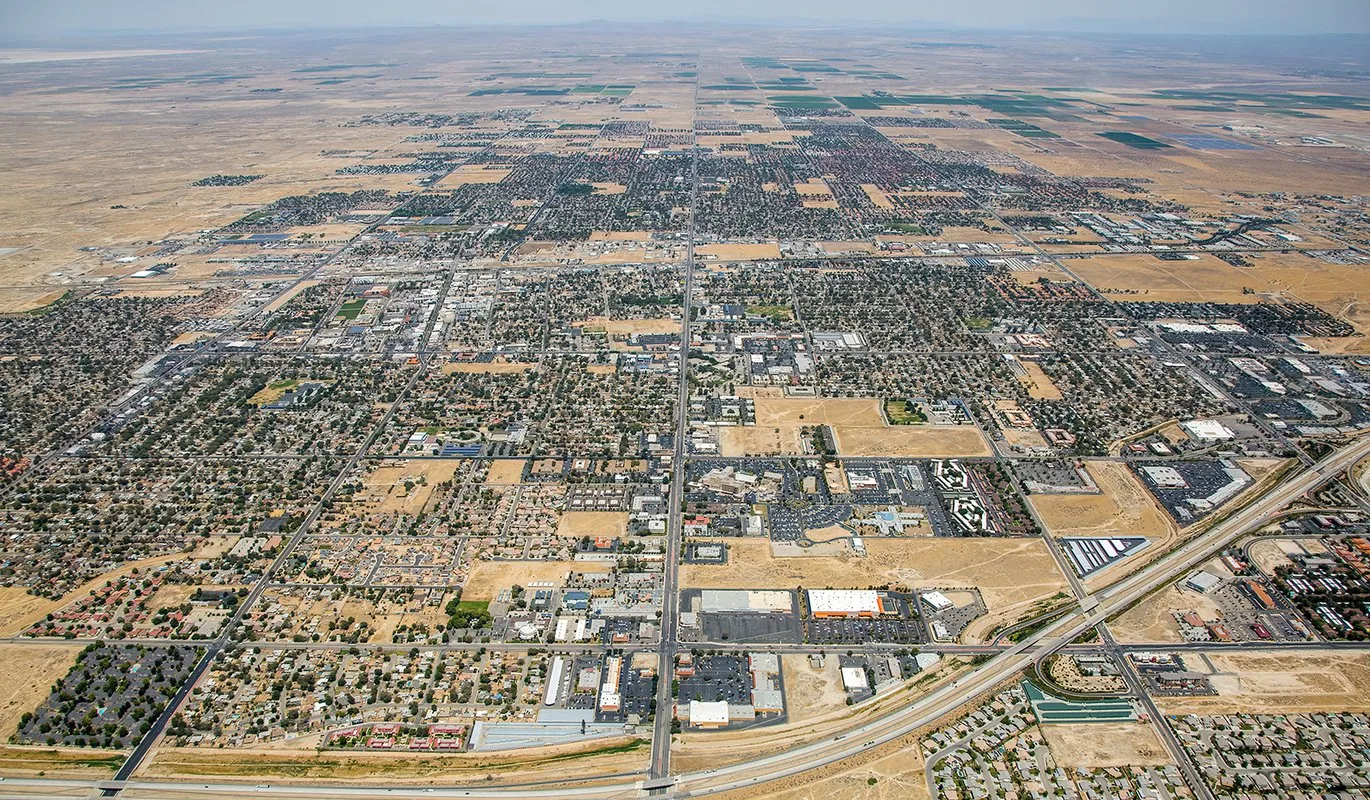
Lancaster's property inventory includes Enterprise Business Park and Lancaster Business Park, with office, light industrial, and retail uses. Roofs in those districts may have different additions, drains, and equipment layouts. A Enterprise Business Park building with several roof elevations needs its own flow map; a Lancaster Business Park roof should be checked against actual low points, not a generic drainage assumption.
Map Each Low Point and Outlet
Walk the roof after safe access is arranged and mark visible ponding, sediment lines, drain locations, overflow scuppers, and nearby equipment. A puddle may be several feet from the outlet because framing, insulation, or later reroof layers changed the slope. Check whether water stands around a drain bowl, follows a membrane seam, or collects behind a curb. Record conditions with photos that show both the local detail and its larger roof zone.
A commercial roof inspection can identify the drainage path and any related membrane concerns. If standing water recurs in one area, compare the roof surface with drain records, prior repairs, and any plans from later equipment work. The report should separate an obstructed outlet from a low area that remains after the drain is clear. The owner then has a better basis to choose maintenance, localized correction, or a design review.
Clear the Outlet Before Changing the Roof
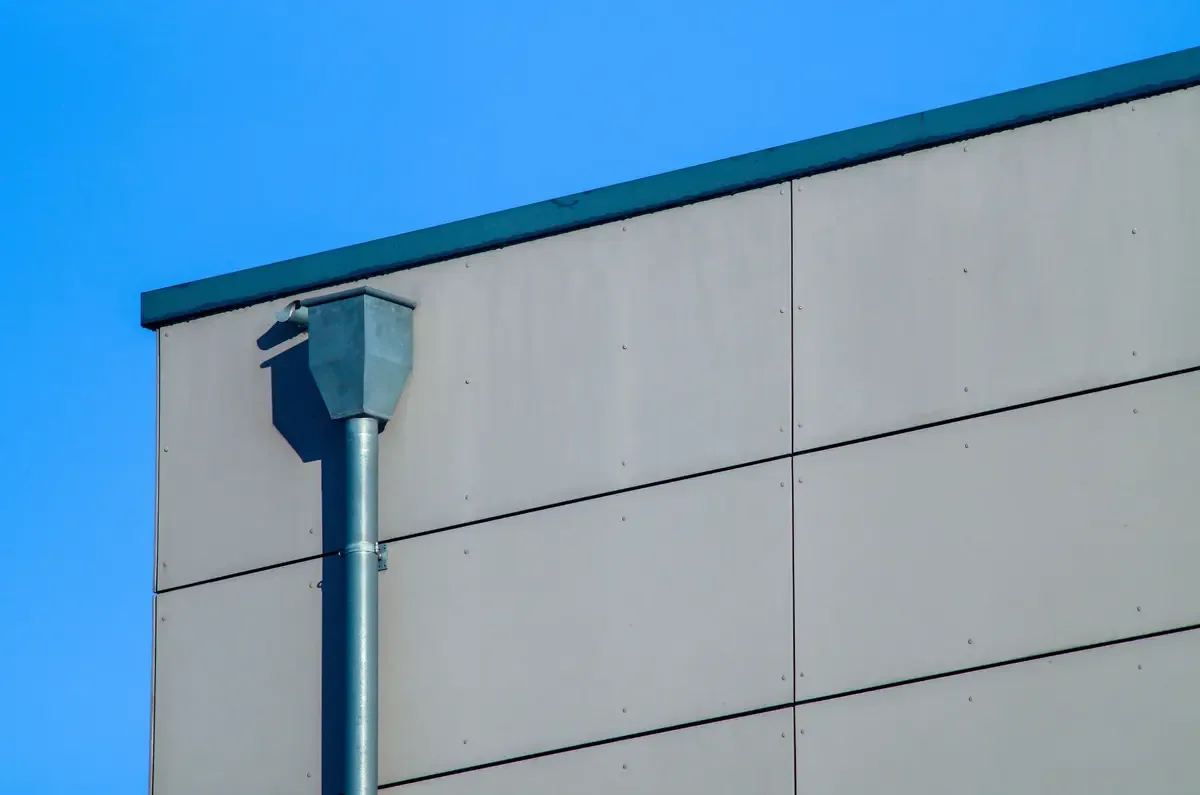
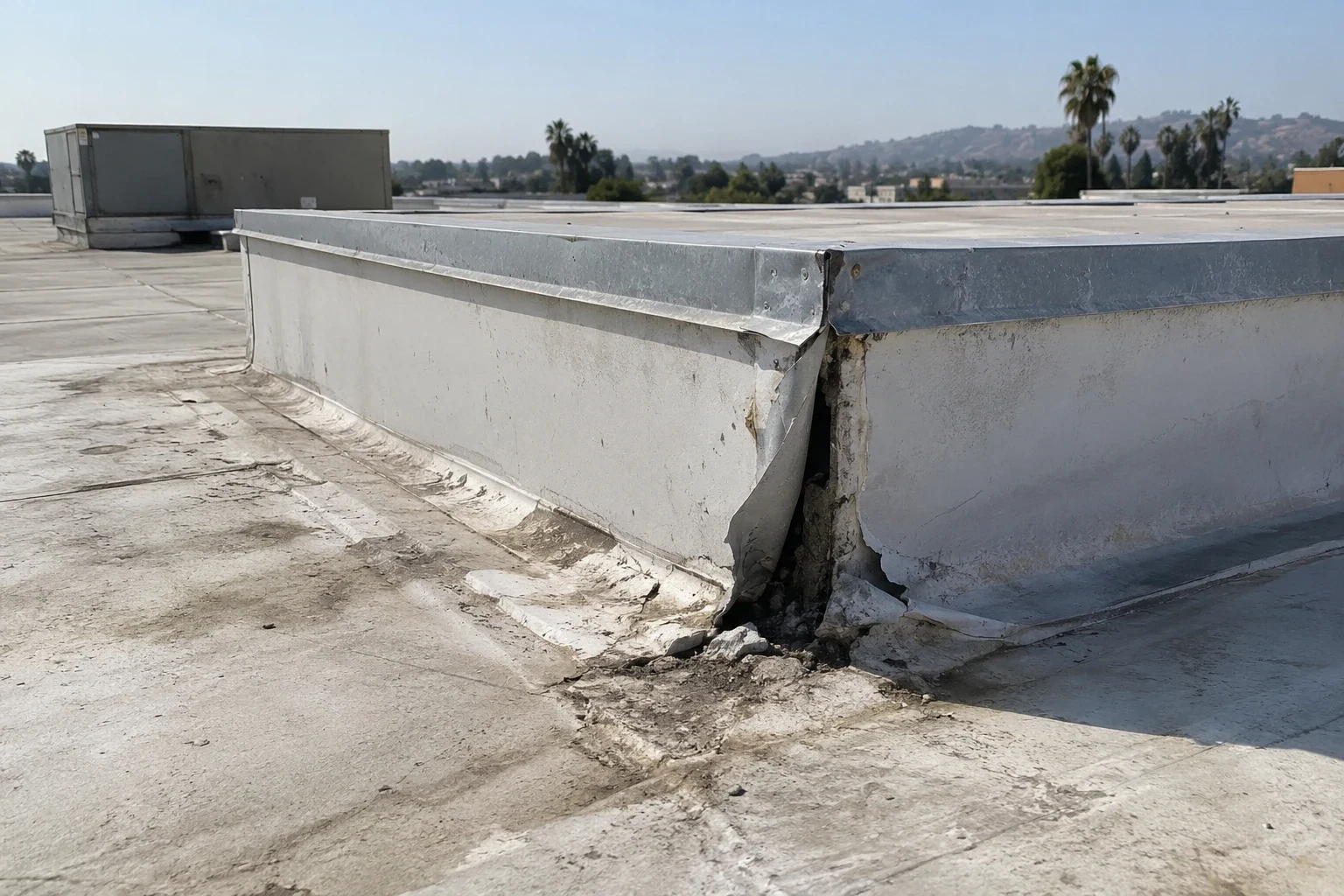
Begin by confirming that strainers, bowls, leaders, and scuppers are open and that overflow paths have not been covered or blocked. Debris removal can restore flow when an obstruction is the cause. If the bowl is cracked, the clamping ring is loose, or membrane flashing has separated, clearing leaves will not correct the entry point. Inspect the outlet edge and surrounding membrane for movement, soft substrate, failed sealant, or older patches that no longer bond.
Lancaster's William J. Fox Field station records most normal precipitation between November and March, with a modest annual total. Before that period, drainage checks can reveal sediment or loose material before a storm tests the roof. A drain and scupper repair should address the component that failed and show how the water will discharge after the work. If an overflow is missing or the roof geometry sends water toward a wall, the issue may require a broader design conversation.
Check What Ponding Does to the Assembly
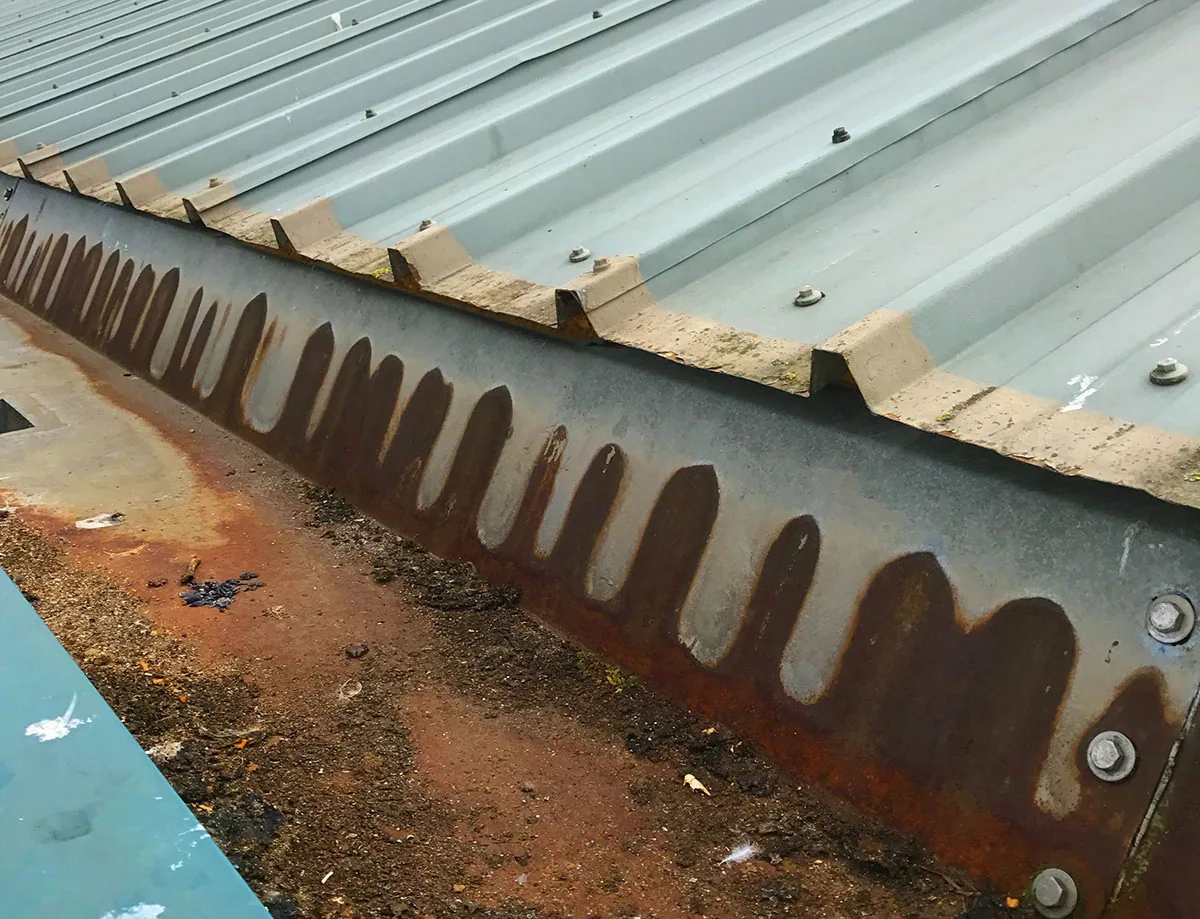
Repeated water exposure can stress seams, patch edges, coating transitions, and older sealant details. Inspect the membrane where water stands and where it flows away, because the perimeter of a pond can place different loads on a roof than its center. Look for open laps, blisters, wrinkles, punctures, and soft areas. If testing indicates wet insulation or compromised substrate, map the boundary and establish whether removal is needed before a repair can be tied into stable material.
Water remaining at a low spot does not always mean the roof is leaking, and a leak nearby does not prove ponding caused it. Correlate the interior mark with the roof path and test where useful. A seam evaluation or flashing review can isolate a failed detail while the drainage condition is addressed separately. That distinction helps avoid repairing only the symptom or assigning a drainage correction to an unrelated leak.
Choose Maintenance, Correction, or Replacement
When debris is the cause and the roof remains sound, clearing outlets and scheduling maintenance may be sufficient. A damaged drain bowl or isolated membrane tie-in may call for localized repair. Persistent ponding caused by a broad depression, changed insulation profile, or insufficient slope may need a designed correction. Replacement can be considered when drainage deficiencies coincide with widespread wet material or recurring failures. The report should explain the evidence for each option, not treat standing water as a verdict.
A roof repair can restore a leaking outlet or seam when the adjoining assembly is stable. If multiple sections show deterioration, a replacement assessment can review insulation and drainage together. A maintenance visit can check known low points before the wet season. Each recommendation should state whether it changes the roof slope, clears an obstruction, or repairs the weather layer.
Protect the Building While Water Is Managed
For an occupied site, identify sensitive areas below the pond, access routes, and any equipment that could be affected by a temporary drain blockage. A temporary pump or diverter may reduce exposure, but it needs a clear operator and discharge point. Do not route water over an entrance, into another roof area, or toward an unprotected wall. If crews need to open the assembly, coordinate interior protection and define how the opening will be secured at shift end.
At industrial or retail properties, drains may sit near rooftop units, loading zones, or tenant areas. The property contact should identify who can approve temporary water control and who will check it after the crew leaves. A property management maintenance file can track follow-up across sites, while a manufacturing roof record can note equipment and process areas that affect access. Keep the work boundary specific to the building under review.
Record the Drainage Baseline
Closeout should show which outlets were cleared or repaired, how water moves toward them, and whether a low point remains. Include photos with a roof-zone reference and note any area hidden by equipment or restricted access. If standing water persists after the outlet is cleared, retain that observation as a separate follow-up item. A later inspection can compare the same low point and determine whether the condition changed.
Where repairs alter insulation or slope, update the roof plan and record new drain or overflow details. Lancaster's business parks include varied commercial uses and additions, so site history matters more than a portfolio-wide assumption. The maintenance log should identify who checked the outlet, what debris or defects were found, and whether the roof drained after work. That record gives the facilities team a basis to budget a correction rather than repeat a temporary clearing task each season.
Questions About Ponding Water
Water at a low point creates several possible explanations. These answers distinguish a drainage condition from a membrane failure and help owners choose the next inspection step.
Commercial Roofing Questions
How long can water remain on a commercial roof?
The roof design and system requirements matter, but persistent water should be investigated rather than judged from a single photo. Inspect drainage, slope, membrane condition, and whether the area changes after outlets are cleared.
Does ponding always mean a leak is imminent?
No. Standing water can exist without an active entry point, while a leak can develop at a separate seam or curb. Compare the interior report with membrane and drainage conditions before assigning a cause.
Can we just add another drain?
A new drain changes the roof assembly and discharge route. Review structure, slope, plumbing connection, overflow provisions, and applicable design requirements before selecting a location.
Will drain cleaning fix a low roof area?
It helps when blockage causes the water to stand. If the surface remains depressed after outlets are clear, the roof may need a separate slope or insulation correction.
What should be checked after a ponding repair?
Confirm the drain or seam detail is complete, the outlet is open, and water flows along the intended path. Keep photos and note any remaining low area for follow-up.
Can coating solve ponding water?
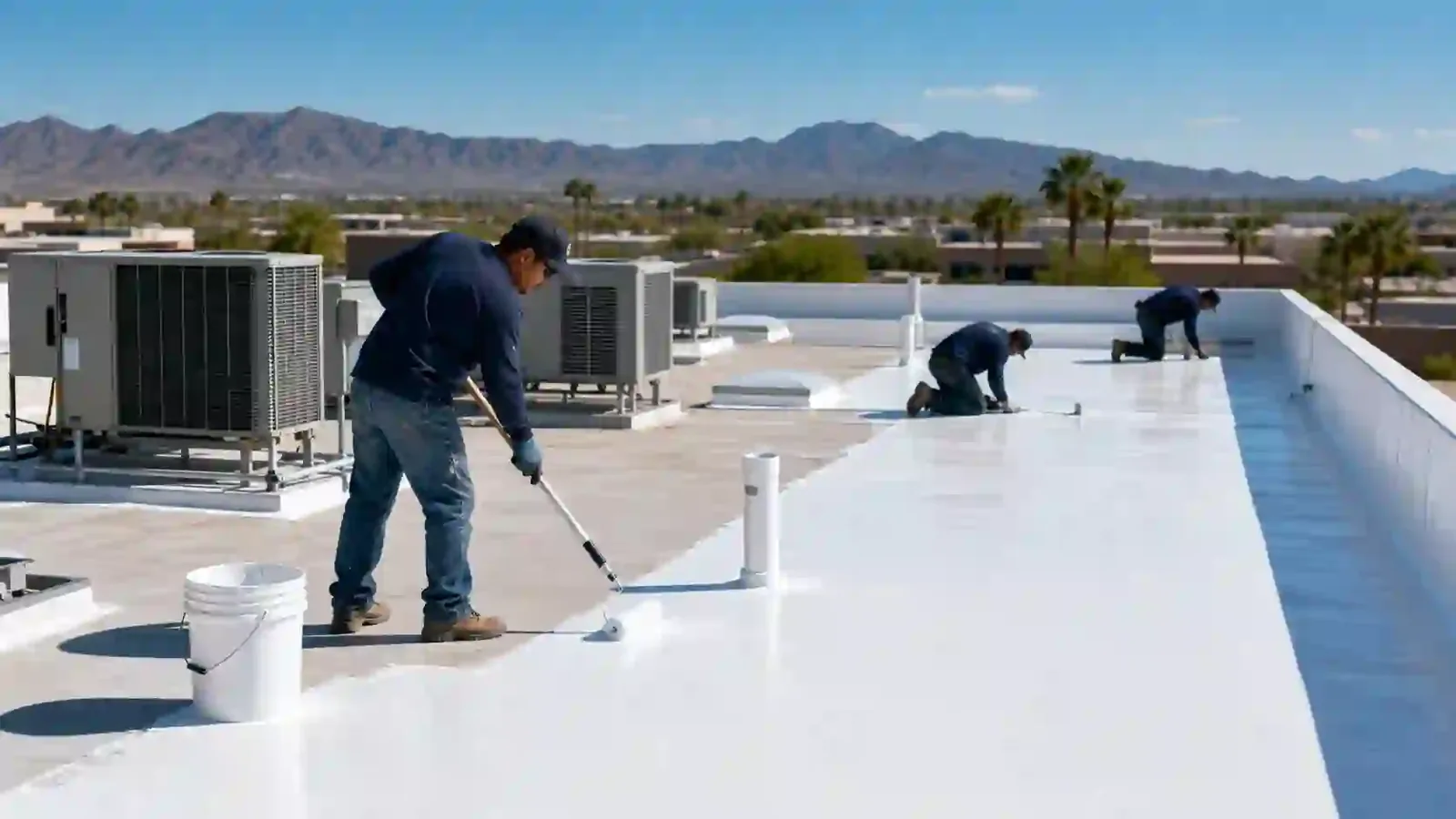
A coating may restore a suitable surface in some conditions, but it does not correct poor slope or a blocked drain by itself. Evaluate substrate, compatibility, drainage, and the defect before selecting a restoration system.