A roof asset record is useful only when it helps an owner decide what to inspect, repair, fund, or replace. A portfolio list may show that a building has a roof, but it does not tell a manager where water entered, which section was tested, or what a prior repair covered. We organize roof data by building and zone, connect each finding to photos and work history, and keep unresolved conditions visible for the next budget or service decision.
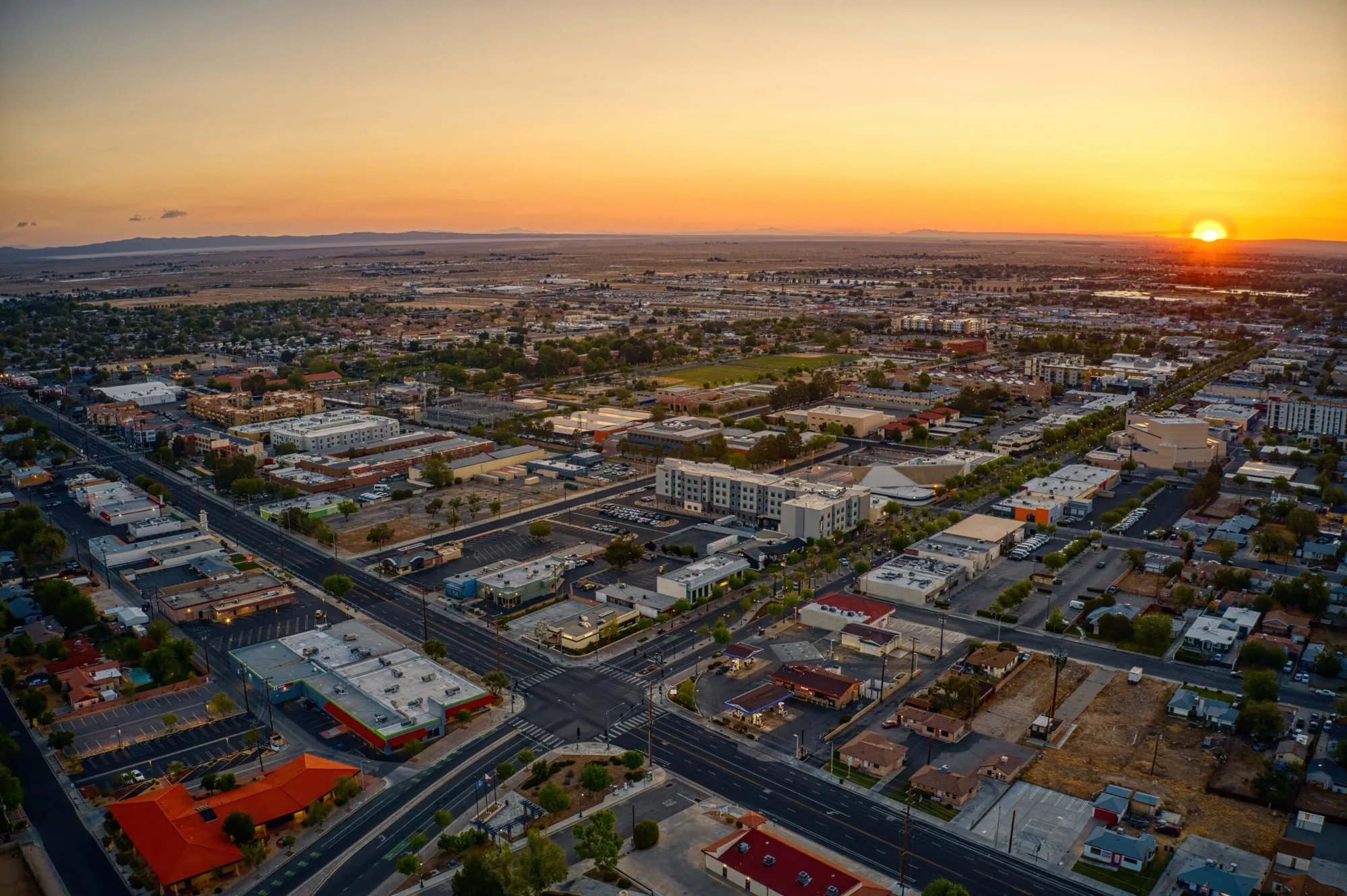
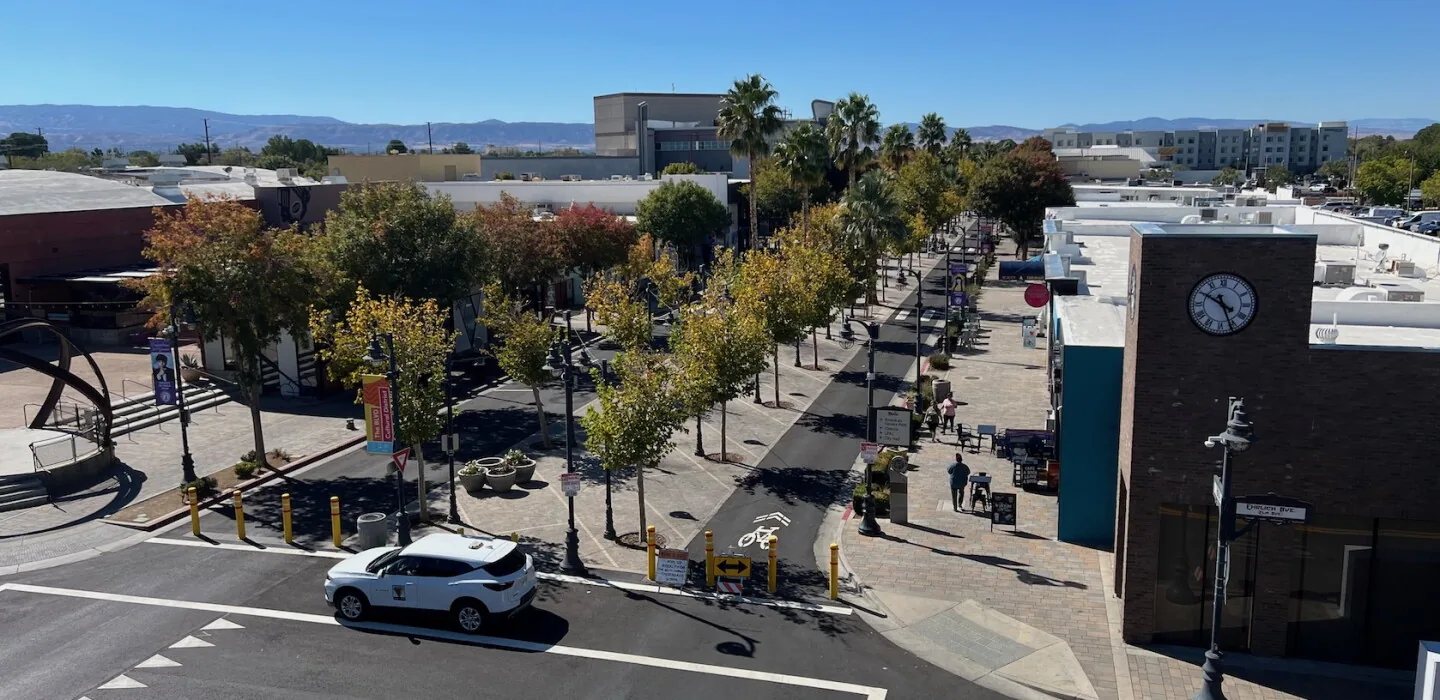
Lancaster's planning inventory includes the Lancaster Business Park, Amargosa Creek, and industrial areas such as North Lancaster. Those local property types can have different roof assemblies and operating conditions. A Lancaster Business Park facility may combine office, light industrial, and retail uses; an industrial building in North Lancaster may have equipment and production access needs that belong in its own asset record.
Set the Building and Roof-Zone Identity
Start with a consistent property name, street or parcel identifier held internally by the owner, roof plan, and zones that staff can recognize. Separate additions and roof heights when their drainage, membrane, or repair history differs. Keep a record of material type, approximate installation information if supported, warranty documents held by the owner, and any known access limits. Do not let an asset label imply that the entire structure has one uniform assembly.
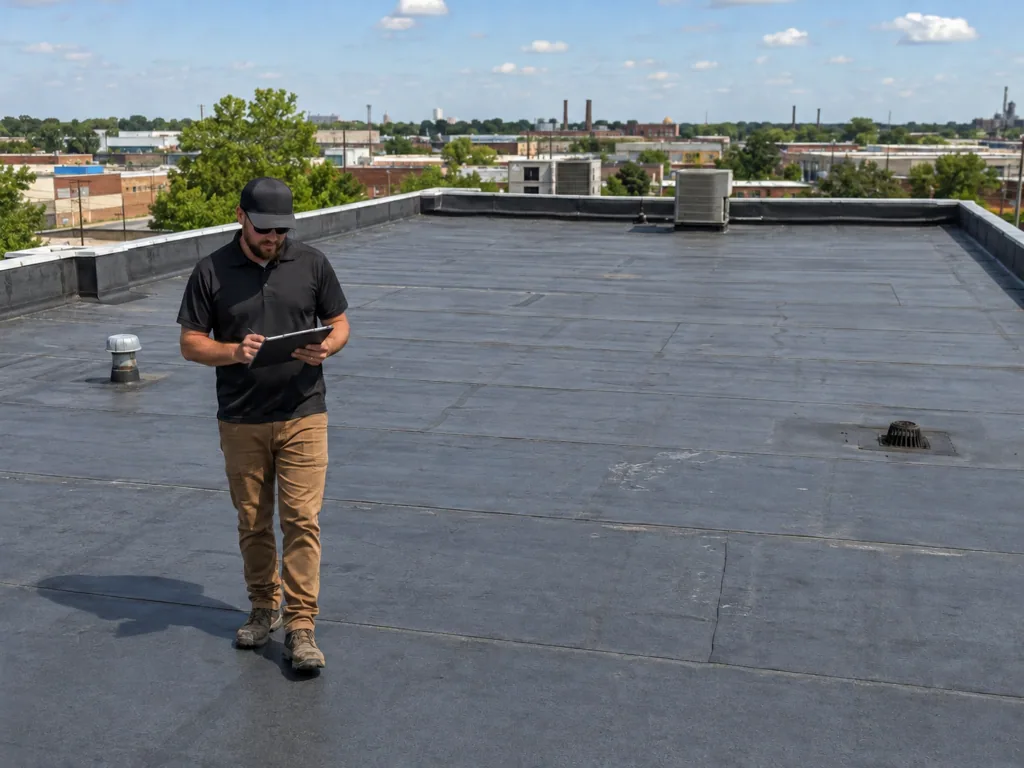
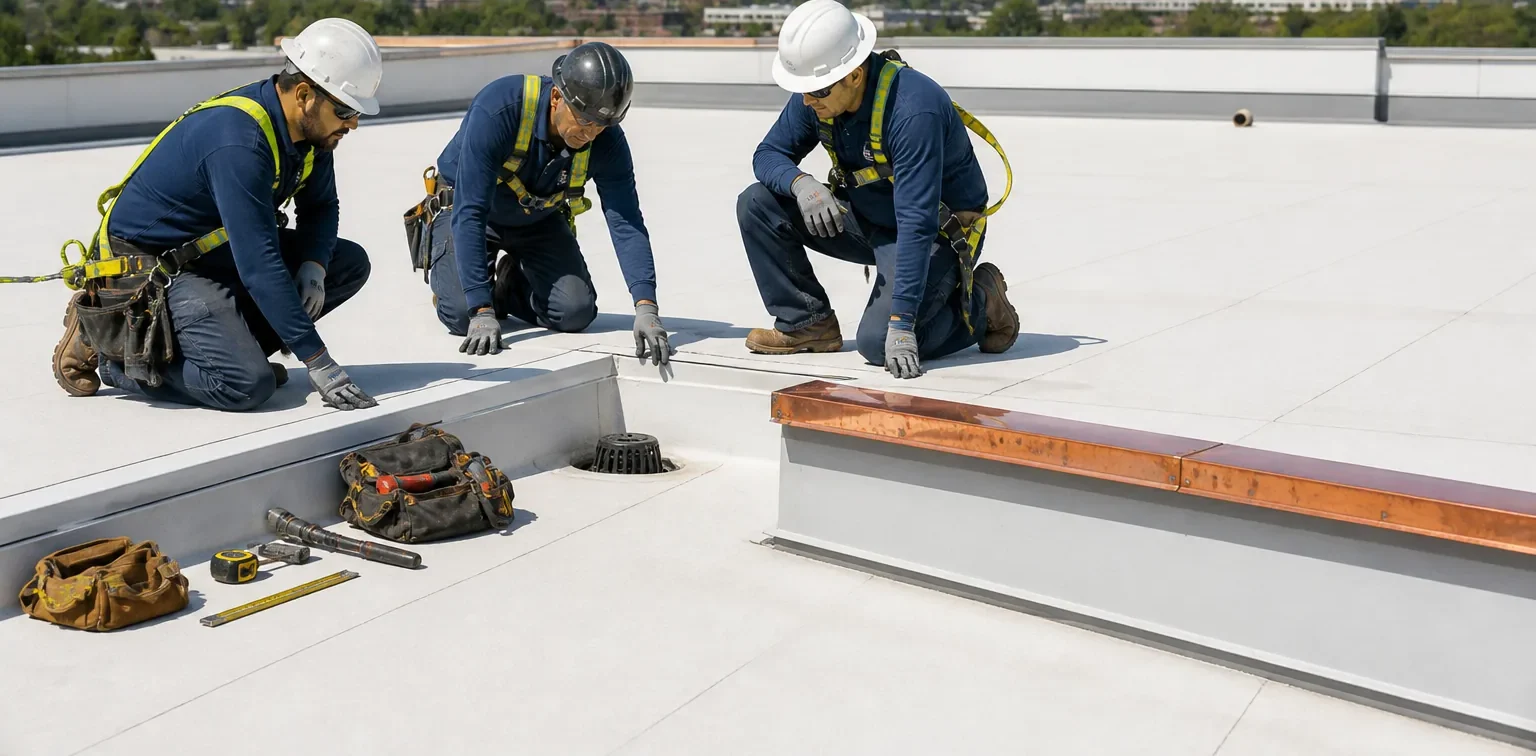
For each inspection, record the date, weather context, access route, areas reviewed, test locations, and photographs. Use a map grid or other repeatable reference so future observations return to the same place. A condition report can provide a structured snapshot; warranty record management can retain documents and obligations tied to a particular roof section. Together, they help facilities staff interpret findings without searching through unlabeled files.
Convert Findings into Actionable Status
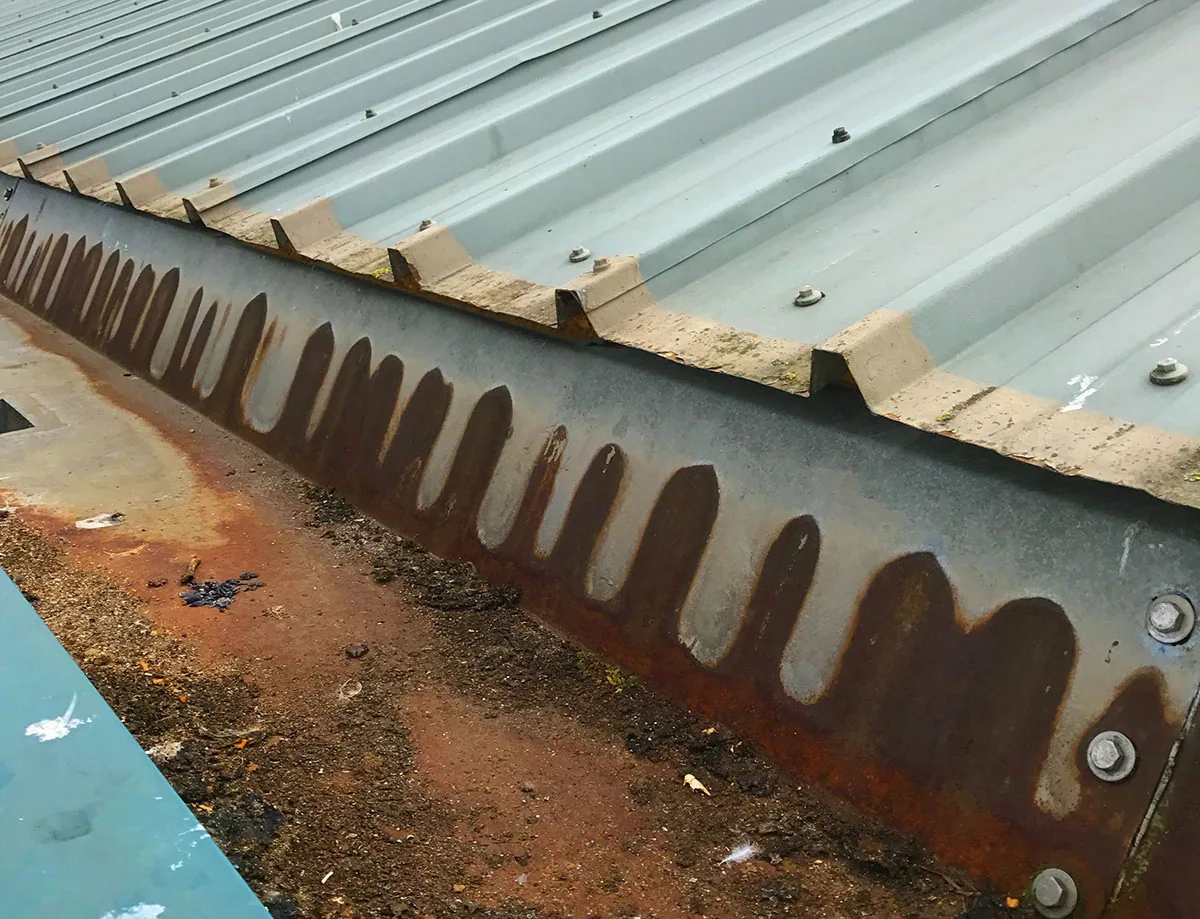
Use condition categories that explain the next action: active leak, localized defect, suspected moisture, maintenance item, inaccessible area, or capital concern. Attach evidence to the status and distinguish observed facts from recommendations. A ponding note should name the roof zone and outlet; an open seam should show its extent and whether material beneath was tested. The status should not outlive the evidence that supports it.
Update each record after repair with the exact work boundary, materials, before-and-after photos, and any remaining condition. If a test area was inaccessible, retain that limit instead of applying a clean finding from an adjoining section. An inspection visit can refresh the physical record, while a maintenance program can close routine items between deeper surveys. A manager can then sort work by exposure, timing, and building use.
Link Maintenance to Capital Planning
Roof asset management supports capital choices by preserving the evidence behind each recommendation. A repair may be appropriate for a contained flashing issue; wet insulation across multiple zones may change the project size. Keep estimated remaining service life qualified by the actual inspected sections, not assigned to an entire portfolio from a few observations. Track prior repair costs only when they are actual owner records, and separate them from future estimates.
Lancaster's William J. Fox Field station records a normal August daily high near 98 degrees Fahrenheit and most annual precipitation between November and March. That local heat and wet-season timing can inform inspection windows and maintenance schedules. A capital planning review can compare the roof evidence with planned building work, while due diligence surveys may be needed before an acquisition. The asset log keeps decisions connected to roof condition as property plans change.
Assign Record Ownership and Review Dates
Every condition needs an owner, next action, and review date. The facilities manager may coordinate access, while asset management approves reserve plans and a property manager tracks tenant reports. Make responsibility explicit for leak response, warranty notice, seasonal drain checks, and closeout records. If a roof item remains open because capital funding is deferred, keep it visible with the basis for the deferral and the event that would trigger another review.
When a building changes hands, transfer roof plans, inspection records, repair files, manufacturer documents, and open conditions together. Confirm that digital links still resolve and that each attachment identifies its property and roof zone. Keep tenant access limits and current roof observations attached to the correct property and roof zone, so maintenance decisions reflect the right building. A simple review cadence can compare newly reported leaks with known repairs and identify where another inspection would be useful. Keep the escalation path clear for active water, safety concerns, and capital items. The person receiving a new report should know whether to call for emergency protection, schedule a condition visit, or update a budget file. That sequence prevents the asset register from becoming a passive archive instead of a management tool.
Compare Sites Without Flattening Differences
Portfolio dashboards can show where inspections are overdue, which roofs have active leaks, and which projects need a scope. They should not average unlike buildings into a single condition score. One site may have a recently repaired membrane and an open access question; another may have no current leak but broad aging. Keep property-level maps available so a regional summary can be traced to the underlying evidence.
Choose status definitions that remain consistent across managers. For example, a recommendation can be open, authorized, scheduled, completed, or deferred, with the evidence and date attached. Do not mark a recommendation complete when only a temporary measure was installed. If a roof has a remaining access question or incomplete test, keep it visible in the summary. This makes dashboards useful for work assignment without asking a regional manager to infer the meaning of a color or shorthand.
For a regional owner, Lancaster and Palmdale may be managed together, but their sites still need separate access routes and roof histories. Lancaster's business and industrial plan areas differ from Palmdale's logistics and manufacturing activity. A multi-site program can standardize reporting fields while preserving local conditions. The purpose is a clearer sequence of inspections and capital decisions, not a claim that roofs share the same design or remaining life.
Questions About Roof Asset Records
A useful roof register combines repeatable identification with evidence that a facilities team can act on. These answers address the records that make that system usable.
Commercial Roofing Questions
What information belongs in a roof asset register?
Include property and roof-zone identifiers, assembly details where known, inspection dates, photographs, test locations, repairs, warranty documents, open conditions, access limits, and the responsible owner for each next action.
How often should the roof record be updated?
Update it after inspections, leak calls, repairs, equipment changes, and closeout. A scheduled review can identify stale conditions or missing documents, but the physical roof should be reinspected based on its condition and operating needs.
Can one condition score cover an entire building?
Only when sections have comparable assemblies and inspection evidence. Additions, different roof levels, repairs, and inaccessible areas should remain distinct so a broad score does not hide a localized risk.
How do roof records help budget planning?
They show which recommendations follow from confirmed conditions, what work remains open, and how the repair boundary relates to each zone. Capital choices can then compare a local correction with broader project needs.
What should a new facilities team receive during a property handoff?
Transfer the roof plan, inspection and repair history, open recommendations, warranty documents, and access limits. A concise handoff helps the new team distinguish verified conditions from questions that still need a field visit.
What should transfer when a building is sold?
Transfer roof plans, inspection and repair history, open recommendations, warranty documents held by the owner, equipment changes, and access restrictions. Confirm that every file is labeled to the correct building and roof zone.