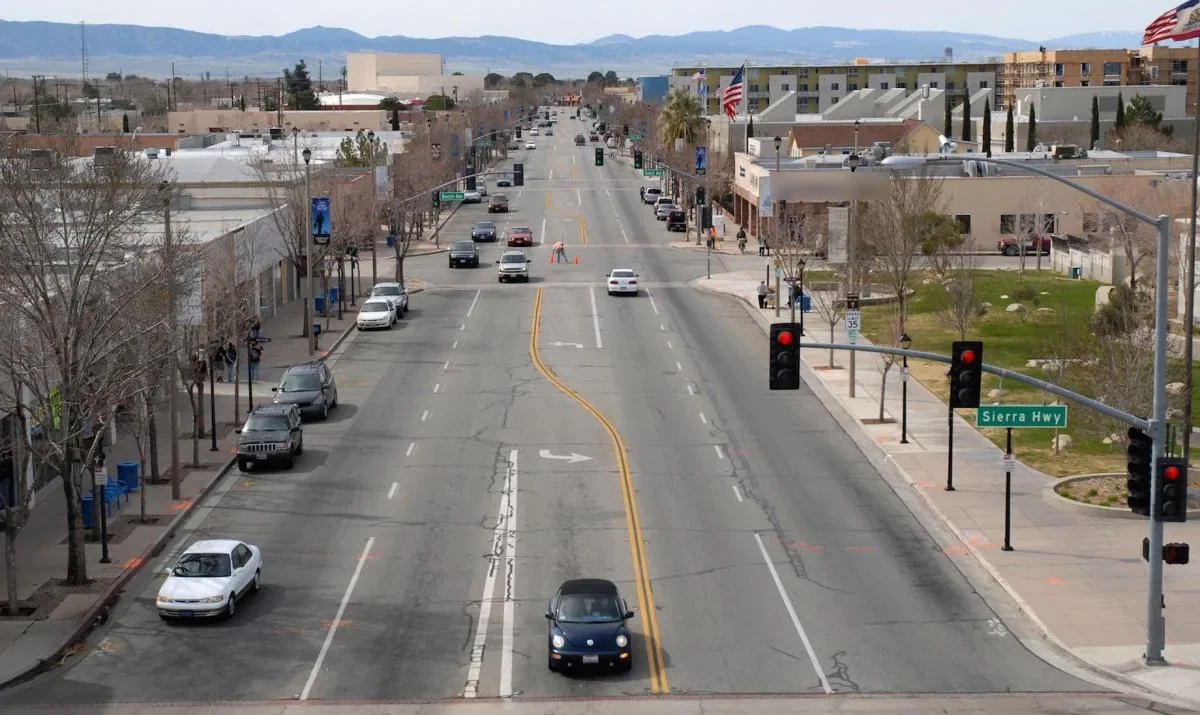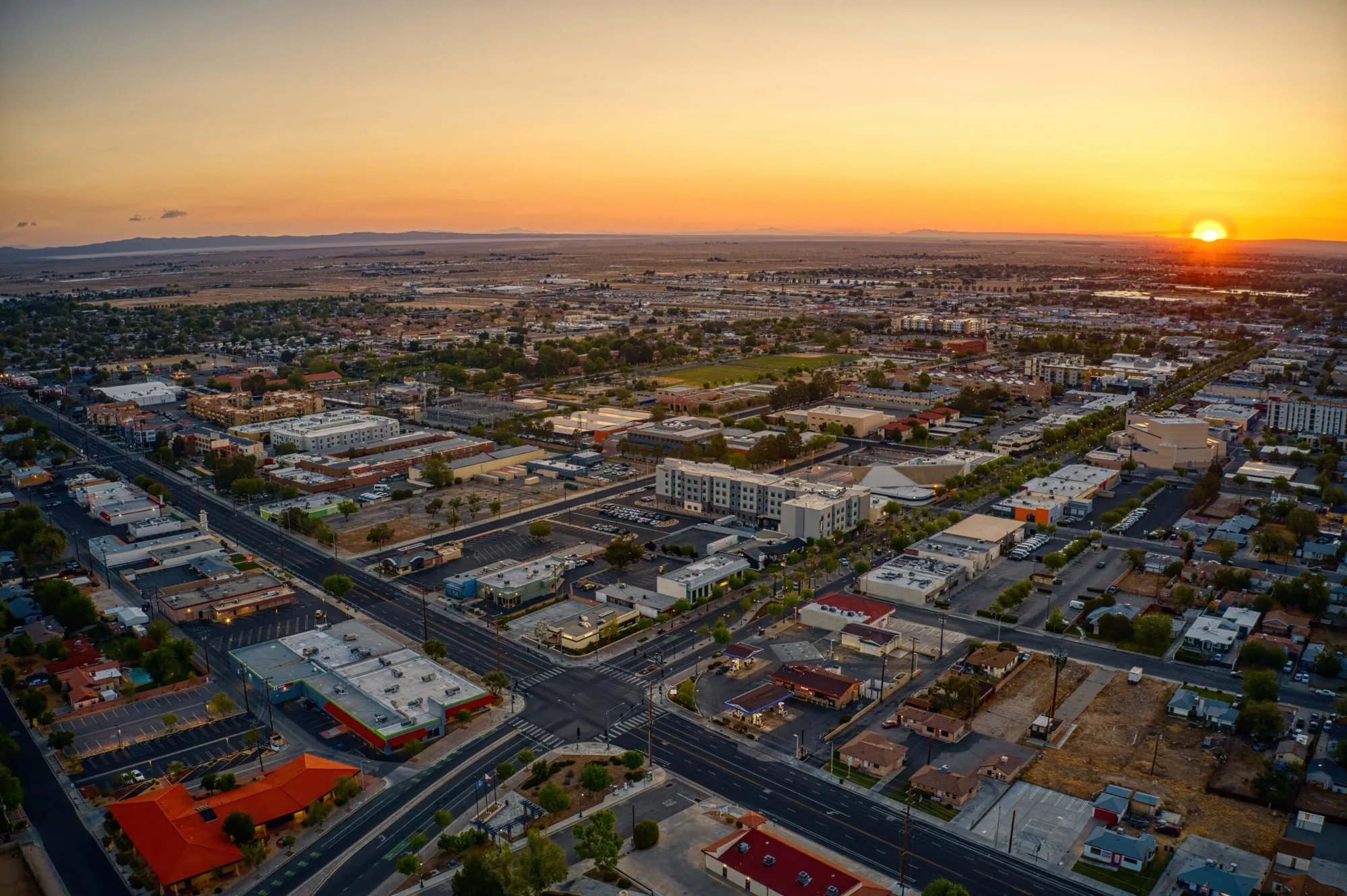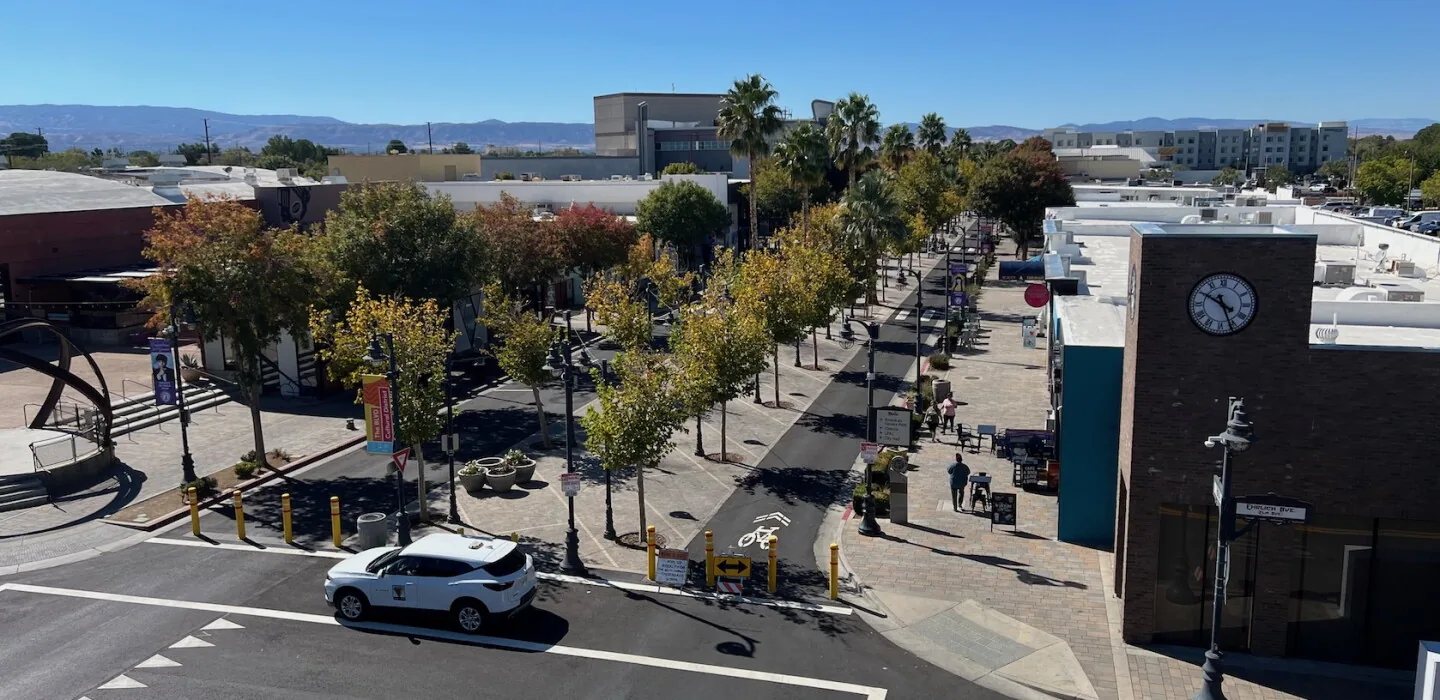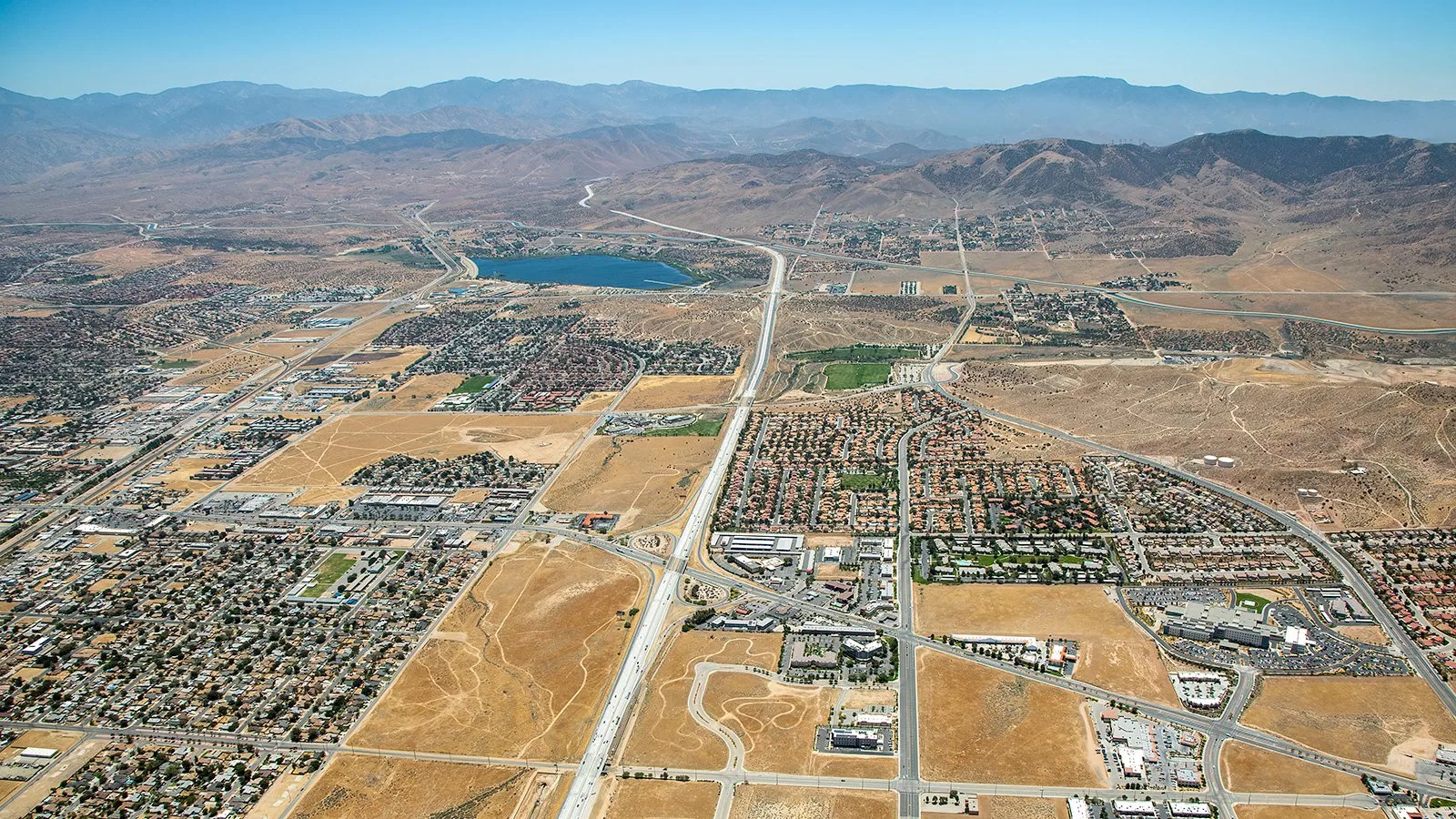
A commercial roof near State Route 14 and Avenue N needs an assessment tied to the actual property, not to a zoning label. Freeway Business Center is listed as a 30-acre area with commercial zoning. Those facts identify a broad business location in Palmdale; they do not specify the number of buildings, their tenants, or the systems above them. We begin with the roof under review, record the visible assembly and drainage, and make the work boundary clear enough for ownership to evaluate.
A service request may follow a ceiling leak, a maintenance concern, or a planned building project. Each starts with a different decision. For a leak, we trace the path and isolate the failed detail. For planned work, we review roof plans, equipment interfaces, and access. Palmdale’s business sectors include aerospace, manufacturing, logistics, medical, and retail, and the property contact can explain how the building operates. Our scope comes from the roof findings and confirmed site requirements.
Inspect the details that control water entry
We walk accessible roof zones and check seams, perimeter edges, drains, scuppers, curbs, penetrations, and roof-to-wall transitions. Inside, we compare reported wet areas with the roof above them and ask when the symptoms appear. Water may travel along the deck or insulation before it becomes visible, so a ceiling stain is not enough to set a repair limit. A commercial roof inspection documents the suspected route and the evidence that supports the next step.
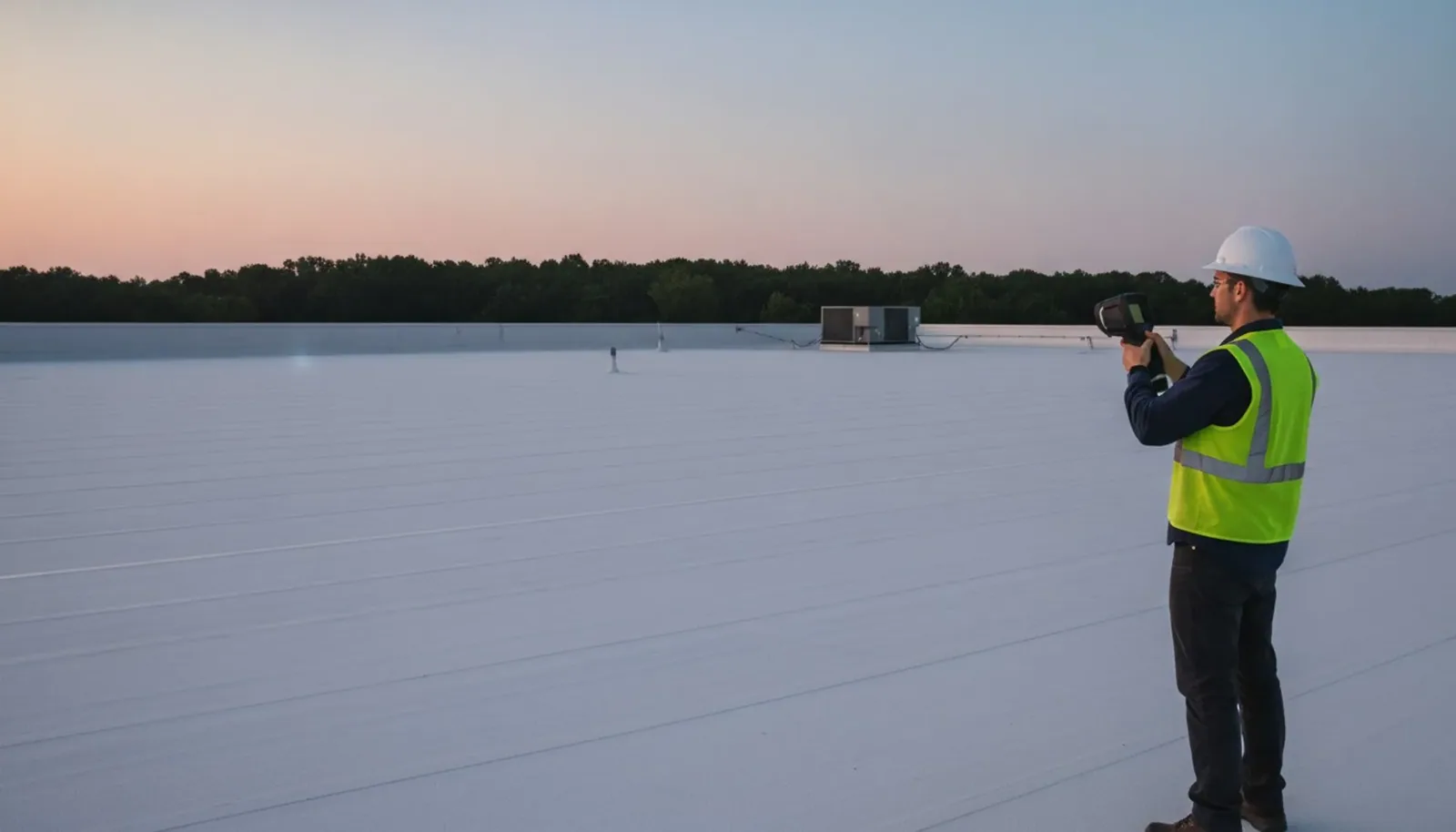
For a low-slope system, the report should identify membrane type when it can be confirmed, visible attachment details, and areas where prior work altered the surface. We note blisters, open laps, punctures, loose edge metal, failed sealant, and ponding evidence. When moisture may extend below the membrane, infrared review can help select a test area, but readings require field context. A moisture survey is most useful when it helps decide where a closer inspection could change the scope.
Distinguish a surface defect from concealed damage
A lifted seam or cracked curb flashing may be visible at the surface, while the layers below remain unknown. We identify the likely failure and inspect whether the receiving material is firm, dry, and suitable for a tie-in. If a test opening is warranted, we mark its location, explain what it will answer, and plan temporary protection. Findings from that opening can change the repair boundary if wet insulation, damaged cover board, or weak deck is present. We review those conditions with the owner before expanding approved work.
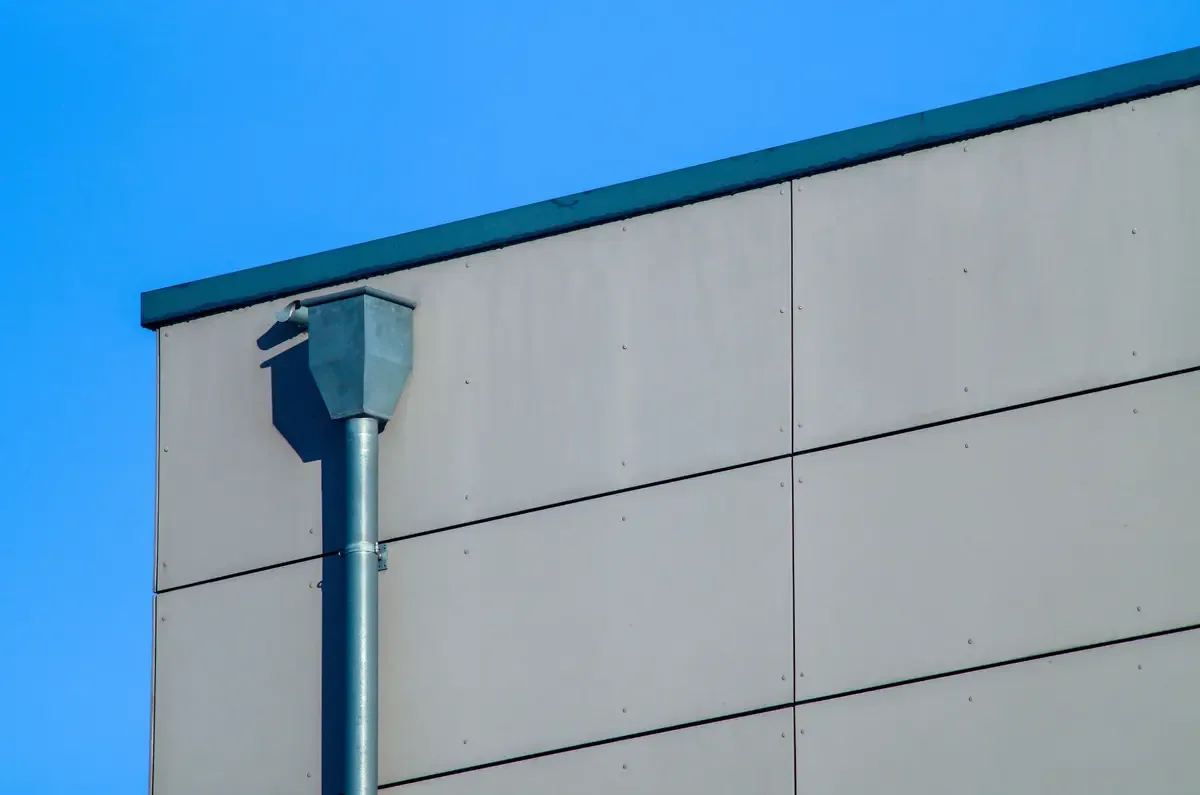
Lancaster’s William J. Fox Field station has a 1991-2020 precipitation normal of 6.81 inches per year; its normal wet period falls between November and March. That figure applies to Lancaster’s station, not a specific Palmdale building. Brief runoff can still reveal a restricted outlet or ineffective overflow path, so we check low points and discharge routes during the assessment. We check low points and drainage paths, then note whether the issue is debris, slope, a restricted drain, or a condition needing separate evaluation. A drain and scupper review can be part of a defined maintenance or repair scope.
Read movement at metal and membrane junctions
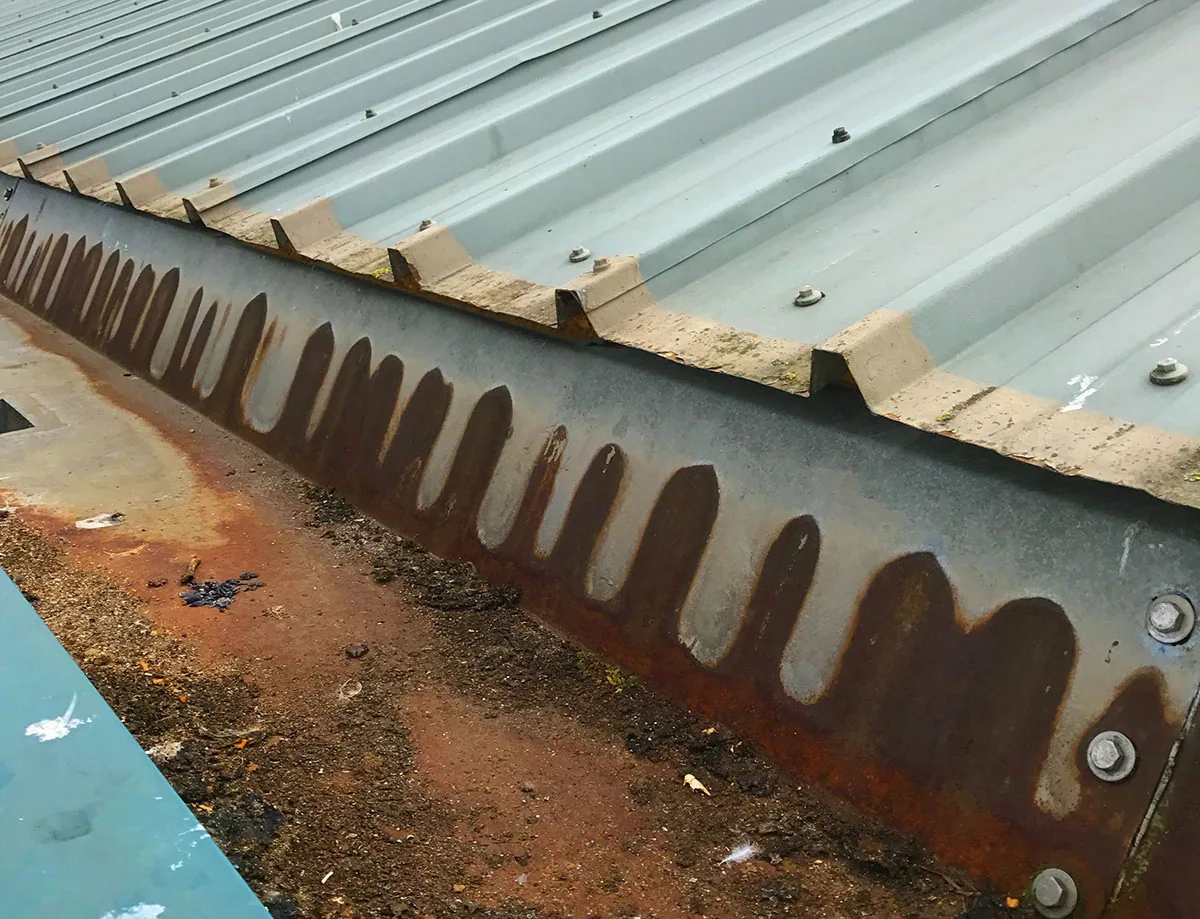
Roof areas at different heights often meet at walls, equipment curbs, or metal transitions. Those junctions can move differently from the open membrane field, especially as temperature changes. Lancaster’s normal January overnight low is 31.3 degrees and its July normal overnight low is 67.2 degrees at the William J. Fox Field station. These values belong to Lancaster, not to every Palmdale roof, but the seasonal contrast is a useful regional reason to inspect lap edges, fasteners, and sealant transitions for movement.
When a defect is confined to one detail, repair can restore that connection without replacing sound material around it. We remove loose or failed material as needed, prepare the surface, and install a compatible patch or flashing repair that ties into stable substrate. A commercial roof repair scope should name the affected zone and the materials receiving the work. If the same separation repeats across several transitions, review the system and prior repairs before deciding that another isolated patch is enough.
Choose the next step from roof condition
Repair is one option, not a default. A sound and dry assembly with a contained defect may support a local correction. A recover is only appropriate when retained layers and deck condition can support another system and drainage remains workable. Coating depends on surface preparation, adhesion, compatibility, and dry substrate. Widespread moisture, repeated leaks, or broad attachment problems may justify a replacement study. We describe the evidence behind each alternative rather than letting the area’s commercial zoning set the recommendation.
Cost and timing follow removal depth, access, material staging, number of transitions, and whether another trade must move or disconnect equipment. If hidden conditions are unknown, the proposal should state how discovery will be handled and who approves added work. Owners comparing Freeway Business Center with the Fairway Business Park or Challenger Business Park should keep the property records separate. A capital plan can compare urgency and budget timing without treating different roofs as one asset.
Set access, protection, and closeout expectations
Before work starts, we confirm roof access, delivery timing, staging areas, operating hours, and rooms that need protection. If a section must be opened, the scope should define how it will be dried in before the crew leaves and what weather conditions would pause the work. For occupied properties, a phased reroof sequence can protect active areas while keeping the owner informed about temporary changes to access or noise.
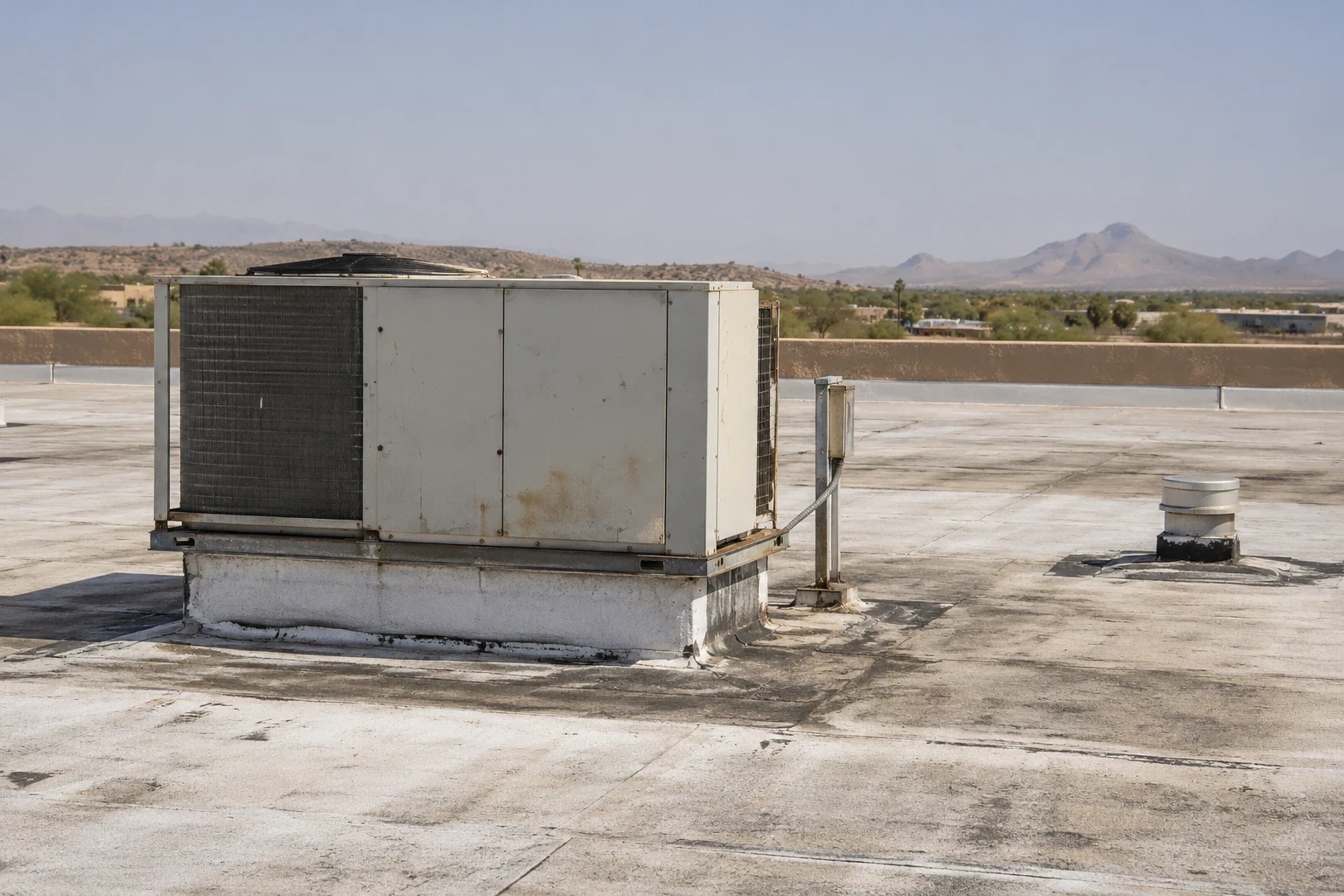
Closeout records should link photos to roof zones, note materials and preparation, and identify unresolved items. Keep the inspection and repair history with the building plans so a later maintenance visit can compare the same transitions. Around the wider Palmdale market, a Transit Area property or another commercial site may have a separate schedule and assembly. During the assessment, we note rooftop units, supports, and service routes where mechanical work may affect nearby membrane. Those points deserve a separate photograph and a clear note about equipment responsibility. We also verify drainage outlets will remain reachable after materials and temporary equipment are staged. Roofing crews should not move energized systems without an agreed scope. Emergency response is available around the clock, including holidays; we can stabilize active exposure and define permanent work from inspection findings.
Commercial Roofing Questions
Does commercial zoning mean every building has the same roof?
No. Zoning identifies allowed land use, not the roof system at an individual property. We check the membrane or metal assembly, transitions, drainage, and accessible layers during the assessment.
What should be included in a Freeway Business Center roof report?
A useful report identifies each inspected zone, observed condition, photos, access limits, recommended action, and any area needing further testing. We keep the findings tied to the property reviewed.
Can a drain issue be handled as routine maintenance?
Sometimes. Clearing an obstructed outlet may restore flow, while recurring ponding or an inadequate drainage path can call for a broader correction. We document what the roof shows before setting the work limit.
When is a replacement estimate more useful than another repair?
Repeated failures, moisture across multiple zones, or an assembly that cannot receive durable repairs may support a replacement comparison. We explain those conditions alongside any repair option that remains practical.
Can urgent roof protection happen after business hours?
Our emergency response extends through nights, weekends, and holidays. We secure active exposure safely and record the permanent correction that needs a follow-up inspection.