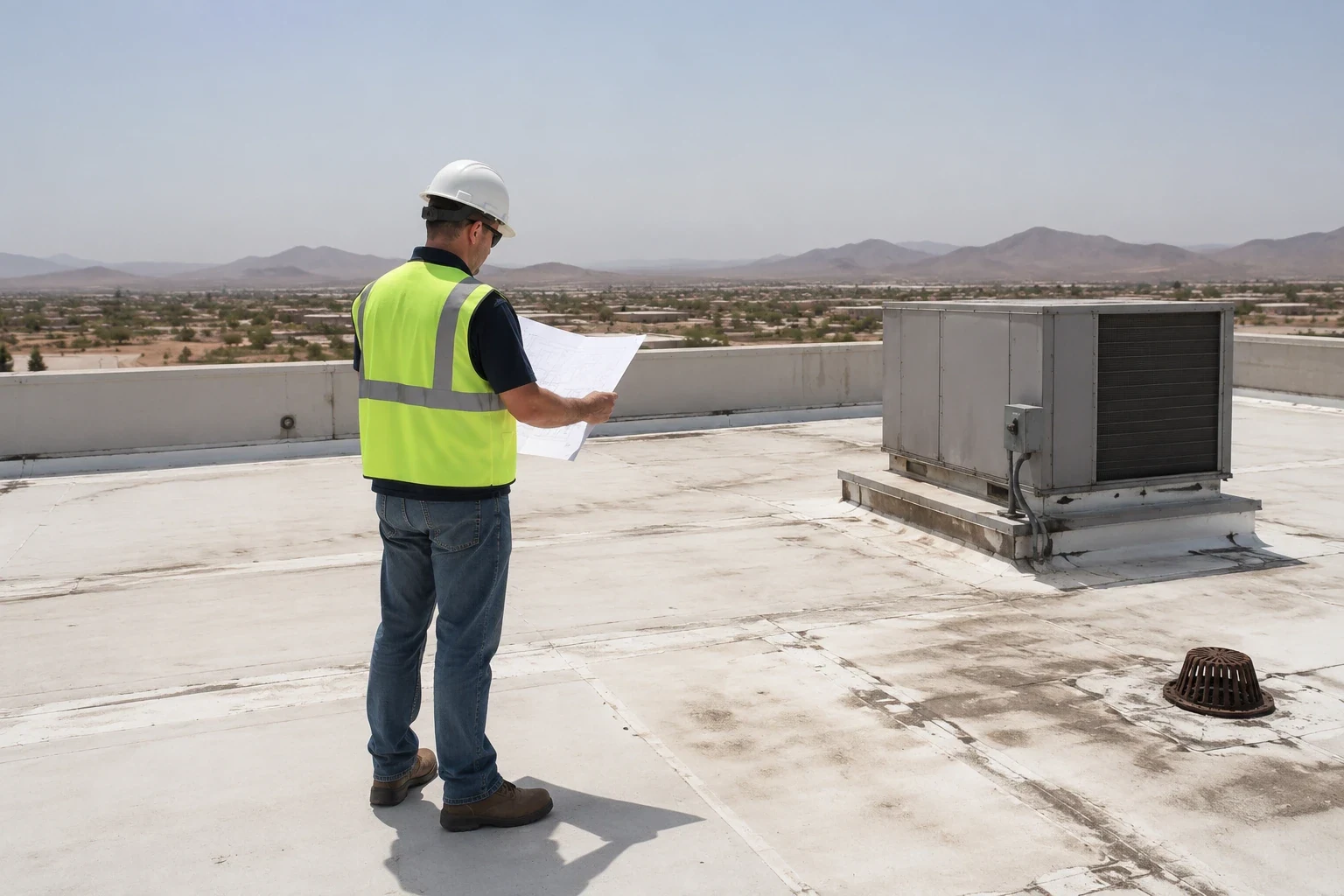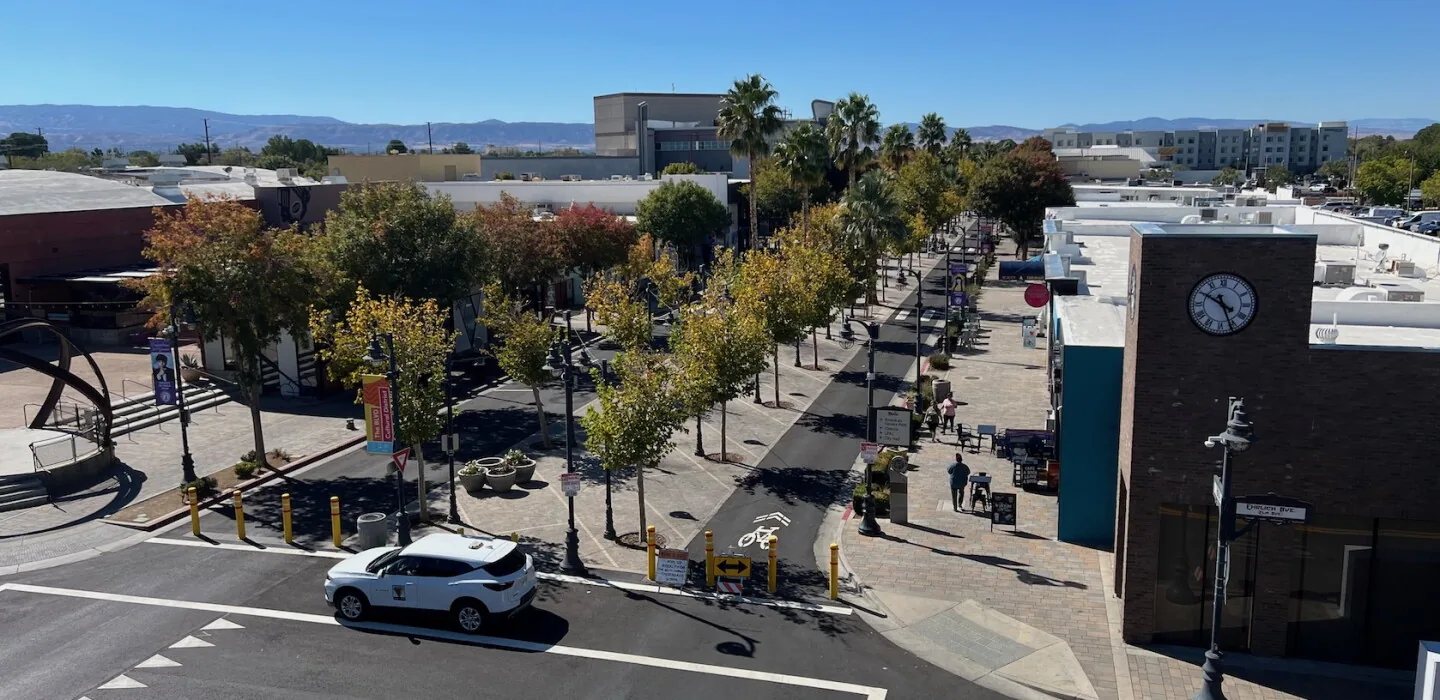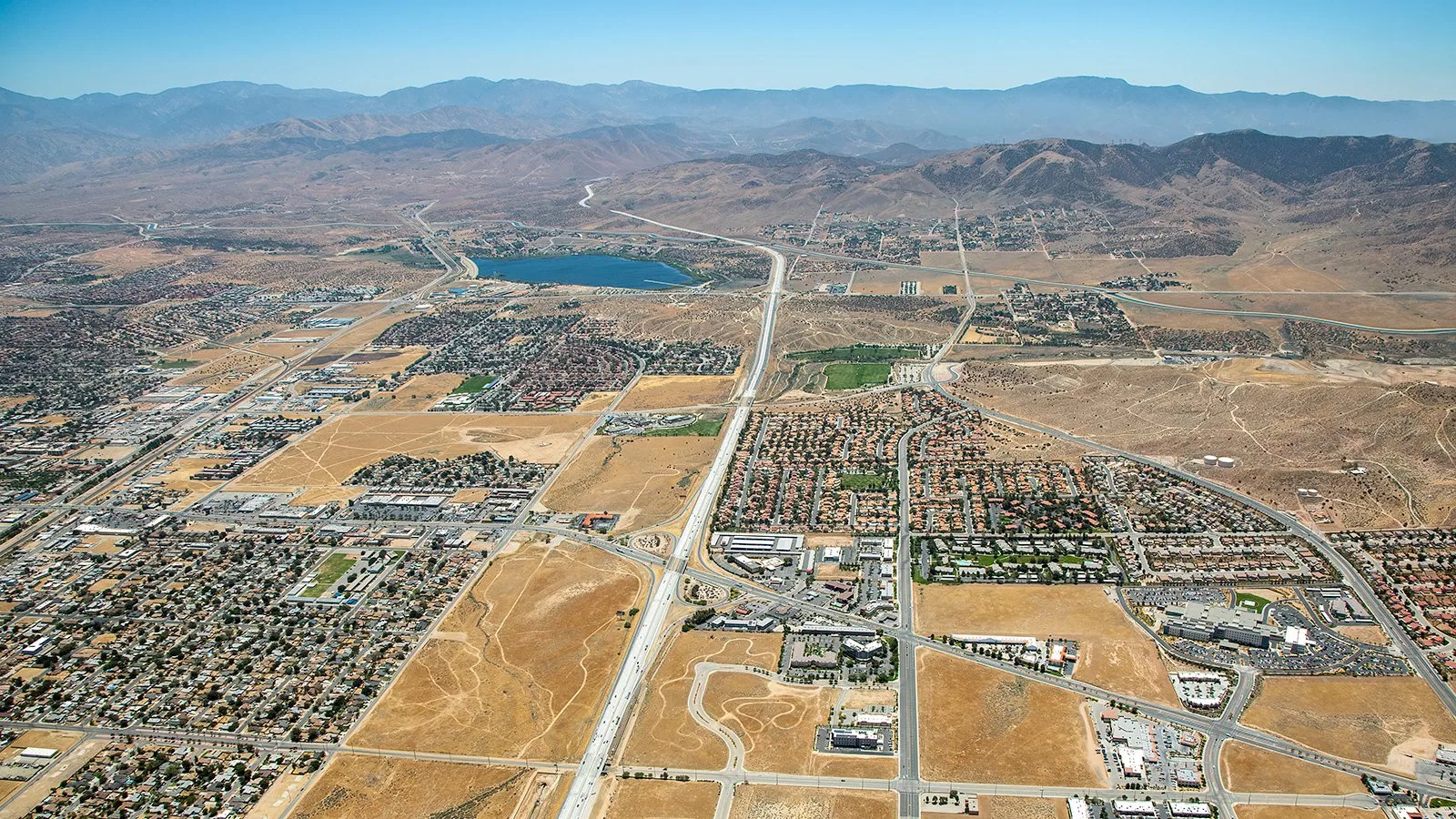
A roof plan that spans several tenant or work areas needs a clear boundary before anyone prices repairs. Fairway Business Park covers about 115 acres near Avenue O and Division Street in Palmdale, with a Business Park/Mixed designation. That broad category does not tell us whether an individual building has a membrane roof, metal roof, rooftop equipment, or a particular occupancy. We inspect the property in question, identify the assembly where it can be confirmed, and tie every recommendation to a documented condition.
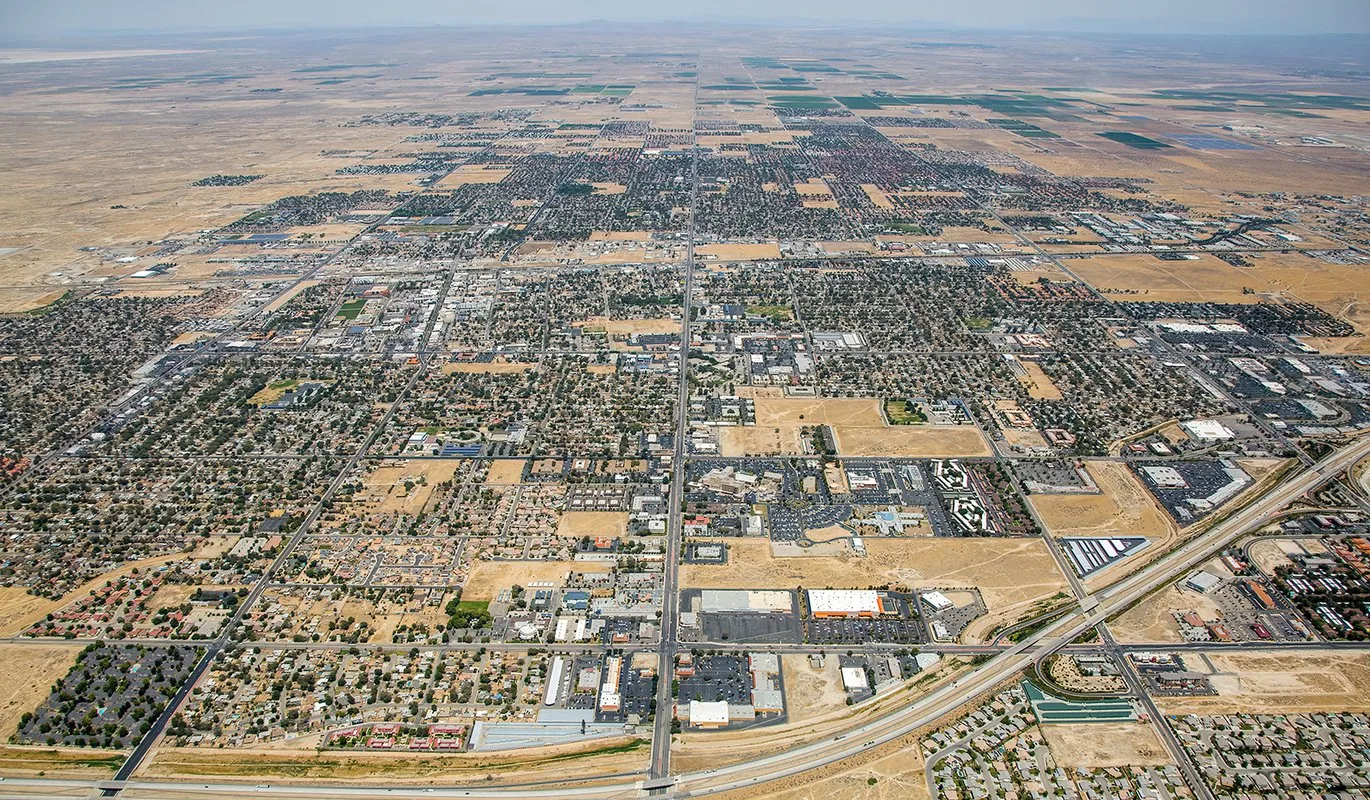
For an owner coordinating work in this park, the decision may be a leak correction, a periodic condition review, or a larger capital scope. We begin with access, operating limits, roof elevations, drainage, and records from prior work. Lancaster’s William J. Fox Field station records normal August highs near 98 degrees, a regional climate reference rather than a reading for every Palmdale property. Repeated summer heat is one reason we examine exposed seams and terminations closely.
Map each roof zone before comparing buildings
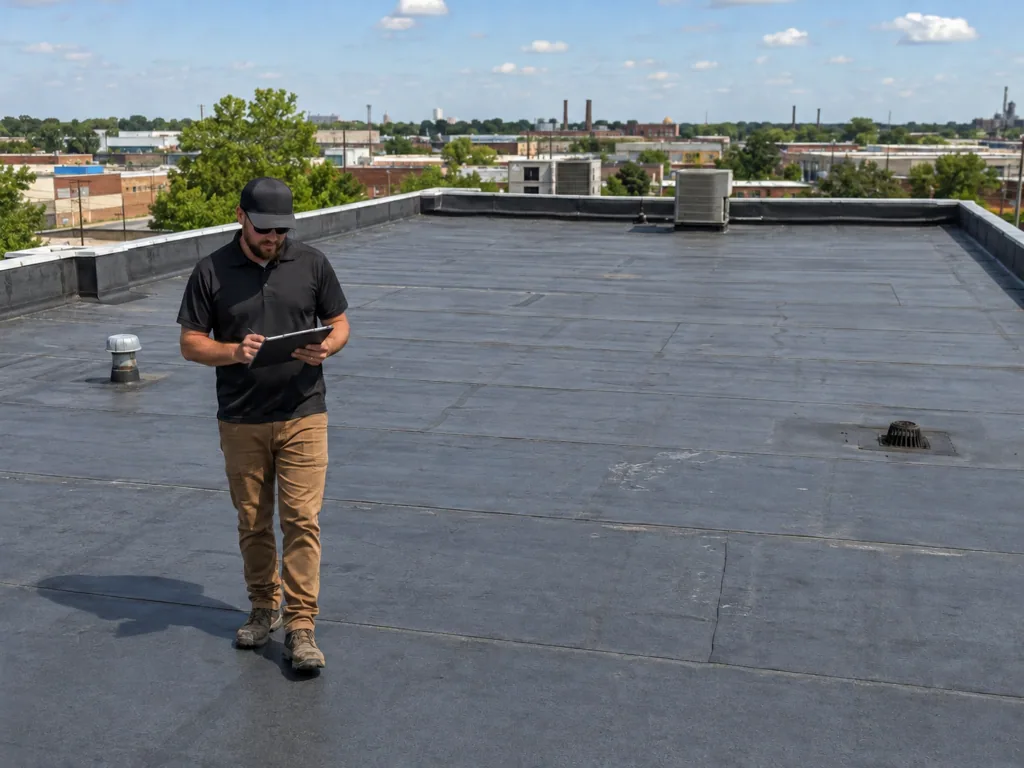
A business park may contain multiple parcels and building types, but one observation should never become a conclusion about the rest. We label each accessible roof area, record the membrane or panel system where known, and mark drains, scuppers, curbs, edges, and transitions. If several buildings are included in a request, the report keeps their findings separate. A roof condition report can give ownership a common format for reviewing the locations without blending different assemblies.
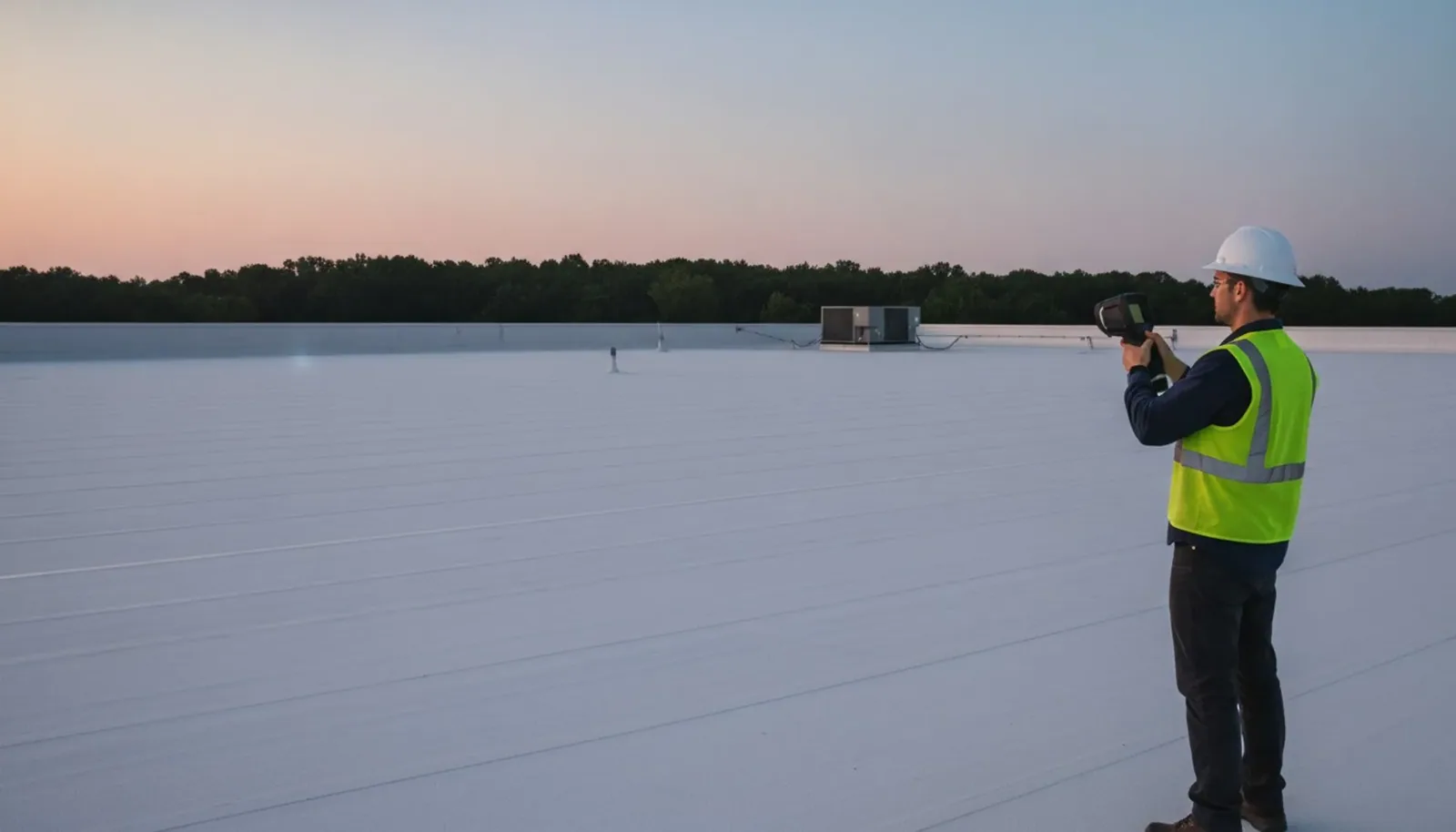
At the site, we compare interior leak reports with the roof area above, then follow likely paths across laps, penetrations, wall transitions, and drainage. A stain may appear several feet from the entry point. We photograph the suspected path and state which parts were accessible. When a surface pattern suggests concealed moisture, an infrared survey can focus further investigation. If opening the roof would change the recommendation, we identify the test area and dry-in needs before proceeding.
Translate mixed use into roof questions
The Business Park/Mixed designation describes the area’s planning category, not the current tenant mix or construction at a particular address. For the building under review, we confirm what operations occur below, which doors or service lanes must remain available, and whether rooftop equipment affects access. That information helps set work hours and staging. It does not replace checking the deck, insulation, attachment, and membrane when those conditions affect the repair decision.
Avenue O and Division Street identify the setting, while a nearby Freeway Business Center property or Lancaster Business Park building still receives its own inspection. A roofing scope should describe the building’s own system and repair boundary. We avoid estimating from a property label or neighboring roof because material, drainage, and prior modifications can change even between adjoining structures.
Check heat movement at seams and transitions
Daily heat reaches the roof surface and cycles through membrane, metal, sealant, and equipment supports. At Lancaster’s William J. Fox Field station, the normal January overnight low is 31.3 degrees and the July normal overnight low is 67.2 degrees; those figures describe the Lancaster station, not a precise reading at Fairway. Across the region, a broad seasonal range makes movement at dissimilar materials worth checking. We inspect lap edges, wall flashings, coping joints, curb corners, and patches for separation or stress.
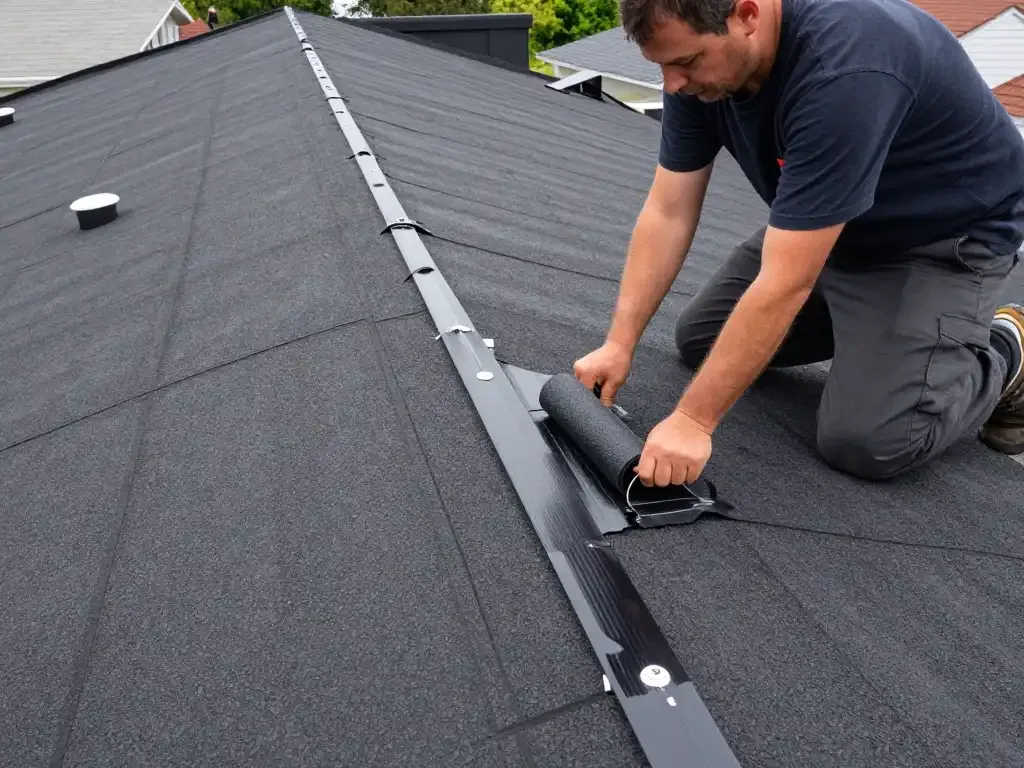
A small open lap may remain a local correction if the surrounding field is sound and dry. A repair should continue to stable material, use a compatible method, and restore the termination rather than cover a loose edge. When movement repeats across different roof zones, inspect attachment and transitions before adding another isolated patch. A system-specific assembly review helps distinguish an EPDM seam or flashing detail from procedures used on welded thermoplastic or asphaltic roofs.
Match scope depth to confirmed conditions
Repair, recover, coating, and replacement each need different evidence. A repair follows a defined defect. A recover evaluation asks whether the existing layers and deck can support another assembly. A coating requires compatible, sound, dry substrate and reliable drainage. Replacement becomes relevant when deterioration, moisture, or recurring failures extend beyond a workable repair boundary. We show what supports each option so ownership can compare immediate work with longer-term capital timing.
Cost and schedule change with removal depth, deck condition, access, material handling, and trade coordination. If a test opening finds wet insulation or an unstable substrate, we photograph it and review the new scope before proceeding beyond approval. A capital plan can separate urgent corrections from work that belongs in a later budget cycle. For a specific failed detail, a defined repair should identify preparation, materials, tie-in, and closeout checks.
Keep the property usable during roof work
Before mobilization, we confirm roof access, delivery windows, staging space, sensitive rooms, and the contact who can approve a change. If the building remains active, temporary protection and end-of-shift closure need to be part of the sequence. Work can be divided by roof zone when a full opening would disrupt operations. For planned replacement, an occupied-building sequence describes how crews move from one area to the next while keeping exposed sections protected.
Lancaster’s William J. Fox Field station has a 1991-2020 annual precipitation normal of 6.81 inches, with most normal precipitation between November and March. That station is a Lancaster reference, not a measurement at Fairway, but drainage still deserves attention before concentrated rain. We check whether outlets are clear, look for overflow staining, and note low areas where water remains after a storm. We also record any low point that directs runoff toward a wall or equipment curb. If a drain is open at the roof surface but flow is still slow, the report can identify the need for further review rather than treating surface cleaning as a complete correction.
Scheduled maintenance should revisit drains, seams, exposed fasteners, curbs, and perimeter details, with notes tied to the same roof-zone map. A record from Fairway Business Park can later be compared with a separate asset in Palmdale, including sites near the East Avenue S commercial corridor. That comparison works only when each roof remains its own record. Send current drawings, leak notes, and access requirements with a service request; emergency response is available around the clock, including holidays.
Commercial Roofing Questions
Does the Business Park/Mixed designation tell you the roof system?
No. It describes a land-use category, not the membrane, deck, or installed equipment at an individual building. We verify those conditions during the roof assessment and note where testing is still needed.
Can you inspect several properties in Fairway at once?
Yes, we can coordinate access for multiple properties. Each building receives separate photos, findings, and recommended work so one roof’s condition does not become a budget assumption for another.
What does a heat-related seam issue look like?
Look for a lifted or split lap, sealant separation, a patch edge that has released, or movement where membrane meets metal. We trace each sign to surrounding material and verify the repair area before pricing.
When would you recommend opening a roof for testing?
A test opening makes sense when concealed moisture or substrate condition could change the scope. We identify the location, expected protection, and decision the opening will inform before requesting approval.
How can an owner prepare for the first visit?
Available roof plans, prior repair notes, leak timing, equipment changes, and access rules help focus the walk. We confirm which areas are available and document any limits in the resulting report.