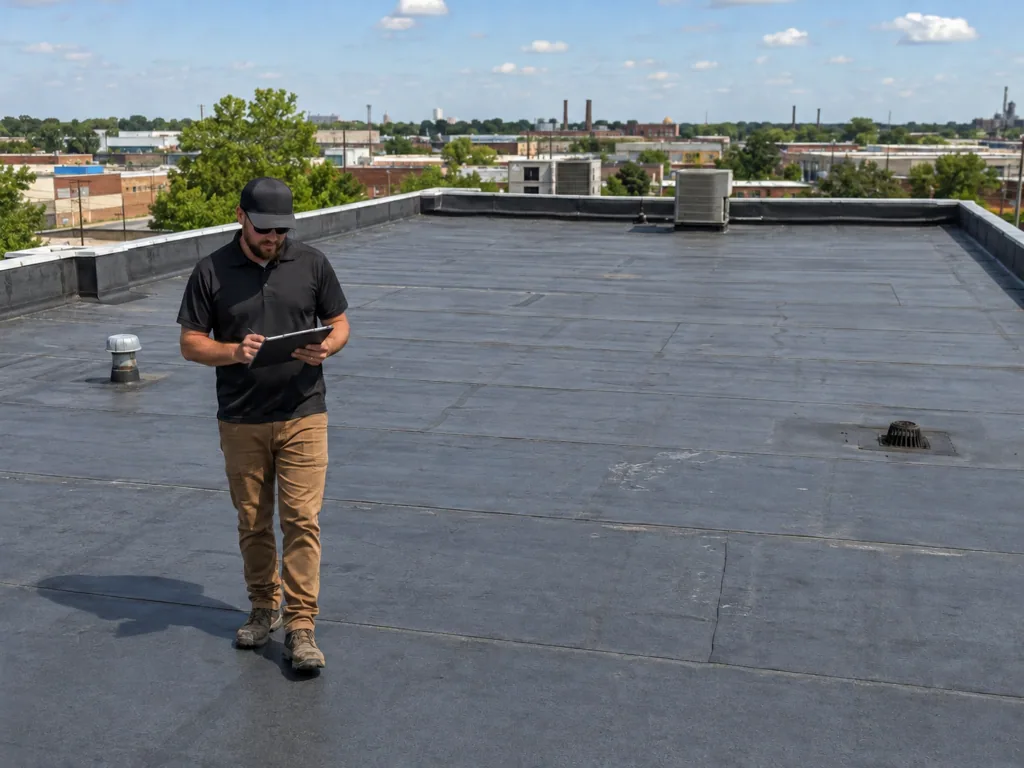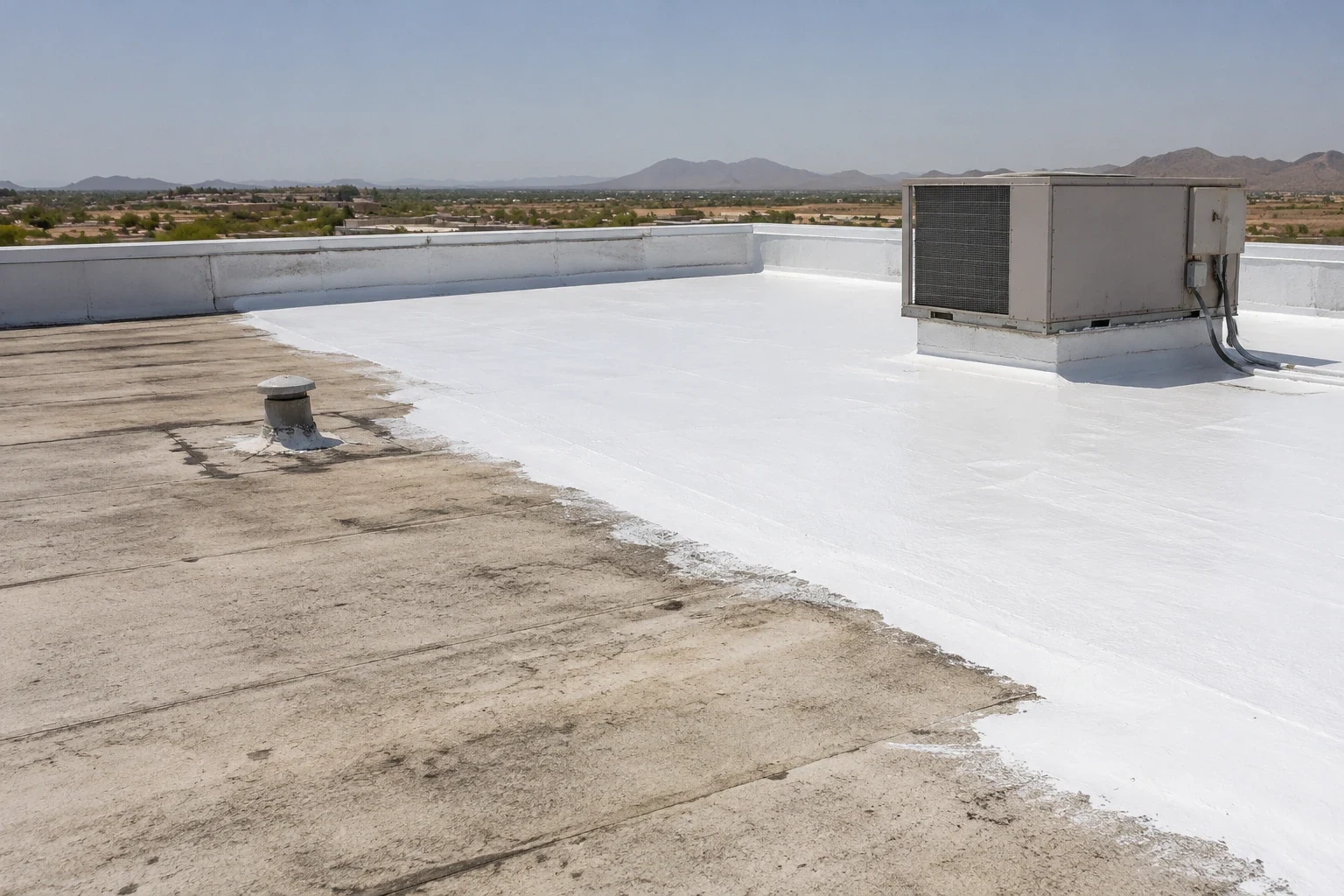
A public building roof decision has to make sense to both the facilities team and the people approving a scope. A leak in a library, operations center, or administrative building can create an immediate maintenance issue, while the roof record supports future budgeting and procurement. We document the roof zones inspected, the conditions found, and the work boundary so the recommendation can be reviewed without relying on an undocumented verbal summary.
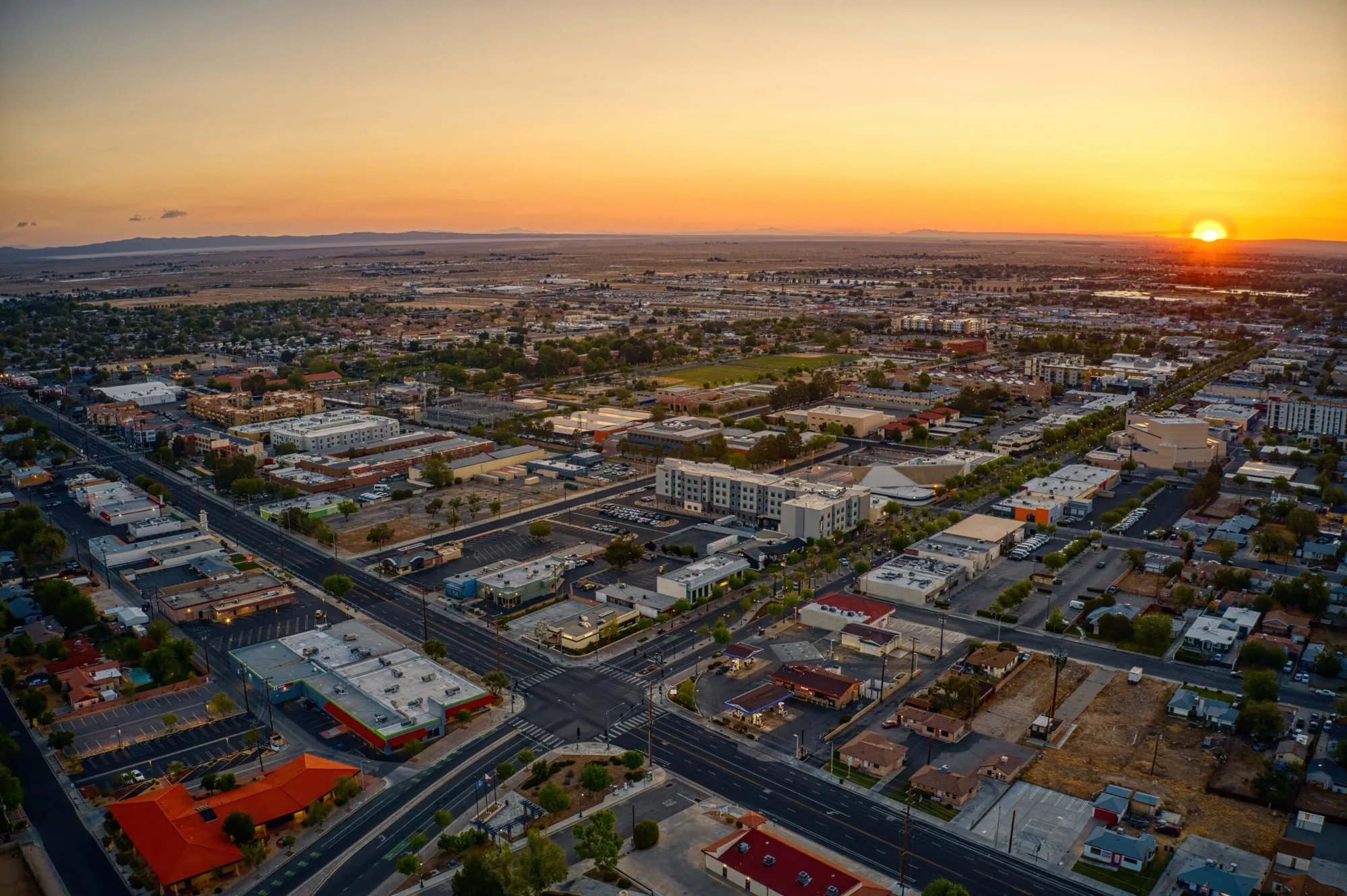
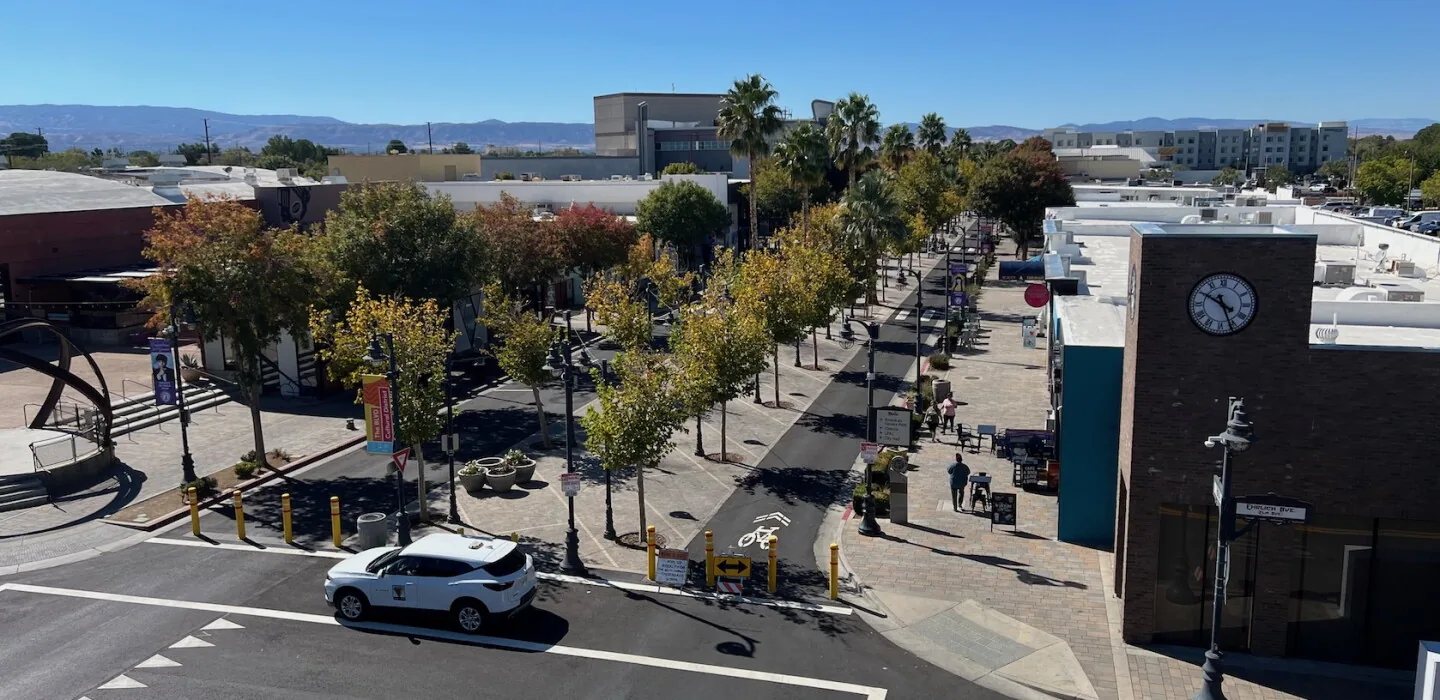
Lancaster Building and Safety lists January 1, 2026 as the start of its 2025 California code cycle for new submittals, including the energy provisions and amendments adopted locally. That matters when public work advances into design or permitting. Nearby public and commercial assets also sit among Lancaster's distinct planning areas, including North Lancaster Industrial and Lancaster Business Park. A roof scope must follow the building's actual use, applicable review path, and procurement process.
Create a Finding the Project File Can Use
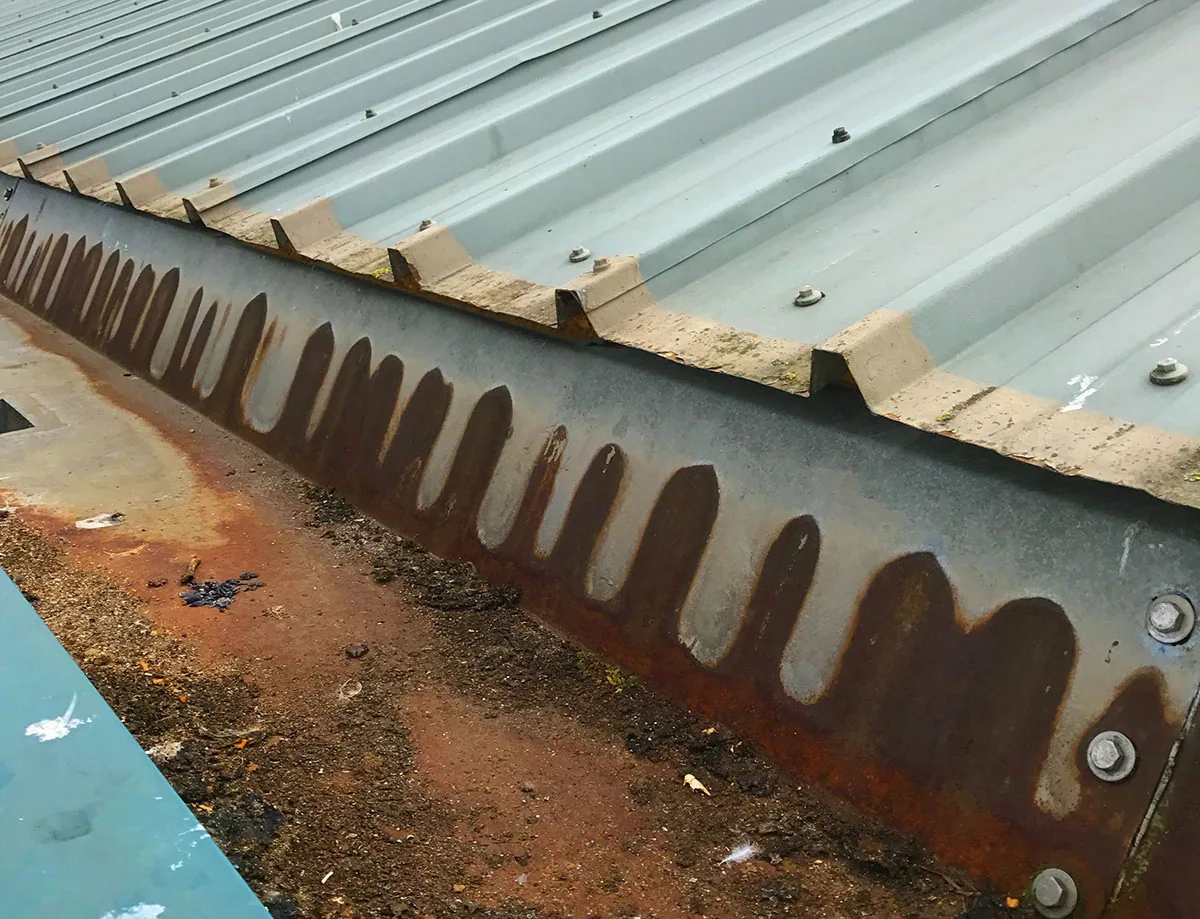
Public owners benefit from findings that separate observation from recommendation. We identify the building, roof section, visible defect, testing performed, and access limits. A moisture reading at one point does not prove that a full roof area is wet; a clean surface does not establish that the assembly below is dry. The report should make those boundaries plain and connect photos to locations that a reviewer can find again.
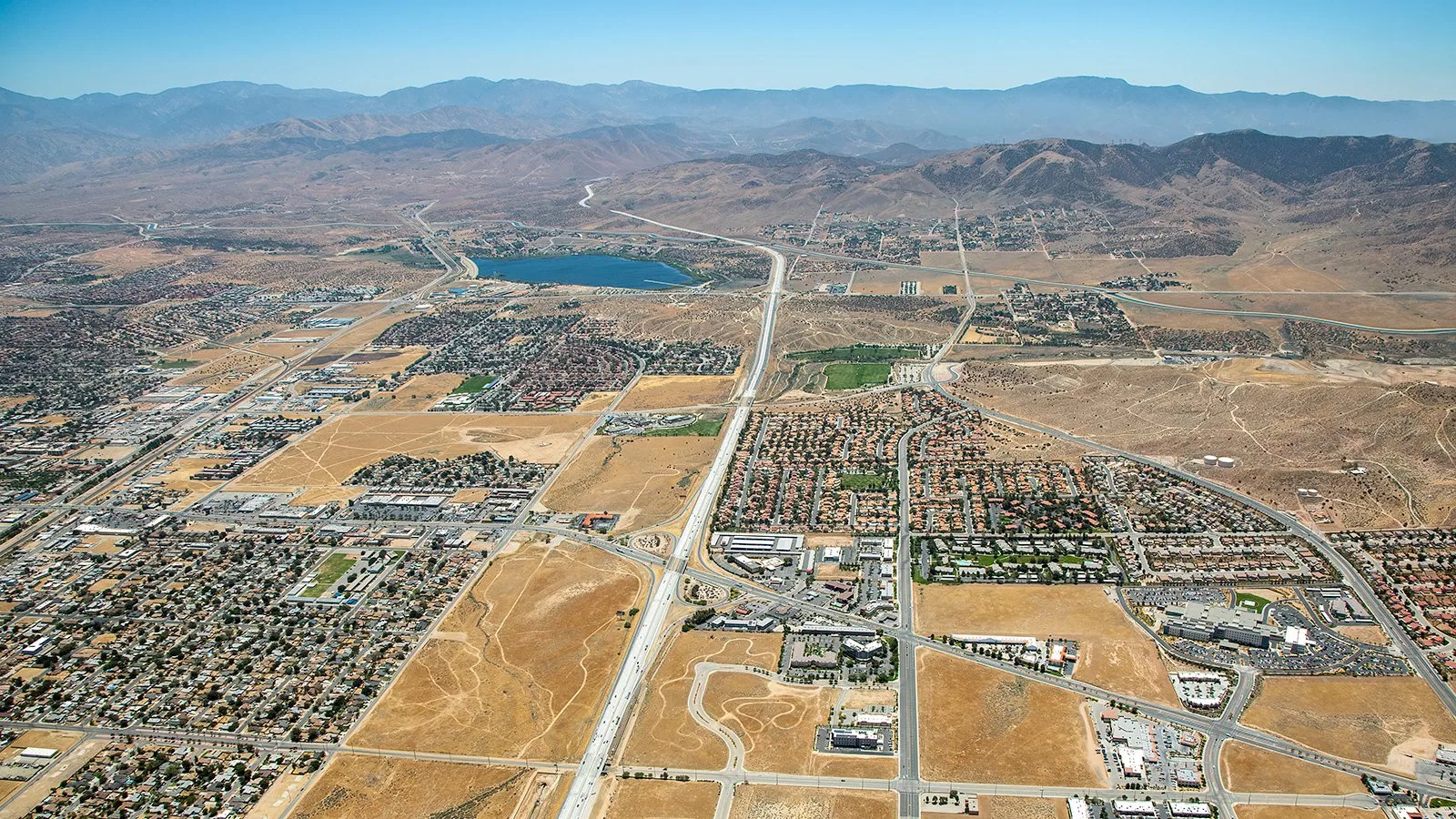
A commercial roof inspection can support maintenance planning, a repair scope, or early capital review. For a larger portfolio, a condition report can help staff compare buildings while retaining each roof's distinct assembly. Lancaster's planning inventory lists separate industrial, medical, commercial, and business-park areas. Those facts inform surrounding property context, but the recommendation still needs evidence from the building that will receive the work.
Connect Building Review with Roof Scope
When work requires a permit or plan review, the owner should identify the project stage and responsible reviewer before finalizing material and detail choices. The roofing scope can describe the existing assembly, proposed repair or replacement, and known interfaces that affect design. Energy requirements, drainage, insulation, and roof access may need coordination with other disciplines. A field observation should not be presented as a code interpretation unless the appropriate review has been completed.
For filings on or after that effective date, the project team should verify the applicable city and state provisions against the planned scope. The project team should confirm which requirements apply to its specific scope and filing date. We can document roof conditions and explain construction details for review, while the authority having jurisdiction and project design team establish compliance. Keeping that line clear makes the procurement file easier to evaluate and avoids promising an approval outcome before review.
Keep Alternatives Comparable
Repair, restoration, and replacement bids should state the same roof areas and assumptions. Identify the quantity or boundary being addressed, testing used, temporary protection, access requirements, disposal, and conditions that would trigger a change order. When one bid assumes a dry substrate and another includes removal, the prices are not directly comparable until the scope gap is clear.
For a publicly occupied facility, the scope also has to define who receives daily updates and what evidence will close the work item. Photos should show the detail before repair, the prepared surface, and the completed tie-in. If material is removed and the substrate differs from the assumed condition, pause at the agreed limit, document the finding, and obtain direction before increasing the quantity. That sequence gives a reviewer a clear explanation for a change and preserves a record of what the approved amount purchased.
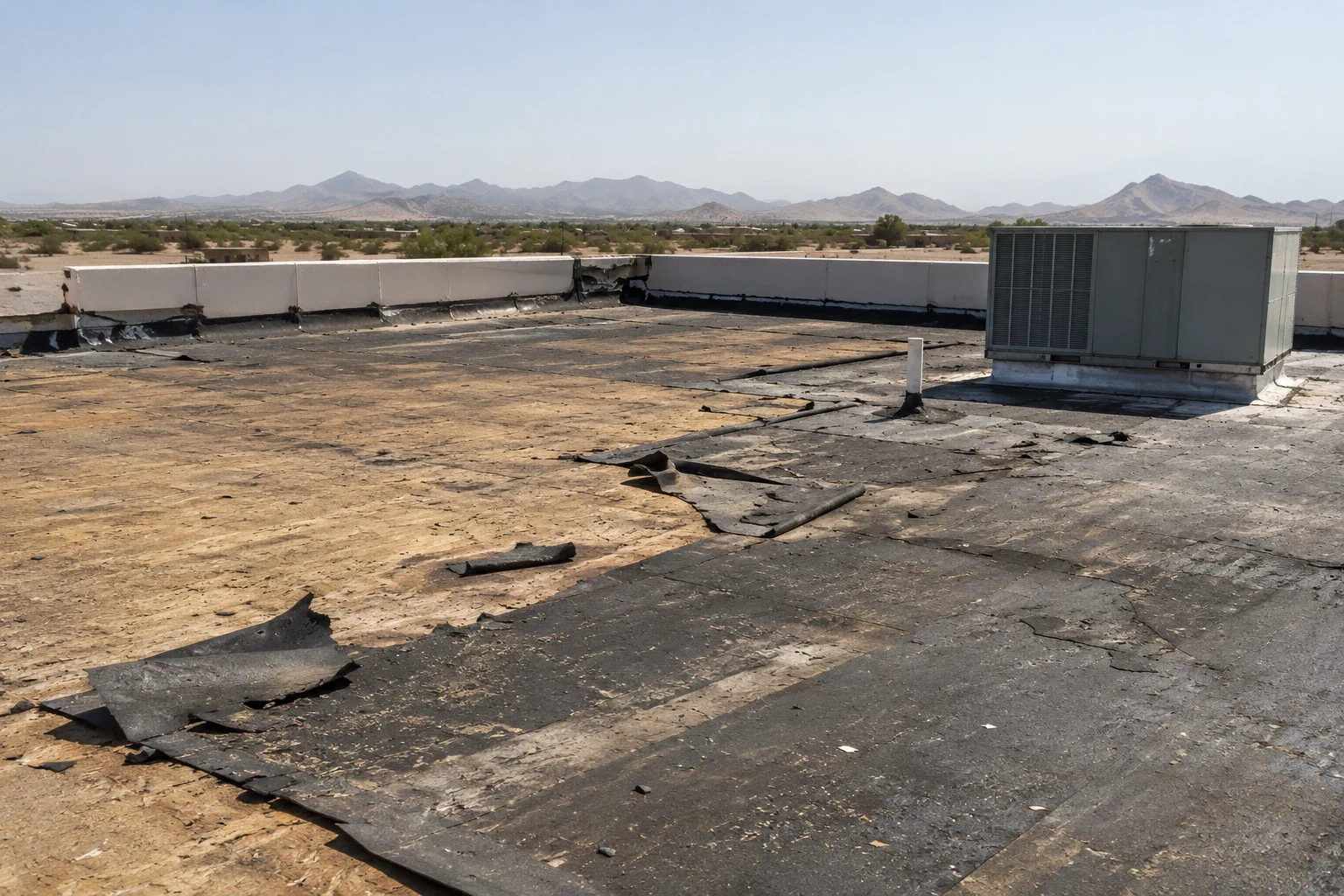
A contained leak can support repair work, while widespread moisture or recurring failures may justify a replacement study. A coating restoration option belongs in the comparison only when the substrate, attachment, drainage, and existing layers support it. The alternatives should show service implications and unknowns without suggesting that a single method fits all roofs. Procurement staff can then evaluate the work basis as well as the contractor's price.
Plan the Site for Public Use
Libraries, community facilities, and public offices may stay open while roof work proceeds. Identify visitor entrances, accessible routes, public parking, deliveries, emergency access, and hours with scheduled programs. The work plan should show the route to the roof, lift locations, material storage, noise-producing tasks, and any interior areas requiring protection. Staff can decide whether a temporary closure or notice is needed for the affected space.
At operating sites, confirm who can authorize work near public areas and how an unexpected opening will be secured. If the inspection could not access a roof section because of controls or equipment, record that limitation before estimating. The owner can then arrange access or decide whether the unavailable area should remain outside the current scope. A predictable handoff reduces disruption and keeps the work within the approved footprint.
Preserve Findings for the Next Budget Cycle
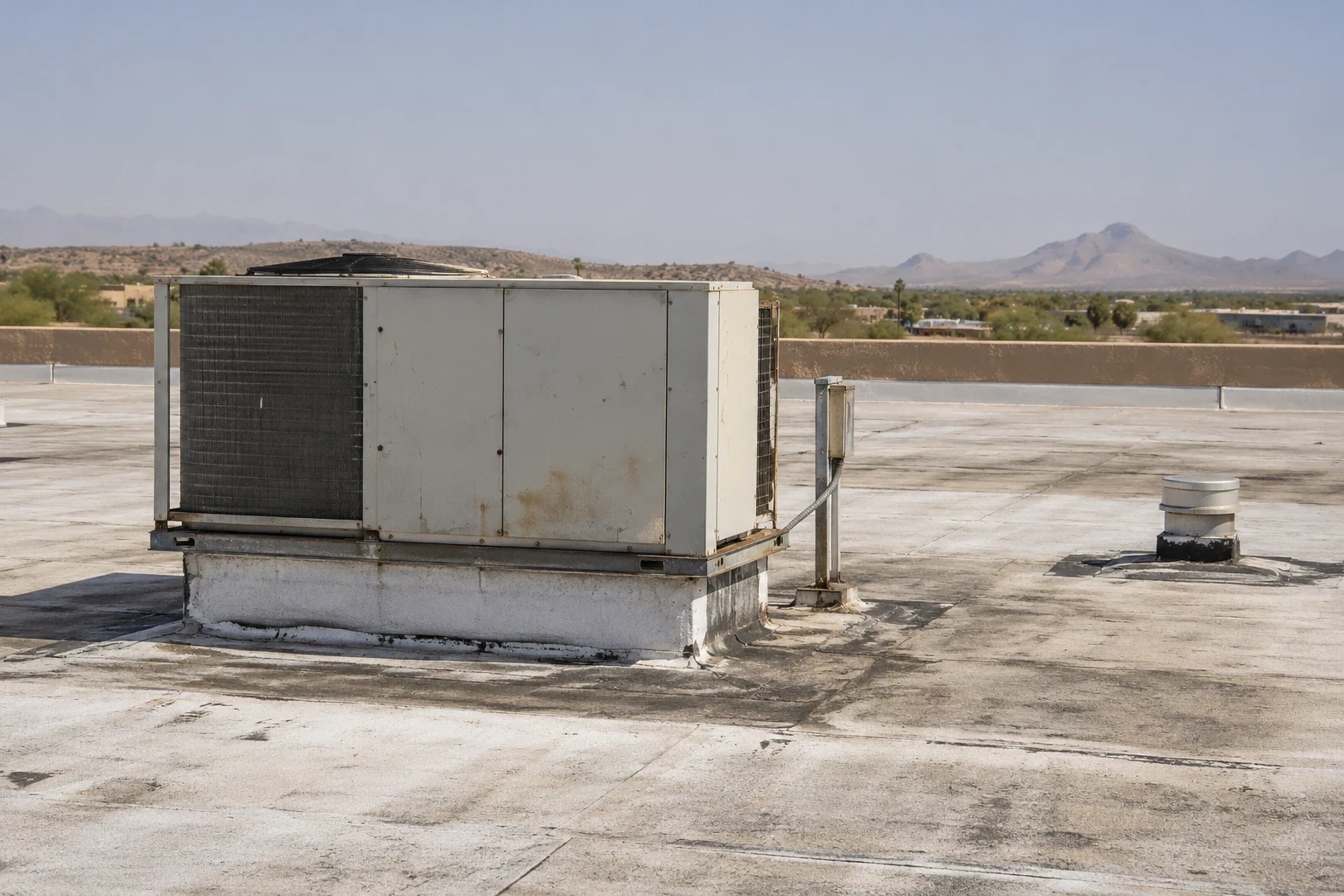
Closeout records should include before-and-after photos, materials, tested areas, repair limits, and any unresolved condition. Keep those files with the building's roof plan and procurement record. New equipment, solar work, or building additions should be recorded because each can alter penetrations, drainage, or access. When the next capital review begins, facilities staff can distinguish completed work from a recommendation that was never funded.
North Lancaster Industrial Center and Lancaster Business Park are examples of distinct local property areas in city planning records, and regional agencies also serve Palmdale's business and public activity. A North Lancaster project may face different access needs from a civic building near central Lancaster. A maintenance check before the wetter part of the year can update open items. A district facilities process shows how public owners can track separate buildings, while a property management record can keep vendor visits and repair history connected to each address. The file should identify who controls roof access, who approves the scope, and which budget line covers follow-up work.
Questions from Public Owners
Public roof work often includes review, notice, access, and documentation alongside the physical repair. The answers below focus on making those decisions visible in the file.
Commercial Roofing Questions
What should a roof inspection report include for a public project?
Include the building and roof-zone identifiers, dated photos, visible conditions, testing locations, access limits, and recommended next steps. Keep repair boundaries and assumptions clear so procurement reviewers can compare proposals on the same basis.
Does an inspection determine code compliance?
An inspection documents roof conditions. The owner and design team should confirm code requirements for the project scope and filing date with the applicable reviewer. The field report can support that process but should not replace formal plan review.
Can maintenance work proceed while an office or library stays open?
Often it can be phased, but staff should identify entrances, accessible routes, public hours, deliveries, and any area requiring temporary protection. The site plan should define the work boundary and how visitors will be directed around it.
How can bids be compared fairly?
Align the areas, removal assumptions, testing, materials, protection, access, and closeout requirements. If two proposals define different repair limits or include different contingencies, resolve that gap before comparing totals.
What if the roof is partly inaccessible during inspection?
Record which area was unavailable and why. The owner can arrange another access window or keep that section outside the current finding. Do not apply observations from an accessible area to a roof section that was not examined.
When should a public owner consider a capital project?
A capital review may be appropriate when findings span several roof zones, wet insulation recurs, repairs keep reopening, or a project must coordinate with building upgrades. The recommendation should state what evidence supports the broader scope and which areas remain untested.